分类: world

  • Trump dreigt met aanval op Iraanse energie-infrastructuur

    Trump dreigt met aanval op Iraanse energie-infrastructuur

    The strategic Strait of Hormuz has become the epicenter of a rapidly escalating military confrontation between the United States and Iran, triggering global economic concerns and fears of regional warfare. President Donald Trump issued a stark 48-hour ultimatum via social media, threatening to “obliterate” Iranian power plants if Tehran fails to fully reopen the critical waterway without conditions.

    The crisis intensified as Iran launched ballistic missiles with unprecedented 4,000-kilometer range capabilities, targeting the Diego Garcia military base in the Indian Ocean and Israeli cities Dimona and Arad. Israeli military authorities confirmed these represent Iran’s first long-range missile deployments since hostilities began in late February, noting their potential reach extends to European capitals including Berlin, Paris, and Rome.

    Iran’s Revolutionary Guard Corps claimed targeting military installations and security centers, while Prime Minister Benjamin Netanyahu characterized the assault as “extremely difficult” while reaffirming Israel’s determination to counter threats on all fronts.

    The economic ramifications are already materializing globally, with European gas prices surging 35% due to disrupted oil and gas shipments through the Strait, which facilitates approximately one-fifth of global energy exports. The conflict has claimed over 2,000 lives since its inception, creating mounting political pressure on the Trump administration ahead of midterm elections.

    Iran issued counter-threats through spokesman Ebrahim Zolfaghari, warning that any attacks on Iranian energy infrastructure would trigger retaliatory strikes against US and Israeli-linked facilities across the Middle East, including desalination plants and information technology infrastructure. Former Iranian National Security Council head Ali Larijani amplified these warnings, suggesting the entire region could experience power outages within thirty minutes if Iran’s electrical grid is compromised.

    G7 nations issued a joint statement condemning Iran’s “reckless attacks and proxy operations” while expressing support for regional partners and emphasizing the need to protect global energy supplies and secure maritime routes. Meanwhile, analysts observe Trump appears to be losing control of the conflict dynamics, facing criticism for inconsistent messaging after recently discussing winding down military operations before issuing the current ultimatum.

    The violence has expanded to neighboring countries, with Iran’s Natanz nuclear facility suffering attacks (though without radioactive leakage) and other strategic targets being struck across the region, increasing risks of broader regional warfare.

  • DNL: Cassavecrisis, overheid laat hoofdvoedsel binnenland instorten

    DNL: Cassavecrisis, overheid laat hoofdvoedsel binnenland instorten

    Suriname is confronting a severe agricultural emergency as an aggressive cassava disease continues to devastate crops across the nation after nearly two years of uncontrolled spread. The viral infection, identified as cassava mosaic disease, has reached epidemic proportions, destroying vast agricultural fields and threatening food security for thousands of families.

    The pathogen, which causes severe leaf discoloration, growth stagnation, and drastic yield reduction, spreads rapidly through contaminated plant material and insect vectors such as whiteflies. What began as an agricultural concern has now escalated into a full-blown national crisis, with once-fertile fields transformed into barren landscapes without harvestable produce.

    Cassava serves as the staple food for interior communities and remains a cherished crop nationwide for producing traditional foods including bojo and chips. The escalating disease now directly endangers the nutritional security of these populations, creating acute food shortages in remote regions.

    Despite repeated warnings from agricultural experts and clear recommendations to declare a phytosanitary emergency—mirroring responses implemented in neighboring Brazil and French Guiana—the Ministry of Agriculture, Livestock, and Fisheries has largely limited its response to media statements. The absence of coordinated action has facilitated mass disease propagation across agricultural regions.

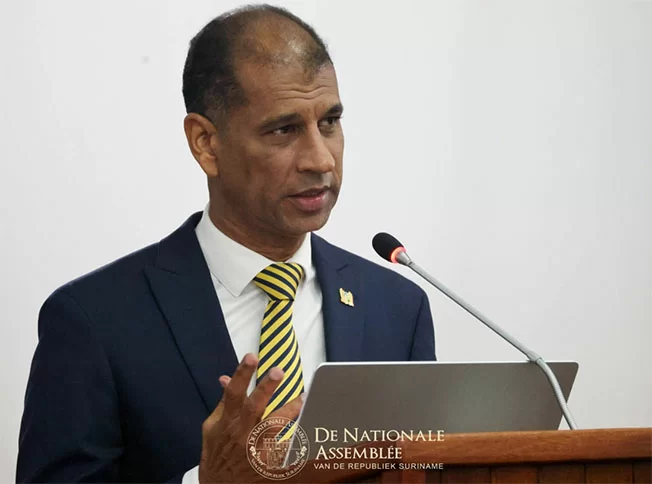
    The Scientific Bureau of DNL, through chairman Rakesh Jhagroe, has issued an urgent call for immediate government intervention. Their comprehensive demands include: immediate destruction of infected fields; halting cassava cutting imports; producing disease-free planting material through CELOS; providing direct support to interior farmers; establishing cross-border collaboration with Brazil and French Guiana; creating a national emergency command for coordination; and implementing intensive awareness campaigns for village communities and agricultural workers.

    Without immediate national mobilization, Suriname stands on the brink of complete cassava production collapse, potentially eliminating the primary food source for thousands of households. Delayed action could precipitate a humanitarian disaster with far-reaching consequences for the nation’s food sovereignty and rural livelihoods.

  • With Oil Over $100USD, How Are Nations Stretching Their Supplies?

    With Oil Over $100USD, How Are Nations Stretching Their Supplies?

    As global oil prices surge beyond the $100 USD benchmark, nations across Asia are implementing unprecedented energy conservation strategies to mitigate economic strain. The price escalation stems from recent military engagements between US-Israeli forces and Iran, which have severely disrupted shipping through the critical Strait of Hormuz maritime corridor.

    This strategic choke point, responsible for transporting approximately 90% of Asia’s oil and gas imports last year, has become substantially constrained due to regional hostilities. The resulting supply chain disruption has compelled multiple governments to enact emergency measures aimed at reducing national fuel consumption.

    Sri Lanka has instituted a novel approach by designating every Wednesday as an official holiday for public institutions, directly targeting reduced transportation fuel demand. President Anura Kumara Dissanayake characterized the situation as requiring preparation for ‘the worst-case scenario’ while maintaining optimistic outlooks.

    Thailand’s government has launched an initiative encouraging professional workers to abandon formal suits in favor of short-sleeved attire, thereby reducing air conditioning requirements in workplace environments. Simultaneously, Bangladesh has strategically rescheduled academic calendars by moving up Ramadan holidays and implementing systematic power rationing programs.

    The Philippine administration has mandated that government employees work remotely at least one day weekly to decrease commuter traffic, while President Ferdinand Marcos Jr has imposed strict limitations on non-essential public sector travel.

    Prime Minister John Briceño of Belize confirmed that limited options exist for mitigating fuel price inflation while Middle Eastern conflicts persist, highlighting the global interconnectedness of energy markets and the widespread impact of regional geopolitical tensions.

  • Cuba scrambles to restore power after new blackout

    Cuba scrambles to restore power after new blackout

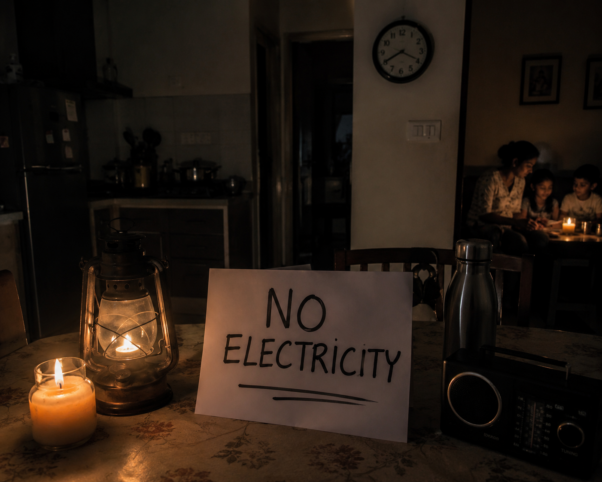
    HAVANA, Cuba — For the second time in under a week, Cuba experienced a complete nationwide power outage on Sunday, plunging nearly 10 million citizens into darkness and exacerbating an already severe energy crisis. The blackout, attributed to the country’s aging electrical infrastructure and compounded by a stringent US oil embargo, represents the seventh total grid failure recorded since the beginning of 2024.

    Authorities from the Ministry of Energy and Mines confirmed a ‘total disconnection’ of the national electric system on Saturday. By early Sunday, partial restoration efforts had begun, with power returning to certain districts of Havana while others remained without electricity. Minister Vicente de la O Levy announced via social media platform X that several key facilities, including a gas-fired power station near Havana, another in the resort town of Varadero, a central hydroelectric plant, and a unit at a thermoelectric facility, had been successfully brought back online.

    The crisis has been severely intensified by a critical shortage of fuel. No oil imports have reached the island since January 9th, a direct consequence of the US blockade and President Donald Trump’s threats to tariff nations that engage in oil trade with Cuba. This fuel drought has not only crippled the power sector but also forced airlines to slash flights, dealing a devastating blow to the vital tourism industry. The situation deteriorated further following the capture of Venezuela’s Nicolas Maduro, Cuba’s primary regional ally and oil supplier, in a US military operation earlier this year.

    Daily life for Cubans has become increasingly arduous. The frequent and prolonged blackouts raise fears of food spoilage in refrigerators and compound existing shortages of essential goods like medicine and food. These frustrations recently boiled over into rare public unrest, with demonstrators vandalizing a provincial office of the ruling Communist Party last weekend.

    The timing of the latest blackout is particularly poignant, as it coincides with the arrival of an international humanitarian aid convoy. The aid shipment, which includes critically needed medical supplies, food, water, and solar panels, offers a glimmer of hope for a population grappling with a multifaceted economic and infrastructural collapse.

  • Hawaii hit by devastating floods as thousands forced to flee

    Hawaii hit by devastating floods as thousands forced to flee

    Hawaii remains gripped by a severe flooding crisis as a powerful storm system continues to pummel the archipelago, triggering widespread evacuations and causing extensive damage across multiple islands. Governor Josh Green has declared a statewide flood watch, emphasizing the rapidly deteriorating conditions and warning residents not to underestimate the storm’s destructive potential.

    The current weather event marks the second major storm to strike Hawaii within a week, exacerbating already saturated ground conditions. Meteorological data reveals extraordinary rainfall accumulations, with some areas recording between 40 and 50 inches (127 cm) of precipitation over the past ten days. Forecast models predict additional deluges of 4-6 inches for Oahu and potentially up to 12 inches for parts of Maui.

    Governor Green confirmed that while no fatalities have been reported, several serious injuries have occurred. The state has activated emergency programs to provide displaced residents with discounted hotel accommodations. The economic impact appears substantial, with Honolulu Mayor Rick Blangiardi estimating damage could surpass $1 billion (£745 million). Emergency crews have conducted over 230 rescues since Friday.

    Critical infrastructure concerns have emerged regarding a dam on Oahu, Hawaii’s most populous island, which authorities warn is at risk of failure. Evacuation orders have affected approximately 5,500 residents north of Honolulu as floodwaters have lifted homes and vehicles. Multiple road closures are in effect across several islands.

    The Honolulu Department of Emergency Management has issued repeated flash flood warnings, advising residents to seek higher ground and avoid flooded areas. Additional flood watches cover Maui, Molokai, and the Big Island.

    Meteorologists attribute the extreme weather to a ‘Kona Low’—a slow-moving low-pressure system that pulls warm, moisture-rich air toward the islands, generating torrential rains and flash flooding. Some regions have experienced winds reaching 100 mph (160 km/h) alongside rainfall exceeding 10 inches.

    This storm represents Hawaii’s most significant flood event in two decades, damaging airports, schools, roads, hospitals, and residential properties. The disaster follows the devastating 2023 Lahaina wildfires that claimed over 100 lives, highlighting Hawaii’s increasing vulnerability to extreme weather events.

  • Trump overweegt afbouw militaire operatie, terwijl conflict Midden Oosten escaleert

    Trump overweegt afbouw militaire operatie, terwijl conflict Midden Oosten escaleert

    The Middle East faces unprecedented turmoil as military confrontations between Iran, Israel, and the United States intensify, targeting critical infrastructure and threatening global energy security. Recent developments include a suspected Israeli-American strike on Iran’s Natanz nuclear enrichment facility, though Israel has denied involvement. International Atomic Energy Agency officials have confirmed no radioactive leakage from the site, while Russia condemned the attack as a “blatant violation of international law.

    Simultaneous Israeli airstrikes hit Beirut areas associated with Hezbollah and multiple Iranian cities including Tehran, Karaj, and Isfahan. Iranian media reported three civilian fatalities in a residential building strike in Ramsar, prompting widespread sheltering across Israel in response to air raid alerts.

    Iran retaliated by launching ballistic missiles toward the joint US-UK military base on Diego Garcia Island in the Indian Ocean, approximately 3,800 kilometers away. The missiles missed their target, and the UK Defense Ministry noted the attack occurred before authorization was granted for using British bases for American operations against Iranian targets.

    President Donald Trump signaled a potential reduction in US military engagement, stating via social media that America is “very close to achieving our objectives” and considering scaling back Middle Eastern operations. He urged other nations to assume responsibility for securing the Strait of Hormuz—a critical passage for approximately 20% of global oil and gas exports—emphasizing that the US should not bear this burden alone.

    The conflict has already claimed over 2,000 lives since hostilities began on February 28, with energy infrastructure attacks driving a 50% surge in oil prices and triggering worldwide inflation. European gas prices jumped 35% this week due to damaged facilities, prompting EU calls for reduced consumption and energy demand management.

    Diplomatic channels show slight openings, with Iran indicating willingness to permit Japanese vessels—which handle nearly 90% of Japan’s oil imports—safe passage through the Strait of Hormuz. Meanwhile, Germany and France insist violence must cease before further steps can be taken, even as the US, Japan, Canada, and European allies pledge to secure the vital waterway.

    National positions remain firm: Israel vows to continue targeting Iranian military capabilities, Iran’s leadership emphasizes national unity and resilience, Russia advocates political solutions, and the EU focuses on stabilizing energy markets through coordinated action.

  • Minor Earthquake Recorded North of Antigua

    Minor Earthquake Recorded North of Antigua

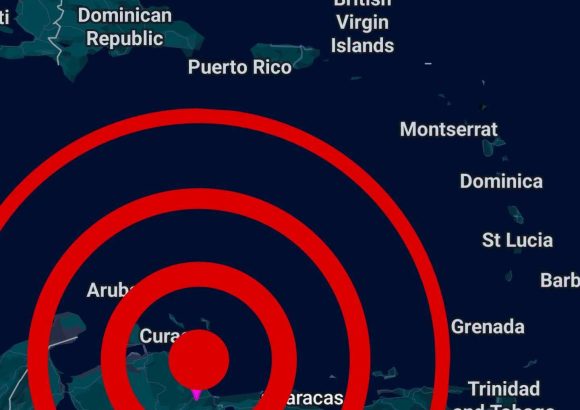
    A minor seismic event measuring 3.8 on the Richter scale was detected north of Antigua and Barbuda late Friday evening, as confirmed by the University of the West Indies Seismic Research Centre. The tremor occurred at 8:50 p.m. local time (00:50 UTC) on March 20th, with its epicenter positioned approximately 247 kilometers north-northwest of St. John’s, Antigua.

    According to preliminary data, the earthquake originated at a depth of 10 kilometers beneath the Earth’s surface, with coordinates placing it at latitude 19.22 north and longitude 62.56 west. The seismic activity was also recorded 214 kilometers north of Basseterre, St. Kitts and Nevis, and 272 kilometers north of Brades, Montserrat.

    Notably, the tremor appears to have gone unfelt across the region, with no immediate reports of ground shaking or structural damage. The Seismic Research Centre emphasized that their initial calculations were generated through automated computer algorithms, with the precise location subject to potential revision upon further scientific analysis. The event serves as a routine geological occurrence in the seismically active Caribbean region.

  • No Tsunami Threat to Antigua After 6.9 Magnitude Mid-Atlantic Earthquake

    No Tsunami Threat to Antigua After 6.9 Magnitude Mid-Atlantic Earthquake

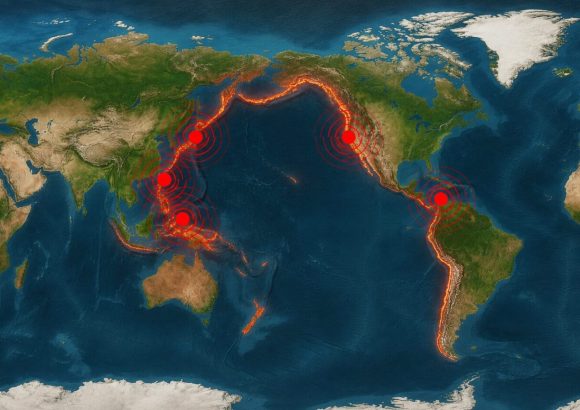
    The Antigua and Barbuda Meteorological Service released an official Tsunami Information Statement at 8:45 am AST on Saturday, March 21, 2026, addressing recent seismic activity in the Atlantic region. According to the bulletin, a significant earthquake measuring 6.9 magnitude struck the Northern Mid-Atlantic Ridge at approximately 8:17 am local time. The seismic event originated at a depth of 1 kilometer (0.6 miles), with epicentral coordinates placed at 23.8° North and 45.8° West—approximately 1,818 kilometers (1,130 miles) northeast of Antigua.

    Following comprehensive analysis of available seismic data, the Tsunami Warning Centre confirmed no substantial tsunami threat exists for Antigua and Barbuda. However, meteorological authorities acknowledged minimal possibility of minor tsunami waves affecting Atlantic coastal areas nearest to the earthquake’s epicenter.

    The national meteorological service emphasized that no immediate action is required for residents or visitors. Officials simultaneously recommended maintaining awareness through official communication channels and using the opportunity to review emergency preparedness protocols. Coastal residents were particularly advised to reaffirm their knowledge of evacuation routes and designated safety zones despite the absence of immediate danger.

    The service indicated this would constitute the sole advisory regarding this seismic event unless subsequent data necessitates further updates. The meteorological department encourages continued monitoring of their official broadcasts for any developments.

  • Modernizing Caribbean water systems for jobs, resilience, and growth

    Modernizing Caribbean water systems for jobs, resilience, and growth

    The economic vitality of the Caribbean, fundamentally anchored in tourism, agriculture, and fisheries, is confronting a severe threat from a growing water security crisis. These sectors, which collectively support millions of livelihoods, are entirely dependent on a resource that is increasingly under strain. Despite high connectivity rates with approximately 90% of households linked to piped systems, reliable water service remains elusive across much of the region due to aging infrastructure, climatic pressures, and systemic inefficiencies.

    A critical operational failure is the staggering scale of non-revenue water, with utilities losing an average of 50% of treated water through leaks in dilapidated pipe networks. This wastage carries a profound economic toll, exacerbated by the region’s status of having some of the world’s highest electricity prices. Pumping and treating water already consumes about 40% of utility operating costs, meaning lost water also represents squandered energy and capital.

    Further compounding the problem is inadequate wastewater management. An estimated 85% of wastewater is discharged untreated into the marine environment, polluting the very coastal ecosystems—coral reefs, fisheries, and beaches—that form the backbone of the tourism industry and sustain coastal communities. This pollution directly undermines employment, food security, and income generation.

    The situation is being intensified by climate change, with hurricanes and heavy rainfall causing destructive flooding that damages critical water infrastructure and disrupts transport networks.

    Addressing this multifaceted challenge requires a strategic, multi-pronged approach. Priorities include a fundamental shift in operational philosophy towards running utilities as modern, data-driven businesses to enhance efficiency and financial independence. Fostering deeper regional integration is also essential to allow small island states to pool resources, share technical expertise, and implement standardized solutions for leak detection and disaster recovery that would be unaffordable individually.

    Concurrently, modernizing the sector demands investment in human capital through specialized training in environmental engineering and digital technologies to build a skilled workforce. Finally, mobilizing significant investment is critical. Achieving climate-resilient water services requires annual investment of around 3% of regional GDP, a target unattainable through public funding alone. Improving utility governance and preparing bankable projects are vital to attracting private capital.

    The World Bank is supporting this transformation through initiatives like Barbados’s program-for-results financing focused on service delivery and policy reforms in Saint Lucia and Grenada. Building on these efforts, the Bank is developing a new regional water security program aimed at enhancing utility performance and cross-country cooperation. With concerted action, the Caribbean can secure the water systems that protect its economic future.

  • From Cuba, to T&T then Venezuela

    From Cuba, to T&T then Venezuela

    A Hong Kong-flagged fuel tanker at the center of Caribbean energy tensions has undertaken another unexpected diversion, now heading toward Venezuela after initially changing course from Cuba to Trinidad and Tobago. Maritime tracking data from MarineTraffic indicates the Sea Horse oil/chemical tanker is scheduled to arrive at Puerto Cabello on March 23rd at 4:30 p.m., marking the latest development in a complex geopolitical energy saga.

    The vessel’s redirection comes amid a severe energy crisis in Cuba that culminated in a nationwide blackout lasting over 29 hours beginning March 16th. Although Cuban authorities managed to restore power grid connectivity and reactivate the country’s largest thermal electricity plant by Tuesday, officials warned that continued U.S. restrictions on fuel supplies could trigger further outages.

    According to maritime intelligence reports, the Sea Horse loaded its diesel cargo earlier this year through a ship-to-ship transfer in the Mediterranean before sailing toward the Caribbean. The Russian-origin fuel had been idling in the Atlantic Ocean since late February, creating a floating storage scenario that reflects the complexities of global energy logistics under sanctions regimes.

    The U.S. Treasury Department recently revised previously issued waivers covering sales of Russian-origin petroleum products, specifically excluding transactions involving North Korea, Cuba, and Crimea. This policy adjustment occurs as the Trump administration attempts to balance containing rising crude and gasoline prices amid Middle East conflicts while maintaining pressure on Cuba’s Communist government by restricting oil supplies to private entities only.

    Meanwhile, Russia’s state-run TASS news agency reported that Moscow is engaged in discussions with Havana regarding potential aid options, though specific details remain undisclosed. Cuba’s energy infrastructure remains critically dependent on imported fuel oil and diesel for electricity generation, with the country having received only two tankers carrying imported oil cargoes so far this year according to LSEG data.

    The situation has created a severe gasoline shortage in Cuba, with sales strictly rationed and black market prices reaching approximately $8 per liter—six times the official government rate. Attempts to reach Trinidad and Tobago’s Energy Minister Dr. Roodal Moonilal and Works and Infrastructure Minister Jearlean John for commentary on the tanker’s diversion were unsuccessful.