分类: world

  • Antigua Airways Controversy Influencing Government’s Approach to Air Peace Flights, PM Says

    Antigua Airways Controversy Influencing Government’s Approach to Air Peace Flights, PM Says

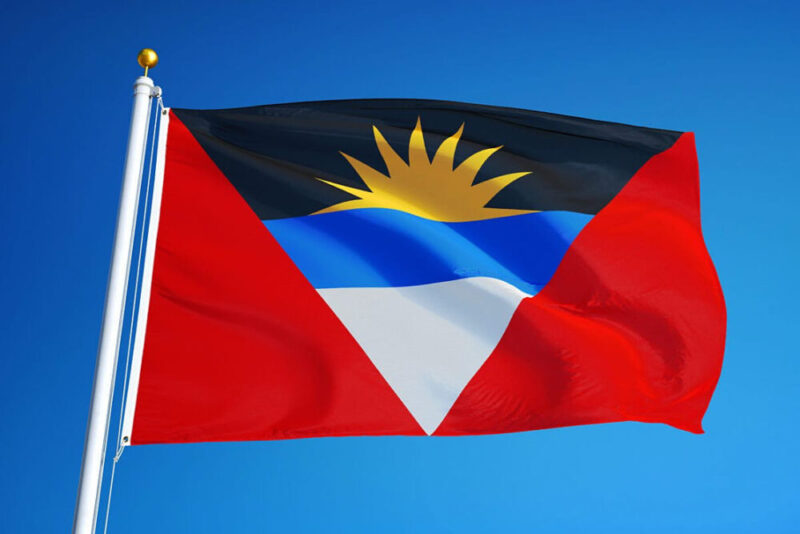
    Against a backdrop of lingering public health concerns over Ebola in parts of Africa and hard-learned lessons from a past migrant controversy, the government of Antigua and Barbuda is moving forward with extreme caution on the proposed new Air Peace passenger service connecting Nigeria to the Caribbean, Prime Minister Gaston Browne has confirmed. Speaking during an interview with local outlet Pointe FM on Saturday, Browne outlined that the administration is holding a “very conservative position” on the planned route originating from Lagos, a direct response to the major complications the nation faced during the ill-fated Antigua Airways operation that unfolded between late 2022 and early 2023.

    The prime minister made clear that the previous incident left lasting impacts on the country’s policy approach: “We got burnt there, so we’ve been a little cautious.” He detailed how the 2022-2023 crisis unfolded: Antigua Airways marketed flights as bringing tourists to the Caribbean nation, but in reality, most passengers were conflict migrants from Cameroon who transited through Nigeria on their way to Antigua, with the ultimate goal of reaching the United States illegally.

    In response to the crisis, Antigua and Barbuda’s government made the decision to suspend the Antigua Airways flights, in large part to avoid any perception that the nation was enabling human trafficking. “We didn’t want anybody to think, even erroneously, that we were facilitating any form of trafficking of people,” Browne emphasized. The fallout extended far beyond the initial landing of the flights, he added: roughly 600 migrants refused voluntary repatriation to Africa, and many began attempting to travel onward illegally by small boat to the United States, creating prolonged enforcement and humanitarian challenges for the small island nation.

    Despite the cautious approach to the new Air Peace route, Browne stressed that Antigua and Barbuda remains deeply committed to building stronger air connectivity between Africa and the Caribbean. The nation has long been a pioneer in establishing the “air bridge” between the two regions, he noted, and that core commitment has not changed. That said, the recent resurgence of Ebola concerns in parts of Africa has added an extra layer of urgency to the government’s need for precautionary measures.

    In practical terms, the cautious approach means the inaugural scheduled Air Peace flight will likely not land in Antigua as originally planned. Instead, the service will fly directly to Barbados first, with passengers bound for Antigua transported onward to the country via regional carrier LIAT. To mitigate public health risks, the government is already moving to reinstate enhanced screening protocols at Antiguan airports, including the return of infrared thermal scanners and alignment with strict international public health standards. The nation’s Infectious Disease Centre has also been reactivated as a preventative measure to monitor and respond to any potential health threats linked to incoming travel.

  • Hadj 2026: Pelgrims ondanks oorlog en hitte naar Mekka

    Hadj 2026: Pelgrims ondanks oorlog en hitte naar Mekka

    Against the backdrop of ongoing armed conflict across the Middle East and sweltering desert temperatures, the annual Islamic Hajj pilgrimage to Mecca, Saudi Arabia, has drawn a larger number of international pilgrims than in 2025, defying security and logistical challenges that many feared would disrupt the sacred ritual.

    Hajj, one of the five fundamental pillars of Islam, requires every physically and financially able Muslim to complete the journey at least once in their lifetime. This year, the ritual has unfolded against unprecedented regional turmoil: a conflict that erupted in late February following U.S. and Israeli strikes on Iran sparked retaliatory attacks from Tehran targeting sites across Saudi Arabia and the broader Gulf region. The escalation triggered widespread airspace closures and massive flight cancellations across the Middle East, throwing early travel plans for thousands of pilgrims into disarray.

    Yet major Gulf air carriers from the United Arab Emirates, Qatar and Bahrain moved rapidly to restore full flight operations, prioritizing pilgrim travel to ensure the religious gathering could proceed as scheduled. As of the latest update from Saudi security authorities, the total number of international pilgrims who have arrived in the kingdom stands at 1,518,153 – already surpassing last year’s total international count of 1,506,576. Saleh Al-Murabba, commander of the Hajj Passport Forces, confirmed the figure during a press briefing, noting that final numbers are expected to rise further in the coming days as last-minute arrivals complete entry procedures. Last year’s overall Hajj attendance totalled 1,673,320 pilgrims, including both domestic and international worshippers.

    Beyond regional security tensions, pilgrims are facing a second major test: extreme summer heat that has pushed temperatures in Mecca above 45 degrees Celsius throughout the pilgrimage period. These soaring temperatures carry significant health risks, including dehydration and life-threatening heatstroke for pilgrims trekking between sacred sites across the arid region. To address the threat, Saudi authorities have rolled out expanded public safety measures, including additional shaded rest areas across ritual routes, more than 10,000 free water distribution points, and mobilized hundreds of mobile medical teams positioned at key sites to respond to heat-related emergencies.

    Images captured from the Grand Mosque in Mecca show thousands of worshippers circling the Kaaba, Islam’s holiest site, dressed in the traditional white ihram garments worn by pilgrims. Despite the difficult conditions, pilgrims across the camp have expressed unwavering resolve to complete their sacred obligations. For the global Muslim community, the 2026 Hajj stands as a powerful demonstration of spiritual commitment, with the annual gathering long revered as a core symbol of unity among Muslims from across the world.

  • U.S. Embassy processes more than 54,000 immigrant visas in Dominican Republic

    U.S. Embassy processes more than 54,000 immigrant visas in Dominican Republic

    In a recent official announcement from its mission in Santo Domingo, the United States Embassy has revealed a striking milestone in consular operations: over 54,000 immigrant visas were processed for Dominican applicants in the latest reporting period. This volume places the Dominican Republic in the unrivaled second position globally for U.S. immigrant visa issuance, outpaced only by neighboring Mexico.

    Diplomatic representatives noted that this visa processing figure is twice the size of the volume recorded by any other nation in the Caribbean and Latin American region. Beyond just a numerical metric, the embassy framed the data as a tangible reflection of the deep, longstanding connections that bind the two countries — particularly close family ties that span the border, and decades of steady diplomatic collaboration.

    In addition to permanent immigrant travel, the mission also highlighted growing demand for temporary entry to the United States across multiple categories: tourism, academic study, and short-term employment. A standout example cited is the popular Summer Work Travel program, a cultural exchange initiative that facilitates visas for roughly 4,000 Dominican university students to live and work in the U.S. during their summer break each year.

    The announcement went on to underscore that the bilateral relationship between the U.S. and the Dominican Republic is reinforced by dynamic integration across three key areas: trade, tourism, and migration. On the tourism front alone, more than five million American travelers visited the Dominican Republic over the previous 12 months, making it one of the top Caribbean destinations for U.S. vacationers. Conversely, more than 250,000 U.S. citizens currently call the Dominican Republic their home, a testament to the country’s enduring appeal for American expats and retirees.

    To conclude the statement, the diplomatic mission reaffirmed its longstanding commitment to two core priorities: ensuring the safety and protecting the interests of U.S. citizens residing in or traveling to the Dominican Republic, and streamlining processes for legitimate cross-border travel between the two nations. The embassy emphasized it will continue to work in close coordination with local Dominican authorities to deliver reliable, accessible consular services for all applicants.

  • Pope urges ‘disarming’ of AI in major manifesto

    Pope urges ‘disarming’ of AI in major manifesto

    On a historic Monday at Vatican City, Pope Leo XIV — the first pontiff from the United States — presented his much-anticipated first encyclical *Magnifica Humanitas* (Magnificent Humanity), a landmark teaching document positioning ethical AI governance as a core priority of his papacy. In this sweeping manifesto addressing the accelerating development of artificial intelligence, the pope delivered a urgent call to “disarm AI” while warning that the unregulated rise of the technology is enabling dangerous “new forms of slavery” across the globe.

    Central to the encyclical is a rebuke of the global arms race for increasingly powerful algorithms and massive datasets, which the pope argues is driven solely by the pursuit of geopolitical hegemony and commercial monopoly rather than collective human good. The pontiff was joined at the in-person presentation by leading AI stakeholders including Christopher Olah, co-founder of major U.S. AI firm Anthropic, a company currently locked in a high-profile legal dispute with the U.S. military over its refusal to allow its technology to be repurposed for lethal autonomous weapons systems and mass surveillance.

    Olah acknowledged at the event that AI companies operate within incentive structures and regulatory frameworks that often push priorities that conflict with ethical, public-facing action. He welcomed collaborative input from global institutions outside the tech sector, including the Catholic Church, to steer the development of AI toward more equitable outcomes, noting that the existential and ethical questions raised by advanced AI far exceed the scope of the small research community that currently guides its progress. Pope Leo accepted this invitation to partnership, affirming his confidence that cross-sector collaboration can help humanity shape a AI future that serves, rather than subjugates, people.

    In crafting the encyclical, the pope explained he consulted a broad cross-section of stakeholders: AI scientists, engineers, elected leaders, parents, and educators, hearing both urgent warnings from critics and the unheard voices of those exploited by AI supply chains. He stressed that AI must be liberated from ideological frameworks that turn the technology into a tool of domination, social exclusion, and death, drawing a sharp line against AI-powered lethal weaponry, arguing it is never morally acceptable to delegate life-or-death killing decisions to algorithms. This position aligns with a longstanding pattern of public conflict between Pope Leo and the White House over the ongoing Iran war and the Trump administration’s recent invocation of “just war” theory to justify the conflict. The pope wrote in the encyclical that this traditional framework is outdated, emphasizing that no algorithm can erase the moral harm of war.

    Citing United Nations data projecting the total global value of AI could hit $4.8 trillion by 2033 — a 25-fold increase in just 10 years — Pope Leo noted that nearly all this growing wealth is concentrated in the hands of a tiny elite. He clarified that the call to “disarm AI” does not mean rejecting the technology entirely, but rather dismantling the “armed competition” mindset that drives its current development. “To disarm does not mean rejecting technology, but preventing it from dominating humanity,” he wrote, adding that AI should be designed as human-centric, universally accessible, and open to ongoing public debate.

    The text draws on a rich array of cultural references spanning millennia, from the ancient Greek philosopher Plato to Ludwig van Beethoven’s Ninth Symphony, and even includes a nod to a character from J.R.R. Tolkien’s *The Lord of the Rings*. It was officially signed on May 15, marking the 135th anniversary of Pope Leo XIII’s 1891 encyclical that established the Catholic Church’s modern social doctrine amid the upheaval of the first Industrial Revolution.

    In one of the encyclical’s most striking passages, Pope Leo called out the hidden exploitation that underpins the AI sector, observing that “nothing in the world of AI is immaterial or magical.” Every seamless, instant response from AI chatbots and tools relies on the invisible exploitation of millions of workers: from content moderators forced to view traumatic, violent content to child laborers extracting the rare earth minerals that power AI infrastructure. “They are scarced, injured and worn down so that computational flow may continue uninterruptedly,” the pope wrote, adding that greater efficiency and technological innovation can never excuse a deliberately hidden chain of exploitation. He also called for urgent action to reduce AI’s large carbon footprint and protect the environment, described as humanity’s “common home.”

    In an unprecedented addition to the document, Pope Leo issued a formal apology for the Catholic Church’s historical role in the transatlantic slave trade and its past theological justifications for chattel slavery, calling the injustice “a wound in Christian memory.” “For this, in the name of the Church, I sincerely ask for pardon,” he wrote.

    The release of *Magnifica Humanitas* follows years of systematic study of AI-related technologies by Vatican bodies. The Holy See first launched its public engagement with AI ethics back in 2000 with the *Rome Appeal for an AI Ethic*, which called for all new technologies to uphold fundamental human dignity. AI and ethics analysts widely expect the new encyclical to carry similar global influence to Pope Francis’s 2015 environmental encyclical *Laudato Si*, which sparked mass global activism and policy change on climate action.

  • UN Resolution Reinforces Legal Protections for Antigua and Other Climate-Vulnerable Nations

    UN Resolution Reinforces Legal Protections for Antigua and Other Climate-Vulnerable Nations

    In a watershed moment for global climate action, the United Nations General Assembly has adopted a landmark climate resolution spearheaded by Vanuatu and championed by the Alliance of Small Island Developing States (AOSIS), codifying key climate obligations set out by the International Court of Justice (ICJ) into a global political mandate. Wednesday’s final vote, which secured backing from 141 nations, capped off a years-long movement rooted in grassroots youth advocacy from Pacific communities on the frontlines of the climate crisis.

    For decades, Small Island Developing States (SIDS) — low-lying and atoll nations disproportionately threatened by rising sea levels despite contributing very little to global greenhouse gas emissions — have pushed for greater accountability from major emitters. This resolution stands as the most significant victory to date for their fight for climate justice.

    The text of the resolution formalizes the ICJ’s landmark advisory opinion on state climate obligations, requiring all nations to adhere to three core principles: first, that countries hold a clear legal responsibility to address human-caused climate change; second, that the Paris Agreement’s target of limiting global warming to 1.5°C above pre-industrial levels is a legally binding global goal; and third, that all countries must update their national climate action plans, or Nationally Determined Contributions (NDCs), to reflect the highest possible ambition, align with the 1.5°C target, and phase out harmful fossil fuel use.

    One of the most impactful provisions for SIDS is the explicit affirmation that statehood and the legal status of national maritime zones remain permanent, even as sea levels rise erode island territories. For atoll nations already facing gradual submersion, this principle protects their sovereign rights and standing under international law from being erased by the climate crisis — a protection that advocates call non-negotiable for the future of island populations.

    “This resolution transforms the Court’s advisory opinion into a political mandate backed by an overwhelming majority of the international community,” explained Ambassador Ilana Seid, current Chair of AOSIS. “For our members, the affirmation that our statehood and maritime rights endure is not a technical legal detail — it is the very foundation of our people’s future. We call on all States to act on these obligations now.”

    Seid emphasized that the victory extends far beyond vulnerable island nations, noting that the entire global community benefits from clearer climate accountability. “This is a win not just for the most vulnerable, but for our entire world,” she said. “The science is unambiguous and the law is clear: delaying climate action is not an option. This ruling is an important lever in our work to prevent big emitters from continuing to endanger our people and our planet. We are exceptionally proud of Vanuatu and all small islands whose commitment to climate accountability have demonstrated the might and moral authority of Small Island Developing States.”

    Founded in 1990, AOSIS represents 39 small island and low-lying coastal developing states in international climate and sustainable development negotiations. Despite the small geographic and economic size of its member states, the bloc has consistently punched far above its weight in global climate talks, securing multiple historic commitments to cut greenhouse gas emissions over the past three decades. Beyond amplifying the voices of marginalized climate-vulnerable nations, the organization’s core mandate is to advance the legal and policy interests of its members in a changing climate.

  • ‘I’m no gangster!’

    ‘I’m no gangster!’

    Four months after a fatal police operation left her common-law husband dead and her with life-altering injuries, Kaia Sealy has publicly and vehemently proclaimed her innocence, hours after the Trinidad and Tobago Police Service (TTPS) announced arrest warrants charging her with manslaughter and three counts of shooting with intent to cause grievous bodily harm. Sealy, who is currently receiving medical rehabilitation abroad, says she first learned of the outstanding warrants against her through media reports — not through formal legal notification to her or her legal counsel — and has launched a scathing critique of the investigation’s handling from the day of the January 20, 2026 incident.

    In a detailed written statement released through her attorney Fayola Sandy, Sealy described the encounter that shattered her life as a surreal, traumatic nightmare that cannot be overstated. On that day, police initially reported the incident as a shootout between officers and the couple, but publicly circulated video footage showed Joshua Samaroo, Sealy’s partner and father of their five-year-old daughter, with his hands raised outside the vehicle moments before he was shot and killed by officers. The footage sparked widespread public debate over the official narrative of the encounter.

    In the immediate aftermath of the shooting, Sealy was hospitalized at the Eric Williams Medical Sciences Complex with severe injuries that left her unable to walk. For weeks, she was held under armed police guard at the hospital, with family members blocked from consistent access. Her attorney was forced to repeatedly intervene to confirm Sealy’s legal status, eventually filing a habeas corpus application to challenge her potential unlawful detention. Shortly before the court could hear the application, police abruptly lifted the guard and released Sealy, with the Deputy Commissioner of Police personally escorting her home and promising ongoing support.

    In the months that followed, Sealy and her legal team cooperated fully with investigators to pursue what they said was a search for justice for Samaroo. When TTPS seized and retained Sealy’s electronic devices removed from the vehicle for weeks without explanation, her team filed a judicial review challenge to the retention — and once again, police backed down shortly before the court proceeding, returning the devices and giving formal undertakings about their handling. Through all this cooperation, Sealy says her legal team received almost no meaningful updates about the direction of the investigation.

    Now, months later, as Sealy recovers from life-altering injuries that included a punctured lung that collapsed twice, development of life-disrupting bedsores from being immobilized for weeks, and permanent physical changes, she says the announcement of charges via media was another slap in the face. Even after her attorney sent a formal letter to TTPS requesting clarification on the warrants, the service has not responded.

    Sealy pushed back forcefully against attempts to frame her as a violent criminal or gang affiliate, outlining her background as a hardworking, licensed cosmetologist with no prior run-ins with the law. “I am not a gangster. I have never been in trouble with the law. I have only ever seen a gun on an armed security or police officer,” she reiterated in her statement. “I have never held a gun in my life, much less fired one at police officers. I have never had a friend, family member or partner introduce a gun into my environment.”

    She detailed the unspeakable trauma of the incident and its aftermath, describing the terror of being trapped in the vehicle as bullets flew, hearing Samaroo choke on his own blood as he died, being thrown into the trunk of a police vehicle alongside her dying partner while still injured and being interrogated before reaching the hospital, and waking up from emergency treatment to an armed guard standing over her hospital bed — leaving her terrified the officer would kill her before she could see her daughter again.

    Sealy’s mother Avanel Hendricks previously confirmed her daughter’s consistent denial of any weapons being in the couple’s possession, telling local outlet *Express* shortly after the shooting that Sealy repeatedly screamed “They’re lying! They’re lying! There was no gun” while recovering in the hospital.

    Sealy emphasized that the case is not a public spectacle or political talking point, but the permanent destruction of her family and the life she built. She ended her statement affirming her faith remains unshaken, and that the full truth of what occurred on January 20 will eventually come to light.

  • Taiwan project trains pioneers of new generations of agriculture in SVG

    Taiwan project trains pioneers of new generations of agriculture in SVG

    On Tuesday, at the Orange Hill Agricultural Biotechnology Centre in St. Vincent and the Grenadines (SVG), a landmark new agricultural initiative officially kicked off, tying together investment in youth development, cutting-edge farming innovation, and 45 years of formal diplomatic relations between SVG and Taiwan. Fiona Huei-Chun Fan, Taiwan’s ambassador to SVG, opened the event by framing the Agricultural Productivity Recovery and Young Farmers Training Project against a shifting global agricultural landscape, where traditional farming practices are increasingly being augmented by science, technology and entrepreneurship.\n\nRecognizing that agriculture remains a foundational pillar of global food security and national economic resilience, Fan emphasized that the $2.5 million, three-year initiative is far more than an infrastructure investment — it is a targeted investment in human capital. Backed by funding from the Taiwanese government, the project will introduce SVG to advanced smart agriculture systems, including vertical farming setups and Internet of Things-powered environmental controls that enable hydroponic crop growth in regulated, climate-controlled environments.\n\nAt the core of the initiative, however, is support for the next generation of SVG farmers. Over the course of the program, 75 young farmers will participate in structured training, with the first cohort of 15 trainees already selected for an intensive five-month program that includes living stipends to support their participation. Beyond technical training, outstanding participants will gain access to personalized entrepreneurship coaching and partial seed funding to help turn their agricultural ideas into sustainable, profitable local businesses.\n\nFan stressed that the program was designed to integrate with SVG’s existing private sector, particularly the country’s key tourism and hospitality industries, to unlock new market opportunities for local producers. She pointed to the high-quality lettuce already produced by program participants as a proof of concept, noting that event attendees had overwhelmingly expressed interest in purchasing the crop. This demand, she explained, underscores a key lesson for emerging young farmers: modern agriculture is not just about growing crops, but about creating market-aligned value and building collaborative connections between producers, businesses and consumers.\n\nSpeaking directly to the first cohort of trainees, Fan framed them as trailblazers for a new generation of agriculture in SVG, entering a sector brimming with untapped economic opportunity. The launch of the project also came on the same day that SVG reaffirmed its public support for Taiwan’s inclusion in global health governance at the World Health Assembly (WHA) in Geneva. SVG’s Health Minister Daniel Cummings called on the World Health Organization to formally recognize Taiwan’s public health capabilities and contributions to global health, and to grant Taiwan observer or full membership status in the organization.\n\nFan called this act of support a clear demonstration of the deep, longstanding bonds between the two nations, aligning with the principle that global cooperation must include all actors, leaving no community behind. She extended deep gratitude to the government and people of SVG, and particularly to Prime Minister Godwin Friday, for his consistent, principled support. As 2024 marks the 45th anniversary of formal diplomatic relations between Taiwan and SVG, Fan noted that SVG’s stance at the WHA comes amid longstanding challenges Taiwan faces in securing meaningful participation in international intergovernmental bodies, and represents a powerful example of enduring friendship and principled global leadership.

  • VS voert militaire oefening uit boven Caracas

    VS voert militaire oefening uit boven Caracas

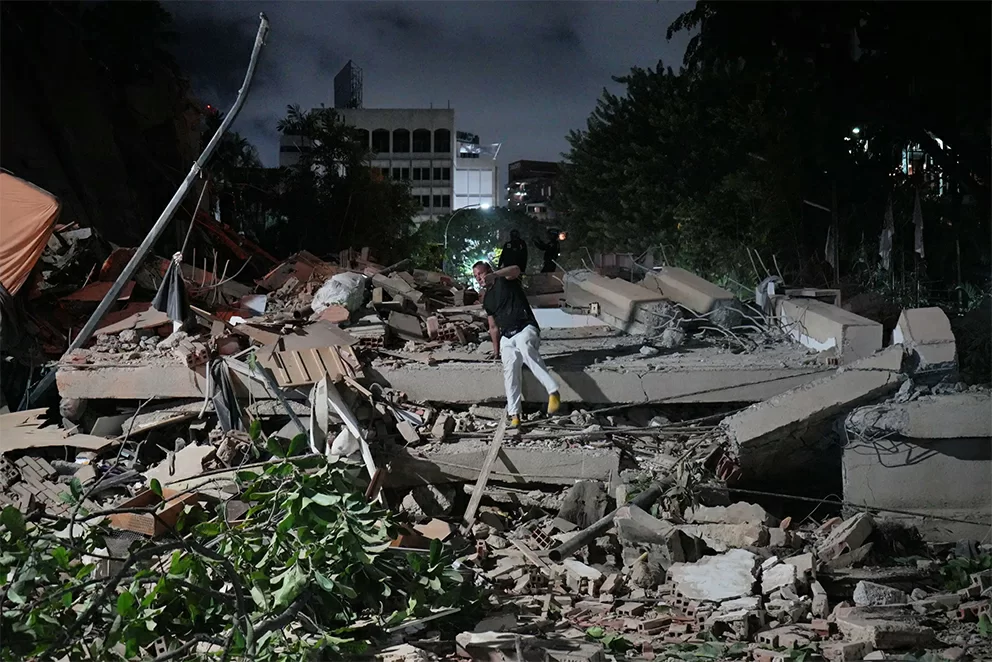
    On a Saturday marked by growing geopolitical tension in Latin America, the United States carried out a large-scale military exercise over Venezuela’s capital city of Caracas. This operation marks the first overt U.S. military activity in Venezuelan airspace since a deadly January 3 raid that Venezuelan authorities claim targeted President Nicolás Maduro and his wife Cilia Flores, resulting in at least 100 fatalities according to official Venezuelan counts.

    Two U.S. Marine Corps MV-22B Osprey tiltrotor aircraft took part in the exercise, conducting operations and landing in close proximity to the U.S. Embassy compound in central Caracas. Complementing the air activity, multiple U.S. naval vessels entered Venezuelan territorial waters in the Caribbean Sea as part of the coordinated operation. The Venezuelan government initially characterized the exercise as an evacuation drill designed for medical emergencies and natural disaster response, though the scale of deployment has prompted widespread speculation about its true purpose.

    As of this report, Venezuela’s Information Ministry has not issued an official statement responding to the exercise. In a public statement, the U.S. Embassy in Caracas reaffirmed Washington’s commitment to advancing former U.S. President Donald Trump’s three-part policy agenda focused on what it describes as stabilizing Venezuela. General Francis Donovan, commander of U.S. Southern Command, the U.S. military body responsible for all operational activity across the Latin America and Caribbean region, was present on the ground in Caracas during the drill to oversee operations.

    For ordinary Venezuelan residents, the sudden overt display of U.S. military power in the heart of their capital has fueled widespread anxiety and uncertainty. Evelyn Rebolledo, a 57-year-old office manager based in Caracas, spoke for many when she shared her perspective on the activity. “Having a foreign country flying military aircraft over our capital is something completely new for all of us, especially when it’s the United States, given the current tense situation and all the instability our country has faced for years,” she explained. “It just leaves all of us feeling uncertain about what comes next.”

    This latest military move comes amid a dramatic shift in U.S.-Venezuela relations, following recent legislation passed by the government of Delcy Rodríguez, who served as vice president under Maduro before shifting to align with U.S.-backed political factions. Rodríguez’s administration has opened Venezuela’s vast oil and mineral reserves to full American investment, marking a new chapter in the fraught bilateral relationship between Washington and Caracas. For years, relations between the two nations have been defined by escalating political tensions, crippling economic sanctions, and open proxy conflicts, making this combination of increased military presence and expanded economic access a deeply unexpected development for both regional observers and Venezuelan citizens.

  • Recruited by gangs, Haitian children «pay a heavy price»

    Recruited by gangs, Haitian children «pay a heavy price»

    Following her inaugural fact-finding mission to violence-battered Haiti, a top United Nations official has delivered a devastating assessment of the country’s child protection crisis, warning that minors now account for almost half of all members of the armed gangs that control large swathes of Haitian territory.

    Vanessa Frazier, the UN Secretary-General’s Special Representative for Children and Armed Conflict, shared her grim findings at a UN Headquarters press briefing on Thursday, May 21, 2026. She detailed that for children growing up in Haiti, daily life is defined by a relentless fight for survival, shaped by unending terror, constant threats of violence, family separation, forced displacement, and severe psychological trauma – all conditions that criminal gangs actively exploit to target vulnerable young people.

    Frazier’s report documented a sharp and alarming escalation in violence against children over just the last year. Between 2024 and 2025, the number of children forcibly recruited and deployed by gangs nearly tripled. Over the same period, killings, mutilations, and abductions of minors almost doubled. Sexual violence, once an occasional byproduct of gang conflict, has become a routine tactic, deliberately deployed to spread terror and retaliate against entire communities that resist gang control.

    Central to Frazier’s recommendations is a fundamental shift in how authorities respond to children found with gangs during security operations. She emphasized that any child encountered in these contexts must first be recognized and treated as a victim of exploitation, not a criminal combatant. These children, she argued, must be transferred immediately to specialized child protection services, where they can access critical care, psychosocial support, and long-term reintegration programming.

    For the small number of children suspected of involvement in serious offenses, Frazier clarified that international juvenile justice standards must be strictly upheld. Deprivation of liberty, she stressed, should only be used as a measure of last resort, prioritizing rehabilitation over punishment.

    To scale up support for former child gang members, UN and local partners are ramping up reintegration efforts across Haiti, most notably in the capital Port-au-Prince and the southern city of Les Cayes. In Les Cayes, a former facility is currently undergoing major renovations to create a dedicated reintegration center that can accommodate up to 600 children who have left gang life.

    Frazier’s visit came amid a widening national humanitarian and security collapse that has deepened the vulnerability of Haitian children. Hundreds of thousands of minors currently live in areas fully controlled by armed gangs, completely cut off from access to education, healthcare, and basic social protection services. During her mission, Frazier learned that more than 18,000 schools across Haiti have been destroyed, damaged, or forced to cease operations due to gang violence. This widespread collapse of the education system leaves children isolated, idle, and far more susceptible to recruitment, exploitation, and abuse by criminal groups.

    “No child should have to grow up in such conditions,” Frazier said, reflecting on her meetings with survivors. “I met young children and adolescents who were already vulnerable in their own homes, and have been trapped in an unbroken cycle of violence both inside and outside their communities. They told me they want only one thing: to go to school, to play, to learn, and simply be children again.”

    Even amid the widespread chaos and trauma, Frazier highlighted the remarkable resilience of Haitian children, who have held onto their hopes for the future despite unimaginable hardship. “Even in the darkest moments, Haitian children continue to show extraordinary strength,” she said. “They deserve more than just survival. They deserve the chance to grow, to chase their dreams, and reclaim the childhood that has been stolen from them.”

  • Foundation seeks urgent help to get hurricane relief supplies to Jamaica

    Foundation seeks urgent help to get hurricane relief supplies to Jamaica

    Nearly seven months have passed since Hurricane Melissa carved a path of destruction through western Jamaica, and a community-focused charity led by Jamaican expats in South Florida is facing a devastating last-mile barrier: it has amassed a 40-foot shipping container full of life-saving aid, but cannot afford to send the shipment to the island that needs it.

    Founded by Jamaican expat Derry-Ann Allen, the KaGra Foundation has spent months rallying grassroots donors to build a massive stockpile of relief supplies tailored to the ongoing needs of hurricane-battered communities. The full container holds everything from critical medical equipment and mobility aids like wheelchairs and crutches to baby formula, mattresses, solar-powered radios, water purification tablets, tarpaulins, sanitary products, and even a brand-new mini refrigerator. Now, the organisation is sounding the alarm for urgent public and corporate financial support, as accumulated shipping and Jamaican customs costs have climbed to sums far beyond the small charity’s current budget.

    “We already asked the community for donated goods, and they delivered beyond our wildest expectations,” Allen explained in an interview with the Jamaica Observer. “Now we just need help covering the costs to get these supplies where they belong.”

    The foundation’s relief effort gained its first major traction after the Jamaica Observer published its initial appeal for donations, sparking a flood of inquiries from community members eager to contribute. “That first story gave us the push we needed to get started,” Allen said. “From there it spread by word of mouth. People reached out nonstop asking where they could drop off supplies, because they wanted to know their donations would actually go to people who needed them most, not get lost in a large bureaucracy.”

    Donations poured in from communities across South Florida, spanning from Miami up to Orlando. Additional interest and contributions even came from as far as England after Allen gave a radio interview about the effort to a UK audience.

    Among the donated goods, Allen highlighted water purification tablets as one of the most immediately useful contributions for Jamaican residents still relying on untreated collected rainwater months after the storm. “If people have catchment water, one tablet makes it safe to drink. That’s a game-changer for communities that still don’t have consistent access to clean drinking water,” she explained.

    But the months-long delay in securing shipping funds has already led to heartbreaking losses: a large portion of donated baby formula had to be thrown out over expiration date safety concerns, a loss that weighs heavily on Allen.

    “It pains my heart to throw anything away when I know there are babies on the island that desperately need this formula,” she said. “That’s why this shipping gap is so urgent – we can’t afford to lose more supplies that people are counting on.”

    Complicating the charity’s challenge is the expiration of Jamaica’s post-hurricane customs waiver, which eliminated duty-free processing for disaster relief shipments entering the country. While local shipping firm Sydcam Shipping has stepped up to offer critical pro bono support – including free warehouse storage and a donated 40-foot container valued at roughly $3,000 USD – the KaGra Foundation still needs between $6,000 and $9,000 USD to cover the cost of transporting the container across the Caribbean to Jamaica. Once the shipment arrives on the island, additional local costs for customs clearance and last-mile distribution to affected communities are expected to total between 500,000 and 2.5 million Jamaican dollars.

    As a small, privately run grassroots organisation, KaGra Foundation has no major corporate financial backing to cover these unexpected costs. Every contribution so far has come from individual community members giving whatever they can spare. “This all comes from regular people chipping in $5, $10, $20 – whatever they could afford to give,” Allen said. Before the supplies were consolidated into the donated shipping container, volunteers stored the growing stockpile across four separate volunteer family homes across South Florida. “We had no idea how much we had collected until we brought everything into one space,” Allen recalled. “It added up to roughly five full garages of supplies. The community really showed up for western Jamaica.”

    Once the funding goal is met, Allen and other KaGra Foundation members plan to travel to Jamaica themselves to personally deliver the aid and directly identify the communities that are still struggling the most, seven months after the storm made landfall. “I don’t worry that it’s been this long,” Allen said. “Most formal disaster aid was distributed in the weeks right after the hurricane. The people still hurting six or seven months later are the ones that got missed, and they’re the ones who need this help the most.”

    Getting the aid to Jamaica is a deeply personal goal for Allen, who calls the successful shipment the best possible birthday gift she could imagine. “Just knowing that we’re getting these vital supplies to people who genuinely need them would bring me more joy than anything else,” she said. Photos from the foundation’s South Florida warehouse capture volunteers sorting and packing the thousands of donated items, preparing for the day they can finally ship the full container to the communities waiting for help.