On a recent evening on Hawaii’s Big Island, a 6.0-magnitude earthquake shook the coastal region near the small village of Honaunau-Napoopoo, triggering widespread public attention over potential renewed volcanic activity at the nearby active Kīlauea volcano. The tremor was powerful enough to be felt hundreds of kilometers across the Pacific, even reaching the island of Oahu more than 150 miles from the epicenter. Despite the significant seismic event, local emergency officials have confirmed that there are no reports of injuries, widespread structural damage to buildings or infrastructure, and no elevated tsunami risk for coastal communities across the Hawaiian archipelago.
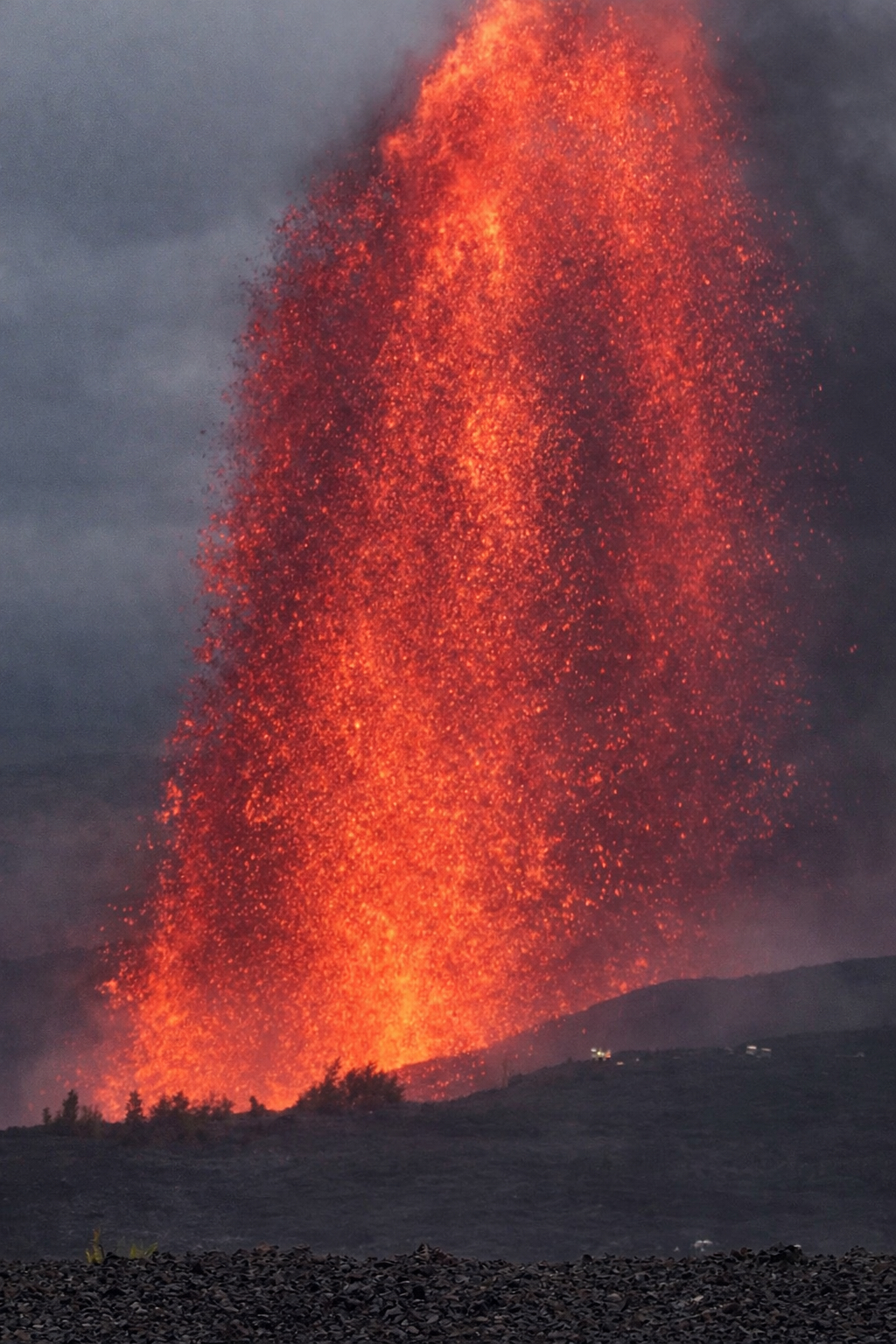
Scientists with the U.S. Geological Survey’s Hawaiian Volcano Observatory (HVO) have drawn a potential connection between the strong earthquake and shifting activity within Kīlauea, one of the most consistently active volcanoes on the planet. Kīlauea has already experienced intermittent eruptive activity since December 23, 2024, with a notable lava fountain eruption recorded earlier this year in February 2026. Following the quake, HVO experts have updated their activity forecasts, predicting that a new eruption at the volcano could develop between May 24 and May 27 of this year.
On the Thursday evening after the earthquake, on-site observers added weight to these concerns when they documented two distinct signs of escalating volcanic activity: a visible plume of smoke rising from the volcano’s crater, and a distinct bright lava glow that was visible against the night sky. These observations have deepened ongoing monitoring efforts, as authorities prepare for potential eruptive activity in the coming days.