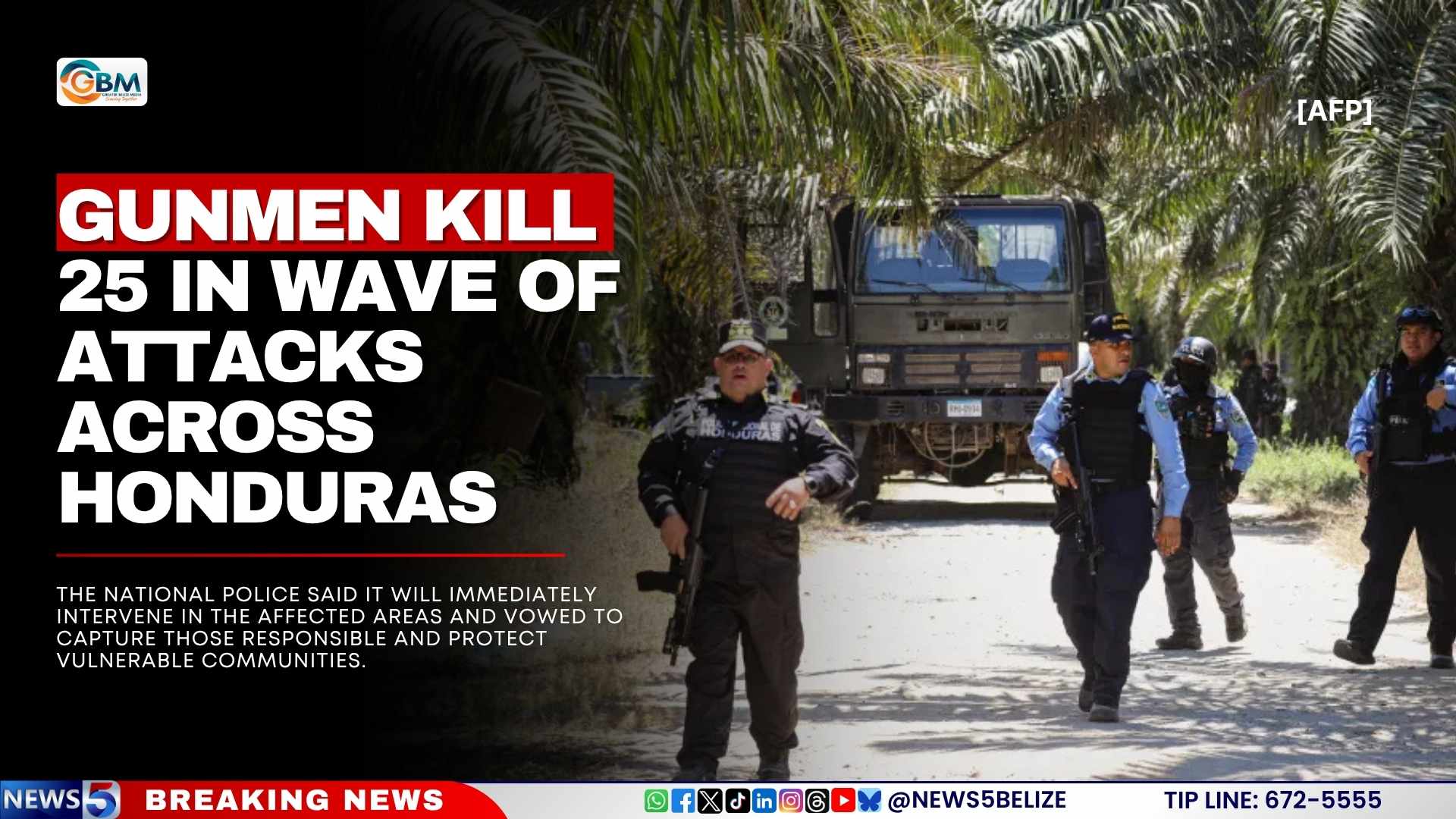
On Thursday, a shocking wave of coordinated gun assaults spread across Honduras, leaving at least 25 people dead—six of them active police officers—making it one of the deadliest single days of violence the Central American nation has recorded in recent memory.
The single deadliest incident unfolded on a commercial African palm plantation in the northern city of Trujillo, where 19 lives were cut down by multiple armed gunmen who stormed the property. Local accounts of the attack remain divided: a rural community leader speaking to Agence France-Presse claimed all of the victims had ties to a rival armed faction that controls the plantation, while local Honduran media outlets reported that the attackers opened fire indiscriminately on all workers present at the site. The oldest victim identified was 61 years old, according to early reports.
This brutal attack occurred in the vicinity of the contested Aguán River Valley, a region that has served as a persistent hotspot for violent conflict for decades. Control over land and natural resources for palm oil production has long pitted armed groups, large agribusiness firms, and local communities against one another, and the area is now widely recognized as one of the most dangerous places on Earth for land rights and environmental defenders.
A second targeted attack took place hundreds of kilometers away in the western Honduran town of Omoa, located just kilometers from the country’s border with Guatemala. Six police officers were conducting a targeted operation against local gang activity when they were ambushed by a squad of armed attackers, who killed all six officers at the scene.
The wave of killings comes at a moment when Honduran authorities have ramped up a national crackdown on organized criminal activity. In recent months, the government has implemented sweeping new anti-gang legislation, including a provision that allows the state to formally classify major gangs and drug trafficking cartels as terrorist organizations. The administration also launched a new dedicated anti-organized crime unit to lead counter-gang operations across the country.
In the immediate aftermath of the attacks, Honduras’ National Police announced that it would deploy additional forces to the affected regions immediately. Law enforcement leadership has vowed to track down and apprehend all perpetrators responsible for the killings, and pledged to bolster security protections for at-risk communities in conflict-prone regions.
The dual attacks not only highlight the persistent threat organized criminal groups pose to state security and civilian life in Honduras, but also underscore how long-running unresolved land disputes continue to fuel cycles of deadly violence across the country’s rural regions.