分类: world

  • Allies Hesitate as U.S. Pushes Coalition to Secure Strait of Hormuz

    Allies Hesitate as U.S. Pushes Coalition to Secure Strait of Hormuz

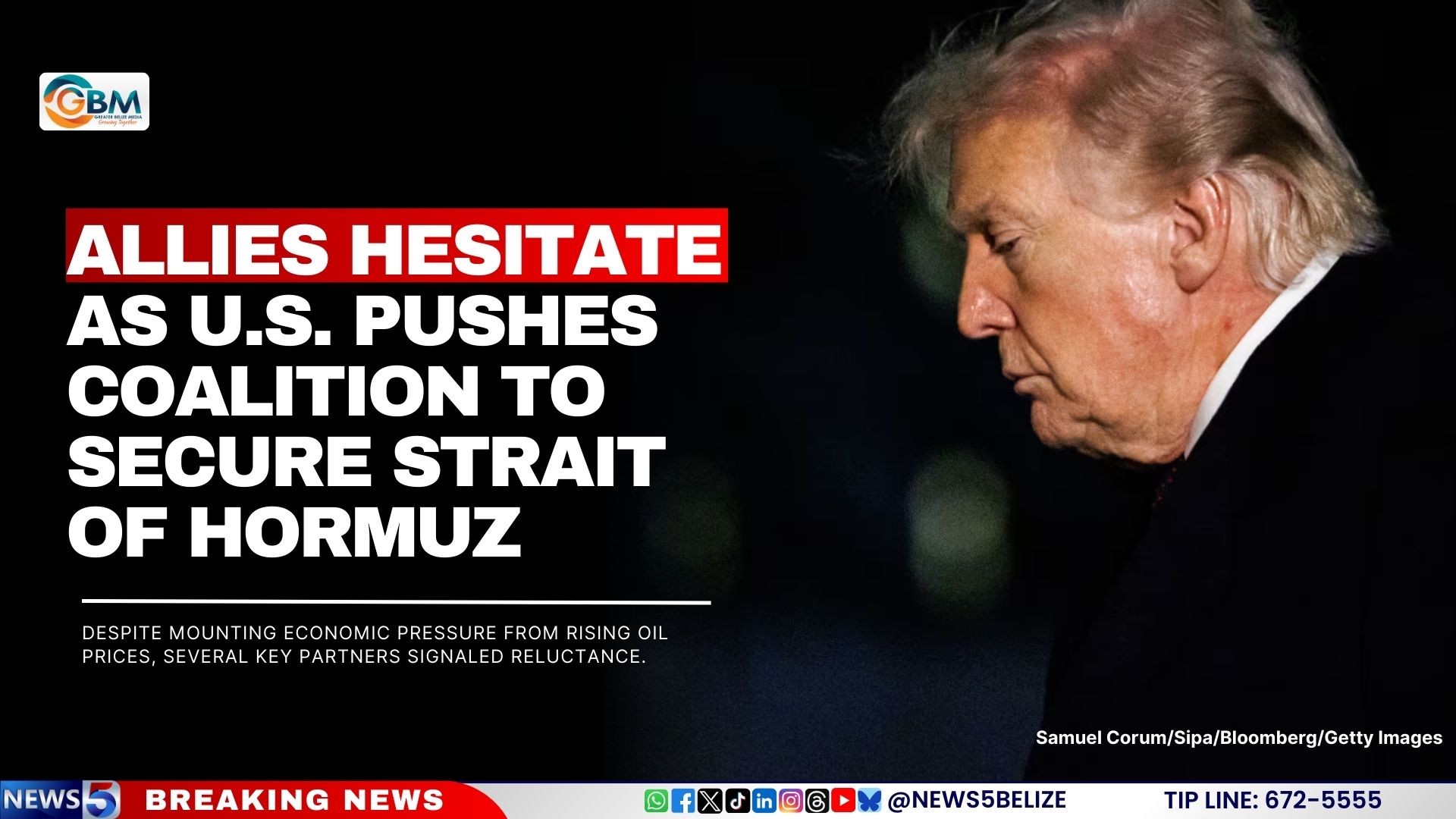
    Washington’s diplomatic campaign to establish an international maritime coalition for safeguarding the Strait of Hormuz has encountered significant hesitation from key allies, creating uncertainty around the proposed security initiative. The strategic waterway, through which approximately 20% of global oil shipments transit, has been operating under what Iranian authorities term ‘special conditions,’ prompting U.S. efforts to organize a multinational naval response.

    Despite intensive weekend diplomacy by American officials urging allied participation, no nation has publicly committed naval assets to the proposed coalition. The initiative, championed by the U.S. administration, seeks to ensure uninterrupted navigation through the critical chokepoint bordered by Iran, Oman, and the United Arab Emirates.

    Germany’s government spokesperson explicitly distanced the matter from NATO obligations, stating the conflict falls outside the alliance’s purview. European Union Foreign Policy Chief Kaja Kallas acknowledged the economic importance of maintaining open sea lanes while similarly noting the operation exceeds NATO’s operational boundaries.

    British Prime Minister Keir Starmer indicated ongoing consultations with international partners to develop a ‘viable collective plan’ to restore navigation freedom but offered no commitment of Royal Navy resources. Meanwhile, Japanese Prime Minister Sanae Takaichi formally declared Tokyo would not deploy warships, and Australian officials concurrently ruled out naval participation.

    The collective reluctance emerges amid growing economic pressures from rising oil prices, yet key U.S. partners appear cautious about military engagement in the region. With no formal commitments secured, the proposed multinational force faces operational uncertainty as global energy markets monitor the evolving situation with increasing concern.

  • Nigeria suicide bombings kill 23, wound more than 100

    Nigeria suicide bombings kill 23, wound more than 100

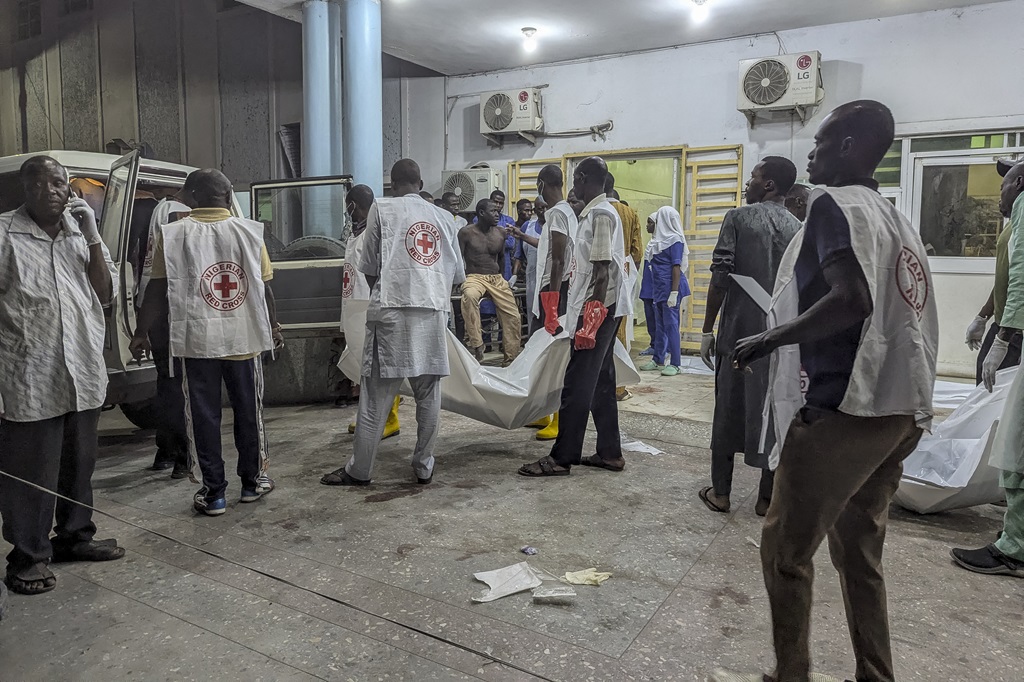
    MAIDUGURI, Nigeria — A series of coordinated explosions ripped through the northeastern Nigerian city of Maiduguri on Monday evening, killing at least 23 people and injuring over 100 others in one of the most severe attacks to hit the Borno state capital in recent years. The bombings targeted strategic locations including a bustling market, the entrance to the city’s largest teaching hospital, and a post office axis just as residents broke their daily Ramadan fast.

    Military authorities attributed the devastating assault to suspected Boko Haram militants, issuing warnings of heightened suicide attack threats during the final days of the holy month. The violence follows an earlier jihadist attack on a military post from Sunday into Monday and coincides with President Bola Tinubu’s preparation for a UK state visit where security cooperation is expected to feature prominently on the agenda.

    Eyewitness accounts describe scenes of chaos as panicked crowds fled the initial market explosion toward the post office area, where a second detonation subsequently struck those attempting to escape. “Many people ran toward the post office area because the market entrance and the post office are not far apart,” recounted survivor Mala Mohammed, 31. “Unfortunately, as they were running towards post office, the person who had the explosive device ran into the crowd while people were still trying to escape.”

    The attacks represent a devastating rupture to Maiduguri’s recent period of relative calm, which had seen the insurgency largely pushed to rural hinterlands. As the birthplace of Boko Haram’s initial 2009 uprising that evolved into a bloody campaign for territorial control, the city had transformed into a comparative oasis of stability despite ongoing violence in surrounding regions.

    Conflict analyst Confidence McHarry of Lagos-based SBM Intelligence noted that while security within Maiduguri had improved, “the city has always been vulnerable” with countryside attacks frequently occurring mere kilometers from urban centers. The military’s recent focus on Islamic State West Africa Province (ISWAP) may have created operational opportunities for Boko Haram, demonstrating that the group “still has cells around Maiduguri and the attacks show they’re still a force to be reckoned with.”

    Police confirmed 23 fatalities and 108 injuries, though anti-jihadist militia sources suggested the death toll might reach 31. An AFP correspondent at a city hospital documented dozens of wounded receiving emergency treatment alongside bodies covered with sheets on pavement areas outside the facility.

    Borno state Governor Babagana Zulum condemned the “barbaric” attacks, suggesting the surge in violence connects to “intense military operations in the Sambisa forest,” a known jihadist stronghold. Security forces have now increased their presence and surveillance throughout Maiduguri, with authorities reporting that “normalcy has been fully restored in the affected areas.”

    The bombings mark the most significant attack since 2021 mortar fire killed 10 people, following a December mosque bombing that claimed at least seven lives. These urban assaults occur against a backdrop of persistent rural violence, prompting the United States to recently deploy 200 troops to provide technical and training support to Nigerian forces combating jihadist groups.

  • ‘We battled every day’: Bahamian students flee Qatar amid conflict

    ‘We battled every day’: Bahamian students flee Qatar amid conflict

    Two Bahamian aviation scholars have been safely repatriated following a period of heightened tension in Qatar, where they were caught in the crossfire of escalating Middle Eastern hostilities. Aysia Thurston, 26, and Brittany Ford, 20, who were enrolled at the Qatar Aeronautical Academy, arrived at Lynden Pindling International Airport on Friday to emotional reunions with family and government representatives. Their return marked a dramatic departure from the alarming conditions they recently endured, characterized by the audible interception of missiles, structural vibrations, and visible destruction in their immediate vicinity. Thurston provided a firsthand account of the disquieting experience, noting the relentless noise of shaking buildings and windows. She credited Qatar’s robust defense infrastructure for their safety, revealing that the most significant damage she witnessed was a vehicle destroyed by a fallen interceptor missile. Despite the persistent conflict, she noted that life in the city largely continued, which provided a sense of security. The regional instability was triggered last month by coordinated U.S. and Israeli military actions against Iran, which provoked a series of retaliatory missile and drone assaults across the Gulf region. Neighboring nations, including the United Arab Emirates, have actively intercepted numerous projectiles, while Iranian leadership has issued warnings of future attacks, alleging that the UAE provided covert operational bases for American forces. Both students acknowledged this was not their initial encounter with regional unrest but affirmed it was the most severe and prolonged episode. Ford described the ordeal of sharing a single bed with fellow CARICOM students throughout the crisis, stating they ‘battled every day since then.’ Thurston reflected that their coping mechanism was rooted in the mantra: ‘if you don’t laugh, you’ll cry.’ The pair were recipients of a 2024 government scholarship initiative facilitated by the Bahamas Department of Aviation’s Aeronautical Academy. Regarding the prospect of resuming their studies abroad, Thurston expressed a willingness to return once stability is restored, emphasizing the need for a peaceful environment. Family members conveyed immense relief, with Thurston’s mother, Emily Williams, recounting days filled with anxiety and constant prayer for her daughter’s safe extraction. Brittany Ford’s grandfather, Wayne Cartwright, admitted to initially opposing her departure, foreseeing the potential for conflict in the region, and expressed profound relief at her return. Jerusa Ali, the Director General of the Ministry of Foreign Affairs, confirmed ongoing communications with UAE authorities. She reported that commercial flight operations continue intermittently and advised Bahamian citizens in the area to officially register with the ministry, maintain communication with diplomatic officials, and monitor airport advisories. While the exact number of Bahamians currently in the UAE remains unclear, Ali noted that the Bahamian embassy in Abu Dhabi is operating in a crisis management mode, providing essential consular services to those choosing to shelter in place or seeking assistance for evacuation.

  • ‘Dangerous and humbling’: Defence Force marines share Haiti deployment experiences

    ‘Dangerous and humbling’: Defence Force marines share Haiti deployment experiences

    Royal Bahamas Defence Force (RBDF) personnel have returned from a high-risk deployment in Haiti, describing their experience as both profoundly dangerous and deeply humbling. The marines, part of the initial RBDF contingent for the Regional Intelligence and Deployment Exercise in Port-au-Prince, reunited with emotional families after completing their tour of duty.

    Leading Seaman Lyndon Rolle, prominently featured in local media embracing his young daughter, expressed the emotional weight of homecoming. ‘That’s my baby, I love her so much,’ he shared, noting the need to reconnect after his absence. His account revealed the extreme security precautions necessary throughout the mission, with personnel required to carry weapons at all times—even during routine activities like using bathroom facilities. ‘I’m trained for it,’ Rolle stated, ‘so it’s just a matter of being cautious.’

    Beyond the security challenges, the mission provided stark exposure to Haiti’s humanitarian crisis. Rolle described sharing bottled water with local residents while stationed at a government post, noting their gratitude for what he characterized as an extension of ‘Bahamian hospitality.’ The profound poverty witnessed left a significant impression on the deployed personnel.

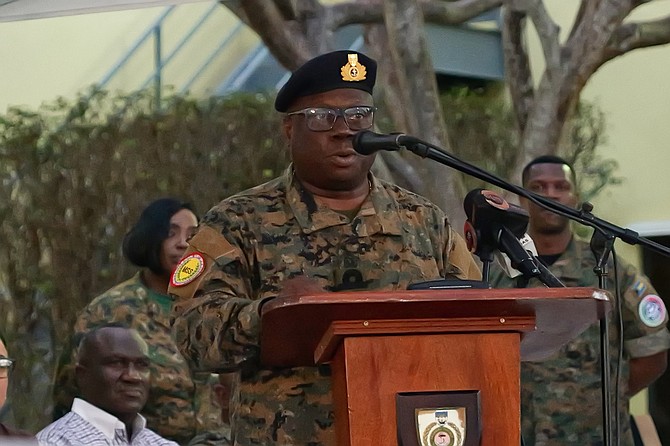
    Acting Commander Alexis Brown addressed ceremony attendees, expressing pride in the team’s accomplishments within the gang suppression force. ‘The knowledge gained, lessons learned and professional networks established during this time have been invaluable,’ Brown noted, highlighting collaboration with Haitian National Police and international partners.

    In media interviews, Commander Brown detailed the severe conditions encountered upon arrival, with widespread kidnappings and gang-enforced curfews paralyzing daily life. He observed encouraging signs of improvement toward mission’s end, citing the symbolic sight of citizens jogging publicly—an indication of returning normalcy.

    RBDF Commodore Floyd Moxey confirmed the mission’s success and praised the contingent’s performance. The commitment to regional security continues, with 18 additional RBDF personnel currently in training pending potential deployment authorization by the National Security Council.

  • Zeventien dagen van escalatie in de VS-Israël-Iran oorlog

    Zeventien dagen van escalatie in de VS-Israël-Iran oorlog

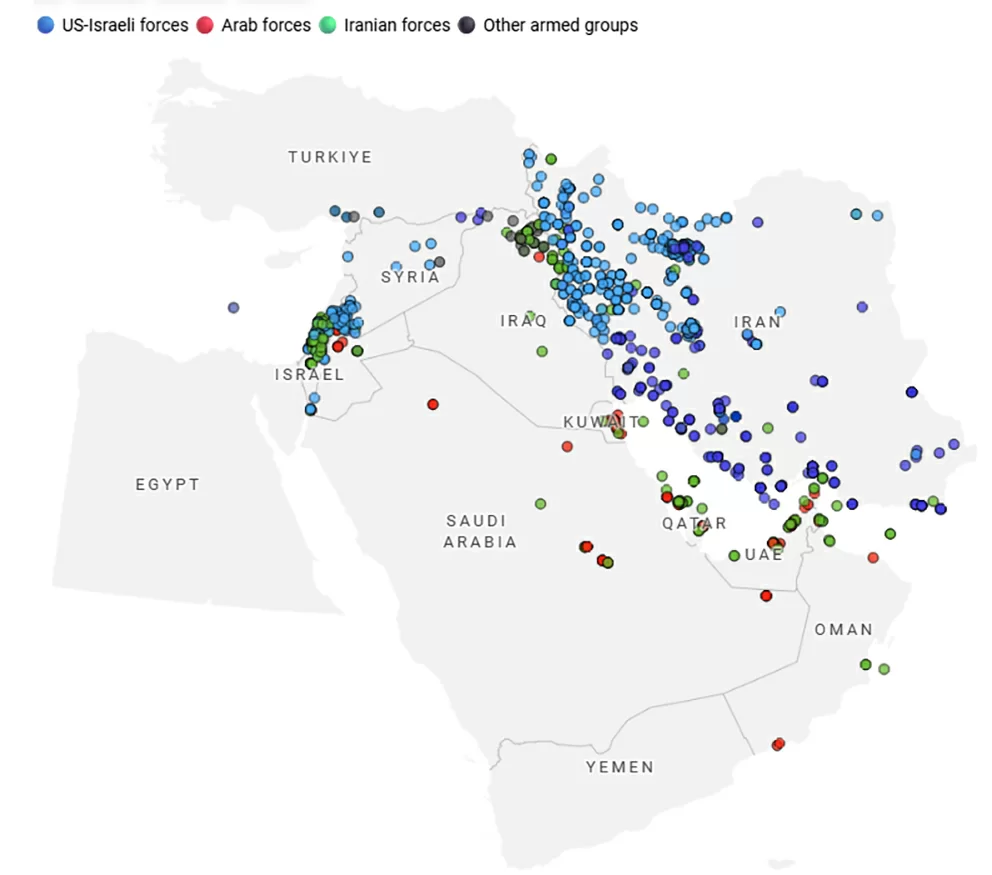
    The military confrontation between the United States, Israel, and Iran has entered its seventeenth consecutive day, marking a significant escalation of hostilities across the Gulf region and neighboring territories. Despite concerted efforts by US and Israeli forces to degrade Iran’s military capabilities through sustained aerial campaigns, Tehran continues to demonstrate resilient defensive operations and asymmetric warfare tactics.

    Israeli forces executed renewed airstrikes targeting strategic locations in Tehran, prompting Iranian authorities to report successful defensive countermeasures against ‘hostile aerial targets’ over the capital. While Iranian officials acknowledge utilizing older missile systems, they maintain that the Islamic Revolutionary Guard Corps (IRGC) retains substantial operational capacity for prolonged defensive operations.

    The conflict has generated dangerous regional spillover effects, with drone and missile attacks intensifying against critical infrastructure in United Arab Emirates, Saudi Arabia, Bahrain, Kuwait, and Qatar. A notable drone incident near Dubai International Airport triggered significant fires and temporary flight cancellations, while Saudi defense systems reportedly intercepted dozens of unmanned aerial vehicles. Industrial facilities in Fujairah similarly experienced fires following suspected drone strikes.

    Iran’s adoption of asymmetric warfare methodologies has substantially heightened regional instability, compelling Gulf states to enhance air defense coordination and diplomatic engagement. High-level discussions between Saudi Crown Prince Mohammed bin Salman and UAE President Sheikh Mohamed bin Zayed Al Nahyan underscore growing regional security concerns.

    Politically, the conflict has generated intensified rhetoric from all involved parties. Former US President Trump emphasized targeted operations against Iranian drone manufacturing facilities while accusing Iran of disseminating artificial intelligence-generated disinformation. Iranian leadership has consistently denied seeking ceasefire negotiations, with Foreign Ministry officials emphasizing Tehran’s commitment to sustained self-defense operations.

    The humanitarian impact continues to worsen with Iranian authorities reporting approximately 1,400 fatalities and nearly 19,000 injuries. Conflict escalation in Lebanon and Iraq has produced additional civilian casualties, including significant numbers of children, while non-state actors have targeted UN peacekeeping forces in Lebanon.

    International response has been characterized by growing concern, with United Nations Secretary-General António Guterres emphasizing diplomatic solutions and warning of severe humanitarian consequences. The European Union has urged dialogue and peaceful resolution while noting potential impacts on global energy markets and economic stability. China and Russia have called for restraint and adherence to international law without explicit alignment with any conflict participant.

    Global markets have reacted nervously to escalating tensions, with oil prices surging due to potential disruptions in the Strait of Hormuz transit corridor, which facilitates approximately 20% of global oil shipments. This development threatens increased energy costs worldwide and heightened inflationary pressures, particularly affecting oil-importing nations.

    After seventeen days of intensive combat operations, the conflict shows minimal signs of de-escalation. Iran maintains its asymmetric defense strategy and economic pressure campaigns, while US and Israeli forces continue aerial bombardments and political pressure tactics. The Gulf region remains in a state of extreme fragility with ongoing escalation threats that endanger global energy security, as diplomatic channels demonstrate limited effectiveness in resolving the prolonged confrontation.
  • US soldiers to leave Tobago soon

    US soldiers to leave Tobago soon

    Tobago House of Assembly (THA) official Keigon Denoon has announced the impending departure of United States military personnel from the island territory. The disclosure came during a press conference at the Hochoy Charles Administrative Complex in Calder Hall, where Denoon serves as Secretary for Youth Empowerment and Sport Division.

    While confirming the withdrawal, Denoon emphasized the sensitivity surrounding operational timelines, stating: “That is a sensitive issue in terms of homeland security, and so the exact timeline would not have been given, but they will be leaving shortly.” The deployment formed part of established security cooperation agreements between the United States and Trinidad and Tobago.

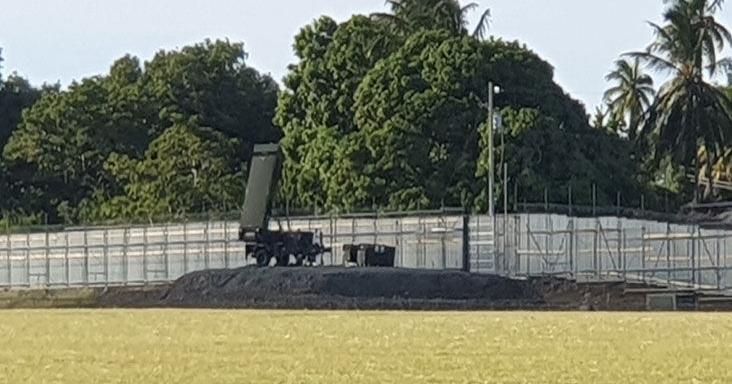
    The military presence, which has lasted approximately four months, centered on the installation and operation of a sophisticated radar system near the ANR Robinson International Airport. Government officials previously identified the system’s purpose as detecting narcotics trafficking and illegal weapons movement, with operational costs reaching $3 million daily borne by the United States.

    Questions regarding the extended deployment have drawn concern from local leaders, including outgoing PNM Tobago Council leader Ancil Dennis, who characterized the continued presence as “potentially dangerous” after the initial mission’s completion. Critics have demanded transparency regarding operational scope and potential long-term implications.

    THA Chief Secretary Farley Augustine corroborated the withdrawal timeline last week, indicating departure within days while confirming soldiers’ accommodation at Grafton Beach Resort. Augustine clarified that no access restrictions were imposed on the property during their stay, noting the unnecessary nature of such measures given the imminent withdrawal.

  • Paus richt zich rechtstreeks tot verantwoordelijken voor oorlog Midden-Oosten

    Paus richt zich rechtstreeks tot verantwoordelijken voor oorlog Midden-Oosten

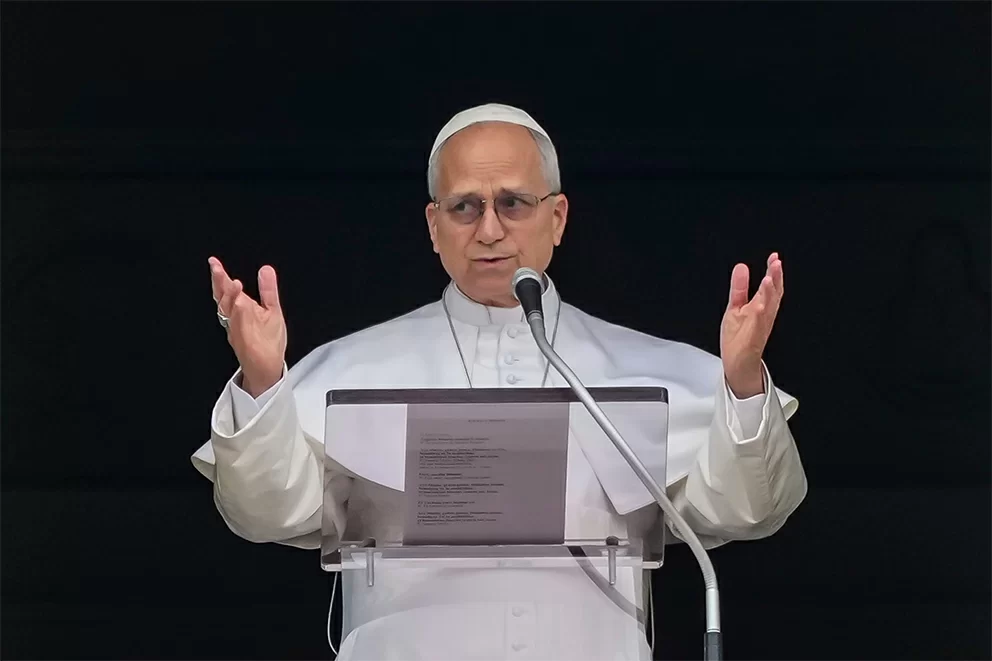
    In his most forceful address to date, Pope Leo XIV delivered a powerful plea for immediate ceasefire in the escalating Middle East conflict during his traditional Sunday Angelus blessing at St. Peter’s Square. The first American-born pontiff in Vatican history directly challenged those responsible for initiating hostilities while maintaining the Holy See’s tradition of diplomatic neutrality.

    The pontiff appealed explicitly to conflict architects without naming specific nations: “On behalf of Middle Eastern Christians and all people of good will, I implore those governing this conflict to cease fire and reopen diplomatic channels. Violence can never achieve the justice, stability and peace that people deserve.” Though avoiding direct reference to the United States or Israel, Leo XIV made clear allusions to the devastating rocket attack on an Iranian elementary school that claimed 165 lives, predominantly children, during the conflict’s initial phase.

    Vatican diplomacy has amplified humanitarian concerns through striking visual advocacy. L’Osservatore Romano, the Holy See’s official newspaper, recently featured aerial photography of mass graves prepared for young victims in Minab under the headline “The Face of War.” The Pope expressed particular anguish over attacks targeting educational institutions, medical facilities, and residential centers while highlighting the deteriorating situation in Lebanon where Christian communities face existential threats.

    Despite maintaining measured rhetoric during the conflict’s first two weeks, Vatican leadership has shown increasing divergence in their responses. Cardinal Robert McElroy of Washington denounced the war as “morally indefensible,” while Chicago’s Cardinal Blase Cupich condemned White House social media strategies incorporating video game imagery as “disgusting.” Vatican Secretary of State Cardinal Pietro Parolin rejected Washington’s “preventive war” justification while confirming the Holy See maintains communication channels with all parties.

    The Pope’s carefully calibrated approach reflects both spiritual stewardship and geopolitical pragmatism, balancing moral authority with the Vatican’s historical neutrality despite mounting humanitarian catastrophes across the region.

  • Government reviews fuel supply risks amid Middle East crisis

    Government reviews fuel supply risks amid Middle East crisis

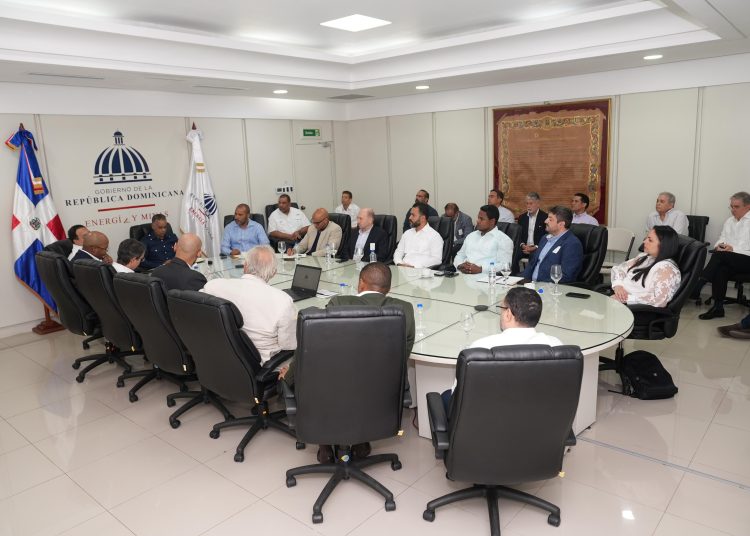
    Santo Domingo – In a strategic move to safeguard national energy security, top Dominican energy officials convened an emergency meeting with thermal power generation executives to assess potential ripple effects from the ongoing Middle East crisis on fuel supplies. Energy and Mines Minister Joel Santos and Electricity Superintendent Andrés Astacio led the high-level discussions organized by the Ministry of Energy and Mines as part of the government’s proactive monitoring of geopolitical developments.

    The comprehensive dialogue focused on developing contingency measures to maintain operational stability within the country’s electricity sector. Minister Santos emphasized that the meeting constituted a critical component of the government’s preparedness strategy, designed to foster coordinated responses with industry leaders and formulate integrated solutions for potential systemic challenges.

    Major energy producers including AES Dominicana, Empresa Generadora de Electricidad de Haina, Empresa Generadora de Electricidad Itabo, and Empresa de Generación Eléctrica Punta Catalina participated in the assessment. Company representatives indicated adequate coal and natural gas inventories to sustain uninterrupted operations through year-end, providing significant reassurance regarding grid stability.

    The session facilitated detailed technical exchanges regarding fuel stockpiles, supply contract arrangements, and contingency protocols for international market volatility. Edward Veras of the National Energy Commission reiterated the government’s commitment to continuous global situation monitoring and stakeholder coordination to ensure energy security and stable power delivery nationwide.

  • Protests Erupt in Cuba as U.S. Restrictions Deepen Food, Energy Crisis

    Protests Erupt in Cuba as U.S. Restrictions Deepen Food, Energy Crisis

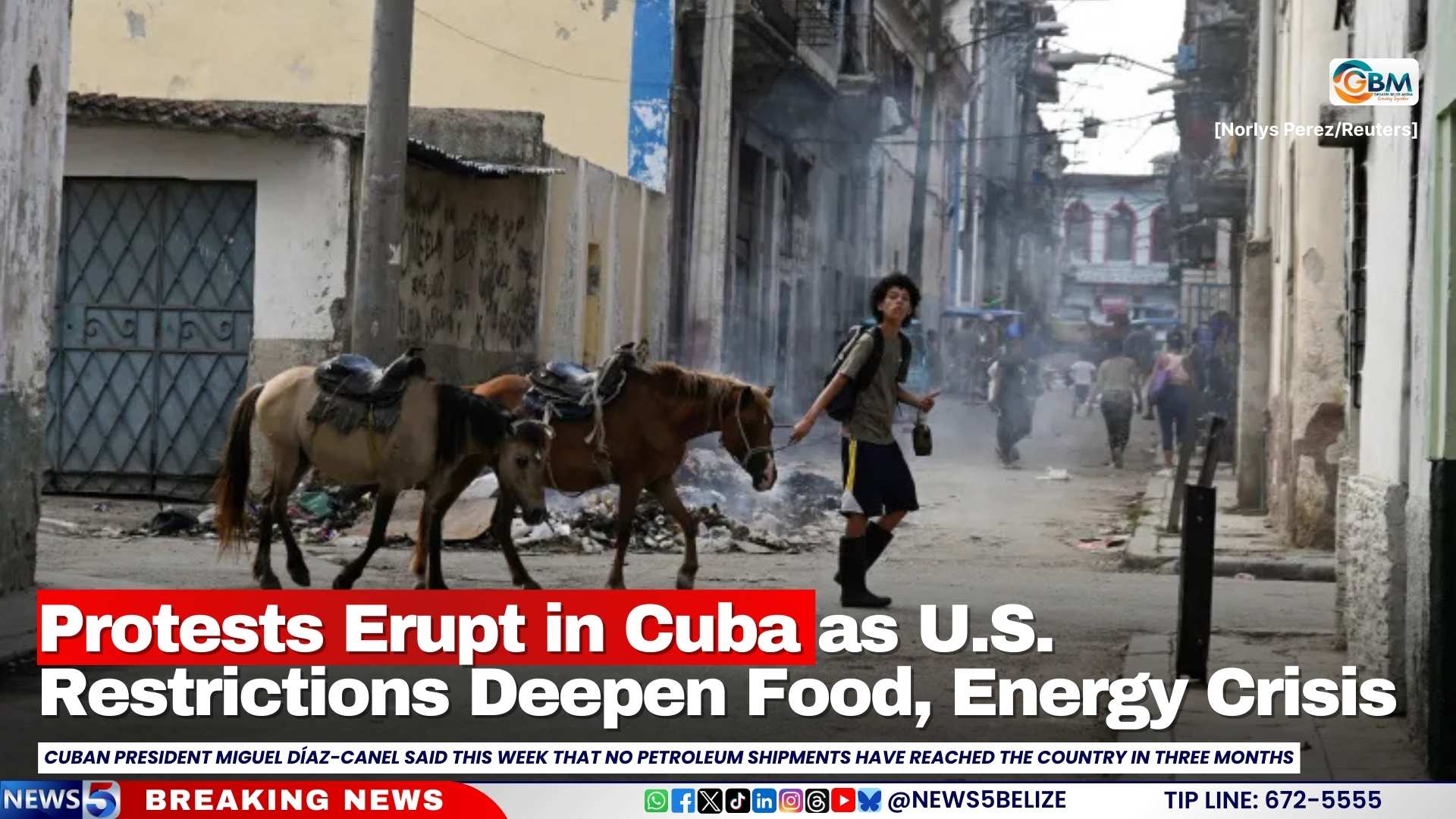
    Cuba is experiencing rare waves of civil discontent as mounting economic pressures trigger widespread resource shortages. In the central city of Morón, demonstrators set ablaze a local Communist Party headquarters, marking one of the most significant anti-government protests in recent history.

    State media reported five arrests following what authorities characterized as ‘acts of vandalism.’ According to government-run newspaper Invasor, the demonstration initially manifested as a peaceful gathering before escalating into direct attacks on municipal government facilities. Unverified social media footage appears to show protesters hurling stones at the burning building while chanting calls for liberty.

    Additional government installations reportedly sustained damage during overnight unrest. While no injuries have been officially confirmed, human rights organization Justicia11 alleged audible gunfire and potential shooting victims—claims promptly denied by state media outlet Vanguardia de Cuba.

    The protests represent a notable departure from Cuba’s typically subdued political landscape, where dissent traditionally faces immediate government response. However, public frustration has reached critical levels following weeks of intensifying rolling blackouts and food scarcity. Residents have increasingly resorted to ‘cacerolazos’—nocturnal pot-banging demonstrations—while University of Havana students recently staged sit-ins after energy rationing suspended academic activities.

    This deterioration directly correlates with intensified U.S. sanctions initiated under the Trump administration. January 2026 witnessed Washington halting Venezuelan oil transfers to Cuba, followed by an executive order threatening penalties against nations supplying fossil fuels to the island nation. Cuban President Miguel Díaz-Canel confirmed this week that no petroleum shipments have reached the country in ninety days, crippling the nation’s aging power grid and devastating electricity generation capabilities.

    President Trump recently indicated potential escalation, suggesting Cuba would be ‘next’ in line for increased pressure following U.S. actions in Venezuela and Iran.

  • Chinese National Arrested After Attempt To Smuggle 2,000 queen ants

    Chinese National Arrested After Attempt To Smuggle 2,000 queen ants

    Nairobi, Kenya – March 15, 2026 – Kenyan authorities have apprehended a 27-year-old Chinese national in a significant wildlife trafficking operation at Jomo Kenyatta International Airport. Zhang Kequn was intercepted while attempting to board an international flight with an illicit cargo of over 2,200 live giant African harvester ants (Messor cephalotes) concealed within his luggage.

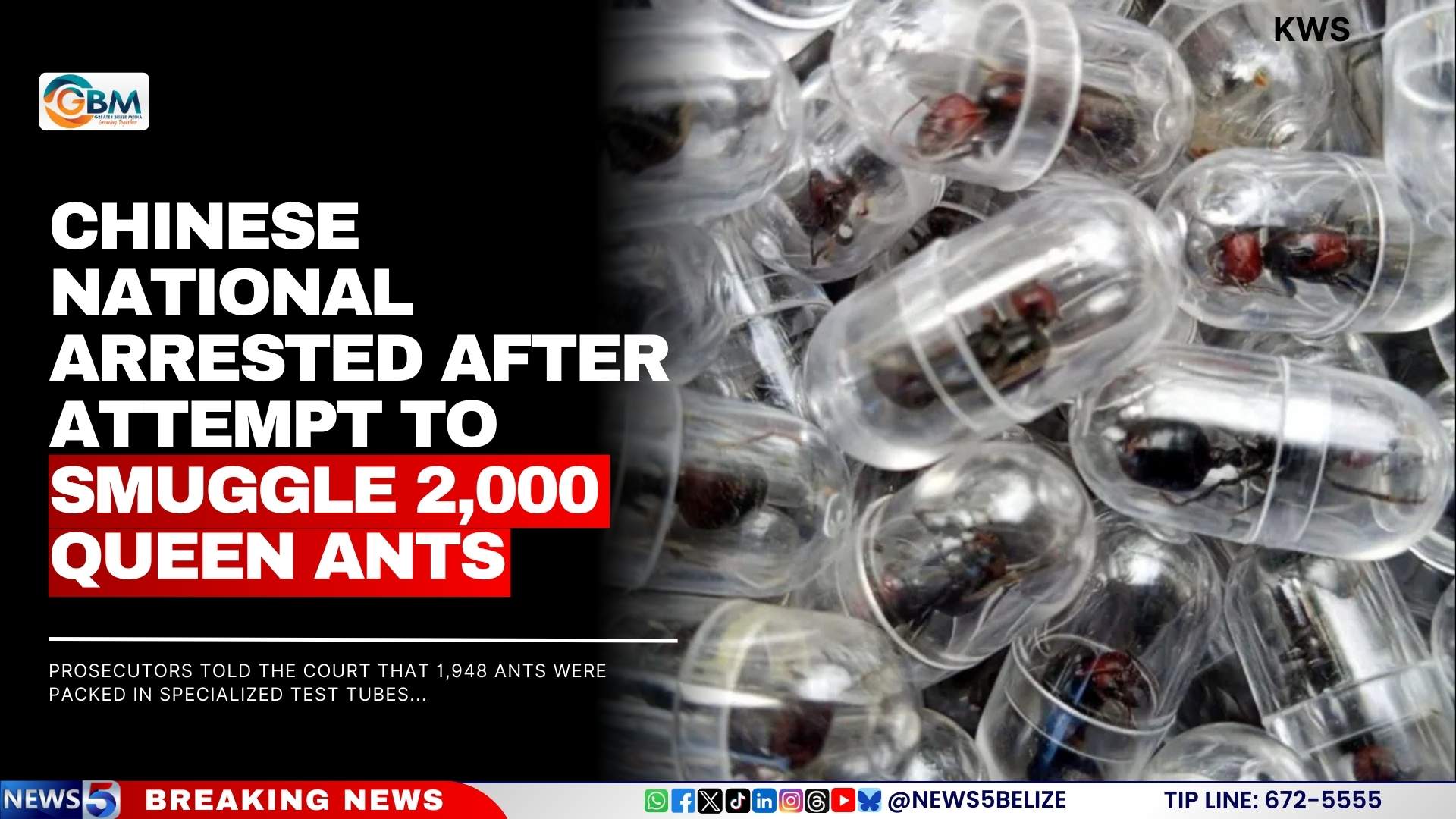
    Court documents reveal that immigration officials had flagged Zhang’s passport with a stop order due to his alleged involvement in evading arrest during a previous incident in Kenya last year. Upon inspection, authorities discovered 1,948 ants meticulously packaged in specialized laboratory test tubes, with an additional 300 specimens hidden inside tissue paper rolls within his suitcase.

    The seized insects represent a species protected under international biodiversity conventions, with their trade subject to strict global regulations. Prosecutors have connected Zhang to an extensive ant-trafficking network that was previously dismantled in Kenya during 2025. Investigators are currently seeking forensic access to his electronic devices, including mobile phone and laptop, to expand their understanding of the smuggling operation.

    The Kenya Wildlife Service has issued warnings about escalating international demand for these protected insects, particularly in European and Asian markets where exotic ant species command high prices among collectors. Officials indicate that further arrests are anticipated as investigations broaden to examine suspected harvesting operations in multiple Kenyan regions.

    This case follows last year’s landmark prosecution where four individuals—including two Belgian nationals, a Vietnamese citizen, and a Kenyan—received sentences for attempting to smuggle thousands of live queen ants out of the country.