分类: world

  • OP-ED: Measuring vulnerability honestly – Why the MVI country profile is a turning point for SIDS

    OP-ED: Measuring vulnerability honestly – Why the MVI country profile is a turning point for SIDS

    For decades, the world’s most climate-vulnerable nations have been failed by a fundamental flaw in global development financing: a system that judges need solely by national income, leaving highly exposed Small Island Developing States (SIDS) locked out of critical low-interest support when they need it most.

    The statistics paint a devastating picture. Between 1970 and 2020, extreme weather events racked up an estimated $153 billion in total losses across SIDS – a sum that dwarfs the group’s combined average annual GDP of just $13.7 billion. Today, 14 of the 20 nations with the highest disaster losses relative to economic size are SIDS. When major storms hit Caribbean SIDS, average losses reach 17% of annual GDP; the 2017 Hurricane Maria alone wiped out 225% of Dominica’s entire yearly GDP. This relentless cycle of destruction has stalled progress on the UN Sustainable Development Goals, with 45% of regional SDG targets either stagnating or regressing. These are not one-off crises – they are permanent, structural challenges that global rules have repeatedly ignored for decades.

    The root of this injustice is a decades-long labeling error that SIDS have fought endlessly to correct. Many SIDS are classified as middle- or high-income based solely on average per capita income, a designation that cuts off access to concessional financing exactly when these countries need to invest in climate resilience and disaster recovery. The August 2024 adoption of the Multidimensional Vulnerability Index (MVI) via UN General Assembly Resolution 78/322 marked a historic breakthrough, decades in the making. More than just a new measurement framework, the MVI’s approval represented a global acknowledgment that income alone is a deeply flawed metric for determining development need.

    Research confirms that income and vulnerability have no meaningful correlation across SIDS: the two metrics measure fundamentally different realities. A country can boast a high average income yet remain geographically and structurally fragile, with no capacity to bounce back from major climate disasters – a condition the UN terms “double fragility”. The average MVI score for SIDS falls between 55 and 58, compared to a global average of 52.9, a gap that traditional income-based statistics completely hide. When paired with the new Vulnerability Country Profile (VRCP), the MVI finally gives these nations a way to communicate their full risk picture to global donors and financial institutions.

    Momentum for the MVI framework has grown rapidly in the months since its approval. The 2025 Sevilla Commitment encourages multilateral development banks and global financing bodies to integrate MVI scores into their policy decision-making, opening the door for vulnerable states to access affordable capital more easily. This marks a major milestone: the MVI now holds recognition beyond the UN system, embedded into the broader global development financing architecture. The Caribbean Development Bank has already begun reviewing how MVI scores can reshape aid eligibility criteria for its member states. Looking ahead, the next critical step is to build on-the-ground data to cement this shift long-term, an effort aligned with the Antigua and Barbuda Agenda for SIDS (ABAS).

    Against this backdrop, the January 2026 completion of a UN pilot VRCP project in Saint Kitts and Nevis – a collaborative effort between Caribbean-based UN teams and New York headquarters – represents a giant leap forward for the framework. The pilot produced a replicable roadmap for developing VRCPs that can be adapted for vulnerable nations across the globe. Unlike standard national risk reports, the VRCP structure captures layered risks, from macroeconomic shocks to the specific vulnerabilities faced by individual households – granular details that traditional reports consistently overlook. Critically, the framework aligns with existing national development plans rather than imposing new bureaucratic burdens on already strained local governments. The Saint Kitts and Nevis pilot confirmed the country’s “double fragility”: while national government institutions operate stably, the nation remains acutely exposed to climate, trade and financial shocks, with low-income households bearing the greatest risk – all mapped in clear, actionable detail for the first time.

    The funding gap that VRCPs are designed to address is urgent and growing, as recent major hurricanes demonstrate. In 2024, Hurricane Beryl caused $219 million in economic damage to Grenada, equal to 16.5% of the nation’s annual GDP. In Saint Vincent and the Grenadines, the same storm inflicted $230.6 million in direct damage – 22% of GDP – with some small islands losing 80% of all built infrastructure and assets. In Barbados, a Category 3 strike caused an estimated $96.5 million in damage, concentrated in the critical fisheries, tourism and coastal infrastructure sectors. Even after record insurance payouts and targeted debt relief, Grenada recovered only a quarter of its total losses. Just over a year later, in October 2025, Hurricane Melissa made landfall in Jamaica as the strongest storm in the nation’s recorded history, causing $12.2 billion in total losses – 56.7% of Jamaica’s entire annual GDP. This ongoing crisis is not a failure of local planning: it is a failure of a global financing system that refuses to account for inherent climate risk. VRCPs provide the verifiable, granular data vulnerable nations need to demand financing that matches their actual level of risk.

    The stakes of completing the remaining three required VRCP pilots before the UN’s 15-member Independent Expert Advisory Panel convenes for its 2026–2030 term cannot be overstated. The General Assembly resolution establishing the panel explicitly requires at least four completed pilot VRCPs to inform its work. These pilots are not just proof of concept: they are the empirical foundation the panel will use to evaluate how the MVI framework operates for vulnerable nations worldwide, refine its indicators, and set operational guidelines for global rollout. With the first pilot successfully completed, every additional pilot finished before the panel meets strengthens the framework’s ability to deliver for vulnerable states. The window for meaningful reform is open now – but it will not stay open indefinitely.

    2026 also marks a landmark year for the United Nations, as the organization celebrates its 80th anniversary. The UN80 reform agenda centers on maximizing impact with constrained resources, a critical priority at a time when 68% of global development targets are already off-track. The UN’s credibility depends on deploying tools that accurately identify which nations need support most. VRCPs deliver exactly that: unmeasured vulnerability cannot receive funding. The MVI provides the standardized measurement tool, and the VRCP brings that measurement to life on the ground for vulnerable nations.

    As lead authors representing UN economic experts and frontline regional teams, we call on all global development partners and multilateral banks to immediately support the completion of the remaining VRCP pilot projects. The evidence is clear, the methodology is proven, and the global mandate to act is already in place. The only missing piece is collective political will to act. Island nations have waited decades for the global community to see their vulnerability clearly. The tools are ready. The moment for action is now.

  • UN urges deeper regional partnerships to build resilience

    UN urges deeper regional partnerships to build resilience

    The Eastern Caribbean faces an escalating trifect of climate-driven disasters, persistent economic volatility, and growing social strain – and only deep, coordinated collaboration between local governments, regional bodies, and global institutions will allow the small island region to withstand these mounting threats, the United Nations has warned in its new 2025 annual assessment.

    Released publicly Tuesday at UN House in Hastings, Barbados, the UN Barbados and Eastern Caribbean office’s latest annual results report lays bare the deep structural vulnerabilities the region grapples with, outlining how overlapping climate and economic pressures have created widespread uncertainty for communities and policymakers alike. The report emphasizes that development challenges across climate action, public health, food security, access to justice, and social safety nets are deeply interconnected, reaffirming that cross-stakeholder partnership is the single most critical foundation for long-term progress across the subregion.

    “When strong national leadership is paired with meaningful, effective multilateral cooperation, tangible progress is achievable even in the most difficult global contexts,” said Simon Springett, UN Resident Coordinator for Barbados and the Eastern Caribbean, speaking at the report’s launch.

    Springett stressed that collaborative frameworks remain central to delivering sustainable development outcomes, regardless of the challenge at hand. “Partnerships matter in every context: when we respond to destructive hurricanes, when we mobilize much-needed climate finance, when we support national reform agendas, or when we invest in digital transformation to open new economic opportunities,” he explained. “All progress across the region has been driven by coordinated action at the community, national, regional, and international levels.”

    Springett noted that collaboration across a diverse ecosystem of actors has been the key to scaling successful interventions. “Partnerships with national governments, CARICOM, OECS institutions, civil society groups, youth networks, the private sector, and global development partners have allowed us to deliver impact at scale, drive innovative solutions, and build long-term sustainability,” he said, adding that the new report serves as a powerful endorsement of multilateral action.

    “Multilateral cooperation amplifies the voices of Caribbean nations on the global stage, unlocks critical financing that would otherwise remain out of reach, strengthens regional institutional systems, and helps turn long-standing vulnerability into lasting resilience,” Springett said. He noted that all UN programming in the region is guided by locally defined priorities and integrated, cross-cutting approaches to risk. “Across the four strategic pillars of our cooperation framework with Eastern Caribbean governments, the United Nations has delivered meaningful results, and we will continue to do so moving forward,” he said, adding that UN support is intentionally designed to tackle overlapping, interconnected risks aligned with national needs.

    Dr. Terrance Drew, Chair of CARICOM and Prime Minister of St. Kitts and Nevis, emphasized in a virtual address at the launch that effective multilateral cooperation must be rooted in the unique realities of the Caribbean region. “CARICOM has long recognized that multilateral cooperation delivers the greatest impact when it is grounded in local realities and aligned explicitly with regional priorities,” Drew said. “Across Barbados and the Eastern Caribbean, UN agencies have supported national efforts to strengthen climate resilience, expand inclusive social protection systems, drive sustainable, inclusive economic growth, and boost institutional capacity.”

    Drew warned that progress on development cannot be decoupled from urgent action to address the climate crisis. “The UN’s integrated approach under the multi-country Sustainable Development Cooperation Framework makes clear that combining climate action, disaster risk reduction, targeted financing, and social protection delivers practical, tangible resilience gains,” he said, also highlighting the importance of people-centered development and regional collaboration focused on priority areas including public health, youth engagement, women’s empowerment, governance, and investment.

    Brian Bogart, Country Director for the World Food Programme (WFP) in the region, emphasized that sustainable resilience must be built through practical, community-level solutions. “We are strengthening resilience where it matters most: in local communities, in schools, and in small businesses that power local economies,” Bogart explained. “This work extends far beyond high-level policy; it focuses on strengthening the core systems that people rely on every single day.”

    Bogart pointed to a range of ongoing, impactful initiatives across the subregion to illustrate this approach. “In St. Lucia, national leadership on building climate-resilient schools is already improving student safety, expanding early warning systems, and strengthening regional coordination around disaster preparedness,” he said. “In Barbados, we are supporting small businesses – the backbone of the national economy – by helping 30 local companies develop tailored business continuity plans to weather economic and climate shocks.”

    He also highlighted regional efforts to boost environmental resilience that support local livelihoods. “We are protecting coastal communities and their incomes by helping five countries improve how they manage massive Sargassum seaweed influxes, with new specialized equipment already deployed across these nations,” he said. WFP is also supporting climate-smart agricultural practices, improved land management, and flood protection for key farming communities, investments that Bogart said are critical to long-term sustainability. “Community-led initiatives, from restoring nature trails in St. Vincent and the Grenadines to advancing a new biosphere reserve in St. Lucia, are directly linking environmental protection to expanded livelihood opportunities for local people,” he added. Young people, he noted, are central to all of these efforts: “More than 170 young people are already contributing to regional climate forums and helping shape locally led solutions for the future.”

    Amalia Del Riego, Representative for the Pan American Health Organization (PAHO) in the region, highlighted significant progress delivered through the cross-sector One Health approach, a flagship initiative supported by PAHO, the Food and Agriculture Organization (FAO), and the World Bank. “This initiative is strengthening integrated disease surveillance systems, boosting laboratory capacity, and upskilling the health workforce across human, animal, and environmental health sectors,” Del Riego explained. “By fostering active collaboration across different government ministries and academic disciplines, countries are far better equipped to detect, prevent, and respond to emerging health threats, strengthening regional health security and protecting both lives and livelihoods.”

    Del Riego also outlined progress across education, social inclusion, and social protection. “More than 5,000 children with disabilities and developmental challenges have received support through the expansion of a more inclusive education system, while over 1,000 caregivers have been trained to strengthen early childhood development across the region,” she said. “Systems to prevent and respond to gender-based violence have been strengthened, national policies have been updated, and support services have been expanded to deliver more survivor-centered care. Women’s economic empowerment programs have also opened new opportunities and boosted resilience for thousands of women.” She added that inclusion remains a core guiding principle of all UN work in the region, focused on expanding support for persons with disabilities, strengthening child-focused social protection, and advancing inclusive policies across all sectors.

    Stephanie Ziebell, Representative for the United Nations Development Programme (UNDP) in the region, stressed that strong, inclusive institutions and safe communities are foundational to all other development progress. “A core focus of our collective work across the Eastern Caribbean is building stronger institutions and safer communities, grounded in rigorous data analysis, cross-stakeholder partnership, and a commitment to conflict-sensitive, gender-responsive approaches,” Ziebell explained. “Justice and safety must be accessible to every person, especially women and girls, persons with disabilities, and people living on the margins of society – that is the only way to ensure no one is left behind.”

    Ziebell highlighted the Canada-funded PACE justice program, which supports justice sector reform across multiple Caribbean nations. To date, the program has delivered critical court equipment, assisted with the rollout of digital case management systems, provided specialized training for crime scene investigators, hosted targeted case management workshops for justice officials, distributed tools to support restorative justice practices, improved coordination between attorneys general across the region, harmonized standard operating procedures for justice agencies, advanced preparedness to integrate artificial intelligence into court operations, and facilitated cross-national dialogue on reducing criminal case backlogs that delay access to justice for thousands.

  • IMO climate talks end without concensus, Caribbean calls for just and equitable shipping transition

    IMO climate talks end without concensus, Caribbean calls for just and equitable shipping transition

    After two weeks of high-stakes multilateral negotiations hosted in London by the International Maritime Organization (IMO), delegates wrapped up back-to-back sessions of the 21st Intersessional Working Group on Greenhouse Gases (ISWG-GHG 21) and the 84th Marine Environment Protection Committee (MEPC 84) in early May without reaching a final agreement on a landmark global net-zero framework for international shipping.

    The talks centered on the proposed Net Zero Framework (NZF), a landmark regulatory package designed to slash greenhouse gas emissions from the global shipping sector, a hard-to-abate industry responsible for roughly 3% of annual global carbon emissions. Negotiations focused on three core pillars of decarbonization: scaling adoption of cleaner zero-carbon fuels, tightening mandatory energy efficiency standards for existing and new vessels, and the potential introduction of a first-of-its-kind global carbon pricing mechanism for maritime emissions.

    While technical working groups made incremental progress on drafting fine print, deep ideological and economic rifts between blocs of member states prevented consensus on the overall structure of the framework. The largest split centers on the balance between mandatory technical fuel standards and the proposed emissions pricing mechanism, a fracture that exposes longstanding flaws in the IMO’s consensus-based decision-making model.

    Three distinct blocs have emerged with competing visions for the framework. A broad coalition including most European Union member states, low-lying Pacific Island nations, Mexico and Brazil has pushed for immediate adoption of the framework in its current draft form. This group argues that retaining both core pillars—binding technical fuel standards and a global GHG pricing mechanism—is non-negotiable to deliver the environmental ambition required to meet the IMO’s 2023 greenhouse gas reduction target, which aligns global shipping with the Paris Agreement’s 1.5°C warming limit. They note that a dual approach is the only way to ensure consistent rules across all flag states and preserve environmental integrity.

    Opposing this draft is a second bloc led by the United States and Saudi Arabia, which has raised sharp objections to the framework’s proposed economic structure. This group questions whether a mandatory global emissions pricing mechanism is feasible or appropriate, and instead favors a narrower approach focused solely on technical compliance requirements, or an alternative framework that eliminates or significantly scales back the proposed financial provisions.

    A third middle grouping of major flag states including Liberia, Argentina and Panama has put forward a compromise “technical-first” model that prioritizes binding fuel intensity standards and minimizes reliance on global carbon pricing. Japan has also tabled a modified proposal that preserves the overarching Net Zero Framework concept, but calls for adjustments including a greater focus on direct emissions compliance metrics and revisions to how revenue generated from carbon pricing would be collected and distributed to support developing nations.

    Small island developing states (SIDS), many of which are highly vulnerable to climate change but face unique barriers to decarbonizing their shipping sectors, have played a key mediating role throughout the negotiations. Naficia Richardson, project manager for the University of the West Indies Caribbean Shipping Lanes Project, highlighted that Caribbean delegations have maintained consistent, constructive engagement throughout the process, centered on balancing ambitious climate action with the economic realities that vulnerable states face.

    “Caribbean delegations played a constructive role throughout these negotiations, emphasizing that climate ambition and economic realities must be addressed together, particularly for climate-vulnerable Small Island Developing States,” Richardson said. “UWI-CSL remains committed to continuing its support to the region through technical analysis, strategic guidance, and capacity support aimed at advancing a just and equitable maritime transition.”

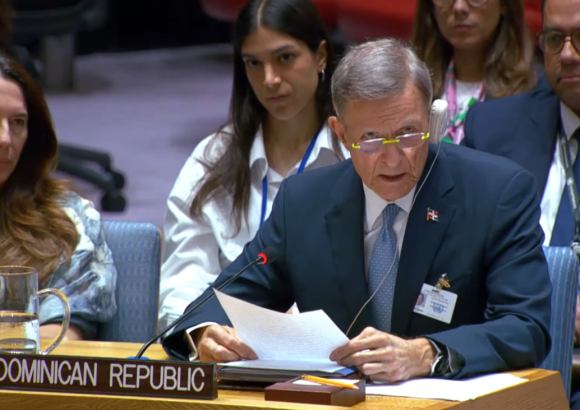
    Dominica’s Permanent Representative to the IMO, Ambassador Benoit Bardouille, stressed that any final agreement must be tailored to the unique operational constraints that island nations face. “While environmental ambition is supported, implementation must remain realistic for countries with limited access to alternative fuels and constrained infrastructure,” he explained. “Our support for the advancement of the Net Zero Framework is contingent on guidelines that reflect the realities of SIDS, such as limited fuel access. While Greenhouse Gas Fuel Intensity (GFI) and lifecycle assessments must be robust, they must remain practical and allow for Just and Equitable Transition eligible awards. A just transition must manage change while allowing our nations to participate in the benefits of the emerging green fuel economy.”

    Other Caribbean delegations including Jamaica and Antigua and Barbuda echoed this focus on equity, warning that fragmented regional rules would hurt small economies and stressing that a unified global framework must avoid placing disproportionate decarbonization costs on vulnerable developing nations. Industry stakeholders also weighed in, calling for clear regulatory certainty to guide long-term investment in green shipping infrastructure while emphasizing the need for targeted implementation support for developing states.

    With no final agreement reached at MEPC 84, negotiations will reconvene later this year to resolve outstanding differences. Two additional intersessional working group meetings have been scheduled for September and November 2026 to narrow gaps between blocs, with a final vote on the framework expected at the 85th session of the Marine Environment Protection Committee (MEPC 85) before the end of the year.

  • Land title boost

    Land title boost

    On Tuesday, Jamaica and South Korea officially kicked off a transformative multimillion-dollar initiative designed to modernize Jamaica’s outdated land administration system, cutting red tape to help thousands of Jamaicans secure formal titles for the land they occupy and work on.

    At the launch ceremony held at the Office of the Prime Minister in St Andrew, Jamaica’s Minister of Land Titling and Settlements Robert Montague revealed that just 55 percent of all land parcels across Jamaica currently hold formal, registered titles. He framed the project as a catalyst for nationwide prosperity, noting, “You should all have your names entered in the titles book. If you do that, prosperity will run from Morant Point to Negril Point.”

    Jamaican Prime Minister Dr. Andrew Holness outlined the core motivations driving the collaboration, highlighting a suite of expected benefits that extend beyond streamlined titling: expanded financial access for citizens and the government, increased systemic transparency, reduced interfamily land disputes, and a more inclusive formal economy. For decades, Holness explained, Jamaicans have grappled with a land administration process that is slow, opaque, and prohibitively difficult to navigate. “We are determined to change that. We are building a system that is faster, more accurate, more accessible, and more responsive to citizens, investors, planners, and communities,” he said.

    Holness emphasized that formal land titling creates cascading economic benefits across all segments of society: working families can access mortgage loans to build or improve homes, smallholder farmers can use their land as collateral for agricultural investment, and outside investors can pursue development projects with clear legal certainty. Drawing on South Korea’s own successful land reform history, he noted that in the 1950s, South Korea overhauled its agricultural land tenure system, eliminating absentee landlordism and transferring ownership to active cultivating farmers. Jamaica now seeks to build a similar equitable, effective framework to resolve a long-standing national gap: thousands of Jamaicans have lived, worked, and raised families on the same plots of land for decades, some more than 50 years, without any formal proof of ownership.

    “This gap between possession and title is not a bureaucratic inconvenience only, it is a barrier to finance, security, to inheritance, and to the formal economy. A land title is more than a document, it is a platform for opportunity. This project is about building that platform at scale,” Holness added.

    Officially named the Land Administration Capacity Enhancement Project, the initiative is a three-party collaboration between Jamaica’s National Land Agency (NLA), the Korea Land and Geospatial Informatix Corporation, and the Korea International Cooperation Agency (KOICA), which is providing a $9 million grant to support the work. The project’s central goal is to accelerate Jamaica’s land registration rate by upgrading both the sector’s digital infrastructure and workforce expertise. It will roll out in three sequential phases over the coming decade.

    The first phase, running from 2026 to 2027, will lay institutional groundwork for the new Land Administration Innovation Centre (LAIC), which will be based at 84 Hanover Street. This phase will focus on building the centre’s capacity to deliver specialized training for future land administration professionals through intensive, hands-on preparation courses. From 2028 to 2029, the second phase will expand the LAIC into a fully functional national training hub, offering specialized technical courses, field-based practical training, instruction in geographic information systems, advanced data management, and ongoing trainer development. Beginning in 2030, the NLA will take full operational control of the LAIC, with continued targeted technical support from South Korea under a train-the-trainer model designed to embed long-term expertise within Jamaica. Myoengso Eo, President and CEO of the Korea Land and Geospatial Informatix Corporation, emphasized that robust land administration is a foundational pillar of national development. “[It] serves as the foundation for the development of roads, railways, airports, urban planning, tax, etc. Korea has achieved a rapid economic growth based on effective land management,” he explained.

    Project organizers outline a broad range of expected outcomes from the initiative: faster land registration processes, legally secure property ownership, increased public revenue from land-related taxes and fees, more orderly national development, creation of skilled local jobs, and accessible digital land services for all users. Joongkeun Oh, Chargé d’Affaires at the Embassy of the Republic of Korea in Jamaica, framed the project as a testament to the two countries’ deep collaborative partnership. “Providing this foundation for economic self-reliance remains a testament to the sincerity of our collaboration,” he said.

    Oh added that the combination of new digital infrastructure and a trained local workforce will empower Jamaica to systematically leverage its land resources to advance two key national goals: achieving greater food self-sufficiency, and generating the critical geospatial data energy companies need to design efficient, modernized national energy grids. He also confirmed that South Korea, in partnership with the United States, stands ready to support Jamaica by facilitating consultations with major international financial institutions including the World Bank and the Inter-American Development Bank to unlock additional financing for the project’s implementation. “We are prepared to collaborate closely in exploring practical financing and implementation strategies for this advanced system integration,” he said.

    Across all stakeholder discussions, the project is consistently framed as a partnership built for long-term Jamaican self-reliance, designed to drive sustainable national progress by strengthening local public institutions, building domestic expertise, and establishing a resilient, inclusive land administration system for decades to come.

  • Dimitri Vorbe cannot enter the Dominican Republic, authorities confirm

    Dimitri Vorbe cannot enter the Dominican Republic, authorities confirm

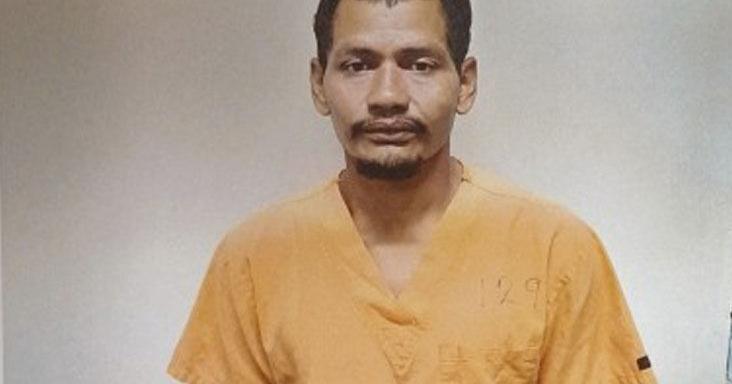
    In an official update shared via its social media platform X, the Dominican Republic’s General Directorate of Migration (DGM) has formally confirmed that high-profile Haitian business leader Dimitri Albert Edouard Vorbe will be barred from entering the Caribbean nation. The travel restriction was officially enacted on October 13, 2025, following an official notification submitted by the Dominican Republic’s National Intelligence Directorate, and remains fully in force.

    The confirmation arrives amid unfolding developments: U.S. Immigration and Customs Enforcement (ICE) arrested Vorbe in Florida back in September 2025, and he is currently being held at the Krome Processing Center, where U.S. authorities have recently approved his deportation.

    Vorbe, who once led Haiti’s leading energy firm Société Générale d’Énergie, has long been counted among Haiti’s most influential business figures. He previously held Temporary Protected Status (TPS) that allowed him to reside legally in the United States, and was known as an outspoken critic of former Haitian President Jovenel Moïse, who was assassinated in 2021. Following Moïse’s killing, Haitian law enforcement officials questioned both Vorbe and fellow Haitian businessman Réginald Boulos as part of their assassination investigations. To date, U.S. officials have not released any public explanation for Vorbe’s September detention.

  • UNDP Report Says Caribbean Democracies Under Pressure Despite Development Gains

    UNDP Report Says Caribbean Democracies Under Pressure Despite Development Gains

    The United Nations Development Programme (UNDP) has published its latest Democracy and Development Report 2026, delivering a mixed assessment of progress and challenges across Latin America and the Caribbean. In a bright spot for the region, the report places Antigua and Barbuda among the group of Caribbean nations earning a “Very High Human Development” classification, with a 2026 Human Development Index (HDI) score of 0.851. The analysis covers 14 CARICOM member states, including major Caribbean economies and island nations such as Barbados, Jamaica, Trinidad and Tobago, and St. Lucia.

    While the report affirms that the Caribbean region has retained its longstanding track record of generally stable democratic systems, it issues a clear warning that these governing institutions are facing mounting, multi-faceted strain that tests their capacity to deliver for citizens. Four core stressors are identified: rising criminal activity, accelerating climate change impacts, persistent economic vulnerability, and eroding public confidence in government.

    One of the most stark inequities highlighted in the document centers on climate change. As the report emphasizes, Caribbean nations collectively contribute less than 1% of global greenhouse gas emissions, yet they bear some of the most severe and frequent consequences of global environmental degradation. Recurring climate-fueled natural disasters have repeatedly driven up national debt levels across the region, erasing years of incremental development progress and straining public budgets that could otherwise be allocated to social services and infrastructure.

    Transnational security threats also pose a major challenge to regional stability. The report notes that organized criminal networks and illicit arms trafficking, most of which originate from outside the Caribbean, have permeated local communities, driving up violent crime rates, worsening public insecurity, and diverting state resources from development to law enforcement.

    Despite these accumulating pressures, the report finds that democratic engagement remains robust in much of the region. Antigua and Barbuda, for example, recorded relatively healthy parliamentary voter turnout in recent cycles, reflecting continued public interest in formal electoral processes. That said, growing public frustration is evident across multiple domains: citizens increasingly express discontent over perceived corruption, lackluster economic growth, underperforming public services, and the failure of governments to address pressing priorities in a timely way. As trust in traditional political institutions wanes, more citizens are channeling their engagement through independent civil society groups and grassroots advocacy movements instead of established political parties and state structures.

    Importantly, the report pushes back against narratives that Caribbean democracies are on the brink of collapse. Instead, it frames the current moment as a critical juncture that demands targeted reform: governments must prioritize improving governance accountability, strengthening weak institutional capacity, and aligning policy more closely with the needs and expectations of their populations. The report also highlights encouraging ongoing work through the Caribbean Community (CARICOM), which has launched regional initiatives to shore up democratic resilience, including programs advancing gender parity, youth economic and political empowerment, community-led crime prevention, and expanded social protection systems.

    In closing, the UNDP stresses that long-term preservation of democratic stability and equitable sustainable development across the Caribbean will depend on two key pillars: the expansion of national social safety nets to buffer vulnerable communities from economic and climate shocks, and sustained, targeted collaboration between regional governments and multilateral international organizations to address shared transnational challenges.

  • Premier: Haïti te onveilig voor presidentsverkiezingen in augustus

    Premier: Haïti te onveilig voor presidentsverkiezingen in augustus

    Port-au-Prince, Haiti – A fresh political and security crisis has deepened in Haiti, as Prime Minister Alix Didier Fils-Aime confirmed Monday that the deteriorating security situation across the Caribbean nation makes it impossible to hold the planned August presidential election. This long-delayed vote, which would mark Haiti’s first presidential election in a decade, has once again been thrown into uncertainty by escalating gang activity that has paralyzed much of the country.

    For years, successive Haitian administrations have postponed national elections, as powerful armed gangs have steadily consolidated control over the capital Port-au-Prince and expanded their territorial influence into rural and central regions. Over the past five years alone, gang-related violence has killed thousands of civilians and displaced more than one million Haitians from their homes, creating one of the world’s worst humanitarian displacement crises in the Western Hemisphere.

    Speaking in an interview with the editor-in-chief of Le Nouvelliste, Haiti’s oldest continuously operating newspaper, Fils-Aime stressed that the basic security conditions required for voters to cast ballots freely simply do not exist by the scheduled August timeline. “The security prerequisites simply are not in place to hold a vote in August,” he stated, while adding that he still holds out hope that a democratic vote can be held before the end of 2025, with a new democratically elected president inaugurated no later than February 7, 2027.

    Fils-Aime took office as prime minister on February 7 of this year, a date long symbolic of presidential power transitions in Haiti – a tradition that has repeatedly been broken by leaders seeking to extend their terms in office. The current political vacuum that allowed gangs to expand their power traces back to the 2021 assassination of former president Jovenel Moïse, who was killed while postponing national elections. His assassination left a gaping leadership void that gangs exploited to seize control of nearly 80% of the capital, according to recent United Nations estimates.

    Election preparations have been upended by the expanding security collapse. Gangs have strengthened cross-factional alliances and pushed into new regions, leaving national authorities unable to guarantee the safety required for a free and fair vote. Making the political calculus even more difficult, both the United Nations and the United States have tied critical security assistance to the Haitian government directly to progress on holding elections, creating significant external pressure to stick to the original schedule despite the growing risks.

    Voter registration was originally scheduled to launch on April 1, and the Haitian electoral council had planned the first round of voting for August 30, with a runoff round scheduled for December. More than 280 political parties have already received official approval to participate in the vote, a number Fils-Aime argues is excessive. “We are not going to hand voters an encyclopedia of candidates to sort through,” he said. “Choice is a good thing, but too much choice is not inherently necessary. I would prefer to see a field of 10 to 15 presidential candidates.”

    The prime minister added that the national government is currently holding negotiations with all major political blocs to reach a consensus on an election roadmap, but he confirmed that the government is still not satisfied with the budget proposal put forward by the electoral council, creating another roadblock to moving forward.

    As political leaders negotiate, Haitian business and community leaders are sounding the alarm over a new wave of brutal gang attacks across the country. Delphine Gardere, CEO of Rhum Barbancourt, Haiti’s iconic 154-year-old rum manufacturer, announced that one of her employees was shot and killed in the capital just the night before the prime minister’s interview, the latest victim of ongoing gang intimidation and violence targeting workers and economic activity.

    Haiti has struggled with systemic security breakdown for decades, a crisis that has been amplified by overlapping political instability and a deepening economic collapse. The 2021 assassination of Moïse accelerated gangs’ takeover of large swathes of the country, with armed factions now controlling most major urban centers and large stretches of rural territory. This ongoing violence does not only derail the country’s democratic transition; it also disrupts basic access to food, healthcare, and livelihoods for millions of Haitian civilians.

    The international community, including the UN and U.S., has conditioned much of its security and humanitarian support on progress toward holding a credible democratic election, making the timing of the election process an extremely high-stakes issue for the Haitian government.

    As the situation remains highly unpredictable, any further delay to the long-awaited presidential vote risks triggering deeper political polarization and widespread social unrest. At the same time, public pressure is growing across Haiti for leaders to find a path that can restore basic stability and security, allowing the country to finally install a democratically elected government after more than a decade of unfulfilled democratic transitions.

  • Cité Soleil hospitals evacuated, MSF suspends services

    Cité Soleil hospitals evacuated, MSF suspends services

    Intensifying violent clashes between rival armed gang factions have triggered a total shutdown of medical services in Haiti’s conflict-battered Cité Soleil neighborhood, forcing medical non-profit Doctors Without Borders (MSF) to evacuate all patients and suspend its operations indefinitely starting Monday, May 11, 2026.

    The outbreak of sustained gunfire, which erupted early Sunday morning between the Chen Mechen gang and its former allies now aligned with the terrorist coalition Viv Ansanm, has spread across the Duvivier and Cité Soleil districts located just kilometers from Port-au-Prince’s international airport. As violence escalated through Monday, hundreds of local residents displaced by the fighting fled to MSF’s community hospital in the low-income Port-au-Prince neighborhood seeking shelter and medical care. The deteriorating security situation quickly turned life-threatening even within the facility’s walls: one of MSF’s on-site security guards was hit by a stray bullet on hospital grounds, leaving staff unable to guarantee basic safety for anyone present.

    Local peer facility Fontaine Hospital, the other major medical provider in the conflict zone, also began full evacuation of its patients, moving vulnerable newborns out of its neonatal intensive care unit to safer locations outside the fighting zone. MSF confirmed that it absorbed a number of Fontaine’s transferred patients before suspending services, including several women who had given birth overnight at the evacuated facility.

    By Monday afternoon, MSF confirmed that every functioning hospital in the active fighting zone had ceased operations. In an official statement, the organization emphasized that local medical needs have grown exponentially as the conflict has expanded, leaving a catastrophic gap in care for injured civilians and vulnerable residents. The NGO noted that it made the difficult decision to suspend all services after concluding it could not protect its international and local medical staff, nor the patients and displaced civilians sheltering on its grounds, from the ongoing crossfire. As of Monday evening, MSF reported it had hosted more than 800 displaced residents at its hospital before the evacuation, and no functional medical care is currently available to civilians trapped in the Cité Soleil conflict zone.

  • Nine Detained So Far Under New State of Emergency

    Nine Detained So Far Under New State of Emergency

    In a sweeping law enforcement action launched just days after a targeted State of Emergency (SOE) was declared for high-risk zones across Belize City and multiple rural sections of the Belize District, authorities have taken nine adults into custody as of initial reports, with armed security patrols now deployed across the affected communities. All detainees are being held at facilities managed by the Kolbe Foundation, Belize’s independent body that oversees the country’s correctional services.

    Belize’s top law enforcement leadership has emphasized that the extraordinary emergency measure was not implemented hastily, but followed rigorous security evaluations and actionable intelligence that confirmed an immediate, widespread threat to public safety and private property. “The decision was not made lightly… We believe it was absolutely necessary,” Commissioner of Police Dr. Richard Rosado stated in an official briefing, confirming that all nine people currently in custody are adults.

    Deputy Commissioner Bart Jones underscored that the ongoing crackdown is intentionally targeted rather than a broad, unfocused sweep of local communities. Rejecting concerns that the emergency powers would grant police unchecked authority for mass detentions, Jones explained that all arrests are rooted in verified intelligence, ongoing investigative work and targeted interviews. “It will not be operated as a carte blanche wholesale detention of persons but based on intelligence, interviews, based on current investigations,” he said.

    Many of the detainees are linked not only to organized gang-related criminal activity, Jones added, but are also persons of interest in a string of recent and unsolved shooting incidents and homicide cases that have shaken the region in recent months. This operation, he noted, is far more focused and precisely targeted than previous law enforcement actions taken under similar emergency declarations.

    Under the emergency powers granted to law enforcement by the SOE declaration, several new restrictions are in effect across the designated zones. Gatherings of three or more people in public spaces are classified as a criminal offense, minors are required to be off the streets and inside private residences by 8 p.m. local time, and police officers are authorized to conduct stops and searches of individuals and properties without requiring a prior warrant.

    Despite the broad emergency powers, Commissioner Rosado moved to reassure law-abiding residents that the measure will not disrupt their daily lives. “The SOE is targeted and specific to certain individuals and does not affect the law-abiding citizen in any way,” he said.

  • When good intentions do harm: Why we must donate responsibly

    When good intentions do harm: Why we must donate responsibly

    For the Caribbean region, a frequent hotspot of climate-driven extreme weather, international generosity has long been a lifeline after catastrophic disasters. But well-meaning donations that arrive without coordination or alignment with local needs often turn into a secondary humanitarian crisis, crippling response efforts at a time when speed can mean the difference between life and death. In the aftermath of major disasters, unsolicited, unvetted donations routinely overwhelm already strained regional ports and storage facilities. Common problematic donations include heavy winter coats sent to tropical climates, expired food products, unsorted mixed boxes of goods that require hundreds of hours of labor to organize, and flimsy tarpaulins that cannot withstand heavy tropical rainstorms. Instead of supporting vulnerable communities, these inappropriate donations waste critical resources and divert emergency personnel away from addressing the most urgent life-saving needs.

    Data and operational experience from the Caribbean Disaster Management Agency (CDEMA) and its member states confirm that without clear, enforced donation management policies, massive volumes of unusable or ill-suited goods consume limited time, emergency personnel, and funding. This places enormous unnecessary strain on national logistics systems, and directly delays the delivery of essential supplies such as clean drinking water, nutrition, emergency shelter materials, and critical medical equipment. Compounding this problem, as much as 60 percent of these unsolicited donations never reach affected communities, and are ultimately discarded as waste. This creates additional environmental harm for small island nations already struggling with waste management infrastructure challenges. Beyond operational disruptions, these inefficiencies carry a steep human cost: when response systems slow down, at-risk populations are forced to wait longer for life-saving relief that they depend on for survival.

    The urgency of addressing this crisis has never been higher. Between 2020 and 2025 alone, more than 2.6 million people across 13 English and Dutch-speaking Caribbean countries were impacted by floods, intense tropical storms, and volcanic activity. These recurring disasters have caused widespread destruction of homes and infrastructure, displaced entire communities, and placed sustained, long-term pressure on already fragile social systems and national economies. This pattern underscores the region’s growing exposure to overlapping, complex climate hazards that are increasing in frequency and intensity as global temperatures rise.

    As the 2026 Atlantic Hurricane Season approaches, and tropical storms continue to grow in strength due to climate change, the need for proactive preparedness has become more critical than ever. Lessons learned from recent disaster responses make clear that preparedness cannot stop at strengthening physical infrastructure and frontline response capacity. It must also include building robust public systems capable of managing and effectively routing incoming international support, so that generosity strengthens disaster response rather than derailing it.

    To address this longstanding challenge and raise global and regional public awareness, CDEMA and the International Organisation for Migration (IOM), working in partnership with a range of regional and international humanitarian organizations, have rolled out a regional Donate Responsibly Campaign. The initiative aims to fundamentally transform how disaster assistance is delivered to affected Caribbean nations. Funded by EU Humanitarian Aid, the campaign is built on a simple but powerful core principle: all donations must be needs-based, centrally coordinated, and fully aligned with national disaster response systems.

    CDEMA has already laid critical foundational groundwork through its Comprehensive Relief and Logistics Management Programme, which supports member states to strengthen their national aid management capacity. This support includes developing tailored national logistics plans, establishing clear formal policies for unsolicited donations, conducting systematic needs assessments to identify priority items, strengthening end-to-end supply chains, and improving coordination through National Emergency Operations Centres. Digital tools such as real-time logistics tracking systems are already helping ensure that assistance is shaped by actual on-the-ground needs, not outdated assumptions about what affected communities require.

    Through the International Disaster Response Law (IDRL) framework, implemented in partnership with The International Federation of Red Cross and Red Crescent Societies (IFRC), CDEMA also supports countries to strengthen national regulatory frameworks that both facilitate and regulate incoming international aid. This work ensures all assistance is coordinated, accountable, and aligned with local needs. Key reforms include streamlining customs and border clearance processes for emergency goods, setting clear quality standards for incoming donations, and upholding international accountability requirements for humanitarian aid. Complementing these national-level reforms, regional coordination mechanisms co-led by IOM, CDEMA, and IFRC — including the Emergency Shelter and Non-Food Items Technical Working Group and the Relief and Logistics Thematic Working Group — help align all aid partners around shared common standards and response priorities.

    For individuals and organizations planning to donate ahead of or during future disasters, the campaign outlines three core guiding principles. First, cash donations are almost always the most effective option. Financial contributions allow local responders and national governments to purchase exactly what is needed, at the exact time and location it is required, while also supporting local economies rather than undercutting local producers. Second, coordination is non-negotiable. Before making any donation, potential givers should follow official guidance from national disaster management offices and CDEMA, and route donations through recognized, trusted humanitarian partners using official priority needs lists and established quality standards. Third, supporting and strengthening existing regional and national response systems is equally critical. All assistance should align with pre-existing national and regional response plans and logistics frameworks — donors should never bypass established systems to send unsolicited goods.

    The campaign emphasizes that responsible donating should support long-term recovery, not create new burdens for affected communities. Donations must address confirmed local needs, avoid creating additional waste and environmental harm, and prevent adding extra financial strain to small island states that are already on the frontlines of climate change. Context matters deeply: the Caribbean is a diverse region with unique cultural, climatic, and infrastructure contexts, so donations must be culturally appropriate, climate-relevant, and fit for their intended purpose. A donation that works well in one disaster context may be ineffective or even actively harmful in another.

    As the campaign notes, how people give is just as important as what they give. Before making a donation, all potential givers are encouraged to ask two simple questions: is this donation actually needed by the affected community, and is it being sent through coordinated official channels? Encouragingly, young people across the Caribbean are already leading calls for smarter, more sustainable approaches to disaster response, with a clear message: responsible giving is informed, coordinated, and environmentally sustainable.

    For Caribbean diaspora communities, private sector partners, national governments, and global supporters, the campaign’s message is clear: generosity can save lives, but only when it matches actual on-the-ground needs. The campaign urges all potential givers to support trusted, established organizations, follow official response channels, prioritize cash donations wherever possible, and ensure their support makes a meaningful, positive impact. The call to action is simple: Donate responsibly. Support smarter disaster response. Build stronger regional resilience. This article is a press release contributed by Kevon Campbell, Logistics Specialist at CDEMA, and Jan Willem Wegdam, Shelter Advisor at IOM.