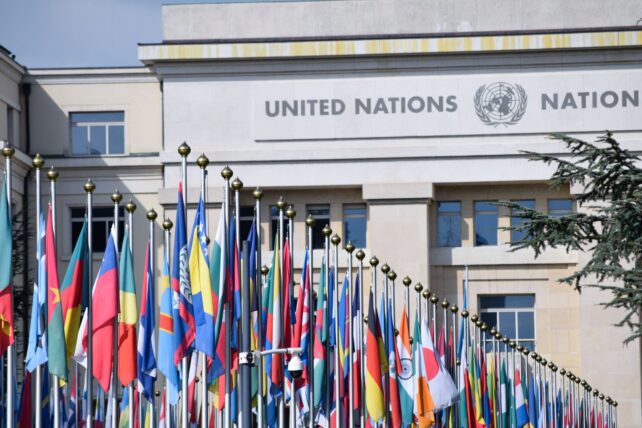
On June 16, 2026, regional leaders and United Nations officials gathered at the Annual Coordination Meeting of the UN MSDCF for the Caribbean — a hybrid session chaired by Belize — to formally unveil a landmark new five-year partnership agreement that will reshape sustainable development action across the Caribbean’s English- and Dutch-speaking nations.
The agreement, the United Nations Multi-Country Sustainable Development Cooperation Framework (MSDCF) 2027-2031, is designed to streamline coordinated UN support for national and regional development priorities, with the ultimate goal of speeding progress toward the UN’s universal 2030 Sustainable Development Goals (SDGs). The meeting brought together a diverse cohort of stakeholders, including cabinet-level government representatives, UN Resident Coordinators, regional intergovernmental bodies, and UN specialized agencies, who used the convening to reflect on completed and ongoing work under the expiring 2022-2026 framework and align on priorities for the coming five-year cycle.
In opening remarks to the gathering, Raul Salazar, UN Resident Coordinator for Belize and El Salvador and chair of the MSDCF Regional Steering Committee, underlined that the new framework was forged through extensive cross-stakeholder collaboration. “With Governments and development partners we have worked together to shape a Multi-Country Cooperation Framework that reflects national priorities and regional aspirations,” Salazar told attendees. “This Framework is about creating opportunities, strengthening resilience, protecting the most vulnerable, and delivering tangible results in the daily lives of Caribbean citizens.”
H.E. Oscar Arnold, Chief Executive Officer of Belize’s Ministry of Foreign Affairs and Foreign Trade, echoed that sentiment, noting that the agreement is rooted in the unique challenges, on-the-ground experiences, and long-term ambitions of Caribbean nations. “The MSDCF has been shaped by the priorities, experiences and aspirations of our countries, and stands as a testament to our collective commitment to build a more resilient, inclusive and prosperous Caribbean,” Arnold said.
Structured around the unifying theme “One Caribbean. One Framework. One Future.”, the meeting centered conversations on the power of regional collective action. Participants emphasized that small island developing states across the Caribbean share a common set of interconnected development challenges — from climate vulnerability to economic inequality — making aligned action through a single regional framework far more effective than independent national efforts.
The new 2027-2031 framework is built around two core strategic pillars that address these shared challenges. The first pillar, Economic and Ecosystem Resilience, prioritizes expanding economic diversification to reduce overreliance on vulnerable sectors like tourism, expanding access to skills training for the Caribbean workforce, and strengthening natural ecosystem protection to boost climate and disaster resilience. The second pillar, Future Ready People and Empowered Communities, focuses on expanding equitable access to integrated health, education, and social services, while advancing evidence-based crime and violence prevention efforts across the region. Combined, the two pillars aim to deliver four core outcomes: more robust, diversified local economies, protected and restored natural ecosystems, safer and more cohesive communities, and expanded economic and social opportunity for all Caribbean residents.
Fully aligned with the UN’s 2030 Agenda for Sustainable Development, the framework’s official launch marks the end of the planning phase and a shift to on-the-ground execution. Going forward, stakeholders will focus on developing national implementation plans, strengthening cross-agency coordination mechanisms, and translating regional priority objectives into tangible, community-level projects across participating nations.
Closing the meeting, Caribbean government leaders and UN representatives reaffirmed their shared commitment to centering national ownership of development strategies, deepening regional integration, and upholding collective action to advance inclusive, sustainable growth across the Caribbean region.