分类: world

  • At least 100 children killed in Gaza since ceasefire—UN

    At least 100 children killed in Gaza since ceasefire—UN

    GENEVA—United Nations officials revealed on Tuesday that a minimum of 100 children have perished in Gaza during what has been described as a tenuous ceasefire period over the past three months. According to UNICEF spokesperson James Elder, who addressed reporters from Gaza City, the casualties include approximately 60 boys and 40 girls killed by various military actions including airstrikes, drone attacks, tank shelling, and live ammunition.

    The figures, while alarming, are believed to be conservative estimates. Gaza’s health ministry officials have reported an even higher toll of 165 children among 442 total fatalities during the same period. Additionally, seven children have died from exposure to cold weather conditions since the beginning of the year, according to Zaher Al-Wahidi, Director of the Computer Department at the Ministry of Health.

    Elder emphasized that these deaths occurred against a backdrop of more than two years of conflict that has created unimaginable hardships for Gaza’s youth. ‘They still live in fear,’ he stated. ‘The psychological damage remains untreated, and it’s becoming deeper and harder to heal the longer this goes on.’

    The situation has been further exacerbated by Israel’s recent suspension of 37 international aid agencies from accessing Gaza—a move previously described by the UN as ‘outrageous.’ Elder stressed that blocking humanitarian organizations effectively means blocking life-saving assistance for vulnerable populations.

    Despite UNICEF’s efforts to increase aid delivery to the densely populated territory since October, the spokesperson noted that current levels remain insufficient to meet overwhelming needs. The destruction of nearly 80 percent of Gaza’s buildings, as recorded by UN data, has created a humanitarian crisis of staggering proportions.

    Elder raised concerns about the restrictions on international NGOs and foreign journalists, questioning whether these measures aim to limit scrutiny of the suffering endured by Gaza’s children.

  • United States withdrawal from WHO makes US, world ‘unsafe’—WHO chief

    United States withdrawal from WHO makes US, world ‘unsafe’—WHO chief

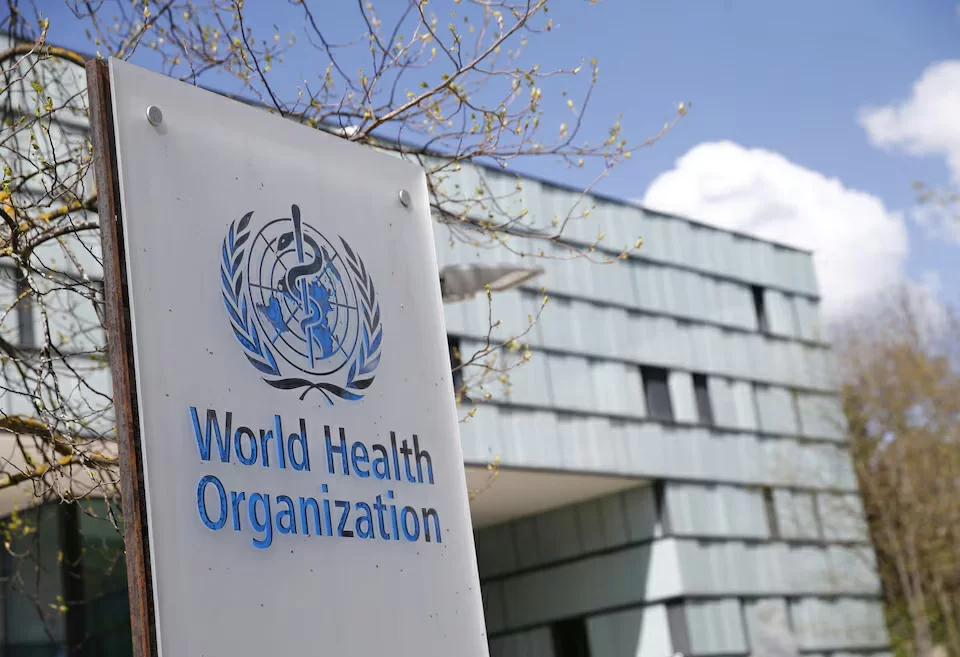
    GENEVA—The Director-General of the World Health Organization issued a grave warning on Tuesday regarding the imminent U.S. departure from the UN health agency, characterizing the move as detrimental to both American and global health security. The caution came as the one-year withdrawal process, initiated by former President Donald Trump’s executive order on January 20, 2025, approaches its finalization.

    WHO Director-General Tedros Adhanom Ghebreyesus expressed profound regret during a press briefing from the agency’s Geneva headquarters, stating that the withdrawal represents a significant loss for international public health cooperation. ‘This decision compromises safety not only within the United States but across the globe,’ Tedros emphasized. ‘It ultimately represents an ill-advised course of action.’

    The WHO leader highlighted the critical benefits that the United States derives from its participation in the organization, particularly regarding health security initiatives. ‘There are numerous WHO-coordinated activities that substantially benefit the U.S., especially in the realm of health security preparedness,’ Tedros noted. ‘This is precisely why I maintain that American safety cannot be guaranteed without collaborative engagement with WHO.’

    Legal complexities surrounding the withdrawal process emerged during the briefing. WHO Chief Legal Officer Steve Solomon clarified that while the organization’s constitution lacks explicit withdrawal provisions, the United States had established specific conditions for departure in 1948. These conditions include providing one year’s advance notice and fulfilling all financial obligations for the current fiscal year.

    Solomon revealed that the United States currently maintains outstanding payments for both 2024 and 2025, though specific figures were not disclosed. This financial delinquency raises questions about whether the technical conditions for withdrawal have been satisfactorily met, a determination that ultimately rests with WHO member states.

    The timing of the American exit proves particularly challenging as international health aid budgets face substantial reductions worldwide. Tedros acknowledged that ‘adequate funding remains crucial for our organization’s operational capacity,’ but stressed that the appeal for U.S. reconsideration ‘transcends financial considerations.’

    The Director-General concluded with a powerful message about global health solidarity: ‘What truly matters is our collective cooperation and worldwide preparedness against common threats such as viral pathogens. In facing adversaries like COVID-19, our strongest defense remains unity. The most effective immunity is indeed solidarity.’

  • Antigua security chiefs pledge country will not be a transit corridor for drugs

    Antigua security chiefs pledge country will not be a transit corridor for drugs

    ST JOHN’S, Antigua – In a powerful display of unity, the senior leadership of Antigua and Barbuda’s national security apparatus has issued a joint declaration of their continued resolve to combat narcotics trafficking and prevent the twin-island nation from being used as a transit point for illegal drugs.

    The comprehensive statement, representing the unified voice of the Royal Police Force, the Antigua and Barbuda Defence Force, the Office of National Drug and Money Laundering Control Policy (ONDCP), and the Immigration Department, contained a stern warning to criminal elements. The agencies emphatically stated, “We will not provide shelter for those who profit from it. We remain vigilant at sea, resolute in investigation, firm in enforcement and committed to cooperation with trusted partners—guided always by the law and the national interest.”

    Beyond reinforcing their operational posture, the security chiefs issued a direct appeal to citizens, urging the population to remain alert and to proactively report any suspicious activities to law enforcement authorities. This call for public cooperation underscores a strategy that blends robust enforcement with community engagement.

    The leadership further emphasized the nation’s active collaboration with regional and international partners to counter evolving transnational threats. The public was assured that all border control agencies and the defence force remain “fully engaged and vigilant to protect the nation, preserve the integrity of its financial and border systems and contribute responsibly to regional and international security.”

    Reaffirming its strategic commitments, the statement outlined Antigua and Barbuda’s firm dedication to safeguarding national and regional security through sustained action against a spectrum of crimes, including drug trafficking, money laundering, firearms trafficking, and organised crime. The agencies also highlighted their increased focus on emerging threats in the domains of cybercrime and irregular migration.

    The joint communication addressed the wider regional context, acknowledging that recent counter-narcotics initiatives by the United States have triggered media allegations concerning the potential corruption of Caribbean governments and leaders by narco-traffickers. In contrast to these reports, the statement presented the nation’s most recent national threat analysis, which continues to classify Antigua and Barbuda as a “low-risk jurisdiction.” This favorable classification was attributed to the country’s strong legal and regulatory framework, effective financial oversight, a comparatively low crime rate, and its active and meaningful international cooperation.

  • Cuba discusses state of Tricontinental on its 60th anniversary

    Cuba discusses state of Tricontinental on its 60th anniversary

    An international academic gathering of significant scale is currently underway, marking the sixtieth anniversary of the pivotal Tricontinental Conference originally held in Havana. This twentieth edition of the congress, organized under the theme “60 Years After the Tricontinental Conference: Context, Impact, Legacy, and Future,” brings together scholars from across the globe to examine the historical event’s enduring relevance in contemporary discussions on anticolonialism, anti-imperialism, and decolonization.

    The congress represents the culmination of longstanding academic collaboration between British and Cuban institutions. The Centre for Research on Cuba and the Cuba Research Forum initially emerged from a partnership between the University of Wolverhampton and the University of Havana established in 1998, with the University of Nottingham later joining the initiative in 2003.

    This year’s event features an extensive program with 43 panels and presentations by 170 distinguished speakers representing nearly one hundred universities and research centers from all continents. The substantial participation underscores the continued global interest in the Tricontinental Conference’s legacy.

    Organizers emphasize that the commemoration has gained increased significance given current global developments, with the renewed focus on the Global South’s contributions providing critical perspectives on unfolding regional and world events. The original 1966 conference assembled over 500 delegates from more than 80 countries and colonies across Africa, Asia, and the Americas, representing what was then termed the Third World. Historic figures including Salvador Allende of Chile, Amilcar Cabral of Guinea-Bissau, and Cheddi Jagan of Guyana participated in the landmark gathering that sought to forge solidarity against colonial and imperial domination.

    The contemporary congress continues through Wednesday, January 14, facilitating important academic exchanges and analyses that connect the historical context of the Tricontinental Conference with present-day geopolitical dynamics.

  • IRENA assembly notes importance of green energy to the Caribbean

    IRENA assembly notes importance of green energy to the Caribbean

    ABU DHABI, UAE – The 16th International Renewable Energy Agency (IRENA) Assembly commenced with a powerful emphasis on the Caribbean’s critical role in the global renewable energy transition. Dominican Republic’s Minister of Energy and Mines, Joel Santos Echeverría, presiding over the assembly, outlined a results-driven agenda focused on tangible benefits for vulnerable regions.

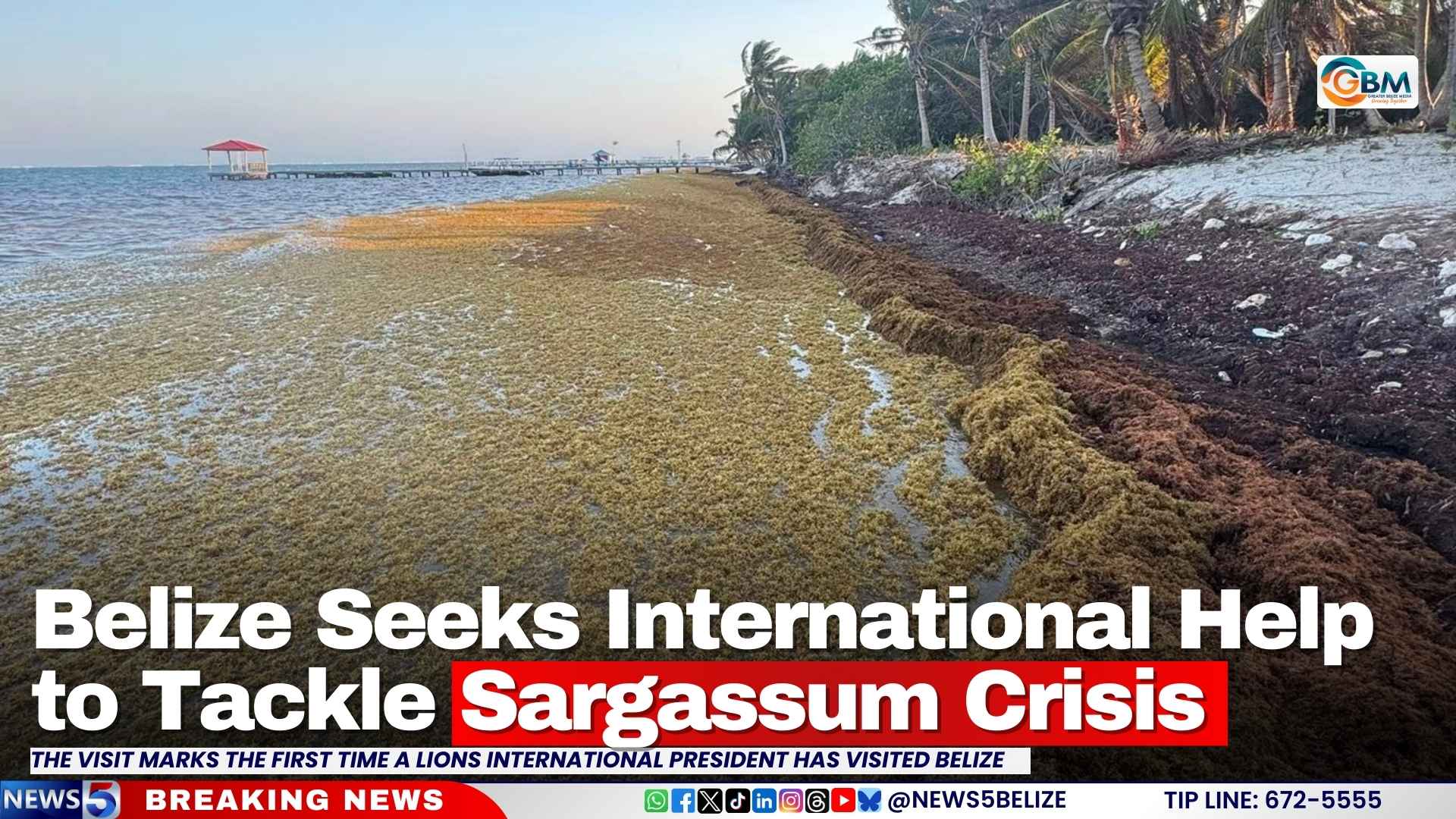
    Echeverría, addressing attendees virtually, highlighted the strategic importance of energy transition for Caribbean nations. He noted that climate change vulnerabilities—including hurricanes, extreme weather events, and sargassum accumulation—pose serious threats to energy security and economic stability. However, he emphasized the region’s vast renewable energy potential and opportunities for innovative solutions, such as converting sargassum into energy through technological research.

    The Dominican Republic’s presidency will prioritize integrating emerging energy technologies into IRENA’s agenda, promoting artificial intelligence and digital solutions for enhanced planning and resource mobilization. The assembly’s theme, “Powering Humanity, Renewable Energy For Shared Prosperity,” reflects a collective aspiration for equity and shared wellbeing through energy transition.

    Echeverría reaffirmed commitments to triple renewable energy capacity and double energy efficiency by 2030, emphasizing accessible financing and technical assistance. He stressed that shared prosperity requires international solidarity and cooperation, particularly for small island developing states.

    IRENA Director-General Francesco La Camera reported record participation with 1,524 attendees from 139 countries and the EU. He described the current energy transformation as “unstoppable,” noting that 92% of new power capacity installed in 2025 was renewable. La Camera emphasized that renewables have become the most competitive electricity generation method, offering economic, resilience, and stability advantages over fossil fuels.

    The assembly occurs amid significant global challenges, including the recent U.S. withdrawal from numerous international organizations. Both leaders emphasized that renewable energy transition is no longer aspirational but an immediate necessity for climate resilience, energy security, and economic stability worldwide.

  • Column: De wereld draait om handel, maar de mens blijft gevangen in conflict

    Column: De wereld draait om handel, maar de mens blijft gevangen in conflict

    Amid escalating global tensions, a concerning pattern of selective international attention has emerged in conflict reporting. While Venezuela’s political crisis dominates headlines due to its substantial oil reserves, other humanitarian emergencies in Sudan and Syria remain largely overlooked by global media.

    The ongoing Russia-Ukraine conflict continues to destabilize European security, while simmering tensions in South Asia present additional threats to regional stability. These developments collectively demonstrate how economic considerations frequently dictate geopolitical priorities and media coverage.

    Behind these strategic calculations lies profound human suffering. Civilian populations bear the ultimate cost of geopolitical maneuvering, experiencing displacement, economic hardship, and personal tragedy. In Syria, residents of Aleppo’s Sheikh Maqsoud district have been forced to evacuate following military warnings, adding to the country’s existing refugee crisis.

    The economic consequences extend beyond conflict zones, with rising global energy and food prices disproportionately affecting vulnerable communities worldwide. Daily life becomes increasingly challenging as educational opportunities diminish, healthcare systems deteriorate, and employment prospects vanish.

    This coverage disparity reveals an uncomfortable truth: conflicts involving significant economic interests receive disproportionate attention and resources, while humanitarian crises without clear economic implications often fade from public consciousness. The very mechanisms that should ensure balanced reporting instead reinforce existing power structures and economic priorities.

    Addressing this imbalance requires conscious effort to recognize human dignity beyond economic calculations. Sustainable peace and stability depend not on geopolitical strategy alone, but on consistent commitment to protecting fundamental human rights across all conflicts, regardless of their economic significance.

  • Dominican Navy assists catamaran with two crew members off La Romana

    Dominican Navy assists catamaran with two crew members off La Romana

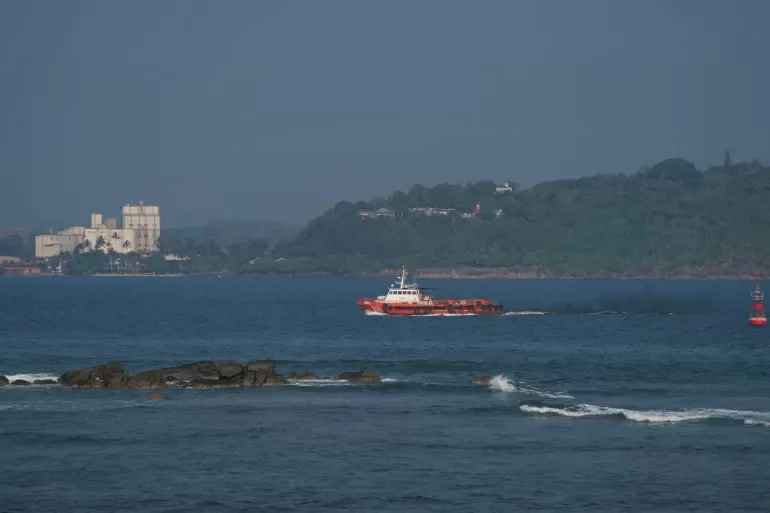
    In a precise maritime operation, the Dominican Republic Navy has provided critical assistance to a disabled catamaran experiencing mechanical failure approximately 80 nautical miles south of La Romana. The emergency response was initiated following a distress signal from the vessel, with naval units promptly deployed to the specified coordinates in the Caribbean Sea.

    The affected vessel, identified as internationally flagged registration LYZ, had embarked from Río Salado in La Romana with intended destination to Aruba. The 78-foot orange and gray catamaran carried two crew members—one French national and one American citizen—when it developed significant technical complications involving one of its engines and overall propulsion capabilities.

    Naval authorities confirmed the successful location and assessment of the vessel, emphasizing their adherence to established international maritime safety protocols. The Navy’s statement highlighted the ongoing monitoring of the situation and reiterated the vital importance of maintaining proper communication channels with maritime authorities. This incident underscores the critical role of coordinated emergency response systems in preventing maritime incidents and ensuring passenger safety during oceanic voyages.

  • US Warns Americans to Leave Venezuela Immediately

    US Warns Americans to Leave Venezuela Immediately

    The United States Department of State has escalated its travel advisory for Venezuela to its highest level, issuing an unequivocal directive for all American citizens to depart the South American nation immediately. This urgent warning cites a perilous and rapidly deteriorating security environment, compounded by the risk of wrongful detention and the near-total collapse of the country’s healthcare infrastructure.

    The advisory underscores a constellation of critical threats facing U.S. nationals, including the high potential for arrest on unsubstantiated charges by Venezuelan authorities. The document highlights the severely limited capacity of the U.S. Embassy in Caracas to provide emergency consular services, leaving Americans without reliable support in crisis situations. This limitation is attributed to the reduced diplomatic presence following the 2019 withdrawal of most U.S. government personnel.

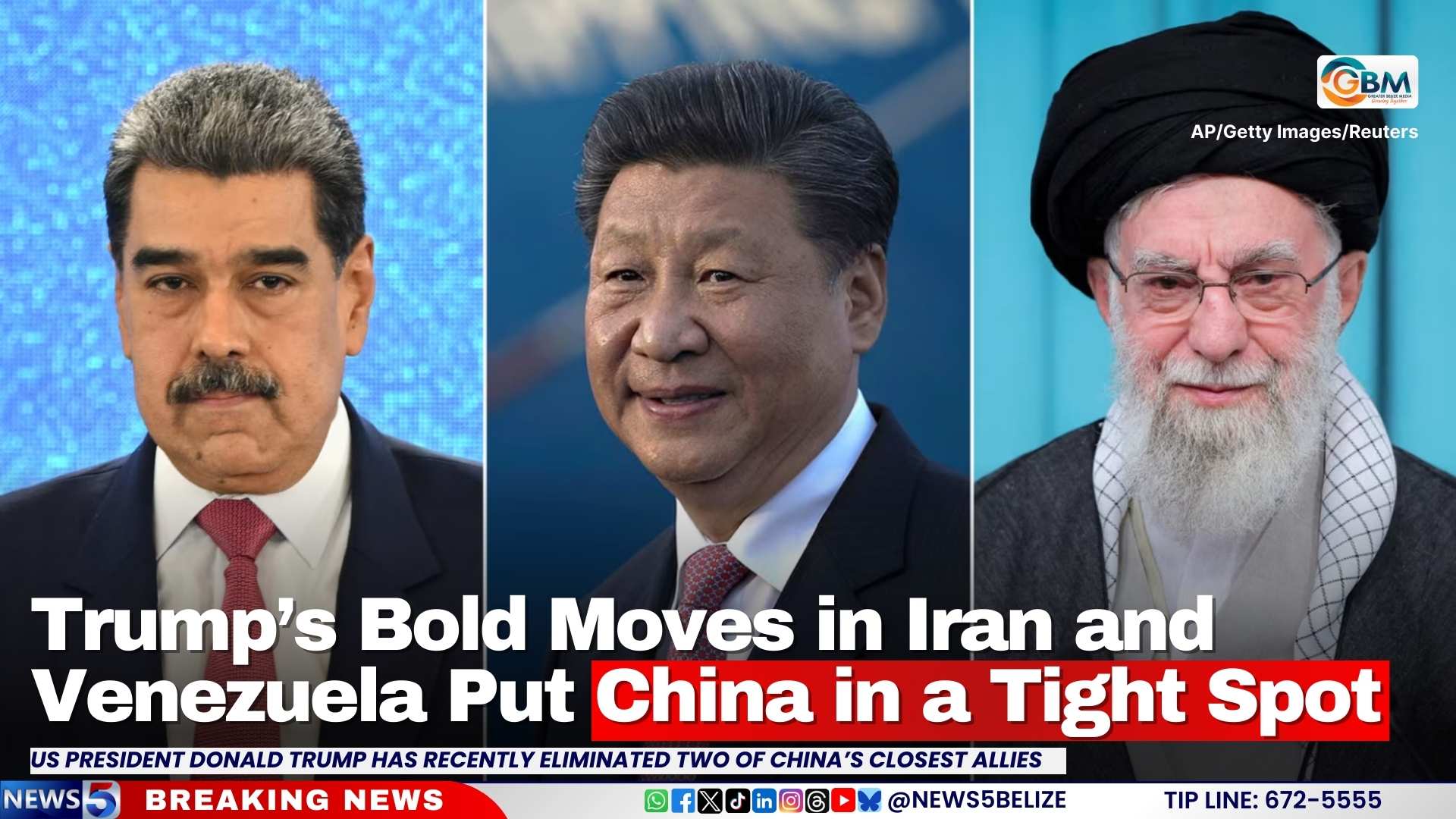
    Background context reveals this advisory occurs amidst protracted political turmoil and a severe economic crisis in Venezuela. Relations between the U.S. and the government of Nicolás Maduro remain intensely strained, characterized by extensive sanctions and non-recognition of his administration by Washington. The warning reflects broader geopolitical tensions in the region and serves as a significant indicator of the breakdown in bilateral diplomatic channels.

    The immediate implications are severe for any Americans choosing to remain, potentially facing extreme hardship without consular protection. This development also signals a likely further deterioration in U.S.-Venezuela relations, potentially foreshadowing more aggressive foreign policy measures. The advisory will undoubtedly impact humanitarian operations and any remaining commercial interests, effectively isolating Venezuela further from international engagement.

  • South Africa Welcomes China, Russia, Iran Warships

    South Africa Welcomes China, Russia, Iran Warships

    In a significant geopolitical development, South Africa has commenced joint naval exercises with Chinese, Russian, and Iranian military vessels in its territorial waters. The week-long maneuvers, dubbed ‘Will for Peace 2026,’ launched on Saturday off the coast of Cape Town and will continue through January 16th.

    The naval drills are being conducted under the expanded BRICS Plus framework, which now incorporates additional nations including Egypt, Indonesia, Saudi Arabia, Ethiopia, and the United Arab Emirates. South African officials have characterized the exercises as focused on enhancing maritime security and protecting shipping lanes while fostering naval cooperation among participant nations.

    This military collaboration occurs amid heightened tensions with the United States. President Donald Trump has recently criticized BRICS nations for what he termed ‘anti-American’ policies and has threatened implementing new trade tariffs against member states.

    The exercises have drawn sharp criticism from South Africa’s primary opposition party, which contends that hosting navies from nations under Western sanctions—specifically Iran and Russia—contradicts the government’s professed stance of non-alignment. Analysts suggest these drills could potentially strain diplomatic relations with Washington and challenge South Africa’s perceived neutrality in global affairs.

    The development represents a notable shift in naval partnerships within the southern hemisphere and reflects the continuing expansion of BRICS as a counterweight to traditional Western alliances.

  • American citizens advised to depart Venezuela following Maduro’s detention

    American citizens advised to depart Venezuela following Maduro’s detention

    The United States Embassy in Bogotá has escalated its security alert for Venezuela, issuing an urgent advisory on January 10, 2026, calling for the immediate departure of all American citizens from the South American nation. This critical warning follows a period of intensified instability triggered by recent military actions undertaken by the Trump administration, which included targeted bombings and culminated in the capture and detention of Venezuelan President Nicolás Maduro.

    Official communications from the embassy highlight a rapidly deteriorating security environment, described as ‘highly fluid and unpredictable.’ Intelligence reports indicate a surge in activities by armed paramilitary groups, locally referred to as ‘colectivos.’ These militias are allegedly erecting unauthorized roadblocks and conducting invasive vehicle searches, specifically targeting individuals based on their U.S. nationality or perceived sympathies towards American interests.

    The embassy’s statement underscores the necessity for U.S. nationals to maintain extreme vigilance and adopt stringent security measures. It explicitly advises against all travel to Venezuela, a position consistently maintained by the State Department. The advisory notes a silver lining: the recent resumption of international commercial flights now provides American citizens with feasible and urgent exit options that were previously unavailable, facilitating a swift evacuation from the escalating crisis.