分类: world

  • Vier dagen VS-Iran oorlog: menselijk leed en wereldwijde protesten tegen conflict

    Vier dagen VS-Iran oorlog: menselijk leed en wereldwijde protesten tegen conflict

    The Middle East faces a devastating humanitarian crisis as four days of intensified military conflict between the United States, Israel, and Iran trigger widespread civilian casualties and ignite global protest movements. The current escalation began following the targeted assassination of Iranian Supreme Leader Ayatollah Ali Khamenei, which precipitated rapid deterioration across multiple nations.

    American and Israeli airstrikes have targeted Iranian military installations, energy infrastructure, and communication facilities, with several civilian structures inadvertently struck. In the southern Iranian city of Minab, a girls’ school and adjacent hospital suffered direct hits, resulting in approximately 180 student fatalities and dozens more injured. This tragic incident has generated profound grief and outrage among Iranian citizens.

    The conflict has expanded beyond Iran’s borders. Lebanon’s Hezbollah has launched retaliatory rocket and drone attacks against Israeli targets, prompting Israeli counterstrikes in Beirut’s southern suburbs. Gulf states including the United Arab Emirates and Bahrain have also experienced Iranian missile assaults, with Abu Dhabi’s airport sustaining damage that caused civilian casualties.

    Civil unrest has spread throughout the region and beyond. Pakistan, home to a significant Shia minority, has witnessed massive protests against American and Israeli operations, resulting in deadly clashes between demonstrators and security forces. Similar anti-American and anti-Israeli demonstrations have emerged in Iraq and other Muslim-majority nations.

    Global peace movements have gained momentum with thousands of protesters in India demanding diplomatic solutions and immediate cessation of hostilities. Within the United States, citizens have organized multiple rallies criticizing their government’s military policies and urging peaceful conflict resolution.

    Humanitarian organizations warn of rapidly deteriorating conditions in conflict zones, with critical shortages of medical supplies, food, and shelter affecting civilian populations. International aid groups emphasize the urgent need for ceasefire agreements and humanitarian corridors.

    The ongoing violence highlights the tragic human cost of geopolitical conflicts while strengthening international calls for dialogue and de-escalation. As military operations continue, diplomatic efforts remain the primary hope for ending civilian suffering and restoring regional stability.

  • Ten Thousand Officers Deployed in Mexico’s Cartel Crackdown

    Ten Thousand Officers Deployed in Mexico’s Cartel Crackdown

    In response to escalating cartel violence reaching Chetumal in Mexico’s Quintana Roo state, Belize has significantly heightened its border security measures. Mexican authorities have deployed approximately ten thousand military and police personnel to combat criminal organizations operating near the border region.

    Belizean Police Minister Oscar Mira, who holds additional jurisdiction over the nation’s free trade zone, confirmed increased patrol operations along the border perimeter. While acknowledging that the situation has temporarily stabilized due to Mexico’s substantial security deployment, Belizean officials maintain vigilant monitoring of riverine and border areas to prevent infiltration attempts.

    Prime Minister John Briceño emphasized the critical need for international support during discussions with U.S. officials, specifically naming Secretary Rubio. The Prime Minister articulated three essential requirements for Belize’s security apparatus: advanced equipment, intelligence sharing, and specialized training. Briceño warned that without immediate and decisive action, Belize could face dramatically different security circumstances within the next decade.

    The Belizean government acknowledges its limited resources to counter well-funded cartel operations independently. National leadership continues to advocate for strengthened international cooperation, particularly with United States agencies possessing the technical capabilities and expertise necessary for effective border security and organized crime prevention.

  • Experts urge legal framework before granting space for rocket launches

    Experts urge legal framework before granting space for rocket launches

    International law experts are raising urgent concerns about the Dominican Republic’s proposed satellite launch port project with U.S.-based Launch On Demand, warning that the nation would bear full international responsibility for any mishaps despite the operator’s private status. As the government prepares to grant land, permits, and airspace access for the Pedernales-based facility, specialists emphasize that under international space law, host countries cannot claim neutrality when private entities launch from their territory.

    The fundamental legal principle establishes that the Dominican government—not the operating company—would face international accountability for accidents, falling debris, environmental damage, satellite interference, or potential covert military applications. While authorities might pursue subsequent legal action against the firm, any diplomatic and reputational damage would prove irreversible.

    Among the most significant risks identified is the potential for dual-use technology development, given the technical similarities between satellite rockets and long-range missiles. Without rigorous oversight, the country could unintentionally enable prohibited technology transfers, covert propulsion tests, or third-party military operations disguised as commercial activities. Experts additionally caution that private operators frequently seek extensive tax exemptions, autonomous zones with limited state access, audit restrictions, and international arbitration clauses—effectively amounting to a functional surrender of sovereignty, particularly in nations with weaker institutional controls.

    To address these vulnerabilities, analysts recommend establishing a comprehensive legal framework before granting any territory or airspace rights. Essential safeguards should include maintained sovereign control with permanent inspection rights, presence of civil-military and environmental authorities, and government power to suspend launches without automatic compensation. They further advocate for creating national space legislation, a dedicated space authority, a registry of space objects, and a stringent sanctions regime. Contracts must explicitly prohibit offensive military use, weapons testing, and unauthorized subleasing.

    Financial protections are equally critical, with requirements for operators to secure multi-million-dollar international insurance policies, sovereign bonds, and comprehensive liability coverage for all potential damages. Independent environmental and social impact assessments—covering acoustic effects, toxic waste, marine and airspace impact, and potential displacement—must not be company-funded to ensure objectivity.

    Finally, experts stress the necessity of verifiable national benefits, including concrete technology transfer, qualified local employment, preferential state access to launches, and participation in strategic decision-making. As one specialist starkly summarized: ‘When a private company launches rockets from your territory, you are not renting land—you are lending your sovereignty.’ Without robust prior legislation, strict oversight, and enforceable controls, the Dominican Republic would assume all associated risks of this space venture.

  • Belize Monitoring Border as Cartel Activity Reported in Chetumal

    Belize Monitoring Border as Cartel Activity Reported in Chetumal

    Belize has intensified surveillance operations along its northern frontier with Mexico following alarming reports of cartel-related violence erupting in the neighboring city of Chetumal, Quintana Roo. Prime Minister John Briceño confirmed the implementation of enhanced security protocols during a recent press briefing.

    Government authorities have significantly bolstered patrol units within the Northern Free Zone and adjacent riverine areas to prevent potential cross-border criminal infiltration. This defensive mobilization coincides with substantial Mexican security deployments, where thousands of military and law enforcement personnel have been dispatched to contain escalating cartel activities on Mexico’s southern territorial boundaries.

    While initial assessments indicate a gradual de-escalation of immediate threats, Prime Minister Briceño emphasized Belize’s critical need for international security assistance. The nation specifically requires advanced surveillance equipment, intelligence sharing capabilities, and specialized training programs to effectively combat transnational criminal organizations.

    Briceño explicitly identified the United States as a pivotal potential partner, stating: “The United States possesses all three essential resources—equipment, intelligence, and training expertise. We firmly believe they can provide crucial support during this security challenge.” The Belize government continues to monitor the situation through coordinated efforts with regional security partners.

  • Mideast war could drive up shipping costs, Chamber, BPSA warn

    Mideast war could drive up shipping costs, Chamber, BPSA warn

    Barbados faces significant economic vulnerability as escalating military tensions in the Middle East threaten to drive up global shipping costs, fuel prices, and insurance premiums, according to the Caribbean nation’s leading private sector organizations. The Barbados Chamber of Commerce and Industry (BCCI) and Barbados Private Sector Association (BPSA) issued separate warnings Tuesday that the conflict could exacerbate existing cost-of-living pressures despite no formal closure of trade routes.

    The advisory follows coordinated U.S.-Israel military strikes against Iran that killed the country’s supreme leader and senior officials on Saturday, triggering retaliatory missile attacks by Iran against U.S. allies and bases throughout the region. The geopolitical instability has already precipitated a surge in global oil markets, creating immediate concerns for import-dependent economies.

    BCCI analysis indicates that Barbados’ heavy reliance on imported fuel, commercial goods, and production inputs leaves the island nation particularly exposed to disruptions in global shipping logistics. ‘Even without formal closure of trade routes, heightened risk can lead to delays, rerouting, higher insurance costs, and more expensive freight,’ the chamber noted. ‘Any sustained disruption can affect both cost and availability of essential imports.’

    BPSA Chairman James ‘Jimmy’ Clarke linked the geopolitical instability directly to domestic economic vulnerability, stating: ‘While our thoughts are with all those affected, we must also recognize the wider economic consequences for small, open economies like Barbados.’ Clarke emphasized that although Barbados sources energy supplies from within the CARICOM bloc, domestic prices remain pegged to international markets, meaning global fuel price increases will directly impact local costs.

    Both organizations identified oil prices as the most immediate economic threat. ‘If oil prices rise and remain elevated, that will affect fuel, freight, electricity, and operating costs across the economy,’ the BCCI warned. ‘Those increases eventually work their way through supply chains and show up in the cost of doing business and the cost of living.’

    The logistics network adjustments are expected to compound these pressures through higher freight and insurance costs. For Barbados, this translates to added pressure on living expenses, electricity prices, transportation, food security, and business competitiveness. The BCCI cautioned that such increases would particularly burden firms and households already operating with limited financial margins.

    Regarding tourism, the chamber offered a nuanced assessment, suggesting the sector could experience both opportunity and risk. While some travel might divert from conflict zones, broader uncertainty could cause travelers to postpone plans or stay closer to home, potentially exacerbated by higher airfares and weakened consumer confidence in key markets.

    Rather than advocating for alarm, the BCCI urged strategic preparation, advising businesses to review inventories, supplier arrangements, lead times, and cash flow exposure. Clarke emphasized longer-term structural reforms as critical buffers, stating: ‘The BPSA is therefore urging faster implementation of renewable energy, agricultural, and industrial reforms to strengthen national resilience.’

    At the national level, the developments underscore the importance of energy resilience, efficient port operations, and reducing avoidable systemic costs. While acknowledging substantial geopolitical uncertainty, both organizations referenced Barbados’ historical resilience in navigating global disruptions, concluding that with realism, vigilance, and early preparation, the nation can manage this latest external shock.

  • Head of IICA visits Brazil to engage officials on advancing agricultural sector

    Head of IICA visits Brazil to engage officials on advancing agricultural sector

    Muhammad Ibrahim, Director General of the Inter-American Institute for Cooperation on Agriculture (IICA), has commenced a significant four-day diplomatic mission to Brazil aimed at reinforcing agricultural development partnerships across the Americas. The Guyanese agronomist, who assumed leadership of IICA in January, will engage in high-level consultations with Brazilian government officials and regional stakeholders during his visit.

    Ibrahim’s agenda features pivotal participation in the Southern Agricultural Council (CAS), the ministerial coordination platform comprising agriculture ministers from Argentina, Bolivia, Brazil, Chile, Paraguay, and Uruguay. IICA provides essential technical and administrative support to this consensus-building mechanism that has successfully addressed regional agricultural challenges for over twenty years.

    A central objective of the mission involves presenting the development status of IICA’s Medium-Term Plan (MTP) 2026-2030 to CAS ministers. This strategic framework has been formulated through comprehensive consultations with member states to ensure technical assistance programs align with national agricultural priorities.

    The Director General will conduct bilateral meetings with Uruguay’s Minister of Livestock, Agriculture and Fisheries Alfredo Fratti and Paraguay’s Minister of Agriculture and Livestock Carlos Giménez. His schedule also includes participation in the FAO Regional Conference for Latin America and the Caribbean, where IICA will host a specialized panel examining challenges within regional agri-food systems.

    Additional high-level engagements feature meetings with Caribbean and Central American ministers, Brazil’s Deputy Foreign Minister Maria Laura da Rocha, and Carlos Antonio Vieira Fernandes, President of state-owned Caixa Econômica Federal bank.

    A particularly significant component of the visit involves strategic discussions with Silvia Massruhá, President of EMBRAPA—Brazil’s preeminent agricultural research organization. Their dialogue will focus on establishing an innovation hub specifically designed to serve Caribbean and Central American nations, leveraging EMBRAPA’s globally recognized expertise in agricultural science and technology.

    Further meetings are planned with Brazil’s Minister of Social Development Wellington Dias, senior Planning Ministry officials, and Senator Tereza Cristina, former Agriculture Minister. The itinerary also includes consultations with leadership from the Brazilian Cooperation Agency, the Confederation of Agriculture and Livestock of Brazil, the Organization of Brazilian Cooperatives, and corporate representatives from Corteva Agriscience and Toyota.

  • US and Israel up attacks on Iran: ‘We’re doing well’, says Trump

    US and Israel up attacks on Iran: ‘We’re doing well’, says Trump

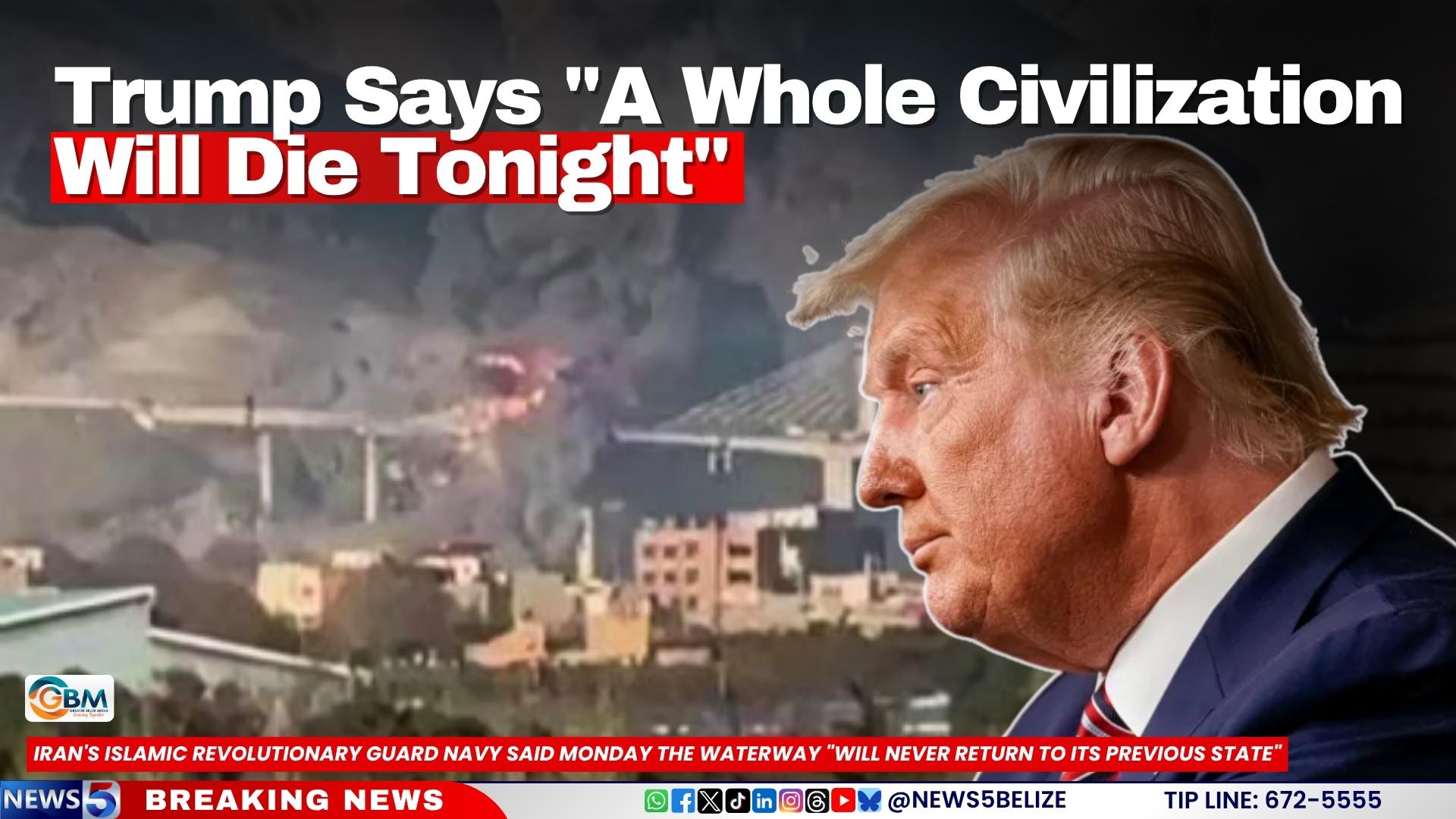
    The Middle East faces a severe escalation of military conflict as joint United States and Israeli forces intensify their offensive campaign against Iran. Following the death of Iran’s Supreme Leader Ayatollah Ali Khamenei, the coalition has executed approximately 1,700 strikes deep within Iranian territory, marking a significant expansion of hostilities.

    According to Iran’s Red Crescent organization, these sustained attacks have resulted in 787 fatalities, underscoring the devastating human cost of the ongoing operations. In retaliation, Iran has launched counter-offensives across the region, targeting Israeli positions and other strategic locations. These exchanges have claimed the lives of six U.S. service members and eleven Israeli citizens, with additional casualties reported in the United Arab Emirates, Kuwait, and Bahrain.

    The conflict has spread beyond immediate borders, with Lebanon experiencing significant violence. Iran-backed Hezbollah militants have fired missiles into Israel, prompting retaliatory airstrikes from the Israeli military. Lebanese authorities report dozens of casualties from these exchanges, while Israel has initiated ground operations in southern Lebanon.

    In a tragic incident highlighting the fog of war, Kuwait’s defense systems mistakenly shot down three U.S. fighter jets after misidentifying them as threats.

    U.S. leadership presents contrasting timelines for the conflict’s duration. President Donald Trump suggested military operations could continue for four to five weeks, possibly longer, while Defense Secretary Pete Hegseth assured the public the campaign would not be “endless” and clarified that regime change is not the objective. When questioned about worst-case scenarios, Trump remarked, “I guess if someone as bad comes in.”

    Diplomatic efforts appear stalled amid the violence. While Trump claimed Iranian officials might be interested in negotiations, Iran’s top security official Ali Larijani explicitly stated Tehran’s refusal to engage in talks with the United States.

    The regional turmoil has triggered global economic consequences, with oil prices surging sharply due to disrupted supply chains and exports. Multiple nations are evacuating their citizens from Gulf states under attack, while widespread flight cancellations and airport closures further compound the humanitarian and logistical challenges.

  • Kleurrijke Phagwa-viering bij Indiase ambassade markeert gouden jubileum vriendschap

    Kleurrijke Phagwa-viering bij Indiase ambassade markeert gouden jubileum vriendschap

    The Indian Embassy in Suriname transformed Ambassador Subhash Gupta’s residence into a spectacular celebration of Phagwa (Holi), marking both the festival of colors and the commencement of the 50th anniversary of diplomatic relations between India and Suriname. The event brought together diplomats, government representatives, and community members for an afternoon filled with vibrant cultural expressions.

    Against a backdrop of rhythmic cautál performances, traditional dancing, and joyful singing, Ambassador Gupta highlighted the historical significance of the occasion. “This moment represents pride, reflection, and reaffirmation of our deep and enduring friendship that has flourished for centuries,” he stated, emphasizing the unique cultural bridge between the two nations.

    The ambassador traced this connection to the immigration period over 150 years ago when ancestors “brought not only their values but also their festivals, languages, folklore, and value systems.” He credited the Surinamese-Hindustani community with playing a “central role in nurturing and enriching this cultural treasure,” creating what he described as a “living bridge” between the countries through heritage, music, cuisine, spirituality, and shared values.

    Notably, Ambassador Gupta observed how Holi has developed distinct Surinamese characteristics, including unique rhythmic cautál singing and Baithak Gana, where Bhojpuri roots blend with Surinamese creativity. The flavors of Indo-Surinamese cuisine—with delicacies like roti, bara, and phulauri—have become “embedded in the Surinamese palate.”

    The celebration also served educational purposes, with the ambassador explaining Holi’s multifaceted symbolism: the victory of devotion over tyranny (as represented in the Prahlad and Holika story), the divine love of Radha and Krishna, and the agricultural celebration of spring’s arrival. “It reminds us that Satyamev Jayate: truth always triumphs,” he noted.

    This event launched a year-long series of activities commemorating the five-decade diplomatic relationship, which Gupta characterized as a partnership built on “shared democratic values, cultural affinity, and deep mutual respect.” The cooperation spans multiple sectors including healthcare, technology, and education.

    Before guests indulged in traditional Indian cuisine and dancing, the ambassador offered a hopeful message: “May the colors of Phagwa bring happiness, harmony, and peace into our lives. May the friendship between India and Suriname continue to blossom forever.”

  • Pierre Voices ‘extreme concern’ as nationals caught in Mideast crossfire

    Pierre Voices ‘extreme concern’ as nationals caught in Mideast crossfire

    Saint Lucian citizens residing and working across multiple Middle Eastern nations are confronting warfare realities far beyond their expectations, as military engagements between the United States, Israel and Iran intensify dramatically.

  • Two-thirds of Cuba, including Havana, hit by blackout

    Two-thirds of Cuba, including Havana, hit by blackout

    A catastrophic failure within Cuba’s fragile power grid triggered a massive blackout on Wednesday, leaving approximately two-thirds of the population, including the capital city of Havana, without electricity. According to the state-run utility UNE, the nationwide outage originated from a sudden and severe breakdown at the Antonio Guiteras thermoelectric plant, a critical facility and one of the largest on the island. The incident precipitated an immediate collapse, primarily affecting the central and western regions of Cuba.

    This event is the latest and most severe manifestation of a long-standing energy crisis that has crippled the Caribbean nation. Cuba’s dilapidated power generation infrastructure, coupled with a chronic shortage of fuel, has led to a distressing norm of daily blackouts that can extend up to 20 hours in some areas, severely disrupting daily life and economic activity.

    The situation has been dramatically intensified by geopolitical tensions. The energy crisis reached a critical inflection point following the U.S. government’s decision to effectively oust Venezuelan leader Nicolas Maduro, a key strategic ally for Cuba, from power in early January. The administration of President Maduro had been a vital economic lifeline, historically supplying nearly half of Cuba’s fuel imports. His departure from recognized leadership created an immediate supply shock.

    In response, Washington initially imposed a stringent oil embargo on its long-standing political adversary, Cuba. This move, however, was met with grave concerns from neighboring Caribbean nations, who warned of the potential for triggering a complete economic collapse and a subsequent humanitarian disaster on the island. Facing these regional pressures, the U.S. subsequently opted to ease the stringent embargo restrictions, though the damage to Cuba’s already precarious fuel supply chain was profound and lasting.