The Middle East faces a devastating humanitarian crisis as four days of intensified military conflict between the United States, Israel, and Iran trigger widespread civilian casualties and ignite global protest movements. The current escalation began following the targeted assassination of Iranian Supreme Leader Ayatollah Ali Khamenei, which precipitated rapid deterioration across multiple nations.
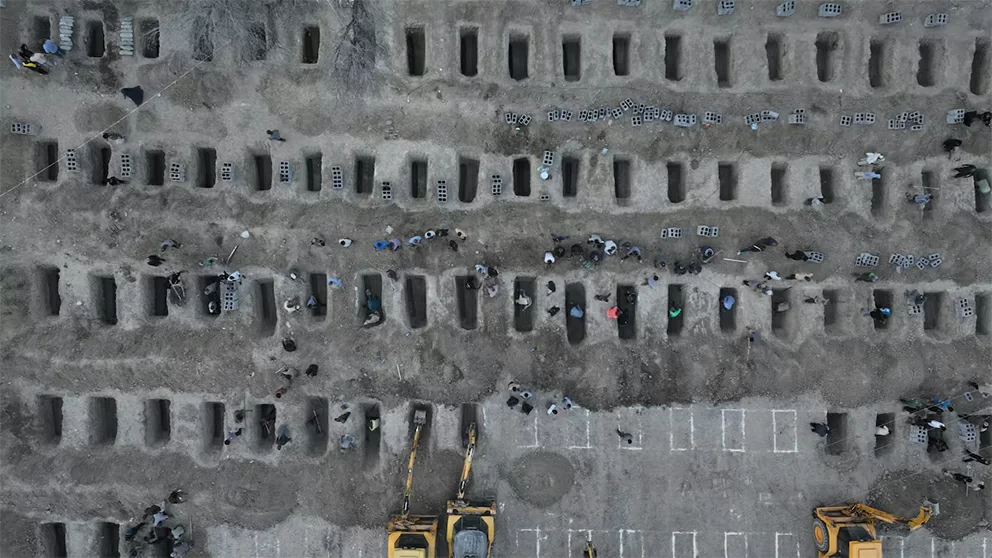
American and Israeli airstrikes have targeted Iranian military installations, energy infrastructure, and communication facilities, with several civilian structures inadvertently struck. In the southern Iranian city of Minab, a girls’ school and adjacent hospital suffered direct hits, resulting in approximately 180 student fatalities and dozens more injured. This tragic incident has generated profound grief and outrage among Iranian citizens.
The conflict has expanded beyond Iran’s borders. Lebanon’s Hezbollah has launched retaliatory rocket and drone attacks against Israeli targets, prompting Israeli counterstrikes in Beirut’s southern suburbs. Gulf states including the United Arab Emirates and Bahrain have also experienced Iranian missile assaults, with Abu Dhabi’s airport sustaining damage that caused civilian casualties.
Civil unrest has spread throughout the region and beyond. Pakistan, home to a significant Shia minority, has witnessed massive protests against American and Israeli operations, resulting in deadly clashes between demonstrators and security forces. Similar anti-American and anti-Israeli demonstrations have emerged in Iraq and other Muslim-majority nations.
Global peace movements have gained momentum with thousands of protesters in India demanding diplomatic solutions and immediate cessation of hostilities. Within the United States, citizens have organized multiple rallies criticizing their government’s military policies and urging peaceful conflict resolution.
Humanitarian organizations warn of rapidly deteriorating conditions in conflict zones, with critical shortages of medical supplies, food, and shelter affecting civilian populations. International aid groups emphasize the urgent need for ceasefire agreements and humanitarian corridors.
The ongoing violence highlights the tragic human cost of geopolitical conflicts while strengthening international calls for dialogue and de-escalation. As military operations continue, diplomatic efforts remain the primary hope for ending civilian suffering and restoring regional stability.