分类: world

  • The point at which the chain of history was reassembled

    The point at which the chain of history was reassembled

    Beneath the overcast skies of December 1956, a pivotal moment in Cuban history unfolded within a remote clearing known as Cinco Palmas. Following the devastating ambush at Alegría de Pío and subsequent days of scattered retreat through Oriente’s sugarcane fields, Fidel Castro arrived not with a formidable army but with what would become the foundational core of revolutionary perseverance.

    At midnight, amidst Mongo Pérez’s palm-studded cane field, the sound of approaching footsteps signaled a long-awaited reunion. The Castro brothers—Fidel and Raúl—embraced with restrained emotion, their meeting charged with both the anguish of recent days and the ferocity of survival. From this historic encounter emerged a brief yet monumental exchange that would define their revolutionary trajectory.

    ‘How many rifles do you have?’ Fidel inquired. Raúl’s response came: ‘Five.’ With characteristic determination, Fidel declared, ‘And I have two, seven! Now we will win the war!’

    This statement represented far more than blind optimism—it constituted a strategic assessment that with this nucleus of moral fortitude, tactical intelligence, and mountainous terrain, achieving victory remained entirely possible. It embodied Fidel’s most crucial lesson: never surrender, even when confronting extreme adversity.

    The subsequent days validated this conviction as expeditionaries including Efigenio Ameijeiras and Ramiro Valdés joined the original group, soon followed by local campesinos who collectively formed the embryonic Rebel Army. By December 25, this strengthened contingent—now better armed and fortified with unwavering resolve—commenced its definitive advance into the Sierra Maestra.

    This moment exemplified the Cuban Revolution’s extraordinary capacity for regeneration. Cinco Palmas thus transcended its geographical significance to become the foundational moment of an enduring principle: victory awaits not perfect conditions but emerges through collective determination and unwavering will.

  • U.S. Air Force establishes temporary air base at Las Américas International Airport

    U.S. Air Force establishes temporary air base at Las Américas International Airport

    In a strategic demonstration of rapid deployment capabilities, specialized units from the United States Air Force have successfully established a temporary air operations base at Las Américas International Airport (AILA) in Santo Domingo, Dominican Republic. The operation saw personnel from the 921st Contingency Response Squadron and the 621st Contingency Response Wing utilize runway 17-35 to create a functional airfield under contingency conditions.

    The 921st Contingency Response Squadron took the lead in conducting comprehensive assessments of the airport’s infrastructure, subsequently conditioning the facilities for immediate operational readiness. Their expertise in rapidly activating airfields in challenging environments enabled the seamless arrival and deployment of military aircraft, personnel, and essential cargo.

    Complementing these efforts, the 621st Contingency Response Wing provided integrated operational support encompassing multiple critical domains. Their contributions included meteorological services, perimeter security protocols, logistical coordination, and specialized air traffic control operations. This multi-faceted support framework ensured the safe and efficient functioning of the temporary installation throughout the duration of the operation.

    These specialized units represent the Air Force’s premier rapid response teams, specifically trained and equipped to establish operational airfields in austere or potentially hostile environments where existing infrastructure may be compromised or nonexistent. The successful execution at AILA demonstrates the continuing evolution of military contingency response capabilities in the Caribbean region.

  • Historic Swing Bridge Secures $28M Upgrade Thanks to Japan

    Historic Swing Bridge Secures $28M Upgrade Thanks to Japan

    In a significant bilateral development, the Governments of Japan and Belize have formalized a $28 million Belize dollar agreement to reconstruct the iconic Belize City Swing Bridge—the last manually operated swing bridge in Central America. The funding, provided through Japan International Cooperation Agency (JICA), marks a major milestone in cultural preservation and climate-resilient infrastructure development.

    The ceremonial signing occurred in Belize City with Japanese Ambassador H.E. Kenichiro Tanaka and Belize’s Foreign Minister Francis Fonseca exchanging notes, while Prime Minister John Briceño signed alongside JICA’s Chief Representative Hiromi Nai. The project represents one of the most substantial preservation investments in Belize’s recent history, targeting a structure originally installed in 1923 that has become both functional infrastructure and cultural artifact.

    Prime Minister Briceño emphasized the project’s dual significance: “We are preserving a rich cultural relic while anticipating the harsh realities of construction in a flood-prone area. Although the new bridge won’t mechanically swing, its identity remains intact—connecting our past with future priorities of public safety, economic continuity, and climate resilience.”

    Infrastructure Minister Julius Espat contextualized the bridge within the broader George Price Rehabilitation Project, noting that planning began immediately after the current administration took office in 2021. The Swing Bridge constitutes the fourth segment of this comprehensive infrastructure initiative.

    JICA’s regional representative Hiromi Nai, operating from El Salvador, highlighted the project’s alignment with Japan’s development priorities: “This grant agreement commemorates JICA Belize’s 26th anniversary while advancing our focus on climate resilience. Our commitment extends beyond infrastructure to human resource development and agricultural industry promotion.”

    Belize City Mayor Bernard Wagner celebrated the agreement as “the convergence of vision, partnership, and political will,” describing the bridge as “the beating heart of downtown Belize City” that connects both geographic communities and historical eras. During the anticipated two-year construction period, traffic will be rerouted via a temporary bridge at Hyde’s Lane and North Front Street.

    The project represents a sophisticated balance between historical preservation and modern engineering, ensuring this symbol of national pride will continue serving Belizeans for generations while withstanding environmental challenges.

  • CARICOM SG applauds Jamaica’s continued involvement in region post-Hurricane Melissa

    CARICOM SG applauds Jamaica’s continued involvement in region post-Hurricane Melissa

    At the 56th Community Council of Ministers meeting in Georgetown, Guyana, CARICOM Secretary-General Dr. Carla Barnett commended Jamaica for maintaining strong regional engagement while navigating complex recovery operations following Hurricane Melissa’s devastating impact. The Category Five hurricane struck Jamaica on October 28 with sustained winds reaching 185 mph, creating significant challenges for the island nation.

    Jamaican Foreign Minister Kamina Johnson Smith presided over the December 16 meeting, where Dr. Barnett expressed solidarity with Jamaica’s reconstruction efforts. Minister Johnson Smith detailed the hurricane’s severe consequences, noting it represented both the strongest hurricane to directly hit Jamaica and the first Category Five storm in the nation’s recorded history.

    The Foreign Minister expressed profound gratitude for the regional support system, specifically acknowledging personnel deployments, technical assistance through CARILEC for electricity restoration, and ongoing reconstruction work by the Guyana Defence Force in Westmoreland. “The support has been overwhelming. The goodwill has been heartwarming,” Johnson Smith stated, emphasizing how CARICOM’s unified response demonstrates the community’s strength and cohesion.

    Minister Johnson Smith connected Hurricane Melissa’s destruction to broader climate change vulnerabilities affecting the Caribbean region, particularly noting its occurrence following Hurricane Beryl’s earlier impact. She stressed the urgent necessity for comprehensive climate action and resilience-building initiatives, including advocacy for climate justice.

    Looking toward 2025, Secretary-General Barnett outlined CARICOM’s strategic priorities, highlighting climate change and climate finance as central concerns alongside ongoing challenges related to crime and violence, health systems, and the situation in Haiti. Additional focus areas include implementing the CARICOM Single Market and Economy (CSME), advancing information and communication technology including artificial intelligence, ensuring food and nutrition security, promoting youth development, and strengthening foreign relations.

    Dr. Barnett reaffirmed the Secretariat’s commitment to enhancing operational efficiency and aligning strategic initiatives with the Revised Treaty of Chaguaramas to deepen economic integration throughout the region amidst evolving global challenges.

  • Dominica National Conservation Trust Fund announces first grant recipients under conservation fund

    Dominica National Conservation Trust Fund announces first grant recipients under conservation fund

    In a historic move for environmental conservation, Dominica’s National Conservation Trust Fund (DNCTF) has officially launched its inaugural grant program, selecting two pioneering projects that merge ecological preservation with gender equality. The December 11th signing ceremony marked a transformative moment in Caribbean conservation financing, channeling support through the Gender Smart Facility—a specialized program under the Caribbean Biodiversity Fund’s CORE Project implemented with Global Affairs Canada.

    The selected initiatives, led by the Inter-American Institute for Cooperation on Agriculture (IICA) and the Anse Kouanari Tourism Association (AKTA), represent a dual approach to sustainable development. IICA’s project addresses Dominica’s dependency on imported livestock feed by establishing climate-resilient forage production systems at the Central Livestock Farm. Through distribution of drought-tolerant Brachiaria and Clitoria plant varieties to small-scale farmers, particularly those in the Dominica Livestock Cooperative and National Association of Youth in Agriculture, the project aims to reduce feed costs by up to 60% while rehabilitating degraded lands.

    AKTA’s initiative tackles the critical shortage of native plant species essential for reforestation and pollinator habitat restoration. The program will provide comprehensive training in plant propagation and nursery management to rural farmers, with special emphasis on women and youth participation. This approach not only addresses ecological needs but creates sustainable livelihood opportunities in marginalized communities.

    Dr. Rhonda Linton, CEO of DNCTF, emphasized the significance of these grants: ‘These first two grants represent a significant moment for Dominica’s conservation landscape. By funding projects that are both community-led and scientifically grounded, DNCTF is ensuring that conservation financing reaches the people and ecosystems that need it most.’

    The Gender Smart Facility specifically targets eight Caribbean nations, ensuring conservation and climate adaptation efforts actively promote women’s empowerment and inclusion of marginalized groups. Nayari Diaz, lead of the CORE Project, noted that ‘these projects restore ecosystems and challenge traditional barriers that have kept women out of agricultural decision-making and environmental leadership.’

    Canada’s support through Global Affairs Canada was highlighted by Ena Cimic, Second Secretary at the High Commission of Canada to Jamaica: ‘When women have equal opportunities in agriculture and environmental management, everyone benefits. This results in better-protected ecosystems, more resilient communities, and expanded economic opportunities.’

    These groundbreaking initiatives establish DNCTF as Dominica’s primary mechanism for financing biodiversity conservation, effectively connecting communities, government agencies, and international donors to foster enduring environmental and socio-economic resilience across the nation.

  • Haitian merchants block Pedernales border to protest new customs measures

    Haitian merchants block Pedernales border to protest new customs measures

    PEDERNALES, DOMINICAN REPUBLIC – Cross-border commerce between Haiti and the Dominican Republic ground to a halt on Tuesday as Haitian merchants staged a blockade at the Pedernales frontier crossing. The protest erupted in response to controversial new trade measures implemented by recently appointed customs collector Lancer García.

    Demonstrators strategically positioned a Haitian truck across the border passageway, effectively suspending all movement of goods and people between the two nations. The merchants allege that García has abruptly altered long-established trade protocols, including imposing previously unheard-of taxes that they claim severely undermine cross-border commercial activities.

    The administrative changes have extended beyond trade policies, affecting customs personnel as well. Multiple veteran employees have been replaced with new staff since García’s assignment to the Pedernales border terminal, creating additional institutional instability.

    Security forces from the Specialized Corps for Land Border Security (Cesfront) have maintained a heightened presence in the area, successfully preventing any significant violent outbreaks despite the tense standoff. Authorities continue to closely monitor developments to ensure the situation does not escalate further.

    This appointment represents García’s third border assignment amid ongoing controversies. Previously transferred from Puerto Plata to Dajabón following disputes with employees and political figures, he subsequently clashed with Haitian merchants in Dajabón over a 2.5% tax hike that ultimately prompted his reassignment. His replacement in Dajabón by attorney Julio Alejo this week has already contributed to restored calm at that northern border crossing.

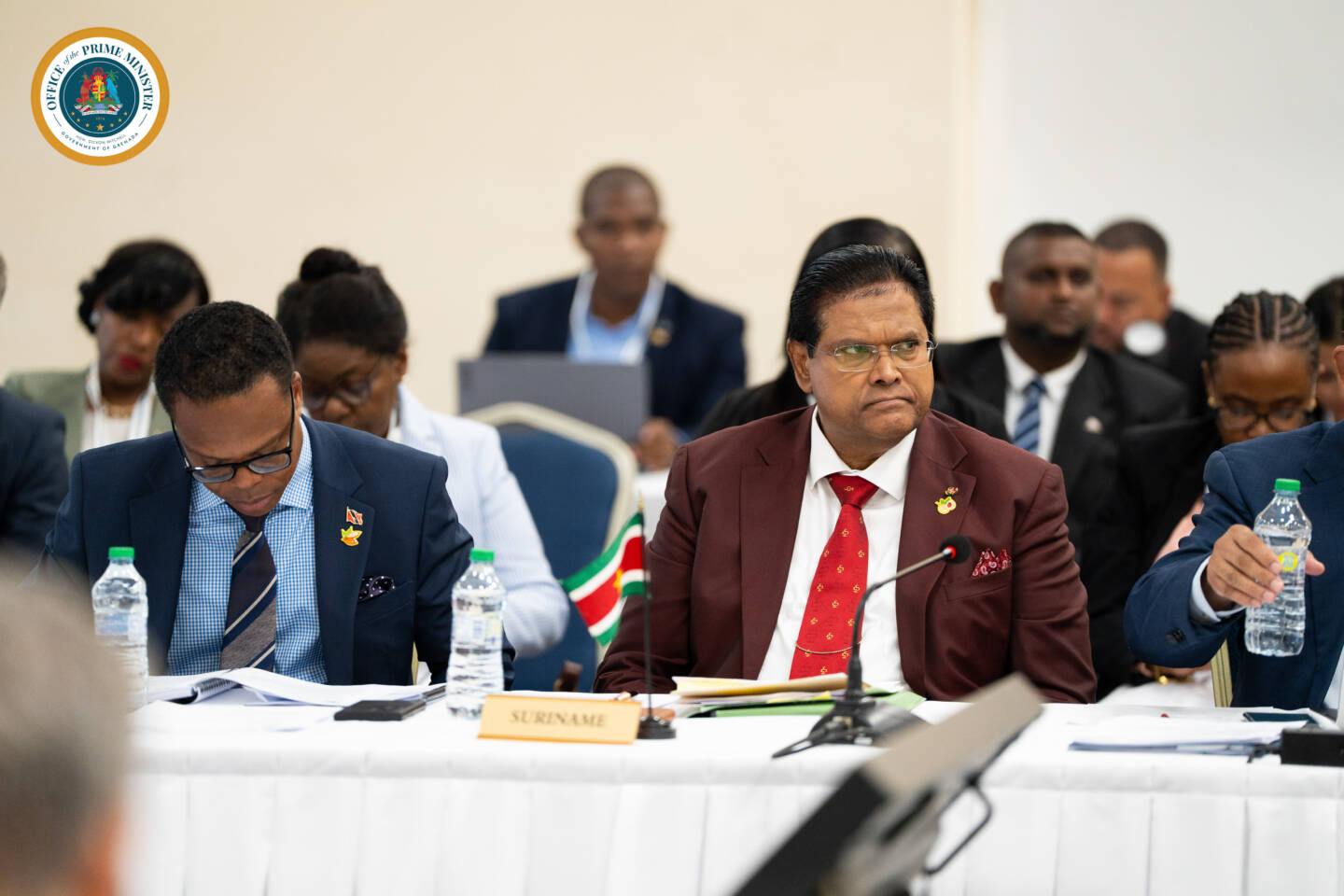
  • Agro-chemicals from Guyana allegedly smuggled into Suriname

    Agro-chemicals from Guyana allegedly smuggled into Suriname

    Surinamese authorities have apprehended a 63-year-old businessman identified by initials J.P. in connection with an illicit cross-border agro-chemical smuggling operation. The arrest occurred Monday at a storage facility on Ramawat Soechitweg in western Suriname following actionable intelligence received by local law enforcement.

    Police surveillance operations led to the discovery of ten containers of unauthorized herbicides concealed within a truck bed at the specified location. According to official statements from the Suriname Police Corps, the suspect confessed to transporting the regulated substances from neighboring Guyana utilizing unauthorized border crossing points known locally as ‘back track’ routes.

    Investigations reveal the detained individual intended to distribute the contraband chemicals through his agricultural supply retail establishment. Law enforcement officials have impounded both the chemical shipments and the transportation vehicle used in the operation.

    Following judicial review, the suspect remains in pretrial detention pending completion of the criminal investigation. This incident marks the second major smuggling case between the two South American nations within recent weeks, following last month’s interception of illegally transported fuel from Guyana destined for unauthorized sale in Suriname.

    The case highlights ongoing challenges in border security coordination between Suriname and Guyana, particularly regarding regulated agricultural materials that require proper certification and taxation for cross-border commerce.

  • Dominica among Caribbean nations reportedly barred by Norway despite visa-free status

    Dominica among Caribbean nations reportedly barred by Norway despite visa-free status

    Despite official assurances from Norwegian authorities, passport holders from five Caribbean nations participating in Citizenship by Investment (CBI) programs are facing systematic entry refusals and deportations at Norwegian airports, according to investigations by Immigration Migration Insider (IMI).

    Since August 2024, travelers carrying CBI passports from Dominica, Saint Kitts and Nevis, Antigua and Barbuda, Grenada, and Saint Lucia have encountered heightened scrutiny and denial of entry at both Bergen and Oslo international airports. Border control officers have been specifically interrogating these individuals about their method of obtaining citizenship, despite these countries historically enjoying visa-free travel privileges to Norway under the Schengen arrangement.

    The situation presents a stark contradiction between official policy and on-the-ground implementation. Norway’s Directorate of Immigration (UDI) explicitly stated in August that visa-free access for these Caribbean nations remained unchanged. However, IMI has documented multiple instances where Norwegian police have invoked Section 17 of the Immigration Act to declare CBI passports invalid, citing Norway’s requirement for personal attendance during passport issuance as grounds for refusal.

    Notable incidents include an Indian national using a Saint Kitts and Nevis passport who was promptly removed from Bergen Airport in August after authorities deemed his travel document “not valid in Norway.” In a separate November occurrence, two Dominican citizens were detained overnight in Oslo, subjected to intensive questioning regarding their passports, and subsequently deported the following day.

    Several immigration consultancies—including Latitude, Cross Border Freedom, and Apex Capital Partners—have confirmed multiple cases affecting their clients. Industry experts challenge Norway’s justification, pointing out that numerous countries, including the United Kingdom and United States, permit remote passport renewal procedures without compromising international recognition of these documents.

    The Norwegian government has not issued any public directive regarding this apparent policy shift, maintaining that current border enforcement actions merely reflect “general policy” implementation. This development creates a paradoxical situation where Caribbean CBI nations technically retain visa-free status on paper while their citizens face effective exclusion in practice.

  • Trinis ducking Margarita, agencies insist island safe

    Trinis ducking Margarita, agencies insist island safe

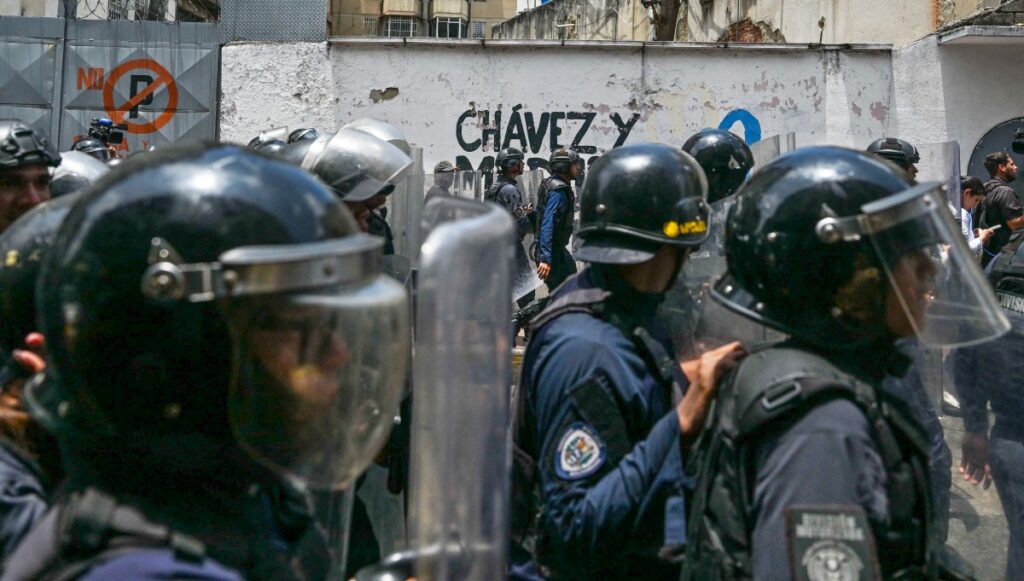
    Travel agencies in Trinidad and Tobago are observing a significant reduction in tourist bookings to Venezuela’s Margarita Island as geopolitical friction intensifies between the United States and the Venezuelan government. Despite the downturn, industry representatives emphasize that the island remains secure, fully operational, and detached from the mainland’s political struggles.

    The decline follows recent aggressive measures by the US against President Nicolás Maduro’s administration. On December 16, US President Donald Trump mandated a blockade targeting sanctioned Venezuelan oil tankers, aiming to cripple the nation’s primary revenue stream. This action succeeded earlier moves, including the US declaration of Venezuelan airspace as entirely closed—though without explicit operational guidelines—and the seizure of an oil tanker bound for Cuba near Venezuelan waters on December 10. Additionally, Caribbean Airlines terminated all flights to Venezuela in September.

    Travel agents, who requested anonymity in discussions with Newsday on December 17, attributed the booking slump largely to public apprehension and misinformation rather than tangible security threats. A spokesperson for Travel Your Way Tours confirmed a visible decline since tensions escalated, with zero December bookings despite consistent feedback from recent travelers noting no issues. “Margarita Island is separate from mainland Venezuela. We’ve never had any issues,” the representative stated, highlighting uninterrupted Rutaca Airlines flights and absence of official travel advisories.

    The Vacation Connection Tours reported a near-total halt in interest since late October, with customers expressing fears over potential airspace closures and stranding scenarios. Although fares have risen from approximately $2,500 to $3,500, flights via Rutaca continue regularly, and the island is described as safe by local tour operators. Similarly, Anders Travel cited social media as a key driver of anxiety, disseminating exaggerated claims about unrest despite normalcy on the island. The agency relies on real-time security updates from Venezuelan partners and confirmed current visitors are engaging in routine activities without incident.

    Industry optimism persists for a rebound during peak travel periods like Easter and Labour Day, given Margarita’s historical popularity as an affordable, tranquil destination.

  • CARPHA and Small Arms Survey partner to advance Caribbean health and security frameworks

    CARPHA and Small Arms Survey partner to advance Caribbean health and security frameworks

    In a significant move to address regional security challenges, the Caribbean Public Health Agency (CARPHA) and the Small Arms Survey have formalized a three-year strategic partnership through a Memorandum of Understanding. This groundbreaking collaboration aims to enhance arms and ammunition management while mitigating risks associated with illicit small arms throughout the Caribbean region.

    The agreement represents a novel convergence of public health expertise and security research, combining CARPHA’s regional health leadership with the Small Arms Survey’s internationally recognized capabilities in arms monitoring and security analysis. This interdisciplinary approach seeks to develop comprehensive solutions to the complex interplay between armed violence and public health outcomes.

    CARPHA Executive Director Dr. Lisa Indar emphasized the critical nature of this collaboration during the signing ceremony, noting that violence and firearm-related injuries present escalating public health challenges across Caribbean communities. The partnership will enable strengthened surveillance systems, generate robust research data, and support member states through evidence-based policies designed to protect civilian lives and enhance community wellbeing.

    Dr. Nicolas Florquin, Head of Data and Analytics at the Small Arms Survey, welcomed the agreement as a strategic advancement in regional security response capabilities. The Geneva-based organization, an associated program of the Geneva Graduate Institute, brings decades of specialized experience in reducing illicit arms proliferation and armed violence through policy-relevant knowledge generation and capacity development.

    Under the agreement’s framework, the partners will pursue five key objectives: integrating firearm-related injury data into health surveillance systems; conducting joint studies on the health impacts of firearm violence; developing capacity-building materials for multiple government ministries; supporting evidence-based policymaking for Caricom governments; and facilitating public awareness campaigns using research findings.

    This innovative partnership marks a paradigm shift in addressing armed violence through public health methodologies, underscoring CARPHA’s commitment to regional health security while supporting member states in creating safer environments for Caribbean citizens.