分类: world

  • Easter Sunday Shootout in Caye Caulker

    Easter Sunday Shootout in Caye Caulker

    It was meant to be a landmark step toward stronger public safety for the popular island destination of Caye Caulker, Belize. Just days after the Belize Coast Guard launched a new forward operating base on the island, designed to bolster regional security and crack down on criminal activity, a bold pre-dawn shootout on Easter Sunday has thrown those efforts into doubt, leaving law enforcement still searching for the armed suspects who escaped by sea.

    The incident unfolded when members of the Belize Police Department’s Quick Response Team moved to intercept a suspicious three-wheeled vehicle moving through the island. As officers closed in, at least one individual inside the vehicle opened fire on the pursuing officers, triggering an exchange of gunfire that stretched across the island toward its coastal shoreline.

    The chase ended when the suspect vehicle veered into the Caribbean waters off the RCD Wharf. Forced to abandon their disabled transport, the gunmen quickly moved to a pre-positioned waiting vessel offshore and fled the scene before officers could establish a lockdown of the area.

    In the aftermath of the confrontation, investigating officers have combed the area surrounding the RCD Wharf, where they recovered multiple pieces of evidence: a cache of burglary tools linked to the suspects, and numerous spent shell casings from the shootout. Law enforcement teams are currently reviewing all available local surveillance footage from nearby businesses and public areas to identify the suspects and map their movements before and after the incident. As of the latest updates, no arrests have been made, and the investigation remains active and ongoing.

    The brazen nature of the attack — an armed confrontation with police in a public area of the popular tourist island, followed by an organized escape at sea — has cast a shadow over the Belizean government’s recent push to improve security on Caye Caulker. The new Coast Guard forward operating base was positioned to respond more quickly to maritime criminal activity and enhance safety for both local residents and the island’s thriving tourism industry, but the incident has raised new questions about the scale of organized criminal activity operating in the region.
  • Guyana secures 3rd place in EU-backed Caribbean maritime security competition

    Guyana secures 3rd place in EU-backed Caribbean maritime security competition

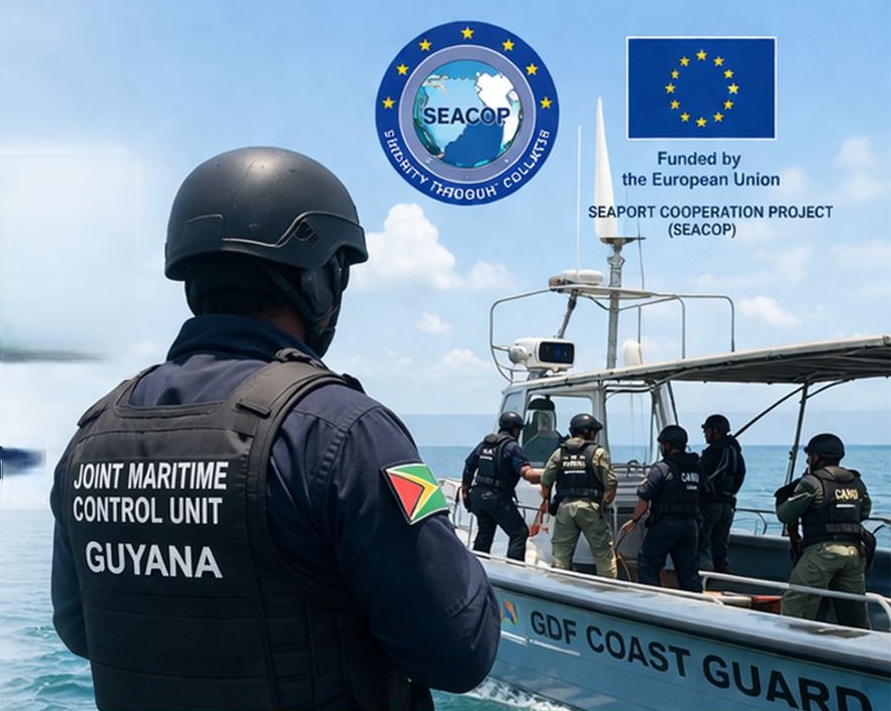
    On Monday, Guyana’s Customs Anti-Narcotics Unit (CANU) announced that the country has earned third place in the 2026 Joint Maritime Control Unit (JMCU) Caribbean Competition, held under the European Union-funded Seaport Cooperation Project (SEACOP), a regional initiative focused on countering maritime illicit trafficking.

    The annual competition is designed to benchmark and elevate the capabilities of Caribbean law enforcement teams to carry out high-risk vessel inspections for contraband, most notably illegal narcotics, while adhering to global safety and procedural standards. It brings together maritime enforcement agencies from across the Caribbean region to test practical skills, share best practices, and strengthen cross-border cooperation against transnational organized crime.

    Guyana’s delegation was made up of personnel from three leading national security agencies: CANU, the Guyana Police Force (GPF), and the Guyana Defence Force (GDF) Coast Guard. The team scored 72 out of a total 80 possible points, equal to a 90% overall rating. This result tied Guyana with Saint Kitts and Nevis for third place, trailing only regional leaders Barbados and Trinidad and Tobago, which scored 75 points (94%) to claim the top two positions.

    Assessments for the competition were conducted against a strict 80-point evaluation framework that graded teams across multiple core competency areas. Judges evaluated operational safety protocols, tactical search methodologies, internal communication, inter-agency teamwork, decision-making during high-pressure scenarios, adherence to legal and procedural rules, professional conduct, and command effectiveness.

    In its official statement, CANU emphasized that Guyana’s strong performance reflects the nation’s growing and robust maritime interdiction capacity, built through sustained investments in targeted training, improved inter-agency coordination, and intelligence-led enforcement operations. The result also cements Guyana’s commitment to collaborative regional security, as participating nations work collectively to shut down illicit trafficking routes that span Caribbean waters.

    Alongside Guyana, Barbados, Trinidad and Tobago, and Saint Kitts and Nevis, the competition drew participants from a range of Caribbean nations including Suriname, Jamaica, and Antigua and Barbuda, demonstrating the widespread buy-in for coordinated regional security action across the bloc.

    CANU noted that the SEACOP JMCU Competition serves as a critical developmental platform for Caribbean maritime law enforcement, helping agencies align operational standards, improve interoperability during joint operations, and adopt proven best practices from peer nations. For Guyana, the third-place finish confirms the country’s position among the top tier of regional maritime interdiction units, with clear room to advance to the top of the rankings through continued refining of operational protocols and training.

  • American woman missing after falling overboard

    American woman missing after falling overboard

    A multi-agency search and rescue mission is actively ongoing after a 56-year-old American woman went missing overboard from a small dinghy during a night voyage in the waters off Abaco, The Bahamas, with authorities from both The Bahamas and the United States coordinating their response efforts.

    The incident unfolded on Saturday evening, when Lynette Hooker and her 58-year-old husband Brian Hooker departed from Hope Town at approximately 7:30 p.m. The pair, confirmed by international media reports to be residents of Onsted, Michigan, were traveling on an 8-foot dinghy en route to their personal yacht, named Soulmate, anchored near Elbow Cay.

    According to official statements from Bahamian law enforcement, accounts from Brian Hooker indicate that Lynette fell overboard while she was holding the vessel’s ignition keys. The accidental fall cut power to the dinghy’s engine immediately, leaving the craft adrift as strong ocean currents pulled Lynette away from the boat before her husband could intervene. Brian quickly lost sight of her in the dark night conditions.

    Stranded without a working engine, Brian Hooker was forced to paddle the small dinghy to shore manually, a journey that took more than eight hours. He did not reach the Marsh Harbour Boat Yard until around 4 a.m. on Sunday, where he immediately notified on-site staff, who in turn contacted Bahamian police to launch the official response.

    Since receiving the alert, multiple Bahamian agencies have joined the search effort, including local police units, the Royal Bahamas Defence Force, and the Hope Town Fire & Rescue department. Search teams have been combing the surrounding coastal and open waters near the incident site for any sign of Lynette Hooker.

    A spokesperson for the U.S. Department of State confirmed that U.S. authorities are aware of the incident and are actively working alongside Bahamian counterparts to provide all necessary assistance to the operation. As of the latest update, investigations and search efforts remain ongoing, with no new information on Lynette Hooker’s status released to the public.

  • UN reporting wave of displacement in Haiti following recent criminal gang attacks

    UN reporting wave of displacement in Haiti following recent criminal gang attacks

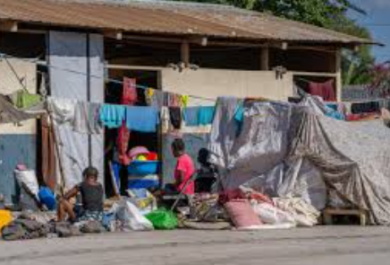
    NEW YORK – The United Nations has issued an urgent update confirming that a fresh surge of brutal gang violence in Haiti’s northern Artibonite department has driven a new wave of mass displacement across the crisis-stricken Caribbean nation.

    The bloodshed unfolded in late March, when armed assailants linked to the Gran Grif gang—one of Haiti’s most powerful and feared criminal groups—launched coordinated assaults on communities in Jean-Denis. According to preliminary on-the-ground reports, the attacks left at least 16 civilians dead and dozens more wounded, shocking local populations and triggering immediate panic-driven flight.

    Initial assessments pegged the number of newly displaced people at more than 6,000, but updated figures from the International Organization for Migration (IOM) released by the UN now put the total number of people displaced by this recent outbreak of violence above 13,000.

    In a press briefing Tuesday at UN Headquarters in New York, UN spokesperson Stéphane Dujarric shared details from humanitarian teams operating in Haiti’s capital Port-au-Prince, noting that 80 percent of the displaced have found temporary shelter with host families across safer regions of the country. The remaining 20 percent are now residing in 16 informal displacement sites, where basic supplies and services are already stretched thin.

    “Humanitarian teams from the UN Office for the Coordination of Humanitarian Affairs (OCHA) are working alongside Haitian national authorities and local partner organizations to deliver life-saving support to vulnerable populations,” Dujarric said. “But persistent access constraints, widespread insecurity, and critically limited funding are severely hampering our ability to scale up the response to meet growing need.”

    The international community has already spoken out against the latest attacks, with both the United States and Canada issuing formal condemnations of the gang violence that continues to destabilize Haiti.

    This new crisis comes amid a years-long collapse of public security across Haiti, a French-speaking member of the Caribbean Community (Caricom). Widespread gang domination and escalating violence have plagued the country since the assassination of President Jovenel Moïse in July 2021, leaving millions of Haitians facing acute food insecurity, lack of access to basic healthcare, and persistent threat of violence. Millions have been displaced nationwide since the security collapse began.

  • DIN: Zijn lichaam is ons ontvallen, maar zijn missie leeft voort

    DIN: Zijn lichaam is ons ontvallen, maar zijn missie leeft voort

    AMSTERDAM – April 6 – The Diaspora Institute Netherlands (DIN) has released a statement mourning the passing of former Suriname President Chandrikapersad Santokhi, remembering his transformative vision for Suriname’s development through global collaboration with its diaspora community.

    Drawing on an ancient Vedic teaching that frames human death as occurring in three stages — first when a person draws their final breath, second when their body is buried or cremated, and third when all memory of them fades — DIN emphasized that Santokhi will never experience this final passing. His ideas and vision remain embedded in the work of the institution he helped found, and will continue to shape Suriname’s future for generations to come.

    The institute was formally established on September 11, 2021, during Santokhi’s first state visit to the Netherlands. Then-serving President Santokhi installed the organization at the Ons Suriname community center in Amsterdam, after recognizing the untapped potential of the global Surinamese diaspora to drive national growth. It was on this historic occasion that he shared his defining vision in one powerful, memorable statement: “We will build Suriname with 1 million Surinamese.”

    Since that day, Santokhi’s words have formed the foundational inspiration for all of DIN’s work. The organization’s core mission is to connect Surinamese communities spread across the globe, and channel their resources, energy and expertise to accelerate inclusive development in Suriname — a mission that grew directly from Santokhi’s clear, unifying vision. Today, even after his passing, DIN confirms it will continue to advance that mission, with Santokhi’s goal of building a stronger Suriname in partnership with all Surinamese worldwide remaining its guiding north star.

    Santokhi’s ideology lives on in the hearts and actions of everyone who continues to work toward his ideal. As long as his vision is upheld and put into practice, he will remain a lasting presence in Suriname’s future, the statement notes.

    The institute extended its deepest condolences to all Surinamese people around the world who mourn this great loss, while reaffirming its unwavering commitment to carrying forward Santokhi’s work. “His body has left us, but his mission lives on. His voice has fallen silent, but his message echoes onward. Chan will never die. Jai Ho Chan! DIN connects.” the statement concluded.

    The message was signed by the DIN Board: John Brewster, Uriel Sabajo, and Ranjan Akloe.

  • Abinader orders stronger border measures over Haiti unrest

    Abinader orders stronger border measures over Haiti unrest

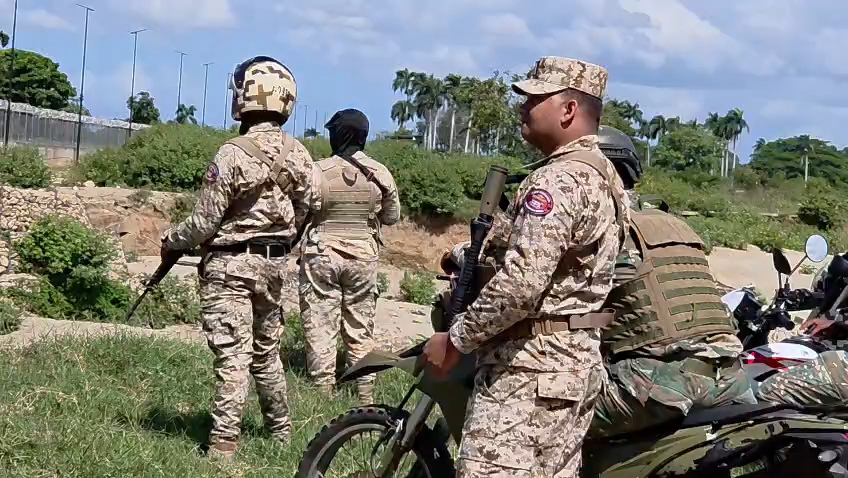
    Escalating gang violence and spreading political instability in neighboring Haiti have prompted the Dominican Republic to implement strict new surveillance measures along their shared border, a response directly triggered by Haiti’s recent declaration of a maximum national alert and the deployment of a UN-supported Gang Suppression Force.

    Following a high-stakes emergency meeting of the Dominican Republic’s National Security and Defense Council, held to evaluate the rapidly deteriorating security situation across the border, President Luis Abinader reaffirmed the country’s unwavering commitment to protecting its sovereignty. In a public statement, Abinader stressed that defending national territory, preserving community safety and upholding public order are “non-negotiable priorities,” confirming that all units of the Dominican Armed Forces are fully deployed and on standby to address any unexpected contingency that may arise.

    On the Haitian side of the border, security officials have enacted their own sweeping emergency measures. The Armed Forces of Haiti issued an order requiring all military personnel to immediately report to their assigned barracks, canceled all ongoing leave, and placed the entire force on highest alert. This order comes in the wake of surging gang-related attacks, including deadly armed clashes and a recent large-scale massacre in Haiti’s Artibonite region that has been linked to the notorious armed faction Grand Grif.

    Haiti’s ongoing security collapse stretches back to 2018, when political fragmentation and institutional weakening allowed armed gangs to seize control of large swathes of territory, including most of the capital Port-au-Prince and its surrounding suburbs. New data from the United Nations Integrated Office in Haiti underscores the severity of the crisis: in 2025 alone, gang violence and counter-violence security operations left at least 5,915 people dead and another 2,708 injured across the country.

    The unfolding chaos has sent ripples of concern across the Caribbean region, with policymakers warning of risks to cross-border security, unregulated migration flows, and broader regional stability. For the Dominican Republic, which shares the entire island of Hispaniola with Haiti, the enhanced border deployment represents a critical proactive step to shield its national security and maintain firm territorial control as the Haitian crisis continues to unfold.

  • Whale births and killings

    Whale births and killings

    The concept of “culture” is far from an immutable moral foundation. It can be twisted, reinterpreted, and shaped to fit the selfish needs of those in power, depending on how deeply rooted a society’s moral emptiness and hypocrisy run. Nowhere is this double standard more obvious than when comparing two Caribbean approaches to whales: one rooted in scientific care and collective protection, and another that defends cruel killing as cultural tradition.

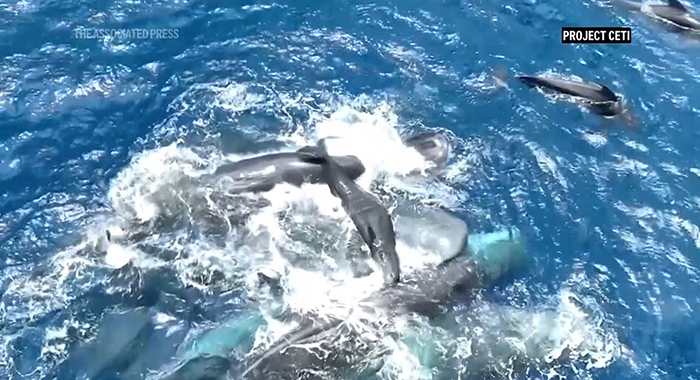
    Last year, a team of marine biologists published groundbreaking findings from a rare, fully documented sperm whale birth they witnessed off the coast of Dominica in 2023. The expedition had originally set out to tag sperm whales to track their migratory patterns and complex acoustic communication systems, when researchers encountered a cluster of 11 sperm whales gathered unusually tightly at the ocean surface. Deploying camera drones to investigate the odd behavior, the team captured the entire birth of a 12th whale: the first complete documentation of a sperm whale birth in human history.

    Over two years of frame-by-frame analysis of the drone footage, researchers made remarkable discoveries about the complex social bonds of sperm whale communities. The mother, a well-documented individual named Rounder, belongs to Unit A, a social group made up of two unrelated whale families that regularly return to the waters off Dominica. When Rounder’s calf was born, it was completely helpless, unable to swim on its own and at risk of sinking if left unsupported. For the first three hours of the newborn’s life, every member of Unit A took turns holding the calf afloat, pressing their bodies close together to form a living raft beneath it. While Rounder and her half-sister Aurora led the rescue effort, the group also included a whale from the unrelated second family, Ariel, as well as Rounder’s 15-year-old half-brother Allan, who traveled to the site specifically to attend the birth. The extraordinary cooperative care displayed by the entire social group left even seasoned researchers deeply moved.

    This story of intergenerational whale solidarity stands in brutal contrast to the cultural practice of unregulated whaling in nearby St. Vincent and the Grenadines, local commentator Patrick Ferrari argues. If the same pod of sperm whales had gathered near St. Vincent and the Grenadines instead of Dominica, Ferrari says, Rounder and her newborn calf would not have been celebrated — they would have been hunted down for meat. While local whalers primarily target humpback whales, he notes, they do not turn away easy prey like sperm whales or vulnerable calves.

    Ferrari pulls no punches describing the brutal process of traditional whaling in St. Vincent and the Grenadines: Hunters in small boats drive a heavy iron harpoon into the whale’s body, attached to buoys that tire the animal out over hours of agonizing struggle. Once the whale is too exhausted to fight back, hunters use lances to stab deep into its heart and lungs. The animal dies a slow, torturous death from blood loss, organ damage, and extreme pain, before its body is towed back to shore where the kill is celebrated as a community event. Local defenders of the practice hide behind the language of “tradition” and “culture” to shield it from criticism, but Ferrari argues this is nothing more than moral cowardice.

    Culture, he points out, is not a static concept that justifies cruelty forever. Humanity has already abandoned other long-standing harmful traditions, such as slavery, by listening to conscience and drawing a clear line between outdated practice and moral right. The same shift is long overdue for whaling, he argues. Just because a practice has existed for generations does not give people an inherent right to continue torturing sentient animals for entertainment and meat. Dominica’s choice to protect whales for research and conservation proves that the Caribbean can choose a better path, and it is past time for St. Vincent and the Grenadines to end what Ferrari calls a shameful, uncivilized practice that has no place in the modern world.

    *(This is an opinion piece by Patrick Ferrari, and does not necessarily reflect the editorial stance of iWitness News.)*

  • Oil prices climb after Trump threatens Iran over Strait of Hormuz

    Oil prices climb after Trump threatens Iran over Strait of Hormuz

    Tensions flared in the Middle East over the weekend as former President Donald Trump’s aggressive verbal threat against Iranian energy infrastructure triggered a sharp upward swing in global crude oil prices, amplifying existing market uncertainty and driving down stock futures. In an inflammatory post shared to his Truth Social platform Sunday morning, Trump issued an extreme ultimatum to Iranian authorities, warning that if the Strait of Hormuz—one of the world’s most critical chokepoints for global energy trade—remains closed, Iran will face devastating targeted attacks on its key power plants and bridge infrastructure. “Tuesday will be Power Plant Day, and Bridge Day, all wrapped up in one, in Iran. There will be nothing like it!!! Open the Fuckin’ Strait, you crazy bastards, or you’ll be living in Hell – JUST WATCH!” the post read.

    In an immediate response to the threat, a senior Iranian government official reiterated Sunday that the country will not reopen the strategic waterway until it receives full compensation for damages it sustained from previous conflicts. This latest exchange marks the second time Trump has issued a public ultimatum to Iran over the strait: an earlier deadline set on March 21 was extended to April 6, with no resolution reached by that date. The hardline stance also marks a notable shift from Trump’s claims just one week prior, when he asserted the United States had no critical reliance on the Strait of Hormuz for energy supplies.

    Diplomatic efforts to de-escalate the situation were already underway Sunday, with Oman’s foreign ministry confirming that Omani officials had convened talks with Iranian representatives to negotiate the resumption of unimpeded commercial shipping access through the waterway. On the same day, major oil-producing nations of the OPEC+ alliance held a virtual emergency meeting to address growing risks of attacks on global energy infrastructure. In an official statement released after the gathering, the bloc emphasized that repairing disruptions to global oil supply and restoring stable market demand is an extraordinarily costly process that requires extended timelines to complete. The meeting came just weeks after OPEC+ agreed to implement a modest daily production increase of 206,000 barrels starting in May, a move intended to cool rising prices.

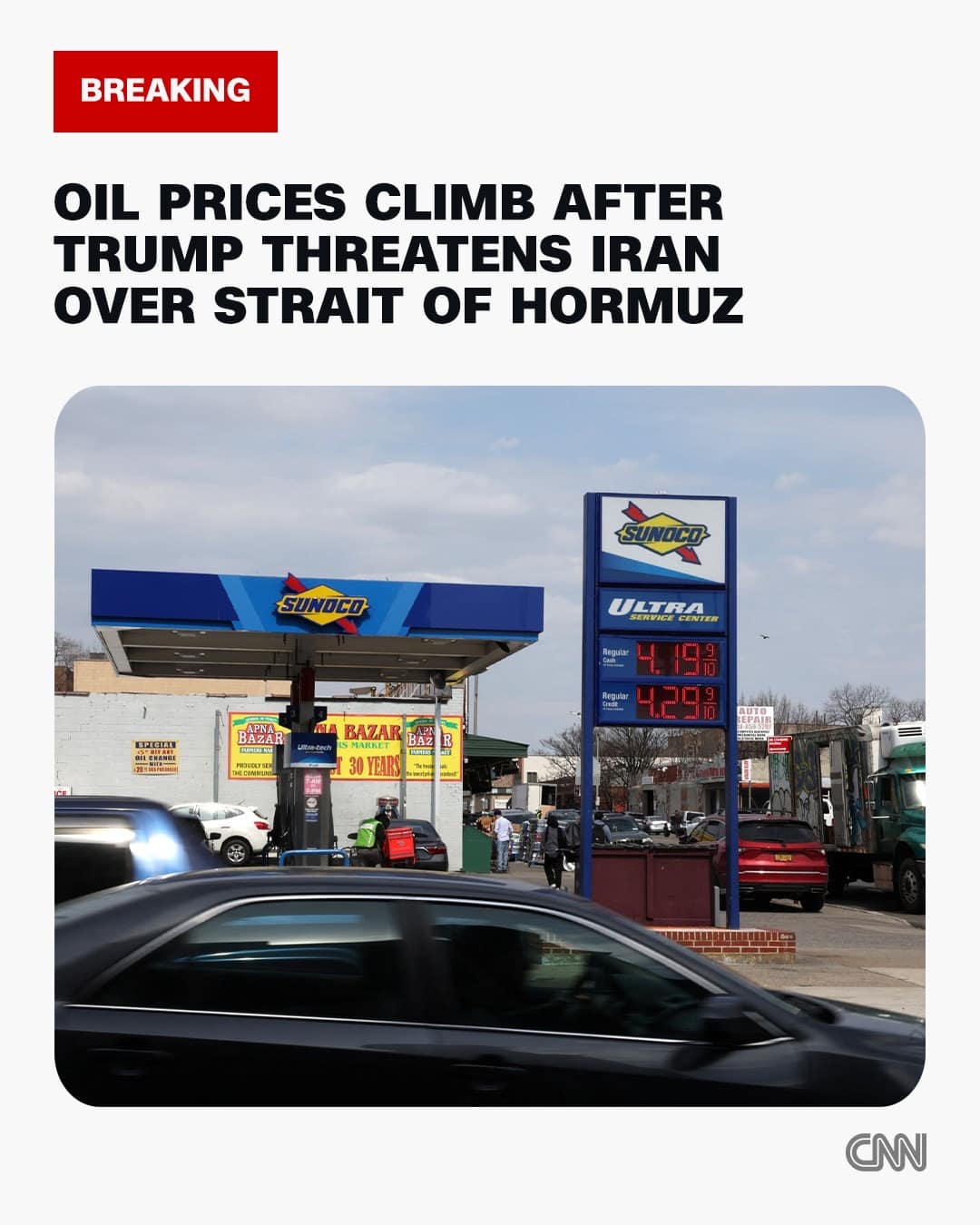
    The sudden disruption to potential energy flows through the Strait of Hormuz—through which roughly 20% of the world’s daily oil shipments pass—has already pushed retail fuel prices in the United States to their highest level since 2022. Data from motoring group AAA released Sunday shows the national average price for a gallon of regular gasoline climbed to $4.11, representing an almost 38% increase since the outbreak of the latest regional conflict that triggered the strait closure.

    Beyond energy markets, the escalating geopolitical tensions rippled through global equity futures on Sunday, following a long weekend closure for U.S. markets. Dow Jones Industrial Average futures dropped 0.69%, equal to a 324-point decline, while S&P 500 futures fell 0.76% and Nasdaq 100 futures retreated 0.91%, signaling widespread investor risk aversion amid the growing uncertainty.

  • Magnitude 3.9 Earthquake Recorded Near Antigua and Barbuda

    Magnitude 3.9 Earthquake Recorded Near Antigua and Barbuda

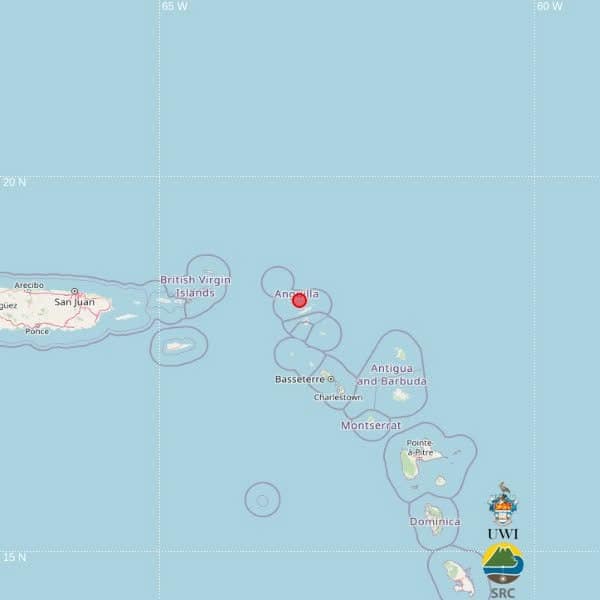
    A minor earthquake measuring magnitude 3.9 has been registered in waters north of the Caribbean nation of Antigua and Barbuda, according to the University of the West Indies (UWI) Seismic Research Centre.

    The seismic event struck at 4:12 p.m. local time on Sunday, with a calculated depth of 28 kilometers below the ocean surface. Geographical data pinpoints the epicenter at coordinates 18.35 degrees north latitude and 63.13 degrees west longitude, placing it around 198 kilometers northwest of St. John’s, Antigua and Barbuda’s capital. The epicenter is also situated roughly 124 kilometers north-northwest of Basseterre, the capital of St. Kitts and Nevis, and approximately 200 kilometers northwest of Brades, the administrative center of Montserrat. All measurements confirm the quake struck a significant distance from any populated landmass, in open offshore waters.

    As of the first official updates, there have been no public reports that the tremor was felt by residents across Antigua and Barbuda, nor have any casualties or structural damage been linked to the event.

    The UWI Seismic Research Centre has cautioned that the current magnitude and epicenter location data was produced automatically by computer algorithms. The readings are classified as preliminary, and will undergo further evaluation and adjustment if needed by the center’s team of seismic analysts before final confirmation.

  • Antigua and Barbuda commits fully to ocean protection following intense negotiations at the UN

    Antigua and Barbuda commits fully to ocean protection following intense negotiations at the UN

    For small island developing nations like Antigua and Barbuda, the world’s oceans are far more than a geographic feature—they are the unshakable backbone of national life, underpinning local communities, driving economic activity, and securing the long-term future of the country. As such, the stakes of failing to safeguard marine biodiversity in areas outside national control are too high to ignore, and the island nation has made clear that the unfinished work of bringing the Biodiversity Beyond National Jurisdiction (BBNJ) Treaty into full force remains a top priority.

    Following the wrap-up of the third Preparatory Commission meeting held at United Nations headquarters, global negotiators have recorded meaningful incremental progress toward operationalizing the historic treaty. Yet despite these steps forward, critical gaps in the framework and implementation roadmap still stand between the current draft and a fully functional, enforceable agreement. These unaddressed provisions have created uncertainty around the treaty’s ability to deliver on its core goal: protecting and sustainably managing marine biodiversity in areas that fall outside the jurisdiction of any single country, which make up more than two-thirds of the world’s oceans.

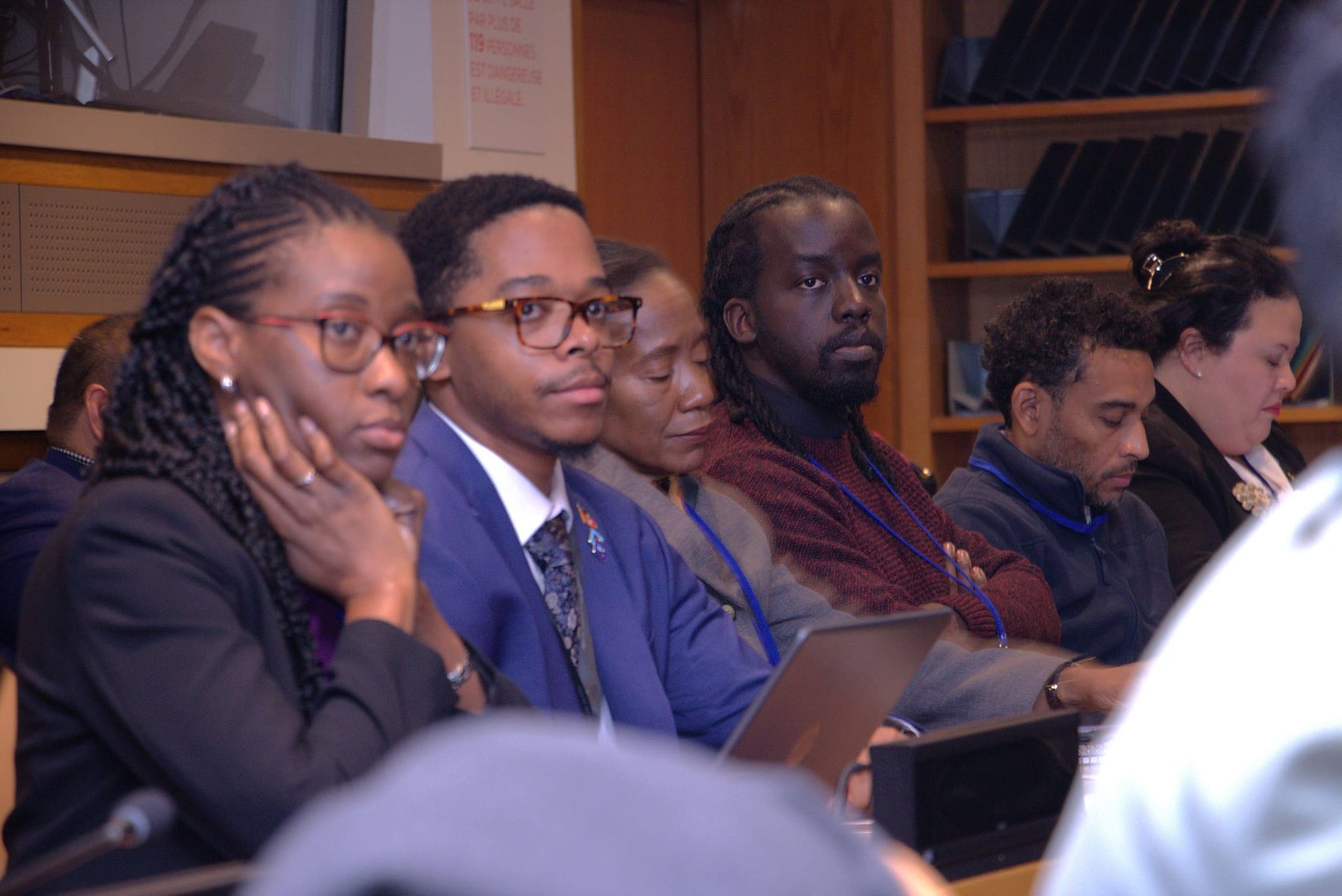
    Antigua and Barbuda has reaffirmed its unwavering commitment to closing these remaining gaps, and will continue its long-standing advocacy for a global ocean governance regime that is robust, equitable, and effective for all nations. The country has also highlighted the pivotal contributions of its national negotiating delegation, led by Asha Challenger, First Secretary of Antigua and Barbuda’s Permanent Mission to the United Nations and Vice President of the third Preparatory Commission. Challenger’s leadership has been instrumental in amplifying the shared concerns and priorities of small island developing states, which are disproportionately vulnerable to the impacts of marine biodiversity loss despite contributing the least to the crisis.

    Challenger’s work at the negotiating table was backed by a specialized team of technical and legal experts, including Darius Joseph, a Legal Officer with Antigua and Barbuda’s Department of Marine Services and Marine Shipping, and Zachary Phillips, Crown Counsel II from the country’s Office of the Attorney General. Both experts brought invaluable, targeted legal and policy insight to negotiations led by the Alliance of Small Island States (AOSIS), the bloc that represents the interests of small island developing nations on the global stage.

    Moving forward, Antigua and Barbuda remains fully dedicated to the multilateral process of finalizing the BBNJ Treaty, and will continue to champion ambitious ocean protection measures that will benefit current and future generations of island communities and global citizens alike.