分类: world

  • Taiwan donates fire truck, rice, charitable items to SVG

    Taiwan donates fire truck, rice, charitable items to SVG

    In a significant demonstration of international solidarity, Taiwan has delivered a substantial aid package to St. Vincent and the Grenadines (SVG), comprising emergency response equipment, food security provisions, and humanitarian supplies. The donation, formally handed over during a ceremony in Kingstown on January 13, 2026, included one fire truck, 198 tons of rice (equivalent to 20,000 bags), and two container loads of charitable goods valued at approximately $500,000.

    The comprehensive assistance package featured practical items including over 600 rolls of fabric, 300 pairs of shoes, and various clothing articles, contributed through a collaboration between the Taiwanese government and non-governmental organizations including the Simply Help Foundation and Wu Thun-Chih Foundation.

    Taiwanese Ambassador Fiona Huei-Chun Fan emphasized that the contribution represents “the heartfelt solidarity of the Taiwanese people and the Vincentian community,” adding that “true friendship is expressed not only in words, but in actions that improve lives.” She characterized the donation as a crucial step in strengthening social resilience and food security for the Caribbean nation.

    The aid extends beyond immediate humanitarian relief, reflecting Taiwan’s ongoing commitment to sustainable development partnerships. Ambassador Fan highlighted several strategic cooperation initiatives, including the recent installation of 300 CCTV cameras to enhance public safety and support accident investigations, plus the construction of an acute care hospital at Arnos Vale. In agriculture, Taiwan has launched a young farmer program incorporating smart agriculture technologies, IoT solutions, and vertical farms to empower SVG’s next generation of farmers.

    SVG’s Minister of Social Welfare and Community Empowerment, Shevern John, acknowledged the donation as evidence of the enduring friendship between both nations, noting that the rice quantity doubled previous contributions and arrives during a period of significant need following natural disasters and global uncertainty. The rice will be distributed through government social assistance programs to reach low-income families and those most vulnerable.

    Deputy Prime Minister and Minister of National Security St. Clair Leacock emphasized the symbolic importance of the fire truck donation for national safety infrastructure, while noting that Taiwan’s support consistently focuses on sustainable development rather than temporary relief. The partnership, he noted, represents “not one of a handout, but always a hand up” toward SVG’s aspiration to become a first-world nation.

  • Haitian Police destroy gang leader Barbecue’s house in drone strike

    Haitian Police destroy gang leader Barbecue’s house in drone strike

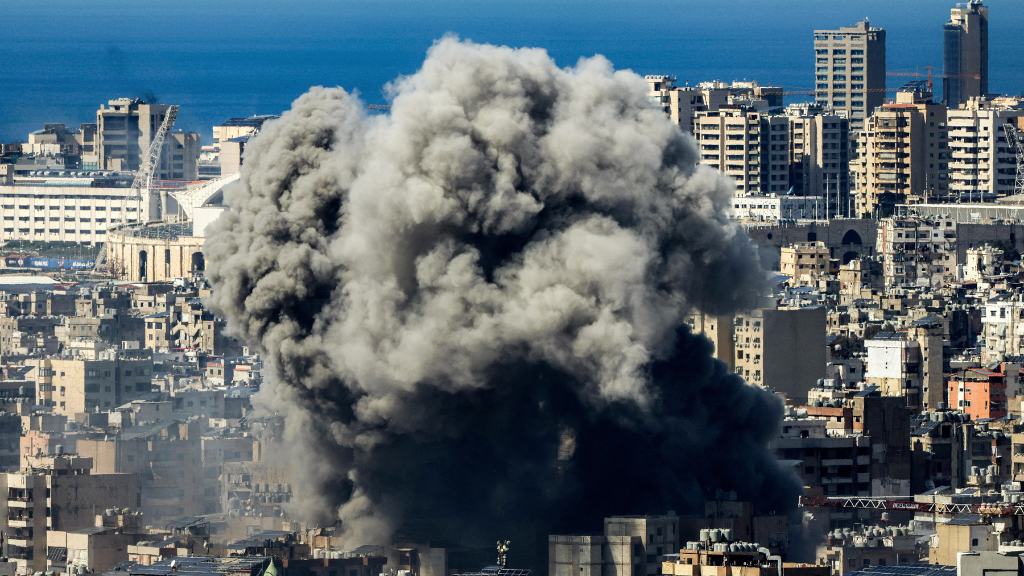
    In a significant escalation of anti-gang operations, Haitian law enforcement authorities have successfully destroyed the residential headquarters of notorious gang leader Jimmy Cherisier, commonly known as ‘Barbecue,’ through a precision kamikaze drone strike. The targeted operation, conducted Wednesday in the Delmas 6 district of downtown Port-au-Prince, represents a coordinated effort by multiple security agencies to reclaim control of gang-occupied territories.

    The Haitian National Police (PNH) confirmed the tactical strike via an official statement on their Facebook platform, emphasizing their strategic objective to dismantle armed factions and restore public safety. Visual evidence circulating across social media channels depicted a distinctive structure outfitted with extensive solar panel arrays being struck by an unmanned aerial vehicle, resulting in a substantial explosion and subsequent structural collapse. Post-strike imagery revealed complete devastation of the property alongside damaged vehicles and scattered debris.

    This sophisticated military operation involved unprecedented collaboration between the Haitian National Police, the national Armed Forces (FAD’H), a specialized task force commissioned by Prime Minister Alix Didier Fils-Aimé, and the United Nations-mandated Gang Repression Force (FRG). While official communications remain deliberately limited, the surgical precision of the strike resulted in no reported casualties, indicating advanced intelligence gathering and operational planning.

    The targeted demolition of Cherisier’s operational base signals a paradigm shift in Haiti’s approach to combating rampant gang violence that has paralyzed the capital city. Security analysts interpret this operation as demonstrating the government’s enhanced capabilities in employing advanced surveillance technology and coordinated tactical responses against criminal enterprises. Public anticipation grows for subsequent operational updates as authorities continue their methodical campaign to restore constitutional order and civilian security.

  • Dominican Republic presents First Biennial Climate Transparency Report to the UN

    Dominican Republic presents First Biennial Climate Transparency Report to the UN

    In a significant step toward fulfilling its international climate obligations, the Dominican Republic has formally presented its inaugural Biennial Transparency Report (BTR1) and Fourth National Communication (CN4) to the United Nations Framework Convention on Climate Change (UNFCCC). The Ministry of Environment and Natural Resources confirmed the December 2025 submission, marking a pivotal achievement in the nation’s adherence to the Paris Agreement’s enhanced transparency framework outlined in Article 13.

    This comprehensive document synthesizes critical environmental data, featuring a National Greenhouse Gas Inventory that tracks emissions and removals from 1998 to 2022. It provides an extensive overview of the nation’s advancements in implementing climate policies and measures consistent with its global commitments. Furthermore, the report conducts rigorous evaluations of climate vulnerabilities and risks, pinpointing high-priority sectors and regions while proposing strategic actions to diminish exposure and strengthen resilience across communities, ecosystems, and vital economic industries.

    The development of this report was spearheaded by the Ministry of Environment’s Vice Ministry of Climate Change and Sustainability, employing a collaborative, multi-institutional approach enriched by contributions from both national and international climate experts. With crucial technical support from the United Nations Environment Programme (UNEP) and financial backing from the Global Environment Facility (GEF), this submission underscores the country’s dedication to transparent, data-driven climate governance and global partnership. It also establishes a foundational instrument for future climate strategy formulation and securing essential climate financing.

  • Venezuelan Oil Flows to China Set to Drop Amid U.S. Blockades

    Venezuelan Oil Flows to China Set to Drop Amid U.S. Blockades

    China’s crude oil imports from Venezuela are projected to experience a significant contraction next month following the implementation of U.S. naval blockades that have severely disrupted maritime shipments. This development comes in the wake of a controversial military operation conducted by American forces earlier this January that resulted in the capture of Venezuelan President Nicolás Maduro.

    The United States government has subsequently asserted administrative control over Venezuela’s petroleum industry, which holds considerable influence within OPEC circles. In a decisive move, Washington has impounded five vessels transporting Venezuelan crude and issued stern warnings to international shipping companies against engaging with Caracas’s oil exports.

    Maritime tracking data indicates that the majority of tankers that departed Venezuelan ports during early January have reversed course, though three vessels remain on trajectory toward Asian destinations. These ships are currently transporting approximately 5 million barrels of fuel oil and heavy crude—a volume that represents a dramatic reduction compared to China’s average import levels of 642,000 barrels per day throughout the previous year, according to internal documents from Venezuela’s state-owned PDVSA oil company.

    Industry analysts note that China had strategically accumulated substantial Venezuelan oil reserves toward the end of 2025, with an estimated 43 to 52 million barrels still in transit to Asian ports prior to the implementation of sanctions. With supply chains now disrupted, commodities traders indicate that Chinese refiners will likely seek alternative crude sources in the coming months, potentially increasing imports from Canada and Iran.

    Concurrently, U.S. President Donald Trump has publicly encouraged American energy corporations to invest in revitalizing Venezuela’s oil infrastructure, though industry response has thus far been characterized by cautious deliberation rather than enthusiastic commitment.

  • LETTER TO THE EDITOR: My experience with the US visa interview process as a Dominican

    LETTER TO THE EDITOR: My experience with the US visa interview process as a Dominican

    A recent firsthand account from a visa applicant reveals the practical implementation of the Trump administration’s stringent visa policies targeting Caribbean nations with Citizenship-by-Investment (CBI) programs. The applicant, a Dominican citizen with previous travel compliance to the United States, documented their experience during a January 2026 appointment at the U.S. Embassy in Barbados.

    Despite meticulous preparation including research on interview techniques and gathering supporting documentation such as job letters and bank statements, the encounter proved unexpectedly brief and ultimately unsuccessful. The approximately three-minute interview consisted of standard questions regarding travel history and compliance with previous visa terms, all of which the applicant answered satisfactorily based on their record of multiple previous visits to the U.S. without overstaying.

    Communication challenges marred the process, with the visa officer speaking quietly behind protective glass and through an unreliable intercom system. Critical wording—specifically the word “not” in the visa denial explanation—was unintelligible during the verbal exchange, creating confusion until written documentation clarified the outcome.

    The applicant received two yellow slips explaining the denial under current regulations, though the officer requested none of the prepared supporting materials that typically validate visa applications. The interaction concluded abruptly when the officer walked away without making eye contact, leaving the applicant with a sense that the denial was predetermined rather than based on individual merit.

    Notably, the embassy displayed unusually low activity, with no queue present—a significant departure from previous experiences at the facility. Conversations with successful applicants from non-restricted countries like Grenada suggested targeted differential treatment toward citizens from listed nations including Dominica and St. Lucia.

    The account suggests implementation of unspoken directives to visa officers to systematically deny applications from certain countries despite more nuanced public communications. The new bond requirement scheduled to take effect January 21, 2026, for Dominican citizens adds another layer of restriction to the visa process.

    This experience serves as both documentation and warning to citizens of affected countries regarding the current visa environment, suggesting that applications from these nations face effectively insurmountable barriers regardless of individual qualifications or preparation.

  • Na Iraanse vergeldingswaarschuwing, VS trekt personeel terug uit Midden-Oosten

    Na Iraanse vergeldingswaarschuwing, VS trekt personeel terug uit Midden-Oosten

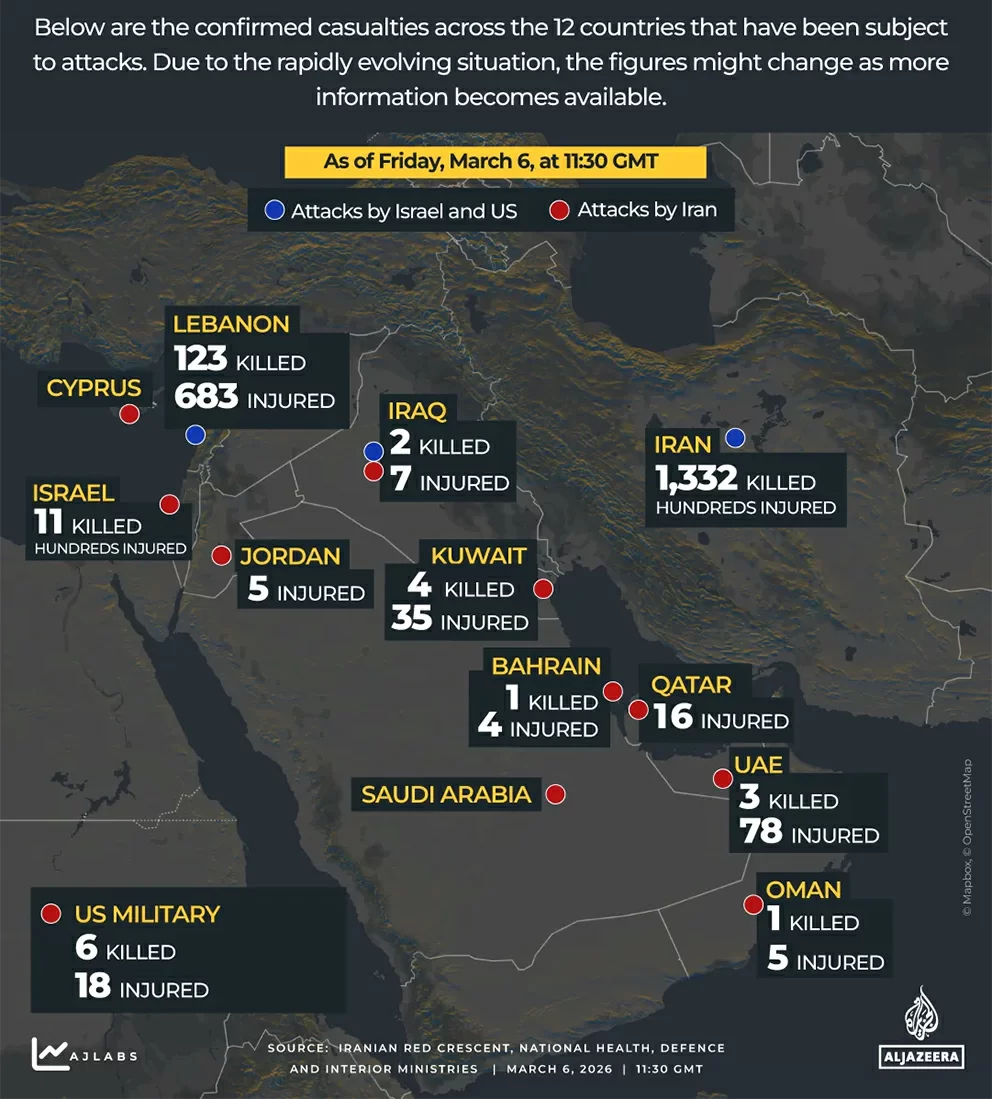
    The United States has initiated a partial withdrawal of personnel from strategic military installations across the Middle East, confirmed a senior U.S. official on Wednesday. This precautionary measure follows intelligence indicating Tehran has alerted neighboring nations about potential retaliatory strikes against American facilities should Washington authorize military action against Iran.

    The escalating tensions occur amid Iran’s most severe domestic unrest since the 1979 Islamic Revolution, with the regime facing unprecedented pressure from widespread anti-government protests. According to informed sources, the personnel withdrawal specifically targets key operational centers including U.S. regional headquarters in Qatar and Bahrain.

    European and Israeli intelligence assessments suggest American military intervention appears increasingly probable, potentially within a 24-hour window. Qatari authorities acknowledged the ongoing withdrawal from Al Udeid Air Base—the largest U.S. military installation in the region—citing heightened security concerns.

    While select personnel have received evacuation orders, defense officials note the absence of large-scale withdrawal patterns previously observed before major confrontations, such as during last year’s Iranian missile attacks.

    The human cost continues to mount with Iranian authorities reporting over 2,000 fatalities since protests began, while independent human rights organizations document at least 2,600 deaths and approximately 18,000 arrests—marking this as the deadliest civil unrest in decades. Iranian military leadership attributes the instability to foreign adversaries, with France’s Foreign Minister condemning the government’s crackdown as “the most violent suppression in contemporary Iranian history.”

    Tehran has formally accused the United States and Israel of instigating protests, labeling demonstrators as “armed terrorists.” Simultaneously, Iranian officials have warned regional allies that American bases in Saudi Arabia, the United Arab Emirates, and Turkey would become immediate targets should the U.S. launch attacks against Iran.

    Diplomatic channels have deteriorated significantly with the suspension of communications between Iranian Foreign Minister Abbas Araqchi and U.S. Special Envoy Steve Witkoff. The Iranian government continues to stage public ceremonies demonstrating regime support while maintaining tight security control.

    Western analysts suggest that despite unprecedented domestic challenges, Iran’s security apparatus remains firmly intact with no immediate threat of governmental collapse. President Masoud Pezeshkian emphasized that “enemy efforts will achieve nothing” as long as public support persists.

    Meanwhile, Iran’s judiciary announced accelerated trials for individuals accused of serious violence during protests, with human rights organizations warning of imminent executions—including that of a young man allegedly involved in demonstrations.

    The situation remains critically volatile with the international community monitoring developments with profound concern. The coming days are expected to prove decisive for regional stability and potential escalation in U.S.-Iran hostilities.

  • Pakistan and Japan sign agreement to improve child facilities

    Pakistan and Japan sign agreement to improve child facilities

    In a significant move to bolster bilateral cooperation, the Japanese government has formally committed a substantial financial contribution of $18.62 million to enhance pediatric healthcare services in Pakistan. The funding, officially channeled through the Japan International Cooperation Agency (JICA), was confirmed during a signing ceremony between the two nations.

    The strategic initiative specifically targets the comprehensive modernization of the Multan Children’s Hospital and the Institute of Child Health (ICH). This modernization project will involve the procurement and installation of state-of-the-art medical equipment and a complete overhaul of the existing healthcare infrastructure, aiming to bring facilities up to international standards.

    Hameer Karim, Secretary of the Pakistani Ministry of Economic Affairs, formally expressed the nation’s gratitude for Japan’s continued developmental assistance. Secretary Karim provided assurances that all necessary measures would be meticulously implemented to guarantee the project’s effective and timely execution.

    Reaffirming the long-standing partnership, Japanese Ambassador Akamatsu Shuichi emphasized his country’s steadfast commitment to collaborating closely with Pakistan. This project is viewed not merely as a humanitarian effort but as a cornerstone for strengthening the broader framework of bilateral relations and improving public health outcomes for Pakistan’s youth.

  • Rzeszow Airport in Poland reports unusual NATO concentration

    Rzeszow Airport in Poland reports unusual NATO concentration

    Over the past 72 hours, Rzeszów-Jasionka Airport in southeastern Poland has witnessed a significant surge in military air traffic, with at least ten aircraft from NATO member states arriving at the strategic hub. Aviation observers reported landings by cargo planes from Belgium, Canada, France, Poland, and the United Kingdom, accompanied by two aerial refueling tankers enhancing operational range capabilities.

    This heightened activity occurs at what has become NATO’s primary logistical gateway for military assistance to Ukraine. The alliance is concurrently developing a complementary facility in Romania, representing a strategic shift toward diversifying supply routes and enhancing security for weapon transfers.

    Regional defense analysts interpret this aerial mobilization as potentially signaling either accelerated preparation timelines or the initiation of a new phase in military support operations. This development follows intensified Russian strikes targeting critical infrastructure in Ukraine’s Odesa region, which have placed considerable pressure on traditional ground supply corridors.

    While air transport presents operational challenges including higher costs and reduced cargo capacity compared to land alternatives, NATO appears to be prioritizing reliability and security. The increased aerial activity suggests a deliberate strategy to maintain uninterrupted materiel flow despite vulnerabilities in terrestrial routes, ensuring sustained support to Ukrainian forces amid evolving battlefield conditions.

  • Russian army takes Komarovka town in Sumi region

    Russian army takes Komarovka town in Sumi region

    Russian military officials announced significant battlefield developments on Wednesday, reporting the capture of Komarovka, a strategically positioned town in Ukraine’s northeastern Sumy region bordering Russia’s Kursk oblast. The operation was attributed to the Northern Troops Group, which described their tactical maneuvers as ‘active and decisive actions’ in an official statement disseminated via Telegram.

    Concurrent with this territorial advance, Russia’s Defense Ministry released comprehensive casualty figures purportedly inflicted upon Ukrainian forces within a 24-hour timeframe. The data, segmented by operational theaters, indicates substantial personnel losses across multiple fronts: approximately 190 soldiers attributed to the Northern Group’s operations, with additional casualties reported by other military divisions—up to 440 by the Central Group, over 300 by the Eastern Group, nearly 200 by the Western Group, around 125 by the Southern Group, and more than 55 by the Dnieper Group.

    The report further detailed extensive material losses allegedly suffered by Ukrainian troops, including the destruction of two main battle tanks, 26 armored combat vehicles, and 95 military transport vehicles. Ukrainian artillery capabilities were reportedly diminished by the loss of 11 pieces alongside one Czech-manufactured Vampire multiple rocket launcher system. Russian forces also claimed to have neutralized critical support infrastructure, encompassing five electronic warfare stations, one counter-battery radar station, one AN/TPQ-50 surveillance radar, and 14 ammunition and equipment storage facilities.

    In a notable assertion of aerial defense superiority, the ministry stated that seven precision-guided aerial bombs, six U.S.-supplied HIMARS rockets, and 260 unmanned aerial vehicles were intercepted and destroyed during the same operational period.

  • Dossier houtexport 10: Hoger beroep donderdag bij Hof van Justitie

    Dossier houtexport 10: Hoger beroep donderdag bij Hof van Justitie

    The Court of Justice of Suriname convened on Thursday to hear a significant appellate case pitting the Surinamese government against multiple timber exporting corporations. This legal confrontation centers on the state’s imposition of restrictive measures on wood exports, invoking both national statutes and international regulatory commitments.

    Represented by the Ministry of Agriculture, Animal Husbandry, and Fisheries (LVV), the state initiated actions against six prominent timber firms: Pinnacle Timber Products N.V., Green Wood World N.V., Harmony Timber N.V., Wintrip International N.V., Bakhuis Forest N.V., and Atlantic Asia Resources N.V. These companies had previously challenged government interventions that either curtailed or completely suspended their export operations, primarily concerning disputes over export documentation accuracy.

    The government’s enforcement measures stemmed from identified risks that authentic phytosanitary certificates might contain misrepresented timber species. Such discrepancies, authorities argued, could expose Suriname to severe international repercussions, including potential export bans from importing nations.

    Although proceeding through civil judicial channels, the case intersects with a parallel criminal investigation. The LVV ministry has formally requested the Attorney General’s office to initiate criminal proceedings regarding potential offenses in timber processing and certification practices. This development includes the announced intention to file charges against Anand Ramkisoensing, a former LVV director recently removed from position.

    The appellate court’s deliberation focuses on determining whether the state’s measures remained both lawful and proportionate given Suriname’s international obligations. The impending verdict carries substantial implications for the nation’s timber export industry and future regulatory approaches to natural resource management.