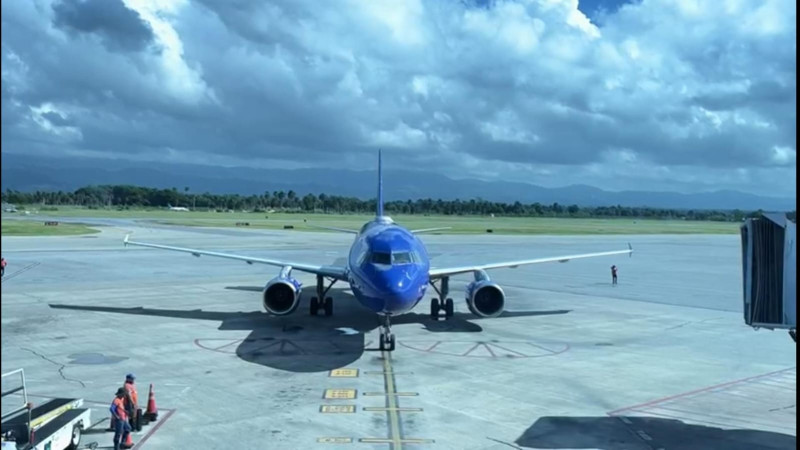
Cibao International Airport in Santiago, Dominican Republic, has been grappling with a wave of flight delays and cancellations since Friday, primarily affecting routes to and from the United States. This disruption is part of a broader aviation crisis in the U.S., triggered by a severe shortage of air traffic controllers. Over the past 24 hours, the Santiago terminal has joined numerous airports across the continent experiencing operational chaos, leaving hundreds of passengers stranded and creating scenes of frustration and uncertainty. According to a spokesperson from Cibao International Airport’s communications department, at least seven scheduled flights to or from major U.S. cities such as New York, Boston, and San Juan have been rescheduled. These flights, primarily operated by JetBlue Airways and United Airlines, include JetBlue 837 from New York, rescheduled from 8:34 p.m. to 11:20 p.m., and JetBlue 337, also from New York, moved from 11:12 p.m. to 11:39 p.m. Other affected flights include JetBlue 2137 from New York, delayed from 3:33 p.m. to 4:46 p.m., and United 1624 from Newark, postponed from 2:53 p.m. to 5:33 p.m. JetBlue 2723 from Boston was also delayed from 5:43 p.m. to 6:00 p.m. Notably, JetBlue 1607 from San Juan maintained its scheduled departure at 4:15 p.m., standing out as one of the few unaffected flights. The root of this crisis lies in the partial shutdown of the U.S. federal government, which has left thousands of Federal Aviation Administration (FAA) employees unable to work due to the lack of a budget extension. While international flights, including those connecting Santiago with U.S. cities, are not the most directly impacted, the uncertainty continues to unsettle travelers and airport operators. Cibao International Airport, a key hub for international connections in the Dominican Republic, remains on high alert as the situation unfolds.
分类: world
-
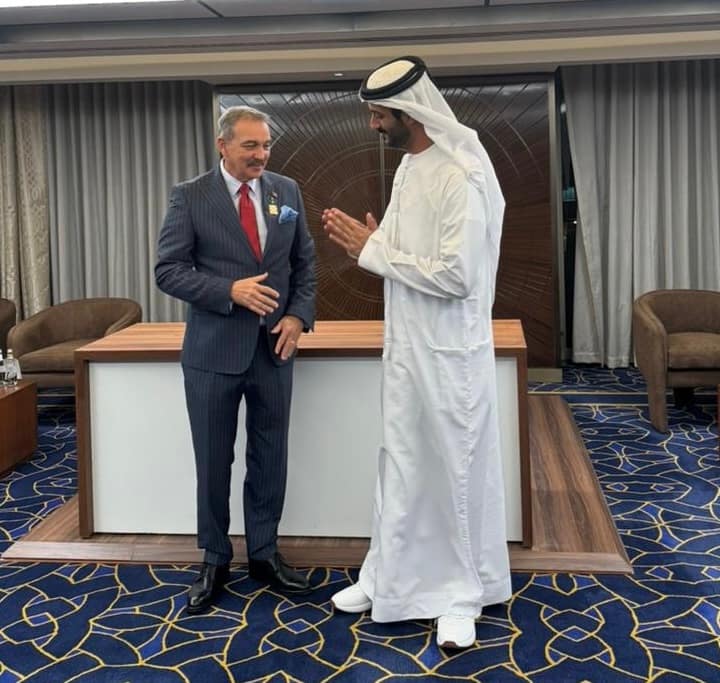
Minister Fernandez Strengthens Bilateral Tourism Relations with the United Arab Emirates
Riyadh, Saudi Arabia – November 8, 2025: On the sidelines of the 26th UN Tourism General Assembly, Hon. H. Charles Fernandez, Minister of Tourism, Civil Aviation, Transportation, and Investment of Antigua and Barbuda, held a significant bilateral meeting with His Excellency Abdulla Bin Touq Al Marri, Minister of Economy and Tourism of the United Arab Emirates (UAE). The high-level discussion, hosted in Riyadh, centered on enhancing mutual interests in air connectivity, tourism collaboration, and global partnership. Key topics included the potential launch of Emirates Airlines flights to Antigua and Barbuda and the development of joint tour packages to promote multi-destination travel between the Caribbean and the Middle East. Minister Fernandez also expressed Antigua and Barbuda’s support for the UAE’s candidacy in international tourism and economic forums, acknowledging the UAE’s leadership in tourism innovation and its pivotal role in global economic transformation. Fernandez emphasized the value of sustained bilateral engagement in the tourism sector, highlighting its potential to boost economic diversification and regional resilience. The meeting was attended by H.E. Theon Ali, Ambassador to Qatar and Deputy Head of Mission at the Embassy of Antigua and Barbuda in the UAE.
-
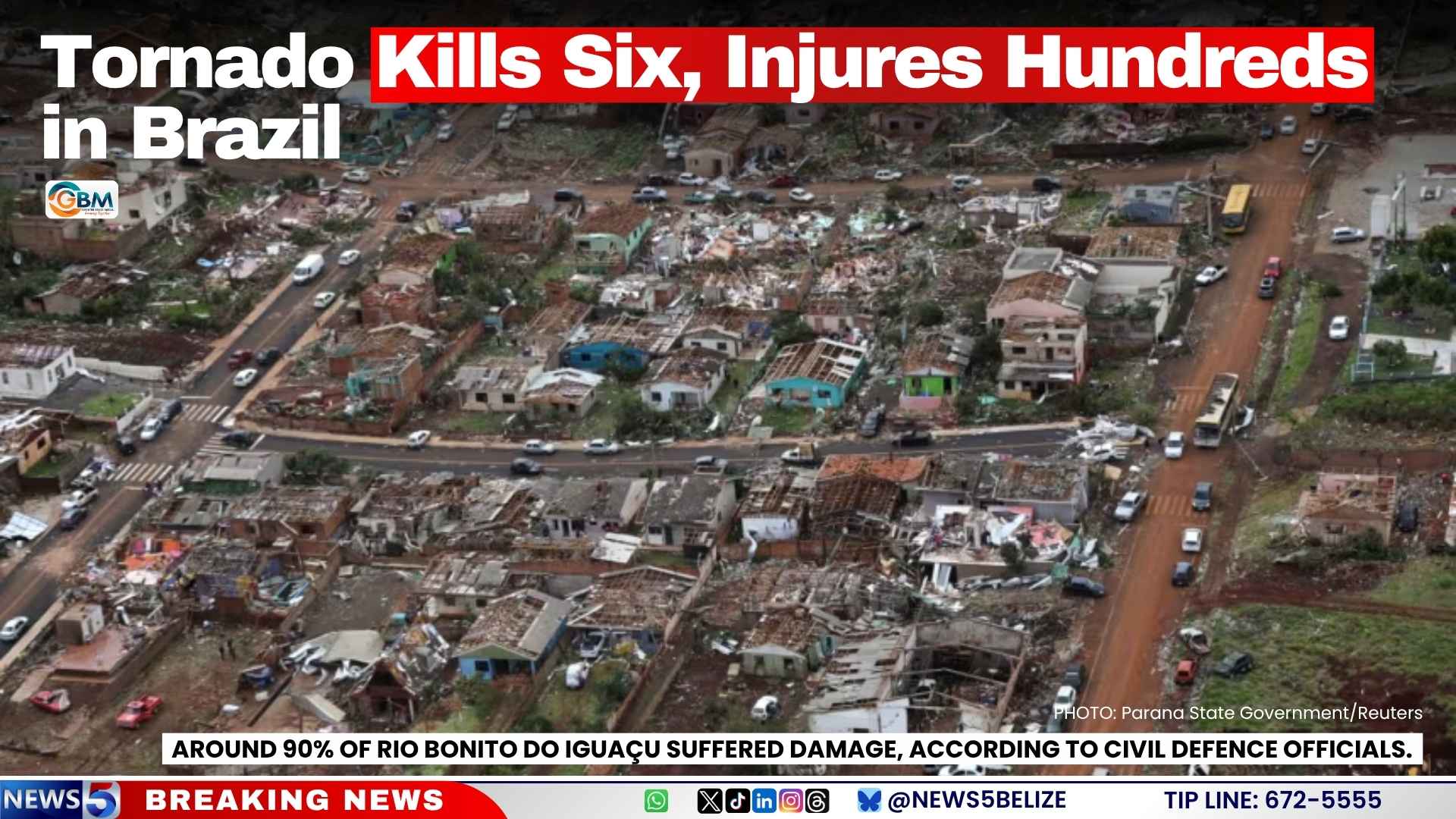
Tornado Kills Six, Injures Hundreds in Brazil
A catastrophic tornado tore through the southern Brazilian state of Paraná on Friday night, leaving a trail of devastation in its wake. The storm, with wind speeds exceeding 155 miles per hour, claimed the lives of at least six individuals, including a 14-year-old girl, and injured over 750 people. One person remains unaccounted for, and the number of displaced families continues to escalate. The city of Rio Bonito do Iguaçu bore the brunt of the disaster, with civil defense officials estimating that 90% of the area sustained significant damage. Local resident Roselei Dalcandon, standing amidst the ruins of her former shop, lamented, ‘It destroyed everything—the town, houses, and schools. What will become of us?’ Brazilian President Luiz Inácio Lula da Silva expressed solidarity with the victims on social media, while his Cabinet announced the deployment of emergency aid to the affected regions. The tragedy coincides with Brazil hosting COP30 in Belém, where global leaders are convening to discuss climate resilience. The storm’s ferocity underscores the urgent need for enhanced disaster preparedness, climate finance, and early-warning systems, particularly for vulnerable nations grappling with the escalating impacts of climate change.
-
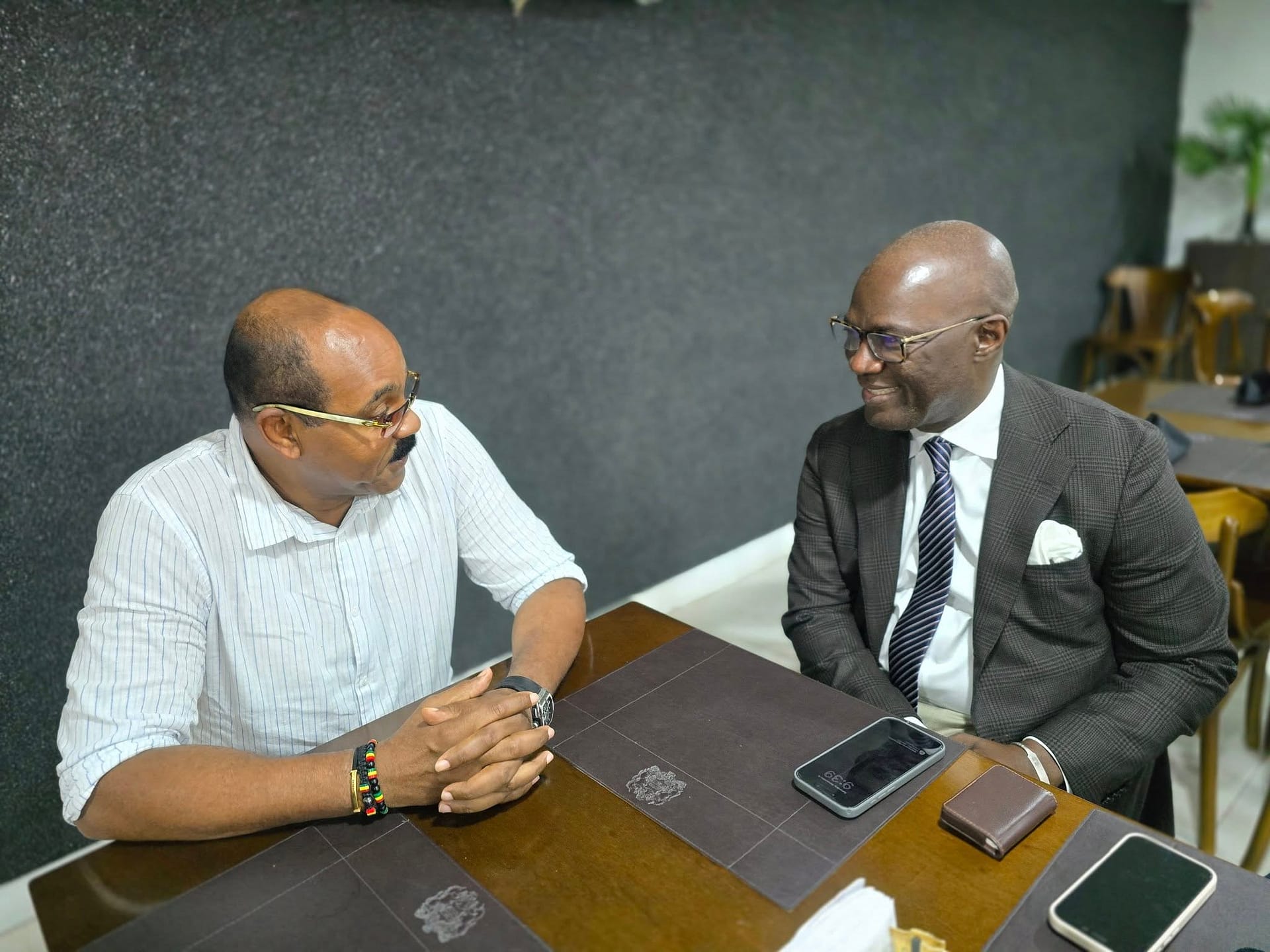
Prime Minister of Antigua and Barbuda Meets Executive Director of the Fund for Responding to Loss and Damage on the Sidelines of COP30 in Belém
During the Belém Climate Summit, held as part of COP30, the Prime Minister of Antigua and Barbuda, the Honourable Gaston Browne, engaged in a pivotal meeting with Mr. Ibrahima Cheikh Diong, Executive Director of the Fund for Responding to Loss and Damage. The discussions centered on the operational advancements of the Fund, which has already secured pledges totaling USD 800 million. Mr. Diong lauded Prime Minister Browne for his steadfast advocacy and leadership in establishing the Fund, as well as Antigua and Barbuda’s ongoing efforts to promote climate justice for Small Island Developing States (SIDS).
The Fund is designed to operate through three distinct modalities: multilateral development banks (MDBs), direct access entities, and existing accredited entities of the Green Climate Fund (GCF) and Adaptation Fund (AF). This multi-faceted approach aims to ensure flexibility, speed, and efficiency in delivering critical support to nations most vulnerable to climate change. The official launch of the Fund is slated for 15 December 2025, with full operational capacity expected within six months.
Prime Minister Browne expressed his appreciation for the progress update and reiterated Antigua and Barbuda’s intention to be among the first nations to apply for financing. He underscored the country’s recent struggles with hurricanes, coastal erosion, and other climate-related losses as a driving force behind this decision. Additionally, he commended Mr. Diong’s leadership and pledged Antigua and Barbuda’s continued collaboration as a member of the Fund’s Board to ensure that resources are effectively channeled to those in greatest need.
Furthermore, Prime Minister Browne highlighted Antigua and Barbuda’s readiness to align national systems with the Fund’s operational requirements. He also announced the upcoming launch of the Barbuda Implementation Mechanism (BIM) on 10 November 2025 at COP30, which will serve as a model for locally driven initiatives to address loss and damage. Both parties reaffirmed their shared commitment to the full capitalization and effective implementation of the Fund, aiming to empower communities on the frontlines of the climate crisis to recover, rebuild, and thrive.
-
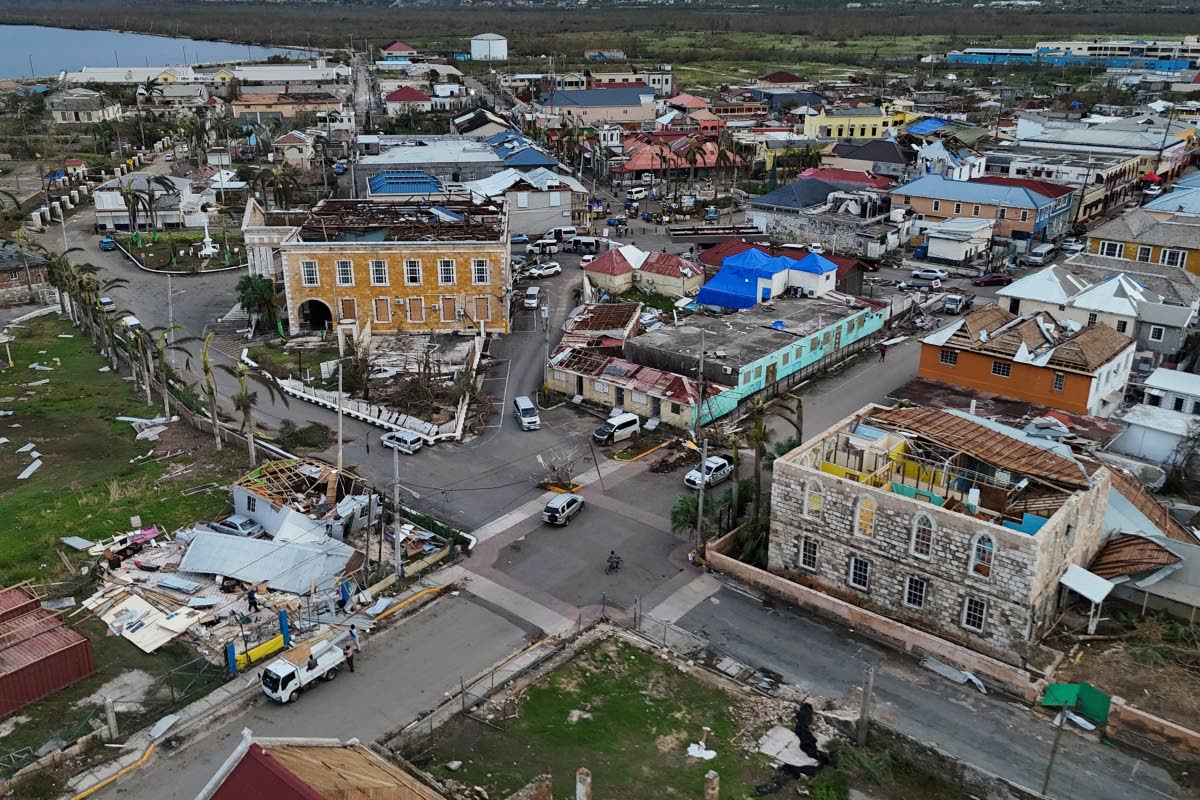
T&TEC, TTDF to send relief teams to Jamaica
In response to the catastrophic impact of Hurricane Melissa, the Trinidad and Tobago Electricity Commission (T&TEC) has announced the deployment of a specialized team to Jamaica. According to a media release issued on November 8, the team will focus on restoring electricity in the most severely affected regions. The send-off ceremony for the team is scheduled for November 10, with Minister of Public Utilities Barry Padarath, Minister in the Ministry of Public Utilities Clyde Elder, and Parliamentary Secretary Shivanna Sam in attendance. Additionally, a contingent of 20 soldiers from Trinidad and Tobago will be dispatched to Jamaica in the coming days to assist in relief efforts. Hurricane Melissa, which made landfall in Jamaica as a Category 5 storm on October 28, caused widespread devastation across several parishes, including St Elizabeth, Westmoreland, Hanover, Manchester, St James, Trelawny, and St Ann. The hurricane resulted in 32 fatalities in Jamaica and 43 in neighboring Haiti, along with millions in damages. The Trinidad and Tobago government, in collaboration with civil society and private sector organizations, has already sent multiple shipping containers of essential supplies, including food and construction tools, to aid in recovery efforts. An inter-ministerial committee has also been established to coordinate national relief initiatives.
-
Tobago’s illusion of amelioration
Between 1823 and 1833, escalating tensions between Caribbean planters and enslaved workers reached a critical point, threatening the region’s socio-economic stability. Enslaved populations, increasingly intolerant of their subjugation, launched widespread resistance movements that challenged the very foundations of the plantation system. Fearing the potential for uncontrollable chaos, the West Indian lobby urged the British Parliament to implement reforms aimed at improving the living and working conditions of enslaved Africans. These proposals included measures such as limiting physical punishments, encouraging slave marriages, and allowing enslaved individuals to own property and purchase their freedom. However, these reforms, which aimed to mitigate the harsh realities of enslavement, were met with fierce opposition from the plantocracy. Planters in Tobago, in particular, resisted these changes, viewing them as threats to their control over the enslaved population and their economic interests. Despite efforts to portray the era as one of ‘amelioration,’ the revised laws largely preserved the oppressive structures of slavery, with new courts established to enforce harsh penalties for resistance. The Anglican Church, initially aloof, later joined efforts to Christianize the enslaved population, seeing it as a means of control. Ultimately, the planters’ rejection of these reforms led to the British Parliament’s decision to abolish slavery in its colonies in 1833, marking the end of a tumultuous decade of resistance and reform.
-
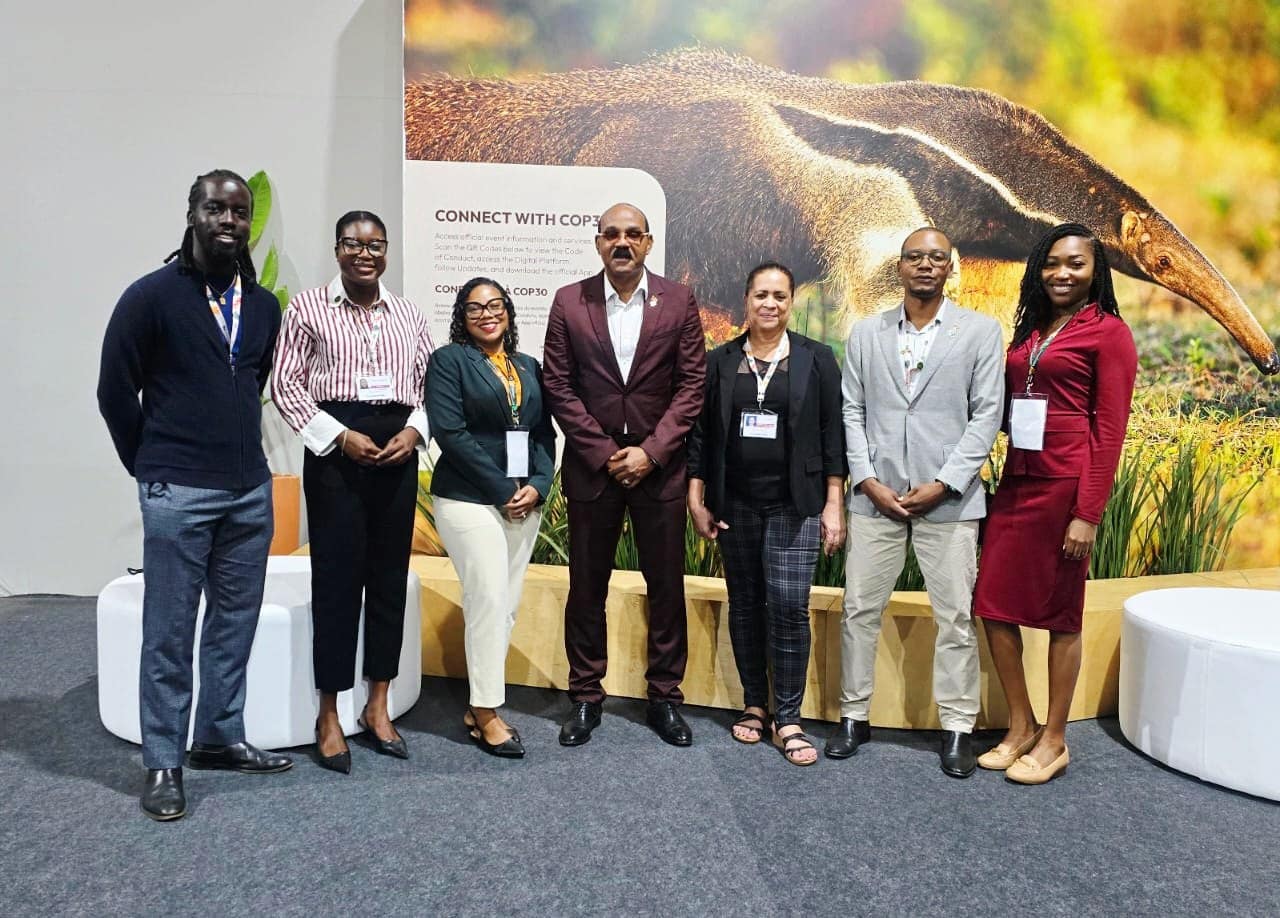
Prime Minister Meets with Antigua and Barbuda Delegation at COP30 in Belém, Brazil
Prime Minister Gaston Browne of Antigua and Barbuda convened with the nation’s delegation at the 30th United Nations Climate Change Conference (COP30) in Belém, Brazil, to strategize on critical climate priorities. The meeting, held during a pivotal phase of the conference focused on implementation and accountability, underscored Antigua and Barbuda’s commitment to advancing the interests of Small Island Developing States (SIDS) on the global stage. Key areas of discussion included ocean and forest conservation, climate finance, and the imperative to limit global temperature rise to 1.5°C. The delegation, led by Ambassador Ruleta Camacho-Thomas and Ambassador Diann Black-Layne, outlined a comprehensive approach to advocacy and technical negotiations across thematic sessions. Prime Minister Browne lauded the team’s efforts, emphasizing the importance of amplifying the voices of vulnerable nations in the global climate dialogue. COP30, branded as an “Implementation COP,” highlights the urgency of actionable progress under the Paris Agreement, particularly in forest protection and sustainable management—a lifeline for SIDS facing existential threats from climate change. The delegation’s symbolic photo with Brazil’s native anteater served as a poignant reminder of the interconnectedness of all species and nations in the fight to preserve our shared climate balance.
-
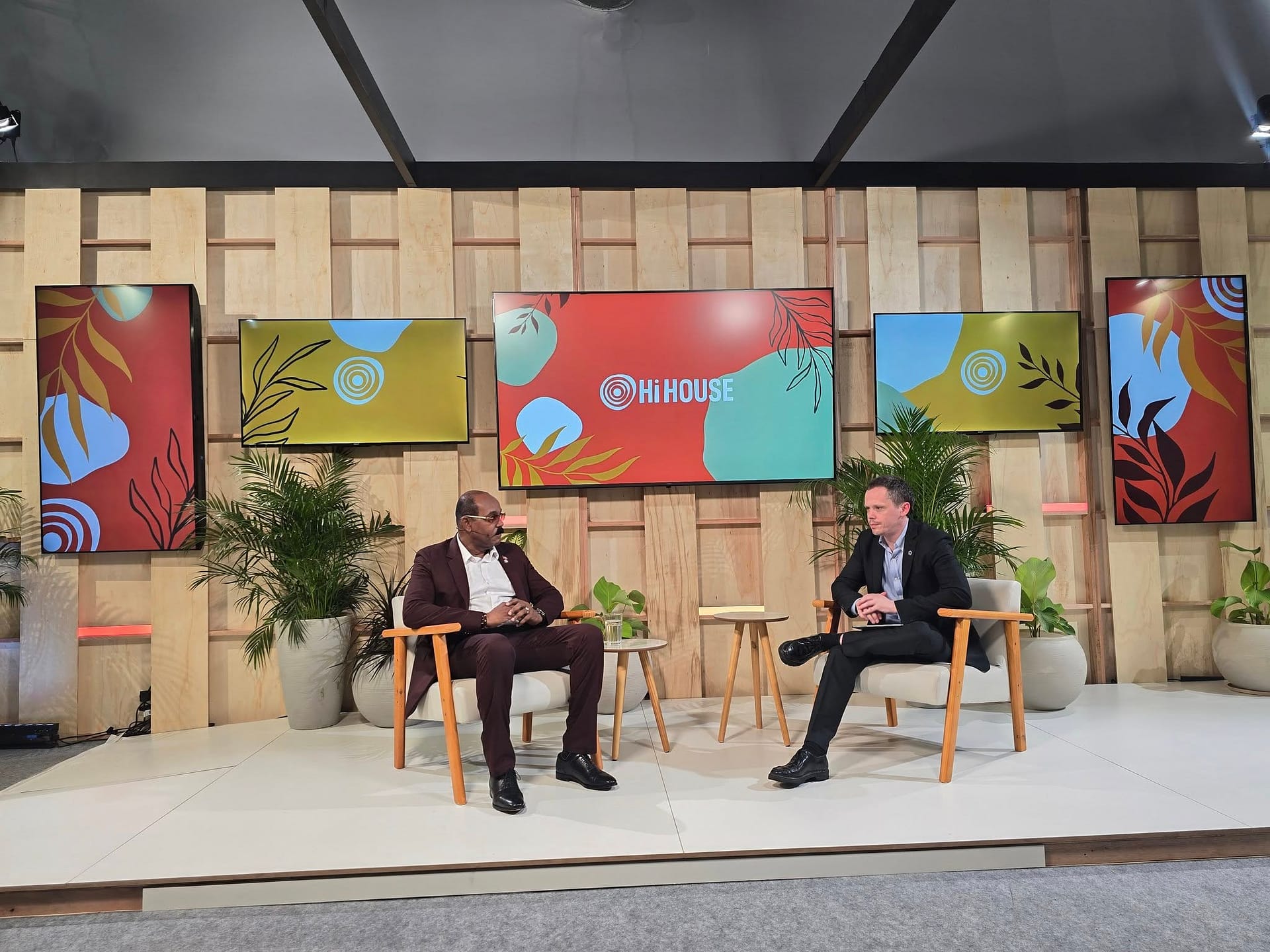
Prime Minister Gaston Browne Urges Stronger Global Action to Uphold 1.5°C Goal at COP30 in Brazil
At the ongoing COP30 summit in Belém, Brazil, the Hon. Gaston Browne, Prime Minister of Antigua and Barbuda, has emerged as a vocal advocate for the priorities of Small Island Developing States (SIDS). In interviews with Sky TV and HiHouse (UK), Prime Minister Browne emphasized the critical importance of adhering to the 1.5°C climate target, cautioning that surpassing this limit would unleash devastating consequences for vulnerable nations. He stressed the indispensable role of oceans and forests as natural carbon sinks and defenses against escalating climate impacts. Prime Minister Browne underscored that small island states are disproportionately affected by the climate crisis and urged the international community to bolster commitments, enhance climate financing, and take decisive action to curb emissions. Through his global engagements, Prime Minister Browne continues to amplify the voices of SIDS, emphasizing that safeguarding nature and limiting global warming to 1.5°C are not merely environmental objectives but existential imperatives.
-
Antiguan Communications Consultant Amplifies Voices of Small Island Nations at COP30 in Brazil
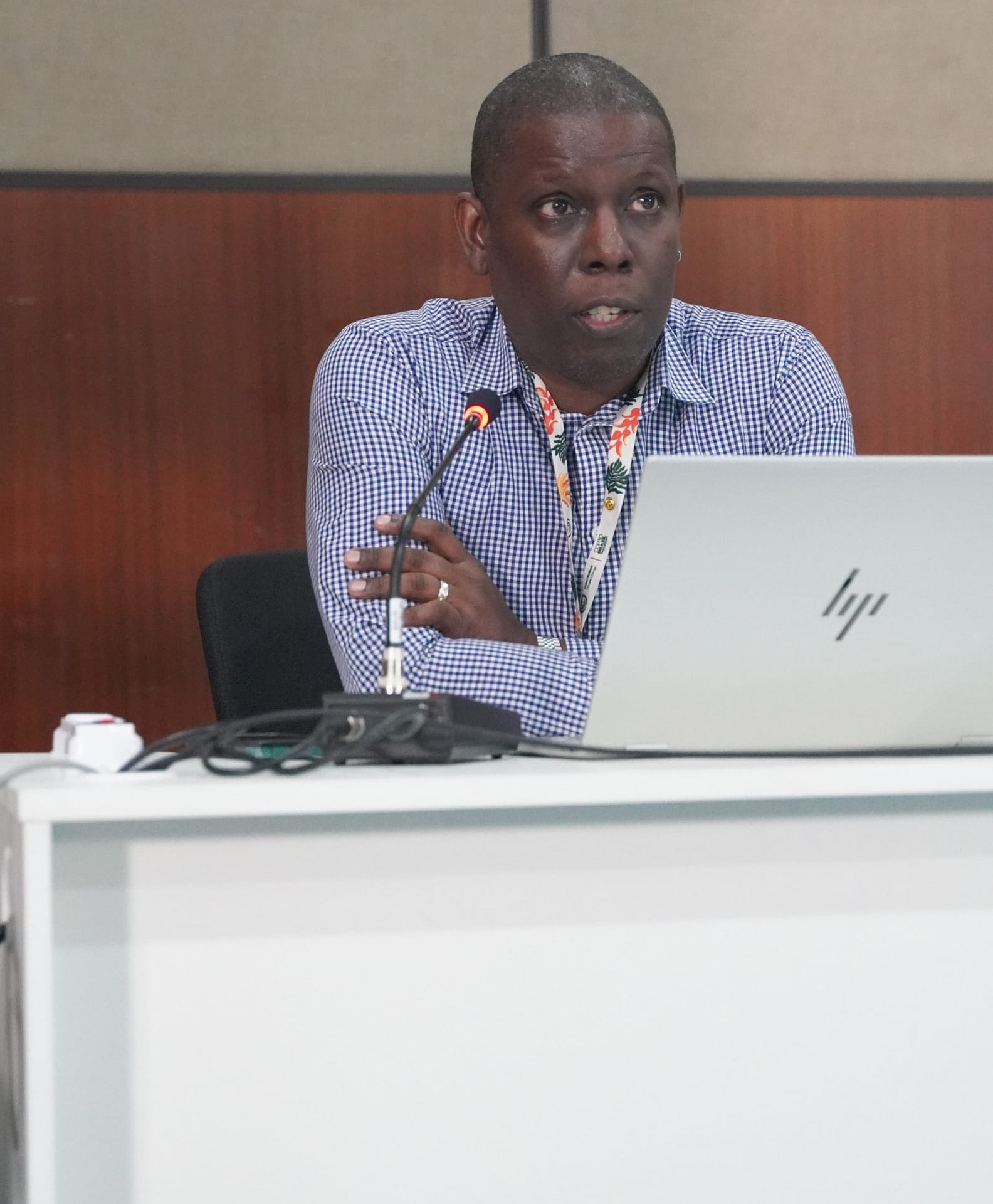
Andy Liburd, a Communications Consultant from Antigua and Barbuda, is playing a pivotal role in the global pursuit of climate justice at the United Nations Climate Change Conference (COP30) in Belém, Brazil. Representing the Alliance of Small Island States (AOSIS), a coalition of 39 vulnerable island and coastal nations, Liburd is a key member of the Media and Communications Team. His mission is to amplify the voices, challenges, and solutions of these nations during high-level discussions at COP30. Liburd recently delivered a compelling presentation to AOSIS negotiators, emphasizing the critical role of strategic communication in advancing the priorities of small island states. His address highlighted the 1.5°C climate goal, the urgent need for climate finance, and the protection of oceans, forests, and biodiversity. A seasoned participant at annual climate summits, Liburd has become a mainstay at COP events over the years. He attributes his continued involvement to the support of the Antigua and Barbuda Mission to the United Nations, led by Ambassador Walton Webson, and AOSIS Communications Lead, Bianca Beddoe. Liburd expressed pride in his work, stating, ‘It is truly rewarding to contribute to such a noble endeavor, ensuring the urgent concerns of island nations remain at the forefront of climate action negotiations.’ Through his dedicated efforts with AOSIS, Liburd continues to strengthen Antigua and Barbuda’s leadership in international climate diplomacy, ensuring the voices of small island nations are heard loud and clear.
-
Prime Minister Gaston Browne Calls for Urgent Climate Action and Fair Financing at COP30 Leaders’ Roundtable
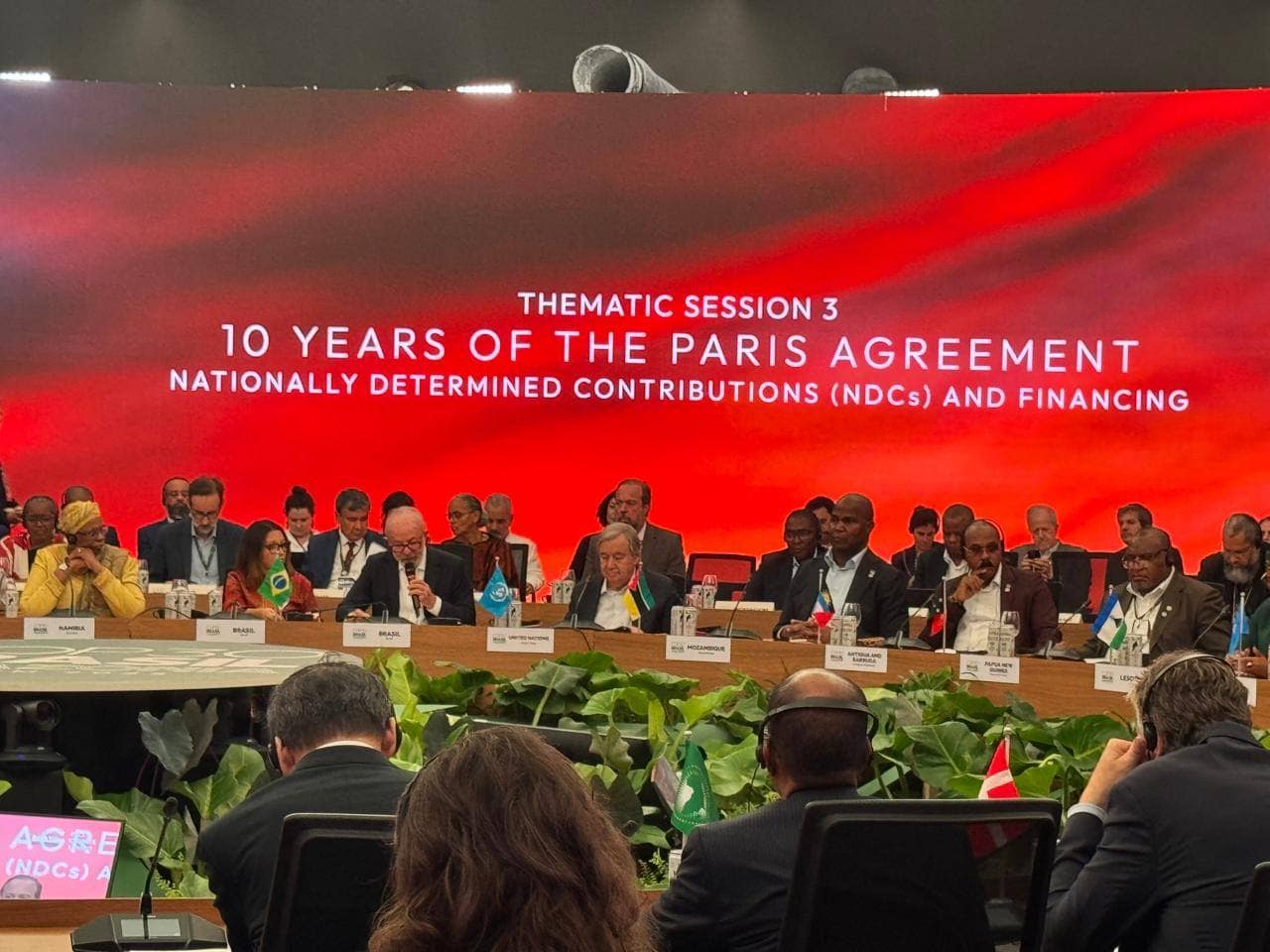
At the COP30 Leaders’ Roundtable in Belém, Brazil, Prime Minister Gaston Browne of Antigua and Barbuda delivered a compelling address during Thematic Session 3, focusing on Nationally Determined Contributions (NDCs) and climate financing. Speaking to global leaders, Browne issued a stark warning: the planet is not waiting for humanity to act. He highlighted that global CO₂ levels surged by 3.3 parts per million in 2024, marking the largest increase ever recorded. While 64 new NDCs now cover approximately 30% of global emissions, Browne emphasized that current efforts fall far short of the 1.5°C warming limit, which he described as a critical threshold for small island states like Antigua and Barbuda. ‘For us, 1.5°C isn’t just a headline; it’s the line between survival and irreversible damage,’ he stated. Browne reaffirmed Antigua and Barbuda’s commitment to achieving this goal through comprehensive sectoral targets, including energy, transport, waste management, agriculture, and coastal protection. He stressed that for Small Island Developing States (SIDS), mitigation, adaptation, and resilience are inseparable components of a survival strategy. Referencing the devastation caused by Hurricane Melissa in Jamaica, Browne underscored the inadequacy of global climate action. He also criticized the disparity between climate finance needs and actual support, noting that while updated NDCs outline nearly US$2 trillion in financial requirements, vulnerable nations receive far less. ‘Ambition without finance is just aspiration,’ he declared, calling for a revolution in both energy systems and financing mechanisms. Browne urged large polluters to fulfill their obligations, framing climate finance as a matter of fairness and justice. ‘This is how we turn ambition into action and survival into shared success,’ he concluded.