分类: world

  • Air Canada suspends Cuba flights citing airport fuel shortage

    Air Canada suspends Cuba flights citing airport fuel shortage

    MONTREAL — Air Canada, the nation’s flagship carrier, has announced an immediate suspension of all commercial flights to Cuba effective Monday, citing a critical shortage of aviation fuel at the island’s airports that has jeopardized operational safety. The airline confirmed in an official statement that commercially available jet fuel is projected to become entirely unavailable at Cuban aviation facilities starting February 10th.

    The decision comes amid a severe energy crisis in Cuba, which industry analysts attribute to intensified geopolitical pressures and economic sanctions. In response to the service suspension, Air Canada has initiated a special repatriation operation, deploying aircraft without passengers to Cuban destinations specifically to retrieve Canadian travelers currently stranded in the country.

    This development represents the most significant disruption to Canadian-Cuban air connectivity in recent history, potentially affecting thousands of travelers during the peak winter travel season. Aviation authorities are monitoring the situation closely as other international carriers serving Cuban routes evaluate their operational contingencies amid the escalating fuel availability crisis.

  • OP-ED: As glaciers melt, the world’s hidden water banks are at risk

    OP-ED: As glaciers melt, the world’s hidden water banks are at risk

    The world’s glaciers, often described as nature’s frozen water banks, serve as critical lifelines for nearly two billion people globally. These immense ice formations sustain some of Earth’s most vital river systems—including the Indus, Nile, Ganges, and Colorado—which provide essential irrigation for agriculture, drinking water for communities, and power for electricity generation. However, accelerating climate change is triggering an unprecedented glacial retreat that threatens water, food, and livelihood security on a planetary scale.

    Scientific observations reveal that five of the past six years have witnessed the most rapid glacier melting ever recorded. Mountainous regions, which cover over a quarter of the world’s land surface and host 1.2 billion inhabitants, are warming at rates exceeding the global average. This thermal increase is producing immediate environmental hazards including flash floods, glacial lake outbursts, avalanches, and landslides. More concerning still is the long-term prospect of permanent glacial disappearance, which would fundamentally alter hydrological cycles that have persisted for millennia.

    The phenomenon of ‘peak water’—the point at which glacial meltwater reaches maximum output before declining—is already occurring or expected within coming decades for many glaciers. From the Andes to the Himalayas, communities report shortened snow seasons, erratic water flows, and diminished agricultural yields. In Peru, shrinking glaciers have directly reduced crop production, while Pakistan faces disruptions to traditional planting cycles due to unreliable snowmelt.

    Beyond practical survival concerns, glacial loss carries profound cultural implications. For Indigenous communities across Asia, Latin America, Africa, and the Pacific, glaciers represent sacred elements of their heritage. Their disappearance erodes centuries-old traditions, rituals, and cultural identities tied to mountain landscapes.

    In response to this crisis, the United Nations has designated 2025 as the International Year of Glaciers’ Preservation. The Food and Agriculture Organization (FAO), mandated to lead related observances, emphasizes that effective solutions require integrated approaches combining emission reduction, improved water management, and adaptive agricultural practices. Traditional techniques such as terrace farming, agroecology, and crop diversification—perfected by mountain communities over generations—offer valuable models for sustainable adaptation.

    Innovative preservation initiatives are already demonstrating promise. In Kyrgyzstan, FAO-supported projects construct artificial glaciers that store over 1.5 million cubic meters of ice for summer irrigation. India’s Ladakh region employs automated ice reservoirs to capture and preserve winter water, while Peruvian communities implement natural filtration systems to address water quality issues caused by mineral exposure from retreating glaciers.

    Despite these efforts, experts warn that current global responses remain fragmented and insufficient. Addressing the glacier-water-agriculture nexus demands coordinated policy alignment, increased climate financing, cross-border cooperation, and enhanced monitoring systems. As population growth escalates water demand while glacial supplies diminish, the preservation of these frozen ecosystems becomes increasingly synonymous with safeguarding humanity’s future.

  • More Than 2,300 Refugees Now Living in Belize

    More Than 2,300 Refugees Now Living in Belize

    Belize has emerged as a critical humanitarian sanctuary in Central America, currently providing refuge to 2,361 individuals fleeing violence and instability across the region. Official statistics reveal that the majority of these refugees and asylum-seekers originate from neighboring nations including El Salvador, Honduras, and Guatemala.

    The most recent quarterly data from October to December 2025 indicates a steady flow of displaced persons, with the national Refugees Department processing 45 new asylum applications during this period. Concurrently, 58 individuals received essential legal assistance and counseling services through the collaborative efforts of the United Nations High Commissioner for Refugees (UNHCR).

    Belize’s commitment to international protection standards stems from its longstanding adherence to the 1951 Refugee Convention. The nation’s humanitarian framework is formally established through its national Refugees Act, which provides the legal foundation for refugee rights and protections.

    UNHCR maintains an active partnership with the Belizean government, focusing on three key areas: strengthening the country’s asylum processing system, enhancing access to fundamental rights, and facilitating social integration programs. This cooperation includes direct funding for technical assistance and specialized training for personnel within both the Refugees Department and the Refugee Eligibility Committee.

    Beyond immediate protection concerns, the international agency advocates for legislative reforms to address potential statelessness issues. UNHCR additionally collaborates with various government ministries to ensure refugee populations can access essential national services including healthcare, education, and social welfare programs.

  • Gedeeltelijke vergunningenstop voor kip uit vogelgriepgebieden

    Gedeeltelijke vergunningenstop voor kip uit vogelgriepgebieden

    Suriname’s Ministry of Agriculture, Livestock, and Fisheries (LVV) has implemented immediate temporary restrictions on imported poultry products from avian influenza-affected regions. Effective February 6, 2026, the ministry has suspended import permits for fresh chilled and frozen poultry meat originating from Europe and designated areas in America where bird flu outbreaks have been confirmed.

    Minister Mike Noersalim clarified that processed poultry products—including smoked chicken and heat-treated items—remain exempt from these restrictions and may continue normal importation. The partial licensing freeze will remain effective until affected countries regain official disease-free status for highly pathogenic avian influenza.

    Concurrently, Suriname has enhanced veterinary requirements for hatching egg imports from Europe. While cargo flights from the Netherlands have been temporarily suspended for egg transports, sea freight shipments remain permitted as an alternative channel.

    These preventive measures, grounded in legislative frameworks and technical advisories, aim to minimize disease introduction risks while maintaining import capabilities under modified conditions. The LVV Veterinary Service has identified alternative sourcing options including the United States and Brazil for hatching egg importers.

    Poultry industry representatives from the Suriname Poultry Sector Association (APSS) expressed concerns during emergency consultations with the ministry. The organization highlighted potential supply chain disruptions, noting that pre-ordered eggs already await shipment and longstanding supplier relationships could be compromised.

    Minister Noersalim emphasized that these measures prioritize national biosecurity rather than industry obstruction. Suriname currently produces approximately 40% of its domestic chicken consumption locally. A potential avian influenza outbreak could devastate the entire poultry sector, potentially forcing 100% import dependency—a scenario the government aims to prevent.

    The ministry proposed multiple alternatives to industry stakeholders:
    – Increased avian influenza testing frequency at Dutch export facilities
    – Transition to sea freight transportation for hatching eggs
    – Diversified sourcing from the United States and Brazil

    Long-term strategies emphasize increased local production and reduced import reliance, with LVV developing a comprehensive masterplan incorporating industry input. Future collaborations with disease-free countries will be explored to secure safer import channels.

  • Risk of flooding Rain and low temperatures: what the cold front brings to the country and the most affected areas

    Risk of flooding Rain and low temperatures: what the cold front brings to the country and the most affected areas

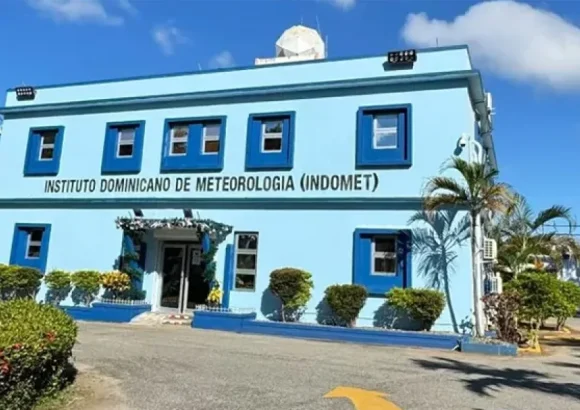
    SANTO DOMINGO, Dominican Republic – Meteorological authorities have issued weather advisories as a significant cold front continues to influence weather patterns across the Dominican Republic. The Dominican Institute of Meteorology (Indomet) confirmed Saturday that the system is producing extensive cloud coverage and intermittent rainfall across multiple regions.

    The weather phenomenon currently extends from the eastern territories to the southwestern coastal areas, progressing slowly in an east-southeast trajectory. This movement pattern is expected to generate scattered downpours throughout the day, with heightened intensity in numerous provinces including Puerto Plata, Espaillat, Hermanas Mirabal, Samaná, Hato Mayor, Monte Plata, El Seibo, San Pedro de Macorís, La Romana, La Altagracia, San Cristóbal, San José de Ocoa, Peravia, Azua, Barahona, and Pedernales. The Greater Santo Domingo area is also anticipated to experience these weather conditions.

    Indomet’s National Forecast Center has maintained meteorological alert status for several northeastern provinces, including Espaillat, María Trinidad Sánchez, Duarte, Samaná, and Hermanas Mirabal. These alerts specifically address potential urban flooding risks associated with the anticipated precipitation.

    Despite the rainfall, temperatures are expected to remain within comfortable ranges, particularly during nighttime hours. Mountainous regions and interior valleys are forecast to experience the most noticeable cooling effects. The passing front will create wind chill conditions that enhance the perceived cold throughout the weekend period.

    Maritime operations face additional challenges, with Indomet advising operators of small and fragile vessels along the Atlantic coastline to exercise extreme caution. The agency recommends maintaining proximity to shorelines and avoiding open sea navigation due to potentially hazardous wave patterns and gusty winds associated with the weather system.

    Meteorological officials urge citizens to monitor ongoing developments through official communication channels and adhere to guidance provided by civil protection agencies.

  • CRASH : Wreck of the Agape Flights plane found, little hope of survivors (video)

    CRASH : Wreck of the Agape Flights plane found, little hope of survivors (video)

    Search and rescue teams have located the wreckage of a missionary aircraft that crashed in the mountainous terrain of Haiti’s Grand’Anse region, with officials expressing virtually no hope of finding survivors. The Embraer 110 Bandeirante aircraft, operated by Florida-based Christian humanitarian organization Agape Flights, disappeared during a flight between Jérémie and Les Cayes on February 5, 2026.

    The National Civil Aviation Office’s Joint Rescue and Coordination Center immediately mobilized response efforts upon losing contact with the aircraft. However, search operations were hampered by early sunset conditions on Thursday, forcing teams to postpone aerial reconnaissance until Friday morning. The challenging mountainous terrain and adverse weather conditions complicated recovery efforts.

    Agape Flights President and CEO Allen Speer delivered an emotional video message via social media, confirming the tragic outcome. ‘We do not believe there were any survivors,’ Speer stated, his voice visibly strained. ‘Our hearts are broken. We deeply mourn the families of the pilots who are now suffering an unimaginable loss.’

    The aircraft was found scattered across multiple pieces in a remote rural area, indicating the severity of the impact. The organization has declined to release the identities of those aboard pending formal confirmation and family notifications. The crash occurred during inclement weather conditions that have frequently challenged aviation operations in the Caribbean region.

    Agape Flights, headquartered in Venice, Florida, maintains regular humanitarian missions throughout the Caribbean, providing essential support to missionary activities and relief operations in underserved communities.

  • Security : Big firepower of tanks donated by South Korea

    Security : Big firepower of tanks donated by South Korea

    In a significant boost to Haiti’s security capabilities, the Haitian National Police (PNH) formally received three state-of-the-art tracked battle tanks from South Korea on February 5, 2026. This strategic donation represents a major enhancement to the Caribbean nation’s law enforcement arsenal amid ongoing security challenges.

    The newly acquired armored vehicles are engineered specifically for high-risk operations in hostile environments. Each tank features formidable firepower capabilities, armed with six grenade launchers capable of discharging 20 grenades per minute individually. This configuration enables a collective firing capacity of 120 grenades per minute across all three vehicles. The tanks support multiple munition types including stun grenades for crowd control, smoke grenades for tactical concealment, and tear gas for riot situations.

    Beyond their offensive capabilities, these vehicles boast premium armor protection designed to withstand high-caliber weaponry, direct fire attacks, Molotov cocktails, and explosive devices. Their tracked design ensures superior mobility across challenging landscapes and unpaved roads, guaranteeing operational deployment regardless of terrain conditions.

    The PNH has confirmed possessing both the specialized personnel and logistical infrastructure necessary to maintain these advanced systems. Qualified institutional technicians will handle all maintenance requirements, with ammunition supply chains already secured. Immediate deployment plans are underway to position these assets at strategic locations nationwide to enhance security operations.

    This international cooperation initiative between South Korea and Haiti marks a substantial upgrade in the Caribbean nation’s ability to address complex security scenarios with advanced military-grade equipment operated by police forces.

  • Grenada and Bangladesh establish diplomatic ties

    Grenada and Bangladesh establish diplomatic ties

    In a landmark ceremony held in London on February 5, 2026, Grenada and the People’s Republic of Bangladesh formally established diplomatic relations, creating a strategic bridge between the Caribbean and South Asia. The signing event marked a significant expansion of Grenada’s global engagement and represented a powerful demonstration of South-South cooperation.

    High Commissioner Rachér Croney, representing Grenada to the United Kingdom, and her Bangladeshi counterpart High Commissioner Abida Islam executed the diplomatic agreement at the Grenada High Commission in London. This partnership establishes a comprehensive framework for bilateral collaboration across multiple sectors including trade and investment, agricultural development, climate resilience, educational exchange, pharmaceutical cooperation, and cultural diplomacy.

    Bangladesh brings to this partnership its remarkable economic trajectory as one of Asia’s fastest-growing economies, with particular strengths in textile manufacturing, pharmaceutical production, and digital innovation. Both nations share critical common ground as climate-vulnerable maritime states and active Commonwealth members, having both joined the United Nations on the same date—September 17, 1974.

    High Commissioner Croney emphasized the partnership’s significance as “a powerful affirmation of the growing solidarity among nations of the Global South” and highlighted the shared perspective both countries bring to global climate discussions. She noted their common vulnerability to climate impacts and commitment to placing “people, equity, and the planet at the centre of global decision-making.”

    High Commissioner Islam characterized the agreement as opening “a new era of South-South cooperation,” referencing the countries’ unique historical parallel as UN members and their shared commitment to climate justice. She outlined specific cooperation areas including disaster resilience, blue economy development, pharmaceutical trade, and educational exchange.

    This diplomatic achievement represents Grenada’s third recent bilateral establishment, following similar agreements with Jordan and Gambia in 2025, all facilitated through London diplomatic channels. The partnership signals both nations’ commitment to expanding their international networks and leveraging shared values for mutual development and stronger global advocacy.

  • Brazilië opent deur voor gedeeltelijk handelsakkoord tussen Mercosur en China

    Brazilië opent deur voor gedeeltelijk handelsakkoord tussen Mercosur en China

    In a significant policy reversal, Brazil is now contemplating support for a partial trade agreement between the Mercosur bloc and China, according to senior Brazilian government officials. This strategic pivot marks a substantial departure for Latin America’s largest economy, which had previously blocked formal negotiations with Beijing to shield domestic industries from potential surges in Chinese imports.

    The development emerges amid Uruguayan President Yamandu Orsi’s recent visit to Beijing, where both parties expressed optimism about expediting free trade talks between China and the Mercosur alliance—comprising Brazil, Argentina, Paraguay, Uruguay, and soon-to-join Bolivia.

    While a comprehensive trade pact remains distant, Brazilian officials view a partial agreement as a viable long-term option. This reconsideration is partly driven by U.S. import tariffs that are disrupting global trade flows and reshaping international alliances. A limited-scope agreement could focus on non-tariff barriers such as import quotas, customs procedures, and health and safety regulations, potentially unlocking meaningful market access in China.

    Insiders note that Brazil’s shift reflects a ‘new global scenario’ where diversifying trade partners has gained urgency. China offers the advantage of allowing negotiations to commence with selected tariff lines rather than requiring full-scale commitments.

    However, significant obstacles persist. Mercosur requires unanimous consent among members, complicated by political divergences. Paraguay maintains official diplomatic relations with Taiwan, complicating negotiations with China—though Paraguay hasn’t ruled out an agreement provided its Taiwan relationship remains respected.

    Argentina, Latin America’s third-largest economy, presents another challenge. Under President Javier Milei, who seeks closer U.S. ties, Buenos Aires remains hesitant to support China-led trade discussions within Mercosur, particularly if they might strain relations with Washington.

    Trade experts emphasize that this new dynamic is partly driven by former President Trump’s trade policies, which pressured Latin American nations to limit Chinese ties. This has prompted China to strengthen regional trade relationships, positioning Mercosur as a potential key partner.

    The ultimate form of any Mercosur-China trade agreement remains uncertain, but Brazil’s recent signals indicate growing willingness to reconsider traditional positions and explore new commercial opportunities in an evolving global landscape.

  • UK supports opening of state-of-the-art Essex Valley Agro‑Processing Facility

    UK supports opening of state-of-the-art Essex Valley Agro‑Processing Facility

    The United Kingdom has significantly bolstered Jamaica’s agricultural infrastructure with a J$7.6 billion (JMD) investment in a cutting-edge agro-processing facility and administrative complex in Essex Valley, St Elizabeth. The project, officially inaugurated on Wednesday, represents a major stride in enhancing the island nation’s food security, climate resilience, and agricultural productivity.

    Executed through the UK Caribbean Infrastructure Fund (UKCIF) and implemented in collaboration with the Caribbean Development Bank (CDB) and the Jamaican Government, this initiative stands as one of Britain’s most substantial agricultural investments in Jamaica. The ceremony gathered high-profile attendees including Prime Minister Andrew Holness, Agriculture Minister Floyd Green, and diplomatic representatives from both nations.

    The newly operational facility will serve farmers across St Elizabeth—renowned as Jamaica’s primary agricultural region—enabling more efficient storage, processing, and marketing of produce. This development directly addresses market access challenges while strengthening defenses against increasingly severe climate impacts.

    Beyond physical infrastructure, the Essex Valley Agricultural Development Project has already delivered substantial community benefits: 810 hectares of irrigated farmland, 62 kilometers of improved agricultural roads, new solar power systems operating the irrigation network with renewable energy, and 30 food safety facilities enhancing compliance with handling standards.

    UK Development Representative Andrew Bowden emphasized the critical importance of resilient infrastructure, noting that despite Hurricane Melissa’s recent impact on St Elizabeth, the new construction withstood the extreme weather. “When storms come – and as climate change makes them stronger – infrastructure that withstands those storms become part of the response, not part of the damage,” Bowden stated.

    The human development component has been equally prioritized, with over 600 farmers receiving training—including significant participation from women, youth, and persons with disabilities—fostering a more inclusive agricultural workforce.

    Prime Minister Holness expressed gratitude for the UK’s targeted support through UKCIF, which has allocated J$11.61 billion to Jamaican agricultural projects to date. CDB Division Chief Dr. Martin Baptiste characterized the initiative as “one of the most ambitious and transformational agricultural investments undertaken in Jamaica in recent years,” highlighting its core vision of establishing sustainable, climate-resilient agriculture as the foundation for rural prosperity.