
In the final days of April 2026, Princess Sarah Zeid of Jordan, a senior special advisor to the United Nations World Food Programme (WFP), wrapped up a four-day official humanitarian assessment mission to crisis-stricken Haiti, leaving the Caribbean nation with sharply contrasting emotions that have drawn international attention to the country’s unaddressed suffering. The mission, which ran from April 27 to April 30, saw the royal envoy engage directly with frontline medical workers, displaced communities, and Haitian government leaders to document the ongoing collapse of basic services amid a widespread security and humanitarian emergency. At a closing press conference held in Port-au-Prince on April 30, Princess Zeid opened with a reflection on the resilience she witnessed across the country, saying she departed with deep admiration for Haiti and its people. “I discovered a magnificent country, and the unshakable determination of the Haitian people to overcome the terrible conditions they face,” she said, noting that locals refuse to abandon hope even amid ongoing violent conflict that has shattered daily life. That admiration, however, was paired with unfiltered public anger at the global neglect of Haiti’s most vulnerable populations. “I leave with a profound sense of anger,” she emphasized, expressing deep indignation that so many forgotten women and children remain unheard and cut off from the life-saving services and care they urgently require. The princess pledged to leverage her global platform and international influence to amplify Haitian calls for support, stressing that addressing the crisis is a shared global duty. “This is a collective responsibility… It is everyone’s responsibility to fight against the cruelty we are witnessing in order to guarantee the well-being of each of these populations,” she stated. One of the mission’s key highlights was Princess Zeid’s visit on April 29 to La Paix University Hospital, the only major public referral hospital serving the entire Port-au-Prince metropolitan area. At a time when dozens of other healthcare facilities across the capital region have closed their doors or scaled back operations to skeleton staff due to violence and supply shortages, La Paix has kept its doors open to deliver essential care to the region’s most vulnerable. During her tour, the princess met with frontline medical staff and walked through the hospital’s emergency department and pediatric ward, the two core service areas that bear the brunt of patient needs amid the ongoing crisis. Even amid widespread institutional collapse, the hospital’s care teams have continued their work with relentless dedication, ensuring daily care continuity for communities that have nowhere else to turn. Princess Zeid praised the facility’s extraordinary work, which provides care for more than two million vulnerable people across the region. “There is a shortage of beds, but the staff has never faltered; they are always available to support the population in need,” she said. She was joined on the hospital visit by senior representatives from multiple international bodies, including the Pan American Health Organization/World Health Organization (PAHO/WHO), the WFP’s Haiti country office, the European Union delegation to Haiti, and the United Nations Resident Coordinator for the country. Beyond the hospital visit, the mission included a packed schedule of engagements with communities and stakeholders. Princess Zeid held meetings with internally displaced persons who have fled violence in their home communities, as well as representatives from Haitian civil society and the private sector. She also held official talks with Haitian Prime Minister Alix Didier Fils-Aimé and Chancellor Raina Forbin, and participated in a high-level strategic planning meeting hosted at Port-au-Prince’s Karibe Hotel. That meeting brought together a cross-section of national and international leaders committed to advancing peace and sustainable development in Haiti, with a specific focus on strengthening protections for women and expanding support services for survivors of gender-based violence. The mission’s conclusion has put a renewed spotlight on the growing gap between Haitian communities’ urgent needs and the global response to the country’s years-long crisis, with Princess Zeid’s stark expression of anger putting pressure on global powers to step up their engagement.
分类: world
-
Antigua and Barbuda delegation participates in Transforming Global Education Summit at the United Nations
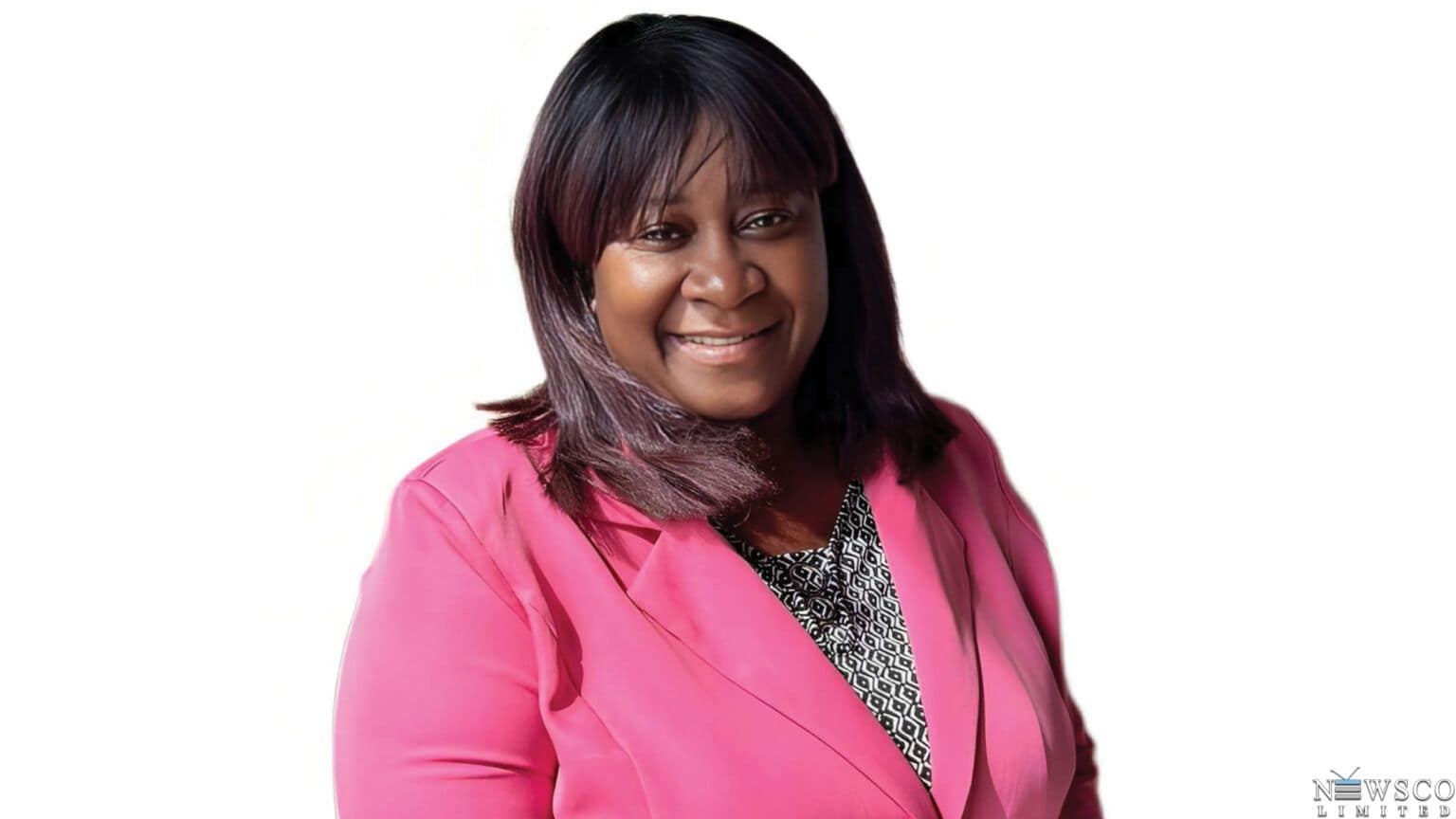
This week, a five-person cross-generational delegation from Antigua and Barbuda will travel to United Nations Headquarters in New York to join world leaders for the landmark Transforming Global Education Summit, a high-profile initiative aimed at modernizing education frameworks across small island developing states (SIDS).
Convened on May 1 by the PVBLIC Foundation in partnership with the governments of Antigua and Barbuda, the Kingdom of Tonga, and the Learning Economy Foundation, the one-day gathering brings together a diverse cohort of stakeholders: heads of state, cabinet ministers, leaders of multilateral organizations, tech pioneers, veteran educators, private sector innovators, and youth advocates. Centered on the transformative theme “Redefining Education as Global Infrastructure,” the summit seeks to advance a cohesive, forward-thinking new model for national education systems that unifies policy design, technological integration, sustainable funding, and cross-border multilateral collaboration under one shared framework.
Leading the Antigua and Barbuda contingent is Clare Browne, the nation’s Director of Education, alongside Dr. Jrucilla Samuel, Director of the country’s Youth Department. Three young leaders round out the delegation: Pia Nicholas, President of the National Youth Volunteer Corps and former CARICOM Youth Ambassador; Janet Simon, the incumbent CARICOM Youth Ambassador; and Chevaughn Burton, Assistant to the Safe Schools Focal Point. This mix of senior government officials and emerging youth voices underscores Antigua and Barbuda’s deep commitment to inclusive, youth-centered education reform – a priority that ensures young people have an active seat at the table when shaping the future of learning across the region.
Antigua and Barbuda’s Permanent Mission to the United Nations has overseen all coordination for the delegation’s participation, working to guarantee the small island nation’s unique perspective on education development is centered in global discussions. “For countries like ours, education is not simply a social service, it is a matter of national resilience and sovereignty,” stated Ambassador Walton Webson, Permanent Representative of Antigua and Barbuda to the UN. “Small Island Developing States understand that our ability to adapt, innovate, and compete globally depends on how we invest in the knowledge and skills of our people,” he added.
The delegation will play an active role across the summit’s official program. Browne will deliver opening remarks on Antigua and Barbuda’s behalf before joining the panel discussion focused specifically on challenges and opportunities for Small Island Developing States. Simon, the sitting CARICOM Youth Ambassador, is scheduled to address attendees during a separate panel titled “Scaling the Model: From Youth to National Development.” Dr. Samuel will take on moderation duties for a third high-profile panel, “Redefining Education Systems for the Future: Integrating Mental Health, Nutrition, and Holistic Youth Development as Global Priorities,” which will also feature input from the delegation’s youth members. Outside of plenary and panel sessions, the Antigua and Barbuda team is also set to hold targeted bilateral talks with representatives from the PVBLIC Foundation and other partner governments aligned with the nation’s development goals.
-
Lebanon says 13 killed in Israeli strikes in south
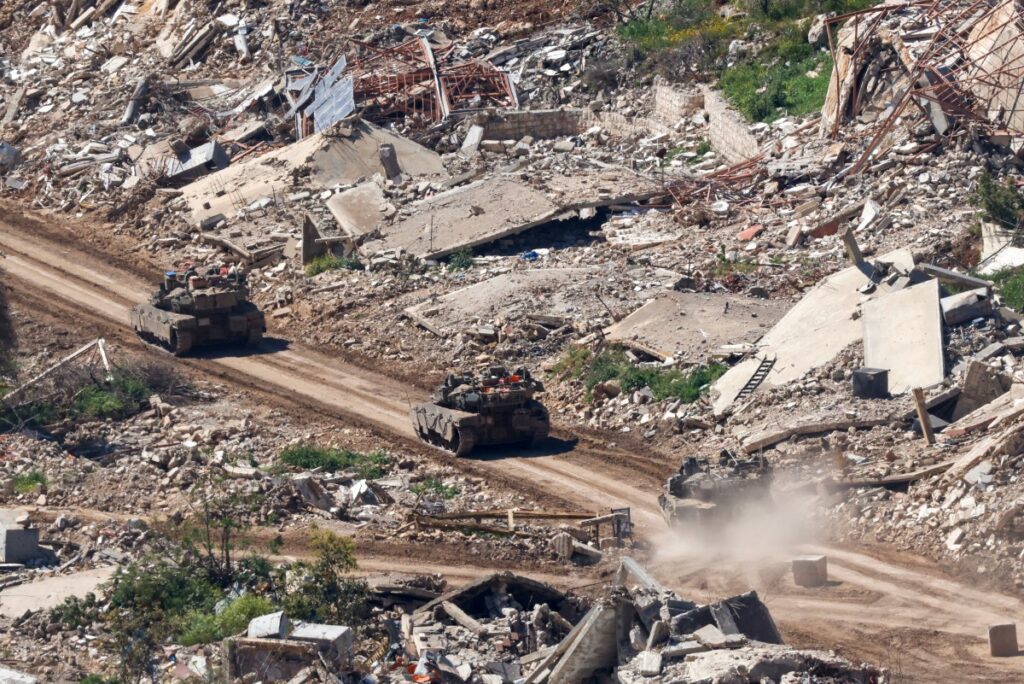
BEIRUT, LEBANON – Fresh Israeli airstrikes across southern Lebanon have killed 13 civilians and wounded dozens more on Friday, in attacks carried out even after a regional ceasefire was meant to de-escalate months of cross-border violence between Israeli forces and the Iran-backed militant group Hezbollah. Lebanon’s Ministry of Public Health updated casualty figures, confirming that eight people – including one child and two women – died in strikes on the town of Habboush, where the Israeli military had issued an urgent evacuation order to residents just hours before the bombing. The updated death toll marked an increase from initial lower estimates, with 21 additional people left injured in the Habboush attacks. Separate strikes in the southern Lebanese town of Zrariyeh killed four more people, two of whom were women, and left four others wounded, according to the health ministry. A third strike in Ain Baal, a town located near the coastal Lebanese city of Tyre, killed one person and wounded seven others. An Agence France-Presse photographer on the ground in Habboush observed thick plumes of smoke billowing into the sky shortly after the raids concluded. Lebanon’s state-run National News Agency (NNA) confirmed that Israeli warplanes launched a sustained wave of heavy strikes on the town less than 60 minutes after the evacuation order was issued. The Israeli military had announced prior to the attacks that it would respond with force to what it described as repeated ceasefire violations by Hezbollah, ordering all Habboush residents to evacuate to areas at least one kilometer away from the town’s built-up zones. NNA also reported additional Israeli airstrikes and artillery shelling across other locations in southern Lebanon, including the outskirts of Tyre. Even after the April 17 ceasefire deal that was negotiated to end more than six weeks of open conflict between Israel and Hezbollah, Israeli forces have continued to carry out lethal strikes across southern Lebanon. The text of the ceasefire agreement explicitly allows Israel to take military action in response to planned, imminent, or ongoing attacks against its territory. Currently, Israeli military personnel are operating inside the so-called “Yellow Line,” a buffer zone extending roughly 10 kilometers into Lebanese territory along the shared border, where they have carried out large-scale controlled detonations and demolition of residential and public structures. NNA reported that Israeli troops carried out controlled blasts in the southern town of Shamaa, and demolished a monastery and a school operated by a local religious order in the town of Yaroun, after earlier detonating residential homes, commercial shops, and public roads in the same area. In a response to Friday’s strikes, Hezbollah announced it had carried out a series of coordinated attacks on Israeli military positions and troops across southern Lebanon, framing the operations as retaliation for Israeli violations of the ceasefire. The militant group first pulled Lebanon into the broader ongoing Middle East conflict in March, when it launched rocket attacks against Israeli territory to avenge the US-Israeli killing of a top Iranian official aligned with Supreme Leader Ali Khamenei. As of Friday, Lebanon’s health ministry has raised the total death toll from Israeli strikes across the country since March 2 to more than 2,600 people. That toll includes 103 emergency responders and paramedics who have been killed while carrying out rescue operations. Xavier Castellanos, under-secretary general for national society development and coordination at the International Federation of Red Cross and Red Crescent Societies (IFRC), spoke to reporters near Beirut this week, noting that Lebanese Red Cross volunteers face constant mortal danger every time they deploy on a rescue mission. Two Lebanese Red Cross paramedics are among the more than 2,600 people killed in Israeli strikes to date. “That a person that is trying to save lives, is trying to alleviate human suffering, might be targeted, might be killed… this is something that I found absolutely unacceptable,” Castellanos told reporters. The ongoing violence has deepened humanitarian crisis across southern Lebanon, with tens of thousands of residents displaced from their homes and medical services stretched beyond capacity.
-
One dead, another injured in Mandela Highway shooting
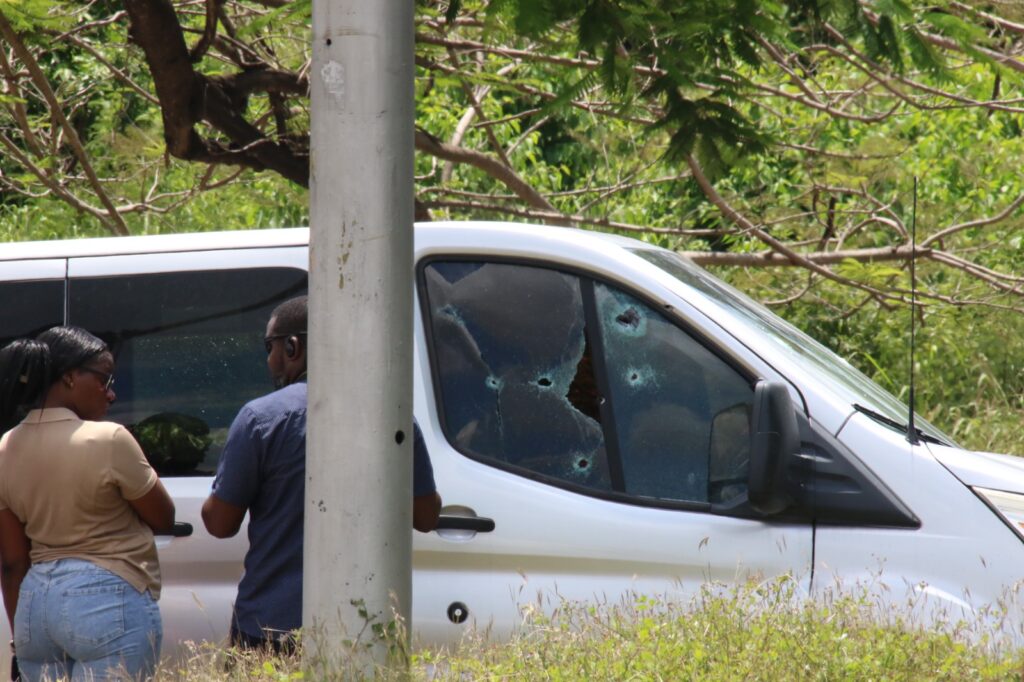
On a Friday morning on Jamaica’s busy Mandela Highway, a brazen shooting has upended routine travel and left one person dead and another hospitalized, triggering a full-scale police investigation that has closed a major westbound lane for hours. The violent incident unfolded just after 7:15 a.m. local time, near the Caymanas intersection, as a Ford Transit commercial truck moved west toward the popular population centers of Spanish Town and Portmore.
According to initial law enforcement accounts, the truck’s driver had pulled to a stop shortly after reaching the intersection when two unidentified assailants on a motorcycle pulled alongside the vehicle’s right side. The attackers immediately opened fire, shooting through the truck’s right front window and front windshield before fleeing the scene.
Two people inside the truck were hit by gunfire. First responders rushed both casualties to local medical facilities, where one victim was pronounced dead shortly after arrival. The second wounded person remains in hospital receiving care for their injuries as of Friday’s initial reports.
In the wake of the attack, Jamaican police have fully cordoned off the westbound stretch of the highway affected by the incident to process evidence and conduct their investigation. With the lane blocked, local traffic authorities have diverted all westbound vehicles away from the area, and official advisories have been issued urging motorists heading toward Spanish Town and Portmore to use the toll road or other alternate routes to avoid major delays.
Citing sources familiar with the early investigation, Jamaica’s Observer Online has confirmed that law enforcement suspects the attack was targeted. Investigators believe the intended target was the truck’s driver, a well-known prominent businessman based in Spanish Town. As of the latest update, the identity of the deceased victim has not been released to the public, pending next-of-kin notification. Police have not yet announced any arrests in connection with the shooting, and additional details are expected to be released as the investigation progresses.
-
Guyana remains confident of victory in its border dispute with Venezuela
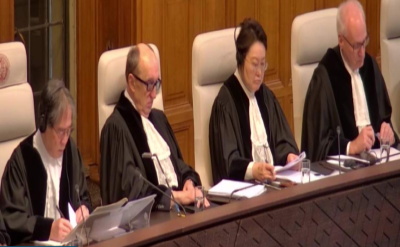
GEORGETOWN, Guyana — As the International Court of Justice (ICJ) prepares to open public oral hearings on a decades-long territorial dispute between Guyana and Venezuela, the Guyanese government has issued a clear statement of unwavering confidence in the strength of its legal case, days ahead of the proceedings scheduled to begin in The Hague on Monday.
The long-simmering border conflict traces its origins back to the 1899 Arbitral Award, which established the formal boundary between the two neighboring South American nations. That ruling stood unchallenged for more than six decades, until Caracas formally declared the award null and void in 1962 and reactivated its territorial claim to the 159,000-square-kilometer Essequibo region, a resource-rich territory that makes up roughly two-thirds of Guyana’s total land area.
In accordance with the terms of the 1966 Geneva Agreement, which lays out a framework for peaceful negotiation of the dispute, the two nations held years of bilateral talks aimed at reaching a mutually acceptable resolution. When those diplomatic efforts failed to produce a breakthrough, the United Nations Secretary-General referred the matter to the ICJ for binding adjudication. Guyana formally brought the case before the court in 2018, requesting a formal ruling confirming the full legal validity of the 1899 border award.
The ICJ has already cleared two key procedural hurdles for the case, twice upholding its jurisdiction to hear the merits of the dispute in rulings issued in December 2020 and April 2023. The court also granted two provisional measures orders at Guyana’s request, requiring Venezuela to refrain from interfering in Guyana’s lawful governance and administration of the disputed territory while proceedings remain ongoing.
Oral hearings on the core legal merits of the case are scheduled to run from May 4 to May 8, with a possible extension into the following week, according to Guyana’s Attorney General and Minister of Legal Affairs Mohabir Anil Nandlall. Both sides will present their full legal arguments before the court during these proceedings.
In its official statement released Friday, the Guyanese government reaffirmed its optimistic stance ahead of the hearings. “Guyana approaches these hearings with full confidence in the strength of its case, which is supported by the historical record and the applicable legal principles relating to the binding nature of arbitral awards, the sanctity of treaties, the respect for the rule of law and the stability of boundaries,” the Ministry of Foreign Affairs and International Cooperation said.
The long-running dispute has spilled into public diplomacy in recent weeks, sparked by a small but symbolic controversy surrounding a brooch worn by Venezuela’s Acting President Delcy Rodriguez during talks with the heads of government of Barbados and Grenada earlier this month. The brooch featured a map of Venezuela that explicitly included the Essequibo region as part of Venezuelan territory.
Guyanese President Dr. Irfaan Ali publicly expressed “grave concern” over the display, and the 15-member Caribbean Community (Caricom), a regional bloc that has repeatedly backed Guyana’s position, also noted its objection to the public presentation of material asserting Venezuela’s territorial claim during an official regional engagement.
Rodriguez dismissed the concerns during an anti-sanctions rally held at the Municipal Theatre of Valencia in Venezuela’s Carabobo state, insisting that Caracas would not back down from its long-held claim. She framed the criticism as an overreaction, saying, “You know that the president of Guyana is now causing a scandal because I always wear the pin with the map of Venezuela. The only map I have ever known. Now they are even bothered by how I dress.”
Moving forward, Rodriguez said Venezuela would use its time before the ICJ to reaffirm its longstanding position, which she framed as aligned with international law and the terms of the 1966 Geneva Agreement. “We will soon be at the International Court of Justice (ICJ) in the coming days to reaffirm our historic position, which is international law and respect for the Geneva Agreement. It is outrageous when Venezuela is attacked, and that is why we are undertaking this entire process of spiritual revitalisation for the good of our nation,” she added.
-
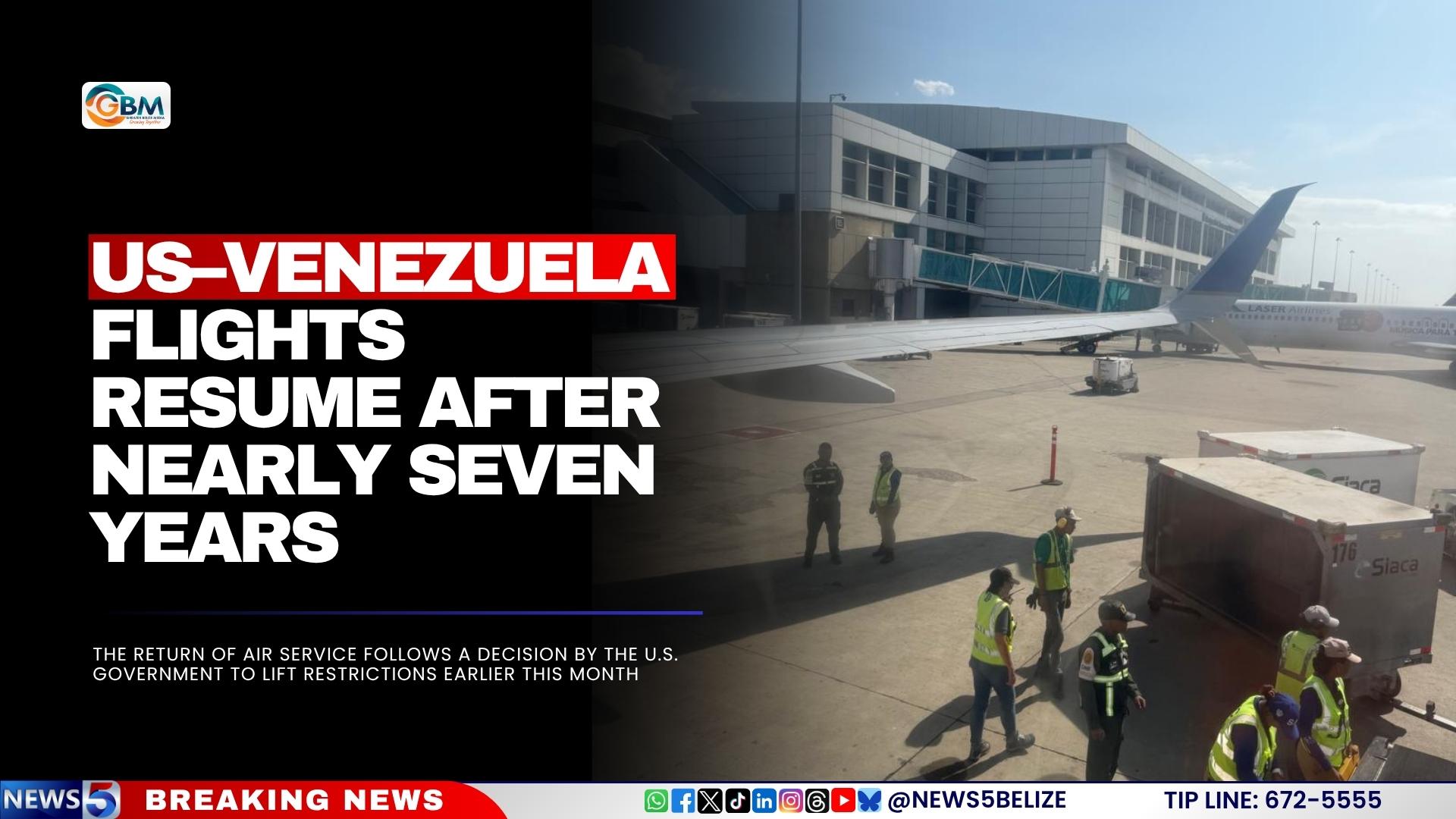
US–Venezuela Flights Resume After Nearly Seven Years
After nearly seven years of suspended air connectivity, commercial flights between the United States and Venezuela officially resumed on April 30, 2026, representing the most visible milestone to date in the gradual thawing of diplomatic and economic relations between the two nations.
American Airlines, the first U.S. carrier to restart the route, operated the inaugural service that departed Miami International Airport and touched down in Caracas, Venezuela’s capital. The non-stop journey took just under three and a half hours, with the return leg to Miami scheduled for the same day. Going forward, the airline will operate daily flights on the route, opening up reliable passenger travel for the first time since the 2019 U.S. government-imposed ban halted all civilian air service between the two countries.
At the Miami departure gate, the relaunch was greeted by palpable excitement among passengers, a group that included traveling members of the public, journalists, and government representatives. Initial data from the carrier showed that roughly two-thirds of the flight’s seats were sold for the first trip, reflecting unmet demand for direct travel between the U.S. and Venezuela.
The resumption of air service came after the Biden administration moved to lift travel restrictions earlier this month. U.S. authorities concluded that updated security assessments no longer flagged Venezuela as an unacceptable risk for passenger and crew safety. The policy shift on flights comes alongside a broader easing of U.S. economic sanctions on Venezuela, a change designed to open new space for increased cross-border economic activity and reconnect the South American nation to global international markets.
Even as both sides take incremental steps toward normalized relations, notable uncertainty still clouds Venezuela’s long-term political trajectory. The incumbent Venezuelan government has yet to publicly commit to a clear timeline for holding new national elections, while key opposition leaders—including prominent opposition figure María Corina Machado—have already stated that the opposition is prepared to participate in any competitive electoral contest that is called.
-
Persvrijheid wereldwijd op laagste niveau in 25 jaar, Suriname onder druk
Global press freedom has fallen to its lowest level in 25 years, leading press freedom non-governmental organization Reporters Without Borders (RSF) has warned in its annual World Press Freedom Index, which ranks 180 countries across the world on conditions for independent journalism. For the first time since the index launched in 2002, more than half of all ranked nations fall into the “difficult” or “very serious” categories for press freedom, marking an alarming global shift that sees journalism increasingly labeled as a criminal act.
Northern European nations continue to dominate the top of the 2026 rankings, with Norway, the Netherlands and Estonia claiming the first three positions. France ranks 25th, earning a “satisfactory” rating, while the United States drops seven places to 64th, a ranking categorized as “problematic”—a decline that RSF ties to the political shifts since Donald Trump took office as U.S. president.
Across the Caribbean and South American region, press freedom conditions vary widely, with growing challenges for many local media outlets. Suriname falls to 34th place, down from 28th two years ago and 32nd last year, categorized as a nation with “moderate” press freedom but facing clear ongoing threats. Journalists in Suriname regularly face pressure and intimidation, particularly when reporting critically on political activity and government corruption. Recent legal actions against media outlets and reporters that hold public officials to account underscore how vulnerable independent press remains in the country. Neighboring Guyana ranks 73rd, grappling with frequent political interference in media operations and documented restrictions on press freedom. Reports of threats against independent journalists and attempts to censor media organizations, especially around election cycles and the exposure of political scandals, have severely restricted free information flow and open public debate in the country. While Barbados and Trinidad and Tobago rank far higher at 19th, delivering relatively better conditions for press, even these nations face growing concerns over journalist safety and pressure from political and corporate economic interests. In Jamaica and Haiti, journalists are regularly targeted with violence and intimidation, especially when investigating organized crime and systemic corruption. In Haiti, the unstable security situation and near-total lack of effective legal protection have left press freedom in an extremely precarious state.
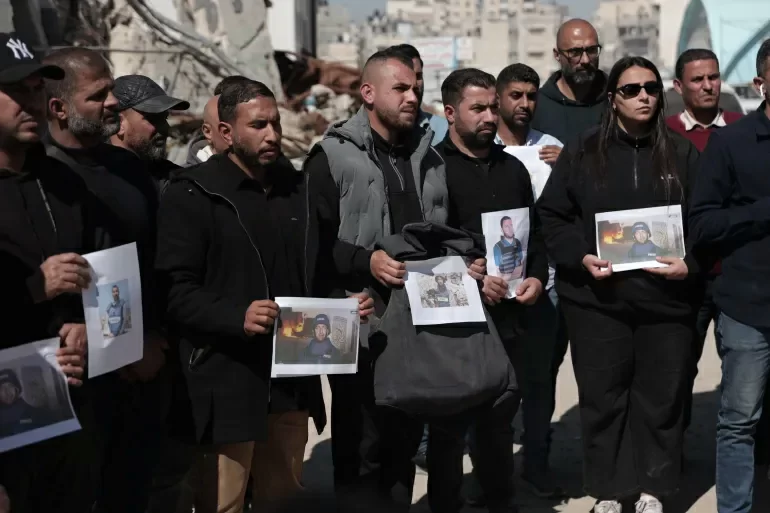
Globally, RSF highlights dramatic plunges in rankings for nations where political pressure on journalists has spiked. Argentina fell 11 places to 94th, while El Salvador has dropped a staggering 105 places since 2014 to land at 143rd, with both seeing rising political unrest and growing violence against members of the press. The NGO identifies Eastern Europe and the Middle East as the most dangerous regions globally for journalists. Russia ranks 172nd and Iran 177th, both placing among the bottom 10 countries on the index. Israel, ranked 116th, faces widespread criticism from RSF for repeated attacks on journalists operating in Gaza, the West Bank and Lebanon. Since October 2023, more than 220 journalists have been killed by Israeli military operations in Gaza, with at least 70 of those deaths occurring while journalists were on active duty, the organization confirms. RSF also notes that the Israeli military has become the world’s single largest killer of journalists this period.
A core finding of the 2026 index is that more than 60 percent of all ranked countries—110 out of 180—criminalize journalists through a range of repressive tactics. These include widespread misuse of emergency legislation to restrict press activity and implement arbitrary limits on reporting. Prominent examples cited by RSF include India (157th), Egypt (169th), Georgia (135th), Turkey (163rd) and Hong Kong (140th).
Anne Bocande, editor-in-chief of RSF, attributes the global collapse in press freedom to four overlapping factors: the rise of authoritarian governments, systemic political incompetence, capture of media and policy by unaccountable economic interests, and insufficient regulation of large online digital platforms. Bocande has called on democratic governments and global civil society to take far stronger action to end the criminalization of journalism, implementing robust legal protections for reporters and imposing meaningful sanctions on actors that target the press. “Current protection mechanisms are insufficient, international law is being undermined, and impunity for attacks on journalists is widespread,” Bocande warned. “Doing nothing is a form of consent. The spread of authoritarianism is not inevitable.”
-
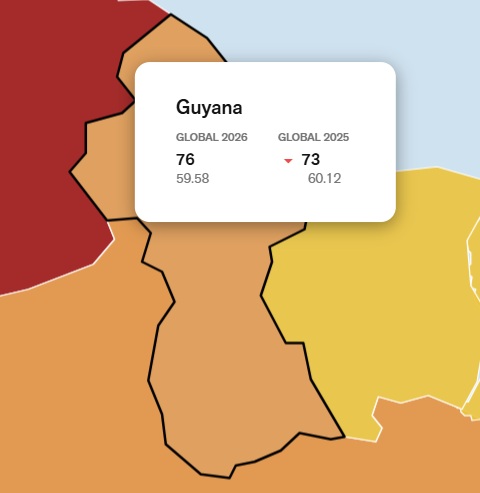
Guyana slips further on global press freedom ranking; situation remains “problematic”
On 30 April 2026, global press freedom advocacy group Reporters Without Borders (RSF) released its annual World Press Freedom Index, marking a historic low for open journalism worldwide and recording a slight but concerning decline for Guyana’s press freedom standing.
In this year’s evaluation of 180 countries and territories, Guyana fell three spots to 76th place, down from 73rd in the 2025 ranking. Its overall press freedom score also dipped from 60.12 out of 100 last year to 59.58 this year, placing the South American nation firmly in RSF’s “problematic” press freedom category.
While RSF acknowledged that Guyana’s legal framework formally protects free speech and the public’s right to information, the organization outlined a series of growing barriers to independent journalism in the country. The report noted that media outlets critical of the ruling administration face routine targeted intimidation, and the financial sustainability of independent outlets is undermined by the deliberate withdrawal of state advertising for political reasons. Presidential press conferences are extremely rare and heavily curated, and early this year, Guyana’s National Assembly implemented controversial new access restrictions that ban news cameras from the chamber, limiting press coverage of legislative proceedings.
Notably, the RSF report omitted several key concerns repeatedly raised by the Guyana Press Association (GPA), the country’s leading representative body for journalists. These gaps include a near-total shutdown of routine public information access: only one ministerial press conference has been held in 2026 to date, convened solely by the Home Affairs Minister to address a gas station bombing. Requests for information from the Office of the Commissioner of Information are almost universally denied, and the Guyana Police Force consistently fails to respond to basic media queries, a issue that top government officials including the president, home affairs minister and attorney general have been aware of for months. In place of open press engagements, the president and a small circle of senior ministers now rely exclusively on one-way information dissemination via social media, eliminating the longstanding practice of answering journalist questions on behalf of the public. The RSF report also made no mention of the fact that parliamentary committees, which are meant to provide transparent oversight of government action, have yet to convene public sessions accessible to media and citizens.
RSF’s assessment included the contradictory observation that Guyanese journalists are generally permitted to work freely and independently, despite widespread documentation of harm. Local journalists have repeatedly documented verbal harassment and aggressive intimidation from sitting politicians — including the president and vice president — and their political supporters. The organization also confirmed structural threats to media independence: all members of Guyana’s media regulatory body are directly appointed by the president, giving the executive branch unilateral power to revoke operating licenses for critical outlets, creating a chilling effect on independent reporting.
On the safety front, RSF found that physical violence against journalists remains rare in Guyana, but media professionals face growing non-physical threats: routine online harassment from political actors and anonymous accounts, legal intimidation, and arbitrary temporary suspensions of press access. To date, no perpetrators have been prosecuted for these online and off-line attacks on journalists, creating a culture of impunity.
Beyond Guyana’s specific situation, the 2026 World Press Freedom Index delivered a grim global assessment: for the first time in the 25-year history of the ranking, more than half of all assessed countries fall into RSF’s “difficult” or “very serious” categories for press freedom. The global average press freedom score across 180 nations hit its lowest point since the index launched in 2001.
RSF attributed the steady global decline to the expansion of restrictive legal frameworks, particularly measures tied to national security policies that have steadily eroded the public’s right to information — even in longstanding democratic nations. The index’s legal freedom indicator recorded the largest single-year drop in the past year, a clear signal that journalism is increasingly being criminalized across the globe. In the Americas region specifically, the report noted significant deterioration: the United States fell seven places in the 2026 ranking, and multiple Latin American countries have continued to slide deeper into cycles of violence and political repression against independent media.
-
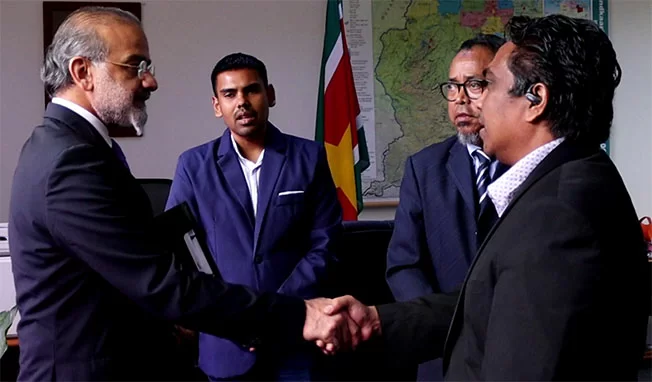
Suriname en Pakistan praten over rijst, innovatie en Caricom-markt
On 30 April, Suriname’s Minister of Agriculture, Livestock and Fisheries (LVV) Mike Noersalim held a high-level meeting with Pakistani Ambassador to Suriname Murad Ashraf Janjua, where the two sides agreed to build a bilateral agricultural partnership centered on knowledge sharing and joint research to address common challenges facing their farming sectors.
Both South American Suriname and South Asian Pakistan confront overlapping pressing issues in agriculture: the growing negative impacts of climate change on crop yields and farming stability, paired with a sharp decline in young people’s interest in pursuing careers in the agricultural sector. Recognizing these shared obstacles, the two governments have committed to collaborating on targeted, practical solutions, rather than working in isolation.
A core focus of the new partnership will be basmati rice, a long-grain aromatic variety globally renowned for its quality and flavor. Pakistan has decades of advanced experience cultivating basmati rice, and holds globally recognized elite varieties of the crop. Currently, Suriname meets all domestic demand for basmati rice through imports, with no local commercial production of the grain. Under the new cooperation framework, the two sides will explore opportunities to launch local basmati cultivation in Suriname, drawing on Pakistani expertise.
Knowledge sharing will also extend to high-quality seed development, a critical foundation for stable, high-yield agriculture. Pakistan’s agricultural research institutions will partner with Suriname’s Anne van Dijk Rice Research Center Nickerie (Adron) to transfer technical know-how for improved basmati seed production, helping Suriname build local capacity to develop its own high-quality basmati seed stock.
Organic agriculture is another key area for mutual learning. Pakistan has placed significant strategic priority on expanding organic food production, which is grown without synthetic pesticides or chemical fertilizers, and is widely seen as a healthier, more environmentally sustainable alternative to conventional farming. For its part, Suriname already produces 100% organic upland rice, a disease-resistant variety that has been cultivated locally for decades. The Surinamese government recently launched an initiative to scale up production of this organic rice to meet growing global demand for organic agricultural goods, and the two sides exchanged insights on organic sector development during the meeting.
Beyond technical agricultural cooperation, the talks also explored broader economic opportunities within the framework of the Caribbean Community (Caricom), Suriname’s regional trade bloc. The two sides discussed the potential for Pakistani private companies to enter the Caricom market through public-private partnership (PPP) models with local Surinamese businesses, opening new trade and investment pathways for both sides.
Following the meeting, Minister Noersalim highlighted that the discussion laid a clear foundation for future collaboration, noting that both sides exchanged open insights on their respective sector experiences and priorities. While market access opportunities within Caricom were explored, Noersalim emphasized that knowledge transfer and joint agricultural research remain the central pillars of the new bilateral partnership.
This cooperation marks a new chapter in agricultural diplomacy between the two nations, bringing together complementary strengths to address shared global challenges in food security and sustainable farming.
-
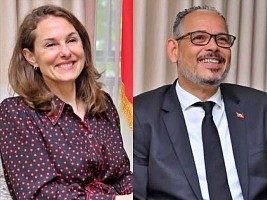
Princess Sarah Zeid of Jordan makes a humanitarian visit to Haiti
In a high-stakes visit focused on addressing Haiti’s deepening humanitarian crisis, Princess Sarah Zeid of Jordan — Senior Special Advisor to the United Nations World Food Programme (WFP) — traveled to the Caribbean nation for an official mission in late April 2026, holding a series of strategic meetings with top Haitian government officials and global development stakeholders.
On April 29, the first full day of her trip, Haitian Prime Minister Alix Didier Fils-Aimé formally welcomed Princess Sarah Zeid, opening talks centered on the country’s pressing humanitarian needs. Fils-Aimé used the meeting to reaffirm his administration’s unwavering dedication to lifting living standards for millions of Haitian residents, even amid the extraordinary security, economic and social instability that has defined the nation’s recent landscape. During their conversation, the prime minister also outlined the emergency and long-term measures his government has rolled out to bolster protections for Haiti’s most marginalized groups, with a specific focus on women and children, who bear the brunt of the ongoing crisis.
The visit also included a cordial, outcome-focused discussion between Princess Sarah Zeid and Haitian Foreign Minister Raina Forbin. The pair centered their dialogue on expanding and deepening institutional cooperation between the Haitian government and the WFP, with particular attention to improving maternal and child health outcomes in the country’s challenging humanitarian context. Joining the meeting were Nicole Boni Kouassi, United Nations Resident Coordinator in Haiti, and Wanja Kaaria, WFP’s Country Director for the nation. Forbin publicly praised Princess Sarah Zeid’s decades-long dedicated leadership in global humanitarian action, specifically calling out her work advancing maternal and neonatal health equity around the world. She also reaffirmed the Haitian government’s commitment to growing this strategic partnership to deliver tangible support to the country’s most vulnerable communities.
Beyond government bilateral talks, Princess Sarah Zeid led a high-level strategic gathering at Port-au-Prince’s Karibe Hotel, which convened a cross-section of Haitian national leaders and international representatives united around three core goals: building lasting peace in Haiti, advancing inclusive development, strengthening protections for women and girls, and expanding support for survivors of gender-based violence. Attendees framed discussions around two central priorities: providing targeted resourcing and policy support to grassroots Haitian feminist organizations, and advancing the sustainable restoration of security and peace across the country.
The Karibe Hotel meeting included a diverse roster of attendees, among them Marie Goretti Nduwayo, UN Women Representative to Haiti; Nicole Kouassi, who serves dual roles as UN Resident and Humanitarian Coordinator with the UN Integrated Office in Haiti (BINUH); Wanja Kaaria, WFP’s Haiti representative; Yuki Takemoto, UNAIDS Country Representative for Haiti; Stéphanie Smith, Haiti’s Minister of Tourism; and Pédrica Saint-Jean, Haiti’s Minister for the Status of Women and Women’s Rights. The gathering also included delegations from roughly 10 grassroots Haitian women’s and feminist organizations, ensuring local voices shaped the strategic conversations around the future of gender equity and peacebuilding in the country.