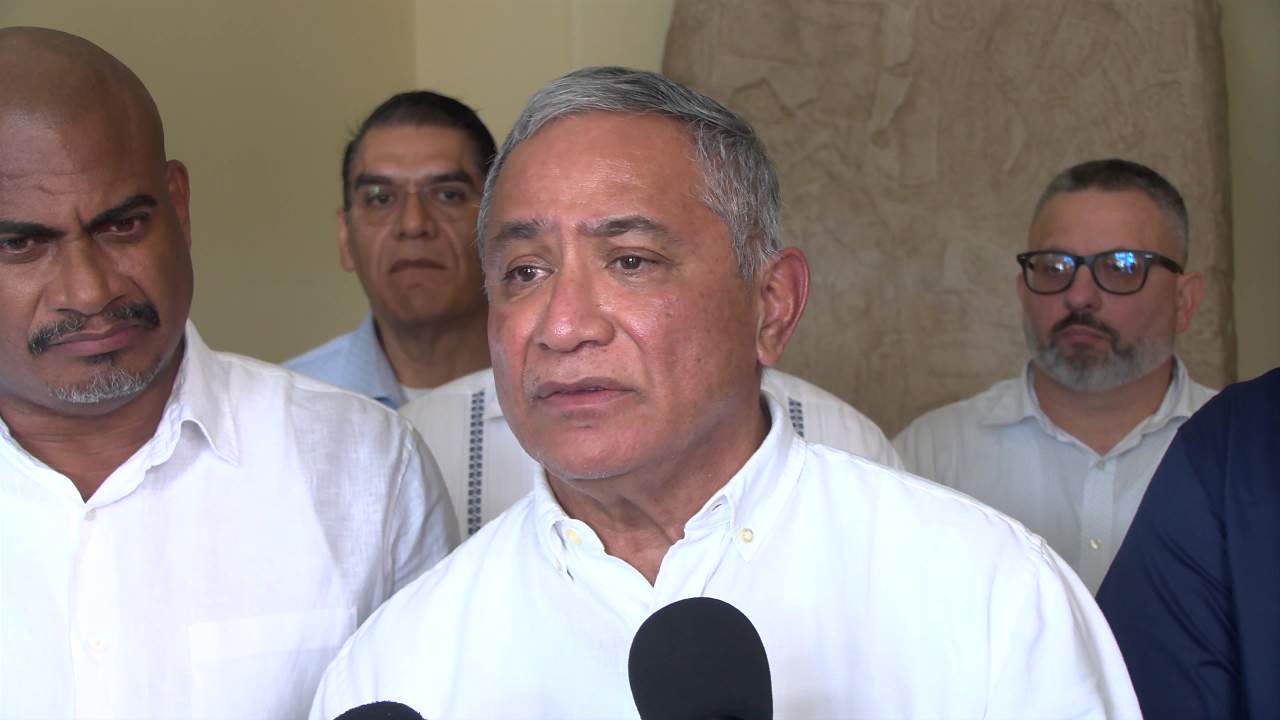
Growing concerns over cartel activity near Belize’s northern border have prompted Prime Minister John Briceño to address the issue publicly. Reports suggest that criminal networks are increasingly encroaching on the Corozal Free Zone, raising alarms about national security. Briceño acknowledged the seriousness of the threat, emphasizing his government’s commitment to safeguarding the nation. He highlighted recent efforts to bolster border security, including increased patrols by the police, Belize Defence Force (BDF), and Coast Guard. An additional $8 million has been allocated to equip these forces with necessary resources and compensate them for extended working hours. Briceño, who has consistently expressed concerns about cartel influence since taking office in 2020, reiterated that the safety of Belize’s citizens remains the top priority. Despite the challenges, the administration remains resolute in its efforts to curb cartel infiltration and protect the country’s borders.
分类: world
-
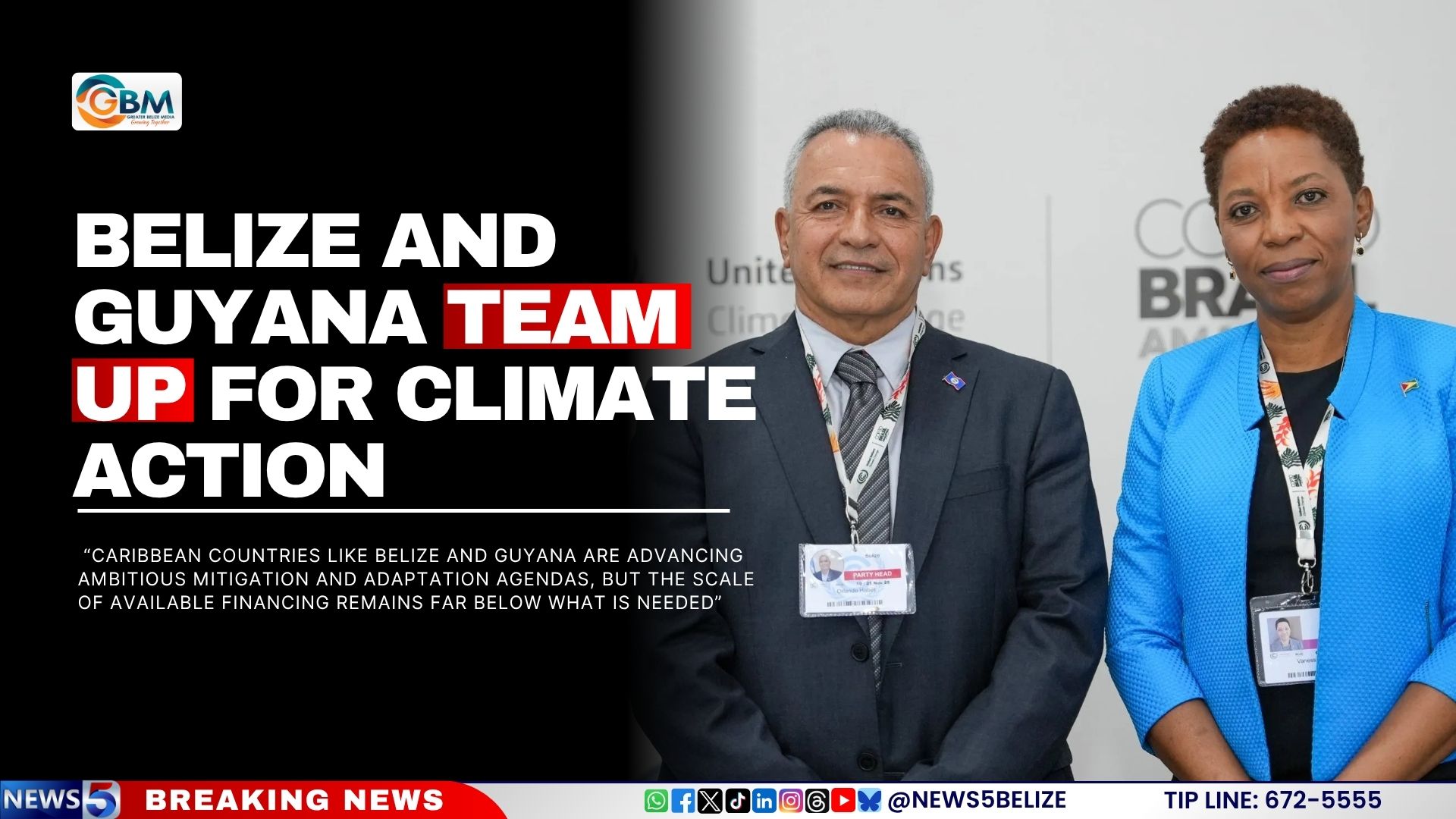
Belize and Guyana Team Up for Climate Action
At the COP30 summit in Brazil, Belize and Guyana demonstrated how small nations can lead significant climate action. During a joint side event titled “Building Climate Resilience in Belize and Guyana,” the two countries unveiled a collaborative initiative to combat climate change by sharing expertise, technology, and strategies. The partnership focuses on addressing rising sea levels, extreme weather events, and forest conservation. Belize’s Minister of Sustainable Development, Orlando Habet, emphasized the challenges faced by nations like Belize, which contribute minimally to climate change but struggle to secure necessary funding. Guyana showcased its internationally acclaimed Low Carbon Development Strategy, which focuses on forest protection and carbon market management. Belize, on the other hand, highlighted its community-driven climate planning, Biennial Transparency Report, and the newly proposed Carbon Markets Initiative Bill. Guyana’s Minister Vanessa Benn called for bold action, noting that Caribbean nations are pushing forward with ambitious mitigation and adaptation plans despite insufficient financial support. “We are not waiting to act,” she asserted, underscoring the urgency of the climate crisis.
-
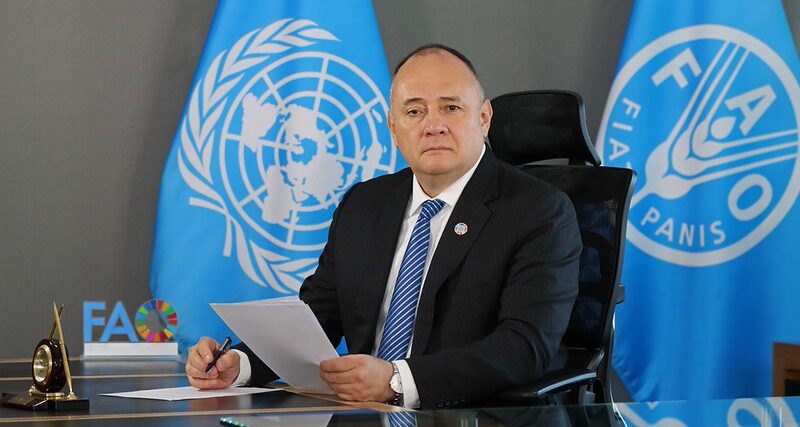
OP-ED: COP30 – Urgent financing to transform agrifood systems
Climate change has transitioned from a distant threat to an immediate reality, profoundly impacting agrifood systems and jeopardizing global food security. Its effects are multifaceted, influencing agricultural yields, water resources, pest dynamics, disease proliferation, and even the nutritional value of crops due to changes in atmospheric CO₂ levels. In 2024 alone, climate shocks triggered food crises in 18 countries, leaving 72 million people in severe food insecurity. Hurricane Mellisa, which devastated Jamaica, Haiti, and Cuba, serves as a stark reminder of the destructive power of such events on food systems. Over the past 50 years, climate change has reduced global cereal yields by 2%-5%, with maize yields in Latin America declining by approximately 5%. Since 1961, global agricultural productivity has dropped by 21%, equivalent to losing seven years of progress. These alarming statistics underscore the urgent need to transform agrifood systems through accelerated mitigation and adaptation measures. However, achieving this requires addressing a significant financing gap. In 2023, only 4% of climate-related development financing was directed toward agriculture, livestock, fisheries, and forestry, leaving vulnerable nations ill-equipped to adapt and transition to sustainable models. To build resilient and sustainable agrifood systems, climate financing must prioritize agriculture and rural livelihoods. Without adequate resources, international commitments will remain hollow promises. COP30 emerges as a pivotal moment to address these challenges. Initiatives like the Tropical Forests Forever Fund (TFFF), spearheaded by Brazil with World Bank support, aim to mobilize $25 billion from countries and $100 billion from private investors for global forest conservation. This innovative approach highlights the economic potential of sustainability. The early approval of the COP30 agenda reflects political will to advance climate financing, energy transition, and resilience. However, translating commitments into actionable targets with clear deadlines and real resources is essential. The FAO is championing strategies that integrate mitigation and adaptation, such as integrated fire management, supported by 50 countries. COP30 must place agriculture, food security, and the role of Indigenous Peoples and rural communities at the forefront of global discussions. The future of food, sustainability, and global stability hinges on COP30 marking the dawn of a new era in climate action centered on agrifood systems.
-
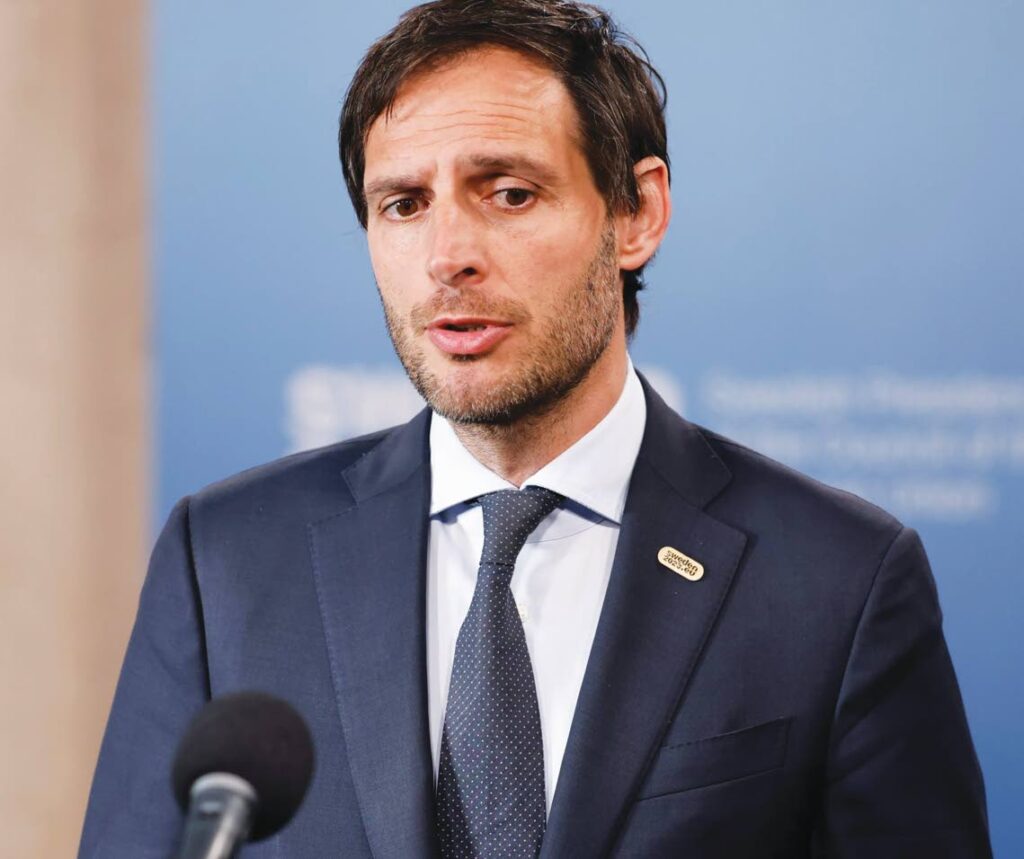
Draft COP30 agreement a ‘mixed bag’, says EU climate chief
At the UN COP30 summit in Belém, Brazil, European Union climate chief Wopke Hoekstra firmly dismissed the possibility of revisiting financial commitments or engaging in what he termed a ‘phony conversation about trade measures.’ This statement came shortly after Brazil, the host nation, unveiled a preliminary draft agreement following intense overnight negotiations. The nine-page document, titled ‘Global Mutirao,’ encapsulates a range of proposals on contentious issues such as trade measures, climate finance for developing nations, and the global inadequacy of carbon reduction targets. Despite the draft’s broad scope, it underscores the persistent divisions among nearly 200 participating nations. Hoekstra emphasized that the EU would not reopen last year’s hard-fought compromise on financing, signaling a firm stance on maintaining existing agreements. The draft proposes several options, including an optional workshop on low-carbon solutions and a high-level ministerial roundtable to address fossil fuel dependency. Additionally, it suggests tripling financial aid from wealthy nations to developing countries by 2030 or 2035, a key demand from poorer nations. On trade, the draft outlines four proposals, including a potential UN summit to address climate-related trade disputes. Observers noted that the swift release of the draft indicates the COP30 presidency’s confidence in reaching a resolution soon. However, the stark divide between nations advocating for a fossil fuel phase-out roadmap and oil-producing countries opposing such measures remains a significant hurdle. The summit is scheduled to conclude on Friday, though past climate talks have often extended beyond their official deadlines.
-

This Day in History – November 19
As the 323rd day of 2025 unfolds, the world reflects on a tapestry of historical milestones and significant events that have shaped societies across the globe. Today marks the establishment of the Castleton Botanical Gardens in St Mary, Jamaica, in 1862, a testament to the enduring beauty of nature and human ingenuity. In 1915, the execution of labour organiser and songwriter Joe Hill by Utah state officials cemented his legacy as a folk hero in the American labour movement. The Soviet Government’s formal abolition of radio broadcasting by foreign correspondents in 1946 highlighted the tightening grip of state control during the Cold War era. A landmark moment in religious history occurred in 1965 when the ecumenical council adopted a declaration affirming freedom of conscience as Church doctrine, a decision that continues to resonate in theological discourse. The completion of the 12.9-kilometre Confederation Bridge in 1996, the longest bridge over ice-covered waters, stands as a marvel of engineering and a symbol of unity between Prince Edward Island and New Brunswick. In 1998, a historic moment unfolded as South Korean tourists entered North Korea for the first time since the division of the Korean Peninsula, marking a tentative step towards reconciliation. The release of the Nintendo Wii in 2006 revolutionised the gaming industry, while Amazon.com’s introduction of the Kindle in 2007 transformed the way people read and access literature. A 2009 study published in Nature revealed alarming trends in the world’s oceans’ ability to absorb atmospheric carbon dioxide, underscoring the urgency of addressing climate change. In 2010, the US Transportation Safety Administration exempted uniformed airline pilots from new screening procedures, a decision that sparked debates over security and privacy. The untimely death of New Zealand rugby legend Jonah Lomu in 2015 left the sports world in mourning, while Zimbabwean President Robert Mugabe’s refusal to resign in 2017 marked a tumultuous chapter in the nation’s political history. The Weeknd’s 2019 hit single Blinding Lights achieved unprecedented success, becoming the longest-charting song on Billboard’s Top 100. Meanwhile, protests in Iran resulted in significant casualties, with Amnesty International reporting 106 deaths over five days. A 2020 inquiry exposed unlawful killings by elite Australian troops in Afghanistan, casting a shadow over the nation’s military operations. Austria’s 2021 decision to mandate COVID-19 vaccinations marked a bold step in pandemic response, while Malaysia’s 2022 general elections produced the country’s first-ever hung Parliament. In 2023, Brazil recorded its highest-ever temperature of 112.6°F, a stark reminder of the escalating climate crisis. Today also celebrates the birthdays of notable figures such as Ferdinand de Lesseps, Calvin Klein, Savion Glover, and Winston “Merritone” Blake, whose contributions have left indelible marks on their respective fields.
-

Catholic Church urges leaders: Calm the troubled waters
The Catholic Church has voiced strong opposition to Trinidad and Tobago’s (TT) government’s recent decision to conduct mass deportations of detained Venezuelan migrants. In a statement issued on November 17 by the Catholic Commission for Social Justice (CCSJ) of the Archdiocese of Port of Spain, the Church expressed solidarity with the Antilles Episcopal Conference (AEC), Archbishop Charles Jason Gordon, and the Conference on Theology in the Caribbean Today (CTCT). The CCSJ raised concerns over escalating geopolitical tensions in the Southern Caribbean, including lethal military strikes on vessels suspected of drug trafficking and the growing humanitarian crisis affecting migrants across the region. The Church warned that the Caribbean’s longstanding reputation as a ‘zone of peace’ is under threat, particularly with the significant presence of US military forces, including the USS Gerald R Ford, in the Caribbean Sea. The CCSJ urged regional leaders to prioritize dialogue over confrontation and to consider the potential repercussions of US President Donald Trump’s actions on TT and the wider region. The commission criticized the US naval operations near Venezuela, which have led to the deaths of 83 people since September, raising fears of extrajudicial killings. The CCSJ emphasized that such actions violate international human rights laws and Catholic teachings on the sanctity of life. While acknowledging TT’s right to secure its borders, the Church insisted on adherence to international law, particularly the principle of non-refoulement, which prohibits returning refugees to countries where they face persecution. The CCSJ also highlighted the closure of the UNHCR national office in TT, which has exacerbated the crisis by leaving thousands of migrants without access to registration or protection. The Church called for political restraint, regional unity, and diplomatic efforts to maintain peace. It urged Caribbean governments to prioritize humanitarian protection and to strengthen regional diplomacy. The CCSJ announced plans to expand partnerships with civil society to support migrants and refugees, emphasizing that they are ‘children of God’ and not political pawns. The commission recommended a pause on mass deportations, renewed engagement with UNHCR and the International Organization for Migration, and the incorporation of the 1951 Refugee Convention into TT law. Additionally, it called for public education to counter misinformation and promote solidarity, as well as collective action to safeguard human dignity.
-
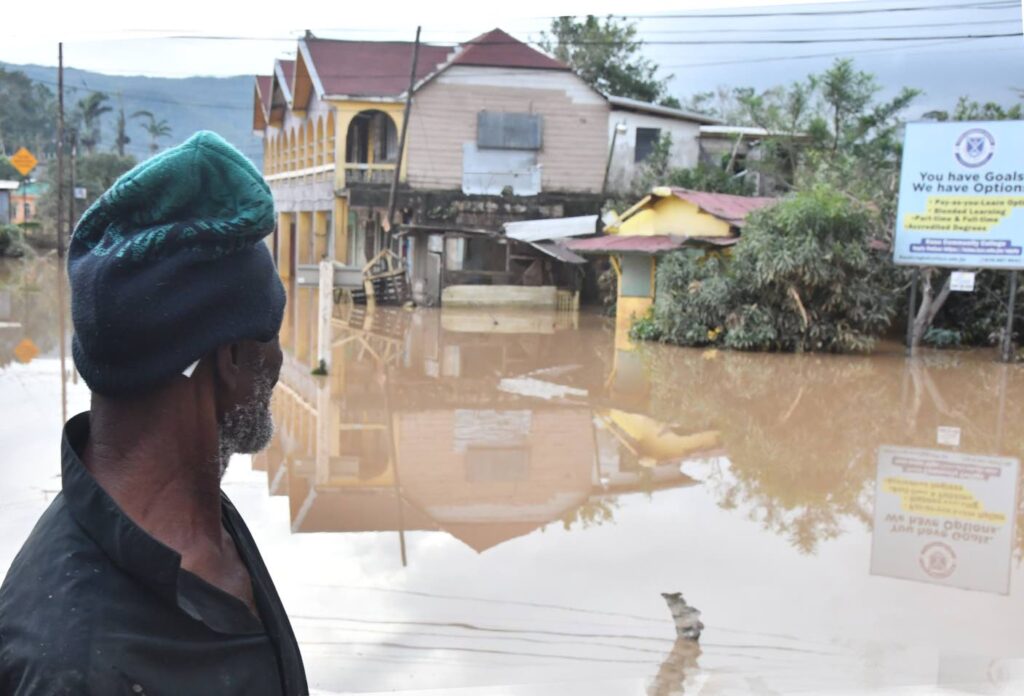
Damage from Hurricane Melissa now put at US$8.8 billion
The catastrophic impact of Hurricane Melissa, which struck Jamaica’s southwestern coast on October 28, has been quantified at a staggering $8.8 billion. This updated estimate, presented by Lilia Burunciuc, the World Bank Country Director for the Caribbean, was disclosed during a press briefing at Jamaica House on Thursday. The figure accounts for 41% of Jamaica’s projected gross domestic product (GDP) for 2024, highlighting the immense scale of the disaster. Burunciuc emphasized that this assessment reflects only the physical damage, with economic repercussions expected to be even more severe. A comprehensive evaluation of the economic toll will follow once the monetary assessment is finalized. The parishes of St. James, Westmoreland, and St. Elizabeth bore the brunt of the hurricane’s fury, sustaining $5.5 billion in damages—63% of the total estimate. Residential buildings suffered the most significant losses, amounting to $3.7 billion, or 41% of the overall damage. This category includes homes, their contents, and mixed-use buildings classified as residential. Non-residential buildings, encompassing commercial, industrial, tourism, and public structures, incurred $1.8 billion in damages. Infrastructure damage was estimated at $2.9 billion, while agricultural losses totaled $389 million. The devastation underscores the urgent need for recovery efforts and international support to rebuild Jamaica’s affected regions.
-

Renaissance makes maiden voyage into Bridgetown
Barbados marked a significant milestone in its tourism industry as the Ambassador Cruise Line’s Renaissance cruise ship made its inaugural visit to Bridgetown Port on Monday morning. The vessel, carrying 938 passengers, was warmly welcomed by local officials and tourism representatives. Cheryl Carter, Chief Operations Officer of Barbados Tourism Marketing Inc. (BTMI), emphasized the strategic importance of Barbados as a home porting destination during a plaque exchange ceremony aboard the ship. Carter highlighted Barbados’ geographic advantage as the eastern gateway to the southern Caribbean, offering cruise lines operational efficiency and a compelling value proposition for North American and European markets. Captain Yan Jouffroy expressed gratitude for the warm reception and expressed confidence that both crew and guests would enjoy their time on the island. The Renaissance, with a capacity of approximately 1,100 passengers, is set to embark 441 travelers before heading to its next destination, Curaçao.
-

Antigua and Barbuda Urges Direct Budget Support for Disaster-Hit States
At the COP30 summit, Antigua and Barbuda welcomed the unveiling of the Global Infrastructure Resilience (GIR 2025) Report, emphasizing that its true effectiveness hinges on the accessibility of financing and support for implementing resilience measures. Ambassador Ruleta Camacho Thomas highlighted the critical issue of affordability, stating that without accessible and affordable finance, even the most advanced technical guidance remains unattainable for those who need it most. She warned that the cost of resilience should not push families into poverty and urged global partners to ensure that vulnerable communities are not excluded from safety due to financial constraints. The Caribbean region, already grappling with severe climate impacts, sees households frequently transitioning from stability to hardship. When infrastructure fails—be it roofs, coastlines, or homes—the financial burden often falls entirely on families. With reinsurers retreating from parts of the region and insurance premiums skyrocketing, many households are left unprotected against climate disasters. Ambassador Camacho Thomas stressed that without affordable financing, individuals cannot afford the upfront costs of reinforcing their homes or rebuilding to resilient standards, leaving them increasingly vulnerable each season. This cycle, she noted, transforms vulnerability into poverty and exacerbates inequality. The issue extends to the national level, where each disaster amplifies debt burdens, hindering long-term resilience investments. For instance, Hurricane Melissa in Jamaica caused losses of nearly USD 8–9 billion, yet only USD 1 billion is available for recovery. This vast gap forces governments into new borrowing, stalling resilience efforts. Ambassador Camacho Thomas called for direct budget support for highly indebted nations and a rapid, equitable scale-up of international financing. While the GIR 2025 report provides essential evidence and tools, she emphasized that real access to finance is crucial for actionable progress.
-
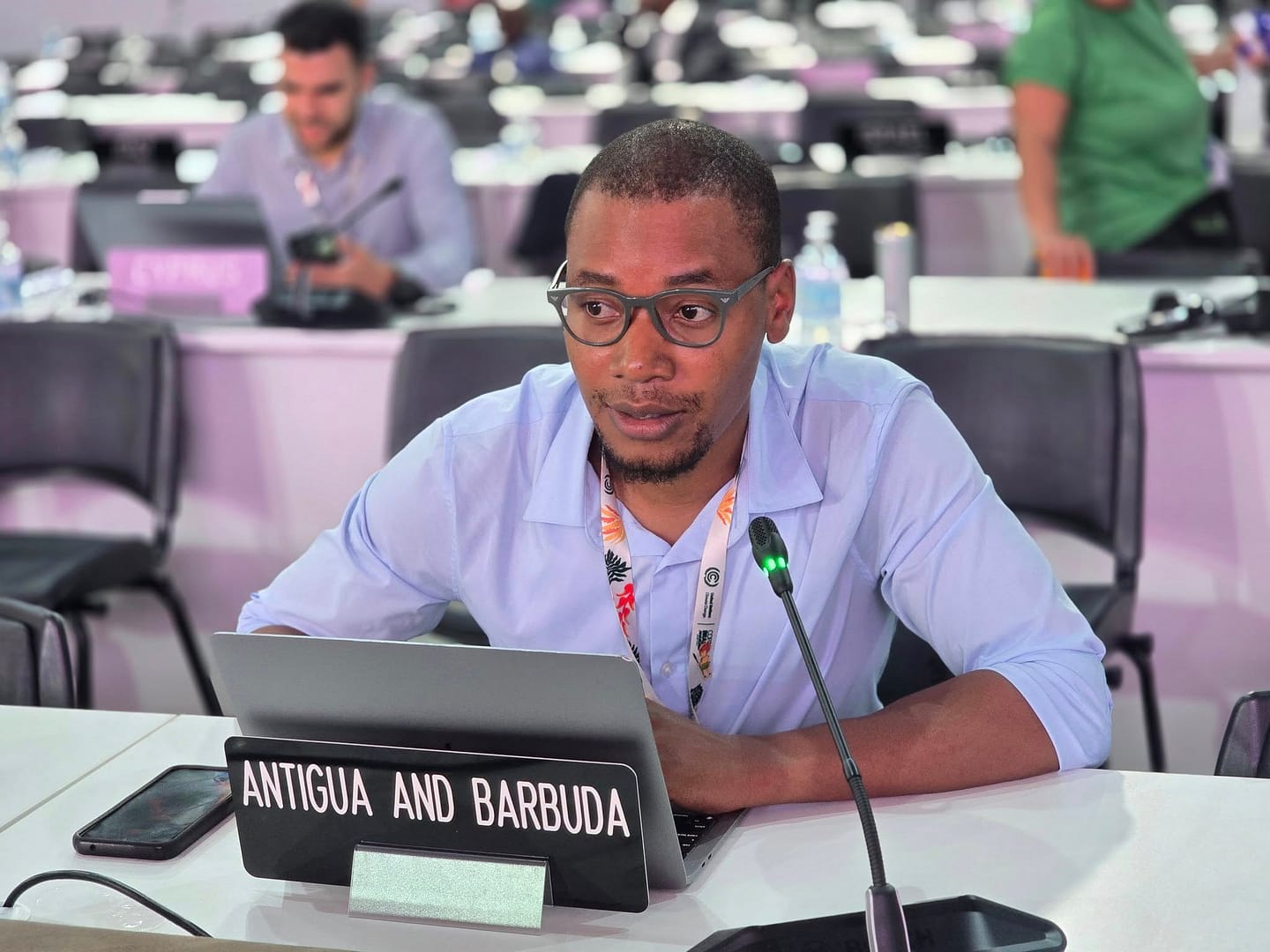
Arry Simon Delivers Closing Statement at Research and Systematic Observation Negotiations
In a week where climate discussions seemed to falter, Arry Simon, the Climate Assessment Officer at the Department of Environment and lead coordinator for the Alliance of Small Island States (AOSIS) on Research and Systematic Observations (RSO), delivered a resolute message: scientific integrity must remain paramount, and small island nations will not remain silent as deadlines are postponed. Speaking at the conclusion of recent negotiations, Simon expressed profound disappointment over the decision to delay the Periodic Review (PR)—a crucial process that evaluates global progress against the Intergovernmental Panel on Climate Change (IPCC)’s scientific benchmarks and the 1.5°C global warming target—until the 31st Conference of the Parties (COP31). He stressed that this deferral jeopardizes a vital accountability mechanism essential for vulnerable nations. ‘This review is not just a technical exercise; it’s a lifeline,’ Simon asserted, expressing confidence that the PR would proceed at COP31. Despite this setback, Simon celebrated the successful conclusion of the RSO agenda item, which highlighted advancements in climate science, including the deteriorating state of the global climate system, progress in attribution science, and the critical role of systematic observation in mitigation, adaptation, and early warning systems. AOSIS also lauded the focus on the Systematic Observations Financing Facility (SOFF), which supports Small Island Developing States (SIDS) and Least Developed Countries (LDCs) in leveraging data for policy and life-saving decisions. However, Simon raised concerns about the failure to adequately recognize the IPCC’s role as the cornerstone of the UNFCCC and the omission of ‘extremely alarming’ climate indicators, such as record-breaking global temperatures and accelerating sea-level rise. ‘The way scientific and lived truths were challenged is deeply concerning,’ Simon remarked, calling for greater accountability. As the world looks ahead to COP31, Simon emphasized AOSIS’s unwavering commitment to ensuring scientific integrity remains a priority, warning that for frontline nations, every delay is a step closer to an irreversible future.