分类: world

  • Impact of GEF funding of CSIDS Soilcare Phase 1 Project highlighted

    Impact of GEF funding of CSIDS Soilcare Phase 1 Project highlighted

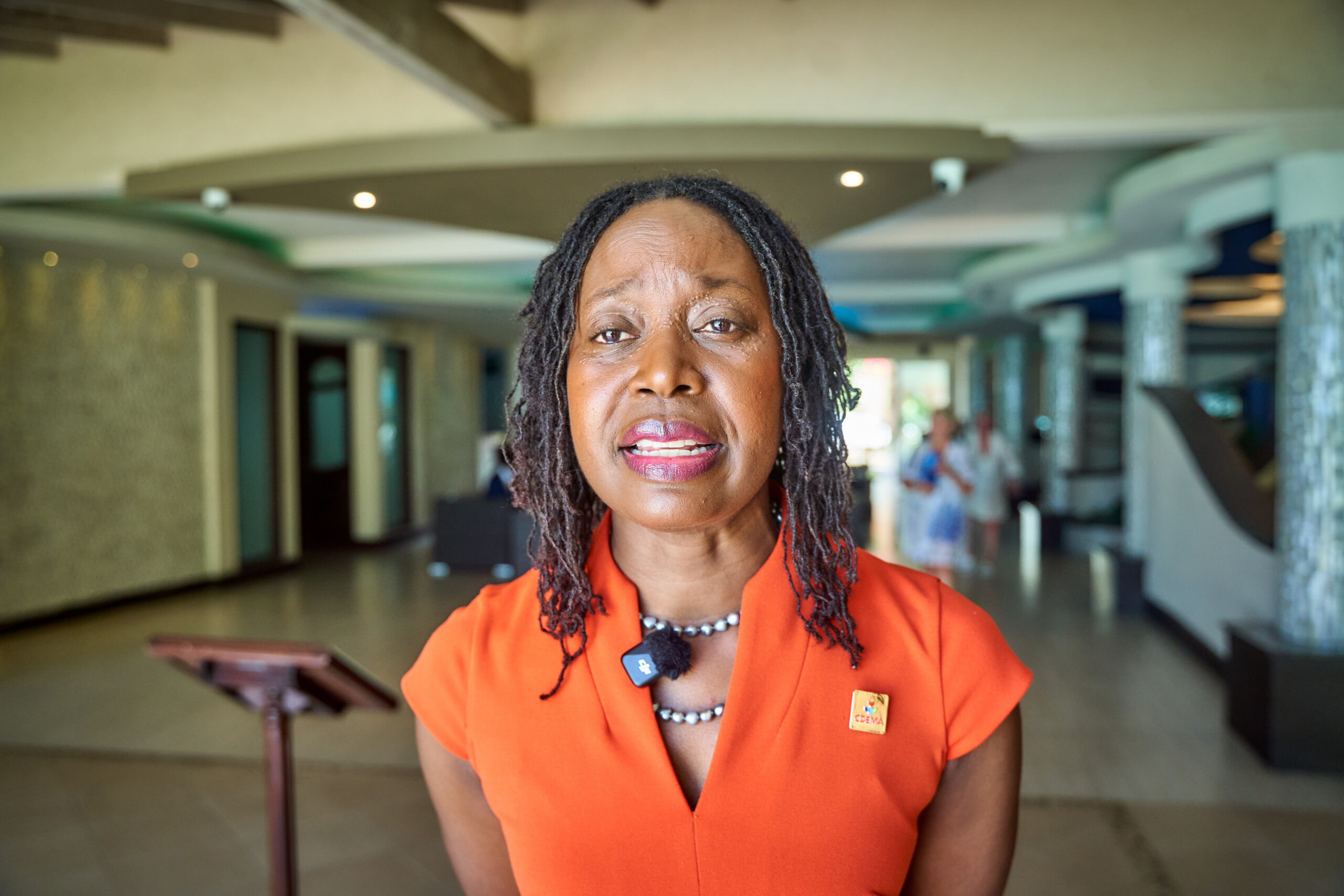
    A high-level delegation comprising representatives from the Global Environment Facility (GEF), Partnership Initiative for Sustainable Land Management (PISLM), Food and Agriculture Organisation (FAO), and the Government of Canada recently concluded an intensive assessment mission across St. Lucia and Grenada to evaluate the transformative impacts of the CSIDS SOILCARE Project. The February 17-20 mission showcased how strategic international funding is driving sustainable agricultural practices and climate resilience throughout Caribbean Small Island Developing States.

    The diplomatic engagement included substantive meetings with key government officials, including Hon. Lisa Jawahir (Minister for Agriculture, Fisheries, and Climate Change, St. Lucia), Permanent Secretary Leanwall Perrotte (Ministry of Carriacou and Petite Martinique Affairs), and Hon. Lennox Andrews with Permanent Secretary Isaac Bhagwan (Ministry of Agriculture, Lands and Forestry, Grenada). These discussions highlighted strengthened partnerships and national commitments toward advancing sustainable soil management frameworks.

    Field inspections covered critical implementation sites across the region: St. Lucia’s Sir Arthur Lewis Community College, Darban agricultural zone, and National Soil Laboratory; Carriacou’s Limlair Livestock Facility, Belair Agricultural Nursery, and Dumfries Agricultural Station; and Grenada’s St. George’s soil laboratory, Les Avocat Forest reserve, and Chambord intervention sites.

    Dr. Ronen Francis, Executive Director of PISLM, emphasized the mission’s importance in demonstrating tangible outcomes: “This undertaking allows us to showcase to GEF and Canadian partners how implemented work directly transforms landscapes and community livelihoods within project areas.”

    Neila Bobb-Prescott, GEF Task Manager and Climate Finance Specialist at FAO, noted the assessment provides crucial insights for planning “Phase 2 of this regional initiative,” indicating continued international support.

    The project’s multidimensional approach received strong endorsement from Rawleston Moore, GEF Senior Climate Change Specialist, who stated: “This represents an exemplary model for enhancing farmer resilience, combating climate change, and reducing land degradation simultaneously.”

    The delegation’s findings confirm that international cooperation through GEF funding mechanisms effectively addresses pressing environmental challenges while creating sustainable economic opportunities for Caribbean communities through innovative land management solutions.

  • Kenyan charged with trafficking citizens to Russia

    Kenyan charged with trafficking citizens to Russia

    NAIROBI, Kenya—A prominent Kenyan businessman stands accused of orchestrating a large-scale human trafficking operation that recruited over 1,000 citizens to fight alongside Russian forces in Ukraine. Festus Omwamba, 33, founder of Global Face Human Resources, was formally charged with human trafficking offenses in a Nairobi court on Thursday following his arrest in the border town of Moyale.

    According to the Director of Public Prosecutions, Omwamba allegedly deceived twenty-two Kenyan youths through false promises of employment opportunities in Russia. Instead of receiving civilian positions, victims were coerced into signing military contracts and deployed to combat zones in Ukraine with minimal training.

    The case emerged after authorities rescued twenty-two trafficking victims during a police operation last September. Three additional recruits returned to Kenya with combat injuries sustained on the frontlines, providing firsthand accounts of the deceptive recruitment practices.

    Kenyan parliamentarian Kimani Ichung’wah revealed last week that intelligence reports confirm more than 1,000 Kenyans have joined Russian military ranks in recent months. Multiple international media investigations have documented how recruits lacking military experience were misled with promises of lucrative civilian jobs only to face forced conscription.

    Omwamba entered a plea of not guilty to all charges. His defense attorney, Bonaventure Otieno, characterized the prosecution’s case as baseless speculation built upon hearsay evidence.

    The Russian Embassy in Nairobi has denied involvement in the allegations, dismissing reports as ‘dangerous and misleading propaganda.’ Meanwhile, testimony from four returned survivors—including a former athlete and three wounded veterans—consistently identifies Omwamba and his associate Edward Gituku, who faces separate trafficking charges, as central figures in the deceptive recruitment network operated through Global Face Human Resources.

  • Ambassador Murdoch Hails Unified OECS Accession to UN Anti-Torture Treaty

    Ambassador Murdoch Hails Unified OECS Accession to UN Anti-Torture Treaty

    In a landmark development for human rights protection, all member nations of the Organisation of Eastern Caribbean States (OECS) have formally become signatories to the United Nations Convention Against Torture (UNCAT). This comprehensive regional alignment was finalized following Saint Lucia’s recent accession to the international treaty, creating a unified front against torture practices across the Eastern Caribbean.

    His Excellency Ambassador Colin Murdoch, the OECS Permanent Representative to the United Nations in Geneva, characterized this achievement as demonstrating the power of coordinated regional diplomacy on the global stage. “The OECS is pleased to note the recent accession by Saint Lucia to UNCAT, meaning all OECS member states are now party to the Convention,” Murdoch stated, emphasizing the significance of this collective action.

    The ambassador highlighted that this milestone reflects the shared commitment of OECS governments to universal human rights principles and exemplifies their collaborative approach under Article 15 of the Revised Treaty of Basseterre, which specifically addresses foreign policy coordination among member states.

    International partners, particularly the Convention Against Torture Initiative (CTI), have played a crucial role in supporting this achievement through technical assistance, advisory services, and capacity-building programs. Regional officials expressed appreciation for this ongoing collaboration and indicated their readiness to advance implementation efforts under the Convention’s provisions across all member jurisdictions.

  • St Kitts and Nevis welcomes non-stop flight from Cairo ahead of CARICOM Summit – WIC News

    St Kitts and Nevis welcomes non-stop flight from Cairo ahead of CARICOM Summit – WIC News

    In a significant aviation breakthrough, the Federation of St. Kitts and Nevis marked a new chapter in its connectivity history with the arrival of the first-ever non-stop flight from Cairo, Egypt. The landmark journey occurred on February 24, 2026, when a state-of-the-art Dassault Falcon 8X business jet touched down at Robert L. Bradshaw International Airport after completing an impressive 13-hour transcontinental flight.

    The aircraft’s direct routing from North Africa to the Caribbean archipelago underscores the nation’s expanding global profile and its emerging status as a premier destination for international travelers and dignitaries. This aviation milestone coincides with the Federation’s hosting of the 50th Regular Meeting of the Conference of Heads of Government of the Caribbean Community (CARICOM), suggesting the flight likely transported key delegates to the significant regional gathering.

    The Falcon 8X represents the pinnacle of modern aviation engineering, boasting an exceptional range of 6,450 nautical miles (11,945 kilometers) that enables such remarkable non-stop journeys. As an enhancement over the previously common Falcon 7X model, this aircraft features a cabin extended by 1.1 meters, advanced wing design, and Pratt & Whitney Canada PW300 engines that deliver up to 35% greater fuel efficiency compared to similar aircraft.

    Aviation enthusiasts and local observers expressed excitement about this development. SKBenergy, a prominent social media commentator, noted on Facebook: ‘WOW!! A nonstop flight from Cairo, the capital of Egypt. This flight was nearly 13 hours long, truly impressive for these small private jets… I know this flight has something to do with the CARICOM Summit and probably brought in delegates.’

    This aviation achievement not only demonstrates St. Kitts and Nevis’ growing international connections but also highlights the importance of the CARICOM meeting currently underway in the Federation, further solidifying the nation’s position as an emerging hub for diplomatic and international affairs in the Caribbean region.

  • From today the UK is enforcing its ETA requirement for countries that don’t require a visa

    From today the UK is enforcing its ETA requirement for countries that don’t require a visa

    The United Kingdom has initiated a significant border security transformation by enforcing its Electronic Travel Authorisation (ETA) requirement for visitors from 85 visa-exempt nations. Effective February 25th, travelers must secure the £16 digital permit before departure or face denied boarding, according to the UK Interior Ministry.

    The ETA system, initially introduced in 2023 and expanded to include European visitors last April, now enters its mandatory enforcement phase. Airlines have been instructed to verify ETA documentation prior to boarding, marking a substantial shift from the previously lenient implementation.

    British and Irish citizens, including dual nationals, along with individuals possessing UK residency rights, remain exempt from the new requirement. The policy represents Britain’s latest move toward digitized border controls since its formal departure from the European Union in 2020.

    Migration Minister Mike Tapp characterized the ETA program as “a vital part of our work to strengthen the UK’s border security,” emphasizing its role in creating “a more efficient and modern service that works for both visitors and the British public.”

    The UK’s implementation of digital border measures coincides with the European Union’s rollout of its own post-Brexit Entry/Exit System (EES) for UK nationals entering the bloc. While the EU system eliminates manual passport stamping in favor of digital records, it has already generated traveler complaints about airport delays and industry concerns about potential disruptions during peak travel periods.

  • Don’t get trapped in or by Cuba

    Don’t get trapped in or by Cuba

    Cuba’s tourism industry, once hailed as the nation’s economic locomotive, now stands as a stark symbol of systemic failure and governmental mismanagement. The sector’s dramatic collapse has pushed the Caribbean nation toward its most severe economic crisis since the 1962 Missile Crisis, with far-reaching implications for both Cubans and international visitors.

    The industry’s trajectory reveals a complex history: initially privatized and mafia-controlled pre-1959 revolution, then abandoned due to criminal associations, before being resurrected as a Soviet alternative collapsed. The 2000s brought increased militarization under GAESA, a military conglomerate that now controls over one-third of Cuba’s GDP.

    Despite brief optimism during the Obama administration’s diplomatic thaw, which generated $3.3 billion in 2017 and supported nearly 500,000 direct and indirect jobs, the industry faced consecutive blows. Trump-era travel restrictions, COVID-19 pandemic disruptions, Ukraine conflict reducing Russian visitors, and most critically, fuel shortages resulting from U.S. pressure on Venezuela’s oil supply have created a perfect storm.

    Current visitor numbers tell a grim story: 2024 saw only 2.2 million tourists—less than half the 4.7 million recorded in 2018. This decline has devastated an economy that is approximately 15% smaller than its pre-pandemic peak.

    The situation has become so dire that Canada—historically Cuba’s largest tourism market with over 750,000 annual visitors—issued a February 2024 travel advisory warning citizens to avoid non-essential travel due to worsening shortages of fuel, electricity, and basic necessities. All Canadian airlines have suspended service indefinitely.

    Ricardo Torres, a Cuban economist at American University, describes the situation as “a disaster,” noting widespread public frustration with government investments in failing tourism infrastructure rather than addressing fundamental needs. Luxury hotels now stand as “gleaming symbols of inequality” amid nationwide power outages and humanitarian deterioration.

    The crisis extends beyond tourism, with experts describing Cuba’s energy generation, transportation, healthcare, agriculture, and water supply sectors as pushed to “the point of checkmate.” An estimated 10,000 tourism workers have fled the country, exacerbating the human capital crisis.

    This economic unraveling contrasts sharply with international diplomatic posturing, including past Canadian praise for Cuba’s “social rights” achievements while overlooking fundamental political freedoms. The growing disparity between governmental rhetoric and on-the-ground reality underscores the profound challenges facing ordinary Cubans, who increasingly view empty hotels not as potential economic saviors but as monuments to failed policies.

  • Air Europa extends Santo Domingo fuel stop on Havana–Madrid flights

    Air Europa extends Santo Domingo fuel stop on Havana–Madrid flights

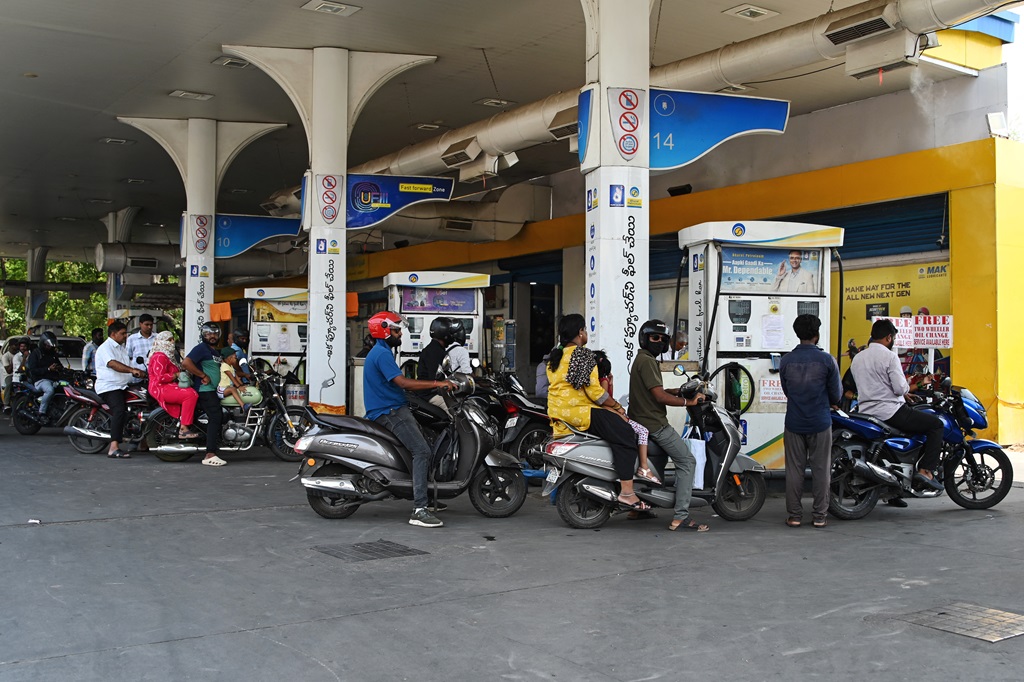
    Santo Domingo, Dominican Republic – Air Europa has formally prolonged its mandatory technical stopover protocol in Santo Domingo through March 11th for all Madrid-bound flights originating from Havana. This operational adjustment stems directly from Cuba’s deepening aviation fuel scarcity, which has rendered refueling operations at José Martí International Airport increasingly unreliable.

    The airline’s UX052 service, routinely scheduled for a 9:05 PM departure from Havana, now incorporates an essential refueling interruption at Las Américas International Airport (AILA) before commencing its transatlantic segment to Spain. This contingency strategy effectively prevents aircraft from becoming stranded on Cuban tarmacs due to insufficient fuel reserves.

    This development reflects broader systemic challenges within Cuba’s energy infrastructure, with official notifications from Cuban authorities alerting international carriers to critically depleted jet fuel inventories. The operational disruption extends beyond Air Europa, impacting numerous global airlines serving Cuban destinations.

    Multiple carriers including Air Canada, Iberia, Copa Airlines, Viva Aerobus, and Aeroméxico have implemented comparable contingency measures. These range from temporary flight suspensions to strategic refueling at alternative Caribbean hubs or loading supplemental fuel at originating airports.

    The aviation fuel deficit currently affects operational capabilities at nine Cuban international airports, underscoring the severe logistical constraints confronting the nation’s aviation sector amid persistent energy supply instability.

  • Ambassador Arnold Urges Car Dealers: Delay Mexico Drive

    Ambassador Arnold Urges Car Dealers: Delay Mexico Drive

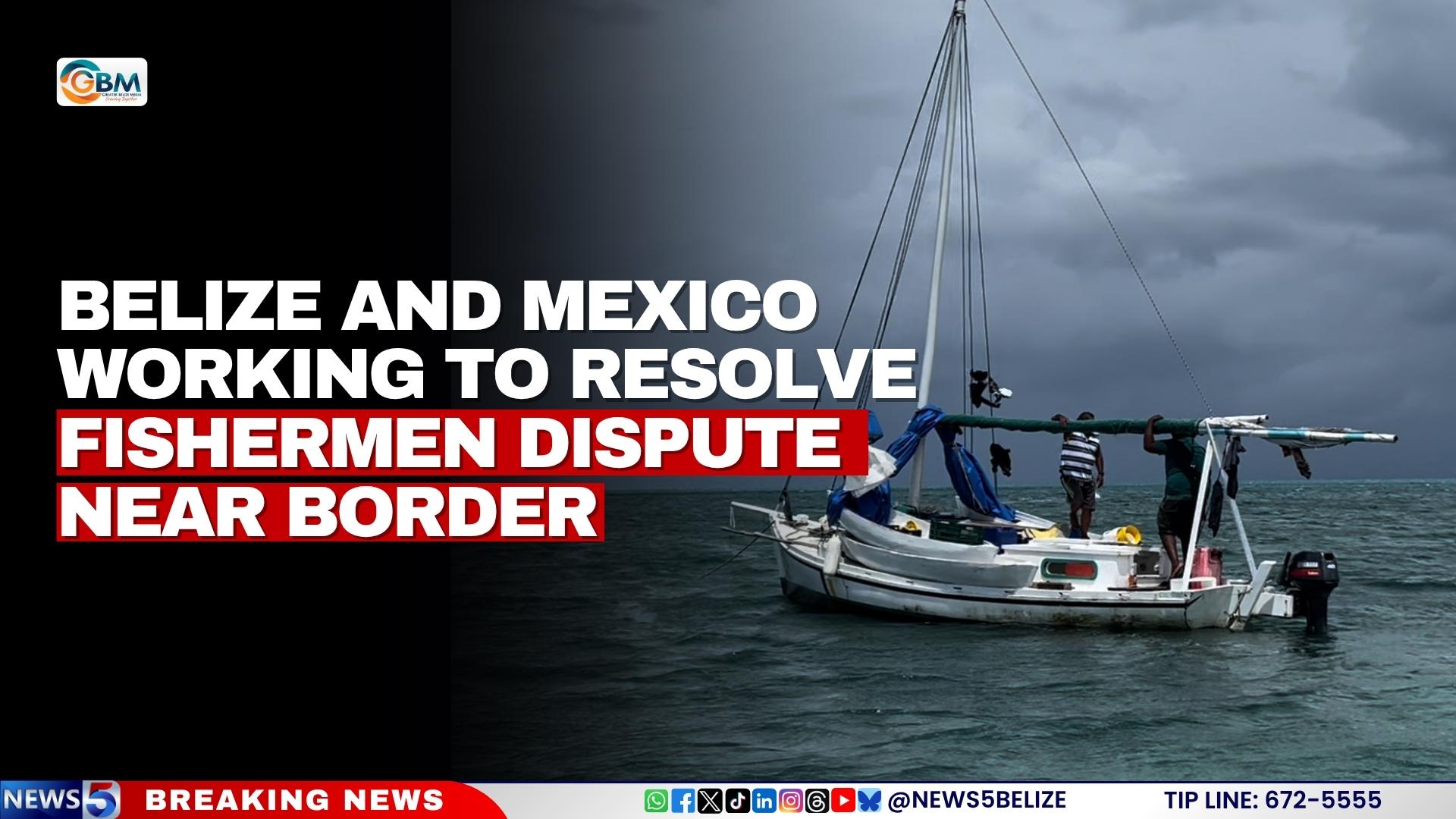
    Belize’s diplomatic mission in Mexico has issued a critical security advisory urging automotive traders to postpone their return journeys through Mexican territory. Ambassador Oscar Arnold explicitly recommended that dealers currently in the United States extend their stay for several additional days despite Mexican authorities declaring restored order along major transit corridors.

    The caution follows significant disruptions caused by cartel-installed roadblocks that emerged after the lethal confrontation with notorious drug lord Nemesio ‘El Mencho’ Oseguera. While Mexican President Claudia Sheinbaum has confirmed governmental control over previously affected zones, Ambassador Arnold maintains that the security situation remains volatile and requires further stabilization.

    Among those heeding the advisory is Tevonne Phillips, proprietor of Accelerate Belize, who confirmed that multiple transportation operations have been suspended indefinitely. Phillips revealed that his preferred brokerage service has implemented a temporary crossing moratorium until at least Tuesday, with continuous assessment of ground conditions.

    Experienced dealers like Phillips acknowledge the inherent risks of Mexican transit routes, where occasional extortion attempts and security incidents have become an unfortunate reality of the profession. The prevailing wisdom among seasoned transporters emphasizes compliance with local dynamics rather than confrontation.

    The collective industry stance prioritizes personnel safety above logistical expediency, with many opting to absorb additional accommodation costs rather than risk encountering residual cartel activity during this transitional period.

  • Will CARICOM Help Cuba?

    Will CARICOM Help Cuba?

    At the CARICOM leadership summit in St. Kitts and Nevis, Cuban Ambassador to Belize Yahima Martínez Millán emphasized Cuba’s deepening regional partnerships despite ongoing US economic pressure. The diplomat characterized Cuba’s relationship with CARICOM nations as historically significant, describing the Caribbean region as “home” rather than merely a political sphere.

    Ambassador Martínez Millán acknowledged CARICOM’s consistent support in condemning and seeking elimination of the US embargo, which she described as critically important for Cuba’s development. The bilateral relationship with Belize specifically was highlighted as exemplary, particularly in areas of healthcare cooperation and technical training programs that have spanned decades.

    Regarding Cuba’s strategic response to external economic pressures, the ambassador identified energy sovereignty as the nation’s top priority. “We are accelerating all proposals to transition to renewable energy sources,” Martínez Millán stated, while acknowledging the technological and financial challenges exacerbated by the embargo.

    The Cuban government is simultaneously pursuing diversified international partnerships, strengthening ties with the BRICS bloc and developing relationships across Asia, Europe, and Latin America. Additionally, Cuba is updating its economic model to include greater participation from non-state actors to enhance trade capabilities amid ongoing challenges.

  • FLASH : Cap

    FLASH : Cap

    The historic northern port city of Cap-Haïtien, Haiti, faced catastrophic flooding on Tuesday, February 24, 2026, after being pummeled by relentless torrential rains. The severe weather, triggered by an active cold front positioned to the southwest and northwest of the nation, began in the early morning hours and rapidly overwhelmed the city’s infrastructure.

    Within hours, major thoroughfares were transformed into violent, muddy rivers, bringing urban life to a standstill. National Highways #1 and #6 were rendered impassable, paralyzing all traffic. In response to the crisis, local authorities mandated the closure of schools and businesses across the city. The extensive flooding was severely exacerbated by drainage canals, which were found to be clogged with debris and sediment washed down from the surrounding hills.

    The most severely impacted districts included downtown areas and their surroundings. Neighborhoods such as Sainte-Philomène, Champin, and Cité du Peuple were among the hardest hit. Specific locations like Rue de la Lettre A, Lafossette, Carrefour Samarie, and Cité Lesko were completely submerged. The flooding also extended to eastern and northern zones, including the overflowing Zétrier Canal, and the areas of Petite-Anse and Fort Saint-Michel.

    Emergency services, including firefighters and specialized rescue teams, were immediately deployed across the city to respond to potential emergencies. With meteorological forecasts indicating that the unstable conditions could persist for another 24 hours, authorities are actively preparing to open temporary shelters for displaced residents if the rains continue.

    Jean Henry Petit, the North Departmental Technical Coordinator for Civil Protection, provided an initial assessment, noting that while significant material damage is evident in Cap-Haïtien, other municipalities within the Northern Department have thus far been less affected. He emphasized the urgent necessity for canal dredging to prevent future disasters. Fortunately, no loss of life has been reported in the immediate aftermath of the flooding.

    Officials have issued critical safety recommendations for the public, advising against attempting to cross flooded areas either on foot or by vehicle due to deceptively strong currents. Residents are urged to secure important personal documents in elevated, waterproof containers and to remain vigilant by continuously monitoring updates from local weather agencies.