分类: world

  • World Economic Forum 2026 in Davos van start; wereldwijd leiders bijeen

    World Economic Forum 2026 in Davos van start; wereldwijd leiders bijeen

    The 2026 World Economic Forum (WEF) commenced officially on Monday in Davos, Switzerland, gathering approximately 3,000 participants from over 130 countries. The prestigious assembly brings together heads of state, government officials, corporate executives, and civil society leaders for a four-day convention running through January 23. This year’s theme, ‘A Spirit of Dialogue,’ emphasizes fostering cooperation during an era marked by complex geopolitical and economic challenges.

    Suriname’s Vice President Gregory Rusland is among the distinguished attendees, having received a special invitation to join an exclusive meeting of forty international decision-makers comprising heads of state, CEOs, and ministers. Rusland is scheduled to engage with global leaders on the critical topic: ‘From Commitments to Implementation: Scaling Sustainable Tourism and Hospitality.’

    For decades, the annual WEF summit has served as a crucial platform for addressing pressing global issues including economic growth, multilateral cooperation, technological advancement, and climate change. The 2026 program features more than 200 sessions covering diverse subjects such as global risks, economic inequality, artificial intelligence, and sustainable development.

    Key discussion topics this year include the role of dialogue in an increasingly fragmented global economy. According to recent WEF risk analysis, economic confrontations including trade conflicts and protectionist measures have gained significant prominence on the world stage. The forum will also address the growing divide between economic elites and broader populations. Larry Fink, CEO of investment firm BlackRock and interim co-chair of the forum, emphasized the need for economic systems to evolve toward generating broader societal benefits and reducing distrust.

    Additional focal points include digital innovation and artificial intelligence, investments in strategic sectors like defense and technology, the future of energy and climate policy, and the vital role of international cooperation in tackling global challenges.

    The geopolitical dimension features prominently in this year’s agenda. National security advisors from multiple countries convened in Davos to discuss sensitive matters including policy responses to trade conflicts surrounding Greenland, which have recently created tensions between the United States and European nations. The presence of numerous state leaders and government heads underscores the forum’s continued importance as a diplomatic platform for international collaboration amid global uncertainties including conflict zones and challenges in multilateral relations.

  • Interpol issues Yellow Notice for missing child Brianna Genao

    Interpol issues Yellow Notice for missing child Brianna Genao

    The International Criminal Police Organization (Interpol) has escalated the search for three-year-old Brianna Genao González by issuing a global Yellow Notice, marking a critical development in the transnational investigation into her disappearance from the Dominican Republic. This specialized alert mechanism enables law enforcement agencies across Interpol’s 196 member countries to coordinate efforts in locating the missing child and verifying potential leads beyond Dominican borders.

    The international response comes twenty days after Brianna was first reported missing from Barrero, a community within Puerto Plata province’s municipality of Imbert. Dominican authorities have deployed substantial resources since January, with the National Police, Public Prosecutor’s Office, Armed Forces, and specialized rescue teams conducting comprehensive search operations across densely wooded territories and adjacent areas. These efforts have incorporated advanced technologies including aerial drones, specialized canine units, and other forensic resources designed for difficult terrain.

    Initial search parameters covered over 50 kilometers of challenging landscape with technical support from international forensic experts. The investigation has now transitioned to an analytical phase examining additional evidentiary elements that might illuminate the circumstances surrounding Brianna’s disappearance. The United States Federal Bureau of Investigation provided technical assistance beginning January 12th, though the agency withdrew physical personnel from field operations on January 19th while maintaining investigative support through evidence analysis and consultation.

    The Interpol Yellow Notice represents a strategic escalation in the search methodology, creating formal channels for international intelligence sharing and cooperative investigation. Law enforcement experts indicate such notices significantly enhance visibility for missing persons cases across borders and facilitate coordinated response protocols. As the procedural framework activates across global law enforcement networks, Brianna’s family and the Dominican community continue their vigil awaiting breakthrough developments in the transnational investigation.

  • FLASH : 30 weapons and a large quantity of ammunition seized in the stronghold of «Barbecue»

    FLASH : 30 weapons and a large quantity of ammunition seized in the stronghold of «Barbecue»

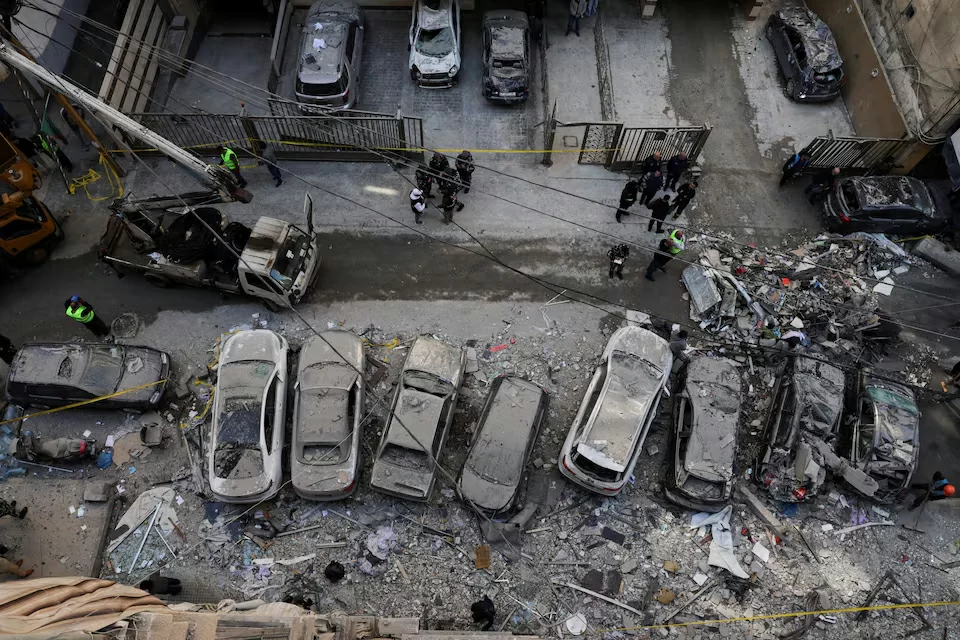
    In a decisive blow against organized crime, Haitian National Police (PNH) special forces units conducted a major tactical operation on January 19, 2026, targeting the Delmas 2 district stronghold of notorious gang leader Jimmy Chérisier, known as “Barbecue.” The operation, which targeted the leader of the “Viv Ansanm” terrorist coalition, resulted in significant tactical gains for law enforcement.

    The raid culminated in the complete destruction of a property belonging to the gang leader, along with heavy equipment utilized by the criminal organization. Police spokesperson Frantz Lerebours confirmed that at least six gang members were killed during intense firefights, though several wounded militants managed to escape the scene. Multiple vehicles associated with the gang were also destroyed in the operation.

    Law enforcement officials secured a substantial arsenal of weaponry including five surveillance drones, eight pistols, eighteen 12-gauge shotguns, three AR-15 rifles, and one .22 caliber rifle. The seizure included massive ammunition stocks in 5.56mm, 12-gauge, 7.62mm, .38 caliber, and 9mm calibers.

    Investigators also uncovered disturbing evidence of impersonation tactics with the recovery of official-looking UDMO uniforms in cream and blue colors, complete with Police Inspector rank insignia. The operation additionally yielded multiple bulletproof vests, tear gas grenades, and a plastic bag containing small denomination Haitian gourdes (2, 10, and 25 gourdes), suggesting extensive criminal financial operations.

  • Caribbean urged to ‘shock-proof’ climate justice strategies

    Caribbean urged to ‘shock-proof’ climate justice strategies

    At the opening of a pivotal regional forum in Barbados, Caribbean leaders issued a powerful call for concrete strategies to achieve climate justice, emphasizing the urgent need for approaches that can endure major geopolitical disruptions. Cletus Springer, Chair of the Caribbean Natural Resources Institute (CANARI), set the tone for the two-day CANARI Partners Forum, declaring the gathering a forum for “strategic action” rather than theoretical discussion. The event, themed ‘Towards climate justice in the Caribbean: building understanding and catalysing partnerships and finance,’ brings together regional and international stakeholders to address climate change as a critical development and human rights priority. Springer framed the discussions against a backdrop of what he termed “truly seismic geopolitical upheaval,” warning that the rapid erosion of the global multilateral system threatens to marginalize small island states. He posed a central challenge to delegates: “How do we advance a climate justice agenda that is robust enough to survive current and future geopolitical shocks?” The CANARI chair highlighted the escalating climate impacts across the region, including increasing extreme weather events and a developing drought in the Eastern Caribbean that’s expected to extend well into the traditional rainy season. These impacts, he noted, validate regional leaders’ characterization of climate change as “an existential threat to the sustainable development of the Caribbean.” Springer underscored the “profound unfairness” of the global climate system where those least responsible for greenhouse gas emissions bear the greatest burden. He emphasized that climate justice must address structural power imbalances and move beyond technical solutions to confront root causes of vulnerability amplified by factors including gender, race, and poverty. The forum represents a significant effort to develop practical approaches that protect vulnerable livelihoods while challenging the systemic inequalities that exacerbate climate injustice.

  • Guatemala Declares SOE Amid Surge in Gang Violence

    Guatemala Declares SOE Amid Surge in Gang Violence

    Guatemalan President Bernardo Arévalo has enacted a 30-day nationwide state of emergency in response to escalating gang violence that resulted in the deaths of seven police officers and injuries to ten others during a weekend of coordinated attacks. The crisis originated with simultaneous prison riots across three correctional facilities where 46 guards were taken hostage by inmates allegedly affiliated with the Barrio 18 criminal syndicate.

    Security forces successfully reclaimed control of the prisons and apprehended the gang’s leader, Aldo Duppie (alias ‘El Lobo’), who was photographed with visible injuries during his transfer. Shortly after his recapture, a series of retaliatory assaults targeted police units throughout Guatemala City and surrounding regions.

    President Arévalo characterized these attacks as deliberate attempts by criminal organizations to intimidate state authorities and undermine anti-gang operations. ‘These murders were designed to terrorize both security forces and civilians into abandoning our confrontation against these criminal enterprises and their reign of fear,’ Arévalo stated. ‘Their strategy will ultimately prove unsuccessful.’

    The emergency declaration enables heightened security measures including military deployment alongside police forces. Educational institutions nationwide suspended operations on Monday, while the U.S. Embassy issued security advisories for American citizens residing in or traveling to Guatemala.

    Barrio 18 and its principal rival MS-13 maintain extensive networks throughout Central America, engaging in systematic extortion, narcotics trafficking, and violence. Guatemala’s Congress officially designated Barrio 18 as a terrorist organization in 2025, aligning with previous classifications by United States authorities. Duppie, the captured leader, is currently serving cumulative prison sentences exceeding 2,000 years for numerous criminal convictions.

  • IMF approves US$45m disbursement to Jamaica under natural disaster window

    IMF approves US$45m disbursement to Jamaica under natural disaster window

    KINGSTON, Jamaica — In a decisive move to support disaster recovery efforts, the International Monetary Fund has authorized a substantial financial injection of US$415 million for Jamaica. The funding was formally ratified by the IMF Executive Board on January 16 through its Rapid Financing Instrument (RFI), specifically utilizing the facility’s large natural disaster window.

    This emergency disbursement aims to address severe balance of payments pressures triggered by Hurricane Melissa’s catastrophic impact on the Caribbean nation. The destructive storm caused extensive damage across Jamaica, creating immediate fiscal challenges and dramatically reducing tourism revenue—a critical economic sector for the island nation.

    The IMF communiqué highlighted that Jamaica’s sustained implementation of economic reforms over previous years has established crucial financial buffers that are now facilitating disaster response and reconstruction initiatives. Despite these preparedness measures, the scale of devastation has overwhelmed domestic resources, necessitating international support.

    IMF Deputy Managing Director Bo Li emphasized the unprecedented nature of the destruction, noting that even with Jamaica’s sophisticated multi-layered disaster risk financing strategy and consistent macroeconomic policies, available recovery resources remain inadequate. The emergency funding will prioritize relief for vulnerable populations and accelerate reconstruction of damaged infrastructure.

    Notably, the IMF endorsed Jamaica’s temporary suspension of fiscal rules to address the emergency while acknowledging the government’s commitment to reinstating fiscal responsibility and debt reduction protocols once the immediate crisis subsides. The Bank of Jamaica’s continued focus on maintaining inflation targets was also recognized as essential for economic stability during recovery.

    The funding arrangement emphasizes strong coordination with international partners and adherence to procurement best practices to ensure efficient rebuilding efforts across affected regions.

  • PNP welcomes upgrade of US travel advisory, describes it as boost for tourism recovery

    PNP welcomes upgrade of US travel advisory, describes it as boost for tourism recovery

    KINGSTON, Jamaica—Jamaica’s tourism sector has received a significant endorsement from the United States government as the State Department elevated the country’s travel advisory status from Level 3 (‘Reconsider Travel’) to Level 2 (‘Exercise Increased Caution’). The move has been hailed as a crucial development for the Caribbean nation’s tourism recovery following the devastating impact of Hurricane Melissa.

    Opposition Tourism Spokesperson Andrea Purkiss characterized the advisory adjustment as a timely intervention that arrives at a pivotal juncture for Jamaica’s tourism ecosystem. In an official statement released Tuesday, Purkiss emphasized the particular importance for northern coastal regions and western parishes where hurricane damage was most severe and tourism-dependent communities suffered substantial economic disruption.

    “This revised classification represents a vote of confidence in Jamaica’s destination security and provides substantial momentum for an industry actively reconstructing after severe weather disruptions,” Purkiss stated. “For numerous tourism employees who experienced displacement, reduced working hours, or employment termination in the hurricane’s aftermath, this policy modification can stimulate visitor return and revenue restoration.”

    The opposition spokesperson highlighted tourism’s critical role within Jamaica’s economic framework, noting the sector’s substantial contributions to national GDP and its function as an employment source for hundreds of thousands through direct and indirect job opportunities island-wide.

    Purkiss elaborated on the practical implications, noting that “A Level 2 designation imposes considerably fewer restrictions for travelers and tour operators, which effectively stimulates reservation numbers, sustains airline passenger volumes, and enables hospitality establishments and attractions to approach full operational capacity. This reactivation subsequently restores employment opportunities and stabilizes tourism-reliant communities.”

    While acknowledging the advisory improvement as a positive development, Purkiss maintained that sustainable recovery would necessitate ongoing attention to safety protocols, infrastructure reinforcement, and workforce support programs as Jamaica continues its comprehensive rebuilding strategy.

    “The pathway to complete recovery remains in progress, but this regulatory change represents an encouraging advancement,” she concluded. “Jamaica continues to demonstrate resilience, maintaining openness to international visitors as we progress in reconstructing both communities and livelihoods in Hurricane Melissa’s wake.”

  • High-speed train crash in Spain kills at least 39

    High-speed train crash in Spain kills at least 39

    Spain is confronting its most severe rail disaster in over a decade following a catastrophic collision between two trains near the city of Córdoba on Sunday evening. The incident, which occurred at approximately 19:45 local time, has resulted in at least 39 fatalities and left 122 individuals injured, according to the nation’s Civil Guard.

    The tragedy unfolded when carriages from a Madrid-bound Freccia 1000 high-speed train, which had departed from Málaga, derailed on a straight section of track. These carriages subsequently crossed into the path of an oncoming southbound service traveling from Madrid to Huelva. The force of the impact was so violent that it propelled carriages into a nearby embankment, creating a scene of devastating wreckage that hampered rescue efforts for hours.

    Transport Minister Óscar Puente characterized the event as ‘extremely strange,’ noting that railway experts consulted by the government remain ‘extremely baffled.’ Initial reports indicate that the majority of casualties were concentrated in the front carriages of the second train. Among the 43 patients still hospitalized, four are children, with twelve adults and one child fighting for their lives in intensive care units.

    Rescue operations were described as exceptionally challenging by first responders. Córdoba fire chief Francisco Carmona detailed to RTVE the grim task of extraction, stating, ‘We have even had to remove a dead person to be able to reach someone alive. It is hard, tricky work.’ A passenger aboard one of the trains, journalist Salvador Jimenez, likened the impact to an ‘earthquake.’

    The human toll was immediately apparent, with passenger José describing a scene of chaos and desperate calls for medical assistance. In response, the Spanish Red Cross has deployed emergency support teams to provide both physical aid and psychological counseling to traumatized survivors and anxious families awaiting news.

    International condolences have poured in from European leaders, including French President Emmanuel Macron and European Commission President Ursula von der Leyen. Domestically, King Felipe VI and Queen Letizia expressed being following events ‘with great concern,’ while Prime Minister Pedro Sánchez somberly declared a ‘night of deep pain’ for the nation.

    All rail services connecting Madrid and the Andalusia region have been suspended indefinitely as a full investigation, expected to take at least a month, gets underway. The collision marks the deadliest incident on Spain’s extensive high-speed network—the world’s second-largest—since the 2013 Galicia derailment that killed 80 people.

  • Antigua and Barbuda Advised to Prepare for Rising Sargassum Levels in Early 2026

    Antigua and Barbuda Advised to Prepare for Rising Sargassum Levels in Early 2026

    Caribbean nations are receiving advanced warnings to prepare for progressively intensifying sargassum seaweed incursions throughout the opening months of 2026. According to climatologist Dale C. S. Destin’s regional assessment, satellite monitoring has detected expanding seaweed concentrations across the Central Atlantic basin, typically preceding significant Caribbean arrivals.

    While catastrophic events remain unlikely during the initial quarter, meteorological models indicate steadily deteriorating conditions from late March onward. For northern islands including Antigua and Barbuda, preliminary forecasts suggest gentle influxes in January progressing to moderate intensity throughout February and March. Mr. Destin emphasized that 2026 may present greater challenges than the previous year due to converging oceanic currents and dominant wind patterns favoring earlier, more persistent arrivals.

    The warning carries particular significance for Antigua after multiple 2025 episodes where decomposing seaweed accumulated along eastern and northeastern shores, compromising beach quality, coastal waters, and small-scale fisheries. Experts caution that without proactive monitoring and containment strategies, similar occurrences in 2026 risk extended duration and greater environmental impact.

    Southern Caribbean destinations including Martinique, St. Lucia, St. Vincent, and Barbados may experience predominantly mild conditions until quarter’s end, though heavier influxes remain possible thereafter. Meanwhile, the southernmost islands of Grenada, Tobago, and Trinidad are projected to encounter minimal effects during these initial months.

    This outlook derives from the Sargassum Sub-regional Outlook Bulletin published by the University of the West Indies’ Centre for Resource Management and Environmental Studies (CERMES). The next comprehensive assessment will be issued in April 2026.

  • FLASH : The Government Commissioner of Port-de-Paix, at the head of an armed militia

    FLASH : The Government Commissioner of Port-de-Paix, at the head of an armed militia

    In a dramatic response to escalating violence in Haiti’s Northwest region, Port-de-Paix Government Commissioner Jéir Pierre has established and personally commands an armed security militia, marking an unconventional approach to combating rampant lawlessness. This development emerges amid deteriorating security conditions that have plagued the region since late December, characterized by surging armed robberies, violent assaults, and sexual attacks.

    Commissioner Pierre, expanding beyond his traditional judicial responsibilities, now directs nightly patrol operations through a specially formed brigade composed of local residents. While officials claim coordination with Haitian National Police (PNH) units, this militia operates under the prosecutor’s direct authority rather than police command structure—raising questions about legal oversight and accountability.

    The security model relies on community members selected for their intimate knowledge of local terrain and potential suspects. Financing originates from resident donations and diaspora contributions, creating an informal funding mechanism similar to that implemented by Commissioner Jean Ernest Muscadin in Miragoâne. Pierre defended the arrangement, stating, ‘The people who believe in this project did not want to leave me alone. They help cover basic costs so agents can carry out their functions.’

    Initial results suggest some effectiveness, with nighttime commerce gradually resuming in certain urban centers and residents reporting improved security conditions. However, this approach represents a significant departure from conventional law enforcement methodologies, highlighting the Haitian government’s limited capacity to address security challenges through established institutions.