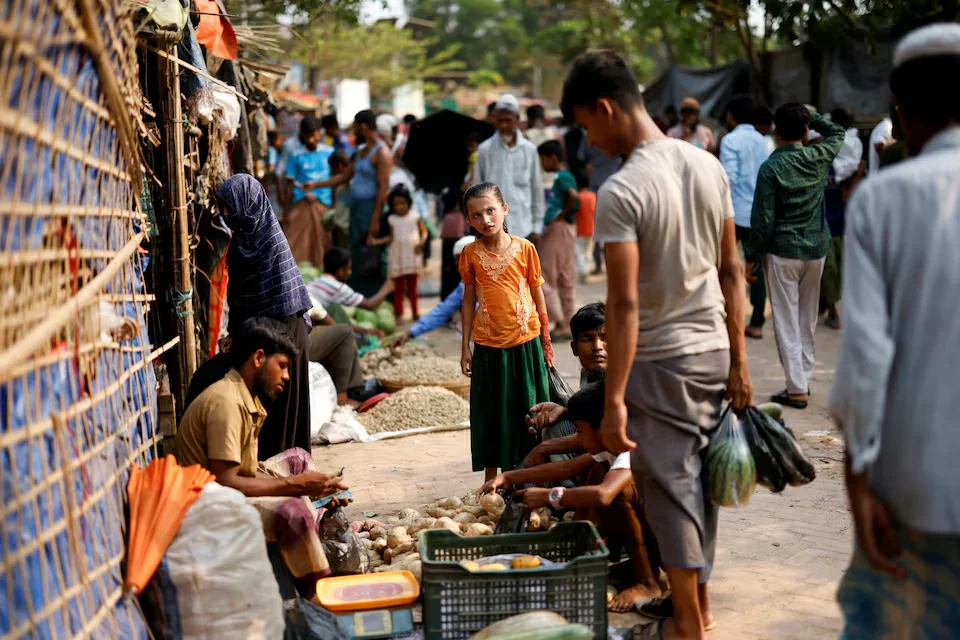
Almost nine years after hundreds of thousands of Rohingya fled systematic violence in Myanmar, the United Nations has issued an urgent warning: shrinking global humanitarian funding could send the living conditions of the 1.2 million Rohingya refugees sheltering in Bangladesh into catastrophic decline.
分类: world
-
OPINION: Barbados-Guyana mutual recognition of IDs
In the Caribbean nation of Barbados, growing local anxiety has emerged around a new policy that marks a small but consequential step toward deeper regional integration. Starting July 1, 2026, citizens of Barbados and Guyana will gain a second travel option when moving between the two countries: rather than being required to carry a passport, they will also be permitted to cross borders using a valid national ID card.
This announcement follows closely on the heels of the Enhanced Cooperation in Free Movement framework that launched for four CARICOM member states — Barbados, Belize, Dominica, and St Vincent and the Grenadines — in October 2025, and it has already stirred a wave of public concern centered on security, administrative, and legal issues. According to Vanessa Mason, research assistant at the Shridath Ramphal Centre for International Trade Law, Policy & Services at The University of the West Indies Cave Hill Campus, argues that these worries are a predictable outcome of a clear failure in governmental communication that has left the public without sufficient information about the new policy.
Contrary to many local narratives that frame this ID-for-travel policy as an unprecedented risky change, the use of national identification cards for cross-border travel is a well-established practice across the globe. Regional blocs from Europe to the Middle East already operate similar systems: all 27 European Union member states, plus four non-EU Schengen Area countries (Iceland, Liechtenstein, Norway, and Switzerland), allow citizens to travel between participating nations with just a national ID. Similarly, Gulf Cooperation Council member states (Bahrain, Kuwait, Oman, Qatar, Saudi Arabia, and the United Arab Emirates) extend the same privilege to their nationals. Even within the Caribbean, the Organisation of Eastern Caribbean States has long allowed cross-border travel with valid government-issued ID, including driver’s licenses, national ID cards, and voter registration cards.
Beyond the established precedent, the mutual recognition of ID cards for travel carries substantial potential benefits, particularly for the tourism sector, cross-border trade, and business collaboration. Unlike passports are not held by all citizens, but a national ID card is a far more universally held document. For this reason, policy analysts expect the new option will boost travel volumes between Barbados and Guyana. If the two governments track travel patterns and publish data on the impact of the policy, it can serve as a data-backed test case that encourages other CARICOM nations to move toward the bloc-wide full free movement of people.
While the two governments did not explicitly highlight business facilitation as a role, the policy also lays early groundwork for expanded cross-border digital economic integration. Through the mutual recognition of official ID could eventually open the door to secure cross-border electronic transactions, such as legally valid contract signatures that can be completed without travelers leaving their home country, and set the path for future integration of the two nations’ digital economies. Overall, Mason argues that this incremental step can drive deeper economic and regional integration while enabling managed, secure movement.
Critics who raise security concerns often overlook the fact that clear global standards already govern the use of ID as travel documents. As a specialized United Nations agency, the International Civil Aviation Organization (ICAO) has established formal standards (documented as ICAO Doc 9303) that outline requirements for machine-readable travel documents including national ID cards. These standards cover every critical detail: document size and dimensions, data formatting and placement, photo quality and positioning, biometric data specifications, material durability, anti-fraud security features, and the layout of embedded electronic data chips. These standards do not just enable border officials to verify authentic documents; they also equip staff to identify and reject fraudulent IDs. Barbados and Guyana will be required to agree on shared assurance levels that give travelers confidence their personal identity data will be properly authenticated at both borders.
The policy does require careful preparation before it launches in 2026. Previously, all travelers entering both countries were required to present a valid passport, so this shift demands intentional preparation. Even with global standards in place, adequate training and capacity building for border control staff must be completed ahead of the launch date. Border information technology systems also need to be upgraded and tested to handle the new document type.
The most pressing gap exposed by the current public outcry in Barbados is the complete lack of proactive public communication before the announcement. While governments may have completed behind-the-scenes preparations for the 2026 launch, the absence of public outreach has left residents to speculate about unaddressed risks: fears of increased criminal entry, unclear processes for handling foreign nationals who commit crimes, gaps in existing legal frameworks, and other unaddressed concerns. Mason emphasizes that in the remaining time before the policy takes effect, governments must carry out aggressive, accessible public outreach to share clear facts, debunk misinformation, and confirm that all raised concerns will be addressed through updated systems and adjusted legal frameworks. The public has a right to this clarity.
For many observers, this new policy is merely a ceremonial, symbolic gesture with little real impact. But Mason, a UWI alumna who experienced first-hand the value of regional connection during her time on a diverse regional campus, frames this step differently. Despite the many challenges CARICOM currently faces, she sees this incremental measure as a hopeful sign of progress toward full regional integration. Full free movement across the entire Caribbean Community brings not just economic benefits, but the chance for more Caribbean people to build shared lived regional experiences, just as students do at The University of the West Indies. While many, including Mason, would like to see integration progress faster across the entire bloc, CARICOM is a community of sovereign states, so every small step forward matters. These incremental, practical initiatives are the beacons that light the long path toward full regional integration.
-

OP-ED: Public call to Caribbean legal societies
In a striking appeal rooted in the principle of equal application of international law, a regional legal voice has issued a formal call to Caribbean legal institutions, jurists, and legal professionals across the region to launch a civil legal inquiry into the deaths of more than 100 unarmed Caribbean and Latin American fishermen killed by United States military strikes between 2025 and 2026.
The appeal, addressed to the Caribbean Bar Associations, the Organization of Eastern Caribbean States (OECS) Bar, the Caribbean Court of Justice (CCJ), CARICOM jurists and regional attorneys, anchors its argument in the very legal precedent the U.S. recently relied on to indict former Cuban President Raúl Castro for the downing of two unarmed civilian aircraft. The U.S. indictment rests on the core international law principle that state officials can be held personally legally accountable for the unlawful killing of civilians outside the context of active armed conflict. If this principle holds for one nation, the appeal argues, it must apply uniformly to all global actors.
According to the appeal, credible documentation from the United Nations and leading international human rights organizations confirms that over 100 unarmed fishermen, none of whom were combatants, armed, or involved in any hostilities, were killed in U.S. military strikes carried out in international waters. In at least one documented case, the strike occurred within the territorial waters of St. Vincent and the Grenadines, a sovereign CARICOM member state.
Under widely accepted international law, customary legal norms, and the long-standing framework of the UN Charter originating from the League of Nations, the intentional killing of unarmed civilians outside armed conflict carries severe legal ramifications: the deaths qualify as extrajudicial killing in violation of Article 6 of the International Covenant on Civil and Political Rights (ICCPR), a breach of the United Nations Convention on the Law of the Sea (UNCLOS), a violation of peremptory (jus cogens) international norms, and could constitute a crime against humanity if proven to be part of a systematic pattern of violence. The strikes also violate the binding duty of CARICOM states to protect their own citizens, the appeal notes.
The text draws a direct parallel to the U.S. action against the former Cuban leader: if the United States claims legal jurisdiction to indict a foreign sitting or former official for civilian deaths in disputed airspace, Caribbean regional legal institutions hold equal legal standing to investigate and pursue accountability for civilian deaths that occurred within the region’s own maritime boundaries.
In response to this precedent, the appeal formally calls on Caribbean judicial associations, legal scholars, bar groups and practicing regional attorneys to pursue a non-governmental legal action before the CCJ or another competent regional legal body. The action is grounded in three well-established legal bases for jurisdiction: territorial jurisdiction, as some strikes took place within CARICOM territorial waters; nationality jurisdiction, as the victims included CARICOM nationals; and universal jurisdiction, which applies to the gravest violations of international human rights law.
The appeal emphasizes that this initiative is not an act of political opposition. Instead, it frames the effort as a binding legal and moral obligation that grows directly from the same principle the United States itself has invoked to justify its own legal action.
Closing the statement, the appeal reaffirms three core commitments: Caribbean lives carry equal weight under international law, Caribbean sovereignty must be respected under international law, and international law must either be applied equally to all nations, or it effectively applies to none. The call ends with an invitation for all Caribbean legal professionals, scholars, and institutions to join the effort to explore this legal action and map out the appropriate next steps for the process.
-
Officials urge storm readiness despite ‘slow’ forecast
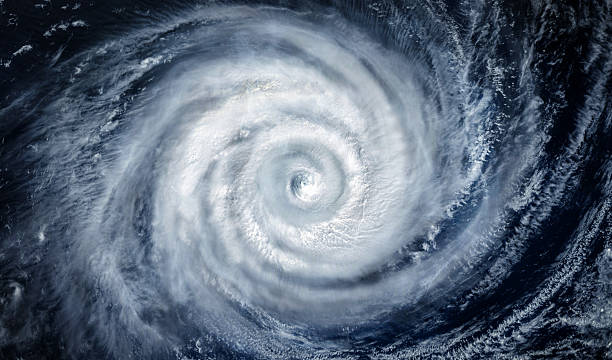
The 2026 Atlantic hurricane and wet season officially kicked off on June 1, bringing with it a mixed forecast that has regional leaders stressing preparedness over complacency. Meteorologists predict the six-month season, which runs through November 30, will be unusually subdued, driven by the formation of a strong El Niño — a climate pattern historically linked to suppressed hurricane activity in the Atlantic basin. The Caribbean Institute for Meteorology and Hydrology (CIMH) projects just 14 named storms will form over the season, a below-average total that has led many to lower risk expectations.
But this calm projection has not eased warnings from disaster management officials across the Caribbean, who warn that even a single landfalling hurricane or weak tropical system can trigger catastrophic damage for small island nations. History bears out this caution: in 1994, the relatively weak Tropical Storm Debby dumped extreme rainfall across the region, triggering widespread flooding that destroyed bridges, damaged residential homes, crippled critical public infrastructure, and destroyed agricultural lands. Total economic damage from the storm topped $103 million, a devastating blow for small regional economies.
Speaking at an official briefing this week, Elizabeth Riley, Executive Director of the Caribbean Disaster Emergency Management Agency (CDEMA), emphasized that lower projected activity does not equal zero risk. “Even one hurricane making landfall can cause serious damage,” Riley noted in a prepared statement, outlining that the agency’s core mission centers on protecting people, communities, and livelihoods across the region’s participating states. “Every plan we develop, every exercise we conduct, and every partnership that we pursue is directed towards saving lives and reducing losses when hazards occur.”
Riley added that disaster readiness should not be restricted to the official June-to-November hurricane season window, noting the Caribbean faces a wide range of natural and manmade hazards year-round. Even so, she expressed confidence in the region’s collective ability to respond, pointing to decades of coordinated action and shared solidarity that have strengthened disaster response capacity. “We enter the season with experience, lessons learned, partnerships and a renewed commitment to readiness,” she said, noting that shifting global geopolitics and associated uncertainties make regional cooperation and self-reliance more important than ever. “Our long-standing regional commitment to solidarity is even more important at this time… [preparedness, coordination, and timely action] have continued to shape our commitment to strengthening regional cooperation, regional self-reliance and supporting our participating States in reducing disaster risks, improving readiness and response capacities.”
The call for urgent preparedness was echoed by St. Lucia Prime Minister Philip J. Pierre, who also chairs the National Emergency Management Advisory Committee (NEMAC). Speaking at Monday’s pre-Cabinet press briefing, Pierre reiterated that even one severe storm is enough to reverse decades of development for small island nations. “The forecast says that because of that weather pattern (El Niño), there may be a little variant in terms of the intensity of the storms. But as you know, we cannot predict that; one storm can create damage that can put the country back one hundred years,” Pierre said, urging all citizens to begin completing necessary preparation steps immediately.
To support public readiness, the National Emergency Management Organisation (NEMO) is set to launch a targeted community outreach initiative dubbed the “zip-lock” program this week. The campaign will distribute free essential emergency preparedness kits and educate local residents on practical, low-cost steps to protect their homes, families, and property ahead of any storm.
-

High-Stakes Sea Chase Ends in Arrest of Wanted SOE Suspect
In a tense late operation carried out on June 1, 2026, the Belize Coast Guard successfully concluded a high-stakes maritime chase that resulted in the arrest of a high-profile suspect wanted in connection with the country’s active State of Emergency. The operation unfolded after local law enforcement reached out to the coast guard with an urgent alert: 49-year-old Robert McDonald, a person of interest tied to the State of Emergency protocols, had fled police custody and was attempting to evade capture by sea.
According to Belize Coast Guard Commandant Rear Admiral Greg Soberanis, the service’s rapid response infrastructure activated within minutes of receiving the request. The organization’s operations center immediately deployed its elite quick reaction team, a specialized unit trained for fast-paced maritime intercept missions. The team quickly located the suspect’s vessel using on-board tracking equipment, closed the distance on the fleeing craft, and executed a coordinated intercept to stop the escape.
By the end of the operation, the suspect had been safely taken into custody, his vessel was seized as evidence, and McDonald was transferred directly to local police authorities to face pending processes related to the State of Emergency. “We got a call from the police department that there was an individual who was a person of interest under the State of Emergency. [He] fled from the police and was evading the police via the sea; and so, we were brought into the picture and the operations center activated our quick reaction team who pursued the vessel and person of interest and were able to make the intercept. The individual was subsequently detained and the vessel was seized and the person was handed over to the police department,” Soberanis confirmed in an official statement following the successful mission.
This report is adapted from a verbatim transcript of an evening television newscast, published online to share details of the interception with digital audiences.
-
The 2026 hurricane season is beginning; preparations must begin now in Haiti
The 2026 Atlantic hurricane season formally got underway on June 1, launching a six-month period of weather risk that will extend through the end of November for vulnerable coastal nations including Haiti. While official U.S. forecasting from the National Oceanic and Atmospheric Administration (NOAA) points to a higher likelihood of a milder-than-average season this year, local risk management leaders are sounding a clear warning: even one powerful storm is enough to trigger catastrophic damage in Haiti’s current unstable state.
NOAA’s official outlook puts the probability of a below-normal hurricane season at 55%, with a 35% chance of near-normal activity and just a 10% chance of an above-normal season. The agency’s forecast, which carries a 70% confidence level, projects 8 to 14 total named storms (systems with sustained winds of 63 km/h or higher). Of those, 3 to 6 are expected to strengthen into hurricanes with winds of at least 119 km/h, and 1 to 3 could intensify into major Category 3, 4 or 5 hurricanes packing winds of 179 km/h or more. For comparison, an average Atlantic season typically sees 14 named storms, seven hurricanes, and three major hurricanes, putting 2026’s projected activity well below historical norms.
But the Alliance for Risk Management and Business Continuity (AGERCA), a Haitian risk management body, stresses that a forecast for lower overall activity does not eliminate the threat of disaster for the Caribbean nation. “Even a single hurricane can devastate communities, claiming lives, forcing mass displacement, destroying critical infrastructure and knocking out essential services,” the organization noted, emphasizing that risk cannot be dismissed based on seasonal outlooks.
This year’s hurricane season opens against an uniquely precarious backdrop for Haiti, which has been grappling with widespread gang violence that has driven massive population displacement, left large swathes of the country inaccessible to aid groups, weakened already fragile public infrastructure, and severely strained the government’s ability to coordinate emergency response.
Against this context, AGERCA has issued an urgent call to action for all segments of Haitian society – from individual citizens and local communities to government institutions, private businesses, and civil society organizations – to prioritize immediate hurricane preparedness measures.
The organization has outlined a set of key actionable steps for groups and individuals to take ahead of any potential storm landfall. First, it urges the public to only obtain weather and emergency updates through verified official channels, including Haiti’s Civil Protection Directorate, the national Hydrometeorological Unit, AGERCA itself, and established, reputable media outlets. It also advises organizations to update their internal emergency contact lists and key focal point information, review existing business continuity plans to account for current operating conditions, and secure critical physical documents, digital data, equipment and core assets.
For individual households, AGERCA recommends assembling a customized emergency kit stocked to meet specific family needs, and pre-identifying reliable alternative communication channels that can be used if standard cell service and internet connections are disrupted during a storm. Finally, the organization urges the public to avoid spreading unconfirmed information, which can spark unnecessary public panic and undermine inter-agency emergency coordination efforts when a storm approaches.
-
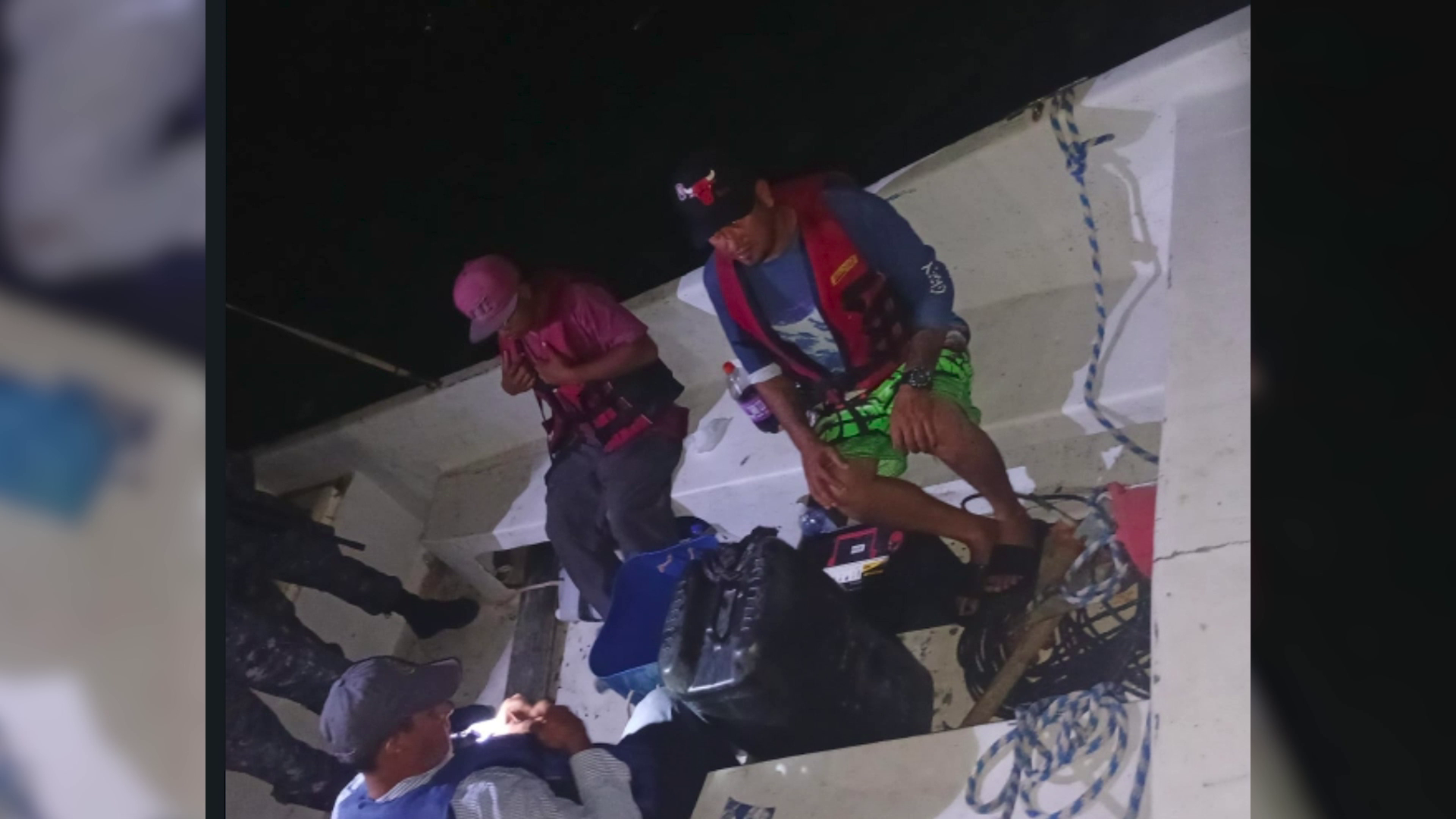
Unified Enforcement Targets Illegal Fishing Threat in Southern Waters
In a coordinated push to safeguard critical marine ecosystems and defend national territorial integrity, Belize’s Coast Guard has partnered with fisheries regulators and environmental nonprofits to ramp up enforcement against rampant illegal fishing incursions in the country’s southern waters, scoring an early success with the recent detention of three unauthorized Honduran fishermen.
The joint operation, which brought together the Belize Coast Guard, the national Department of Fisheries, and two southern-based environmental organizations — Wildlife Conservation Society (WCS) and SEA based in Placencia — resulted in the interception of the three Honduran nationals who were found fishing illegally within Belize’s sovereign maritime territory. Following their capture, the trio was transferred to local law enforcement at Independence Village, processed through the judicial system, and formally charged with fisheries violations by regulatory officials, who levied administrative fines against the men.
Belize Coast Guard Commandant Rear Admiral Greg Soberanis explained that the operation is not an isolated action, but rather the latest phase of a sustained, multi-stakeholder campaign to curb repeated incursions by foreign fishermen from neighboring Honduras and Guatemala. “For months, we have been working hand-in-hand with our government and civil society partners to tackle the persistent problem of illegal fishing in our southern waters, which is dominated by cross-border incursions from fishermen coming from Honduras, and occasionally Guatemala,” Soberanis said in comments following the operation.
Beyond fisheries charges, the case is now under review by Belize’s Immigration Department, which will open a separate probe into the men’s unauthorized entry into Belizean territory, with potential additional legal action pending the outcome of that review. Soberanis emphasized that the unified, cross-agency approach has been key to making meaningful progress against a challenge that threatens both Belize’s natural resources and its national sovereignty.
Illegal unreported and unregulated (IUU) fishing has long been a pressing threat to Belize’s coastal and marine ecosystems, which support a critical domestic fishing industry and a multibillion-dollar tourism sector that depends on healthy coral reefs and fish populations. Cross-border incursions by foreign fishermen also represent a persistent challenge to Belize’s territorial sovereignty in its porous southern maritime border. By bringing together military, regulatory, and civil society stakeholders, authorities aim to create a sustained deterrent that will reduce future incursions and protect the country’s most valuable marine assets for local communities and future generations.
-
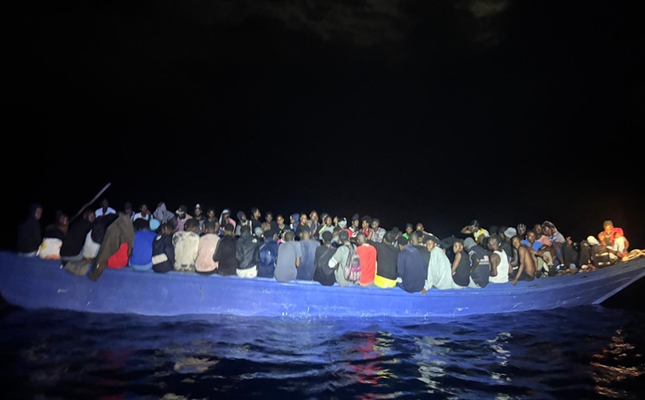
Turks and Caicos intercept vessel carrying 240 migrants
A multi-agency maritime operation led by local law enforcement in the Turks and Caicos Islands has resulted in the interception of a large vessel carrying 240 migrants, who are now undergoing official processing and medical screening after being safely brought to shore.
The incident unfolded at approximately 9:00 p.m. local time on Sunday, May 31, 2026, when patrol units detected the unregistered vessel moving through territorial waters of the Caribbean territory. What began as a routine border interdiction quickly escalated into a critical search and rescue intervention when officials observed alarming signs that the vessel was in distress and at risk of endangering everyone on board.
The operation was a coordinated effort between two local agencies: the Royal Turks and Caicos Islands Police Force and the Turks and Caicos Islands Border Force. Two U.S. federal agencies, the United States Coast Guard and U.S. Customs and Border Protection Air and Marine Operations, provided critical logistical and operational support to complete the interception successfully.
Once the vessel was secured, officials carried out an evacuation of all people on board. A full count confirmed 240 migrants were on the overcrowded craft, broken down demographically as 191 adult men, 44 adult women, one underage male, and four underage females. All people were transferred without major incident to border control officials, who immediately began processing procedures and routine public health screenings to address any immediate medical needs.
Lieutenant Colonel Ennis Grant, Commanding Officer of the TCI Regiment, highlighted that the seamless execution of the response reflects the preparedness of the region’s joint security forces. “The rapid transition of this operation from a standard interdiction task to a high-priority SOLAS intervention demonstrates the professionalism and readiness of our joint forces,” Grant said, referencing the International Convention for the Safety of Life at Sea, the global framework governing maritime search and rescue standards.
As of the latest update from local law enforcement, released on Tuesday, June 2, investigators have not yet released information about the migrants’ country of origin or the vessel’s intended destination when it entered Turks and Caicos waters.
-

Surinamese women remanded on cocaine charges
A major drug offense case has emerged in the Caribbean, where two women hailing from the South American nation of Suriname have been ordered into pre-trial detention at Dodds Prison after facing a slate of cocaine-related criminal charges linked to an alleged smuggling operation in May.
The accused have been identified as 21-year-old Kylie Bretni Banga and 41-year-old Celita Saskia Aloewanai. Authorities allege that on May 23, Banga was found in possession of approximately one kilogram of cocaine, a shipment estimated to hold a street value of $50,000. Aloewanai, meanwhile, is accused of holding an additional 1.1 kilograms of the drug, worth roughly $55,000 on the illicit market.
Both women face four separate charges: possession of a controlled substance, possession with intent to supply the drug to third parties, drug trafficking, and illegal importation of cocaine into the country.
The pair made their first official court appearance before Magistrate Keitha Ellis at the District ‘B’ Magistrates’ Court. When asked to enter a plea in response to the charges, both Banga and Aloewanai formally maintained their innocence, entering not guilty pleas to all counts laid against them.
Following the initial hearing, the court ruled that the two women would remain in custody at Dodds Prison ahead of their next scheduled appearance, which has been set for June 29. The case underscores ongoing efforts by regional law enforcement to crack down on cross-border drug trafficking moving through Caribbean transit routes. Prosecutors and law enforcement are expected to present evidence outlining the alleged smuggling plot when the case reconvenes at the end of next month.
-
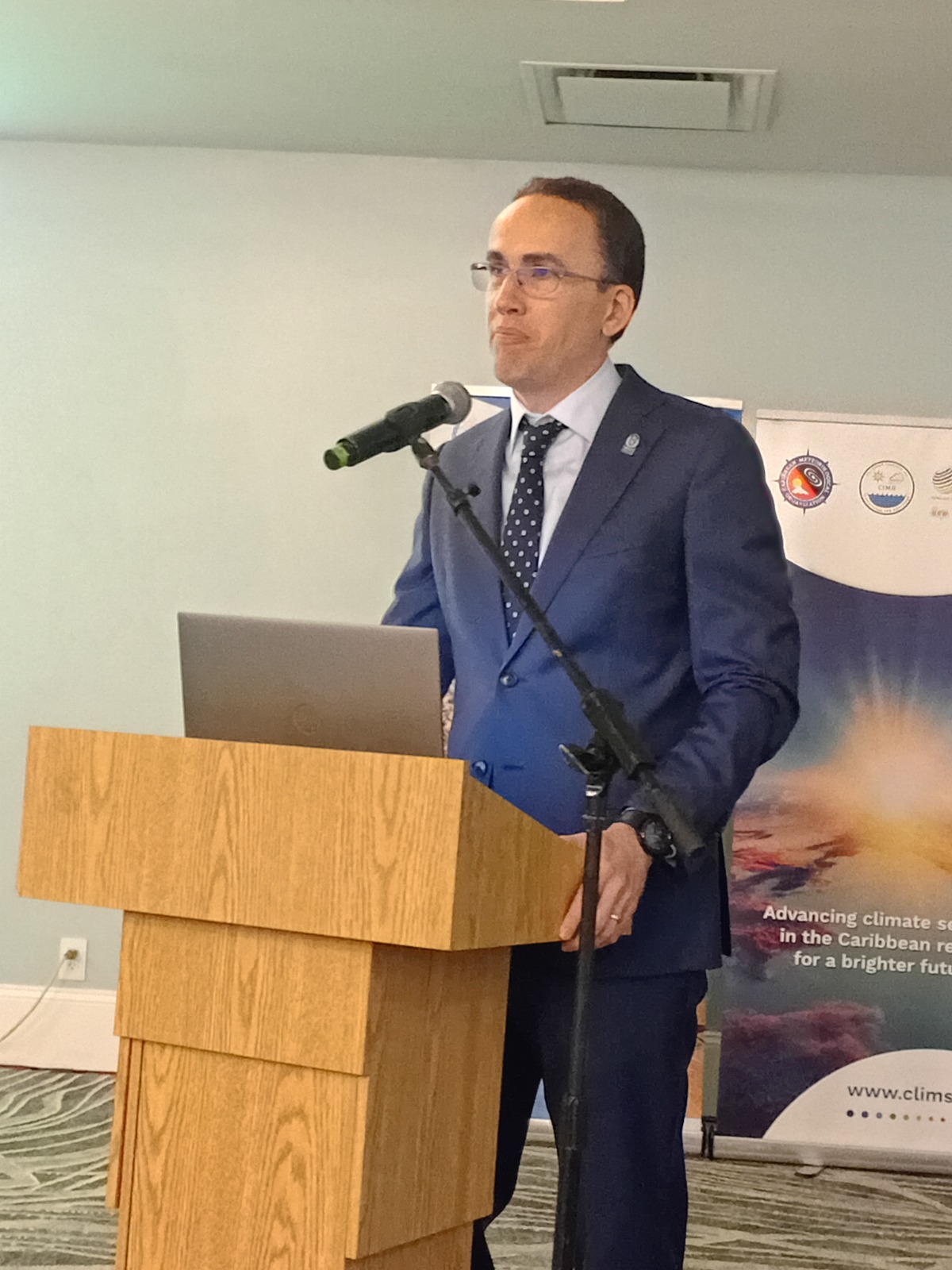
Top climate scientist urges vigilance despite fewer storms forecast
As the 2024 Atlantic hurricane season gets underway, the Caribbean region faces a complex web of overlapping climate hazards that extend far beyond the typical risk of tropical cyclones, according to the area’s leading climatology expert. Even with official forecasts calling for a below-average number of named storms and lower-than-usual total seasonal rainfall, Dr. Cedric Van Meerbeeck, head of regional forecasting at the Caribbean Institute for Meteorology and Hydrology (CIMH), is urging Barbados and neighboring nations not to lower their guard against a dangerous mix of persistent drought, prolonged extreme heat, delayed monsoon rains, and sudden flash flooding.
At the center of this elevated risk is the strengthening El Niño weather pattern currently developing across the equatorial Pacific. El Niño is historically linked to delayed onset of the Caribbean wet season, a trend that is already visible across Barbados, where months of below-average precipitation have created ideal conditions for widespread uncontrolled wildfires. While these blazes will eventually be extinguished once consistent rains arrive, the current forecast points to a higher-than-normal probability that dry conditions will linger for weeks longer than usual. Van Meerbeeck emphasized that this projection is a probability, not a certainty – and even a single extreme weather event could break the dry spell in catastrophic fashion.
Counterintuitively, prolonged dry soil actually increases the risk of life-threatening flash flooding when heavy rain does finally arrive. Drought conditions compact topsoil, reducing its ability to absorb moisture rapidly. When large volumes of rain fall in a short period on this compacted ground, almost all water runs off the surface immediately, triggering sudden flash floods that can overwhelm drainage infrastructure and catch communities off guard. Even if total annual rainfall ends up below the long-term average, the region is still likely to see fewer, more intense rain events – each carrying a significant flood risk.
This extended dry period also carries long-term consequences for water security. Van Meerbeeck noted that key reservoirs across the region are already operating at below-normal capacity, and a prolonged dry season would leave reserves depleted heading into the next annual dry period, stretching water management resources thin.
Extreme heat represents another underrecognized threat that is set to impact the region from August through October, according to CIMH forecasts. Unlike daytime heat, which many communities are accustomed to, the coming heatwave is expected to bring unusually warm overnight temperatures that pose outsized risks to public health. Persistently hot nights prevent the body from cooling down and disrupt critical sleep, increasing the risk of heat-related illness, exacerbating chronic conditions, and reducing workforce productivity over extended heat events. Vulnerable populations – including low-income households, elderly residents, and people with pre-existing health conditions – are at particular risk, as many lack access to consistent cooling such as air conditioning or high-powered fans, Van Meerbeeck pointed out.
The coming heatwave also overlaps with an ongoing global energy crisis amplified by the Middle East conflict, which has already pushed energy prices to elevated levels across the Caribbean. Rising demand for cooling will put additional strain on energy grids and increase monthly utility costs for consumers, creating a public policy challenge that leaders across Barbados need to address proactively.
While Barbados faces a lower-than-usual risk of direct hurricane or major storm impacts this year due to shifted storm tracks that place the highest risk in the northern Caribbean, the country will still face prolonged heat through the late summer, and a particularly dangerous post-storm heat hazard that the CIMH is warning the region to prepare for.
Van Meerbeeck highlighted a little-studied but deadly climate hazard: extreme heat that develops immediately after the passage of a hurricane or tropical storm. The outer bands of tropical systems create atmospheric conditions that are highly favorable for sudden heatwaves. In the aftermath of a storm, however, many residents have lost their shelter, are without electricity for cooling, and are already physically and emotionally exhausted from responding to the storm. This combination makes post-hurricane heatwaves a disproportionately deadly hazard, even when the storm itself caused relatively little direct damage. While Van Meerbeeck said it is not certain this scenario will unfold in Barbados this year, it is a major risk for other parts of the region that communities across the Caribbean need to plan for.
Across all hazards, Van Meerbeeck’s core message to the region is consistent: preparation remains non-negotiable. Even with lower-than-average forecasts for cyclones and rainfall, the overlapping risks of drought, heat, and flash flooding mean communities must maintain readiness protocols and plan for a range of extreme weather outcomes as the season progresses.