分类: world

  • World Disaster Report waarschuwt voor klimaatimpact in Latijns-Amerika

    World Disaster Report waarschuwt voor klimaatimpact in Latijns-Amerika

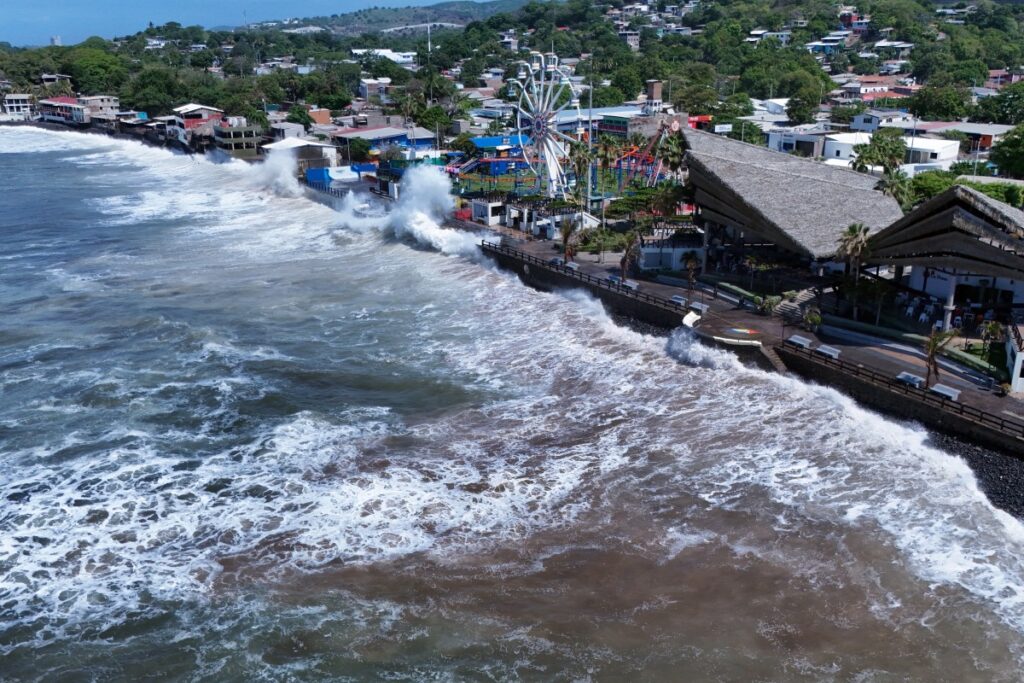
    The International Federation of Red Cross and Red Crescent Societies (IFRC) has released its comprehensive World Disaster Report 2026, revealing alarming trends in global natural disasters with particular focus on the escalating vulnerability of Caribbean and Latin American regions. The study documents a dangerous increase in extreme weather phenomena including intensified hurricanes, catastrophic flooding, and prolonged droughts that are systematically undermining community resilience across these territories.

    Climate change has dramatically amplified both the frequency and severity of destructive storms and unprecedented rainfall patterns throughout these regions, resulting in widespread infrastructure collapse, agricultural devastation, and profound social disruption. The geographical positioning and economic fragility of numerous nations within these zones exacerbate the catastrophic consequences, leaving populations increasingly exposed to systemic breakdowns in essential services and livelihood support systems.

    Emergency response agencies and local governments face monumental challenges in developing adequate disaster preparedness mechanisms amid rapidly evolving climate threats. The report emphasizes the critical need for enhanced international cooperation and substantial investments in sustainable prevention and recovery initiatives to address these growing vulnerabilities.

    A significant emerging threat identified in the report involves the proliferation of misinformation and false narratives during disaster events. The dissemination of inaccurate or deliberately misleading information severely compromises emergency response effectiveness, erodes public trust in humanitarian organizations, and triggers panic-driven decision-making among affected populations.

    The analysis underscores the vital importance of establishing reliable communication channels and strengthening public media literacy. Technological solutions to combat misinformation spread are now considered essential components of modern disaster management strategies.

    Beyond the Western Hemisphere, the report outlines concerning global patterns: natural disasters are increasing in both frequency and intensity worldwide due to interconnected factors including climate change, rapid urbanization, and socioeconomic pressures. From catastrophic wildfires across Australia and North America to devastating floods throughout Asia and persistent droughts in Africa, global vulnerability continues to escalate.

    The IFRC advocates for an integrated approach that simultaneously addresses climate adaptation measures, socioeconomic development, and comprehensive disaster risk reduction. Building resilience in high-risk regions and promoting international solidarity are identified as crucial strategies for mitigating disaster impacts in an increasingly volatile global environment.

    The World Disaster Report 2026 ultimately demonstrates that natural disaster challenges are growing in complexity worldwide, with misinformation adding new dimensions to existing threats. The Caribbean and Latin America emerge as focal points in this warning system, where effective communication and reliable information dissemination have become fundamental to saving lives and protecting vulnerable communities.

  • Visa imposed: St. Lucia faces scrutiny as UK cites rising asylum claims

    Visa imposed: St. Lucia faces scrutiny as UK cites rising asylum claims

    In a significant policy shift, the United Kingdom has abruptly terminated visa-free travel privileges for citizens of St. Lucia and Nicaragua, effective immediately. UK Home Office Secretary Shabana Mahmood announced the stringent measures during a Thursday press conference, attributing the decision to escalating asylum claims from both Caribbean and Central American nations.

    The new visa mandate forms part of a comprehensive border security initiative that additionally suspends specific visa programs for Afghanistan, Cameroon, Myanmar, and Sudan. Secretary Mahmood characterized these nations as sources of ‘unacceptably high’ immigration system abuse, asserting that St. Lucia’s visa-free access had effectively created an unauthorized entry pathway into the UK.

    The St. Lucian government confirmed receiving formal notification on March 4th, one day prior to the public announcement. Officials clarified that the restrictions extend beyond ordinary visitors to include transit passengers transferring through UK airports to international destinations.

    A transitional arrangement permits travelers with pre-existing Electronic Travel Authorizations and confirmed flight bookings to maintain visa-free access until April 16th at 12:00 p.m., providing limited respite for previously arranged travel. The St. Lucian administration acknowledged the disruptive impact on citizens pursuing educational, business, tourism, and familial visits, while pledging continued diplomatic engagement with UK counterparts.

    The policy implementation reflects mounting pressures within Britain’s immigration infrastructure, signaling a broader recalibration of border management strategies. The Home Office’s decisive action underscores the government’s commitment to tightening entry protocols amid increasing asylum application volumes.

  • FLASH : Armed child soldiers, aged 11 to 14, on the front lines

    FLASH : Armed child soldiers, aged 11 to 14, on the front lines

    During a critical meeting on March 4th, Haitian National Police Director General Vladimir Paraison presented United Nations Independent Expert William O’Neill with a harrowing assessment of the nation’s security collapse, describing conditions as ‘utter hell.’ The engagement occurred as O’Neill prepares his comprehensive report on Haiti’s deteriorating situation.

    Paraison detailed how criminal gangs have evolved into sophisticated paramilitary forces, employing hardened combat tactics including trench warfare, improvised traps, and Molotov cocktails. These developments have made law enforcement operations increasingly perilous, particularly in the West and Artibonite regions where violence has reached catastrophic levels.

    The most disturbing revelation concerned the systematic exploitation of children by terrorist organizations. Police authorities disclosed that gangs routinely employ children as young as 8-10 years old as lookouts, while arming adolescents aged 11-14 and deploying them as frontline combatants. This calculated strategy creates profound moral dilemmas for police officers, many of whom are parents themselves.

    Haitian police face severe operational constraints beyond the psychological warfare. A critical shortage of logistical resources continues to hamper effectiveness, with authorities placing their hopes on the imminent deployment of the specialized Gang Repression Force (FRG).

    The institutional incapacity to address this humanitarian tragedy was further highlighted by the inadequate facilities of the Brigade for the Protection of Minors, which possesses only a single large room and no proper center for detention or rehabilitation of child soldiers. Police leadership emphasized the necessity of a multidimensional response involving state institutions, the Institute for Social Welfare, and international partners like UNICEF to address educational and social dimensions.

    Despite these challenges, Haitian authorities affirmed their commitment to human rights protocols, noting that systematic briefings on engagement rules precede all operations. The Inspector General’s Office is currently investigating 174 allegations of rights violations. In a demonstration of transparency, police leadership invited UN representatives to observe field operations firsthand, providing direct insight into the complexities of urban combat in Port-au-Prince’s dense environments.

  • Guyanese stranded in Dubai due to Israel-US strikes on Iran; gov’t says assistance being provided

    Guyanese stranded in Dubai due to Israel-US strikes on Iran; gov’t says assistance being provided

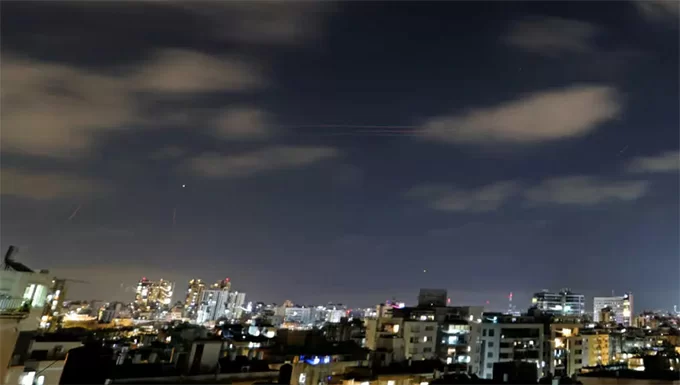
    A group of at least ten Guyanese citizens find themselves stranded in Dubai, United Arab Emirates (UAE), following a dramatic escalation of military conflict in the Persian Gulf. The individuals, who had traveled to Dubai on February 26th to attend a wedding, were scheduled to depart on March 3rd but became trapped after the region was plunged into turmoil by retaliatory airstrikes initiated by Iran.

  • WHO bevestigt 13 aanvallen op gezondheidsvoorzieningen in Iran

    WHO bevestigt 13 aanvallen op gezondheidsvoorzieningen in Iran

    The World Health Organization has officially verified 13 separate assaults on medical infrastructure in Iran during ongoing military operations involving the United States and Israel. The UN health agency is currently investigating reports indicating four healthcare workers have been killed and 25 others injured in these incidents.

    WHO Director-General Tedros Adhanom Ghebreyesus disclosed during a press briefing that approximately 100,000 individuals have fled Iran due to the conflict, while Lebanon has witnessed the displacement of over 60,000 people. The WHO chief made these statements without attributing blame to specific parties involved in the hostilities.

    Hanan Balkhy, a WHO representative, provided additional details confirming damage to four ambulances in Iran, with hospitals and other medical facilities sustaining minor damages from nearby bombardment operations. One Tehran-based hospital required complete evacuation according to earlier UN assessments.

    A WHO spokesperson confirmed to Reuters: “For Iran, we have verified 13 attacks on healthcare facilities, resulting in three fatalities and no injuries. In Lebanon, three attacks have been confirmed with three deaths and six injuries.”

    The Iranian ambassador to the UN in Geneva had previously submitted a formal communication to Tedros earlier this week, asserting that ten healthcare facilities had been impacted by military actions.

    Balkhy further noted that the WHO’s logistical hub in Dubai, which supplies medical provisions to dozens of countries, has been temporarily incapacitated due to regional transportation restrictions.

    The International Federation of Red Cross and Red Crescent Societies separately reported that three of its personnel sustained injuries from military strikes in Iran since February 28th.

    These confirmed attacks on medical infrastructure and the escalating displacement figures highlight the worsening humanitarian crisis emerging from the conflict. Aid organizations are raising alarms about the increasing challenges in delivering medical services and humanitarian assistance within an increasingly perilous operational environment.

  • Trump’s Bold Moves in Iran and Venezuela Put China in a Tight Spot

    Trump’s Bold Moves in Iran and Venezuela Put China in a Tight Spot

    In a dramatic escalation of geopolitical tensions, the United States has executed two unprecedented operations targeting key Chinese allies. Venezuelan President Nicolás Maduro was captured by US forces and transported to New York, while Iranian Supreme Leader Ali Khamenei was killed during a joint US-Israel operation in Tehran. These actions represent the most significant foreign policy moves of the Trump administration’s current term.

    China’s response to these developments has been characterized by strategic restraint rather than forceful retaliation. Despite issuing formal condemnations of both operations, Beijing has deliberately avoided implementing concrete countermeasures. This cautious approach reflects China’s prioritization of maintaining stable US relations and preparing for upcoming diplomatic engagements over providing direct military or security support to its allies.

    Analysts observe that China maintains its position as Iran’s primary economic partner and continues as a major purchaser of Iranian oil. However, Beijing has historically limited its involvement in Middle Eastern conflicts, preferring to exercise influence through trade relationships and diplomatic channels rather than security guarantees. This pragmatic foreign policy allows China to balance regional relationships while protecting critical energy interests and avoiding direct confrontation with American military power.

    Energy market analysts suggest that while these developments may cause short-term disruptions to oil imports and regional stability, China’s diversified energy sourcing and substantial strategic reserves provide significant insulation against supply shocks. Beijing appears positioned to leverage the situation to enhance its international standing as an advocate for non-interference principles, contrasting with American military interventionism.

    This calculated response demonstrates China’s evolving global strategy—emphasizing diplomatic flexibility, economic leverage, and long-term positioning over immediate military responses, even as Washington expresses growing concerns about the strengthening alignment between China, Iran, Russia, and North Korea.

  • Belize Seeks International Help to Tackle Sargassum Crisis

    Belize Seeks International Help to Tackle Sargassum Crisis

    In an unprecedented diplomatic engagement, Belize has initiated high-level discussions with Lions International to secure critical support against the escalating sargassum crisis threatening its coastal ecosystems. The landmark visit of Dr. Patti Hill, former President of Lions International and renowned environmental advocate, has paved the way for potential international funding mechanisms including grants and soft loans specifically targeted at marine conservation.

    Andre Perez, Belize’s Minister of Blue Economy, confirmed the developing partnership following extensive talks with Dr. Hill regarding regional environmental challenges. The discussions focused particularly on the persistent sargassum inundation that has jeopardized marine biodiversity and coastal community livelihoods throughout the Caribbean region.

    “This visit represents a watershed moment in international environmental cooperation,” Minister Perez stated. “Dr. Hill possesses comprehensive understanding of the sargassum phenomenon’s regional impact and has demonstrated genuine commitment to supporting our mitigation efforts through Lions International’s global network.”

    The collaboration builds upon Lions International’s established involvement in Belize’s conservation landscape, notably their ongoing support of the Hol Chan Marine Reserve. This existing partnership provides a proven framework for expanding cooperative environmental initiatives aimed at sustainable development.

    This historic engagement marks the first official visit by a Lions International president to Belize, potentially establishing a new paradigm for international non-governmental organizations addressing climate-related challenges in vulnerable coastal nations. The emerging partnership signals a proactive approach to ecological crisis management through transnational cooperation and financial innovation.

  • UN agency retires ‘Melissa’ following devastating 2025 hurricane

    UN agency retires ‘Melissa’ following devastating 2025 hurricane

    The World Meteorological Organization’s Hurricane Committee has made the significant decision to permanently remove the name ‘Melissa’ from its cyclical roster of Atlantic tropical cyclone designations. This determination was finalized during the committee’s annual convening in Mexico City, prompted by the devastating humanitarian and economic impacts wrought by the October 2025 hurricane.

    ‘Molly’ has been designated as the replacement nomenclature and is scheduled to enter the rotational system in 2031.

    Hurricane Melissa established unprecedented meteorological records as it traversed the Caribbean basin, achieving Category 5 classification on the Saffir-Simpson Hurricane Wind Scale. The storm registered sustained wind velocities approaching 300 km/h, establishing new benchmarks for atmospheric intensity in the region.

    WMO Secretary-General Celeste Saulo emphasized that while the storm’s physical parameters were extraordinary, contemporary forecasting capabilities substantially reduced potential casualties. “The road to recovery remains challenging and prolonged. However, the death toll was measured in dozens rather than thousands—a powerful testament to precision forecasting and the strategic implementation of early warning systems,” Saulo conveyed via video address to assembled delegates.

    Committee Chair Michael Brennan, who simultaneously serves as director of the U.S. National Hurricane Center, reinforced this perspective. He highlighted how transnational cooperation among meteorological experts facilitated大规模 evacuations and critical infrastructure shutdowns, undoubtedly preserving innumerable lives.

    The WMO maintains six rotating nomenclature lists for Atlantic cyclones. According to established protocol, names are retired exclusively when storms achieve such historical deadliness or destructiveness that their future reuse would demonstrate insensitivity to affected populations.

    Evan Thompson, principal director of Jamaica’s Meteorological Service, acknowledged the committee’s unanimous support for the retirement. Thompson noted that the nation appreciates not having to repeatedly reference the traumatic events of 2025, as the hurricane’s legacy remains permanently etched in the country’s collective consciousness.

  • Millions in Cuba Left in the Dark After Power Plant Failure

    Millions in Cuba Left in the Dark After Power Plant Failure

    A catastrophic failure at Cuba’s primary power generation facility has triggered a nationwide electricity crisis, leaving millions of citizens without power and exacerbating the island’s ongoing energy challenges. On Wednesday, March 5, 2026, the Antonio Guiteras Thermoelectric Power Plant experienced a critical boiler system leak that forced an emergency shutdown, resulting in the most severe blackout incident in recent Cuban history.

    The technical malfunction at the country’s largest power generation unit caused a cascading failure throughout the national grid, affecting approximately two-thirds of the population. The capital city of Havana and numerous other regions experienced complete power loss, with the severity of the outage even causing state television broadcasts to temporarily cease transmission before resuming with delayed programming.

    Energy authorities confirmed that engineering teams are working around the clock to address the boiler system damage, though officials have indicated that full restoration of the plant’s operations may require several days. The incident occurs against the backdrop of Cuba’s deteriorating energy infrastructure, characterized by aging power plants and chronic fuel shortages that have plagued the nation for months.

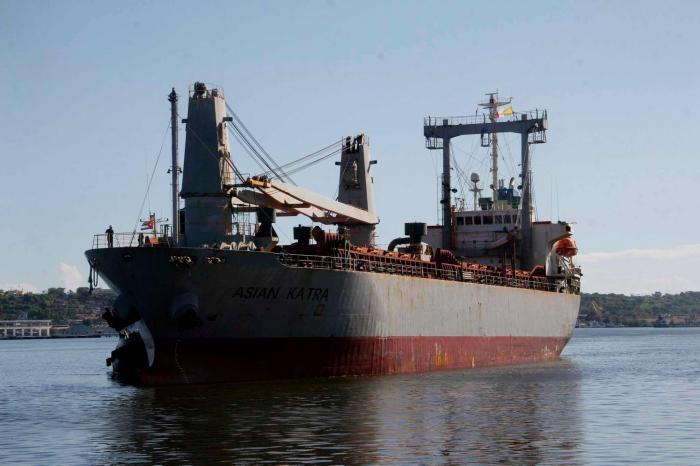
    The current energy crisis has been further complicated by reduced oil shipments from Venezuela, a situation that Cuban officials attribute to the ongoing U.S. economic blockade that has restricted the country’s access to essential fuel supplies and maintenance equipment. These cumulative challenges have forced the government to implement severe rationing measures affecting public transportation and municipal services including waste collection, creating additional burdens on daily life across the island.

  • Fake news, false hope

    Fake news, false hope

    Jamaican authorities are urgently advising their citizens residing in conflict-affected Middle Eastern territories to depend exclusively on verified information sources after widespread misinformation generated false expectations of government-sponsored evacuations. The situation escalated during a virtual town hall meeting convened Wednesday with Foreign Affairs Minister Kamina Johnson Smith, where numerous Jamaicans across several Gulf states expressed frustration over what they mistakenly believed was a reversed evacuation decision.

    Jamaica’s High Commissioner to India, Jason Hall, who holds additional accreditation for Qatar and the United Arab Emirates, revealed to the Jamaica Observer that the digital meeting encountered significant tensions. Participants joined anticipating announcements about chartered flights that never existed, creating disruptive dynamics exacerbated by technical difficulties that prevented muting of microphones.

    The assembly, originally intended to provide practical guidance on safety protocols and emergency procedures, instead became dominated by concerns stemming from fabricated reports. Commissioner Hall emphasized that Jamaica lacks the logistical capacity to execute mass evacuations, aligning with most nations’ recommendations that citizens utilize commercial transportation options where available.

    A disturbing secondary issue emerged during discussions: scammers allegedly posing as consular officials have been targeting Jamaican nationals. Hall specifically warned against sharing personal information or funds with unauthorized individuals claiming to represent Jamaican authorities.

    Despite the chaotic commencement, the dialogue gradually evolved into productive exchanges about viable exit strategies. Jamaican officials have identified approximately 200 citizens across Middle Eastern nations through registration efforts and established dedicated WhatsApp groups for reliable one-way communication.

    Diplomatic channels are exploring alternative routes for departure, including potential transit through India—which offers visa-free entry to Jamaicans—and overland travel from UAE cities to Muscat, Oman, where commercial flights remain operational. The mission is additionally arranging counseling services for emotionally distressed nationals.

    Hall concluded with broader recommendations, urging all Jamaican travelers to formally register with foreign missions when visiting other countries, citing lessons learned from both the COVID-19 pandemic and current regional conflicts about the critical importance of established communication protocols during crises.