分类: world

  • Guyanese man extradited to US to face trial for identity theft, bank fraud

    Guyanese man extradited to US to face trial for identity theft, bank fraud

    Ronley Floyd Bynoe, a Guyanese national, has been formally extradited to the United States to confront serious criminal charges including bank fraud, misuse of a Social Security Number, and aggravated identity theft. The extradition proceeded on Wednesday, March 4th, 2026, after Bynoe voluntarily waived his legal right to contest the transfer.

    According to a statement from Guyana’s Director of Public Prosecutions, Shalimar Ali-Hack, Bynoe was transported under secure escort from the Georgetown Camp Street Prison to the Cheddi Jagan International Airport late Tuesday night. At approximately 1:30 AM, he was formally handed over to two U.S. Marshals and placed on an American Airlines flight bound for the United States.

    The legal pathway for his extradition was set in motion when U.S. authorities, having secured a grand jury indictment in the District Court for the Northern District of Ohio in September 2023, discovered Bynoe had fled to Guyana. An investigation confirmed his location, prompting an official extradition request from the U.S. government to Guyana’s Ministry of Home Affairs in November 2025.

    Following legal consultations with the DPP’s office, Guyana’s Minister of Home Affairs, Oneidge Walrond, signed an Authority to Proceed on February 16th, 2026, under the nation’s Fugitive Offenders Act. Bynoe was subsequently arrested by local police on February 18th and brought before Acting Chief Magistrate Faith McGusty. During the court proceeding, he was informed of the charges and consented to his extradition, forgoing formal court proceedings to challenge the request.

  • Trinidad and Tobago Declares New State of Emergency Amid Ongoing Violent Crime

    Trinidad and Tobago Declares New State of Emergency Amid Ongoing Violent Crime

    The government of Trinidad and Tobago has reactivated a state of emergency declaration, merely one month after allowing previous emergency measures to expire. Prime Minister Kamla Persad-Bissessar announced the decision on Tuesday following urgent recommendations from the National Security Council, which cited specific intelligence regarding planned attacks targeting law enforcement personnel.

    This emergency declaration marks the latest development in the nation’s prolonged struggle with organized criminal violence, with the twin-island nation having operated under emergency provisions for approximately ten months out of the past fourteen. The most recent state of emergency concluded on January 31st of this year.

    According to official statements, the emergency powers grant security forces expanded authority to conduct warrantless searches and arrests in their efforts to combat escalating gang-related violence. Prime Minister Persad-Bissessar highlighted concerns about retaliatory shootings between criminal factions that have resulted in multiple fatalities through coordinated attacks.

    The initial emergency period is authorized for fifteen days, with provisions for extension if security conditions require continued special measures. Notably, government officials have indicated no immediate plans to implement curfew restrictions alongside the emergency declaration.

    The decision has drawn criticism from opposition leaders who accuse the administration of failing to develop effective long-term crime reduction strategies. Meanwhile, tourism industry representatives expressed concern about potential negative impacts on visitor arrivals, particularly as global conflicts in Ukraine and the Middle East have created opportunities for Caribbean destinations to attract alternative travel markets.

    Current crime statistics indicate minimal improvement from previous years, with sixty-three recorded homicides thus far in 2026 compared to sixty-four during the same period last year.

  • DA police force benefits from USVI National Guard combat training

    DA police force benefits from USVI National Guard combat training

    ROSEAU, Dominica – In a significant demonstration of international security cooperation, medical personnel from the Virgin Islands National Guard (VING) have successfully concluded a specialized training program with the Commonwealth of Dominica Police Force (CDPF). The joint exercise, held from February 23-27, 2026, at the King George Street facilities in Roseau, marks a pivotal advancement in emergency medical capabilities for Caribbean security forces.

    The training initiative was implemented under the auspices of the State Partnership Program (SPP), with additional support provided by the 436th Civil Affairs Battalion team. The comprehensive program focused exclusively on Tactical Combat Casualty Care (TCCC) protocols, representing the gold standard in battlefield medicine and emergency trauma response.

    Participants engaged in intensive practical simulations covering critical life-saving interventions. The curriculum included advanced techniques for hemorrhage control through proper tourniquet application, wound packing and bandaging procedures, and airway management protocols for compromised patients. These skills are particularly vital for law enforcement and military personnel who may encounter trauma scenarios in remote or high-risk environments.

    A official statement from the VING highlighted the strategic importance of the exchange: ‘This collaborative endeavor emphasized systematic trauma assessment and treatment methodologies to prevent further injury or mortality. The partnership has substantially reinforced the capacity to deploy TCCC competencies effectively in real-world scenarios, enhancing the ability to provide critical care to both responders and civilians.’

    The bilateral training exercise strengthens regional security partnerships and enhances medical response capabilities across the Caribbean basin, ensuring that both military and police units are better prepared to handle severe trauma incidents whether in combat situations or civilian emergencies.

  • Cuba restores power to most households after major blackout

    Cuba restores power to most households after major blackout

    HAVANA, Cuba – Cuban energy officials confirmed on Thursday that electrical service had been largely restored following a massive nationwide blackout that plunged significant portions of the country into darkness. The widespread outage, which began Wednesday afternoon, affected approximately two-thirds of the Caribbean nation, including the capital city of Havana.

    The Ministry of Energy reported that by late Thursday afternoon, the national grid had been successfully reconnected with approximately 80% of households in Havana regaining power. The initial trigger for the catastrophic failure was identified as a technical breakdown at the Antonio Guiteras thermoelectric plant, Cuba’s largest power generation facility, located in the central-western region.

    However, authorities emphasized that the root cause extends beyond mechanical failure to systemic vulnerabilities within Cuba’s energy infrastructure. The fundamental issue stems from critical fuel shortages that have crippled the country’s ability to maintain backup generator support for the national grid. This scarcity directly results from stringent United States restrictions on oil shipments to the island nation.

    Cuba’s electrical generation system has deteriorated significantly, with regular daily outages lasting up to 20 hours in some regions becoming commonplace. The current crisis affects all 9.6 million residents and occurs amidst heightened geopolitical tensions following the United States’ diplomatic recognition of Juan Guaidó as Venezuela’s legitimate leader on January 3, effectively ousting Nicolás Maduro.

    This political shift has proven particularly consequential for Cuba, as Maduro’s administration previously supplied approximately half of Cuba’s fuel imports. Although Washington initially imposed a comprehensive oil embargo following Maduro’s departure, subsequent modifications eased restrictions after neighboring Caribbean nations warned of potential economic collapse and humanitarian consequences.

    Despite these adjustments, the Trump administration maintained substantial pressure through various blockade measures, leaving oil shipments from Caracas to Havana in operational limbo. The complete cessation of oil imports since January 9 has forced airlines to reduce services to the island and exacerbated Cuba’s prolonged economic difficulties.

  • Middle East war enters seventh day as Israel strikes Beirut

    Middle East war enters seventh day as Israel strikes Beirut

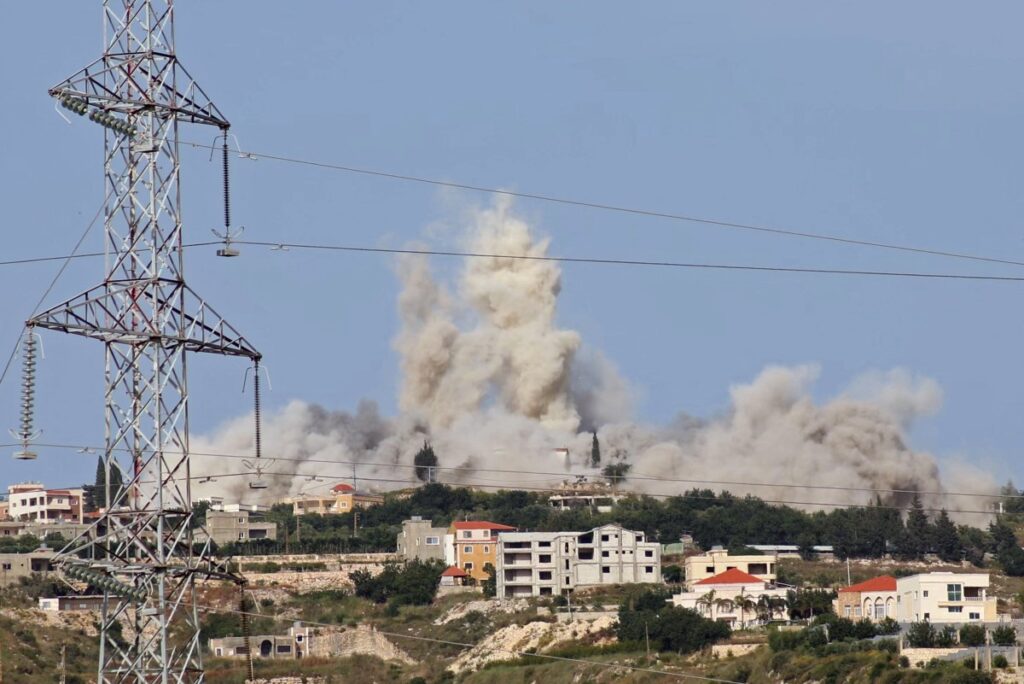
    The Middle East confronts an expanding military crisis as the Iran-Israel war enters its seventh day, triggering widespread regional destabilization and international concern. Israeli forces have initiated what they term the ‘next phase’ of operations, conducting precision airstrikes against Hezbollah infrastructure in Beirut’s southern suburbs following unprecedented evacuation warnings that prompted mass civilian displacement.

    The conflict’s ripple effects extend globally, with significant naval engagements occurring off the Sri Lankan coast where American submarines targeted Iranian warships. Simultaneously, Azerbaijan has issued retaliatory threats following drone attacks on its aviation facilities, while multiple nations including Australia and Canada are deploying military assets to the region.

    Political dimensions intensified as former U.S. President Donald Trump publicly rejected Mojtaba Khamenei’s potential succession to his deceased father’s leadership role, characterizing him as ‘unacceptable’ and demanding an Iranian leader who would ‘bring harmony and peace.’ These remarks suggest a potential shift toward working within existing governmental structures despite previous calls for regime change.

    Lebanon faces severe humanitarian consequences with official reports indicating at least 123 fatalities, 683 injuries, and approximately 90,000 displaced persons since Monday. Civilian testimonies describe scenes of panic and humiliation as families fled under fire with limited refuge options.

    Iranian leadership maintains a defiant stance, with Foreign Minister Abbas Araghchi explicitly rejecting ceasefire negotiations and expressing confidence in repelling potential ground invasions. Military assessments from Israel claim destruction of 60% of Iranian missile launchers and 80% of air defense systems, though these figures remain unverified independently.

    The strategically critical Gulf region experiences unprecedented violence, with Iranian strikes targeting urban centers and energy infrastructure across multiple monarchies. Kuwait, Bahrain, Saudi Arabia, Qatar, and the United Arab Emirates all report intercepted missiles, drone debris incidents, and civilian casualties including an 11-year-old girl killed in Kuwait.

    As black smoke continues to rise over multiple capitals and military leadership promises ‘additional surprises,’ the conflict shows no signs of de-escalation, posing profound challenges to regional stability and international security architectures.

  • Cuba says working to restore power after big blackout

    Cuba says working to restore power after big blackout

    HAVANA, Cuba — Cuban energy officials announced significant advancements on Thursday in efforts to restore electricity across the nation following a widespread blackout that plunged approximately two-thirds of the country into darkness. The national grid, which experienced a catastrophic failure on Wednesday, has now been successfully reconnected nationwide, according to an official statement from the Ministry of Energy.

    The ministry confirmed that reconnection of the national electrical system was achieved at 5:01 AM local time Thursday, with power generation units being progressively brought back online to facilitate the gradual return of electricity to households and businesses. On-the-ground observations in Havana confirmed that several districts within the capital had already regained electrical service by Thursday morning.

    This incident highlights the profound challenges facing Cuba’s aging power infrastructure, which has deteriorated to a state of chronic dysfunction. Many regions across the island regularly endure daily power interruptions lasting up to 20 hours, exacerbated by severe fuel shortages that cripple power generation capabilities.

    The current energy crisis unfolds during a period of heightened geopolitical tension for the Caribbean nation of 9.6 million people. The situation has deteriorated significantly since January 3, when the United States moved to oust Venezuelan leader Nicolás Maduro, who had been supplying approximately half of Cuba’s fuel requirements.

    Following Maduro’s political crisis, Washington initially imposed stringent oil embargo measures against Cuba before subsequently moderating these restrictions. This policy shift came amid concerns raised by neighboring Caribbean nations warning that extreme sanctions could precipitate total economic collapse and inflict disproportionate suffering on civilian populations. Despite these modifications, the Trump administration maintained substantial blockade measures, leaving oil shipments from Caracas to Havana in a state of prolonged uncertainty.

  • Bahamas Aviation Authority probing two American Airlines near-miss incidents

    Bahamas Aviation Authority probing two American Airlines near-miss incidents

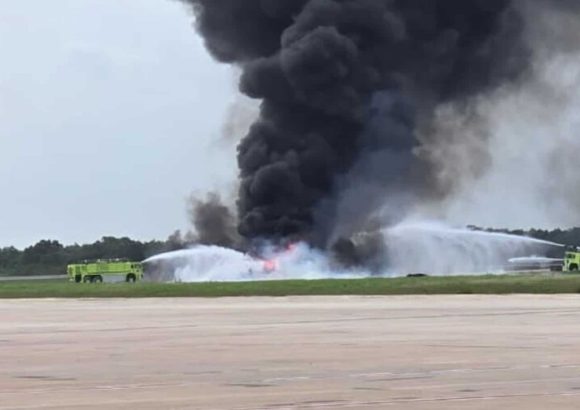
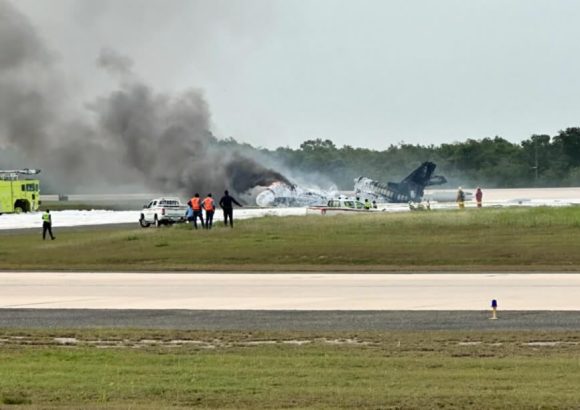
    NASSAU, The Bahamas – The Bahamas Civil Aviation Authority has initiated comprehensive investigations into two alarming near-miss incidents involving American Airlines aircraft at Family Island airports, signaling potential systemic safety concerns at uncontrolled aerodromes. The probe follows formal advisories from US regulators warning of possible catastrophic outcomes.

    The first emergency occurred on February 12 near Exuma International Airport when an approaching American Airlines flight executed abrupt evasive maneuvers to avoid a departing aircraft. The violent maneuver resulted in injuries to two flight attendants who required medical treatment at a local clinic and were subsequently placed on leave.

    A second incident unfolded on February 24 at North Eleuthera Airport where an American Airlines jet awaiting takeoff clearance encountered another aircraft passing overhead while still positioned on the active runway.

    The Aircraft Accident Investigation Authority issued a Serious Safety Concern notice indicating preliminary evidence suggests both incidents involved failures in proper radio communication protocols. At uncontrolled airports like these, pilots are required to continuously self-announce their positions on designated frequencies—a critical safety procedure that preliminary findings indicate may not have been followed.

    Political response emerged as Debra Moxey Rolle, Free National Movement candidate for Exuma, highlighted broader infrastructure concerns referencing a recent incident where a medical evacuation flight couldn’t land due to runway lighting failure, resulting in a patient’s death. ‘When it comes to matters of safety and life, silence is not an option,’ Rolle stated, emphasizing the community’s dependence on reliable air access for medical emergencies and commerce.

    The aviation authority maintains strict confidentiality regarding ongoing investigations, noting that premature disclosure could compromise investigative integrity. Officials confirmed that any identified safety breaches will trigger immediate corrective measures aligned with international aviation standards and regulatory mandates.

  • Caribbean Climate & Sustainable Energy Youth Workshop 2026 ongoing in Jamaica

    Caribbean Climate & Sustainable Energy Youth Workshop 2026 ongoing in Jamaica

    KINGSTON, Jamaica — Caribbean youth are positioning themselves at the forefront of the region’s sustainable energy transformation as the Caribbean Youth Climate Council (CYCC) hosts its second major climate conference. The Caribbean Climate & Sustainable Energy Youth Workshop 2026, convened from March 4-6 at the Jamaica Conference Centre, represents a strategic effort to empower young leaders in shaping climate-resilient futures for Small Island Developing States (SIDS).

    Under the theme “SUSEnergy: Equity and Inclusion in a Changing Climate,” the gathering brings together youth delegates, policy experts, energy specialists, and community advocates from across the Caribbean Community (Caricom). This collaborative initiative, supported by Youth Action Co: Lab and Youth4Energy, addresses the dual challenges of climate vulnerability and energy security that disproportionately affect island nations.

    The workshop’s programming, developed with backing from the Caribbean Centre for Renewable Energy and Energy Efficiency (CCREEE), features expert-led sessions examining renewable energy deployment strategies, inclusive energy policy frameworks, and youth engagement in climate governance. Through interactive dialogues and solution-oriented workshops, participants are developing practical approaches to advance equitable energy transitions.

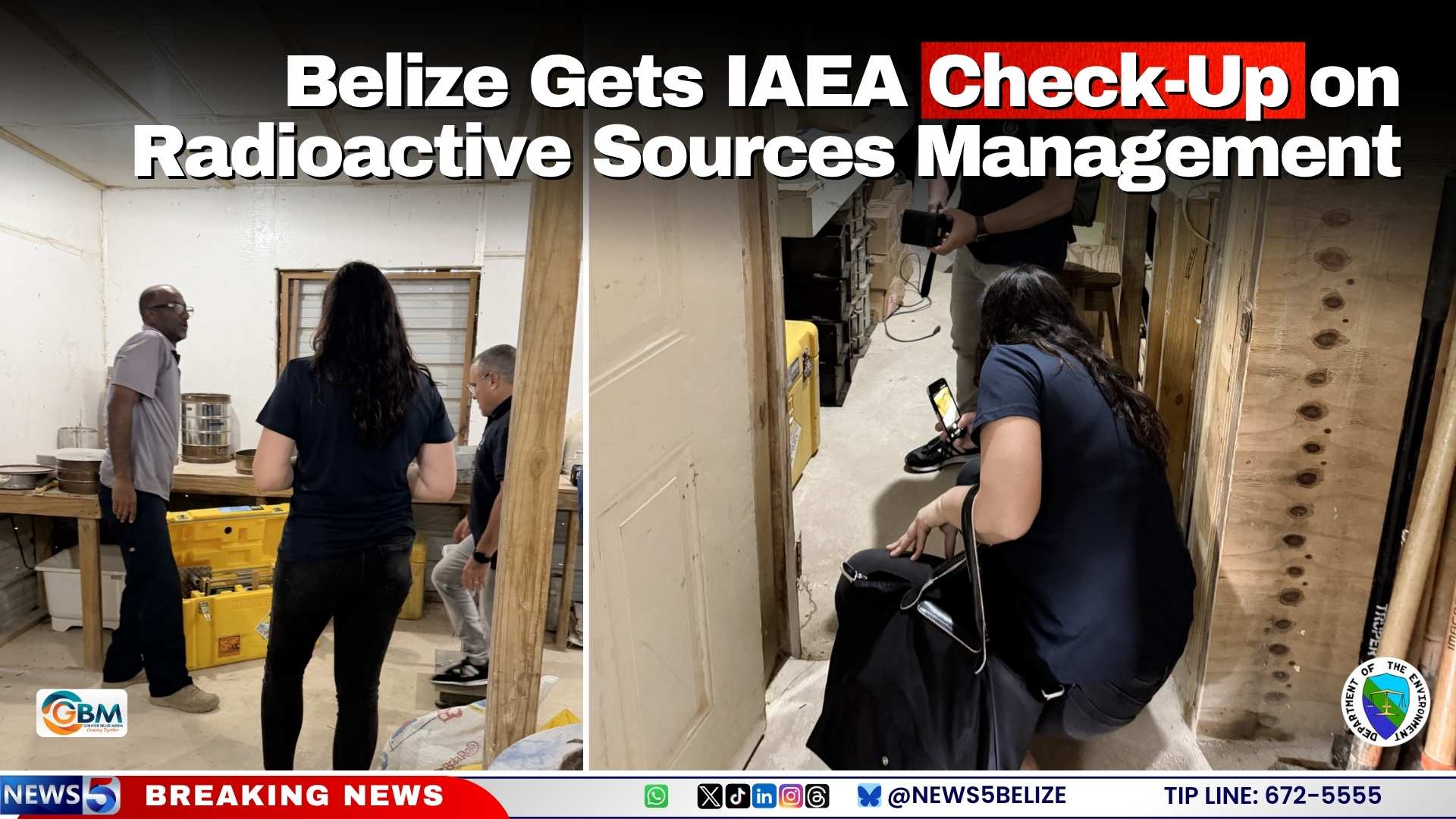
    A highlight of the event includes an educational field visit to the International Centre for Environmental and Nuclear Sciences (ICENS) and the EV Lab at the University of the West Indies, Mona campus. This hands-on component provides delegates with direct exposure to cutting-edge research in environmental science, renewable technology, and electric mobility solutions being developed within the region.

    The conference represents a significant evolution from previous youth climate initiatives by focusing specifically on actionable outcomes and measurable impact. By facilitating cross-sector collaboration between emerging leaders and established institutions, the workshop aims to translate dialogue into concrete pathways for youth-led climate action and sustainable energy investment across the Caribbean.

  • ‘Traumatised’ Ugandan students return home from Iran

    ‘Traumatised’ Ugandan students return home from Iran

    ENTEBBE, Uganda — A cohort of 43 Ugandan nationals has been successfully repatriated from Iran following the escalation of military hostilities involving Israeli and U.S. operations. The students, who were pursuing academic programs at various Iranian institutions, arrived at Entebbe International Airport on Thursday after a coordinated evacuation effort led by Ugandan diplomatic authorities.

    Ambassadorial intervention facilitated a multi-stage extraction route, transporting the students by bus to the Turkish border before their final airlift from Istanbul. The evacuation responded to intensified aerial bombardments that struck areas proximate to university campuses, creating an environment of extreme peril for international scholars.

    Emotional accounts emerged upon their return, with 29-year-old international relations student Sharon Twiine describing the experience as profoundly traumatic. “I am lost for words,” she told press personnel, emphasizing the psychological impact of witnessing military operations firsthand. Fellow evacuee Oscar Nyegyema provided chilling details of nearby strikes: “We could hear the ground trembling; we could hear the ground shake. We were all scared, we were all feeling devastated.”

    Despite the harrowing experience, Nyegyema expressed determination to complete his academic program in Iran once stability returns. This sentiment contrasted with the psychological toll acknowledged by others, including Twiine, who indicated she would require therapeutic intervention before considering further international education.

    Not all Ugandan students opted for evacuation, with financial considerations playing a significant role in their decision-making. Aloisius Ssegawa, among those who returned, explained that many feared losing their academic investment and lacking resources for future travel should they abandon their studies prematurely.

  • War in the Middle East: latest developments

    War in the Middle East: latest developments

    The Middle East conflict has entered a perilous new phase with escalating military actions and significant regional repercussions. Egyptian President Abdel Fattah al-Sisi declared a state of economic near-emergency amid soaring inflation, authorizing military trials for price-gouging traders during a military academy address.

    NATO announced the enhancement of its ballistic missile defense systems as Iran continues regional strikes, including an incident where a missile was intercepted over Turkish territory. The alliance’s 32 member states unanimously agreed to maintain heightened defense readiness until threats from Iran’s indiscriminate attacks diminish.

    Israeli Military Chief Lieutenant General Eyal Zamir revealed that US-Israeli operations against Iran are advancing to a new stage focused on dismantling the Islamic Republic’s military capabilities, promising additional undisclosed “surprises” in the campaign.

    Regional infrastructure suffered direct hits as an Iranian missile strike ignited a major blaze at Bahrain’s primary state-owned oil refinery. Meanwhile, Western embassy staff in Riyadh received shelter-in-place orders following earlier attacks on US diplomatic compounds.

    Former US President Donald Trump expressed support for Iranian Kurdish fighters potentially launching offensives into Iran, stating he would “be all for it.” Trump further asserted his intention to influence the selection of Iran’s next supreme leader, criticizing Ayatollah Khamenei’s son as “a lightweight” while drawing comparisons to US involvement in Venezuelan leadership transitions.

    Iranian Foreign Minister Abbas Araghchi warned that any ground invasion would bring “disaster” to the Islamic Republic’s enemies, asserting Iran’s preparedness for confrontation despite ongoing US-Israeli strikes.

    The human cost continues to mount with Lebanon reporting 102 fatalities and 638 injuries from Israeli strikes since the country’s involvement in the conflict began earlier this week.

    Global markets reacted strongly as West Texas Intermediate crude surged over 5% to $78.88 per barrel—the highest since January last year—while Brent crude jumped 3.6% to $84.34 amid supply disruption fears.

    Abu Dhabi experienced missile threats triggering air defense responses and loud explosions, according to resident reports and official statements from UAE emergency management authorities.

    Iran intensified internal controls by warning citizens using VPNs to bypass a nationwide communications blackout that has reduced internet connectivity to approximately 1% of normal levels, effectively isolating the country from global digital networks.