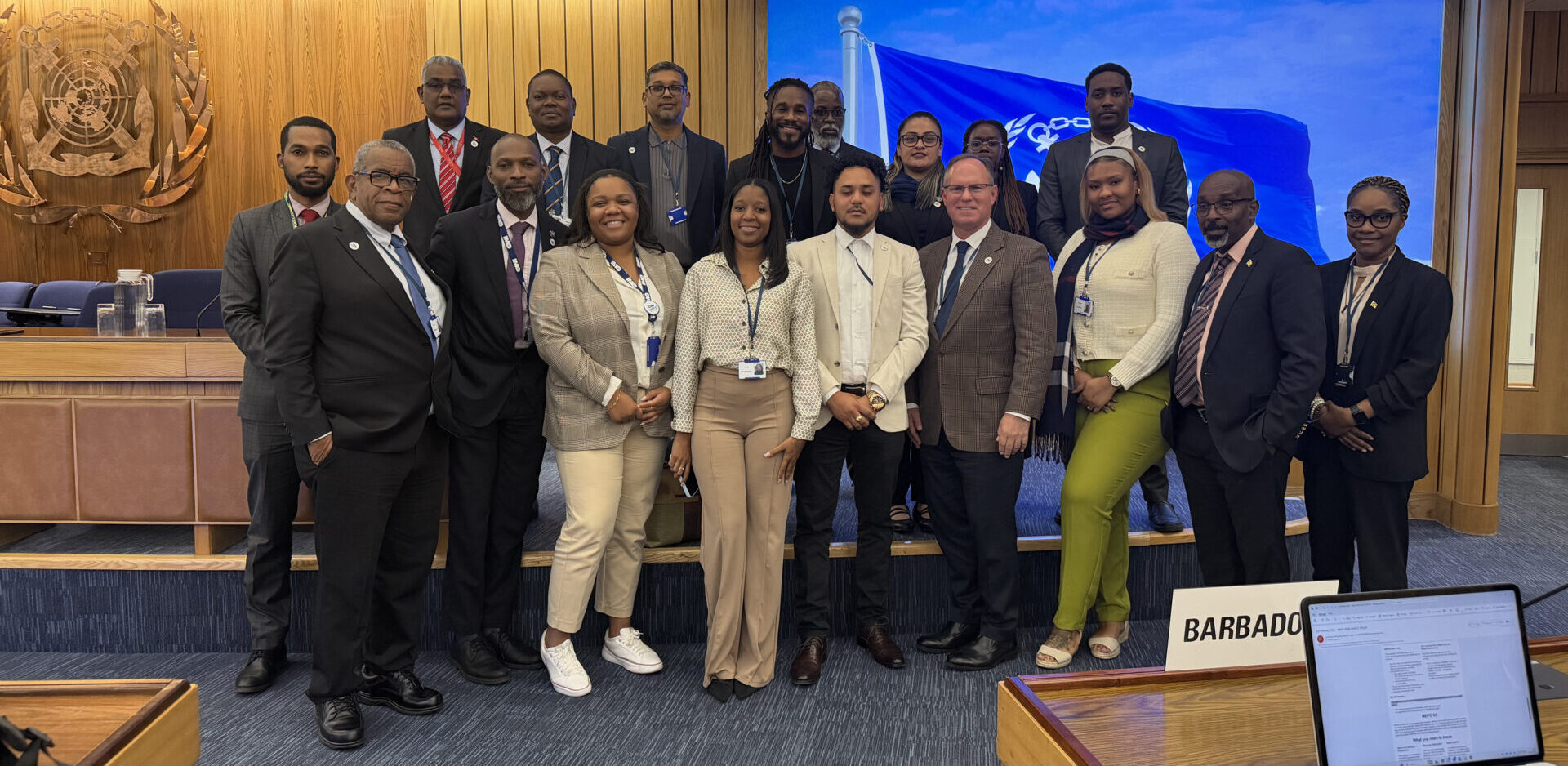
After two weeks of high-stakes multilateral negotiations hosted in London by the International Maritime Organization (IMO), delegates wrapped up back-to-back sessions of the 21st Intersessional Working Group on Greenhouse Gases (ISWG-GHG 21) and the 84th Marine Environment Protection Committee (MEPC 84) in early May without reaching a final agreement on a landmark global net-zero framework for international shipping.
The talks centered on the proposed Net Zero Framework (NZF), a landmark regulatory package designed to slash greenhouse gas emissions from the global shipping sector, a hard-to-abate industry responsible for roughly 3% of annual global carbon emissions. Negotiations focused on three core pillars of decarbonization: scaling adoption of cleaner zero-carbon fuels, tightening mandatory energy efficiency standards for existing and new vessels, and the potential introduction of a first-of-its-kind global carbon pricing mechanism for maritime emissions.
While technical working groups made incremental progress on drafting fine print, deep ideological and economic rifts between blocs of member states prevented consensus on the overall structure of the framework. The largest split centers on the balance between mandatory technical fuel standards and the proposed emissions pricing mechanism, a fracture that exposes longstanding flaws in the IMO’s consensus-based decision-making model.
Three distinct blocs have emerged with competing visions for the framework. A broad coalition including most European Union member states, low-lying Pacific Island nations, Mexico and Brazil has pushed for immediate adoption of the framework in its current draft form. This group argues that retaining both core pillars—binding technical fuel standards and a global GHG pricing mechanism—is non-negotiable to deliver the environmental ambition required to meet the IMO’s 2023 greenhouse gas reduction target, which aligns global shipping with the Paris Agreement’s 1.5°C warming limit. They note that a dual approach is the only way to ensure consistent rules across all flag states and preserve environmental integrity.
Opposing this draft is a second bloc led by the United States and Saudi Arabia, which has raised sharp objections to the framework’s proposed economic structure. This group questions whether a mandatory global emissions pricing mechanism is feasible or appropriate, and instead favors a narrower approach focused solely on technical compliance requirements, or an alternative framework that eliminates or significantly scales back the proposed financial provisions.
A third middle grouping of major flag states including Liberia, Argentina and Panama has put forward a compromise “technical-first” model that prioritizes binding fuel intensity standards and minimizes reliance on global carbon pricing. Japan has also tabled a modified proposal that preserves the overarching Net Zero Framework concept, but calls for adjustments including a greater focus on direct emissions compliance metrics and revisions to how revenue generated from carbon pricing would be collected and distributed to support developing nations.
Small island developing states (SIDS), many of which are highly vulnerable to climate change but face unique barriers to decarbonizing their shipping sectors, have played a key mediating role throughout the negotiations. Naficia Richardson, project manager for the University of the West Indies Caribbean Shipping Lanes Project, highlighted that Caribbean delegations have maintained consistent, constructive engagement throughout the process, centered on balancing ambitious climate action with the economic realities that vulnerable states face.
“Caribbean delegations played a constructive role throughout these negotiations, emphasizing that climate ambition and economic realities must be addressed together, particularly for climate-vulnerable Small Island Developing States,” Richardson said. “UWI-CSL remains committed to continuing its support to the region through technical analysis, strategic guidance, and capacity support aimed at advancing a just and equitable maritime transition.”
Dominica’s Permanent Representative to the IMO, Ambassador Benoit Bardouille, stressed that any final agreement must be tailored to the unique operational constraints that island nations face. “While environmental ambition is supported, implementation must remain realistic for countries with limited access to alternative fuels and constrained infrastructure,” he explained. “Our support for the advancement of the Net Zero Framework is contingent on guidelines that reflect the realities of SIDS, such as limited fuel access. While Greenhouse Gas Fuel Intensity (GFI) and lifecycle assessments must be robust, they must remain practical and allow for Just and Equitable Transition eligible awards. A just transition must manage change while allowing our nations to participate in the benefits of the emerging green fuel economy.”
Other Caribbean delegations including Jamaica and Antigua and Barbuda echoed this focus on equity, warning that fragmented regional rules would hurt small economies and stressing that a unified global framework must avoid placing disproportionate decarbonization costs on vulnerable developing nations. Industry stakeholders also weighed in, calling for clear regulatory certainty to guide long-term investment in green shipping infrastructure while emphasizing the need for targeted implementation support for developing states.
With no final agreement reached at MEPC 84, negotiations will reconvene later this year to resolve outstanding differences. Two additional intersessional working group meetings have been scheduled for September and November 2026 to narrow gaps between blocs, with a final vote on the framework expected at the 85th session of the Marine Environment Protection Committee (MEPC 85) before the end of the year.