分类: society

  • Teachers Given Formula to Calculate Final Retroactive Pay for 2018–2023 Period

    Teachers Given Formula to Calculate Final Retroactive Pay for 2018–2023 Period

    Public sector teachers across Antigua and Barbuda who are eligible for long-awaited final retroactive payments from the 2018 to 2023 collective bargaining contract period now have step-by-step guidance to calculate their outstanding owed amounts, released this week by the Executive of the Antigua and Barbuda Union of Teachers (ABUT).

    The guidance is split into two distinct frameworks based on a teacher’s start date within the contract period, to ensure every eligible educator can accurately verify their entitlement. For educators hired between January 1, 2019 and December 31, 2023, the calculation follows a four-step process. First, multiply the teacher’s substantive salary (as recorded on January 1, 2019) by 0.05, then multiply that total by 12 to account for the full 2019 calendar year. Second, calculate the 2020–2023 component by multiplying the teacher’s substantive salary as of January 1, 2020 by 0.092, then multiply that by the total number of months the teacher worked between 2020 and 2023. Third, add the results of the first two calculations to get a subtotal, then sum up the value of all extra monthly salary payments received in 2022, 2024, and 2025. The final retroactive amount owed equals the subtotal minus this sum of previously received extra payments.

    To illustrate this first framework, ABUT provided a sample calculation for a hypothetical Teacher A, who was hired in January 2019 and remained employed beyond the end of 2023. With a 2019 starting substantive salary of $2,754, 48 months worked between 2020 and 2023, and extra payments totaling $9,154 across 2022, 2024, and 2025, the final retroactive payout comes out to $4,660.

    For educators hired between January 1, 2020 and December 31, 2023, a simplified framework applies. Teachers in this group calculate their base amount by multiplying their January 1, 2020 substantive salary by 0.092, then by the total number of months worked between 2020 and 2023. They then subtract the sum of their extra 2022, 2024, and 2025 salary payments from this base to get their final owed amount, with results rounded to the nearest whole dollar. ABUT’s sample for this group, Teacher B, also hired with a $2,754 salary and 48 months of work, ends up with a final retroactive payment of $3,008 after rounding.

    ABUT’s leadership emphasizes that this public guidance is designed to promote full transparency around the retroactive payment process, allowing every eligible teacher to independently confirm their expected payout rather than relying solely on government calculations. The union has advised both members and non-members who identify any discrepancies between their own calculation and the payment issued by the government to report inconsistencies to either the Accounts Department at the Ministry of Education or the Treasury Department for review.

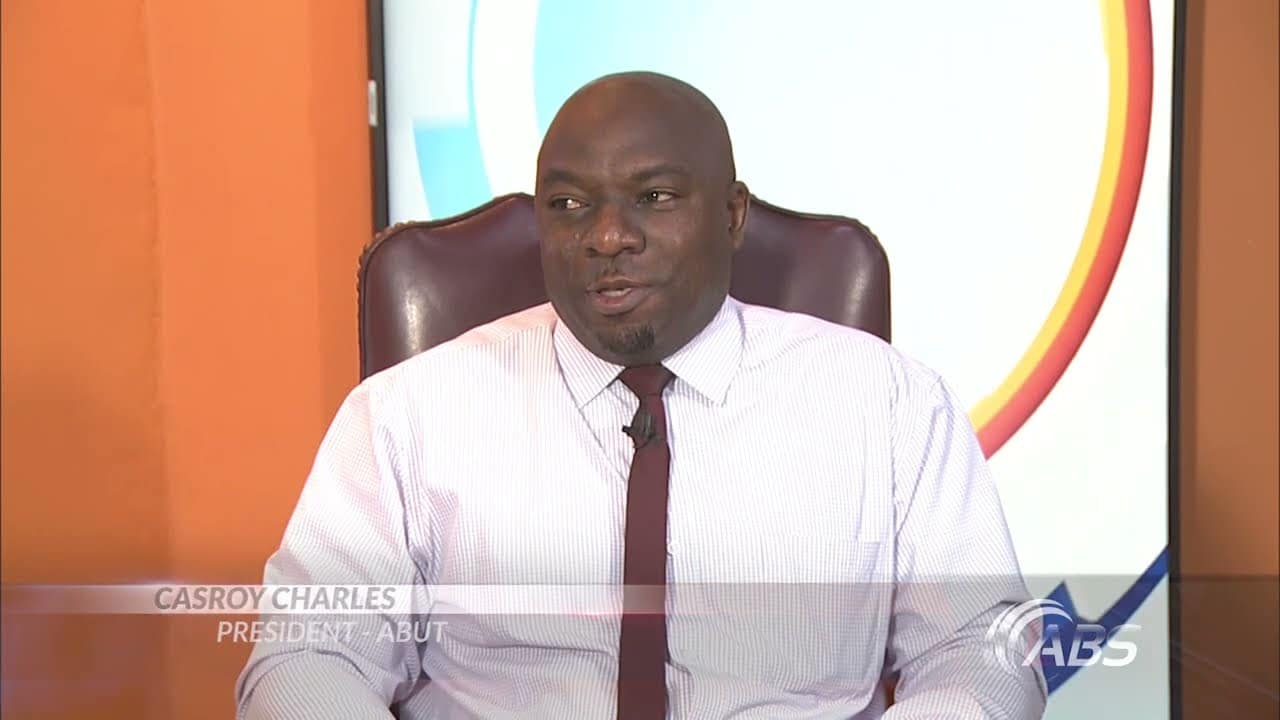
    In closing the announcement, ABUT President Casroy Charles reaffirmed the union executive’s ongoing commitment to keeping all teaching staff updated on any new developments related to the retroactive payment process. The organization says it will continue working to ensure every educator receives the full and fair compensation they are entitled to under the 2018–2023 collective agreement.

  • Family Demands Answers as Search Continues for Bree

    Family Demands Answers as Search Continues for Bree

    Three weeks have passed since 37-year-old Belize City resident Deborah “Bree” Arthurs vanished without a trace, and her loved ones are increasingly demanding answers from law enforcement, amid a stalled investigation with no confirmed breakthroughs in the case.

    Arthurs, a call center worker and devoted mother to one child, was last spotted in public on Friday, March 27, near the well-known La Popular Bakery in Belize City. Multiple witness accounts confirm she got into a silver Chevrolet Equinox that day, and no one has heard from her since that contact, leaving her family and community in a state of agonizing limbo.

    Local law enforcement has maintained that the investigation remains active, with officers continuing to work through potential lines of inquiry. In the most recent official statement, issued on Monday, April 13, Assistant Superintendent of Police Stacy Smith confirmed that investigators are prioritizing the silver vehicle Arthurs was seen entering. “Unfortunately I do not have any major update to share at this time; however, efforts are still being made to move this case forward,” Smith told reporters. “We have located the vehicle we believe Ms. Arthurs entered that day, and we are following up on multiple lines of investigation connected to it, as well as seeking to interview several persons of interest.”

    Despite police assurances of ongoing work, Arthurs’ family says they have grown deeply frustrated with the slow pace of the probe and the lack of transparent communication from authorities. Arthurs’ sister has publicly criticized the Belize City Police Department via social media, calling for greater openness about the case’s progress. She questioned how many more young women in the region must disappear before law enforcement takes more aggressive, visible action, and pressed authorities to publicly name persons of interest connected to the disappearance to encourage community tips.

    To incentivize public cooperation, the family has upped the reward for any information that reveals Arthurs’ whereabouts or breaks the case open to 10,000 Belize dollars, a significant increase from the original offer that signals their desperation to find the missing mother. As the search enters its fourth week, the community remains on alert, with local residents sharing Arthurs’ story across social media to keep the case in the public eye.

  • Soca Army Donates PA System to Holy Trinity Primary School in Barbuda

    Soca Army Donates PA System to Holy Trinity Primary School in Barbuda

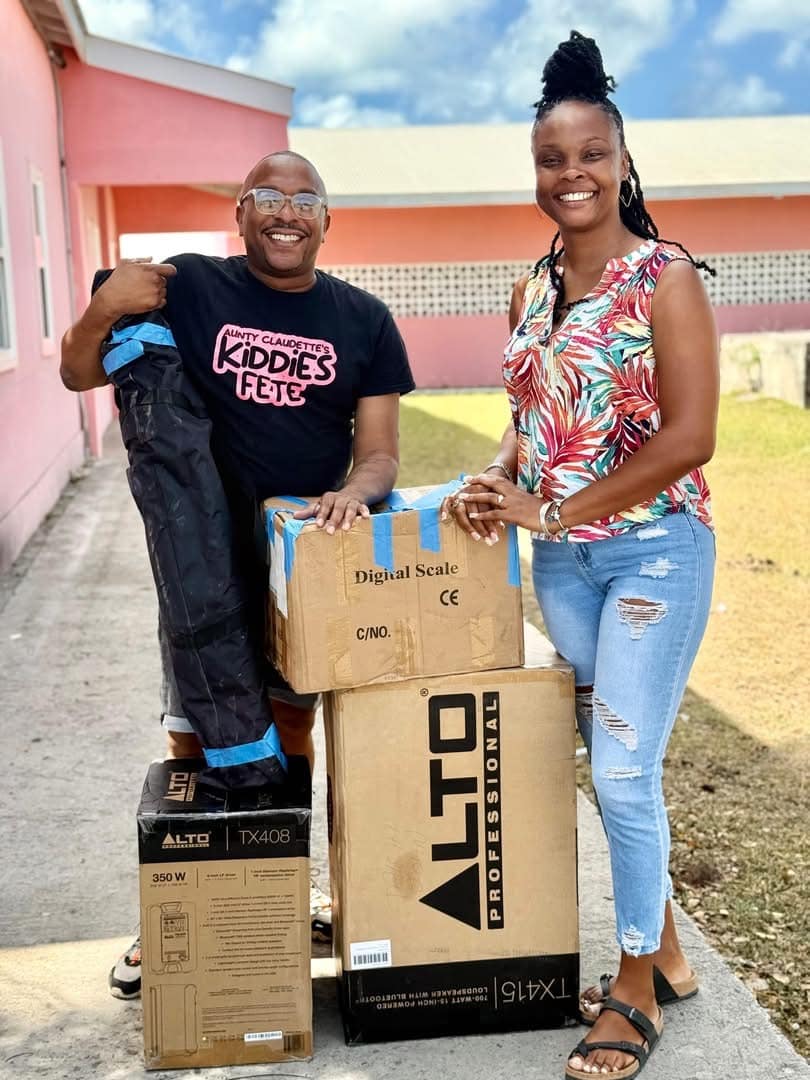
    In a landmark moment for community-focused education investment in Antigua and Barbuda, the community group Soca Army has officially handed over a brand-new public address system to Holy Trinity Primary School on the island of Barbuda. The donation marks the completion of a pledge made during last year’s Aunty Claudette’s Kiddies Fete, a popular local fundraising event that channels proceeds back into educational infrastructure across the twin-island nation.

    In an official statement released Saturday by event organizers on the ground in St. John’s, Soca Army confirmed that the handover aligns with the organization’s core mission of reinvesting in local communities and nurturing the next generation. “This morning, Soca Army proudly fulfilled the promise made through Aunty Claudette’s Kiddies Fete by donating a PA system to Holy Trinity Primary School as part of our commitment to giving back to the community,” the group shared, emphasizing that every step of the project has been driven by community support.

    Looking ahead, the initiative is set to scale up significantly, with 2026 bringing a targeted shift to serve secondary education institutions across the country. Under the expanded plan, Soca Army aims to stock the music rooms of 12 secondary schools with new musical instruments, with one of the first scheduled beneficiaries being Sir McChesney George Secondary School, located in Barbuda. “This year, we are going even bigger. Aunty Claudette’s Kiddies Fete 2026 will focus on secondary schools, with our goal of providing musical instruments for the music rooms of 12 secondary schools,” the statement added.

    Organizers were quick to credit the widespread public backing the event has received since its launch, noting that ongoing community participation is the backbone of the group’s ability to advance youth development across the nation. “Because of your support, we are able to continue investing in our youth, their talent, and their future,” organizers said.

    Reaffirming the initiative’s long-standing ties to the island of Barbuda, the group emphasized its commitment to centering the needs of all communities across the twin nation, adding: “Soca Army never forgets Barbuda. Aunty Claudette never forgets Barbuda.” With preparations for the 2026 fundraising fete now underway, organizers are calling on the general public to continue supporting the effort, with the goal of delivering even more tangible, life-changing improvements to education across Antigua and Barbuda in the coming years.

  • Mock exam initiative seeks to level 11-Plus playing field

    Mock exam initiative seeks to level 11-Plus playing field

    Weeks before Barbados’ national 11-Plus assessment, more than 100 primary school students in the parish of St Michael are receiving targeted last-minute support through an unprecedented new mock testing program, launched by local non-profit the Trident Charity to ease exam anxiety, build test confidence, and pinpoint knowledge gaps for struggling learners. The two-day pilot, hosted at Elsierlie School, has drawn 40 volunteer tutors from the University of the West Indies Cave Hill’s Give Back Programme, expanding the charity’s longstanding work supporting local students beyond its traditional exam kit distribution.

  • St James police release sketch of murder suspect

    St James police release sketch of murder suspect

    In St James, Jamaica, law enforcement officials have published a composite drawing of a suspect linked to a deadly shooting that unfolded earlier this month in the parish’s Somerton District. The fatal attack, which claimed the life of a local auto mechanic, took place on March 5 at a residence on Easy Street in the Bullock Heights neighborhood.

    The victim has been formally identified as Rohan Green, who was also known by two local nicknames: ‘Blacks’ and ‘Ockra Bud’. Green worked as an auto repairman and resided at the Easy Street address where the incident occurred.

    According to official statements from the Adelphi Police Division, the violence broke out at approximately 11:25 a.m. that Thursday. Green was in the process of repairing vehicles at his home when he was suddenly ambushed by one or more unknown attackers. The assailants opened fire multiple times, striking Green before they fled the scene quickly to avoid capture.

    Local residents immediately alerted police to the shooting. When first responders and investigators arrived at the location, they found Green lying motionless on the ground. He had sustained multiple gunshot wounds to his upper torso and head, which proved fatal.

    Investigators have since worked to build a clearer picture of the attacker, using detailed witness descriptions to generate the official composite sketch now released to the public. St James police are now launching a public appeal for information to help move the case forward.

    Authorities are asking any member of the public who has details related to the murder, the suspect’s identity, or the events of March 5 that could assist the investigation to reach out to law enforcement immediately. Tips can be submitted anonymously or directly through several contact channels: the Montego Bay Criminal Investigations Branch (CIB) at 876-953-6191, the independent Crime Stop hotline at 311, the national 119 police emergency line, or any nearby local police station.

  • ‘An act of evil’

    ‘An act of evil’

    The charged conversation around incest in Jamaica has reignited in recent weeks, after a former national parliament member was taken into custody and formally charged with the crime. According to official allegations, the former lawmaker brought his 13-year-old female relative to his residence after running errands together in January of this year, where he is accused of sexually assaulting her. The minor victim filed a formal report with law enforcement, leading to the suspect’s arrest; his name has been withheld by authorities to protect the child’s privacy, in line with local protective legislation.

    Following the public emergence of this case, Dr. Sapphire Longmore, a consultant psychiatrist based at the University Hospital of the West Indies (UHWI), has outlined key contextual and psychological drivers that push perpetrators to commit incest, the taboo act of sexual intercourse between close family members. In an interview with the Jamaica Observer, Longmore framed incest as a fundamentally harmful act rooted in multiple overlapping factors, ranging from intergenerational trauma to inherent sexual deviance, moral breakdown, and deep-seated power imbalances.

    Longmore explained that when an adult commits incest against a child, the behavior often mirrors patterns seen in cases of paedophilic abuse, frequently linked to unaddressed trauma the perpetrator experienced during their own childhood. Unresolved early-life trauma, she noted, can disrupt healthy sexual development and create cycles of harm that pass between generations. “To commit such an act, it is usually related to sexual deviance, a reflection of power and control, and even sometimes there can be some motivation around revenge for some unrelated incident, unfortunately targeting the child,” she said. “Quite frankly, it is an act of evil.”

    She expanded on this framing, explaining that incest violates the most foundational bonds of family and trust: it shatters a child’s sense of safety, belonging, and connection to their kin, inflicting long-term psychological damage that can last for decades. In many cases, Longmore added, the perpetrator themselves were survivors of incest or childhood sexual abuse, creating a self-replicating cycle of trauma. If survivors do not undergo appropriate therapeutic intervention to process their abuse, they may internalize harmful beliefs that normalize the behavior, leading them to repeat the pattern later in life, even if they consciously understand the act is wrong.

    Longmore also emphasized that Jamaica’s post-colonial history contributes to the persistent stigma and underreporting of incest across the Caribbean. During the colonial era, enslaved people were treated as property, and enslavers routinely forced inbreeding to increase their holdings of enslaved people. This legacy, she argues, has fostered a subtle cultural normalization of the abuse across the region, and the problem is not unique to Jamaica. That said, she clarified that not all perpetrators were abused themselves: some commit incest as a result of innate sexually deviant urges that fall far outside accepted social and cultural norms. For these individuals, the abuse often centers on power and control; many paedophiles, she noted, target children for the sadistic pleasure of dominating a vulnerable person, representing a clear psychopathological pathology.

    For survivors of incest abuse, Longmore argues that a holistic, spiritually centered approach to healing is critical to long-term recovery. While conventional medication and talk therapy can help survivors process trauma, incest abuse strikes at the core of a survivor’s sense of self-worth and identity, she explained. To fully recover, survivors need support to rebuild their sense of inherent value, unconditional love, and purpose — work that requires attending to the spiritual dimension of healing alongside clinical treatment. “It is not to say that other methods don’t work, but they take a very long time, and they’re not guaranteed, and sometimes they carry their own adverse effects,” she noted. “That is why the holistic approach is necessary, and specific attention to healing the individual’s sense of self and value is really very critical.”

    Official data from the Jamaica Constabulary Force (JCF) shows a steady downward trend in reported incest cases across the country over the past five years: 33 cases were reported in 2019, compared to just 8 reported incidents between January and mid-November 2024. Historical JCF data mirrors this gradual decline: 30 cases were recorded in 2016, 29 in 2017, 23 in 2018, according to a 2020 Jamaica Observer analysis of incest hot spots across the country. However, researchers and public health experts warn that falling reported case numbers do not mean incest has been eliminated. Experts note that significant social stigma around the crime often discourages survivors and their families from coming forward, meaning the true prevalence of incest is likely far higher than official data suggests.

  • Rebuilding pains

    Rebuilding pains

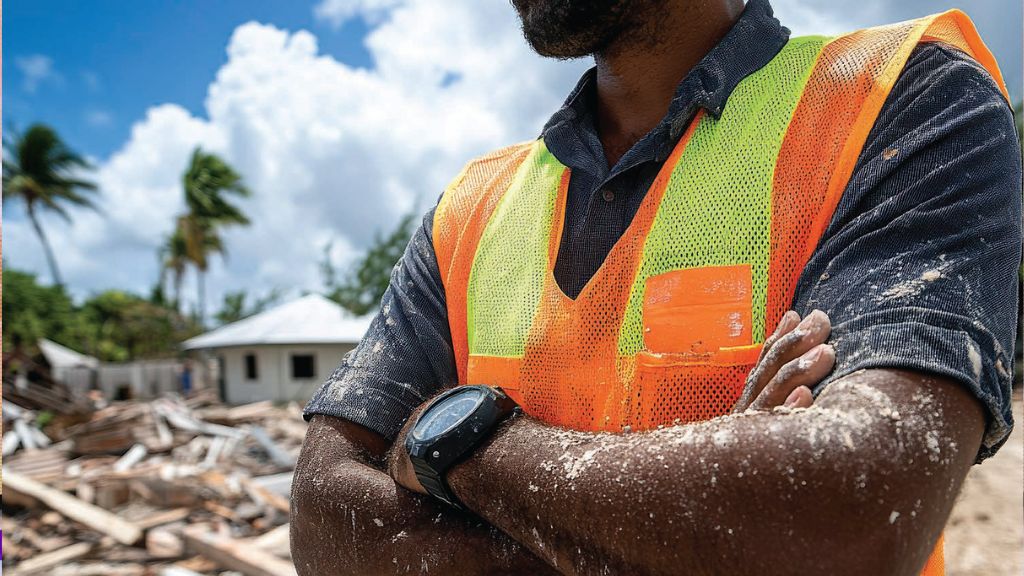
    More than five months have passed since Hurricane Melissa tore across western Jamaica, leaving a trail of destruction in its wake. Today, three of the hardest-hit parishes – Westmoreland, St James, and Trelawny – still see residents mired in unforeseen barriers as they work to reconstruct storm-damaged homes and rebuild their daily lives under the government’s flagship recovery initiative, the Restoration of Owner or Occupant Family Shelters (ROOFS) programme.

    Jamaica Observer correspondents Horace Hines and Rosalee Wood Condell recently conducted on-the-ground interviews with local residents and participating hardware store operators across the three parishes to document the ongoing struggles. Their firsthand reporting, published on pages 4 and 5 of the outlet, shines a light on the persistent frictions that have slowed the recovery process for thousands of storm survivors.

    Many residents report travelling long distances across regional terrain to reach the few authorized hardware stores that stock subsidized building materials under the ROOFS scheme. Beyond the logistical burden of extended travel, affected households also face widespread issues with inconsistent stock availability, leaving many unable to secure the materials they need to continue construction work. Compounding these frustrations are growing community concerns over the lack of transparency surrounding the government’s process for selecting which retail stores are allowed to participate in the programme, a point of contention that has left many questioning the fairness of the initiative’s implementation.

    As recovery efforts drag on, the unaddressed challenges have left many displaced families waiting far longer than expected to return to safe, permanent housing, prolonging the disruption caused by the deadly storm.

  • Taxi drivers ‘barely breaking even’

    Taxi drivers ‘barely breaking even’

    For two straight years, Jamaica’s taxi operators have tightened their belts, absorbing frozen fares while the island’s economy navigated one crisis after another. Today, that unending financial pressure has reached a breaking point: many operators now struggle to cover basic operating costs, and dozens have already lost their vehicles to loan repossession. The latest surge in global fuel prices, triggered by ongoing geopolitical tensions in the Middle East, has completely shattered their fragile hopes of finally securing the delayed fare adjustment they have waited years for. Adding to their anxiety, recent discussions among local officials about potential work-from-home mandates to cut national fuel consumption have left the industry bracing for even steeper losses.

    Lorraine Finnikin, president of the All Voice Taxi Association, outlined the sector’s crisis during a recent press conference, warning that reduced commuter travel from work-from-home policies would deliver a fatal blow to already strained operator earnings. The conference came after Energy Minister Daryl Vaz publicly warned Jamaicans to prepare for sharp fuel price increases, confirming the government can no longer afford to cover billions in fuel subsidies to keep consumer costs low.

    Vaz has since announced a new pricing framework for the state-owned refinery Petrojam Limited, tied directly to global market fluctuations. Under the new tiered system, consumers began seeing higher petroleum prices as early as this week, a change that has hit fuel-reliant taxi operators particularly hard.

    Finnikin explained that the last fare adjustment for Jamaica’s route taxis and rural stage carriages came in October 2023, when a 19% hike was implemented as the first phase of an approved 35% total increase designed to offset rising operating costs. The remaining 16% increase was scheduled to roll out in 2024, but implementation has been delayed indefinitely. Over the past three weeks alone, operators have seen their costs skyrocket, pushing many to the edge of insolvency.

    To illustrate the scale of the fuel cost increase, Finnikin shared data with the Jamaica Observer: for a Probox, one of the most common taxi vehicles in Jamaica, daily fuel costs jumped from between J$5,500 and J$6,000 before the latest Middle East crisis to between J$7,300 and J$8,600 today — a daily increase of up to J$2,600 just for fuel. Beyond fuel, operators are also facing steep jumps in other overhead costs, including stationery supplies for licensing and documentation, and vehicle maintenance. Some maintenance parts and services, particularly engine lubricants, have increased in price by as much as 80% in recent months. While these maintenance costs are not incurred daily, they still add a massive extra burden to operators already struggling with daily fuel costs.

    “The gas is really killing us,” Finnikin said. “The worst part is that we cannot increase our fares, so daily incomes have stayed exactly the same, and operators have to cover the extra fuel costs out of their existing earnings. For years, we have been operating at barely break-even levels — this extra cost is pushing many under.”

    Work-from-home proposals have added a new layer of fear, Finnikin noted, because most operators upgraded their vehicles over the past five years to meet new industry standards, and more than 70% of those upgrades were financed through loans. With commercial banks offering few accessible loan options for small operators, most have turned to micro lenders that charge exorbitant interest rates, requiring steep weekly repayments. Over the past four weeks alone, Finnikin said rural association leaders have reported a sharp rise in vehicle repossessions as operators can no longer cover both weekly loan payments and inflated fuel costs. If current conditions continue, the country could see mass repossessions that put hundreds of operators out of work, he warned.

    While a small number of operators have responded by illegally raising fares to cover costs, Finnikin has urged members to hold off and remain patient — but he cautioned that the sector can only absorb so much strain before widespread collapse occurs. Over the past two years, operators have repeatedly delayed their demand for the final 16% fare hike in response to broader economic conditions. When inflation began falling to a stable 4% by mid-June 2025, operators were confident the hike would finally be approved — but the general election was called shortly after, and no government would implement a fare increase ahead of a vote, so operators once again tightened their belts to wait.

    Operators shifted their hopes to a November 2025 implementation, but that hope was washed away when Category 5 Hurricane Melissa made landfall on October 28, 2025, devastating infrastructure and destabilizing the national economy. By late November, the Bank of Jamaica and the Planning Institute of Jamaica (PIOJ) warned of broad price increases for goods and services across the first quarter of 2026, a shift that directly impacts the transportation sector, the largest mover of goods and people across the island. After Hurricane Melissa, prices began rising as early as December 2025, and while operators hoped post-hurricane recovery would stabilize inflation quickly, the Middle East conflict delivered another crippling blow. Now, operators are clinging to the promise of a definitive timeline for the fare increase from Minister Vaz, who said last month that a timeline would be released within weeks. As of last Wednesday’s post-Cabinet media briefing, Vaz confirmed no final decision has been made on movement curtailment measures to address rising fuel costs.

  • From St Andrew to St James

    From St Andrew to St James

    Nearly eight months after Category 5 Hurricane Melissa devastated large swathes of Jamaica, the island nation’s flagship post-storm housing recovery initiative is navigating unforeseen demand and supply chain bottlenecks, according to on-the-ground reports from participating suppliers and government officials in St James.

    The Restoration of Owner or Occupant Family Shelters (ROOFS) programme — a $10 billion cornerstone of the national Shelter Recovery Programme — was launched to deliver targeted financial assistance to homeowners whose properties suffered minor, major or severe damage during the October 2023 storm. Administered through the Ministry of Labour and Social Security, the initiative allows approved beneficiaries to redeem grant funds for building materials or cash at pre-vetted participating retail outlets, using a unique QR or digital code sent directly to their mobile phones.

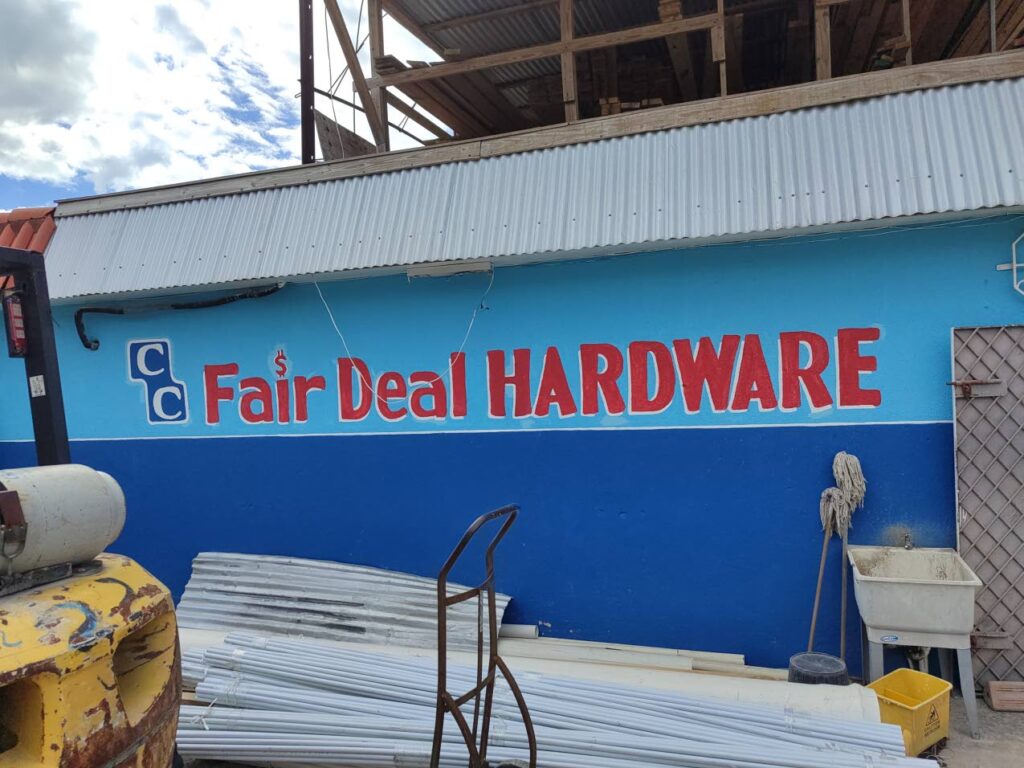
    But in St James, one of the parishes hardest hit by the hurricane, participating hardware stores are already reporting unexpected strains on operations. CC Fair Deal Hardware, a participating outlet based in Cornwall Courts, has seen a flood of beneficiaries traveling from outside the parish to redeem their grants — some coming from as far as St Andrew, St Ann and Westmoreland, according to a senior store representative who requested anonymity.

    “Today alone, we had a beneficiary travel all the way from St Andrew to pick up her supplies here,” the representative shared, adding that the constant stream of out-of-parish patrons has kept the store’s team working at full capacity. Still, the outlet has struggled to meet consistent demand for key construction inputs, including cement and concrete blocks. Many beneficiaries have also reported being unable to source specialized roofing materials such as roof capping and shingles, as few participating hardware stores stock these products in bulk. CC Fair Deal Hardware, for example, only carries basic roofing supplies like zinc sheets and waterproof sealant. To manage the overwhelming demand, the store now only processes ROOFS grant redemptions from Tuesday through Friday, suspending processing on weekends to keep up with regular commercial customers.

    In contrast, another participating St James outlet, Tools and Parts Supplies, told reporters it has so far managed to keep up with demand for core building materials. The store has implemented a separate queuing system for ROOFS beneficiaries, allowing regular patrons to complete their purchases without delays while recovery clients wait to be served.

    Government officials in the St James Ministry of Labour office acknowledged the growing strains on existing retail partners, confirming that plans are already underway to expand the network of participating hardware stores to reduce overcrowding and cut travel distances for beneficiaries. As demand for materials continues to rise, officials note that adding more outlets will cut down on the long trips many beneficiaries currently make to access approved suppliers — for example, residents of northern St James communities like Goodwill often travel to Falmouth in Trelawny rather than all the way to Montego Bay, a workaround that will become unnecessary as more local outlets join the programme.

    A ministry representative, who also requested anonymity, explained that phased approvals of beneficiaries have been intentional to avoid overwhelming the limited supply capacity of local hardware stores, which still must serve their regular commercial and residential customer bases. “It’s been thousands of people already, and we haven’t even hit the halfway mark of assessments,” the representative said. “It’s a good thing we didn’t send out approval texts to everyone at once — no hardware store could stock enough material to meet that sudden demand all at once.”

    While most participating stores have adapted by implementing pre-order and curbside pickup systems — where beneficiaries place orders in advance and are called to collect supplies once they are sourced — one major participating outlet has already exited the programme due to unresolved operational challenges. Officials did not share further details on the discontinued partnership.

    The government is also working to expand the number of approved cash redemption outlets, which currently only has two locations across St James: one on Barnett Street and another in the Fairview district. Assessments of damaged properties are still ongoing, eight months after the hurricane, as dozens of property owners who were out of the country or off-island in Kingston during the storm have only recently returned to file claims. Officials report that the volume of new assessment requests in April 2024 matches the level seen immediately after the storm in November 2023, meaning demand for ROOFS programme services will continue to rise in the coming months.

  • Trelawny stakeholders rue lack of cement

    Trelawny stakeholders rue lack of cement

    Weeks after Category 5 Hurricane Melissa swept across Jamaica on October 28, leaving a trail of damaged homes and infrastructure in its wake, homeowners and construction teams in the parish of Trelawny are facing an unexpected new barrier to rebuilding: widespread cement shortages at local hardware outlets that are pushing critical repair projects back by days or even weeks.

    For many residents already grappling with storm damage, the lack of cement has upended carefully laid reconstruction plans. One anonymous young homeowner from south Trelawny, who spoke with the Jamaica Observer last Friday at a Falmouth hardware, explained that her planned weekend roof replacement — a project that would swap her storm-damaged zinc roof for a more durable concrete slab — had to be postponed indefinitely because her construction crew could not source the necessary cement. She noted that she had been able to acquire most other building materials gradually, but chose not to stockpile cement ahead of time due to the cool, damp conditions in her area, which could cause the product to solidify and spoil before use.

    Local hardware operators across Trelawny have confirmed the ongoing supply gaps. Alex Chen, proprietor of the well-known Just In Hardware in Falmouth, told reporters that his location has been completely out of cement for two full weeks, despite maintaining full stock of all other construction materials to meet post-hurricane repair demand. Hugh Grant, who runs Grant’s Hardware in the nearby Albert Town community, acknowledged that cement has been out of stock at his business since the storm passed, though he stopped short of calling the situation a widespread shortage, noting only that his most recent scheduled shipment has not yet arrived.

    But another Albert Town hardware owner, Lloyd Gillings, described the current situation as an outright crisis that has already cost his business significant revenue. Gillings told reporters that suppliers are now rationing cement, limiting most small businesses to purchases of just five bags at a time, and some suppliers are even forcing customers to buy additional unrelated products to access any cement stock at all. “The big companies get priority for what cement is available, and they won’t even take our orders because they can’t fulfill them,” he explained, adding that he recently had to visit three separate locations across two parishes to source just 150 bags of cement for a small new construction project he is launching in Knockpatrick, Manchester.

    Veteran Trelawny building contractor Orville Webb noted that most other post-hurricane supply bottlenecks for materials like zinc sheeting and nails have eased in recent weeks, with stock levels returning to normal. But he echoed the concerns about cement, explaining that he was shocked to find no stock during a recent trip to a Falmouth hardware, and ultimately had to pay a third-party transporter to bring the product from another location to keep his projects on schedule. “It looks like the shortage is only going to get worse before it gets better,” Webb warned.

    For some residents, the cement shortage compounds already devastating post-storm struggles. Elisha Steel, a Scarlett Hall resident who was already denied support from the government’s Restoration of Owner or Occupant Family Shelters (ROOFS) hurricane recovery program after assessors refused to climb his damaged roof to survey the damage, is now facing a $400,000 repair bill he cannot complete because he cannot source the full volume of cement he needs. “Everywhere I go in Falmouth, there’s either no cement at all, or they won’t sell me the full amount I need,” Steel lamented.

    Caribbean Cement Company Limited, Jamaica’s leading cement supplier, addressed the supply issues in an official statement, acknowledging that some customers have experienced delivery delays but denying that there is any overall shortage of the product. The company confirmed that it is currently operating at full production capacity, and explained that recent heavy rainfall left raw materials with excess moisture, causing minor temporary operational disruptions. The company added that those operational issues have now been fully resolved, and deliveries are in the process of being normalized across the island.

    Beyond the immediate supply challenges, the hurricane has spurred new calls for better disaster preparedness among Jamaican business owners. Speaking recently at the 2025/2026 Western Campus Seminar hosted by the University of Technology Jamaica at Sea Gardens Beach Resort, Jason Russell, president of the Montego Bay Chamber of Commerce and Industry, advised business owners to set aside dedicated emergency disaster recovery funds to cover immediate repair costs, pointing to long delays that often hold up insurance claim payouts. “We can’t just sit around waiting for insurance to pay out after a storm. Insurance won’t reopen your business tomorrow; the claims process takes a very long time more often than not,” Russell explained, noting that his own hotel sustained damage during Hurricane Melissa and received no insurance payout, but was able to resume operations quickly because the business had saved emergency reserve funds.

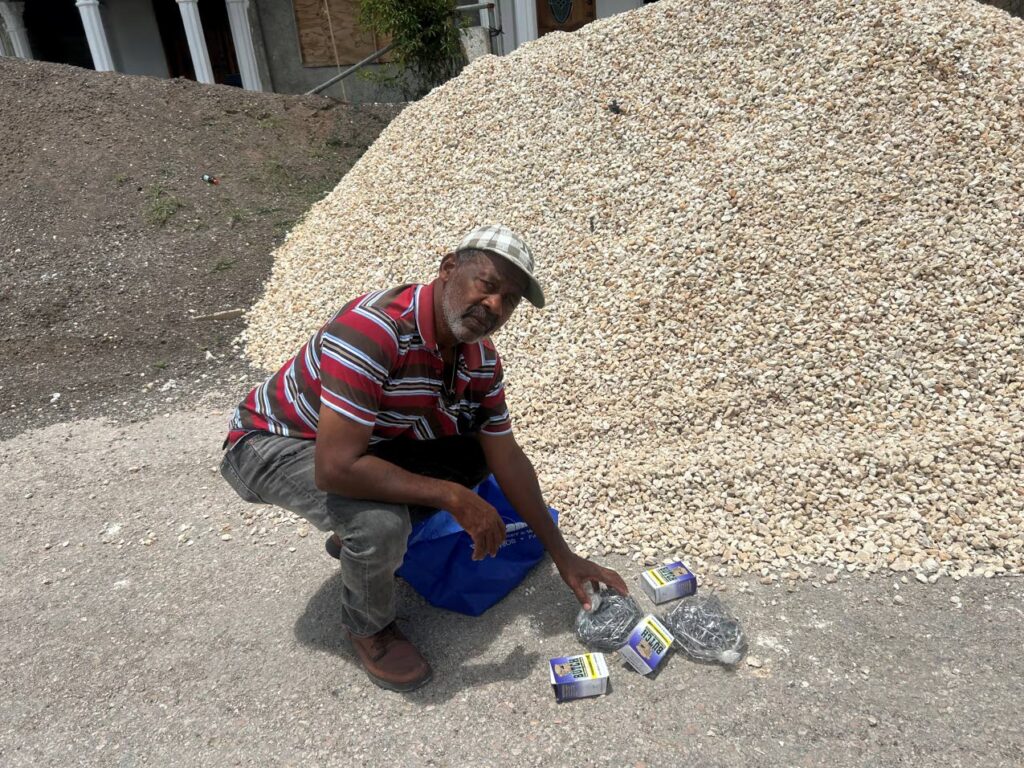
    Photos from across Trelawny illustrate the scope of the supply gap: the warehouse at Falmouth’s Just In Hardware sits completely empty of cement stock, while Herma Gillings displays the handful of remaining bags left at the Albert Town hardware she operates with her husband Lloyd.