Barbados is set to roll out a landmark universal free pre-primary education programme for all qualifying three and four-year-olds starting this September, marking a major expansion of the island nation’s early childhood learning ecosystem, with education leaders emphasizing the critical role of parental partnership in preparing young learners for this new phase.
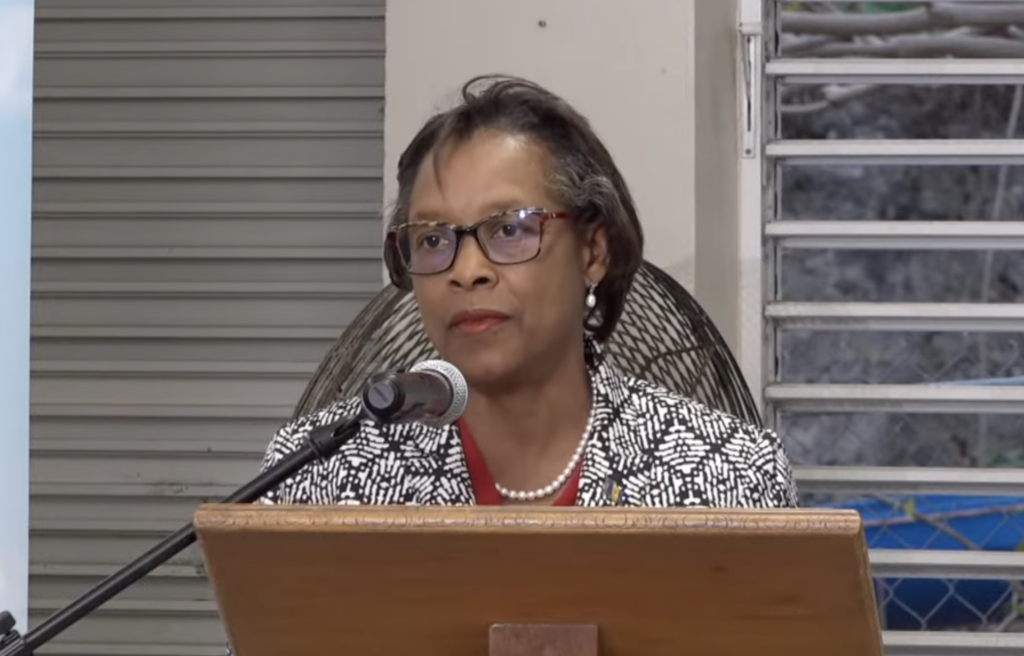
The launch of the initiative was the central focus of a recent Pre-Primary Expansion Parent Engagement Session hosted at George Lamming Primary School, where senior education officials outlined the programme’s goals, structure, and next steps for families ahead of its official rollout. Deputy Chief Education Officer Julia Beckles highlighted that the scheme is far more than a childcare service, centered instead on delivering intentional, curriculum-aligned learning experiences tailored to young children’s natural development.
“We are excited about the possibilities this expansion unlocks, and we have made steady progress to open up additional spots for three and four-year-olds across the country,” Beckles told attendees. “This is not daycare. This is structured learning rooted in a formal early childhood curriculum. Even as children engage in play and age-appropriate activities, they will make meaningful developmental gains that set them up for long-term success.”
Beckles added that education authorities welcome open feedback from parents ahead of the September 2026 launch, encouraging caregivers to share questions, concerns, and suggestions to refine the rollout process. The programme forms a core pillar of the Government of Barbados’ Every Child Barbados national education transformation agenda, which aims to reduce opportunity gaps and advance equitable access to high-quality learning from early childhood onward.
“Every child in Barbados deserves a strong start to their educational journey,” noted Jenise Clarke, an Education Officer within the Ministry of Education Transformation. “No matter what community a child comes from, what their family’s income level is, or what their personal background may be, they are entitled to free, quality early childhood education that prepares them for primary school and beyond.”
Beyond outlining the policy itself, the engagement session offered evidence-based, practical guidance to parents on how to prepare their children for the transition to structured pre-primary learning. Shioma Francis-Porte, another Education Officer in the transformation ministry, urged families to establish consistent daily routines early, including fixed bedtimes and dedicated quiet time for shared reading and open conversation.
“Consistent routines help young children build independence, self-regulation, and the foundational skills they need to be ready to learn,” Francis-Porte explained, reminding attendees that “you are your child’s first teacher – not us.” She encouraged parents to nurture children’s communication skills through casual conversation during daily tasks, shared storytime, singing traditional nursery rhymes and local Barbadian cultural songs, and to help children build social-emotional skills by teaching them to share, name their emotions, use kind language, and practice empathy.
Francis-Porte also emphasized that play is the most effective vehicle for early learning, urging parents to support unstructured imaginative play, creative activities like drawing, outdoor exploration, and to limit excessive recreational screen time. Education Officer Dwane Goddard focused on supporting children’s overall physical and emotional well-being ahead of enrollment, advising parents to prioritize healthy habits including balanced meals, consistent water intake, regular physical activity, and keeping children’s preventive health check-ups and vaccinations up to date.
“Good nutrition, regular movement, and consistent healthcare all lay the foundation for children’s overall well-being and ability to learn,” Goddard said. He also encouraged caregivers to practice positive discipline, maintain open lines of communication with their children, and monitor children’s online activity to keep them safe. “Children thrive and learn best when they feel safe, loved, and supported at home,” he added.
Goddard stressed that ongoing parental engagement with schools is a key driver of children’s long-term success, noting: “Your involvement makes a significant difference in your child’s outcome. Learning begins at home, and it continues in the classroom.” He also encouraged families to center Barbadian culture and identity in daily activities with their children, while teaching young learners to respect diversity in all its forms.
“Parents are their children’s first and most important teachers. Together, we can nurture confident, caring, creative, and capable learners who will build the future of Barbados,” Goddard said.
Two additional education officers, Tanya Byone and Natasha Reeves, walked attendees through building foundational self-help and academic readiness skills. They recommended that parents help children practice independent daily skills including handwashing, communicating when they need to use the bathroom, and managing clothing fasteners like buttons and zippers on their own. To strengthen cognitive, communication, and social skills ahead of enrollment, they encouraged families to incorporate simple counting activities, colour recognition games, puzzles, shared story reading, and group play opportunities into daily routines.
To qualify for the programme, children must turn three or four years old by September 1 of this year. The Ministry of Education has advised parents to prepare required documentation ahead of enrollment, including official birth certificates, proof of residential address, up-to-date immunization records, passport-sized photographs, and any required immigration documentation, and to monitor official ministry channels for further announcements and updates.