分类: society

  • Van Genderen, eerste vrouwelijke griffier bij het Hof, heengegaan

    Van Genderen, eerste vrouwelijke griffier bij het Hof, heengegaan

    A trailblazing figure in the Surinamese judicial system has passed away, leaving the legal community in mourning. Monique van Genderen-Relyveld, the respected Head Clerk of the Suriname Court of Justice, died peacefully in her sleep on Wednesday morning at the age of 59, just months after her appointment was extended to leverage her decades of expertise. Her sudden death has left an irreplaceable gap in the country’s judiciary, according to senior court leadership.

    Van Genderen-Relyveld launched her career at the Court of Justice in 1992, the same year current Court President Iwan Rasoelbaks also joined the institution. Over the course of more than three decades, she worked her way up through the ranks, starting her journey into leadership in the late 1990s as a substitute clerk under then-acting Court President John von Niesewand, where she supported daily administrative operations of the court secretariat.

    A historic milestone came on November 7, 2008, when she was sworn in as the Court of Justice’s official clerk, with her formal installation following 21 days later. With this appointment, she made history as the first woman to hold the position of clerk at the Suriname Court of Justice, breaking a long-standing gender barrier in the country’s senior judicial administration.

    The pioneering head clerk had been preparing to celebrate her 60th birthday this year, but had no plans to step down from her role. Just recently, the court extended her appointment for an additional year, in a mutual decision that allowed the institution to continue benefiting from her deep institutional knowledge, proven expertise, and strong professional capabilities.

    In her final years in the role, van Genderen-Relyveld focused most of her work on the court’s Legalizations department, where she led critical efforts to modernize the department’s internal processes, making workflows more efficient and accessible for court staff and the public alike. She also provided indispensable support during extraordinary public court sessions, bringing steady leadership to high-stakes proceedings.

    In an interview with local outlet *Starnieuws*, Court President Rasoelbaks reflected on the profound loss the institution has suffered. “We have experienced the unexpected passing of the clerk as a shock and a substantial loss to the judicial organization,” he said. Rasoelbaks added that the court has lost “a calm, but decisive leader; a dutiful and integrity-driven head clerk.”

    A unique institutional feature of the court clerk role places the clerk’s operations under the oversight of the Court of Justice, while their formal employment status falls under the Legal Affairs department of the Ministry of Justice and Police. Unlike many other judicial administrative positions, the court clerk is sworn in by the head of state and formally installed by the court itself. As a marker of this distinct status, the clerk wears the same judicial robe and cap as sitting judges.

    Rasoelbaks extended the court’s deepest sympathies to those impacted by van Genderen-Relyveld’s passing. “Our sincere condolences go out to her family, loved ones and the entire judicial organization,” he said.

  • Educators Struggle to Balance Mourning and Discipline Amid Tragedy

    Educators Struggle to Balance Mourning and Discipline Amid Tragedy

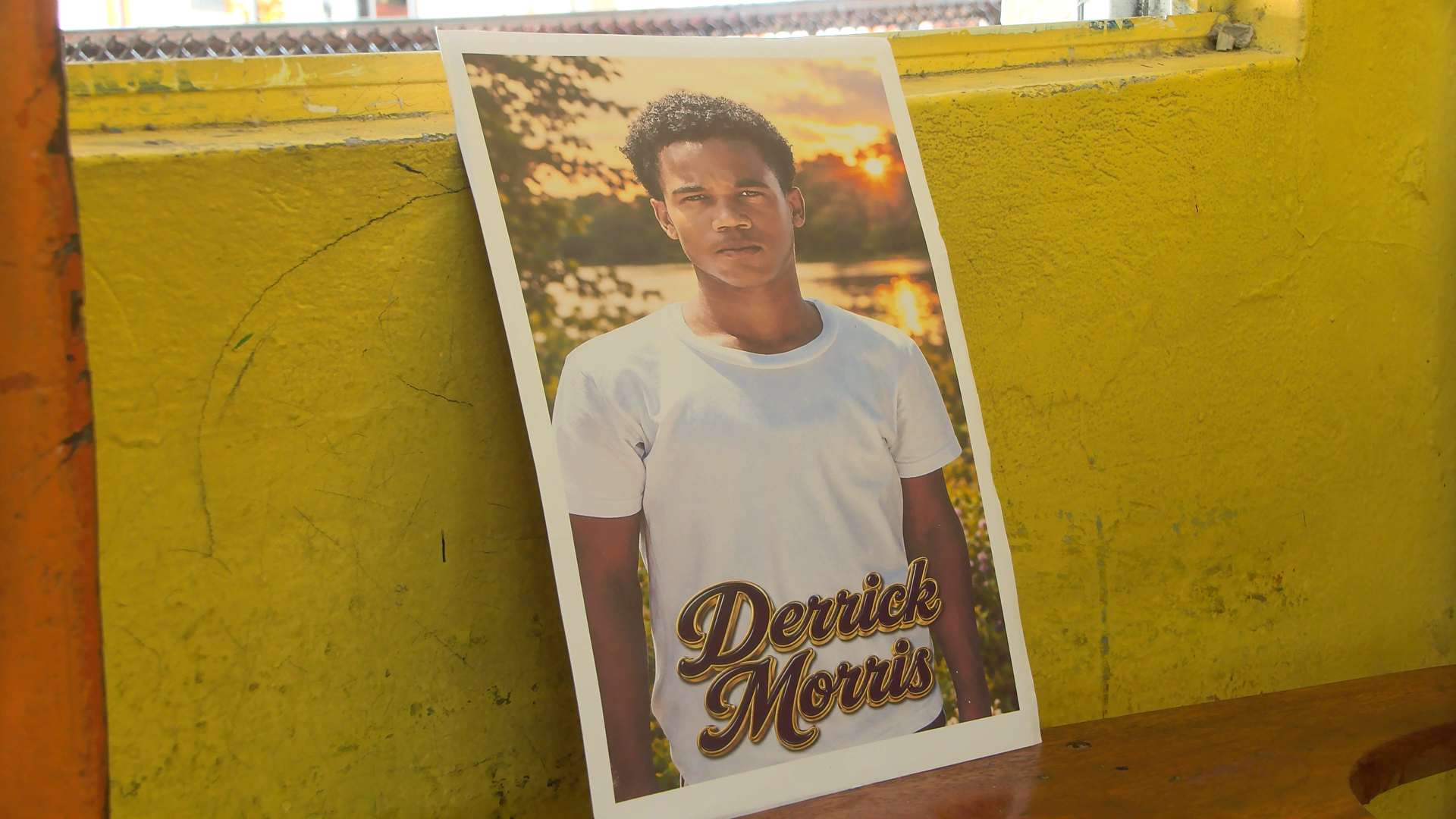
    The fatal shooting of 17-year-old Derick Morris, a third-form student at Belize’s Sadie Vernon High School, has sent ripples of shock and grief across the small Central American nation, while forcing a long-simmering national debate about school safety and the impacts of pervasive community violence onto the forefront of public discourse. Morris’ violent death is the latest in a growing string of young lives cut short by gun violence in Belize, leaving educators, students and policymakers grappling with the dual crisis of unaddressed community trauma and under-resourced support for schools located in high-violence neighborhoods.

    Located in one of Belize City’s most violence-plagued areas, where gang activity is a routine part of daily life, Sadie Vernon High School serves local students who rely on the institution for access to education and stability. But as Principal Deborah Martin explained in an interview, the school’s proximity to community violence means threats often spill beyond neighborhood boundaries into the classroom. Even after a devastating loss such as Morris’ murder, the rhythm of academic life cannot stop: exams are scheduled, assignments must be submitted, and graduation requirements remain unchanged. This leaves little time for students and staff to process their grief, creating a cruel cycle that Martin warns normalizes violent loss for young people growing up in high-risk areas.

    “Grieving and the sorrow behind losing somebody is tough and we don’t have enough time to [process it] – it is like it happens and we have to move on,” Martin said. She added that the risk of violence is not unique to her campus: schools across Belize located in gang-affected neighborhoods face the same constant threat, leaving many students afraid to attend class, uncertain when the next tragedy will strike. “You don’t know who might want to come to school, there is the risk you take in moving around in this community and the entire city, because it is not limited to this area alone,” she noted.

    For Patrick Faber, a UDP senator and currently practicing high school teacher based in Belize City’s Southside neighborhood, the tragedy hits close to home. Faber explained that even for schools that function as lifelines for low-income youth, a single violent death upends the entire school community. “I could only imagine the very same scenario at the school in Southside where I teach where the very same students who are his everyday friends come to school ready to take an exam but his classmates have a candle on his desk, that spot where that student should be,” Faber said. “Not only will he not be able to take the exam, but it has destroyed the psyche of every one of the students in that school.”

    The tragedy has also reignited criticism of the Briceño administration’s flagship free education policy for government high schools across Belize City, which was designed to position these institutions as stabilizing buffers for at-risk youth in high-violence communities. Faber, who helped craft previous school funding reform policies, noted that the framework allocates increased per-student funding to schools serving low-socioeconomic students to cover essential support services, from meal programs to mental health check-ins that address the impacts of community violence. But he argued the current government’s funding level is woefully insufficient to meet these needs.

    “Nuh tell me bout the government free education program where they provide two-ninety-five per student, everybody know that cant feed a child for the day,” Faber said, challenging the administration’s claim that its policy adequately supports vulnerable schools and students.

    As the Belizean community continues to mourn Morris’ senseless killing, educators and stakeholders alike are left asking a pressing, unanswered question: are current policies and investments enough to protect the country’s young people from the escalating violence that surrounds their daily lives, both inside and outside the classroom gates. Reporting for News Five, Paul Lopez delivered this update from Belize.

  • Video Evidence Seals 30-Year Sentence for Cacho

    Video Evidence Seals 30-Year Sentence for Cacho

    In a dramatic high-profile murder trial that concluded at the High Court, Lyson James Cacho has been sentenced to 30 years in prison for his role in a fatal daytime shooting, after damning surveillance evidence convinced him to change his plea to guilty halfway through proceedings. The sentence was handed down late Monday by Justice Candace Nanton, who built the penalty from a 35-year benchmark before applying targeted reductions. While Cacho’s guilty plea spared him from a potential life sentence, his late decision to admit guilt meant he did not qualify for the full one-third sentence reduction typically granted to defendants who plead guilty at the earliest stage of legal proceedings. The court also granted Cacho credit for 770 days he had already spent in remand detention leading up to the trial. Justice Nanton outlined several mitigating factors that shaped the final sentence, including Cacho’s expression of what the court ruled as genuine remorse, his early admission to carrying out the shooting, positive behavioral records during his pre-sentencing detention, and his completion of four structured rehabilitation programs hosted by the Kolbe Foundation. The pivotal turning point in the case came on April 29, 2026, when prosecutors presented clear surveillance footage capturing the public killing on Barbara Harris Street. The video footage, recorded in broad daylight, documents Cacho riding up behind the unsuspecting victim, who was walking away from the shooter, before firing a single fatal shot to the back of the victim’s head. After the footage was played for the jury and key witnesses delivered their testimony against Cacho, the defendant chose to end the trial following in-depth legal consultations with his defense attorney, Ian Gray. In his final address to the court ahead of sentencing, Cacho reiterated his deep regret for the crime, claiming he had carried out the shooting under external threat. Justice Nanton acknowledged the defendant’s statement but emphasized that the severe gravity of the offense required a substantial fixed-term sentence. Court records also show that Cacho had previously been tried on serious criminal charges, including murder and attempted murder, in 2015. He was ultimately acquitted of all charges in that earlier case. This news comes as part of regular court coverage from a transcribed broadcast of evening television news, with appropriate transcription standards applied for any local Kriol language testimony included in the original reporting.

  • Crime Spike in Belize City Prompts Urgent Response from Officials

    Crime Spike in Belize City Prompts Urgent Response from Officials

    A sharp uptick in violent criminal activity across Belize City has placed significant public and political pressure on national security officials to implement urgent interventions, following a particularly deadly weekend that left multiple innocent people dead and deepened public fear over community safety.

    In an official statement addressing the crisis, Rear Admiral Elton Bennett, Chief Executive Officer of Belize’s Ministry of Home Affairs, outlined the targeted operational adjustments authorities have already rolled out to counter the rising violence. Bennett explained that the Belize Police Department has reallocated personnel and resources to launch focused patrols and investigations in the city’s most violence-plagued neighborhoods. Specialized investigators and intelligence units have been reassigned to proactively map high-conflict zones and defuse escalating tensions between rival criminal groups, with additional support from the department’s Gang Suppression Unit, now working directly within at-risk communities to broker de-escalation and restore calm.

    Bennett also extended sincere condolences to the families of victims of what he called “heinous crimes”, noting that the challenge of violent crime extends far beyond the scope of traditional law enforcement action. He emphasized that the root of the crisis lies in a profound erosion of respect for human life among criminal actors, requiring long-term cultural and value-based changes within families and local communities to address.

    The bloody weekend of violence has also ignited fierce political backlash, with the main opposition United Democratic Party (UDP) calling for the immediate resignation of Home Affairs Minister Oscar Mira, holding him directly accountable for the escalating security crisis. UDP Senator Patrick Faber delivered scathing criticism of Mira’s leadership, accusing the minister of prioritizing personal and family financial gain over public safety, and claiming he has been completely ineffective in leading the fight against organized violent crime.

    Faber pointed to the contrast between Mira’s inaction and the swift response of previous administrations, recalling that past prime ministers would immediately travel to crime scenes and address the nation directly alongside senior police leadership following major violent events. He argued that Mira has become completely impotent in addressing the crisis and must step down to make way for new, more accountable leadership.

    In a particularly emotional rebuke, Faber highlighted the case of 25-year-old Eric Nelson, an innocent regular worshiper at St John’s Cathedral who was killed simply for wearing a red shirt in a neighborhood controlled by a rival gang. Nelson left behind a wife and young child, joining other innocent victims including Dr. Bonilla, murdered in front of his daughter, and Mr. McKenzie, gunned down on Albert Street while his children waited in his car. Faber questioned what Mira could possibly say to the grieving families of these unnecessary deaths.

  • Belmopan Divided Over Nailah Blackman’s ‘Rude Boy’ Billboard

    Belmopan Divided Over Nailah Blackman’s ‘Rude Boy’ Billboard

    Weeks after Trinidadian soca artist Nailah Blackman wrapped up her performance tour in Belize and departed the country, a public advertisement featuring the singer has become the center of a growing culture clash in the nation’s capital, Belmopan. The billboard, placed at a high-traffic major intersection, has split local public opinion sharply, with critics speaking out against its imagery as inappropriate for a public space accessible to all ages.

    At a recent municipal public meeting, multiple local residents and religious leaders formally pushed back against the display, reigniting a long-simmering broader conversation about where to draw the line between acceptable community content standards and the right to artistic and commercial self-expression. The debate has put Belmopan’s municipal leadership in the position of mediating between opposing sides of the community.

    Belmopan Mayor Pablo Cawich has argued that public concern over the billboard may be out of proportion to the actual issue at hand. In comments at the meeting, Cawich framed the advertisement as a standard commercial placement no different from countless other marketing displays across the city. “It is a regular advertisement sign like any other sign,” he told attendees. “As I mentioned to the pastors, if there is an issue with the content, I am prepared to join forces with them to fight the content and to legislate content. But I see no benefit in limiting how anybody advertises, especially if in my view and from checking with other people, you have a split in perspective.”

    Cawich noted that opinion across the capital is already evenly divided: some residents share the view that the imagery is offensive, while others see no problem with the display. He added that other commercial brands across the city already use similar aesthetic and marketing approaches for their own public advertising, creating an inconsistent standard if the Blackman billboard is targeted for removal. The mayor drew a clear line between the current controversy and cases involving public nudity, which he acknowledged would warrant formal municipal action. “We as a city cannot try to put any type of restriction on marketing if it reaches a level where nudity or something like that would be involved and that’s a completely different case,” he explained. “I believe nudity is a real problem if it were at that level. But in this case, that’s not the case.”

    Notably, an identical advertisement featuring Blackman has been installed at a major intersection in Belize City, at the corner of Central American Boulevard and Pine Street, and no public objections or petitions have been filed against the display there to date. The discrepancy in public reaction between the two cities has further highlighted how differing community norms can shape responses to public art and commercial advertising, leaving the debate over the Belmopan billboard ongoing with no clear resolution in sight as both sides continue to make their cases.

    This report is adapted from a transcript of a televised evening news broadcast from Belize.

  • Major Rural Drive Targets 15 Communities with Tools and Upgrades

    Major Rural Drive Targets 15 Communities with Tools and Upgrades

    On June 16, 2026, a landmark large-scale rural development initiative brought tangible support to 15 underserved rural communities, marking a deliberate shift in how government approaches local growth: from small, scattered interventions to coordinated, inclusive action that leaves no village behind.

    Organized by the country’s Ministry of Rural Transformation, the effort brought government officials directly together with local village councils and regional water boards to distribute hundreds of thousands of dollars’ worth of critical equipment and infrastructure supplies on a single afternoon. Unlike previous programs that typically supported just three to five communities per distribution event, this expanded iteration prioritized scaling up to reach a much larger group of rural areas at once.

    The support package addresses three core everyday needs for rural communities: maintenance of shared public spaces, improved access for agricultural transportation, and more sustainable water system management. Village councils received landscaping and groundskeeping equipment including commercial-grade lawnmowers and weed eaters to keep community parks, sidewalks, and public gathering areas clean and accessible. For agricultural routes, pre-fabricated culverts were delivered to repair drainage gaps and improve all-season access on rural farm roads, reducing flood risk for growing operations and making it easier for farmers to transport crops to market.

    For local water boards, the distribution included hundreds of new water meters to support ongoing system expansion projects. According to Charles Galvez, Director of Rural Development, the new meters do more than improve service: they enable water boards to build long-term self-sufficiency through more accurate consumption tracking. This, in turn, helps boards boost stable revenue that can be reinvested in local infrastructure upgrades, creating a closed loop of self-directed growth for communities.

    Valentino Shal, CEO of the Ministry of Rural Transformation, emphasized that the expanded scale of the initiative reflects the government’s core commitment to equitable rural development. “Before 2020, we saw how many rural communities were overlooked in smaller, scattered development programs,” Shal explained. “This time, we decided to go bigger to make sure we don’t leave any village behind. Every rural community in this country matters, and this effort is proof that government can work hand-in-hand with local people to deliver real, immediate change.”

    For Galvez, the ultimate goal of the program extends far beyond distributing equipment and materials. “This isn’t just about routine maintenance,” he noted. “It’s about giving communities the tools they need to take control of their own long-term growth and build lasting self-reliance.”

    This report is a transcribed excerpt from an evening television newscast focused on domestic rural development.

  • National Cultural Centre for major overhaul

    National Cultural Centre for major overhaul

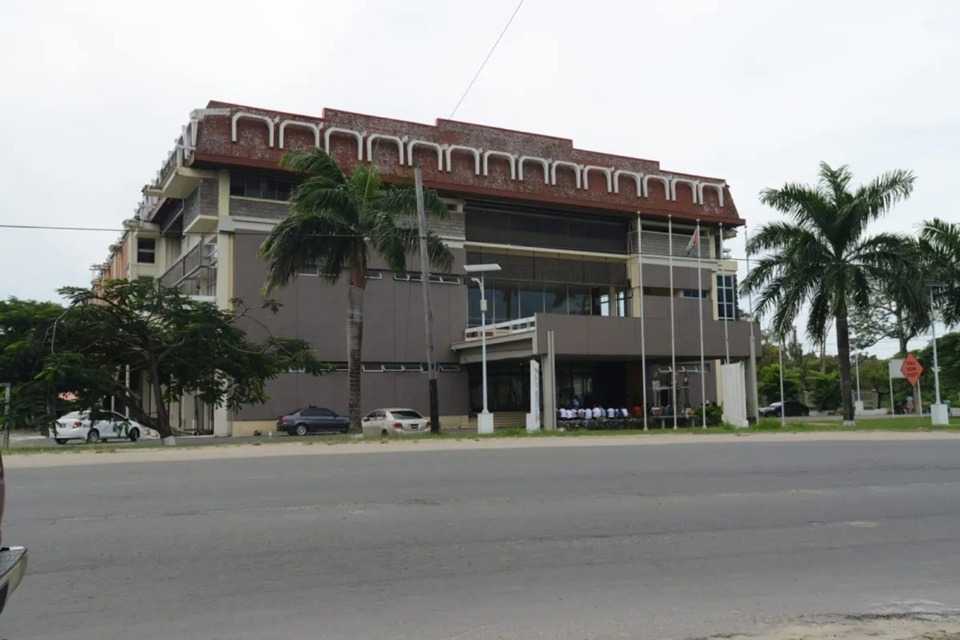
    As of Tuesday, June 16, 2026, the Guyanese government has confirmed that the country’s iconic National Cultural Centre (NCC), Georgetown’s premier venue for national performing arts and major cultural events located on Homestretch Avenue, will launch a comprehensive, all-encompassing restoration and modernization project before the end of the year. This announcement comes months after prominent local cultural advocate, award-winning playwright and filmmaker Andre Wiltshire publicly raised alarms about the venue’s widespread decay and functional failures, putting pressure on authorities to address longstanding neglect.

    Junior Culture Minister Stephen Jacques shared details of the plan in an interview with the government’s Department of Public Information (DPI), noting that the project is currently advancing through its design phase, carried out in partnership with specialized technical consultants. Once design work and public procurement processes are finalized, the full overhaul will get underway, addressing both the building’s deteriorating external aesthetics and its failing core internal infrastructure. According to Jacques, one of the key priorities of the upgrade is a full overhaul of backstage dressing rooms and public and performer restroom facilities, which will create a far more functional and comfortable space for all artists, staff and patrons using the venue.

    “We recognize the National Cultural Centre’s irreplaceable importance to our national identity, and the president has made it clear that full restoration is non-negotiable,” Jacques stated in comments carried by the DPI. “Our goal is to transform the facility, inside and out, into a space every Guyanese can be proud of, that serves the growing needs of the diverse artists and organizations that rely on it every single day.” This project marks a renewed government commitment to preserving and elevating the country’s leading cultural institution, following a partial 2022 upgrade that focused on the main auditorium: that round of work saw the installation of 2,002 new theater seats, plus updates to the venue’s lighting, acoustics and core security systems.

    That 2022 update, however, failed to address the host of long-running problems Wiltshire outlined in a detailed letter sent to senior Culture Minister Charles Ramson Jr earlier this year. Wiltshire documented that critical communication infrastructure linking the stage manager’s station to backstage dressing rooms, lighting and sound departments has been completely out of service since the late 1980s. He added that the venue’s core sound system remains unreliable, with regularly malfunctioning equipment and too few working microphones, forcing local production teams to pay extra to rent replacement gear for every show.

    The cultural advocate also flagged that front-of-stage lighting has been non-functional for years, despite new equipment having been purchased more than two years earlier and sitting uninstalled. Backstage space on the stage right wing, he noted, is crammed into just six feet of usable area, severely limiting cast movement and slowing set changes between acts. A temporary VIP room built for a past state visit was never removed, and it has permanently eaten into backstage functionality, leaving performers with just one working downstairs restroom during large productions.

    Wiltshire’s assessment extended to widespread systemic issues beyond physical infrastructure: he reported that both male and female performer dressing rooms only have one working toilet each, while public foyer restrooms—especially women’s facilities—suffer from multiple broken fixtures and cracked pipes that have never been repaired. Building-wide ventilation and air conditioning, from the main auditorium to the upper balcony foyer, is insufficient, creating uncomfortable, unsafe conditions for both audiences and performers during long events. Even the main auditorium ceiling shows visible decay, with peeling plaster that poses both an aesthetic eyesore and a potential falling hazard to those below.

    “The general state of disrepair makes clear there has been no systematic, long-term maintenance plan for this critical institution for decades,” Wiltshire wrote. He also pointed to gaps in human resources, noting that inconsistent technical training for in-house staff leaves many unable to meet the demands of modern theater production, forcing producers to hire external specialists at extra cost just to deliver basic, high-quality events.

    Alongside his call for urgent infrastructure repairs, Wiltshire put forward a series of structural recommendations to improve long-term management of the NCC. He called for the creation of an independent Board of Management made up of experienced professionals from across Guyana’s cultural and creative industries, including working theater practitioners, musicians, technicians and arts administrators. This board would provide strategic oversight, enforce accountability, and set clear standards for programming and daily operations, he argued.

    Additional recommendations include recruiting professionally trained full-time staff for key leadership roles including Theatre Manager, Stage Manager and Technical Director, rolling out ongoing professional training and certification programs for all operational and technical staff, and establishing clear performance metrics and accountability frameworks for venue management. Wiltshire also pushed for strategic revenue and marketing reforms: he called for the NCC to maximize revenue and visibility by using all available billboard and digital advertising space to promote upcoming events, build an in-house marketing unit to support independent producers and grow audience engagement, and explore public-private partnerships to improve the venue’s long-term financial sustainability.

  • Learning co-op helps at-risk boys become young farmers

    Learning co-op helps at-risk boys become young farmers

    A ground-breaking seven-week agriculture-focused pilot programme has successfully reconnected 15 disengage teen boys with education at Frederick Smith Secondary School (FSSS) in Trents, St. James, delivering measurable improvements in school attendance, collaborative skills and hands-on technical ability while producing marketable hydroponic farm goods, programme officials confirmed this week.

    The initiative, branded “Learning Cooperative: Securing Futures, Saving Lives,” wrapped up on Monday with a celebratory closing ceremony on the school campus. Co-developed and delivered in partnership with The University of the West Indies (UWI) Cave Hill Campus, the programme moves beyond traditional classroom learning by embedding core academic skills like literacy and numeracy into practical, revenue-generating agricultural and entrepreneurial work.

    Unlike conventional learning models that leave hands-on learners disconnected from static lesson plans, this cooperative model integrates academic theory with tangible, income-producing farm work to boost student engagement, cultivate leadership capabilities, and strengthen critical social and emotional competencies. Over the programme’s duration, participating students built their own soilless hydroponic grow boxes directly on school grounds, operated the full hydroponic system, and cultivated leafy spinach and a range of culinary herbs. The fresh produce was then processed into high-value consumer goods, including handcrafted pesto and homemade mint ice cream — treats that guests sampled during the closing ceremony.

    Dr. Michele Singh, Director of UWI’s Centre for Agricultural Research and Innovation (CAGRI), highlighted the programme’s core mission to reframe secondary education for diverse learning styles. “When we launched this project, we saw a clear opportunity to rewrite the story around what effective education can look like,” Singh explained. “We live in a rapidly changing world, and traditional classroom settings too often leave bright, hands-on learners behind. We believed that tying academic concepts to the practical, revenue-driven reality of modern agriculture could create something truly transformative — and that is exactly what we achieved with the FSSS Learning Cooperative.”

    Singh emphasized that the pilot’s success relied on cross-sector collaboration, crediting the UWI School of Education, FSSS administration, and the Barbados Trust Fund Limited, which donated the programme’s hydroponic infrastructure. “By turning their agricultural work into tangible revenue and contributing to community well-being, these students have proven that agriculture is a viable, respected, and highly profitable career path,” she added.

    The programme was designed specifically as an intervention for 15 boys who had increasingly disengage from traditional classroom instruction. Using sustainable food production as a framework for holistic personal development, the curriculum also embedded training in conflict resolution, emotional self-regulation, and team collaboration. School leaders report that outcomes have far exceeded initial expectations, and the pilot’s model is already being considered to shape future curriculum design across the school.

    Acting FSSS Principal Shanelle Waithe spoke to the unexpected broader impact the small pilot has had on the entire school community. “We did not fully anticipate how far this small intervention would reach,” Waithe noted. “Over seven weeks, these 15 young men planned, built, planted, nurtured, and harvested their own hydroponic operation. They have learned to work through conflict, show up for their teammates, and take pride in something they built with their own two hands. In doing that, they have given our school far more than 15 individual success stories — they have given us a replicable blueprint.”

    What launched as a targeted support programme for a small group of at-risk students has grown into a pilot that now serves as a model for project-based, integrated learning across the entire institution, Waithe added. The initiative also aligns with wider regional education reform efforts, echoing global conversations about student-centered curriculum design and collaborative school governance.

    Dr. Laurette Bristol, Director of the UWI School of Education at Cave Hill, emphasized the critical role of community partnerships and relevant, hands-on curricula in 21st-century education. “The UWI School of Education embodies engaged scholarship and leadership, working directly with schools and teachers to drive authentic education transformation,” Bristol explained. “This is not superficial change: it is about helping school communities identify their unique educational challenges, build cross-sector partnerships, and design education that is sustainable and regenerative. That is what it means to reignite young people’s dreams for the future.” Bristol also extended gratitude to parents, faculty, and school leadership for their ongoing support of participating students throughout the pilot.

  • Dominican teachers complete ACT in mathematics cohort 2 regional training programme

    Dominican teachers complete ACT in mathematics cohort 2 regional training programme

    A cohort of 30 secondary school educators from across the Caribbean island nation of Dominica has wrapped up a landmark regional professional development initiative focused on upgrading mathematics instruction and expanding technology integration in K-12 classrooms. As announced in an official press statement from Dominica’s Ministry of Education, Human Resource Planning, Vocational Training and National Excellence, the country’s participation in the second cohort of the Advancing Caribbean Teachers (ACT) in Mathematics programme has reached a successful conclusion.

    The cross-border initiative brought together mathematics educators from three Caribbean nations—Dominica, Barbados, and Grenada—uniting them in a collaborative regional push to address gaps in math education and lift student performance across the bloc. For Dominica’s contingent, the 30 participants represented every one of the island’s 14 secondary schools, joined by the territory’s Learning Support Advisor for the Western region.

    The programme received joint institutional and logistical support from two leading regional and global education bodies: the University of the West Indies (UWI) Mona Campus, and the Commonwealth of Learning (COL). Local activities for Dominican participants kicked off in November 2025 with a two-day in-person introductory workshop held on the 13th and 14th of the month. Following the in-person opening, educators continued their skill-building through an online Community of Practice, which leveraged a suite of accessible digital platforms including Moodle, Zoom, WhatsApp, and COL Commons to keep participants connected between scheduled learning sessions.

    Throughout the entire duration of the programme, participating Dominican educators maintained exceptionally high levels of engagement, and readily adopted a range of research-backed, innovative teaching methodologies crafted to drive stronger student learning outcomes in mathematics. Programme facilitators trained participating teachers to implement the initiative’s signature “5 Master Moves” instructional framework, and guided them to integrate a diverse toolbox of interactive digital learning tools directly into their daily classroom practice. These tools included widely used educational platforms and applications: GeoGebra, PhET Interactive Simulations, Polypad, Didax, Wordwall, and Liveworksheets.

    Beyond technical digital skills, the programme also trained educators in gender-responsive teaching practices, designed to foster more inclusive classroom environments that encourage equal participation from all students, regardless of gender, in mathematics learning. The initiative also prioritized building sustainable regional collaboration between educators from participating countries, boosted participating teachers’ confidence in leveraging educational technology for instruction, and offered formal credentialing for educators who engaged with Open Educational Resources (OER).

    Dominica’s Ministry of Education formally extended its gratitude to all stakeholders who contributed to the programme’s successful implementation on the island, including secondary school principals, department heads, the participating teachers themselves, the UWI Mona Campus team, and the Commonwealth of Learning. Regional education stakeholders across the bloc have framed the ACT in Mathematics Cohort 2 initiative as a critical investment in Caribbean education, noting that it creates valuable space for educators to upskill, exchange evidence-based best practices, and contribute to long-term regional efforts to raise the quality of mathematics education across the Caribbean.

  • Football or Faith? Jamaican Pastor Warns of Watching the World Cup

    Football or Faith? Jamaican Pastor Warns of Watching the World Cup

    As the 2026 FIFA World Cup approaches, a provocative call from a Jamaican Seventh-day Adventist pastor has ignited widespread discussion across faith and sports communities. Godfrey Jesse Williams, the religious leader at the center of the conversation, is urging all Christian believers to forgo watching the tournament, warning that the global sporting event can pull followers away from their spiritual commitments and even put their salvation at risk.

    In an interview with local outlet *The Jamaica Star*, Williams laid out his full argument, framing the issue as a core conflict between worldly devotion and spiritual loyalty. He explained that World Cup matches absorb massive amounts of time and emotional energy that Christians ought to reserve exclusively for their relationship with God. Over time, he argued, many devout believers gradually shift their priorities, becoming overly invested in sports outcomes that ultimately have no eternal significance.

    To back his position, Williams draws directly from biblical text, citing 1 John 2:15, which commands believers not to love the world or the things in the world. Beyond time commitment, he points to the cultural values that competitive sports like the World Cup promote: individual pride, cutthroat competition, and extreme emotional volatility that run counter to the humility and peace central to Christian teachings. As a concrete example of this emotional upheaval, he references Germany’s historic 7-1 semi-final defeat of host Brazil at the 2014 World Cup, a result that left millions of fans across the globe in despair and triggered widespread public outbursts of grief and anger. For Williams, this moment is a clear illustration of how the tournament can consume believers’ emotional lives in ways that disrupt spiritual stability.

    What makes Williams’ stance notable is that it comes from personal experience, not just abstract doctrine. He openly shares that he was once an avid sports fan himself, closely following NBA legend Michael Jordan and the Chicago Bulls during the team’s dominant 1990s run, as well as soccer icon Lionel Messi and FC Barcelona during Messi’s tenure with the club. Eventually, however, Williams made the decision to step away from following professional sports entirely, saying the shift allowed him to refocus his full attention on his religious calling.

    Williams’ warning has already drawn mixed reactions across Jamaica, with some believers affirming his call to prioritize spiritual discipline, while others argue that recreational viewing of the World Cup can coexist with a healthy Christian faith.