分类: society

  • ‘Help a struggling child’

    ‘Help a struggling child’

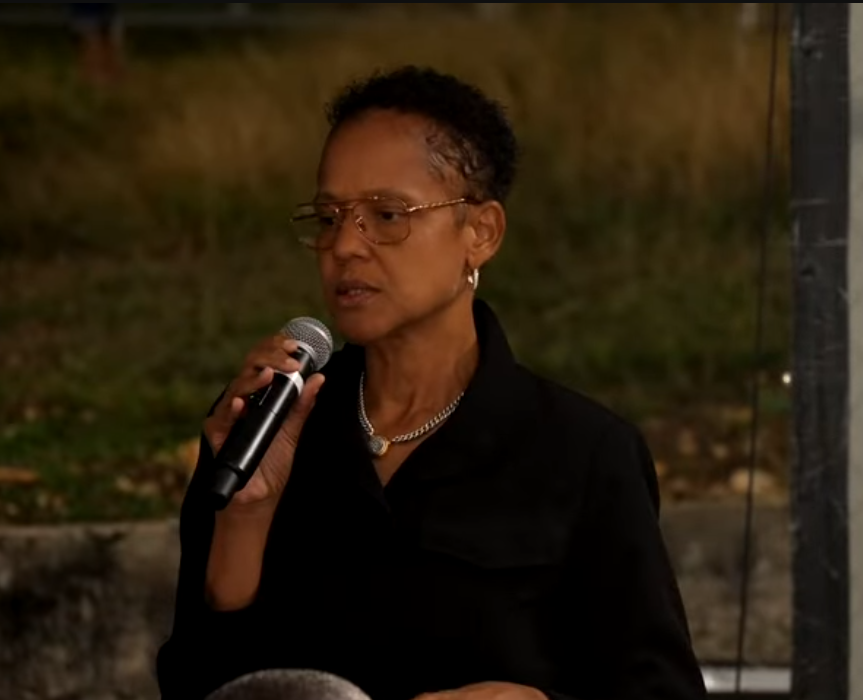
    MONTEGO BAY, St James — At the 11th Biennial Jamaica Diaspora Conference hosted at the Montego Bay Convention Centre this Tuesday, Jamaica’s State Minister for Education, Skills, Youth and Information Rhoda Moy Crawford has made a direct appeal to members of the global Jamaican Diaspora, emphasizing that grassroots, personal acts of support can deliver just as much impact for vulnerable Jamaicans as large-scale formal government partnerships.

    Crawford made her remarks during a panel discussion centered on the theme “Connecting, Engaging and Empowering the Youth Diaspora for National Development”. She pushed back against the common assumption that all Diaspora giving must flow through official government bureaucratic channels, noting that while structured, coordinated initiatives from both her ministry and organized youth groups play a critical role in national development, informal, community-focused acts of giving fill vital unmet needs.

    “Your help in the Diaspora, it doesn’t always have to be channelled through the structured systems of government,” Crawford told attendees. “I am saying to you in the Diaspora, you don’t have to channel to Government, you don’t have to wait for partnership, you can return to the community that you came from, you can help a struggling child.”

    Crawford clarified that she does not discount the critical value of coordinated Diaspora support during national crises, such as large-scale disaster response. Instead, she argued that even small, individual gestures can create transformative change, particularly for young students grappling with limited access to basic educational resources.

    She offered attendees a range of tangible, accessible steps to get involved, from establishing personal named graduation awards to providing direct tuition grants, textbook stipends, or digital devices like tablets to local schools. “You can visit a school in the community you are from — or any other school across Jamaica. You can say to the principal, ‘Hey, I want to give back in a tangible way,’” she suggested.

    While Crawford noted that Members of Parliament (MPs) can offer helpful guidance to Diaspora givers seeking to target their support, she stressed that there is no requirement for Diaspora donations to be controlled or managed by elected representatives. Givers can reach out directly to schools, or request contact information for students in need from MPs without ceding control of their funds. She also reminded attendees that MPs already maintain their own dedicated education funding: the Constituency Development Fund allocates $5 million per constituency for educational support initiatives, so independent Diaspora giving is not required to fill gaps covered by existing public resources.

    Turning to ongoing recovery efforts in the wake of Hurricane Melissa, which swept across Jamaica last October, Crawford highlighted a pressing immediate need for Diaspora support. The storm damaged more than 600 of Jamaica’s over 1,000 public schools, leaving early childhood and primary education institutions particularly hard-hit. While the Ministry of Education and the National Education Trust have accelerated repair work across the island, Crawford said additional support from the Diaspora remains critical to getting all schools fully operational.

    She encouraged even the smallest contributions to recovery, noting that basic building materials can make a major difference for under-resourced early childhood institutions. “If you see especially a basic school, an infant school and you want to give back, even before you go [back overseas], you can stop by. You can offer two bags of cement, a load of marl, you never know where your small help can go. No small act of kindness, however small, is ever wasted,” Crawford said.

  • Unionist stabbed before deadly duplex fire

    Unionist stabbed before deadly duplex fire

    A 63-year-old Bahamian unionist Perry Cox was discovered dead with apparent stab wounds early yesterday following a suspicious blaze that tore through a duplex in Nassau Village, a killing that has drawn widespread condemnation from local political leaders. The incident unfolded just after 2 a.m. on Lee Street, when emergency responders were first notified of the active residential fire. Three fire trucks were immediately deployed to the scene, where crews arrived to find thick smoke pouring out of a single-story stone duplex painted lime green and white. As firefighters worked to contain the spreading flames, they gained forced entry to the apartment where the fire originated and located Cox unresponsive just steps from the unit’s front entrance. Crews carried Cox out of the smoke-damaged building and alerted regional Emergency Medical Services to conduct an on-site evaluation. Upon assessing the victim, EMS personnel officially confirmed he had no remaining signs of life. Though first responders were able to extinguish the fire in a relatively short time frame, the duplex structure suffered severe, widespread damage across its affected areas. Initial post-recovery examinations of Cox’s body revealed clear evidence of apparent stab wounds, leading law enforcement investigators to immediately label the death a potential case of foul play. Officials confirmed a formal autopsy will be carried out in the coming days to pinpoint the exact cause and manner of Cox’s death. Speaking before the House of Assembly later the same day, Jamahl Strachan, the Member of Parliament for Nassau Village, delivered an official statement of condolence to Cox’s family and friends, framing his death as a devastating loss for the entire constituency. “We would have lost not only a community builder but also a strong advocate in the constituency, a father, and an uncle,” Strachan told legislative colleagues. In the wake of the violent killing, Strachan used the moment to call on all Bahamian citizens to reject violence as a means of resolving disagreement, urging communities to prioritize peaceful conflict resolution and practice patience with one another.

  • Police seek public assistance in locating man accused of fleecing over $2m from company

    Police seek public assistance in locating man accused of fleecing over $2m from company

    KINGSTON, Jamaica — Law enforcement units tasked with combating financial crime have issued a public appeal for assistance in tracking down a 38-year-old man suspected of major workplace fraud. The Jamaica Constabulary Force’s Fraud Squad and the Financial Crimes Investigation Division (FCID) are asking community members across the island to come forward with any information that can lead to the arrest of Gary Bennett, who is named as a person of interest in two criminal charges: larceny and processing illegally obtained property.

    Authorities confirmed that Bennett’s last documented residential address is in the Woodford Park neighborhood of Kingston 4, a central district of the Jamaican capital. According to official case documents, the alleged offenses took place between October and December 2024, while Bennett was working in a senior accounting role at a local private company. Investigators allege that over the course of those two months, Bennett siphoned off more than $2 million in company funds through unauthorized financial maneuvers.

    Law enforcement officials added that all pre-arrest attempts to reach Bennett at his known address and through his former contacts have been unsuccessful, prompting the decision to issue a public appeal for tips. Members of the public who have any information about Bennett’s current location are encouraged to reach out directly to investigators through multiple dedicated channels: the Specialised Investigation Branch’s Fraud Squad and FCID hotline at 876-922-2374, the anonymous Crime Stop tipline at 311, or any local police precinct across Jamaica. All tips can be submitted anonymously, per official police policy.

  • No breakthrough in probe of Negril yoga instructor’s death — police

    No breakthrough in probe of Negril yoga instructor’s death — police

    In the coastal Jamaican community of Negril, located in Westmoreland Parish, law enforcement investigators are still working to unpack the mysterious death of a 79-year-old beloved local yoga instructor, with no clear motive identified and no major breakthroughs achieved nearly a week after her body was discovered.

    The victim has been formally identified as Fanette Johnson, a France-born yoga educator who had built a life in Negril for more than 10 years after marrying a Jamaican national. Johnson brought decades of global teaching experience to her work in Jamaica, honing her craft for over 30 years across leading fitness and wellness spaces in Paris, New York, and multiple popular Negril-area hotels, where she was a well-known figure among both guests and local residents.

    According to official police accounts, Johnson’s remains were first located by neighborhood residents at her private Negril residence at approximately 7:00 a.m. on Tuesday. First responders who arrived at the scene found her lying on the floor of an interior room, with visible bruising around her neck. No clear signs of forced entry into the property were detected by investigators during their initial walkthrough, a detail that has complicated early efforts to pin down a narrative around the death.

    Johnson’s body has since been transferred to a local morgue, where it awaits a post-mortem examination that will provide official confirmation of her exact cause of death. A senior police representative spoke to Jamaica-based outlet Observer Online about the ongoing probe, noting that while investigators have poured significant resources into the case, it remains too early in the process to draw any firm conclusions.

    “A lot of work has been put into the investigation around the death of the tourist resident who has been living in Jamaica for more than a decade,” the official said, adding: “The investigation is kind of inconclusive by virtue of what we have seen at the location because there were no obvious signs of break in. We are summarising some things but we cannot say certain things right now because the investigation is still young in relation to this.”

    As of press time, no suspects have been named publicly, and investigators have not ruled out any potential scenarios as they work to resolve the case.

  • Body believed to be missing 12-y-o Christal McLean found in Portland river

    Body believed to be missing 12-y-o Christal McLean found in Portland river

    PORTLAND, Jamaica — In a tragic development that has shaken the small community of Portland, remains widely suspected to be those of 12-year-old missing local girl Christal McLean were recovered from the Rio Grande at Grants Level on Wednesday. The body was found in an advanced state of decomposition, leaving community members on edge as authorities work to confirm key details of the case.

    McLean, who lived in the quiet neighborhood of Berrydale in Portland, was first registered as a missing person by authorities on Friday, June 12. After two full days of intensive search operations failed to turn up any trace of the child, Portland police took the step of issuing a public high alert on Monday, urging community members to come forward with any information that could help locate her.

    According to official investigative records, the last confirmed sighting of McLean placed her at her own home around 7:00 a.m. on the day she disappeared, before she was noticed missing and reported to authorities.

    The grim discovery unfolded just after midday on Wednesday, when a group of recreational rafters navigating the Rio Grande accidentally came across the remains. The rafters immediately contacted local law enforcement to report their find, and officers responded quickly to secure the scene. Investigators have confirmed that the remains were already in a far-advanced state of decomposition when they were recovered.

    Local residents who gathered at the site after police arrived shared additional observations about the scene: the body’s head was submerged under the river’s water, and a discarded bag was found a short distance from the remains. Inside that bag, residents reported, were clothing items believed to belong to McLean, as well as a collection of school books.

    McLean was a student who had previously attended Boundbrook Primary School and was currently enrolled at Port Antonio High School, which serves the Portland region.

    At this stage of the investigation, the Portland Police Department has not confirmed the identity of the remains or the cause of death. Both key details will be determined once a full forensic autopsy is completed, and law enforcement says they are currently awaiting the autopsy results to move the investigation forward.

  • COMMENTARY: The negatives of differentiated instruction

    COMMENTARY: The negatives of differentiated instruction

    In contemporary educational discourse, few teaching frameworks have garnered as much widespread acclaim as differentiated instruction. The core premise of this student-centered approach is straightforward: while retaining uniform learning objectives for an entire class, educators adapt curricula, instructional strategies, and assessment activities to align with the unique learning needs, abilities, and preferences of individual students. It offers learners multiple pathways to access new content, process complex information, and demonstrate their mastery of core concepts. For many advocates, this flexible pedagogical model stands in deliberate opposition to the one-size-fits-all culture of standardized testing that dominates education systems across the globe.

    Yet for all its well-deserved recognition as a step toward more personalized learning, differentiated instruction is far from a universal cure for the deep-seated shortcomings plaguing modern education systems, argues veteran educator and social commentator Wayne Campbell. One of the most overlooked risks of overreliance on differentiation, Campbell notes, is the unintended consequence of dumbed-down content for struggling learners and the systematic neglect of high-achieving students. When educators oversimplify lessons to accommodate learners who face challenges, they often inadvertently lower overall academic standards, while overachievers are left without the stimulation and challenge they need to grow. This neglect of high-performing students rarely makes it into official reports, but Campbell emphasizes it is far more common than many education leaders acknowledge. This hidden gap, he argues, is one of the core reasons annual school ranking systems are inherently flawed.

    Campbell uses the Jamaican education system’s Primary Exit Profile (PEP) as a case study to illustrate broader systemic issues. PEP exam results are the primary determinant of high school placement, but well-connected parents often leverage their networks to secure spots for their children at institutions labeled as high-performing, perpetuating educational inequity. Compounding this placement inequity is the pervasive culture of over-testing that has taken root in many education systems. It is no surprise, Campbell notes, that a large share of students arrive at high school already emotionally and academically burnt out from years of constant testing. This relentless focus on high-stakes assessment strips students of the opportunity to engage in authentic, meaningful learning, a cost that is rarely counted in official education metrics.

    A particularly contentious issue Campbell raises is the growing trend of using differentiated instruction as a scapegoat for systemic failures to address special education needs. In many cases, general education teachers are expected to use differentiation to accommodate students with severe language-based learning disorders, autism, attention deficit hyperactivity disorder (ADHD), dyslexia, and other disabilities. This leads to a harmful misdirection of blame: differentiated instruction itself is not the source of poor learning outcomes for these students. The root cause, Campbell argues, is the failure of societies to meet the rapidly growing demand for specialized special education placements, a gap that is directly responsible for widening learning gaps and unequal educational outcomes across student groups.

    The core problem here is systemic underinvestment in special education, a global crisis that affects education systems in both high-income and low-income nations alike. Campbell points out that despite surging demand for specialized services, most governments allocate less than 5% of their total education budgets to special education. This underinvestment leaves a disproportionate share of children with disabilities excluded from quality mainstream and specialized schooling. Common manifestations of this underfunding include a crippling shortage of specialized infrastructure: many schools lack accessible facilities, assistive technology, and adapted learning materials that are non-negotiable for supporting students with disabilities. Compounding this is a widespread shortage of specially trained teachers, leaving general education classrooms understaffed and generalist teachers unprepared to support complex special education needs. Too often, Campbell argues, policymakers expect general public schools to absorb students with a wide range of specialized needs without providing the additional funding, training, or infrastructure required to serve them effectively. Teachers are then penalized in annual performance appraisals for failing to implement sufficient differentiation, effectively asking them to deliver results without the tools to succeed.

    Beyond the special education debate, Campbell explores the persistent fundamental tension between modern pedagogical ideals and high-stakes assessment practices. As the United Nations Educational, Scientific and Cultural Organization (UNESCO) defines it, pedagogy is the combined art and science of teaching, encompassing the full range of strategies educators use to foster learning, from understanding how students absorb information to designing instructional materials and measuring learning outcomes. Quality pedagogy prioritizes student-centered learning, inquiry-based exploration, and critical thinking. But modern assessment regimes overwhelmingly prioritize standardized, summative testing that reduces complex learning to narrow, quantifiable outcomes. This fundamental misalignment pressures teachers to prioritize test preparation over the kind of inquiry-based learning that fosters long-term growth, narrowing the overall curriculum and eroding the authenticity of the educational experience.

    Even in ideal mainstream classroom settings, differentiated instruction carries practical risks that are often downplayed by advocates. Consistently implementing high-quality differentiation across every lesson is extremely difficult, particularly in overcrowded, under-resourced classrooms. One common harmful outcome is labeling: when students receive modified assignments, they often recognize that their work is easier or harder than that of their peers, which can damage self-esteem and create harmful social stigma around different ability levels. Time constraints are another major barrier: designing and delivering differentiated lessons takes far more time than one-size-fits-all instruction, which can leave teachers struggling to cover the full required curriculum within the academic year. In some cases, students who receive consistent customized support can become overly dependent on individualized accommodations, leaving them ill-prepared to work independently in less adaptive post-secondary or workplace environments. Overemphasis on differentiation can also undermine equity: when some students receive disproportionate amounts of teacher time and limited resources, it can leave other students with unmet needs.

    Campbell emphasizes that the goal of meeting individual student needs is a worthy one, and educators must continue striving to adapt their practice to support all learners. But a balanced approach is required to benefit both students and teachers. If education systems are going to continue pushing for widespread differentiation, Campbell argues, a corresponding paradigm shift from standardized testing to personalized assessment is logically required. Unfortunately, this shift remains largely impractical for most large-scale education systems today. At its core, education is a deeply human practice: teachers are not unthinking robots programmed to deliver a set curriculum, and students are not passive machines waiting to be filled with knowledge. Every learner brings a unique set of strengths, needs, and learning styles to the classroom. What is most urgently needed, Campbell concludes, is not more pressure on teachers to perfect differentiation, but targeted systemic investment and policy change to resolve the fundamental tension between modern pedagogical ideals and outdated assessment and resourcing models.

  • Deputy PM flags hospital pharmacy delays in backing pharma bill

    Deputy PM flags hospital pharmacy delays in backing pharma bill

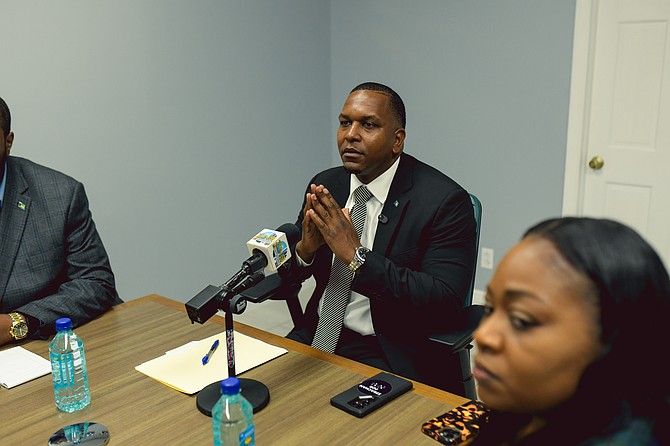
    As Barbados advances an ambitious plan to build out a homegrown pharmaceutical industry through landmark legislation, a critical crisis in patient access to basic care at the island’s leading public hospital cannot be ignored, Deputy Prime Minister Santia Bradshaw has told the country’s House of Assembly.

    While speaking in support of the Barbados Medical Products Bill — legislation framed as a transformative tool to drive industrial development and create new career pathways for young Barbadians interested in science and pharmaceutical innovation — Bradshaw pushed policymakers to confront what she called the “elephant in the room”: hours-long wait times for prescription pickup at the Queen Elizabeth Hospital (QEH) pharmacy that have left vulnerable patients frustrated and suffering.

    A prominent breast cancer survivor, Bradshaw shared first-hand observations of patients, most notably elderly residents, who sit for hours waiting for their prescriptions to be filled, with barely any movement in the dispensing queue during extended visits. “When I go upstairs to meet with constituents, people have already taken their queue number,” she explained. “By the time I come back downstairs, only one or two numbers have been called. That’s how slow the process is.” She added that ongoing understaffing at the pharmacy has turned a routine trip for basic medication into an exhausting ordeal for many patients who have no other option for accessing their necessary drugs.

    Bradshaw emphasized that while developing a regulated local pharmaceutical industry is a “very noble exercise” that will open long-term opportunities for the country, she had a duty to amplify the concerns of her constituents who face daily hardship accessing the care they need right now. Drawing on lessons from the COVID-19 pandemic, she noted that public health systems successfully adapted dispensing and delivery protocols to get critical medications to patients quickly and efficiently during the public health emergency, including home delivery services that eliminated wait times entirely for many. She questioned why those successful emergency adaptations cannot be revived or expanded to address current gaps, particularly for elderly patients who often arrive before the pharmacy opens only to face multi-hour waits once inside.

    Beyond wait times, Bradshaw also raised urgent concerns about access to brand-name medications for cancer patients, highlighting recent constituent reports about the prostate cancer drug Androcur being pulled from the public health system and replaced with the generic alternative cyproterone. While she acknowledged that generic medications are effective for most patients, she shared that constituents have reported troubling side effects from the substitution. She called on health authorities to explore additional options to secure brand-name drugs when clinically necessary, and to ensure all patients are fully informed about alternative medications and their potential side effects before any substitution is made.

    Responding to Bradshaw’s remarks during her first cross-chamber appearance under new constitutional arrangements, Minister of Health and Wellness Senator Lisa Cummins confirmed that the government is already moving forward with targeted reforms to improve medication access for QEH patients.

    Cummins explained that for years, QEH has operated independently of the broader public pharmacy network, a structural disconnect that has contributed to bottlenecks in prescription filling for discharged patients. Currently, senior health officials from QEH and the national Drug Service are holding active discussions to integrate services across the system. Under the proposed plan, patients discharged from QEH will be able to fill their hospital prescriptions at the polyclinic closest to their home, eliminating the need to wait for extended periods at the hospital’s on-site pharmacy before leaving.

    The debate highlights the balance the Barbadian government is seeking to strike between long-term industrial development ambition and the urgent, day-to-day public health needs of the island’s population, with policymakers signaling a commitment to addressing access gaps even as they advance plans to grow the domestic pharmaceutical sector.

  • Illegal dumping of waste becoming a ‘big’ issue

    Illegal dumping of waste becoming a ‘big’ issue

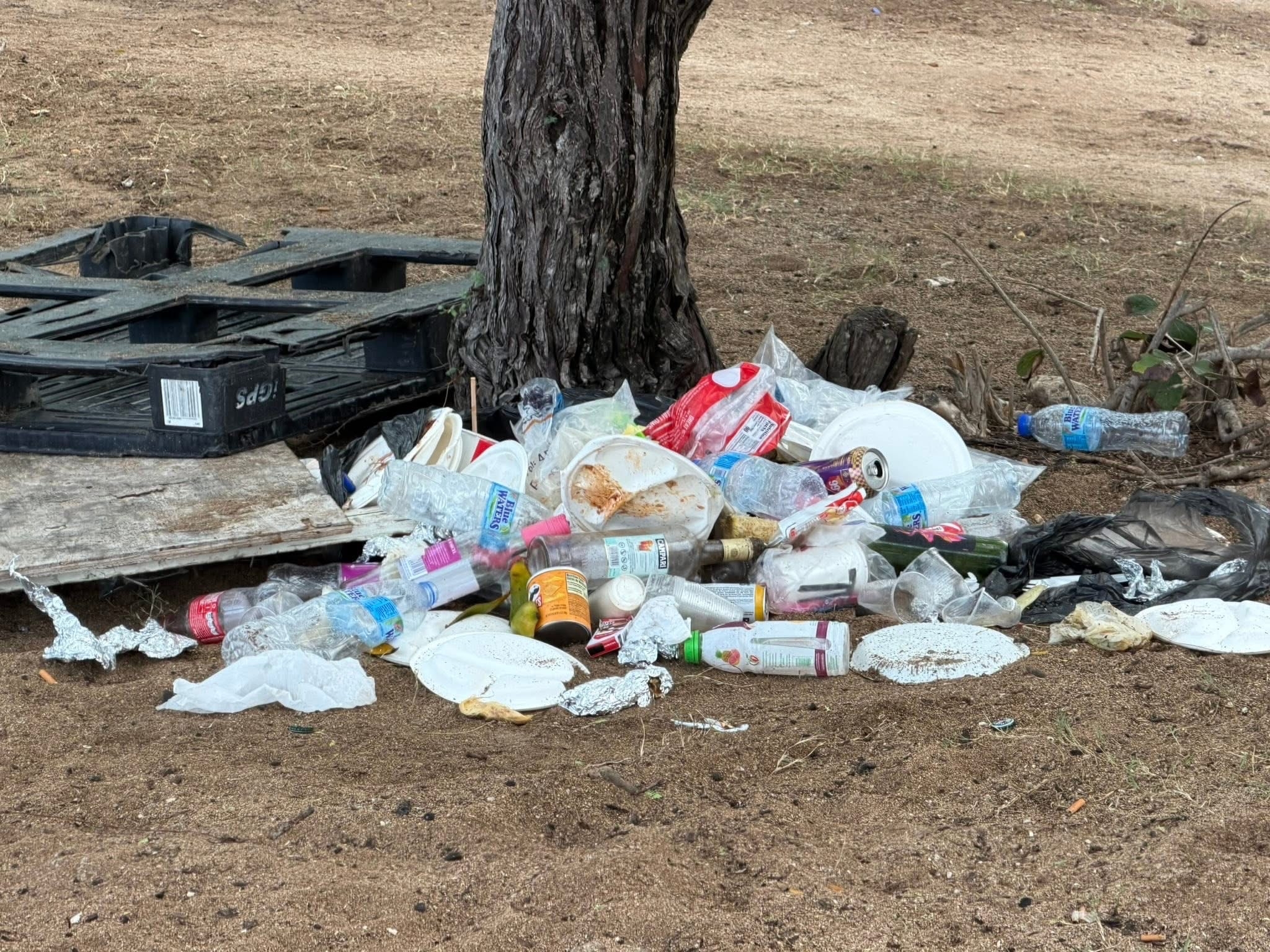
    Across the Caribbean island nation of Saint Lucia, a growing public health and environmental crisis is unfolding: widespread indiscriminate dumping of waste is scarring public and private lands. Discarded household garbage, construction debris and other refuse are turning open green spaces, abandoned private lots, rural roadsides and even popular public beaches into unauthorized landfills, according to on-the-ground reporting and local officials.

    In recent weeks, public awareness of the issue has surged, with hundreds of residents sharing photos and accounts of new dumping sites across local social media platforms. High-profile Saint Lucians have joined the conversation, launching grassroots community clean-up drives to clear affected areas and draw attention to the negligent waste practices that created the problem. But despite these volunteer efforts, the illegal dumping has persisted, eventually prompting intervention from the country’s top leadership.

    Prime Minister Philip J. Pierre recently publicly condemned the ongoing behavior, voicing deep frustration with the disregard for public spaces shown by many residents. “There’s a very strange phenomenon happening now: people dump wherever there is open space,” Pierre said, criticizing the irresponsible waste disposal habits that have normalized illegal dumping across the island. The Prime Minister added that he has personally witnessed illegal dumping in progress, and the lack of concern for the environment among offenders has left him deeply concerned about the direction of the country’s public culture. “What kind of society are we heading to?” he questioned.

    Beyond the environmental harm, Pierre emphasized that unregulated dumping creates a significant financial burden for public institutions and ordinary taxpayers. When illegal dumping sites emerge across the island, government crews are typically dispatched to clear and dispose of the waste, diverting limited public resources from other critical community priorities. To address the root of the issue, the Prime Minister announced that existing regulations against illegal dumping will now be strictly enforced, noting that long-term solutions require both stricter state oversight and a cultural shift toward greater personal responsibility among residents.

    A field investigation conducted during the preparation of this report confirmed the scale of the problem: reporters documented multiple active illegal dumping sites scattered across communities across Saint Lucia, with both residents and local leaders naming the issue as one of the most pressing unaddressed public concerns in their areas. While grassroots volunteer groups continue to organize regular clean-up events to mitigate the damage, officials say lasting change will require coordinated action from the government and a collective commitment to protecting shared public spaces.

  • Hopeful Hearts Foundation Calls on Youth to Join Summer Impact Series 2026

    Hopeful Hearts Foundation Calls on Youth to Join Summer Impact Series 2026

    A youth-focused non-profit based in Antigua and Barbuda, Hopeful Hearts Foundation, has announced the official launch of its highly anticipated Summer Impact Series 2026, a month-long community service initiative built to nurture the next generation of civic leaders and drive tangible positive change across the twin-island nation.

    Set to kick off on Saturday, July 25, 2026, the program will gather young people aged 11 to 18 for four consecutive weekends of structured, purpose-driven activities centered on four core pillars: volunteerism, leadership skill-building, community connection, and measurable social impact. Founded by prominent youth advocate and National Youth Ambassador Kristine Louisa, the foundation has long centered its mission on empowering young people to step into roles as active changemakers, while addressing unmet needs among vulnerable communities across Antigua and Barbuda.

    Participants in the 2026 series will get hands-on experience across a diverse portfolio of community-focused projects, ranging from local neighborhood outreach campaigns and coastal and landscape environmental conservation efforts to after-school educational support for underserved students, regional charitable goods drives, and direct volunteer service for at-risk populations. Beyond the immediate benefits these projects deliver to local communities, the experience is designed to equip young participants with transferable leadership competencies, help them build long-lasting connections with like-minded peers, and give them the chance to contribute directly to causes that improve quality of life across the country.

    The Summer Impact Series is just one part of the foundation’s years-long commitment to systemic youth empowerment and sustainable community development. Since its founding, Hopeful Hearts Foundation has delivered programs that have positively impacted more than 1,000 people across Antigua and Barbuda, through a expanding portfolio of educational workshops, charitable interventions, school-based outreach, and ongoing community service projects.

    Organizers are encouraging all eligible young people aged 11 to 18 who wish to join the program to complete their registration early, as participants are required to commit to attending all four weekends of activities to ensure consistency for community projects, and available spots are limited due to program logistics. For additional details about the initiative or to submit a registration, interested applicants can reach the foundation at 770-4700, or follow Hopeful Hearts Foundation’s official social media and digital channels for the latest updates. The foundation echoes its core belief in collective action: that lasting, meaningful change grows from small, consistent acts of kindness, one action at a time.

  • LETTER: What Really Went Wrong with the Graduation?

    LETTER: What Really Went Wrong with the Graduation?

    A group of frustrated parents and guardians at Irene B. Williams Secondary School have publicly raised a series of serious concerns about the catastrophic mismanagement of this year’s graduation ceremony, calling on school leaders and event organizers to immediately deliver full transparency and corrective action.

    What was supposed to stand as one of the most meaningful milestones in a young person’s academic journey — a celebratory moment honoring years of hard work for graduates and their loved ones — turned into a chaotic, disappointing experience that left hundreds of families feeling disrespected and unheard, according to the parents’ open letter to the outlet’s editor.

    The first major point of contention centers on the poorly chosen event venue. Organizers failed to adequately address basic requirements including accessibility for elderly or disabled guests, crowd comfort, public safety and overall guest experience, leaving parents questioning how the final location decision was made without meaningful community input. Unlike routine school events, graduation is a once-in-a-lifetime occasion that demands deliberate planning, open decision-making and respect for all attendees, the letter notes.

    Compounding venue frustrations is the complete lack of financial transparency surrounding event costs. Parents were asked to contribute personal funds to cover graduation expenses, but were never given a clear, written breakdown of what their payments were covering — whether for venue rental, event decorations, printed programs, catering, professional photography, graduation gowns, on-site security or other operational costs. This lack of clarity has bred widespread mistrust and unfounded speculation among families, the group says.

    The controversial refund policy has further escalated tensions, with parents describing the terms as unfair and unreasonable. Given that families were never given a full explanation of initial charges, organizers have no justification for imposing rigid, unforgiving refund terms, the letter argues. If event plans changed, original promises went unfulfilled or contracted services were not delivered as agreed, organizers have a moral obligation to process refunds fairly and treat contributing families with honesty and consideration.

    Worsening the overall dysfunction, poor event planning has deepened existing rifts within the school community rather than uniting stakeholders in celebration. What should have been a unifying moment for students, staff and families has instead exposed systemic failures in communication, competing internal interests and a total lack of coordinated direction, leaving multiple groups frustrated and divided.

    Unclear, delayed and unexplained sponsorship commitments have added another layer of confusion. Parents have a right to know what sponsorship funding was secured, how much each donor contributed, what expenses the sponsorship covered, and why additional financial contributions from families were still required despite promised outside support. Without this critical information, families are left asking one unavoidable core question: what really went wrong with the graduation planning?

    The group emphasizes that their open letter is not an attack on any individual school staff or organizer. Instead, it is a formal demand for better treatment for students and their families, who deserve full financial accountability, thoughtful advance planning, and respectful, open communication at every stage of the process. Particularly amid ongoing economic hardship that forces many households to make tough financial choices, families should not be forced to accept vague updates, last-minute changing plans and unfair refund terms, the letter says.

    In response to these failures, the concerned parents are calling on school leadership and the graduation organizing committee to meet four key demands: publish a full, itemized written breakdown of all funds collected and expenses spent, explain in detail the rationale behind all key decisions including venue selection, clarify the current status of all promised sponsorships, and conduct a fair review of the current refund policy to correct unfair terms.

    Graduation should be remembered for the remarkable achievements of the graduating class, not for needless controversy, widespread confusion and widespread disappointment. These students worked tirelessly for years to reach this milestone, and the adults tasked with planning the celebration owe them the same level of dedication, integrity and respect that they demonstrated throughout their academic careers, the group concluded.