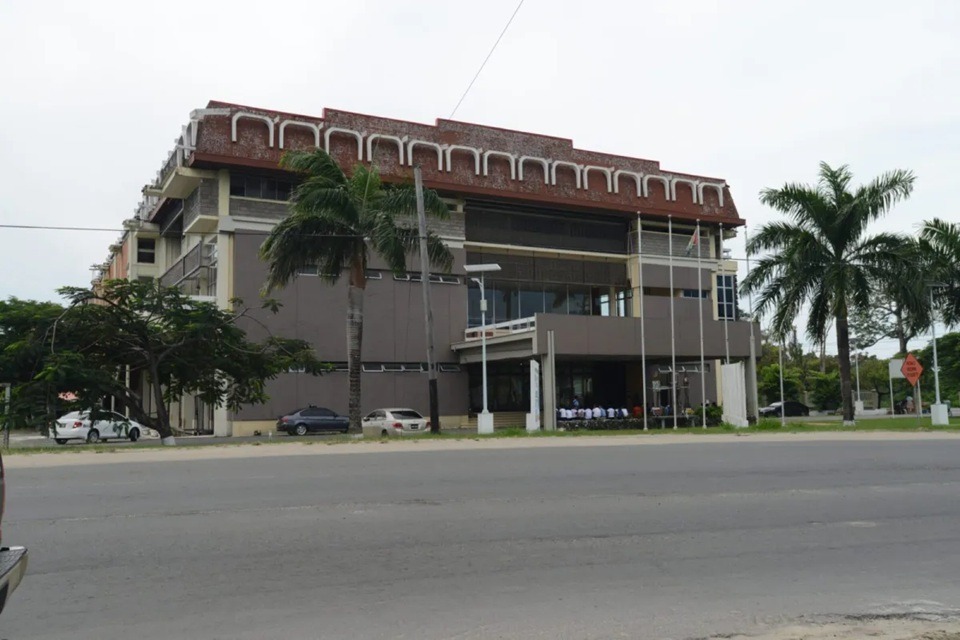
As of Tuesday, June 16, 2026, the Guyanese government has confirmed that the country’s iconic National Cultural Centre (NCC), Georgetown’s premier venue for national performing arts and major cultural events located on Homestretch Avenue, will launch a comprehensive, all-encompassing restoration and modernization project before the end of the year. This announcement comes months after prominent local cultural advocate, award-winning playwright and filmmaker Andre Wiltshire publicly raised alarms about the venue’s widespread decay and functional failures, putting pressure on authorities to address longstanding neglect.
Junior Culture Minister Stephen Jacques shared details of the plan in an interview with the government’s Department of Public Information (DPI), noting that the project is currently advancing through its design phase, carried out in partnership with specialized technical consultants. Once design work and public procurement processes are finalized, the full overhaul will get underway, addressing both the building’s deteriorating external aesthetics and its failing core internal infrastructure. According to Jacques, one of the key priorities of the upgrade is a full overhaul of backstage dressing rooms and public and performer restroom facilities, which will create a far more functional and comfortable space for all artists, staff and patrons using the venue.
“We recognize the National Cultural Centre’s irreplaceable importance to our national identity, and the president has made it clear that full restoration is non-negotiable,” Jacques stated in comments carried by the DPI. “Our goal is to transform the facility, inside and out, into a space every Guyanese can be proud of, that serves the growing needs of the diverse artists and organizations that rely on it every single day.” This project marks a renewed government commitment to preserving and elevating the country’s leading cultural institution, following a partial 2022 upgrade that focused on the main auditorium: that round of work saw the installation of 2,002 new theater seats, plus updates to the venue’s lighting, acoustics and core security systems.
That 2022 update, however, failed to address the host of long-running problems Wiltshire outlined in a detailed letter sent to senior Culture Minister Charles Ramson Jr earlier this year. Wiltshire documented that critical communication infrastructure linking the stage manager’s station to backstage dressing rooms, lighting and sound departments has been completely out of service since the late 1980s. He added that the venue’s core sound system remains unreliable, with regularly malfunctioning equipment and too few working microphones, forcing local production teams to pay extra to rent replacement gear for every show.
The cultural advocate also flagged that front-of-stage lighting has been non-functional for years, despite new equipment having been purchased more than two years earlier and sitting uninstalled. Backstage space on the stage right wing, he noted, is crammed into just six feet of usable area, severely limiting cast movement and slowing set changes between acts. A temporary VIP room built for a past state visit was never removed, and it has permanently eaten into backstage functionality, leaving performers with just one working downstairs restroom during large productions.
Wiltshire’s assessment extended to widespread systemic issues beyond physical infrastructure: he reported that both male and female performer dressing rooms only have one working toilet each, while public foyer restrooms—especially women’s facilities—suffer from multiple broken fixtures and cracked pipes that have never been repaired. Building-wide ventilation and air conditioning, from the main auditorium to the upper balcony foyer, is insufficient, creating uncomfortable, unsafe conditions for both audiences and performers during long events. Even the main auditorium ceiling shows visible decay, with peeling plaster that poses both an aesthetic eyesore and a potential falling hazard to those below.
“The general state of disrepair makes clear there has been no systematic, long-term maintenance plan for this critical institution for decades,” Wiltshire wrote. He also pointed to gaps in human resources, noting that inconsistent technical training for in-house staff leaves many unable to meet the demands of modern theater production, forcing producers to hire external specialists at extra cost just to deliver basic, high-quality events.
Alongside his call for urgent infrastructure repairs, Wiltshire put forward a series of structural recommendations to improve long-term management of the NCC. He called for the creation of an independent Board of Management made up of experienced professionals from across Guyana’s cultural and creative industries, including working theater practitioners, musicians, technicians and arts administrators. This board would provide strategic oversight, enforce accountability, and set clear standards for programming and daily operations, he argued.
Additional recommendations include recruiting professionally trained full-time staff for key leadership roles including Theatre Manager, Stage Manager and Technical Director, rolling out ongoing professional training and certification programs for all operational and technical staff, and establishing clear performance metrics and accountability frameworks for venue management. Wiltshire also pushed for strategic revenue and marketing reforms: he called for the NCC to maximize revenue and visibility by using all available billboard and digital advertising space to promote upcoming events, build an in-house marketing unit to support independent producers and grow audience engagement, and explore public-private partnerships to improve the venue’s long-term financial sustainability.