分类: society

  • From Song To Service: “Wadadli Superhero” Launches New Community Outreach Initiative

    From Song To Service: “Wadadli Superhero” Launches New Community Outreach Initiative

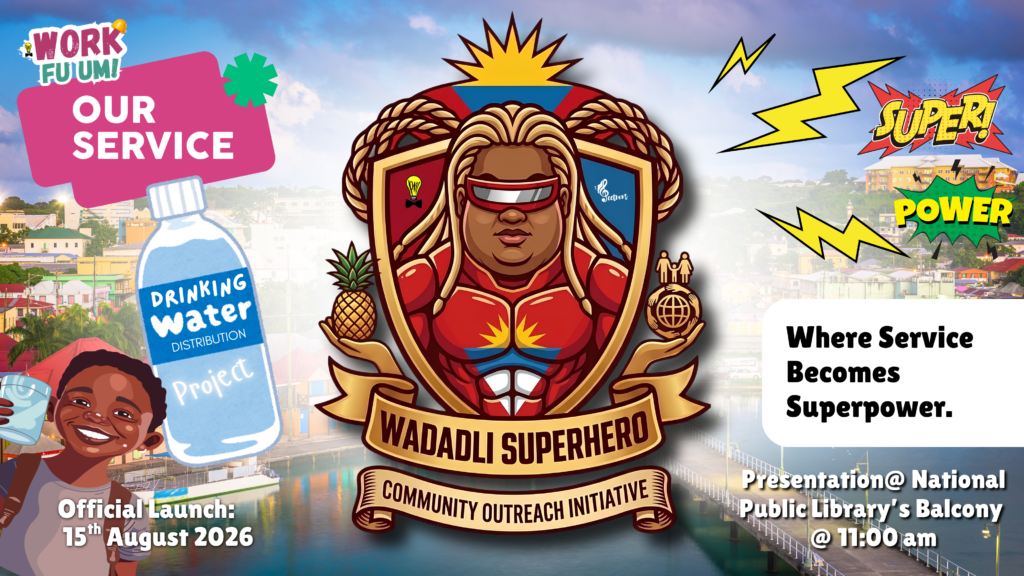
    What started as an upbeat jumpy soca track performed in a major regional music competition has evolved into a full-fledged movement for good, bringing together music, education, and grassroots humanitarian action across Antigua and Barbuda. On Saturday, August 15, 2026, entertainer and long-time community advocate Peetron Thomas will officially launch the Wadadli Superhero Community Outreach Initiative, kicking off the organization’s work with an inaugural Drinking Water Distribution Project that will deliver critical resources to local community members.

    The initiative is the natural extension of Thomas’ dual passions: his career as a performing artist and his years of commitment to humanitarian service. It grew out of his popular 2026 soca track *Wadadli Superhero*, which he debuted during his semifinal run in the prestigious Party Monarch competition. Thomas says the opportunity to perform at the widely watched event left him grateful, and inspired him to leverage the reach of his music for something more impactful than entertainment alone. Rather than letting the song remain just a standalone musical release, Thomas built the outreach initiative to turn the *Wadadli Superhero* brand into a catalyst for encouraging volunteerism, civic engagement, and tangible positive change across the islands, with plans to expand the model to other communities in the future.

    Long before the official public launch, the *Wadadli Superhero* concept has already been integrated into educational and cultural programming at the WORK FU UM Summer Camp, where organizers have reframed the idea of “superheroes” to highlight local figures who have shaped Antigua and Barbuda through their contributions. The camp’s curriculum highlights a diverse roster of cultural, political, and community icons, teaching young campers that heroes are not just fictional characters in comic books — they are everyday people who use their skills, dedication, and courage to lift up their communities. Among the figures celebrated are founding national leader Sir Vere Cornwall Bird (Papa Bird), who was featured in interactive history lessons and custom-designed coloring pages for camper art projects. Other recognized icons include Vaughn Walters, Claudette Peters, Tian Winter, King Short Shirt, King Obstinate, Heather Doram, Lola Kirby, Drastic, and Biig Dog, among many other local trailblazers. This programming ties together cultural education, national history, youth development, and community pride, helping young people identify the qualities that make a real-life hero and inspiring the next generation of service leaders.

    That focus on service will move off the camp grounds and into the wider community at the August launch. The initiative’s first official project will bring together local volunteers to distribute free drinking water to community members, with summer camp students joining the effort as young volunteers. The opportunity will give campers hands-on experience working in teams, practicing compassion, and seeing the impact of direct community service first-hand.

    The official launch ceremony and presentation will be held at 11 a.m. on August 15 at the balcony of Antigua and Barbuda’s National Public Library. Guided by the motto “WHERE SERVICE BECOMES SUPERPOWER,” the initiative challenges the popular cultural idea that superheroes require extraordinary, fictional abilities. Instead, it emphasizes that every person has the power to help others, inspire change, and strengthen their community. What began as a song on a competition stage has grown into a cohesive movement that unites music, humanitarian action, youth empowerment, cultural education, and community organizing into a single shared mission. For Thomas and the initiative’s organizers, the August launch is not just the start of a new non-profit project — it is the first major step in a vision to turn local service into impact that extends far beyond Antigua and Barbuda’s shores.


  • Women’s Voices Shape New Workplace Priorities at ABWU Women’s Conference

    Women’s Voices Shape New Workplace Priorities at ABWU Women’s Conference

    The annual Antigua and Barbuda Workers’ Union (ABWU) Women’s Conference, which centered its 2025 discussions on the critical dual themes of women’s empowerment and mental health, has wrapped up with a landmark resolution to expand and strengthen protections for female workers across the nation. Drawing nearly 100 female delegates from dozens of workplaces spanning Antigua and Barbuda’s diverse industries, the three-day gathering created a collaborative space for participants to unpack their on-the-job experiences, exchange actionable strategies, and build collective momentum to improve well-being both at work and in their personal lives.

    The newly adopted resolution outlines four clear, high-priority focus areas that will guide the ABWU Women’s Council’s advocacy work over the coming year, pushing for tangible, equitable, and enforceable workplace reforms tailored to women’s unique needs. First, the union will advocate for infrastructure upgrades that meet gender-specific needs, ensuring all workspaces are safe, accessible, and responsive to women’s requirements. Second, it will push to expand access to comprehensive health supports, including preventive care, reproductive health services, and reasonable workplace accommodations for menstrual health needs. Third, the resolution enshrines mental health as a non-negotiable component of overall workplace wellness, requiring employers to prioritize accessible mental health resources for female staff. Finally, the union will ramp up its advocacy to close persistent gender pay gaps and deliver fair, equitable compensation for all women workers.

    Beyond passing the resolution, the conference featured interactive deep dives into three underdiscussed issues that disproportionately impact working women: mental load, unpaid invisible labor, and occupational burnout. Clinical psychologist Jo-Nelle Walsh led the session, explaining that centuries of rigid traditional gender roles have left the vast majority of women overwhelmed by unbalanced expectations that stack professional duties alongside unpaid domestic and care work. She urged attendees to set intentional, healthy boundaries around their time and energy, emphasizing that prioritizing personal well-being is not a selfish act. “It is okay to say no—and to say no without feeling guilty,” Walsh told the engaged audience.

    Human resource consultant and popular columnist Calisha Spencer echoed that call to action, encouraging participants to claim greater agency over their personal and professional trajectories. “Own your choices and take charge of the direction of your own life,” Spencer advised the gathered delegates. Additional thought-provoking sessions were delivered by Senator Malaka Parker and former ABWU executive member Andre’ Sharpe, who shared practical tools and frameworks to help women build long-term economic and personal empowerment.

    Reflecting on the conference’s growing impact, Women’s Council Chair Hazel Luke noted that the annual event has built steadily increasing momentum over the past three years, with participation and engagement rising each session. “We are deeply encouraged by the feedback we receive each year,” Luke said. “Our women are truly benefiting, not just from the sessions themselves but also from the progress we’re making turning our resolutions into tangible changes through collective bargaining agreements.”

    Women’s Council Secretary Imani Meade highlighted a recent, concrete win that proves the conference’s work drives meaningful, lasting change for female workers. Earlier this year, the Antigua and Barbuda Labour Department certified the union’s first collective bargaining agreement that includes explicit provisions addressing the so-called 3Ms: menstruation, maternity, and menopause, as well as andropause. Those groundbreaking provisions originated directly from a resolution adopted at the 2024 ABWU Women’s Conference, and the union is now pushing to include similar language in other ongoing collective bargaining negotiations across multiple sectors.

    Attendees left the conference with overwhelmingly positive impressions, with many highlighting the value of connection and collective action. “Women really need to stick together. I’m very happy that I came to this conference,” one long-time participant shared. Another attendee, who has joined the conference’s workshops for two consecutive years, added: “They have been inspiring, and I thoroughly enjoy them.”

    Today, the ABWU Women’s Conference stands as one of the union’s most impact core initiatives, underscoring the organization’s unwavering commitment to advancing gender equity, empowering working women, and driving progress that improves lives both in the workplace and across Antigua and Barbuda’s broader society.

  • Shot dead in van

    Shot dead in van

    In a shocking early morning incident that has shaken a close-knit Port of Spain community, a 38-year-old local woman was gunned down in her vehicle on Tuesday, as two armed robbers attempted to hijack the truck she called home. The violent encounter unfolded around 7 a.m. near Achong Street, directly across from the John John Towers residential complex, according to official police statements.

    Investigators outlined that Jameelia Lewis, who had been living out of her black Isuzu D-Max pickup after facing personal hardship, was seated in the parked vehicle when the two assailants approached. The pair gained entry through the unlocked passenger door and moved immediately to pull Lewis out of the truck, in what law enforcement suspects was a targeted vehicle theft. When Lewis resisted their attempt to force her from the only shelter she had, one of the attackers opened fire, striking her four times at close range. She was pronounced dead at the scene, and the two gunmen fled the area empty-handed—they did not manage to steal the vehicle or any other belongings.

    The crime was not discovered until commuters driving into central Port of Spain spotted the truck pockmarked with bullet holes and alerted local authorities. Responding units from the Besson Street Police Station, the Region One Homicide Bureau, and the national Crime Scene Unit arrived promptly to secure and process the location. After forensic teams completed their work, Lewis’ remains were transported to a local mortuary in East Port of Spain for autopsy.

    Lewis had deep roots in the John John neighborhood; she was originally from Foster Street, just a short walk from the site of her killing, and remained connected to the community even after she lost housing. Neighbors who knew her for decades described her as a warm, resilient woman who chose to stay close to her childhood home despite her circumstances.

    Isaiah James, a childhood friend of Lewis, recalled that he heard the gunshots that killed her Tuesday morning. “She used to sleep in the van but she was still close to home in a kind of way,” James shared. He explained that Lewis had experienced devastating personal loss three years prior, when her three children—an 18-year-old son, and two daughters aged 16 and 13—were placed into state custody. The separation from her children left a profound emotional impact on her, he said. Like other community members, James believes Lewis fought back against the attackers to protect her vehicle, the only major possession she had left, and that her resistance prompted the fatal shooting. “She was a tough person,” he noted.

    Another neighbor clarified that the children were removed from Lewis’ care after she fell behind on enrolling them in school, and that she fell into deep depression following the separation. They rejected any characterization of Lewis as unstable, explaining “She wasn’t mad, yuh know. She was simply the kind of person who wanted to live off the land and in the bush.” Lewis parked her truck near the neighborhood specifically because she felt safe there, the neighbor added. A third community member added that Lewis had recently started gathering discarded wooden pallets to build a small makeshift shelter close to her regular parking spot, as she worked to establish more stable housing for herself near the community she loved.

    As of this incident, the national murder toll for the current year stands at 228. This marks a small six-person decrease from the same point last year, when the toll hit 234.

  • Three Killed in Mahogany Street Motorcycle Crash

    Three Killed in Mahogany Street Motorcycle Crash

    On a quiet Sunday morning in early August 2026, three Belize City families received devastating news that no grieving relative could ever be prepared for. Allan Arnold, Darwin Monroy, and Theodore Swasso lost their lives in a high-impact collision between two motorcycles on Mahogany Street, leaving loved ones shattered and local law enforcement working to untangle the exact circumstances that led to the tragedy. Local outlet News Five’s senior reporter Britney Gordon breaks down the details of the incident and the broader policy shift that has followed.

    The crash unfolded at approximately 2:00 a.m. near the intersection of Mahogany Street and Tibruce Street, according to official statements from Belize Police Department Assistant Superintendent Stacy Smith. Investigations have so far confirmed that Arnold was traveling westbound on his motorcycle, while Monroy was moving in the opposite direction, with Swasso riding as his pillion passenger. When the two vehicles collided at the intersection, all three men suffered catastrophic injuries that proved fatal at the scene.

    When pressed for details on helmet use and fault for the collision, Smith confirmed that only one helmet was recovered from the crash site, and investigators have not yet determined which driver bore responsibility for the incident. Preliminary accounts suggest Arnold had removed his helmet and was attempting to park his vehicle when the collision occurred.

    Arnold was an active member of the local Hell Boy Motorcycle Club, and his sudden death has left his older brother – also named Allan Arnold – grappling with an unthinkable loss. Arnold Jr. shared in an interview that the two siblings were nearly inseparable, raised by their mechanic father to share a deep passion for motorcycles and all motor vehicles. He pushed back against assumptions that his brother was a reckless rider, emphasizing that the Hell Boy Motorcycle Club explicitly prohibits drinking while riding, and that his brother always operated his bike responsibly.

    “They took away something precious from me, that’s my little brother, my baby brother,” Arnold Jr. said. “No one can bring him back.”

    For Swasso’s family, the grief carries equally sharp pain. His grandmother, Delphina Brooks, told reporters she was awakened in the early hours by Swasso’s friends, who informed her that his helmet had fallen off just moments before the fatal collision. Brooks recalled that Swasso was known affectionately to everyone as “Smiley” for his constant warm demeanor, and that just two days before the crash, he had brought his young daughter to visit her at her home. He left her house Friday afternoon, she said, and she never saw him alive again before identifying his body at a local hospital.

    The tragedy comes as Belize’s Department of Transport already faces growing pressure to address rising rates of motorcycle-related offenses and fatalities across the country. Deputy Transport Officer Peter Williams told News Five that the department is now ramping up joint enforcement operations and targeted safety training, focusing on the most common high-risk violations: reckless riding, failure to wear helmets, overloading bikes, and driving under the influence of alcohol. Williams noted that public complaints about dangerous motorcycle operation – from excessive noise to reckless speeding – have surged in urban centers across Belize, prompting a shift in how authorities approach violations.

    Gone are the days when most offenders only received small, slap-on-the-wrist traffic tickets, Williams confirmed. Authorities are now pushing for harsher legal penalties, more frequent court prosecution for repeat offenders, and expanded public road safety education to reduce preventable fatal crashes. The goal, he said, is straightforward: to create safer roads for all users and hold dangerous riders accountable for their actions.

    As of Tuesday, police investigations into the Mahogany Street crash remain ongoing, with investigators still working to confirm the sequence of events and assign fault for the collision that cut three lives short. This report by Britney Gordon for News Five.

  • Autopsy Concludes Samuel Chi Died From Drowning

    Autopsy Concludes Samuel Chi Died From Drowning

    Nearly a week after 32-year-old fisherman Samuel Chi was found dead off the coast of Belize following a failed voyage from Caye Caulker to the mainland, official autopsy results have finally confirmed the cause of his death: drowning. However, critical questions surrounding the circumstances of the incident remain unanswered, leaving Chi’s grieving family still searching for clarity. Chi and his traveling companion Albert Vaccaro were both reported missing during their cross-water trip, and while Chi’s body was recovered, Vaccaro survived the incident but has so far failed to provide a full, coherent account of what unfolded. On August 10, 2026, law enforcement offered an update on the ongoing probe, confirming that while forensic pathologists have ruled asphyxia by drowning as the official cause of death, toxicology test results are still pending to rule out any contributing factors. In a press briefing with local reporters, Staff Officer ASP Stacy Smith of the Belize Police Department addressed lingering public and family questions about the case. When asked whether Vaccaro has since given a formal, detailed statement to investigators, Smith acknowledged that immediately after the incident, Vaccaro was severely disoriented and unable to share any usable information. She added that she had not yet confirmed with lead investigators whether they have since been able to interview him to obtain a full statement, but committed to following up on that request. Reporters also pressed Smith for updates on two key pieces of evidence: the status of search operations for the missing vessel, which would serve as the core crime scene if foul play is later confirmed, and whether Chi’s body showed any signs of trauma or violence that could point to foul play. In response, Smith pushed back on framing the incident as a confirmed crime, noting that such a label is premature at this stage of the investigation. She confirmed that she did not have any current updates on whether the vessel has been located, and added that the official autopsy report did not note any signs of external trauma on Chi’s body, aligning with the conclusion that drowning was the cause of death. The investigation remains open as law enforcement continues to piece together the events that led to Chi’s death, with relatives still demanding answers about how the seasoned fisherman died while traveling with a companion who survived. This report is adapted from a transcript of an evening television newscast covering the incident.

  • Xue Liu’s Death Sparks Autism Safety Conversation

    Xue Liu’s Death Sparks Autism Safety Conversation

    In August 2026, a devastating drowning incident along the Belize River claimed the life of 18-year-old Xue Liu, a young person on the autism spectrum, and sparked a much-needed national and international dialogue about the unaddressed safety risks facing neurodiverse communities and the relentless burdens shouldered by their caregivers.

    According to initial reports, Liu broke free from her caregiver while fleeing a sudden bee attack and ran directly toward the river, where her body was later recovered. In the aftermath of the tragedy, public discussion quickly turned to criticism of caregiver Shisong Liu, who ran in the opposite direction during the chaotic emergency. But disability advocates argue that blaming the already grieving family misses the larger, systemic gaps in safety support that set the stage for this preventable loss.

    Christy Almeida, founder of the Belize-based advocacy organization Autism Belize, pushed back against widespread condemnation of the Liu family, emphasizing that emergency situations trigger unpredictable instinctive responses even for the most prepared caregivers.

    “I have a really hard time casting blame to any parent, especially parents who have children with special needs, children with disabilities,” Almeida shared in a recent televised interview. “You don’t know what they are dealing with on a daily basis. You don’t know the nights that we don’t sleep. You’re not gonna catch me blaming any family at all because we don’t know what they’re dealing with – their mental health, the toll it takes to be a caregiver.”

    Almeida went on to note that even for neurotypical people, life-threatening crises like a swarm of bee attacks trigger the primal “fight or flight” response, and no one can accurately predict how they will react until they are in the moment. “If you are being chased by a swarm of bees and you’re trying to hold on and this person breaks free, what do you do in that situation? I would like to think if it was my own child, I would throw myself over him and never let go of his hand. But in reality, I don’t know how I would actually react,” she said.

    Beyond the question of caregiver response, the tragedy has brought a little-discussed safety hazard to mainstream attention: the innate attraction many autistic and neurodiverse children have to water, which makes drowning the leading cause of death for young people on the autism spectrum globally. Unlike other common health threats, drowning does not cut life expectancy for neurodiverse people because of inherent disability – it stems from a combination of sensory attraction, limited risk perception, and lack of access to adaptive safety resources.

    “For our neurodiverse community, water is a huge attraction,” Almeida explained. “The floating and the feeling of freedom in the water gives their body a sensation that it is not intellectually realizing that this is danger. When an emergency like a bee attack triggers a flight response, they’re not going to stop and think, ‘Wait a minute, I can’t swim. I can’t do this.’”

    Data from autism advocacy organizations across the globe backs up Almeida’s claim: elopement – the tendency for an autistic person to wander away from a caregiver or safe space – is a common trait, and nearly 90% of deaths related to elopement are caused by drowning. Just in recent months, multiple similar incidents have been reported in the United States, where wandering autistic children have been found dead in nearby bodies of water.

    In response to this tragedy, Almeida is calling for systemic changes to improve autism safety, starting with expanded access to adaptive swimming lessons for neurodiverse children. She is urging local communities, swimming coaches, lifeguard associations, and recreational organizations to develop specialized, accessible swimming programs tailored to the needs of autistic people, to reduce the risk of future fatalities. She also emphasized that constant, proactive safety planning is a non-negotiable necessity for families caring for neurodiverse children, a responsibility that most communities do not provide enough support for.

    This incident has also opened a broader conversation about the lack of public understanding of the daily challenges facing caregiver families of children with disabilities. Advocates note that greater public empathy and systemic support for caregiver mental health are just as critical as safety programming to prevent similar tragedies in the future.

  • Young Rescuers Carry the Weight of Belize River Tragedy

    Young Rescuers Carry the Weight of Belize River Tragedy

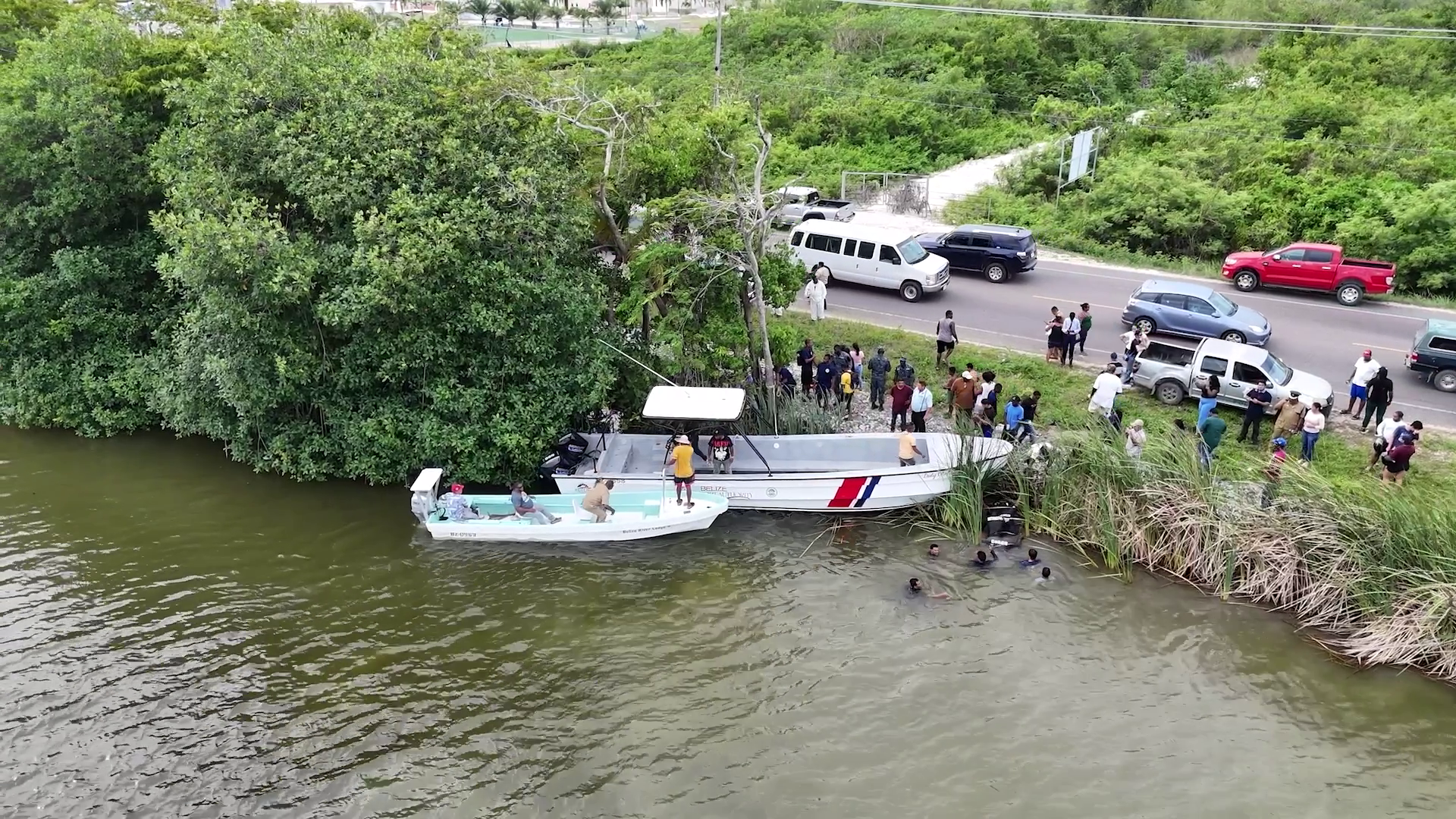
    On a Friday in August 2026, a group of young, trained lifeguards from Belize’s 501 Lifeguard Rescue Team answered an urgent call that would leave a lasting emotional mark: a 13-year-old special needs teenager, identified as Xue Liu, had disappeared under the surface of the Belize River after fleeing an attacking swarm of bees. What followed was three and a half hours of grueling work against harsh conditions, as the team pushed through murky, fast-moving water in a desperate bid to bring the teen home alive. The search ultimately ended in tragedy, when the rescuers recovered Liu’s lifeless body, a outcome that still weighs heavily on the young team days later.

    Even amid the danger and heartbreak, the dedication of the rescuers has stood out. Sixteen-year-old Shaun Eck, a high school student who joined the search, cut his foot on an underwater wire holding loose stones within minutes of entering the river. Instead of pulling out to seek treatment, Eck chose to stay and continue the search, saying his team needed extra support and his training prepared him for the challenge. “I didn’t feel the injury at the time, so I just had to push through and do my job,” Eck explained.

    For these young men, rescue work is an extension of the community-focused swimming instruction they provide through Coach Andrew Swimming Club, where they spend their summers teaching children — including kids with special needs — how to be safe in the water. Eck himself learned to swim through the program, and now he works alongside the instructors who taught him: head coach Andrew Gentle and coach Tevon Conorque.

    Gentle, who launched the club’s public classes in 2014, says his commitment to patient, inclusive teaching grew from watching his mother work for 18 years at Stella Maris School, a local institution serving students with disabilities. The club travels across Belize to partner with community organizations including the Hub and YWCA, operating on the core belief that every child, regardless of ability, can learn to swim. That philosophy has earned deep trust from families: Rhonisha Waight, aunt of 7-year-old autistic student Alistaire Gillett, says the instructors’ approach has helped her nephew make incredible progress. Learning to swim is not just a fun activity for children with disabilities, Waight notes, it is a critical life skill that empowers them when caregivers cannot be nearby.

    Conorque, who has worked with the program from its early days, says the work is deeply rewarding. “Some of them might not learn right away for the first class, but due to muscle memory and the strength they gain as they get older, they learn,” he explained. “For me, by the fact that I could give a kid the skill of swimming that makes me feel happy, because probably in the future I save that kid’s life.”

    That same drive to protect the community led the team to join the Belize Coast Guard for the search operation on the Belize River. Even with professional training and prior experience responding to drowning incidents, recovering the teenager’s body was an unprecedented emotional blow for the group. Conorque admitted he felt “a bit lost” in the immediate aftermath of the recovery; while he had prepared himself mentally for a potential negative outcome, the experience was still disorienting. For Eck, the tragedy hit especially close to home: “It hurts to think about because I also have a sister, siblings close to that age. So it really hurts me, especially since I saw it firsthand. But I am getting through it slowly, which is good.”

    Despite the heavy grief the team carries from the incident, their commitment to serving Belize’s local community has not wavered. They have returned to their swimming lessons, continuing to teach young people critical water safety skills one class at a time, guided by the same compassion that pushed them into the dangerous river last Friday.

  • Pomona Farmer Shot by Plainclothes Policemen

    Pomona Farmer Shot by Plainclothes Policemen

    In a shocking encounter that has raised urgent questions about police conduct in rural Belize, a 46-year-old Pomona cattle farmer is calling for accountability after being shot by three plainclothes police officers who never identified themselves during an unannounced visit to his property on August 7, 2026.

    The farmer, who spoke to reporters by phone from Karl Heusner Memorial Hospital (K.H.M.H.) following emergency surgery, recounted that he was resting near an equipment shed on his land when he was alerted by the barking of his loyal guard dog. When he stood to investigate, he encountered three armed men pointing weapons at him and demanding he raise his hands. With no announcement that the men were law enforcement, the farmer—who previously served as a trained soldier—said he immediately assumed he was the target of an armed robbery.

    Facing three armed attackers, the farmer made the split-second decision to run for safety, rather than drawing the licensed firearm he carried on his property. As he fled, the three men opened fire, striking him in the right knee. After falling to the ground wounded and fearing for his life, he pulled out his legally held weapon and returned fire, forcing the armed men to retreat from the property.

    It was only after the gunfight ended and uniformed police officers arrived at the scene that the farmer learned the men who had shot him were plainclothes law enforcement. One of the plainclothes officers reportedly identified himself only after the shooting, when he approached the wounded farmer. His guard dog—who had accompanied him everywhere and first alerted him to the strangers—was killed in the crossfire.

    The farmer was discharged from K.H.M.H. on August 10, 2026, following surgery to treat his gunshot wound. As of this report, no official explanation has been provided for why plainclothes officers arrived at the farmer’s property with weapons drawn, and no criminal charges have been filed against the farmer following the encounter. The farmer says he is demanding full justice and transparent answers for both the shooting that injured him and the death of his dog, calling the entire incident fundamentally unfair.

    This report is based on a transcript of a televised newscast, with direct quotes preserved as rendered from regional Kriol speech.

  • Elvis Williams Arrested for Faber’s Road Shooting

    Elvis Williams Arrested for Faber’s Road Shooting

    Three separate shooting incidents unfolded across Belize over the first weekend of August 2026, leaving four young men wounded and prompting law enforcement to make one arrest while continuing the search for an additional suspect. The string of violence began on the evening of Saturday, August 8, in the Faber’s Road neighborhood of Belize City, where a local man filed a police report stating that two men on a motorcycle pulled up outside his home, and one of the pair fired a single round in his direction.

    Following an initial investigation, authorities have taken 26-year-old Belize City resident Elvis Williams into custody, formally charging him with abetment to commit aggravated assault. As of the latest update from police, a second suspect linked to the Faber’s Road shooting remains at large, and the investigation into whether the victim was intentionally targeted is still active. Assistant Superintendent Stacy Smith, a staff officer with the Belize Police Department, confirmed that investigators have not yet confirmed if the victim was specifically targeted, noting the victim only reported the shooting and the threat he perceived after the gunfire.

    Separately, two other shooting incidents over the same weekend left four young men with gunshot injuries in the coastal towns of San Pedro and Dangriga. In San Pedro, the violence erupted from a verbal altercation between two groups of men riding golf carts on Lion Street in the early hours of Sunday morning. Francisco Daniel Nah, a 29-year-old licensed store owner who carries a 9-millimeter pistol, told police that the argument escalated to bottles being thrown, and when one of the men from the opposing group reached toward his waist, Nah feared he was drawing a weapon. To protect himself, Nah fired three warning shots into the ground before the opposing group left the area.

    It was only later that afternoon that 20-year-old Rennel Aguilar and 19-year-old Edwin Barco came forward to file reports of gunshot wounds they sustained during the incident. Both men were transported to local medical facilities for treatment, and police are continuing to untangle the details of what exactly occurred.

    In the third incident, two more 19-year-old men were shot in Dangriga on Saturday night. Kevon Higinio and Jim Mendez had just left a local business when two unidentified men approached and fired multiple shots in their direction. Both young men suffered clear gunshot wounds and were transferred to the Southern Regional Hospital for care. As of the latest update, they remain hospitalized in stable condition under medical observation. Police have not announced any confirmed motives for the Dangriga shooting, nor have any suspects been taken into custody.

    Across all three incidents, which left four young men injured in a span of less than five hours, Belizean law enforcement agencies are working to map out the chain of events for each shooting, identify all perpetrators involved, and bring those responsible to justice.

  • Two Men Charged in Separate Drug Busts

    Two Men Charged in Separate Drug Busts

    Law enforcement authorities have filed drug-related criminal charges against two men from distinct regions of the country, stemming from two independently executed police anti-narcotics operations carried out over the weekend.

    One of the cases unfolded in Santa Elena, where early Saturday morning patrols led officers to 24-year-old Christopher Bolon. According to official law enforcement statements, a search conducted during the operation uncovered approximately 5.9 grams of material suspected to be cocaine in Bolon’s possession.

    Confirming the details of the arrest in an official statement, ASP Stacy Smith, Staff Officer for the Santa Elena Police Division, outlined the timeline and circumstances of the operation. “Police have formally arrested and charged twenty-four-year-old Christopher Bolon of Santa Elena for the offense of possession of controlled drugs with intent to supply. The arrest follows an operation by the Santa Elena police at just before one o’clock a.m. on Saturday, eighth August, which led to the discovery of five point nine grams of suspected cocaine on the person of Mr. Bolon,” Smith said.

    The second defendant, from a separate area of the country, was also charged in connection to his own alleged narcotics offense, though additional details about the second operation and defendant have not been released in the initial public reporting. This article is adapted from a transcribed broadcast of a regional evening news program, which standardizes spelling for Kriol-language statements when they appear in original coverage.