分类: society

  • Agriculture : The Ministry is transforming the rural landscape

    Agriculture : The Ministry is transforming the rural landscape

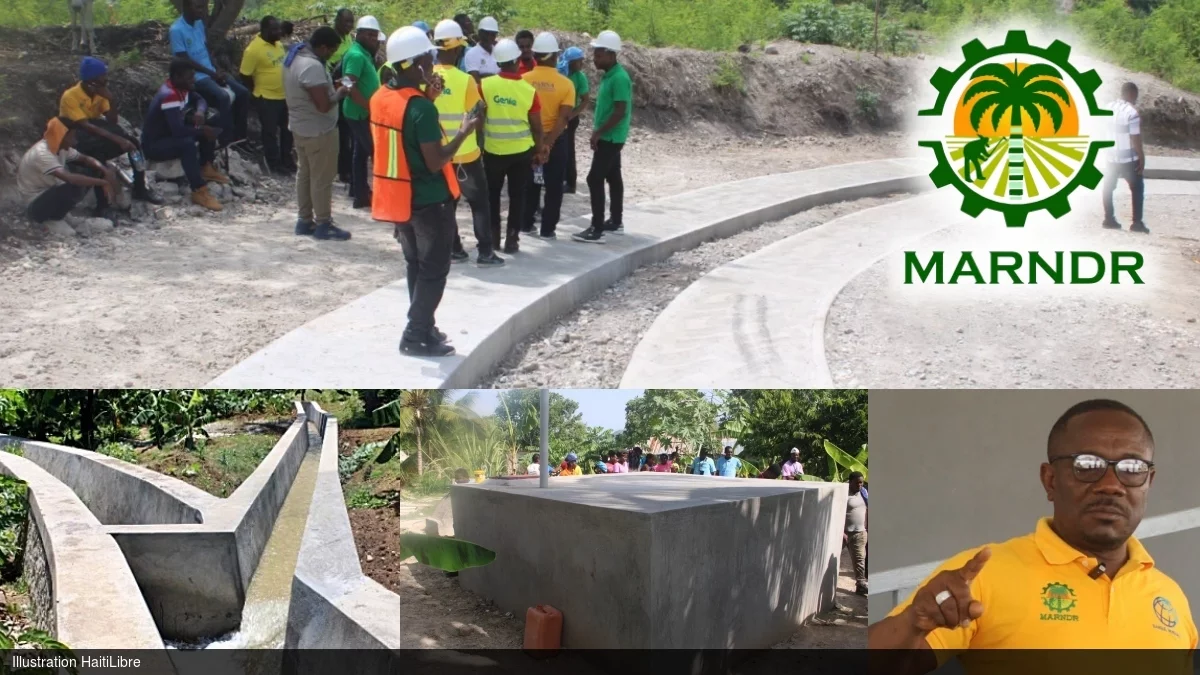
    Haiti’s agricultural sector is undergoing a major transformation through the Resilient Agriculture for Food Security Project (PARSA), a World Bank-backed initiative designed to boost food security, upgrade rural infrastructure, and improve living standards for small-scale farming communities across the country. On August 11, 2026, Haiti’s Minister of Agriculture, Natural Resources and Rural Development, agronomist Marcelin Aubourg, led a delegation of senior agricultural officials on a day-long inspection tour of completed and ongoing PARSA projects in the southern Nippes department, a region where farming forms the economic backbone of 11 local municipalities.

    The tour began in the commune of Petite-Rivière-de-Nippes, where the delegation inspected a state-of-the-art grain storage warehouse constructed by MARNDR for the Network of Agricultural Producer Organizations of Nippes (ROPANIP). Spanning 380 square meters, the facility has a total storage capacity of 580 tons and includes an on-site water reservoir and dedicated product drying area. Built to address longstanding challenges of post-harvest loss, the warehouse will improve grain preservation, strengthen local food supply chains, and ensure consistent stock for school feeding programs across the department.

    From Petite-Rivière-de-Nippes, the delegation traveled to Anse-à-Veau, where they viewed two additional completed infrastructure projects. The first is a new modern rice mill located in the O-Rouck area, built on a 72-square-meter plot with PARSA funding. The mill has a processing capacity of 800 to 1,000 kilograms of rice per hour, eliminating the need for hundreds of local smallholder farmers to travel long distances to process their harvest and cutting post-production costs significantly. During the same stop, Aubourg inspected the upgraded O-Rouck irrigation system, developed under the Resilient Productive Territories (TPR) initiative with support from PARSA. The upgraded infrastructure now provides reliable water access to roughly 50.5 hectares of cultivated farmland, helping farmers mitigate the impacts of climate variability and boost overall crop yields.

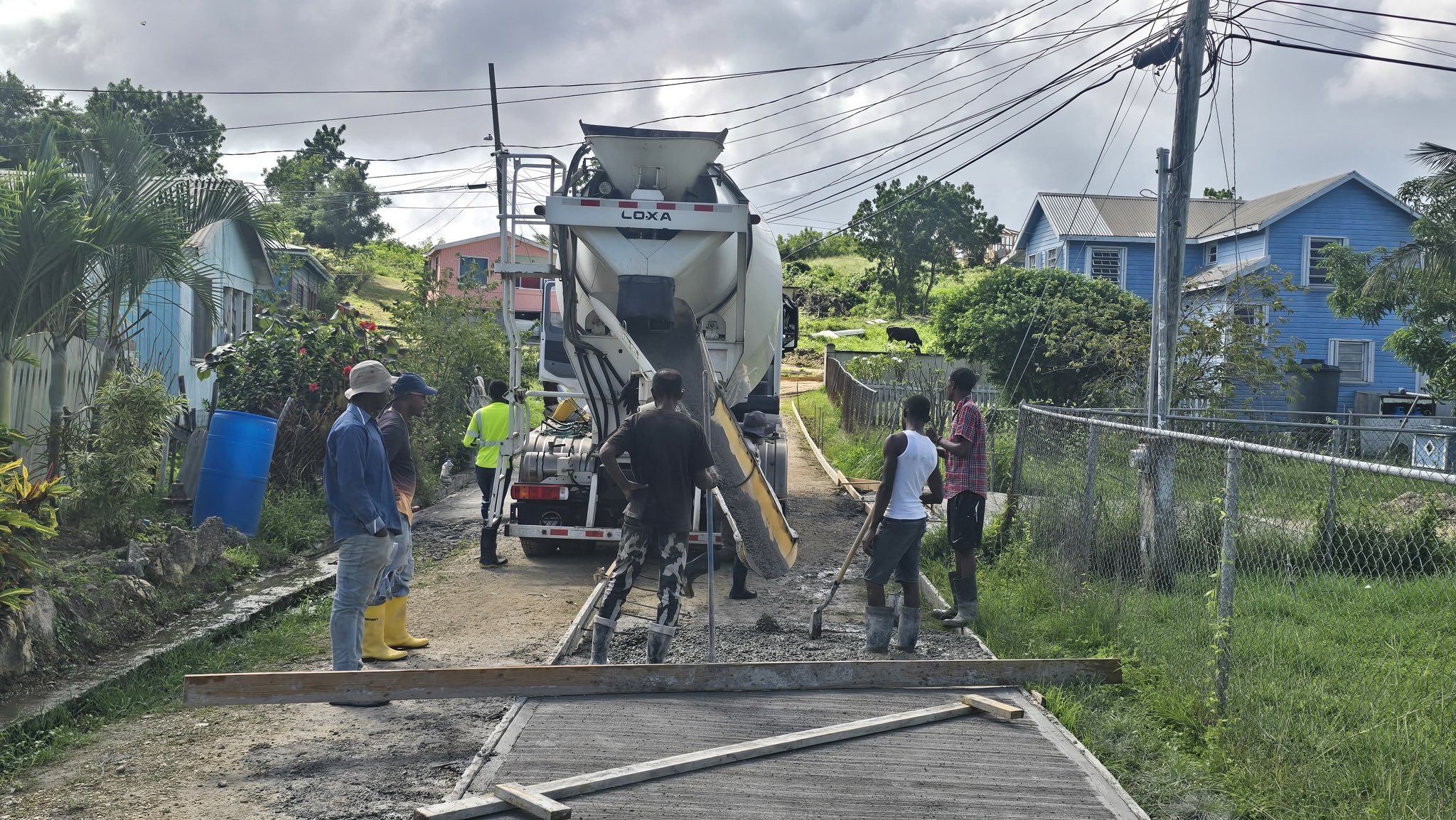
    Next, the delegation inspected ongoing rehabilitation work on a critical agricultural access road in the Baquet communal section of Arnaud. The project, being carried out by MARNDR, involves upgrading approximately 800 meters of rural track linking Carrefour Azor to Chalumeau via Morne Katina, alongside the construction of 200 linear meters of concrete verges, a 59.28-meter river ford, and an 84-meter retaining wall. Once completed, the upgraded route will serve as a vital transportation artery, enabling local farmers to move their products more efficiently to the Gros-Bassin regional trade hub and surrounding markets, while also providing a reliable bypass for the Grande Rivière des Nippes during seasonal flooding.

    The tour concluded in the Morne Borga area of L’Asile, where 15 new family water tanks have been constructed as part of PARSA’s community resilience program. The tanks bring a critical source of water within close reach of local households, eliminating the long daily trips community members previously made to collect water and reducing the overall burden of domestic work. Beyond meeting household needs, the tanks enable families to irrigate small-scale Creole kitchen gardens, supporting greater household food security, crop diversification, and resilience to recurring drought events that often disrupt agricultural production in the region.

    As part of the broader national PARSA initiative, these infrastructure investments are targeted at addressing longstanding barriers to agricultural development in rural Haiti: limited access to water, poor transportation connectivity, high post-harvest loss, and low resilience to climate shocks. By upgrading core infrastructure and centering the needs of local producer communities, the project aims to build a more sustainable and food-secure future for rural Haiti.
  • Caye Caulker Leaders Defend Public Access to The Split

    Caye Caulker Leaders Defend Public Access to The Split

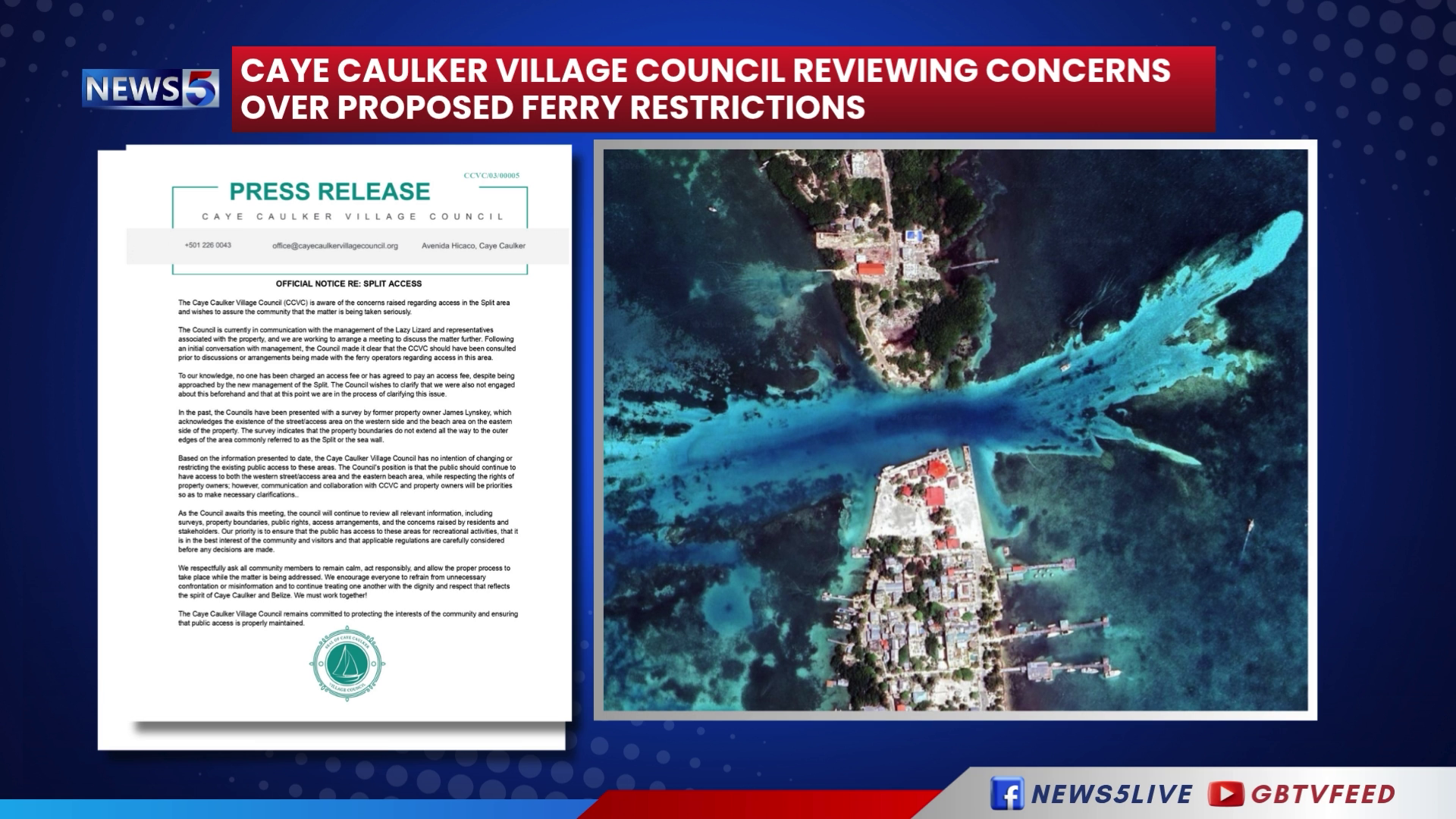
    One of Belize’s most famous coastal landmarks, The Split on the island of Caye Caulker, has become the center of a growing access dispute that has united local village leaders, residents, and ferry service providers in defense of unrestricted public entry to the beloved site. For decades, The Split has stood as Caye Caulker’s signature public space, drawing thousands of visitors each year and serving as a critical operational hub for local ferry operators that connect the island’s northern and southern shores. In August 2026, local authorities confirmed that unapproved talks had been held to impose access fees exceeding $1,000 on ferry operators that use the docking area adjacent to the Lazy Lizard establishment, triggering widespread concern across the island community.

    The Caye Caulker Village Council moved quickly to address the situation, confirming it had launched its own formal discussions with Lazy Lizard management and representatives for the privately held property in question. What has compounded local frustration, village leaders note, is that no local governing body was consulted or notified before the fee negotiations with ferry operators were initiated. As of the latest public update, no ferry operator has complied with the fee demand or agreed to any binding payment terms for access to the area.

    To back up its commitment to keeping The Split open to all, the Village Council has cited decades of official property boundary surveys, which clearly show the privately owned parcel does not extend to the outer edges of The Split or the surrounding sea wall. Based on this official mapping, the council has issued a firm public pledge: it will not allow any changes to access rules or restrictions that would block public entry to the iconic coastal space.

    The effort to protect public access has gained backing from higher local office, with Area Representative Andre Perez confirming he has joined the advocacy work. Perez announced that a formal negotiating meeting is being arranged between local leaders and the property owners, with the core goal of reaching a peaceful, mutually agreeable resolution that protects the interests of residents, local tourism businesses, visiting guests, and ferry operators that depend on open access to this critical island location.

  • Students Use Art to Tackle Mental Health Stigma

    Students Use Art to Tackle Mental Health Stigma

    On August 12, 2026, two teenage students from Saint Catherine Academy in Belize brought creative community action to the forefront of local mental health advocacy, turning paintbrushes and open conversation into tools to break down long-standing stigma around mental illness in the country.

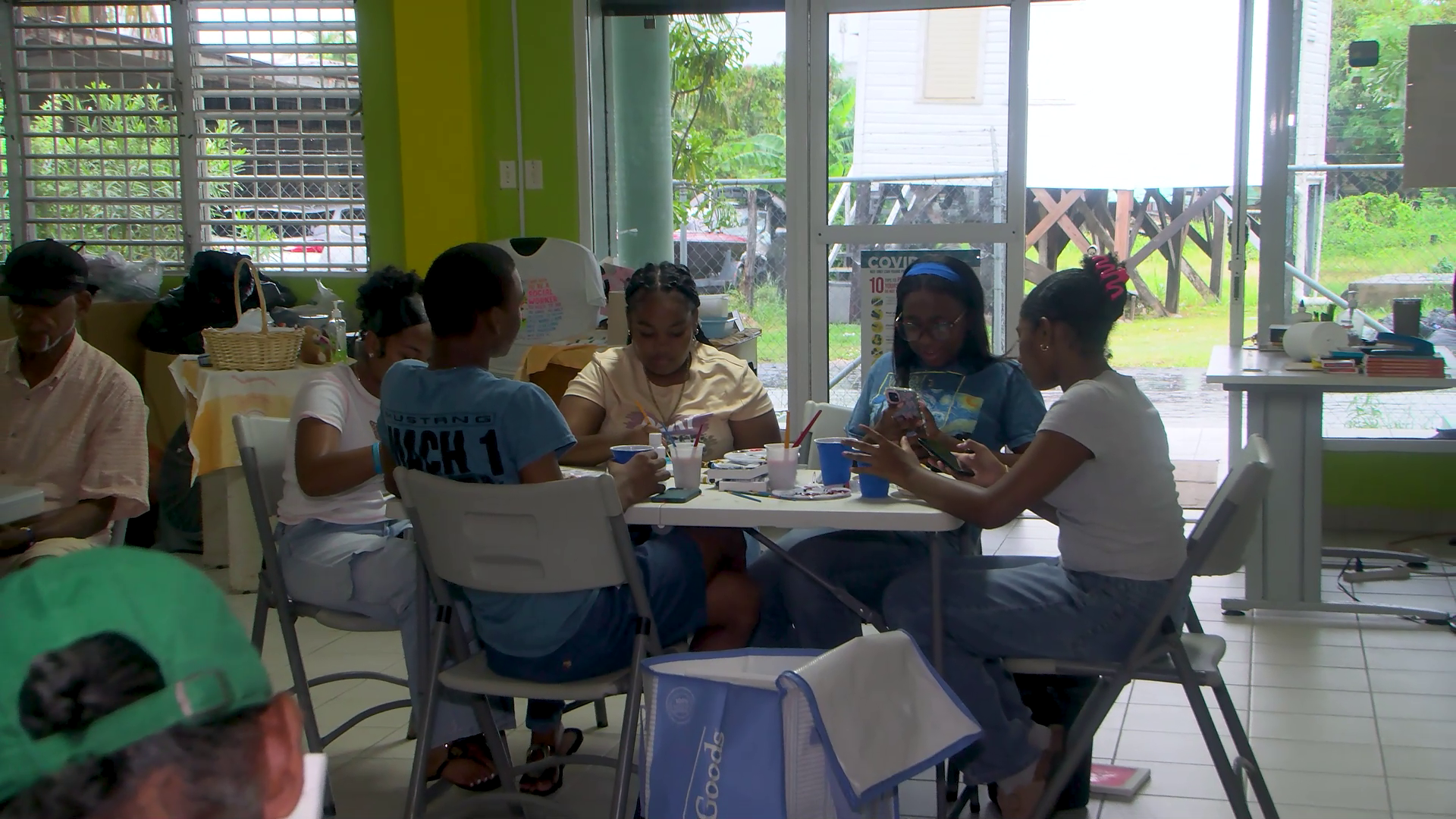
    Thirteen-year-old Arianna Grant and 14-year-old Jahmia Lodge debuted their community-focused “Every Mind Matters” initiative at Belize’s Lake-I Welcome Resource Center, hosting a therapeutic paint-and-sip gathering for center visitors ranging in age from 35 to 65. Alongside the interactive art activity, the pair also donated much-needed food and personal hygiene supplies to guests of the facility, which provides support and resources to vulnerable community members.

    The partnership between the students and the resource center began one month earlier, in July 2025, when the two teens reached out to center administrator Beatrice Vernon looking for meaningful ways to give back to their local community. After learning about the range of guests the center serves and the unaddressed mental health needs many of them face, the pair quickly settled on the idea of a relaxed, creative art session as a low-pressure way to open up conversations about mental wellbeing.

    For the participating guests, the activity offered far more than a casual creative outlet. Kirk Simpson, one of the center visitors who took part, shared that the session left him feeling like he had reconnected with his younger self, echoing a sentiment shared by many other attendees. Beyond the joy of painting, participants described the gathering as a rare opportunity to slow down, prioritize their own mental health, and feel recognized rather than overlooked for the struggles they face.

    Vernon noted that the event was a welcome surprise for the center’s regular guests, who rarely get the chance to participate in unique, creative activities like the paint-and-sip. She emphasized that for attendees, the day carried extra excitement: it paired hands-on art with small, thoughtful treats that made the experience feel special and intentional.

    For the teen organizers, the initiative grew from a shared recognition that mental health deserves far more public attention and compassion in Belize. Speaking on the purpose of the project, which began as a passion project for their school, Lodge explained that the pair chose to center art because it creates a gentle, comfortable space to connect with people experiencing mental health challenges.

    Grant echoed that sentiment, noting that the experience has been deeply rewarding for her as a young organizer. She shared that working directly with community members has opened her eyes to the impact of local volunteer work, taught her how to build meaningful connections with people across generations, and reinforced her love of giving back. When asked if she would encourage other young people to follow in her footsteps, she affirmed that teens have the power to make real change in their communities by stepping up to address unmet needs.

    Vernon praised the teens’ work as a transformative gift for the center and its guests, highlighting that the pair’s youth and creative approach helped them connect with people that the center had previously struggled to reach, bridging gaps in local mental health outreach. She emphasized that the initiative proves that even young people can drive meaningful change around important social issues, and she expressed hope that Grant and Lodge’s example will inspire more young Belizeans to get involved in mental health advocacy and challenge harmful misconceptions about people living with mental health challenges.

  • Young Voices Lead the Conversation at Youth Fest 2026

    Young Voices Lead the Conversation at Youth Fest 2026

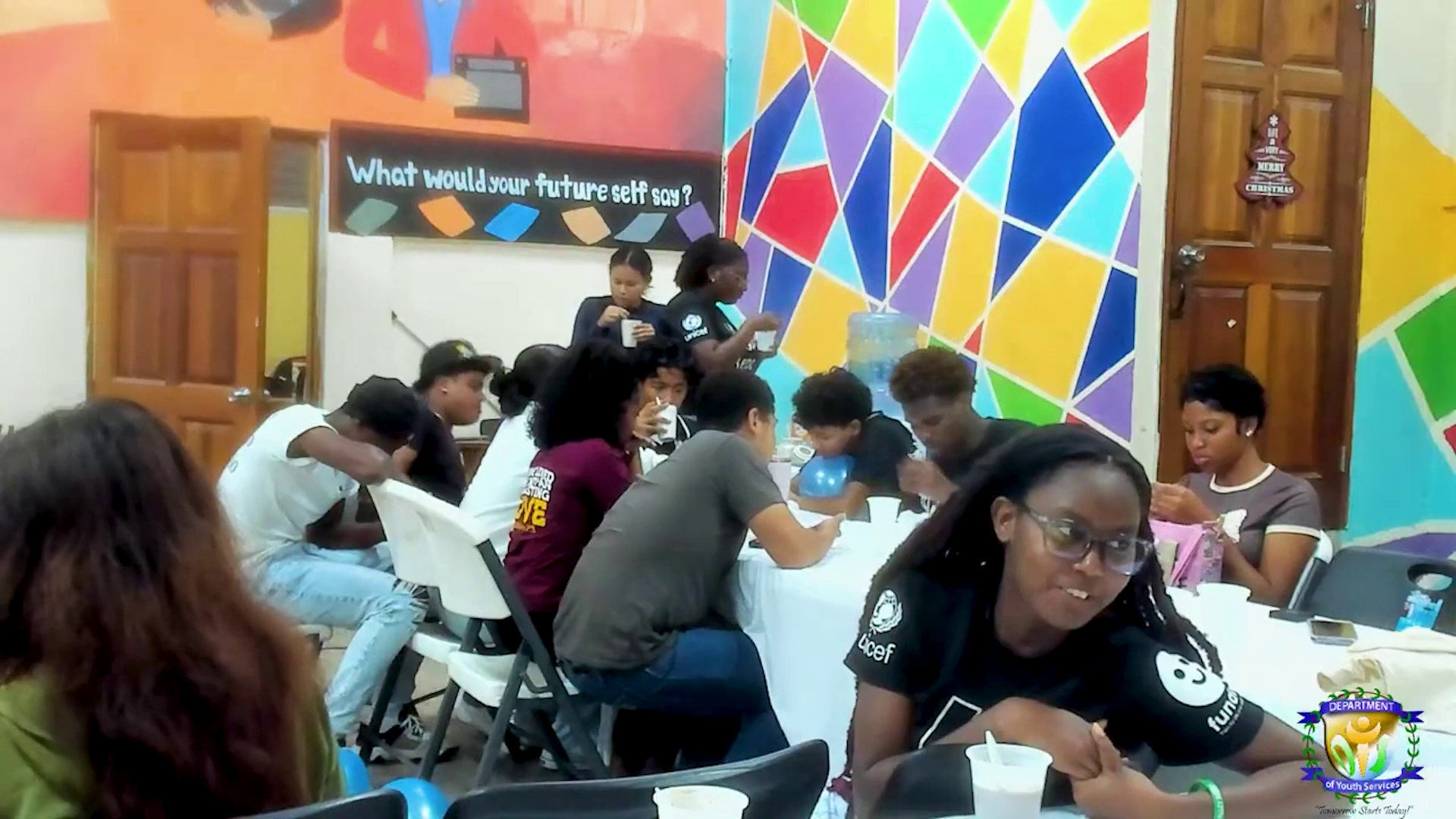
    On August 12, 2026, Belize’s Department of Youth Services marked International Youth Day by breaking the long-held narrative that young people are only “leaders of tomorrow” — launching a youth-centered Youth Fest that empowers the nation’s next generation to lead, debate, and shape their country right now.

    Unlike traditional commemorative events where youth are cast as participants or audience members, 2026’s Youth Fest was entirely spearheaded by young interns and organizers, with adult supervisors only stepping in to offer support. The gathering drew hundreds of young attendees from three of Belize’s districts — Belize District, Orange Walk, and Cayo — packing a full day of culturally rooted programming, creative showcases, and critical dialogue that centered issues young Belizeans care about most.

    Fifteen-year-old Deshly Lanza, one of the event’s lead youth organizers and a summer intern at the Department of Youth Services, walked through the dynamic lineup of activities crafted entirely by her and her teenage peers. “This year, because it was managed by young people, teenagers, we decided to make it engaging,” Lanza explained. “This morning we had a debate on whether we thought young people should have a seat at the political table when it comes to making decisions about the country. We had dancing, we had a Garifuna Jones group come in, culture stars. We had Belize Trivia as well, and currently we are having the digital art competition.”

    The event is more than just a one-day celebration: it is a deliberate push to embed youth leadership in Belize’s national discourse year-round. Tanya Danderson, Youth Entrepreneurship Coordinator at the Department of Youth Services, emphasized that the energy, fresh perspective, and innovative thinking young people bring to national issues cannot be confined to a single annual commemoration. “I think it is so important because our young people, they have a voice and we need to listen to them. And today’s activity was spearheaded by our young interns and we, the supervisors, we just supported them,” Danderson said. “And I think it’s important for opportunities like this to be given to your young people because they are making changes as we speak and in the future we can look up to them.”

    For attendees and young organizers alike, the festival has already delivered tangible impact beyond fun and entertainment. Eighteen-year-old participant Kyeldani Pott shared that the event created rare space for young people to collaborate on future action. “I find it very enjoyable being able to engage with everyone and have these very important discussions that will eventually cultivate different prospective projects or volunteering for the future especially considering that many of us are young leaders or aspiring leaders,” Pott noted.

    The 2026 Youth Fest is just one of dozens of empowerment events hosted across Belize to mark International Youth Day, all aimed at encouraging young people to take active leadership roles in their local communities. The report was filed by Britney Gordon for News Five, from on-site at the festival.

  • Storm wreaks havoc in Arau

    Storm wreaks havoc in Arau

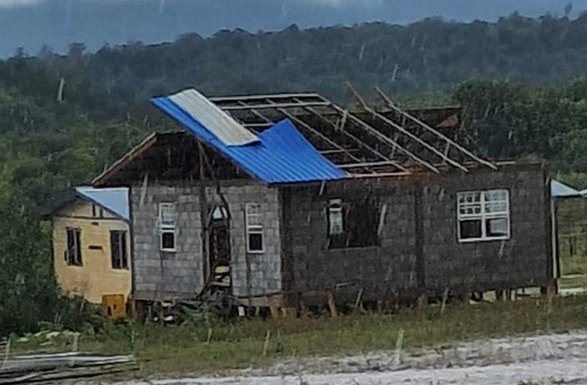
    On Wednesday, 12 August 2026, Guyana’s national disaster management body, the Civil Defence Commission (CDC), launched a coordinated cross-sector response to storm damage after severe high winds swept through the remote community of Arau, located in Region Seven. The extreme weather event left a trail of destruction, damaging multiple residential properties across the village.

    Preliminary damage counts released by the village’s lead representative, the Village Toshao, indicate that at least 15 homes have sustained damage, with most impacts concentrated on building roofs and external structural components. In an official statement released Wednesday evening, the CDC emphasized that these initial figures remain provisional, as full on-site damage assessments are still ongoing to confirm the full scope of harm to private residences and public community infrastructure.

    As an initial intervention to support affected households, the CDC has announced plans to deploy an immediate stock of emergency building materials to help families secure their damaged properties. Further relief packages and targeted assistance will be allocated once the assessment team delivers its final findings, and the agency confirmed it is ready to set up temporary emergency evacuation shelters if conditions require it. CDC officials added that the response team will maintain constant monitoring of the situation and publish new, verified updates as more information is collected from the affected area.

    The entire assessment and relief operation is being centrally coordinated by the CDC, with critical support from a network of national and local stakeholders. These partners include the Guyana Defence Force (GDF), the Guyana Police Force (GPF), the Region Seven Regional Democratic Council, and elected Arau Village leadership. According to the CDC’s statement, the GDF has already deployed trained personnel and key logistical resources to support the response effort, while local and regional officials are working on the ground to relay real-time information from the community back to the central response command. This collaborative, multi-agency assessment process will allow the CDC to identify high-priority needs and secure any additional resources required to help displaced and affected residents get back on their feet.

  • UPDATE: Police confirm body found in Capuchin; DNA testing needed for identification

    UPDATE: Police confirm body found in Capuchin; DNA testing needed for identification

    Authorities in Dominica have launched an identification process after severely decomposed human remains were discovered in a remote precipice in the Capuchin region this week, prompting police to move quickly to address public speculation around a recently missing local teenager.

    In an official statement released late Wednesday, Acting Assistant Superintendent of Police and Public Relations Officer Fixton Henderson confirmed that law enforcement personnel had recovered the partial human remains from the steep cliff location. Henderson detailed that the remains match the general description of an adult female, who was found wearing a blue top at the time of discovery. Due to extensive decomposition that has left the body completely unrecognizable, police confirmed forensic DNA analysis will be required to formally confirm the individual’s identity.

    Henderson emphasized that the update was shared proactively with the public to curb unfounded rumors, stopping short of officially confirming whether the remains belong to 16-year-old Jerbia Paul, a teenager who has been listed as missing since July 24, 2026. Multiple unnamed police sources had previously told local outlet Dominica News Online earlier the same day that the recovered body was that of Paul, who was last seen wearing a dark blue shirt – a detail that aligns with the clothing description of the remains found.

    To provide full transparency to the public and Paul’s family, law enforcement has scheduled an official press conference for 9:00 a.m. local time on Thursday at the Dominican Police Headquarters, where officials will share new details on the investigation, initial forensic findings, and next steps in the identification process.

  • Man Pleads Guilty After Accidentally Shooting Himself With Homemade Gun

    Man Pleads Guilty After Accidentally Shooting Himself With Homemade Gun

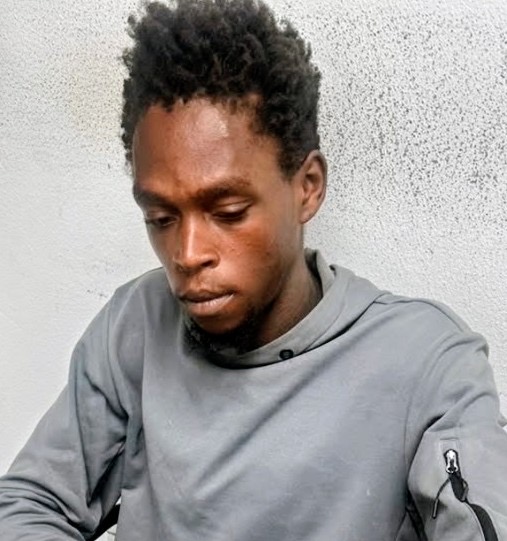
    A 20-year-old resident of Clare Hall has entered guilty pleas to charges of unlawful manufacturing and possession of a modified firearm and matching ammunition, following an incident where he reportedly accidentally shot himself with the homemade weapon.

    Sekani Isaac appeared before the St. John’s Magistrate’s Court on Wednesday to formally answer to the criminal counts against him. Following the plea hearing, Chief Magistrate ordered Isaac to be held in custody at His Majesty’s Prison, with sentencing scheduled to take place on August 26.

    When Isaac arrived in court, he was wearing a blood-soaked bandage wrapped around his left hand, covering the wound he sustained in the accidental shooting. After Isaac informed the judge that the injury had not stopped bleeding, the court ordered that he receive immediate appropriate medical care while in custody ahead of his sentencing.

    The entire investigation was launched back on August 8, when local law enforcement received an official notification from the Sir Lester Bird Medical Centre about the gunshot wound case. Detectives subsequently executed a search warrant at Isaac’s residential property, where they reportedly recovered the modified homemade pipe gun. Upon inspection, officers found a spent bullet casing stuck inside the weapon’s barrel, confirming it had been discharged recently.

  • Orange Walk Family Needs Support

    Orange Walk Family Needs Support

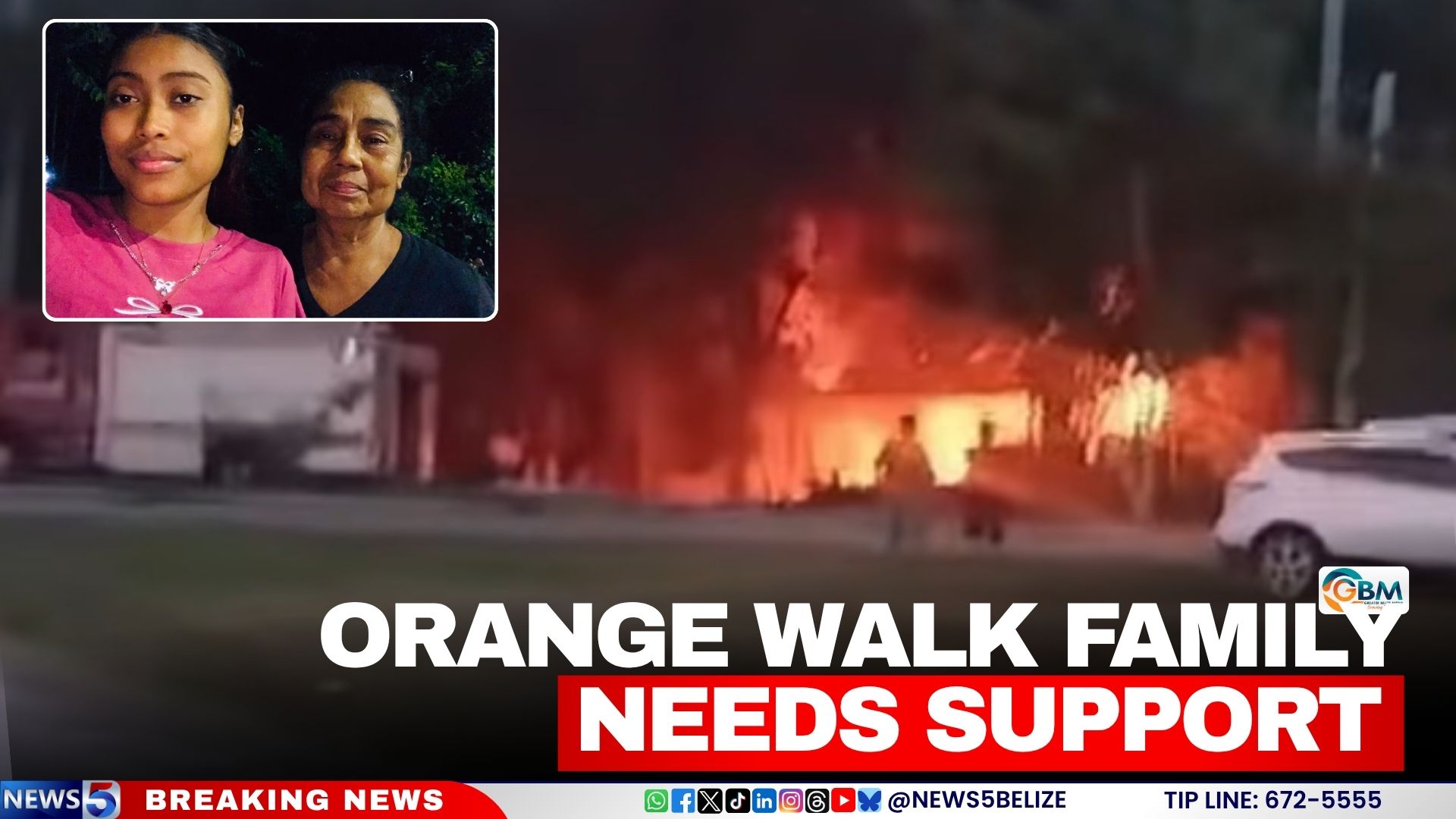
    On a quiet Sunday in Orange Walk, what began as a routine trip to a short evening church service ended in catastrophic loss for a local mother and daughter. Sixty-three-year-old Blanca Estela Pena and her 20-year-old daughter Elia Meza left their wooden residence, located near the intersection of Sparrow Street and San Lorenzo Road, to attend the religious gathering. When they returned to the property just before 6 p.m., they were met with a scene of chaos: an out-of-control blaze had already engulfed most of their home.

    Emergency fire crews were dispatched quickly to the scene and worked to bring the fire under control. Despite their rapid response, the damage was already done: the entire wooden structure was reduced to nearly total ruin. To make the devastating situation even worse, the family carried no insurance policy on the home, meaning they will have to cover all rebuilding costs out of pocket.

    Thankfully, no residents or first responders were injured in the incident. Local investigative authorities have launched an inquiry to pinpoint the exact cause of the blaze, but have not yet released a definitive conclusion.

    For Pena and Meza, the focus now shifts from shock to immediate action: they face the daunting task of rebuilding their lives and their home from almost nothing. To get the rebuilding project off the ground, the family has issued a public appeal for support, specifically requesting donations of building materials including zinc, cement and lumber. They are also in need of basic household goods, including clothing, baby care supplies, Pampers diapers, and any monetary contributions that community members can afford to give.

    Community members who wish to offer assistance to the family can contact Elia Meza directly via phone at 620-1951 to coordinate donations.

  • Twee aangehouden bij drugsinval in Paramaribo, ruim 3 kilo in beslag genomen

    Twee aangehouden bij drugsinval in Paramaribo, ruim 3 kilo in beslag genomen

    A coordinated law enforcement operation targeting illicit drug trafficking in Suriname’s capital Paramaribo has resulted in two arrests and the seizure of almost three kilograms of suspected narcotics, local police confirmed Tuesday.

    The operation was carried out by the Narcotics Brigade of the Suriname Police Corps, with support from specialized intervention units. The raid followed a weeks-long intelligence-gathering process led by the Narcotic Intelligence Unit, which launched an investigation after receiving credible tips that drug trading activities were being conducted out of the targeted residential address. After analyzing the collected intelligence and verifying the tip, law enforcement officials finalized their operational plan and executed the raid on Tuesday.

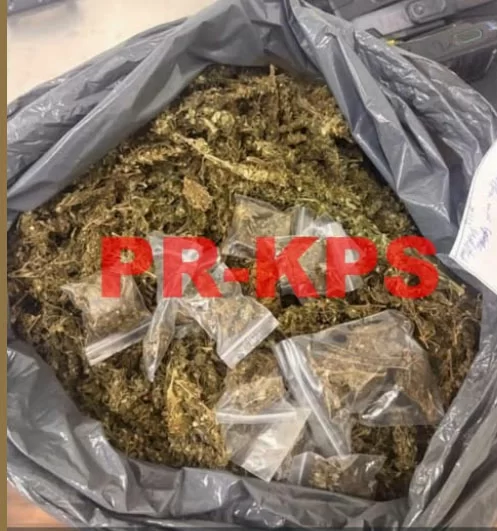
    Upon entering the property and searching the premises and surrounding areas, law enforcement personnel uncovered large stashes of suspected cannabis-based drugs. In total, authorities seized approximately 2,779 grams of suspected marijuana and 179 grams of suspected hashish, bringing the total haul of suspected narcotics to 2,958 grams, or just under 3 kilograms. According to police statements, the drugs were found packaged in both large bulk storage bags and smaller individual portions, indicating they were prepared for distribution and street-level sale.

    In addition to the seized narcotics, police also confiscated multiple pieces of evidence linked to drug trafficking operations: cash in various denominations, digital weighing scales commonly used to portion drugs for sale, packaging materials, and multiple mobile phones belonging to the occupants of the property.

    The two arrested suspects have been identified only by their initials as M.P., 45, and Z.A., 52. Following the operation, authorities consulted with Suriname’s Public Prosecution Service, who ordered that both suspects be taken into custody for further interrogation and processing as the investigation continues.

  • Open Letter : The Suffering of Public Works Employees

    Open Letter : The Suffering of Public Works Employees

    In an open letter addressed to the editor, a concerned private citizen has given voice to hundreds of struggling public sector workers who have been left waiting months for rightfully earned wages after being hired during a recent election period by the Ministry of Works and Housing. The writer, speaking not as an official representative but as an advocate for working people denied a platform to share their grievances, outlines how these workers went through rigorous, multi-stage application and screening processes, clinging to the promise of stable employment that would let them support their households amid widespread economic strain. For many, this government role represented a rare lifeline, a glimmer of hope when stable work was hard to come by.

    But what began as a chance at economic security quickly devolved into months of uncertainty and unmet promises. After showing up to their posts reliably and completing the work assigned to them, workers received little to no compensation for their labor, with officials only offering empty excuses and repeated pledges that payment would come soon. Even after public protests over unpaid wages, uncompensated overtime, and unclear job status drew national attention to the crisis, the situation has not improved beyond more hollow commitments from authorities.

    The writer paints a devastating picture of the daily toll this injustice inflicts on working families. How, they ask, can a breadwinner return home after months of honest work to tell their children there is no money for food? How can they address mounting utility bills, rent, and other urgent expenses when their paychecks never materialize? After months of delays, a one-time partial payment of roughly $900 (ECD) was disbursed to some workers – but the writer argues this small fraction of owed wages is nowhere near enough to cover basic needs, let alone the two or more months of outstanding bills most households have accumulated.

    As schools prepare to welcome students back for a new term, the financial pressure on these working families has intensified. With back-to-school costs adding to already unmanageable loads of rent, utilities, and other household obligations, parents raising multiple children are confronting an overwhelming burden that shows no signs of easing.

    At the core of the letter is a pressing question that demands an answer: who will be held accountable for this betrayal of public trust? The writer points out a dangerous contradiction at the heart of official messaging: while leaders repeatedly urge citizens to pursue honest work and avoid criminal activity, the systemic neglect of workers who followed that advice leaves many with growing feelings of hopelessness and frustration. Though criminal behavior is never justified, the letter warns that this injustice erodes the social contract and leaves young people who played by the rules questioning how they are supposed to care for their families.

    No worker, the writer emphasizes, should be forced to protest to receive compensation for work they have already completed. The ongoing crisis is eroding public confidence in government institutions, draining the nation’s collective hope, and leaving hardworking people abandoned. This open letter stands as an urgent plea for full transparency and immediate accountability to resolve a crisis that has pushed countless working households to the breaking point.