分类: society

  • Print-It-Yourself Belizean Birth Certificates Draw Backlash

    Print-It-Yourself Belizean Birth Certificates Draw Backlash

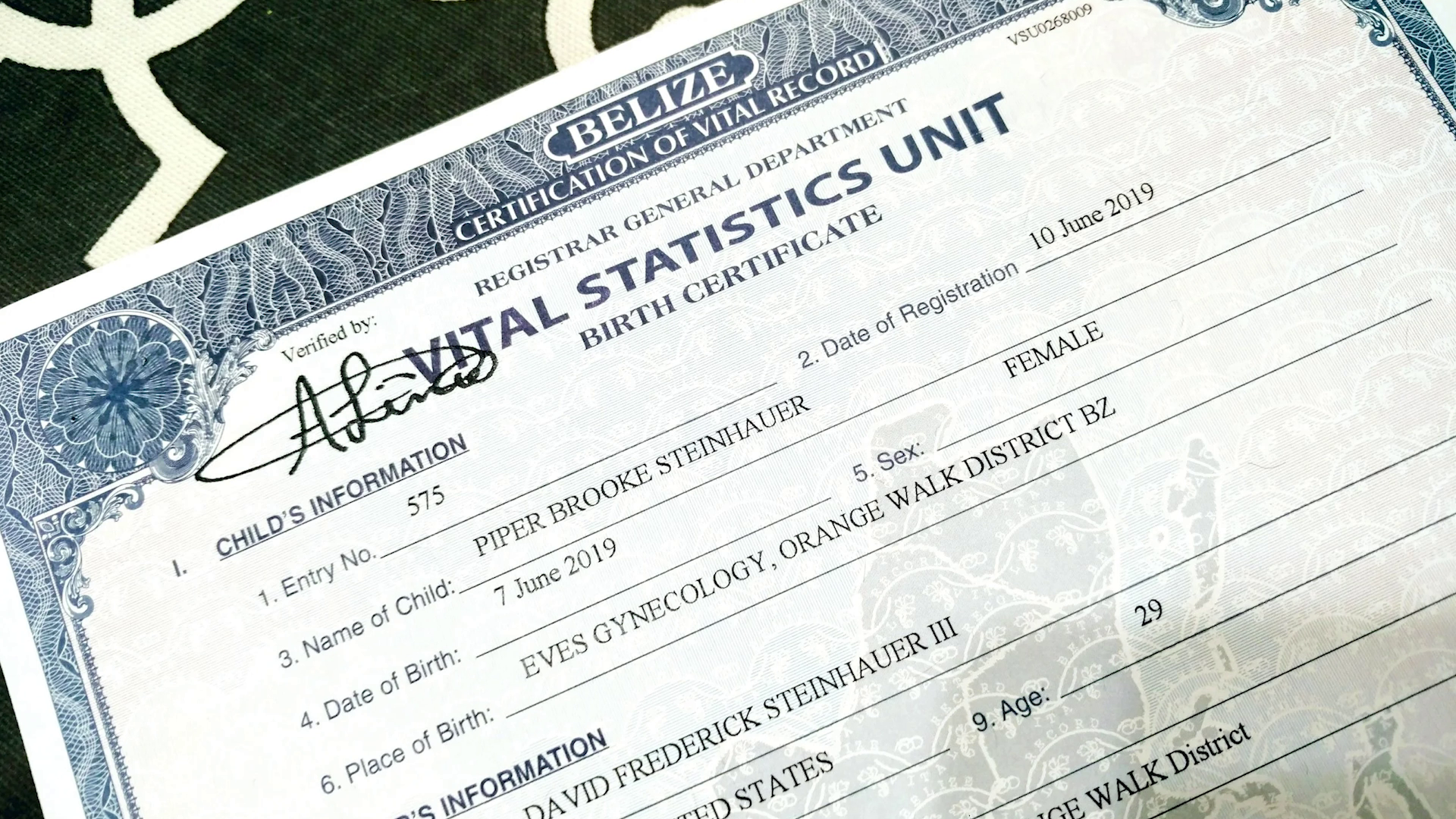
    A controversial policy shift surrounding one of Belize’s most essential civil documents has sparked widespread public pushback, just months after the government rolled out the new system. As of December 2025, the country replaced its long-standing, intricately designed official birth certificates with a plain, digitally-issued format that allows citizens to print the document from any location on any paper of their choosing. The change, introduced alongside the launch of Belize’s upgraded digital Civil Registry and Vital Statistics system, has left many residents confused and frustrated, with widespread calls from the public to reverse the policy and bring back the familiar, secure official document generations have trusted.

    Public frustration centers on concerns over document legitimacy, potential confusion for institutions processing official paperwork, and the loss of a formal, government-issued document that many view as a core marker of legal identity. In response to growing public outcry, Attorney General Anthony Sylvestre defended the government’s decision in an interview with local reporters, framing the shift as a deliberate step to expand access to vital document services for all Belizeans.

    Sylvestre explained the practical challenges that shaped the policy change, noting that the old system relied on pre-printed, secured stock with unique serial numbers that had to be produced and stored in government offices in advance. Under the previous process, every birth certificate had to be printed directly onto this specialized stock at a government facility, requiring in-person visits and limiting access for residents living in remote areas far from civil registry offices.

    The new digital-first model eliminates that barrier, Sylvestre argued: after accessing the civil registry service and obtaining an official electronic copy of their birth certificate, citizens can print the document on any paper they choose, whether that is plain printer paper or a decorative heavy stock purchased by the user. When pressed by a reporter on whether citizens could opt to use their own decorative paper to replicate the old format, Sylvestre confirmed that no rule prohibits residents from using whatever paper they prefer for their printed copy.

    Addressing concerns over potential confusion, Sylvestre acknowledged that maintaining two parallel systems — one for the old pre-printed official certificates and one for the new print-at-home format — would create far more significant administrative challenges for key government agencies. Institutions including the Social Security Board and the Department of Immigration and Nationality, which regularly process birth certificates as part of their core work, would face unnecessary complexity verifying two distinct document formats, he explained. For that reason, the government has decided to move forward with the unified print-your-own model at this time, despite public dissatisfaction, to align with the broader rollout of the new digital civil registry system.

  • The Phone Call That Opened Doors for Rachel Sedacy

    The Phone Call That Opened Doors for Rachel Sedacy

    In a heartfelt reunion that underscores the transformative power of one small act of courage and generosity, Belizean entrepreneur Rachel Sedacy has reconnected with the British businessman and philanthropist Lord Michael Ashcroft, the man who helped turn her dream of education and success into reality 18 years ago.

    At 40, Sedacy now leads The Fifth Element, a niche boutique consultancy that blends strategic business innovation with insights from consumer psychology and cognitive behavioral practice. Her path to success, however, began with a longshot gamble that most young professionals would never dare to take.

    Raised in a insular religious community that left her with a narrow perspective of the world, 22-year-old Sedacy was working as an administrative assistant at Belize Bank International in 2008 when she obtained Lord Ashcroft’s personal phone number. Against all conventional wisdom, she decided to reach out cold to pitch her dream: funding for a university education abroad that would let her build a better future and eventually return home to lift up other Belizeans.

    The first call ended abruptly with a joke that caught Sedacy off guard: when Ashcroft realized he was speaking to a young Belizean, he joked, “you are speaking to the devil himself,” prompting a flustered Sedacy to hang up. But she gathered her courage to call back, explain her goal clearly, and within minutes, Ashcroft invited her to meet him for lunch during her break at Le Petite Café.

    Her raw determination struck a chord with the philanthropist. Ashcroft agreed to fully fund her studies at Anglia Ruskin University in the United Kingdom, but he set two non-negotiable conditions: first, that she would return to Belize after graduating to contribute to her home country’s development, and second, that she would pay the generosity forward by supporting another aspiring person when she found success.

    Sedacy threw herself into her studies, earning advanced degrees in marketing, business analytics and consumer psychology, and adding certification as a cognitive behavior practitioner to bring a uniquely human-centered perspective to her business work. Her firm’s data-driven, people-first approach quickly earned recognition across the region, culminating in a regional award for her work in sustainable energy, cementing her status as one of Belize’s rising entrepreneurial stars.

    When word reached Sedacy that Lord Ashcroft was returning to Belize in June 2026 to celebrate his 80th birthday, she made it her mission to reconnect with the man who changed her life, to show him that she had kept both of her promises. After multiple attempts to coordinate the meeting, the pair reunited at the same Le Petite Café where their first discussion took place 18 years prior.

    “It is very nice to see you, after all this time, its absolutely fantastic,” Ashcroft told Sedacy as the pair caught up, reflecting on the long journey from that first casual meeting to Sedacy’s current success. “Even now I am feeling a little emotional as we both are at what that one meeting eighteen years ago has led to. From this day forward, this friendship we have, we will build on it, and I hope I can help you further and that we become great friends.”

    Ashcroft joked about his reputation as a tough, no-nonsense businessman, saying with a laugh, “Unfortunately, we really should not be telling people that, otherwise it is going to ruin my reputation. You got to bear in mind, I am regarded as the devil, so nice stories like this don’t do me any good at all. They will suddenly realize I am a big softy.”

    For Sedacy, the reunion marked the end of a full circle that began with one bold phone call. She has not only returned to Belize to build her career and contribute to the local economy, but has already worked to support other young Belizeans chasing their own ambitions, fulfilling the second condition Ashcroft set 18 years prior. The story stands as a reminder that a single chance encounter, rooted in courage on one side and generosity on the other, can reshape a life and create ripples of impact that extend across decades.

    This report was compiled from original on-the-ground reporting by Paul Lopez for Belize’s News Five.

  • Police mull uniform change to beat Crop Over heat

    Police mull uniform change to beat Crop Over heat

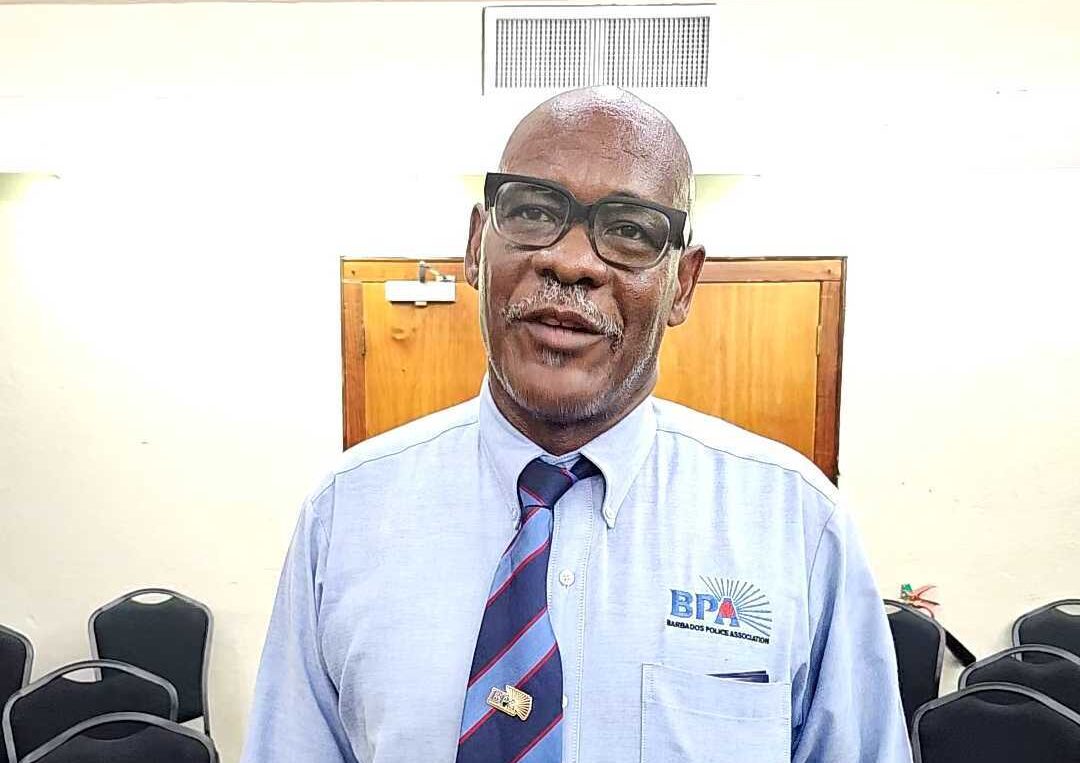
    As Barbados prepares for the annual Crop Over festival and braces for a predicted extreme heatwave, the nation’s police force has thrown its full support behind a groundbreaking proposal to swap traditional heavy uniforms for lighter, more climate-appropriate alternatives during the event. In an exclusive confirmation with Barbados TODAY, Police Association of Barbados President Inspector Wendly Carter outlined the details of the initiative, which has been under active review by government and law enforcement leadership for months.

  • Universal free pre-primary education ‘to begin in September’

    Universal free pre-primary education ‘to begin in September’

    Barbados is set to roll out a landmark universal free pre-primary education programme for all qualifying three and four-year-olds starting this September, marking a major expansion of the island nation’s early childhood learning ecosystem, with education leaders emphasizing the critical role of parental partnership in preparing young learners for this new phase.

    The launch of the initiative was the central focus of a recent Pre-Primary Expansion Parent Engagement Session hosted at George Lamming Primary School, where senior education officials outlined the programme’s goals, structure, and next steps for families ahead of its official rollout. Deputy Chief Education Officer Julia Beckles highlighted that the scheme is far more than a childcare service, centered instead on delivering intentional, curriculum-aligned learning experiences tailored to young children’s natural development.

    “We are excited about the possibilities this expansion unlocks, and we have made steady progress to open up additional spots for three and four-year-olds across the country,” Beckles told attendees. “This is not daycare. This is structured learning rooted in a formal early childhood curriculum. Even as children engage in play and age-appropriate activities, they will make meaningful developmental gains that set them up for long-term success.”

    Beckles added that education authorities welcome open feedback from parents ahead of the September 2026 launch, encouraging caregivers to share questions, concerns, and suggestions to refine the rollout process. The programme forms a core pillar of the Government of Barbados’ Every Child Barbados national education transformation agenda, which aims to reduce opportunity gaps and advance equitable access to high-quality learning from early childhood onward.

    “Every child in Barbados deserves a strong start to their educational journey,” noted Jenise Clarke, an Education Officer within the Ministry of Education Transformation. “No matter what community a child comes from, what their family’s income level is, or what their personal background may be, they are entitled to free, quality early childhood education that prepares them for primary school and beyond.”

    Beyond outlining the policy itself, the engagement session offered evidence-based, practical guidance to parents on how to prepare their children for the transition to structured pre-primary learning. Shioma Francis-Porte, another Education Officer in the transformation ministry, urged families to establish consistent daily routines early, including fixed bedtimes and dedicated quiet time for shared reading and open conversation.

    “Consistent routines help young children build independence, self-regulation, and the foundational skills they need to be ready to learn,” Francis-Porte explained, reminding attendees that “you are your child’s first teacher – not us.” She encouraged parents to nurture children’s communication skills through casual conversation during daily tasks, shared storytime, singing traditional nursery rhymes and local Barbadian cultural songs, and to help children build social-emotional skills by teaching them to share, name their emotions, use kind language, and practice empathy.

    Francis-Porte also emphasized that play is the most effective vehicle for early learning, urging parents to support unstructured imaginative play, creative activities like drawing, outdoor exploration, and to limit excessive recreational screen time. Education Officer Dwane Goddard focused on supporting children’s overall physical and emotional well-being ahead of enrollment, advising parents to prioritize healthy habits including balanced meals, consistent water intake, regular physical activity, and keeping children’s preventive health check-ups and vaccinations up to date.

    “Good nutrition, regular movement, and consistent healthcare all lay the foundation for children’s overall well-being and ability to learn,” Goddard said. He also encouraged caregivers to practice positive discipline, maintain open lines of communication with their children, and monitor children’s online activity to keep them safe. “Children thrive and learn best when they feel safe, loved, and supported at home,” he added.

    Goddard stressed that ongoing parental engagement with schools is a key driver of children’s long-term success, noting: “Your involvement makes a significant difference in your child’s outcome. Learning begins at home, and it continues in the classroom.” He also encouraged families to center Barbadian culture and identity in daily activities with their children, while teaching young learners to respect diversity in all its forms.

    “Parents are their children’s first and most important teachers. Together, we can nurture confident, caring, creative, and capable learners who will build the future of Barbados,” Goddard said.

    Two additional education officers, Tanya Byone and Natasha Reeves, walked attendees through building foundational self-help and academic readiness skills. They recommended that parents help children practice independent daily skills including handwashing, communicating when they need to use the bathroom, and managing clothing fasteners like buttons and zippers on their own. To strengthen cognitive, communication, and social skills ahead of enrollment, they encouraged families to incorporate simple counting activities, colour recognition games, puzzles, shared story reading, and group play opportunities into daily routines.

    To qualify for the programme, children must turn three or four years old by September 1 of this year. The Ministry of Education has advised parents to prepare required documentation ahead of enrollment, including official birth certificates, proof of residential address, up-to-date immunization records, passport-sized photographs, and any required immigration documentation, and to monitor official ministry channels for further announcements and updates.

  • New DNA Testing May Help Identify Decades-Old Human Remains in Belize

    New DNA Testing May Help Identify Decades-Old Human Remains in Belize

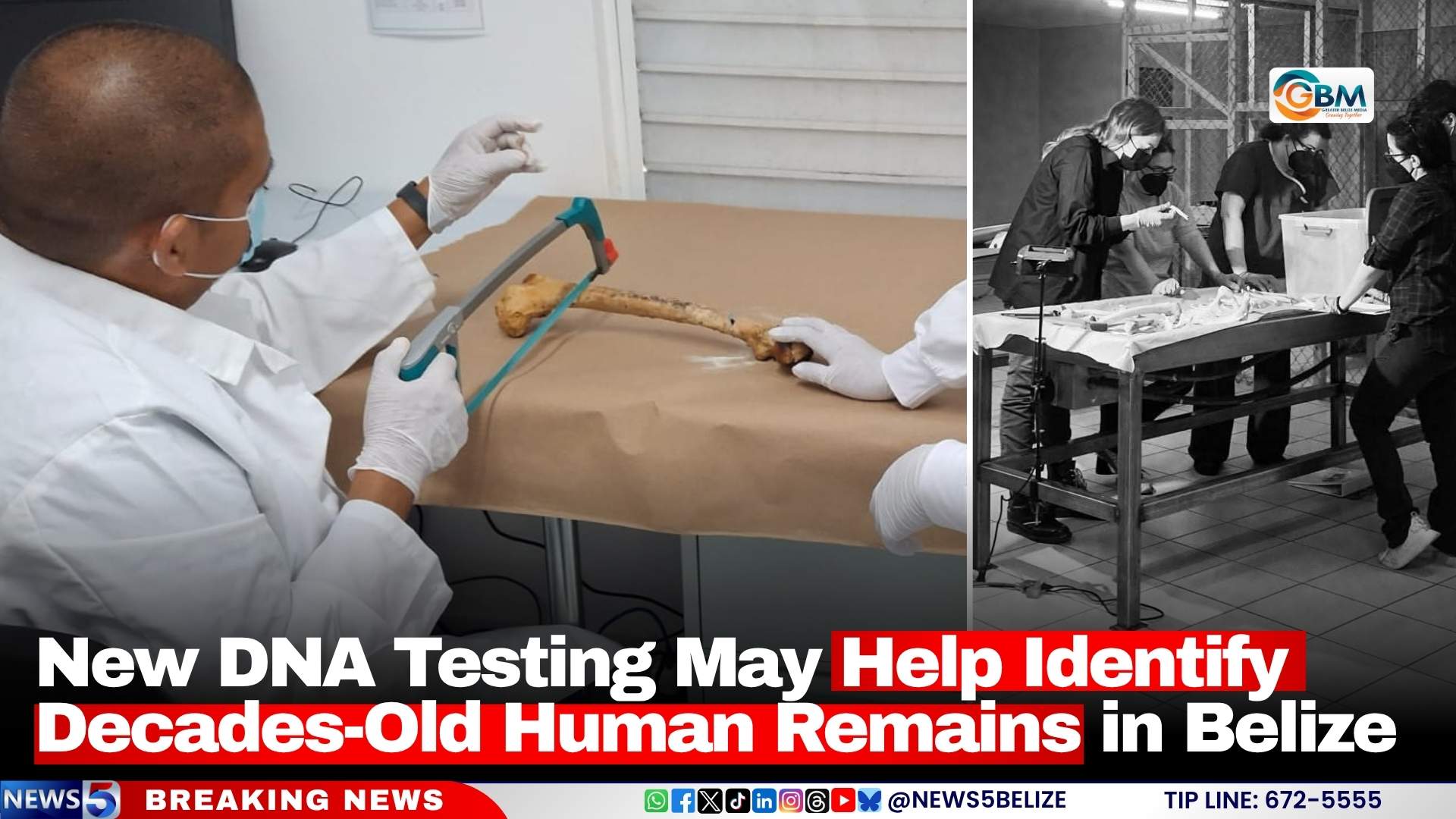
    For nearly three decades, four sets of unclaimed human skeletons have laid in storage across Belize, their identities unknown, and their families left without closure. Now, a new effort by the country’s National Forensic Science Service (NFSS) is leveraging advanced genetic testing to finally put names to these remains and bring answers to waiting loved ones. The oldest of the remains dates all the way back to 1998, and decades of exposure and degradation have long rendered standard identification techniques, such as fingerprint analysis, useless. Traditional DNA testing used by the agency, which can crack recent cases in just 48 hours, also fails to extract usable genetic material from these aged bones. To overcome this barrier, forensic investigators are turning to mitochondrial DNA testing, a specialized method proven to recover viable genetic information even from severely degraded biological samples. NFSS Executive Director Gian Cho explained that once genetic profiles are generated from the remains, the team will cross-reference the data against the country’s missing persons database, which has been systematically standardized since 2013. Investigators will narrow potential matches by cross-checking key details: biological sex, estimated age at death, ancestry, height, and documented skeletal trauma that matches reports from missing person cases. Cho noted that the 2013 standardization push created consistent, complete case files that preserve critical contextual information, even for remains recovered years before the database overhaul. For many Belizean families, the new initiative comes as a long-awaited beacon of hope, even as new missing persons cases continue to add to the country’s growing roster of cold cases. Just last year, 38-year-old Mason Patnett vanished from his home in Vista Del Mar, leaving his relatives trapped in a cycle of uncertainty. Just under three months ago, Deborah “Bree” Arthurs, a call center employee, disappeared while traveling to her home in Belmopan. Relatives of both missing people fear their cases will also become cold, joining the ranks of the unidentified remains the NFSS is now working to solve. Speaking to local outlet News 5 this past January, a member of Patnett’s family described the constant emotional toll of not knowing their loved one’s fate. “Every time we hear of a potential body or anything like that, we’re going to go through the same emotions every single time,” they said. “We just want to find him at this point.” The NFSS’s new genetic testing project marks one of the most comprehensive efforts to address Belize’s backlog of unidentified remains, offering the possibility of closure for dozens of families who have waited years — even decades — for answers.

  • Surface Repairs Begin on Coastal Plain Highway

    Surface Repairs Begin on Coastal Plain Highway

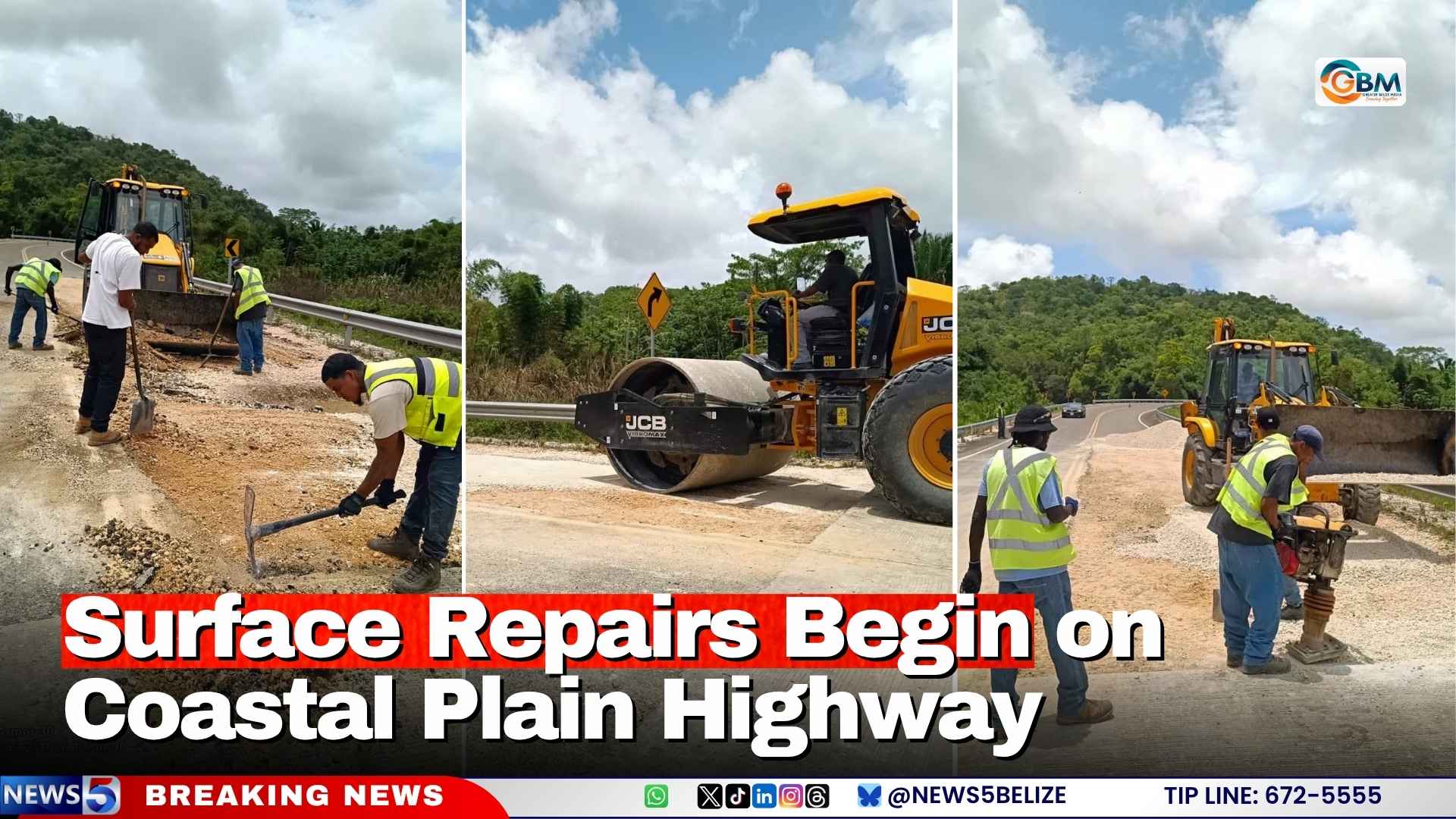
    Four years from now, in June 12 2026, infrastructure teams have launched emergency surface repair operations on Coastal Plain Highway, after days of intense heavy rainfall exposed widespread superficial damage to key stretches of the major coastal roadway.

    Leading government engineering official Evondale Moody, chief engineer for the project, has moved quickly to reassure the public that the road’s core structural integrity has not been compromised by the recent flood events. In an exclusive interview with local outlet News 5, Moody clarified that the only damage sustained is limited to the road’s outermost wearing course, the top layer of surface dressing designed to protect the underlying pavement from daily wear and tear, which has simply stripped away in affected areas. No damage has been detected to the main structural pavement itself.

    The most impacted stretch, located at Mile 22 near the Gales Point community, has seen recurrent flooding in the wake of the heavy rains. However, Moody noted that a series of infrastructure upgrades carried out in recent years have already proven their value, with floodwaters receding far faster than would have been possible before the improvements. Those upgrades included replacing old, water-damaged asphalt with solid concrete paving, adding extra drainage culverts to channel excess water away, and reworking drainage systems near the Kwamina and Dead Man bridges to direct floodwaters straight out into the nearby ocean. According to Moody, those pre-emptive upgrades worked exactly as intended: even though the stretch was temporarily submerged under floodwaters, the road structure remained completely intact throughout the event.

    Even with the successful performance of previous upgrades, Moody issued a cautious note that chronic flooding in this particular stretch of highway cannot be completely eliminated through engineering alone. The entire area sits within a large natural catchment basin that funnels massive volumes of rainwater into the low-lying stretch of road during major storm events. While raising the entire roadway high enough to avoid any flooding is technically possible, Moody explained that such a project would carry an prohibitive economic cost that makes it unfeasible at this time.

    Local transportation authorities confirmed that repair work to replace the stripped surface dressing on affected sections got underway early on the morning of June 12, and are working to complete repairs as quickly as possible to minimize traffic disruptions for residents and commercial traffic along the coastal corridor.

  • ‘What Could a 14-Year-Old Have Done?’ Child Advocates Question Viral Video

    ‘What Could a 14-Year-Old Have Done?’ Child Advocates Question Viral Video

    A widely shared video capturing a heated confrontation between a sports facility caretaker and a 14-year-old teenage basketball player has ignited fierce public anger across social media platforms, pushing child welfare advocates to demand a full, transparent investigation into the incident.

    The altercation unfolded at the Russell Garcia Auditorium in Dangriga, where Brian Swazo, a caretaker employed by the local National Sports Council, was filmed confronting the minor player. Following the circulation of the footage and an official complaint filed against Swazo, law enforcement authorities took him into custody.

    The Child Advisory Body (CAB), a local child welfare advocacy organization, has issued a strong public condemnation of the incident, urging regulatory and law enforcement agencies not to dismiss the case as a trivial, fleeting viral news event. In a formal statement, the group emphasized that the incident raises serious questions about the treatment of minors in public recreational spaces that demand urgent, accountable action.

    Richard Martinez, president of CAB’s Dangriga regional branch, shared his concerns in an interview with local outlet News 5. Martinez highlighted that what disturbed him most extended beyond the aggressive behavior captured on camera to the alarming response from many online commentators. Large numbers of social media users have rushed to defend the caretaker’s actions and justify the use of force against the teenager, Martinez explained, without making any effort to hear the 14-year-old’s account of what led to the confrontation.

    “What could a fourteen-year-old have possibly done to the point that would warrant this extent of violence?” Martinez said in the interview. “The fact that people immediately jump to conclusions, saying that that extent of violence was warranted or it’s okay, I was very appalled, to say the least.”

    Amid growing public outcry, the National Sports Council is facing mounting pressure to complete its internal investigation into whether the incident violated the organization’s formal non-confrontation policy for all staff working at public sporting venues. CAB is now pushing for multiple leading child welfare and children’s rights organizations, including UNICEF, the National Committee for Families and Children and the National Commission for Families and Children, to issue public statements on the confrontation and back broader reforms to prevent similar violence against minors in public recreational spaces.

  • Traffic Arrangements – Mt Gay/La Mode Public Road, St George

    Traffic Arrangements – Mt Gay/La Mode Public Road, St George

    Motorists and local residents in Grenada have received advance formal notification of a pending temporary traffic adjustment that will reshape travel along two major public roads mid-June 2026. The Traffic Division of the Royal Grenada Police Force (RGPF) confirmed the new access rules for La Mode Public Road and Mt Gay Public Road, which will be converted to a one-way route heading exclusively toward Beaulieu. This temporary change will go into effect starting at 10:00 a.m. on Saturday, June 13, and remain in place through 2:00 a.m. on Sunday, June 14, 2026.

    The traffic adjustment is not a random or arbitrary change; it is a required measure to accommodate critical infrastructure upgrades being carried out by the National Water and Sewerage Authority (NAWASA). Specifically, the organization will conduct pipeline installation work alongside subsequent road reinstatement along the affected corridor, activities that demand restricted vehicle access to ensure worker safety and keep construction timelines on track.

    For drivers who rely on the two affected roads to travel to St. George’s, RGPF has outlined a clear alternative route to avoid major travel disruptions. Motorists heading toward the capital can divert onto Mt Kumar Public Road, then connect through Grenville Vale to reach their destination, maintaining access even with the original route’s temporary restrictions.

    Importantly, the new one-way rule does not apply to all vehicles. Public service buses are exempt from the altered traffic arrangement, and will be permitted to continue operating along their regular scheduled routes throughout the entire construction period, protecting public transit access for residents who rely on bus service.

    In closing, RGPF has issued a formal apology for any disruptions or inconvenience the temporary traffic changes may cause for local commuters and visitors, and expressed gratitude in advance for the public’s patience and cooperation as the critical water infrastructure work moves forward. This announcement was officially released via the Office of the Commissioner of Police in Grenada.

  • STATEMENT: Postponement of Community Appeal – SNAR Freedom Flight

    STATEMENT: Postponement of Community Appeal – SNAR Freedom Flight

    A long-planned animal rescue relocation mission known as Freedom Flight, set to depart this weekend, has been forced to delay its journey after sudden, unanticipated flight and logistics complications threw preparations off course. Organizers of the effort shared the disappointing update this week, acknowledging the letdown for all parties that have spent months laying groundwork for the mission.

    What began as a coordinated push to transport rescue dogs to new placements has required a last-minute schedule shift, after issues with flight arrangements and on-the-ground logistics emerged without warning. The project brought together a wide network of contributors: full-time event organizers, community volunteers, veterinary care partners, receiving animal rescue organizations, and grassroots supporters from across the region, all of whom dedicated time, resources, and energy to bringing the mission to fruition. For every person and group invested in the effort, the announcement of a delay comes as a heartbreaking disappointment, organizers said.

    Despite the setback, there is one key reassuring update: all the rescue dogs slated for travel remain in good health and safe hands under the care of the organizing team. Event leaders noted that countless community members have followed the Freedom Flight journey closely, offering consistent support along the way, and expressed deep gratitude for the public’s ongoing patience, understanding, and encouragement as the team works to reset the mission.

    Organizers say they are working quickly to resolve the outstanding logistical and flight issues, and expect to share a revised travel timeline and additional details with supporters in the coming weeks.

  • Father, stepson electrocuted while fleeing Balandra home

    Father, stepson electrocuted while fleeing Balandra home

    A devastating early-morning electrical accident in Rampanalgas Village, Balandra has left two family members hospitalized with electrocution injuries, local law enforcement confirmed this week.

    The emergency unfolded shortly before 5 a.m. Thursday at the residential property of 45-year-old Stephanie Charles, located at Lot 1 in the community. Charles told investigating officers she and her household were at rest when a sudden sharp bang echoed through the home, followed by an intense flash of light. Alarmed that the property was catching fire, Charles and four of her relatives immediately began an emergency evacuation.

    Her 20-year-old son, Jesus Maharaj, brought up the rear of the exiting group as the family moved toward safety. When Maharaj stepped into the home’s yard, he caught his foot on an unexpected fallen high-tension electrical cable that had dropped to the ground, sending a fatal-strength current through his body that knocked him unconscious.

    Adrian Lewis, Charles’ 37-year-old common-law husband, did not hesitate when he saw Maharaj collapse. He rushed back into the yard to pull the younger man to safety, only to make contact with the live line himself, suffering a second electrocution.

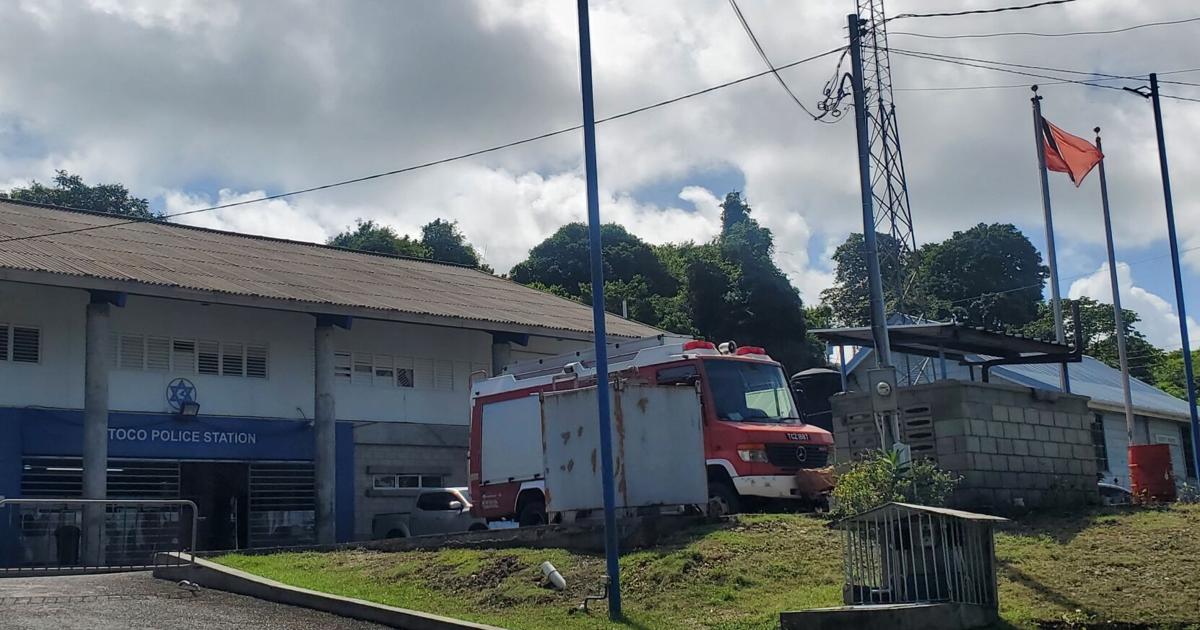
    First responders quickly transported both injured men to the local Toco Health Centre for urgent stabilizing care. Once their conditions were deemed stable enough for further treatment, they were transferred to the larger Sangre Grande Hospital for continued care. Charles has corroborated early reports, confirming her son’s account of tripping over the fallen cable during the evacuation. As of Thursday’s initial investigation, officers have not been able to question Maharaj or Lewis directly, as both remain under active medical care for their injuries.