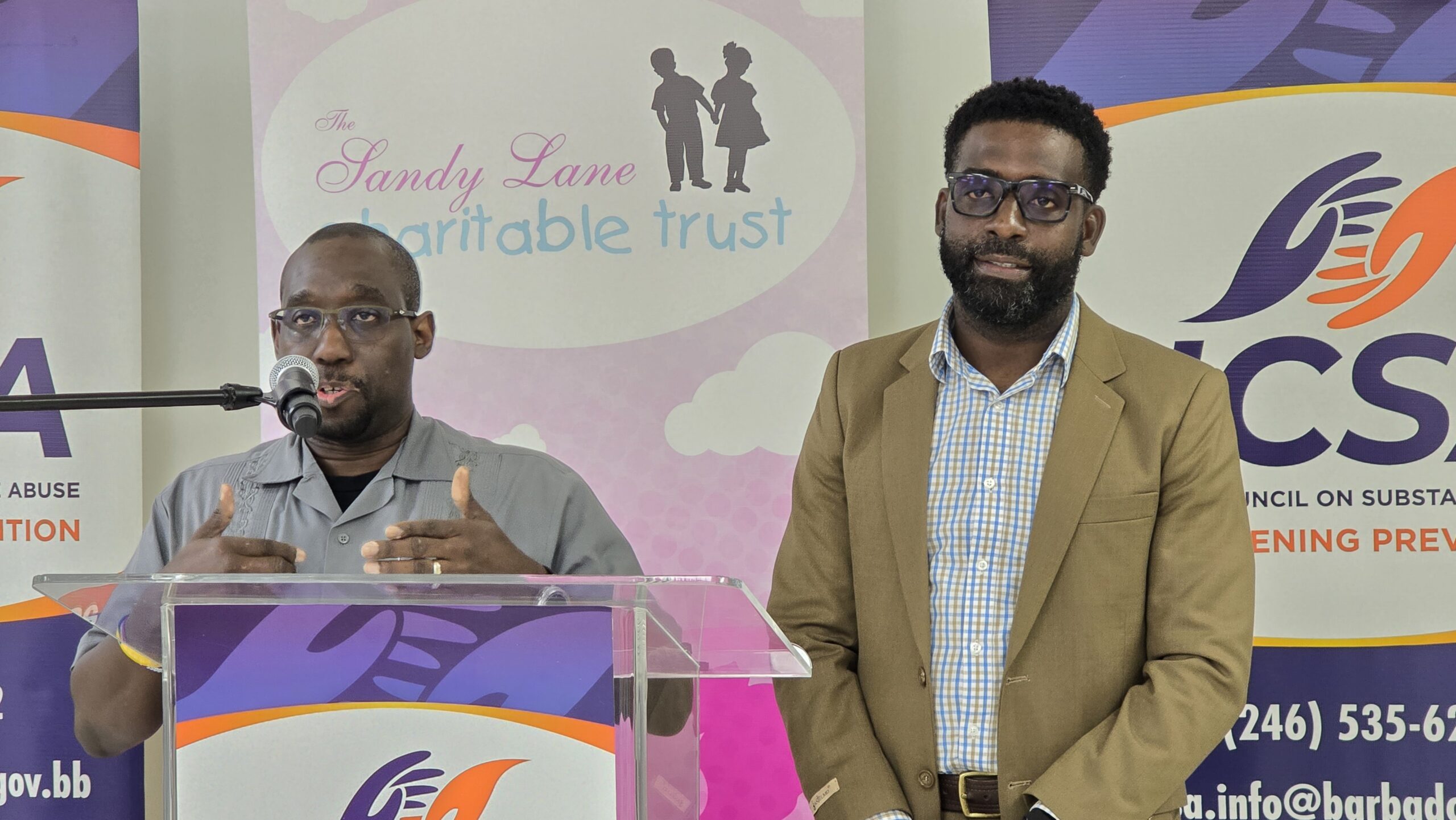
As thousands of students prepare to return to classrooms next week — with many first-year secondary school students stepping into an entirely new educational and social environment — the National Council on Substance Abuse (NCSA) is sounding a call for proactive vigilance among parents and trusted adult figures to catch early warning signs of youth substance abuse.
Troy Wickham, NCSA’s Deputy Manager, emphasized that consistent adult engagement is the first line of defense in identifying harmful substance use before it escalates. He encouraged caregivers to maintain open, active involvement in their children’s daily lives, make an effort to get to know their children’s peer groups, and pay close attention to uncharacteristic shifts in behavior that could signal a problem.
Wickham noted that the organization’s ongoing data collection has raised notable red flags, particularly for young males, who have been disproportionately impacted by rising substance use trends in recent months. “What worries us most is the spread of new psychoactive substances,” Wickham explained. “Just recently, a colleague shared details of how these dangerous products are being sold disguised as ordinary candy. All it takes is a PayPal account, checking a box claiming you’re over 18, and these illicit edibles get delivered straight to buyers. That level of easy access is deeply alarming for us.”
NCSA Board member Dr. Ronald Chase added that the transition into a new school year, especially for students entering secondary school for the first time, creates unique stressors that can leave young people more vulnerable to risky experimentation. “Transitions, no matter how exciting they seem, are inherently stressful,” Dr. Chase said. “Adults often dismiss children’s stress because their problems don’t look like ours, but that doesn’t make them any less overwhelming. New students are stepping into a completely new environment with new peers, new expectations, and that upheaval can push some to seek unhealthy coping mechanisms.” He added that adolescence is a period of rapid psychological development, during which teenagers are naturally curious and more likely to give in to temptation to try new, potentially dangerous things that caregivers would never approve of.
NCSA Manager Betty Hunte noted that the council is working to fill a critical knowledge gap by running targeted training programs for adults who regularly interact with young people outside the home, including teachers, hospital staff, and community mentors. “Many adults who work with kids don’t have up-to-date information on how substance use is evolving,” Hunte explained. “We’re training these adults to recognize the latest symptoms of abuse, and to understand emerging trends like new psychoactive substances and synthetic drugs that many adults have never even heard of. It’s a constant challenge to keep up with the new substances popping up on the market, and we need all trusted adults on the same page to protect young people.”
The NCSA has also reaffirmed its commitment to sharing evidence-based, accurate information with any parent or community group seeking support, and says it will continue expanding its outreach efforts ahead of the back-to-school period to curb rising youth substance use.