分类: society

  • Bail denied to police constable and girlfriend in Jerbiah Paul investigation

    Bail denied to police constable and girlfriend in Jerbiah Paul investigation

    A high-profile criminal investigation into the death of a missing Portsmouth teenager took another key turn this week, when a serving police constable and his girlfriend were refused bail by a Dominican court.

    Twenty-three-year-old Constable Patrick Bethelmie Jr., a resident of Bense, and Jolie-Ana Naomi James, his girlfriend from Portsmouth’s Lagoon neighborhood, appeared before the Roseau Magistrate’s Court on Friday, September 4 to hear rulings on their bail applications. Both suspects currently face two joint charges: perverting the course of justice, and illegal possession of ammunition, charges that are directly tied to the probe into 19-year-old Jerbiah Paul’s death.

    James was first taken into custody and formally charged on August 31. She has entered a formal not guilty plea to the ammunition possession charge, while no plea was required from her for the more serious indictable charge of perverting the course of justice. Her bail hearing was automatically scheduled to be held alongside Bethelmie’s on September 4.

    The investigation traces back to late July, when Paul was first reported missing by family members on July 24. Nearly three weeks later, on August 12, search teams discovered severely decomposed human remains in a steep precipice in the Capuchin region of Dominica. Investigative teams have drawn an initial link between the remains and the missing teenager, though they note that formal DNA testing is still required to provide definitive confirmation of identity.

    To date, the ongoing probe has resulted in criminal charges being brought against six individuals. Of the six suspects in custody, four are serving police officers including Bethelmie, and the other two are civilian women including James. All six defendants are currently being held on remand at the Dominica State Prison as investigators continue to collect evidence and build their case.

    The legal process remains active before the Dominican courts, and official investigations are still ongoing as authorities work to uncover the full circumstances surrounding Paul’s death.

  • World Sexual Health Day: 4 September

    World Sexual Health Day: 4 September

    It has been more than 14 months since the government of Grenada first tabled a landmark piece of legislation that would reshape adolescent access to sexual and reproductive health care in the small Caribbean nation. On July 17, 2025, the administration introduced the Age of Civil Legal Responsibility (Amendment) Bill, commonly shortened to the ACR Bill, which proposed lowering the minimum age for independent, confidential access to reproductive health services without parental consent from 18 to 16. The bill also included a provision that would allow access for minors as young as 12 in cases deemed to meet a “good cause” standard.

  • Raio’s dragen verbeterpunten aan na stage bij rechterlijke macht

    Raio’s dragen verbeterpunten aan na stage bij rechterlijke macht

    A cohort of trainee public prosecutors in the Netherlands has wrapped up a three-month orientation placement with the country’s sitting judiciary, a program designed to deepen their understanding of how the Dutch criminal justice system operates as an interconnected whole. Running from June through the end of August, the placement gave trainee prosecutors linked to the Public Prosecution Service (known locally as RAIO’s, or Officieren van justitie in opleiding) hands-on insight into the daily work and core responsibilities of the sitting judiciary, across three distinct judicial units.

    During their placement, the trainees rotated through the Unit for Misdemeanor Criminal Cases, the Office of the Investigating Judge, and the Court of Justice. By shadowing sitting judges and administrative staff across each of these sections, they did not only gain first-hand familiarity with every procedural stage of a criminal trial, they also identified actionable areas for improvement to existing workflows and courtroom trial management. As emerging legal professionals embedded in different parts of the justice system, the trainees brought a fresh, outside perspective to long-standing procedural frictions that routine insiders may overlook.

    At a closing ceremony held on August 31 to mark the end of the placement, the trainees presented their key takeaways, learning outcomes, and observations to judiciary and prosecution service leaders. Organized into five working groups, the cohort developed separate learning objectives tailored to each host unit, and outlined the key professional skills they built during their time in the placement. After mapping their experiences across each judicial division, they presented concrete suggestions for streamlining internal procedures and improving the overall handling of public court hearings.

    The orientation placement was intentionally structured to address a common gap in legal professional training: building a holistic understanding of how different branches of the criminal justice chain collaborate. Rather than training prosecutors to only see the system from the prosecution perspective, the program aims to foster cross-institutional understanding that supports smoother, more effective criminal proceedings. This placement also forms a core component of the broader RAIO training program for the standing prosecution service, which first launched on December 1, 2023, and is designed to prepare the next generation of Dutch public prosecutors for long-term professional practice.

  • Demerara River bridge copper cable thief jailed; scrap metal dealer on bail

    Demerara River bridge copper cable thief jailed; scrap metal dealer on bail

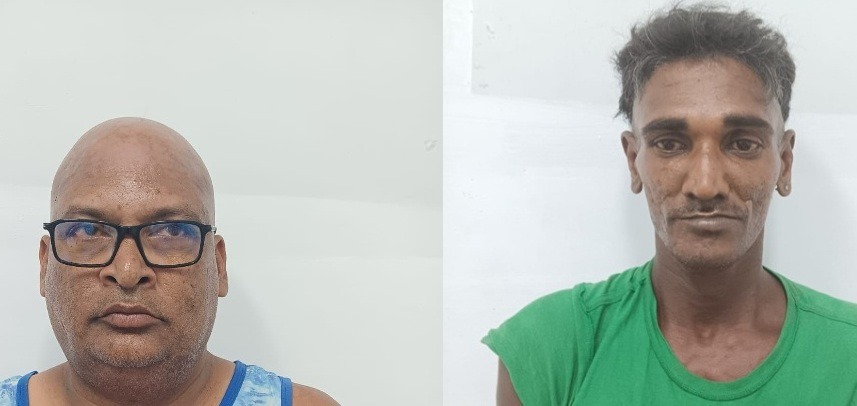
    A Guyanese man has been sentenced to 12 months in prison after pleading guilty to stealing 90 feet of heavy-duty copper cable from the key Bharrat Jagdeo Demerara River Bridge, law enforcement authorities confirmed Friday.

    Thirty-nine-year-old Roy Morgan, who has no permanent residential address, admitted to a charge of simple larceny for the theft that took place between August 23 and September 1, 2026. The stolen infrastructure cable was valued at approximately GY$1.62 million, according to official court documents.

    Magistrate Dylon Bess handed down the custodial sentence during a hearing at the Diamond/Grove Magistrate’s Court this Friday, September 4, 2026. Following his arrest earlier this month, Morgan told investigators he had sold the stolen copper to a local scrap metal dealer in the Albouystown neighborhood to fund purchases of food and illegal narcotics.

    The scrap dealer linked to the case, 51-year-old Mustafid “Mustaf” Pashaw, who resides in the Tuschen Housing Scheme on East Bank Essequibo, faces a separate charge of receiving stolen property. Pashaw was taken into custody on September 2 at a location on Sussex Street in Albouystown, Georgetown.

    He made his first court appearance Friday at Georgetown Magistrate’s Court #5, where the indictable charge was formally read by presiding Magistrate Faith McGusty. Under standard judicial procedure for indictable offenses, Pashaw was not required to enter a plea at this initial hearing. He was subsequently granted bail set at GY$300,000, with a mandatory condition that he check in with officers at the Ruimveldt Police Station on the third Friday of each month until the case concludes. The proceedings have been adjourned until October 2, 2026, when the next hearing is scheduled to take place.

  • Two young Dominican farmers earn regional agricultural honours

    Two young Dominican farmers earn regional agricultural honours

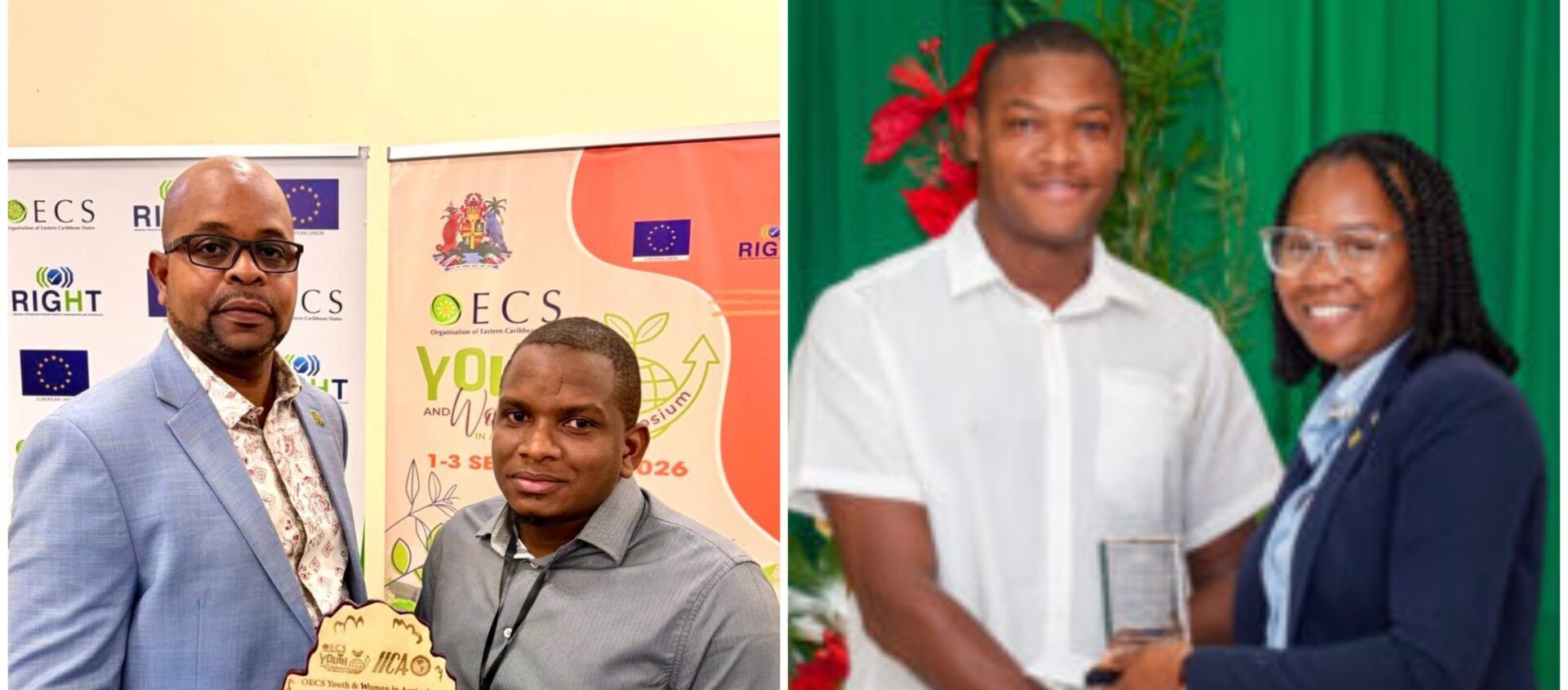
    The Caribbean region is celebrating two rising agricultural leaders from the Commonwealth of Dominica, who have secured the most prestigious regional awards for young farming innovators this year. Dominica’s Ministry of Agriculture, Fisheries, Blue and Green Economy recently announced that 29-year-old Ephraim Elijah Roberts from Castle Bruce has been honored with the Organization of Eastern Caribbean States (OECS) Young Farmer Award, while 28-year-old Dywany St. John of Wesley has been named the 2026 CARICOM Young Farmer of the Year.

    Roberts collected his award on September 3 during the OECS Youth and Women in Agriculture Symposium held in Grenada. A lifelong advocate for agricultural resilience through diversification, Roberts has built a multifaceted farming operation that aligns with his core belief: that spreading production across multiple sectors creates stronger, more adaptable farms. His enterprise combines livestock rearing of goats, sheep, cattle, ducks and guinea pigs with cultivation of root crops, fruit varieties and high-turnover cash crops. He has also integrated beekeeping into his work, which not only generates premium honey as an additional revenue stream but also boosts pollination for his other crops, lifting overall productivity.

    Roberts’ connection to agriculture stretches back to his childhood. He got his start in youth agricultural organizations, leading his primary school’s 4-H Club and participating in his local Scout troop. By secondary school, his passion and aptitude for agricultural science earned him an award for outstanding achievement in the subject. He went on to complete an Associate’s Degree in Agricultural Science, and later became an active member of Dominica’s National Association of Youth in Agriculture (NAYA), an organization dedicated to expanding youth participation and leadership across the national agricultural sector.

    Today, Roberts works as an agricultural educator, working to reframe young people’s perception of farming as a modern, viable career. He introduces students to climate-smart, technology-forward farming practices, and promotes the industry as a sustainable, profitable path for young workers. In line with the official ministry statement, Roberts says his long-term vision is to inspire a new generation of young farmers to enter the sector, strengthen local and regional food security, build inclusive economic opportunity, and advance sustainable development for communities across the Caribbean.

    St. John, the second honoree, earned his CARICOM title after a rigorous selection process by a regional panel of agricultural experts. He will officially receive his award during the opening ceremony of the 20th Caribbean Week of Agriculture, scheduled for September 27 in Trelawny, Jamaica. What makes St. John’s achievement even more notable is that he balances full-time service as a Police Constable with managing a 15-acre diversified farm in Dominica’s northeastern region.

    Like Roberts, St. John has centered his farming model on diversification: his operation includes four acres of plantain, three acres of root crops, eight acres of perennial tree crops, and a livestock portfolio of cattle, goats, sheep and pigs. His interest in farming was nurtured from childhood by his father, a former award-winning farmer, and over the past 12 years, he has built his operation around three core principles: diversification, discipline, and adherence to Good Agricultural Practices.

    St. John supplies fresh produce to the Dominica Export Import Agency (DEXIA) Multi-Purpose Pack House for export, while also serving local vendors and regional market outlets. His track record of reliable delivery has already earned recognition: he previously received DEXIA’s Consistent Supply of Fresh Agricultural Produce Award, and was named Dominica’s national Outstanding Young Farmer of the Year in 2025 by the Ministry of Agriculture.

    St. John’s farming system combines short, medium and long-term crops with livestock production to create stable, ongoing revenue. He prioritizes sustainable environmental stewardship, using livestock manure to naturally enrich soil fertility, implementing responsible water management, and deploying targeted measures to cut down on soil erosion and chemical runoff. He is also an active NAYA member, collaborating regularly with fellow farmers, agricultural extension services, and national marketing bodies to strengthen the local agricultural ecosystem.

    The CARICOM Young Farmer of the Year award recognizes St. John’s excellence across production, diversification, innovative practice, environmental stewardship, and his contribution to regional agricultural development and food security. The Government of Dominica has issued an official statement congratulating both Roberts and St. John, highlighting their work as models for how young people can drive progress in agriculture, youth empowerment, and food security across the Caribbean.

  • Man allegedly gang raped after accepting late night ride in Antigua

    Man allegedly gang raped after accepting late night ride in Antigua

    In Antigua, a case of alleged sexual violence has cast a spotlight on the deep-rooted stigma facing male survivors of assault and failures in institutional response, according to local outlet Antigua News Room. The incident unfolded on the night of a recent Thursday, when the victim accepted an offer of a ride from two men, who are accused of carrying out the sexual attack. Since the alleged assault, the 41-year-old victim has remained in acute psychological distress, his family confirms. Immediately after the attack, he was brought to a licensed physician to receive urgent medical care, and his father has since arranged for him to leave Antigua to receive further support away from the island. The family says the victim chose not to file a formal police report on his own, overwhelmed by the shame and social stigma attached to being a male survivor of sexual violence. While the victim’s sister stepped forward to contact law enforcement and formally lodge the allegation with authorities, the family has growing concerns that the case is not receiving the urgent, appropriate attention it demands. This case highlights a persistent gap in support systems for male survivors of sexual violence across many Caribbean communities, where outdated social norms often push survivors to stay silent rather than come forward to seek justice and care.

  • Ivy man identified as victim of Fairchild Street stabbing

    Ivy man identified as victim of Fairchild Street stabbing

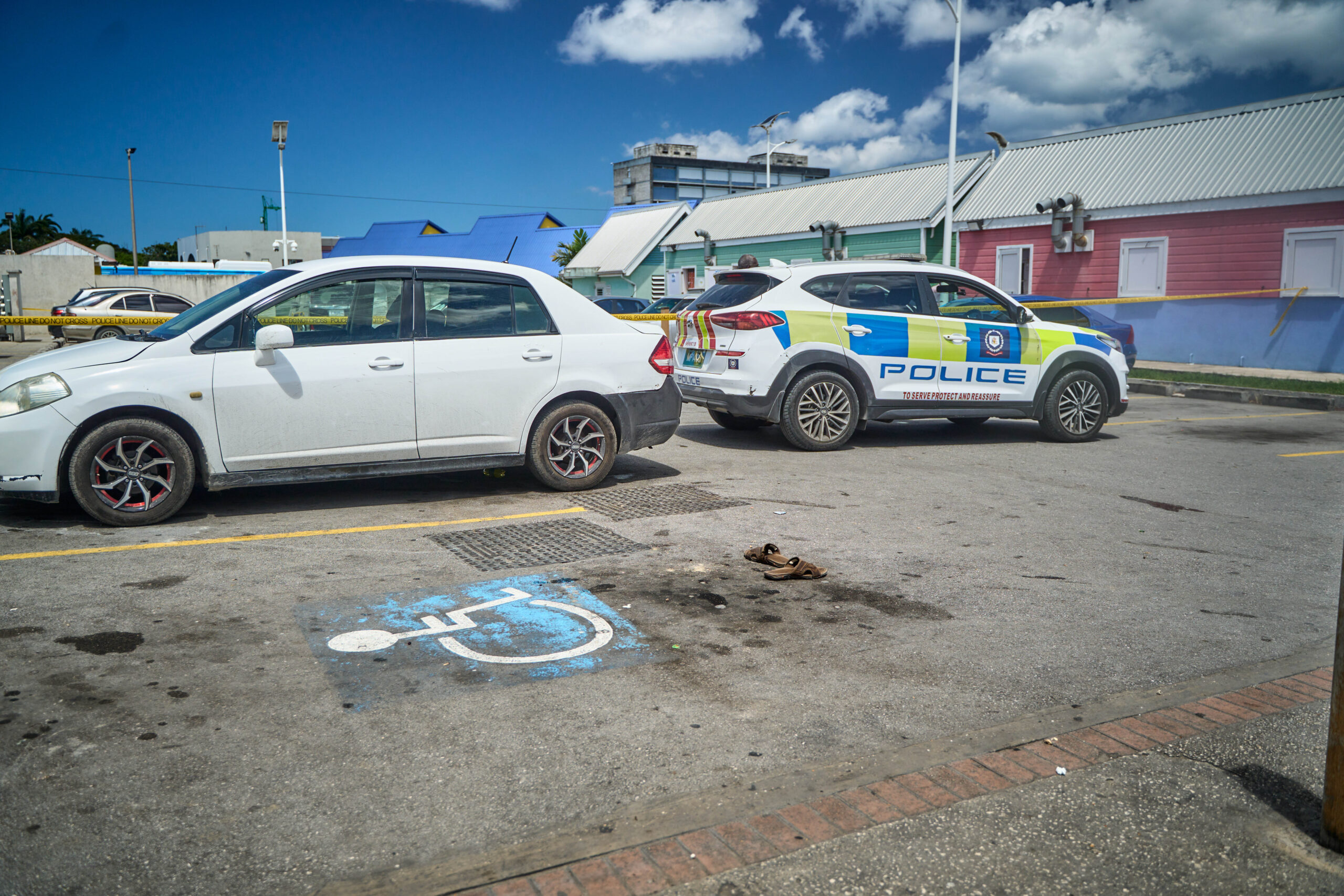
    A fatal stabbing incident near the Vendors Market on Fairchild Street has left one man dead, and authorities in Barbados are now working to piece together the details of what unfolded on Wednesday morning. Local law enforcement has officially identified the deceased as Andre Jamal Harry, a 42-year-old resident of 1st Avenue, Ivy, St Michael.

    According to official statements from the Barbados Police Service, early investigative work shows the violence broke out around 9 a.m., when a verbal dispute between several men escalated into a physical confrontation. During the clash, Harry sustained multiple penetrating stab wounds that quickly proved life-threatening.

    Unlike typical emergency transport, Harry was carried to the island’s main care facility, Queen Elizabeth Hospital, via a public service vehicle. Despite medical teams’ efforts to stabilize and treat his injuries, he was pronounced dead shortly after arriving at the hospital.

    In the days following the incident, investigators have made early progress in the case: a person of interest is currently cooperating with law enforcement to help answer remaining questions about the confrontation. However, police are still reaching out to members of the public who may have been in the area at the time of the stabbing, as their accounts could be critical to closing the case.

    Any individual who witnessed the altercation, or who holds any details that could advance the investigation, is encouraged to reach out to law enforcement through multiple confidential channels. Options include contacting Crime Stoppers directly at 1-800-8477, the 24/7 Police Emergency line at 211, or the Criminal Investigations Department Central office at either 430-7189 or 430-7190. Authorities have emphasized that every piece of information submitted will be held in strict confidence, to protect witnesses and encourage open cooperation with the investigation.

  • Clearer water but poor roads frustrate St Lucy folk

    Clearer water but poor roads frustrate St Lucy folk

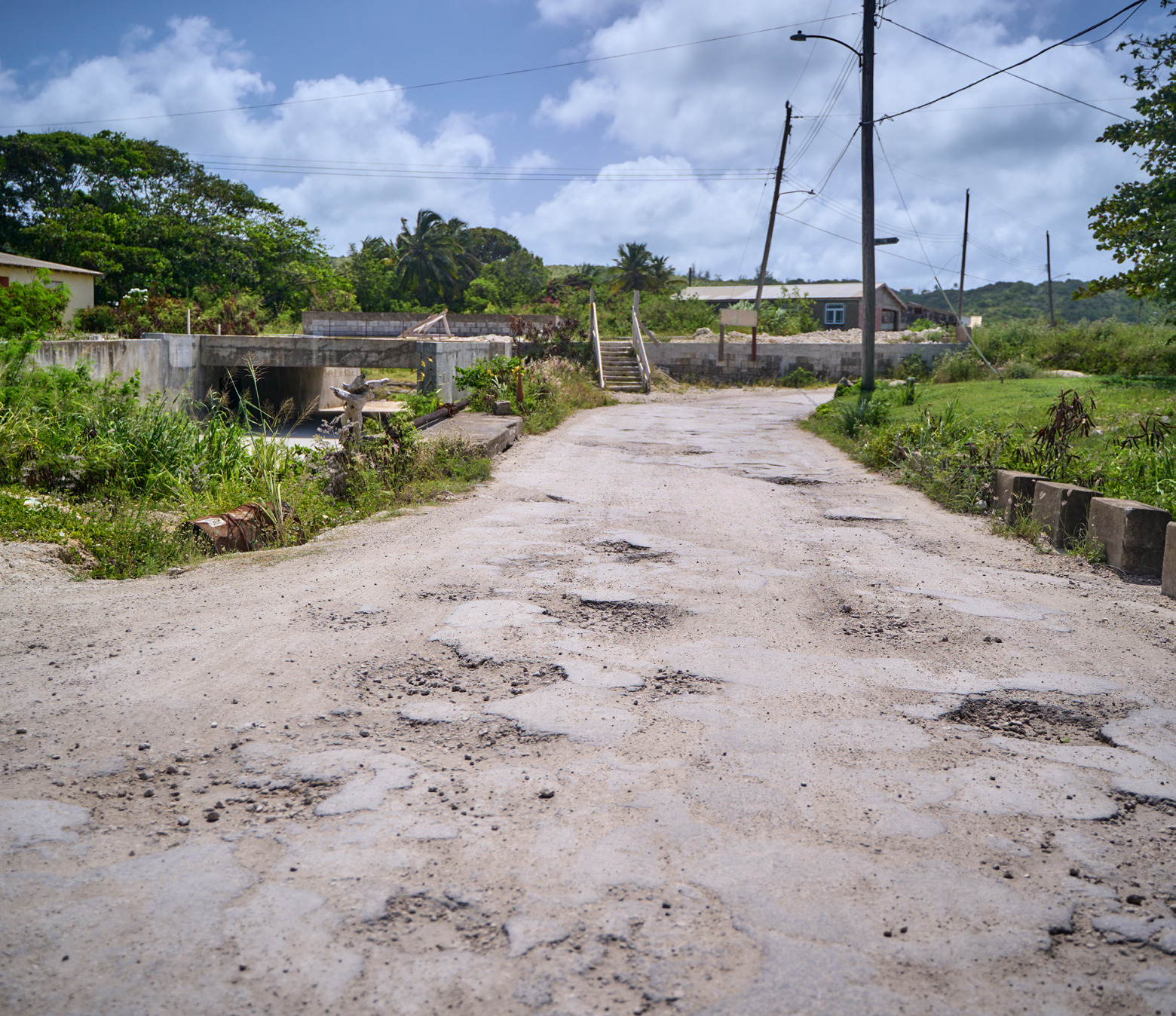
    Residents of two northern Barbados communities, Checker Hall and Six Men’s in the parish of St. Lucy, are finally seeing tangible improvements to their drinking water quality and supply pressure after months of complaints about discolored, low-flow water. However, long-running grievances over dangerously deteriorated roads leading to the nearby settlement of Pie Corner continue to go unresolved, leaving local motorists and pedestrians at constant risk.

    The progress on water services follows a site visit to the Barbados Water Authority (BWA)’s Alleynedale treatment facility last week, where agency officials met with community representatives to address ongoing concerns. At that meeting, BWA leadership confirmed that the tap water that had been turning brown for local households still meets all World Health Organization (WHO) safety standards for drinking, even when discolored. BWA Water Resources Manager Alex Ifill explained that the authority has rolled out a dual strategy to target the discoloration issue, and that the situation has improved dramatically across the district since interventions began.

    When Barbados TODAY reporters visited Checker Hall this week, many local residents confirmed the noticeable upgrades to their water service. Long-time resident Valerie Husbands said the change has transformed daily life for her household. “You see a little improvement, but some days, for a few hours sometimes, it may come a little brown, but not like before,” Husbands explained. “It’s good now because we’re getting plenty of water right now. I can wash clothes now. We couldn’t wash clothes before. The last two months right here it come clear so we can wash.”

    Fellow resident Michael Husbands echoed that positive assessment, noting that water is now consistently clear and supply pressure has returned to a usable level after years of low pressure. “Some days it’d be a little off…like with the smell a little. I ain’t got no filter or anything and it’s clear,” he said. “The pressure is pretty good too, because before the water pressure was real low, you know, and the quality of the water was like brown. There’s one or two areas that I still hear people complain. That’s a little minority though.”

    Despite this widespread progress on water services, the unresolved state of the roads leading into Pie Corner has continued to frustrate local resident Roger Feliciano, who says the dangerous conditions pose a daily threat. While Feliciano acknowledged the incremental improvements to water service, noting occasional minor discoloration that residents have learned to adapt to, he emphasized that the road crisis demands urgent government action. “However, the roads are awful. The roads are awful straight up to Pie Corner,” Feliciano said.

    He explained that the dangerous conditions were created months ago, when crews from the Ministry of Transport and Works (MTW) excavated sections of the roadway for infrastructure work, but never completed repairs or refilled the excavated trenches. The unmarked pits create a major hazard for drivers, who often do not see the hazard until it is too late to avoid it. “What I find is that MTW men dug out about five to six inches of the road straight across the road, they don’t put the cones to show you that they dug out anything, and they have not refilled them or anything like it… didn’t patch them or anything like it,” Feliciano said. “Sometimes you are driving in and you forget and [drop] into a hole. The roads in Pie Corner are terrible.”

  • Government reaffirms commitment to strengthening primary healthcare

    Government reaffirms commitment to strengthening primary healthcare

    The Caribbean island of Dominica is advancing its long-term goal of building a healthier, more climate-resilient nation by placing primary healthcare at the center of its public investment strategy, according to the country’s Minister of Finance, the Honourable Dr. Irving McIntyre.

    Dr. McIntyre made his remarks during an official ceremony to commission the newly renovated Savanne Paile Health Centre, which has been formally renamed the Nurses’ Parillon and Peter Health Centre to honor the contributions of local nursing and community health leaders. The event marks another milestone in the government’s island-wide initiative to overhaul Dominica’s community healthcare infrastructure, a program that has already delivered more than 12 newly constructed or fully upgraded modern health and wellness centers across rural and urban communities.

    Speaking to attendees at the ceremony, Dr. McIntyre outlined the core principle guiding the government’s public health investment: that high-quality essential healthcare must be accessible to every Dominican, no matter their geographic location or economic standing. For decades, many community health facilities across the island suffered from outdated design, limited space, and inadequate infrastructure that could not meet the growing and changing health needs of local populations. Under the current initiative, these aging facilities are being either replaced with new purpose-built centers or extensively renovated to align with 21st-century public health standards.

    The Nurses’ Parillon and Peter Health Centre is a model example of this transformation. The upgraded facility now features expanded, improved spaces for a full range of community-focused health services, including general patient consultations, maternal and child health care, routine immunization programs, public health education outreach, and ongoing management of chronic conditions. Beyond better care for patients, the renovation also addresses longstanding gaps in working conditions for local healthcare staff, providing them with safer, more functional environments to carry out their duties.

    However, Dr. McIntyre emphasized that building a robust, effective primary healthcare system requires far more than just modern physical infrastructure. To deliver consistently high-quality care to patients, medical personnel need access to well-maintained, up-to-date medical equipment, a steady supply of essential medicines, reliable administrative and clinical systems, and consistent institutional support from the government. The finance minister stressed that the true success of the government’s investment will not be measured by the size or appearance of new facilities, but by the standard of care that patients experience when they access services at these centers.

    “A 21st-century health system that serves all people can only be achieved when we pair upgraded infrastructure with skilled, dedicated professionals and a patient-centered approach rooted in compassion and efficiency,” Dr. McIntyre said, reaffirming the government’s commitment to continuing investments in public health across Dominica.

  • UWP women demand justice and stronger protection systems following Jerbiah Paul’s murder

    UWP women demand justice and stronger protection systems following Jerbiah Paul’s murder

    The brutal, senseless killing of Jerbiah Paul has sparked widespread grief and urgent calls for action from the Women’s Wing of the United Workers Party (UWP), who are pushing for sweeping overhauls to Saint Lucia’s child protection and public safety systems in the wake of the tragedy.

    In an official statement released following Paul’s death, the group expressed deep sorrow and unreserved outrage over the violent loss of the young life, extending their full condolences to Paul’s family, friends and all who are mourning the devastating loss. The organization emphasized that the killing cannot be allowed to fade from public discourse, nor can it be met with the silence and indifference that have allowed similar tragedies to repeat.

    For the women of the opposition-aligned UWP, Paul’s death is far more than an isolated act of violence: it is a painful warning that exposes critical gaps in the existing systems tasked with protecting children and other vulnerable members of national society. The group is calling for full justice, complete investigative transparency, and clear accountability from authorities handling the case, arguing that the tragedy must act as a catalyst for a full, unflinching review of how the state protects its most at-risk citizens.

    Pointing to unaddressed weaknesses across law enforcement and child rights protection frameworks, the UWP Women’s Wing outlined its policy priorities should the party return to national office. The organization says it would center its efforts on strengthening every tier of child protection infrastructure, from prevention and early intervention agencies to ongoing support services for vulnerable children and families. Critically, the group stresses that future reforms must ensure that public safety and child protection agencies receive the funding, staffing, and cross-system coordination required to act on early warning signs and reports of risk, rather than ignoring red flags that could prevent future violence.

    The statement closed with a firm rebuke of the pattern that sees high-profile violent tragedies of children fade from public and political attention within weeks of their occurrence. The organization reaffirmed its solidarity with Paul’s grieving family, and renewed its commitment to building a national community where every child and vulnerable person is treated with dignity, valued, and kept safe from harm. Calling on the public and political leaders to turn collective grief into lasting action, the group concluded: “Let’s remember Jerbiah with dignity and compassion, honoring her memory and advocating for change. We mourn. We stand together. We demand justice for Jerbiah.”