分类: society

  • UPP to Host Labour Day Event at Ffryes Beach on May 4

    UPP to Host Labour Day Event at Ffryes Beach on May 4

    The United Progressive Party (UPP), one of the major political organizations in Antigua and Barbuda, has announced it will host a public Labour Day commemorative event at the popular Ffryes Beach on Sunday, May 4.

    The coastal location, known for its soft white sand and clear turquoise waters, was chosen to give working families across the island a comfortable, accessible space to gather and honor the contributions of laborers to national development. Party organizers note that the event is open to all members of the public, regardless of political affiliation, and will include activities designed for attendees of all ages.

    Labour Day, a global observance dedicated to recognizing the social and economic achievements of workers, holds particular significance for Antigua and Barbuda’s working population, which forms the backbone of the island nation’s key tourism and service sectors. The UPP’s planned beach gathering is expected to combine formal recognition of workers’ rights with informal community bonding, giving attendees an opportunity to connect with party representatives while enjoying a day of leisure by the sea.

    Organizers are currently finalizing details for the event, including logistics for parking, refreshments, and scheduled speeches from party leadership that will focus on the UPP’s policy priorities for working-class households. The event comes as the party continues to engage with grassroots communities across Antigua and Barbuda to build connections and share its vision for inclusive economic growth that supports local workers.

  • Antigua and Barbuda leads discussions at global Education Summit at the UN

    Antigua and Barbuda leads discussions at global Education Summit at the UN

    Against the backdrop of rising global calls to reimagine 21st-century learning systems, Antigua and Barbuda stepped into a pioneering leadership role at the Transforming Global Education Summit, hosted at United Nations Headquarters in New York on May 1. Convened by the PVBLIC Foundation in partnership with the governments of Antigua and Barbuda, the Kingdom of Tonga, and the Learning Economy Foundation, the summit gathered education stakeholders from across the globe under the core banner of ‘Redefining Education as Global Infrastructure’ — framing accessible, adaptive education as a foundational pillar of global resilience, equity, and long-term sustainable development.

    Leading Antigua and Barbuda’s five-person cross-sector delegation was Clare Browne, the nation’s Director of Education, joined by Jrucilla Samuel, Director of Youth Affairs; Chevaughn Burton, Assistant to the Focal Point for Safe Schools at the Ministry of Education; Janet Simon, CARICOM Youth Ambassador; and Pia Nichols, President of the National Youth Volunteer Corps. The delegation’s presence at the summit was coordinated by the Antigua and Barbuda Permanent Mission to the United Nations, with lead logistical and administrative support from First Secretary Claxton Duberry and accompanying support from Second Secretary Jerri-Anne Jeremy.

    Opening his keynote remarks to the assembled delegates, Browne pushed back against long-held global narratives that frame large national systems as the only drivers of meaningful education change. He emphasized that transformative education reform does not require massive national scale to be effective — instead, it grows from intentional design, aligned policy, and consistent implementation. For Antigua and Barbuda, he explained, digital transformation in education is not an end in itself; it is a strategic enabler that supports broader education reform, strengthens workforce readiness for young people, and boosts national climate and economic resilience. ‘Too often, global conversations focus on large-scale systems. But Small Island Developing States like Antigua and Barbuda are not peripheral, we are practical leaders,’ Browne told attendees, setting the tone for the delegation’s actionable contributions.

    A dedicated panel led by Antigua and Barbuda delved deep into one of the summit’s most pressing sub-themes: ‘Redefining Education Systems for the Future: Integrating Mental Health, Nutrition, and Holistic Youth Development as Global Priorities.’ Moderated by Jrucilla Samuel, the panel centered youth voices, featuring the three young practitioner delegates from the nation who bring on-the-ground experience across education, youth safety, and volunteerism.

    Burton opened the panel discussion by sharing how Small Island Developing States are rethinking school infrastructure to meet dual demands: delivering high-quality learning while upholding strict disaster resilience standards, a critical priority for low-lying island nations facing accelerating climate risk. He outlined how Antigua and Barbuda has embedded disaster risk reduction into daily school life, rather than treating it as an isolated, one-time lesson. Aligned with United Nations Sustainable Development Goal 4 (Quality Education), this approach equips students with practical, life-saving skills that prepare them to navigate real-world climate and societal challenges.

    Janet Simon followed with a practical framework for integrating mental health support and nutrition education into daily schooling without adding unmanageable burdens to overstretched teaching staff. Instead of asking teachers to take on new, separate roles, she explained, these priorities can be woven into existing school structures and routines. Nutrition education can be integrated into science classes through hands-on learning, for example, using school gardens as outdoor living classrooms to teach healthy food choices. For mental health, simple daily practices — including short mindfulness breaks, peer-led support groups, and regular open classroom discussions that normalize talking about emotional wellbeing — can create sustained support without requiring major additional resources.

    Pia Nichols closed the panel by outlining how youth volunteerism can be leveraged as a strategic tool to advance education equity and narrow persistent socio-economic gaps. She noted that government education services often face hard limits on reach due to constrained budgets and limited staffing in small island states. Expanding the role of community and youth volunteers, both within schools and in surrounding communities, can address the non-academic pillars of youth development that are often underfunded — including mental health support, nutrition access, and social cohesion — that directly impact learning outcomes.

    By the close of the summit, Antigua and Barbuda’s delegation had cemented its role as a forward-thinking practical leader in global education reform, demonstrating that small states can deliver clear, coherent, innovative blueprints for transformation that are replicable across contexts of all sizes.

  • Rise of ‘the new poor’

    Rise of ‘the new poor’

    A growing poverty crisis is reshaping vulnerability across Trinidad and Tobago, with economic strain pushing even employed households into financial instability and creating what local aid organizations have termed a rising cohort of “new poor” citizens. Long-standing charitable groups that have spent decades supporting marginalized communities say the demographic of people seeking help has shifted dramatically in recent years, driven by skyrocketing living costs and stagnant wages that have left even middle-income working families unable to cover basic needs. And across the board, they warn, children bear the most severe, long-lasting damage of deepening deprivation.

    Latest 2025 data from the Oxford Poverty & Human Development Initiative underscores the scope of risk facing the nation’s population. While just 0.5% of Trinbagonian citizens are categorized as multidimensionally poor, nearly 39% of the population faces high risk of falling into poverty. Urban residents face slightly higher vulnerability at 40.1%, a gap that reflects the disproportionate pressure of rising consumer costs in city centers compared to rural regions, where vulnerability sits at 6.6%. Independent estimates from local aid groups place the national overall poverty rate between 13% and 18%, with children overrepresented among affected households.

    Simone de la Bastide, president of The Children’s Ark – a 25-year-old organization dedicated to supporting marginalized, abused and at-risk youth across the country – described the shifting landscape of need in an interview with the *Sunday Express*. “A percentage of the middle-income families are also struggling due to lack of secure jobs and the higher cost of living today. Let’s face it – everything goes up today but salaries,” she explained. De la Bastide emphasized that children suffer irreversible harm when raised in unstable, impoverished conditions: chronic stress from inadequate housing, food insecurity and family instability triggers depression, long-term physical health complications, and stunted social and mental development. Many children raised in poverty live in single-parent households with multiple siblings, often in overcrowded, unsafe structures or on the streets, raising alarming questions about missing youth who have disappeared from city street populations, she added.

    In April 2025, The Children’s Ark demonstrated its on-the-ground impact by gifting a fully furnished, three-bedroom container home valued at TT $250,000 to an eight-member family that had been living in dangerous, substandard housing in St Augustine. Despite this progress, de la Bastide stressed that widespread deprivation often remains hidden from general public view, and that systemic change cannot come from charity alone. At the handover ceremony, she noted: “It is truly unacceptable that members of our society live in such squalor. There is such a great and serious need for significant improvement in many spheres within our social services.”

    De la Bastide has called for formal collaboration between the national government and local registered charities, arguing that grassroots organizations already have on-the-ground connections to vulnerable communities that government agencies cannot match. “The NGOs, FBOs (faith-based organisations) and CBOs (community-based organisations) are on the ground, so to speak, and are in touch with the needs of the people and their communities. Our children are the nation’s future,” she said. By combining the government’s resources with grassroots outreach, she argued, the country could lift thousands of at-risk youth out of poverty, prevent them from falling into cycles of crime, and improve overall family well-being.

    Zahir Ali, founder of 2025 *Express* Community Group of the Year Glimmer of Hope, echoed de la Bastide’s observations, confirming that poverty has expanded far beyond the nation’s traditional vulnerable groups to reach working households. “There has been a marked increase in working people who are still unable to make ends meet. Rising expenses and stagnant wages have made it difficult for many employed individuals to maintain a sustainable quality of life,” Ali explained. Demand for Glimmer of Hope’s humanitarian services has surged dramatically over the past year, Ali said, with persistent unemployment and soaring living costs pushing more families to seek aid. Unlike years past, many new clients now turn to local trusted charities because they deliver tangible support rather than empty political promises, he added.

    Like de la Bastide, Ali highlighted that children face the most damaging long-term impacts of growing poverty. Limited access to nutritious food, quality healthcare and safe housing undermines children’s physical development, emotional stability and academic progress, creating barriers that limit their economic potential well into adulthood. To illustrate the current reality of poverty in the country, Ali shared the story of a Golconda family that faces daily uncertainty about where their next meal will come from – one of dozens of similar cases the organization has supported in recent months.

    While Ali acknowledged that temporary charitable aid eases immediate hardship, he argued that long-term solutions require addressing the root causes of poverty through systematic empowerment rather than one-off handouts. He praised the current government for its ongoing efforts to address the crisis, noting that the administration has only been in office for one year, and deep-rooted systemic problems cannot be resolved overnight. To accelerate progress, Ali recommended that the government partner with the Ministry of Social Development to conduct a comprehensive national needs assessment to deliver targeted support to the most vulnerable households. He also advocated for policy shifts that prioritize skills development and economic empowerment to help families build sustainable, independent livelihoods over time.

    Both organizations agree that while charity remains a critical lifeline for struggling households, it cannot solve the expanding poverty crisis on its own. Only coordinated action between government and grassroots community groups, they argue, can create the sustained, systemic change needed to reverse rising poverty and protect the nation’s most vulnerable citizens.

  • Cops kill 4 in home invasion

    Cops kill 4 in home invasion

    A brazen early-morning home invasion targeting a 70-year-old farmer in Central Trinidad has ended in a fatal shootout with law enforcement, leaving four alleged assailants dead, two in custody, and two fugitives still the subject of an intense manhunt as of Thursday night.

    According to an official media statement from the Trinidad and Tobago Police Service (TTPS), the violent incident began just before 4 a.m. yesterday, when the retired farmer from Cunupia was woken by a crashing noise at his rural property. When he investigated, he was confronted by a group of armed, masked men wearing gloves who immediately announced they were there to rob him. The attackers bound the elderly man before fleeing his home with just over TT $1,000 in cash and his personal mobile phone.

    Thanks to quick alerts from local residents and intelligence-driven operations, TTPS officers backed by units of the Trinidad and Tobago Defence Force were able to intercept the suspect group not long after the robbery, near a neighborhood supermarket off Esmeralda Road on Ramnarine Trace. A violent exchange of gunfire broke out during the interception: three suspects were shot dead at the scene and later pronounced dead after being transported to a local hospital, and two additional suspects were taken into police custody immediately. Two other members of the group managed to slip away from the confrontation, sparking a widespread search that continued through the day.

    By 12:30 p.m. yesterday, search teams returning to comb three wooded areas adjacent to Esmeralda Road found the body of a fourth suspect, bringing the total number of fatalities to four. Law enforcement officials framed the operation as part of a sustained crackdown on rising violent property crime and invasive home robberies across the region, with senior leadership crediting seamless inter-agency coordination between police and military units for the rapid response.

    When reporters from the Sunday Express visited the affected Esmeralda Road and Sampson Trace Extension communities yesterday, unmarked police cruisers were visible conducting regular patrols across the neighborhood and surrounding residential areas. One anonymous couple living on Charles Street, off Esmeralda Road, confirmed one of the fatally shot suspects was killed on their property, and offered praise for the speed of police response to the incident.

    “It was a scary episode to go through; it was frightening for all the neighbours, but we worked together with the police and that solved the situation,” the woman of the couple told reporters. She added that the neighborhood had been on high alert for weeks: “Only the night before we began measuring burglar-proofing because we were hearing about these robberies inside here.” She recalled hearing gunshots early that morning but only realized the severity of the situation after neighbors called to alert her, after which she and her husband activated their home security cameras and saw a heavy police presence in the area. Local neighbors coordinated through group phone calls to share information, and when officers approached the couple’s yard, her husband opened their electronic gate to give police immediate access.

    Another anonymous resident from Raghunanan Road said she had been alerted via a 3:21 a.m. WhatsApp message from a neighbor that the same gang of robbers had returned to the area and was attempting to break into another home. She told reporters police were called and arrived within 10 minutes to begin sweeping the area for the perpetrators, who residents told officers had hidden in thick brush behind local homes. Police moved along side roads toward the Cunupia area, stopping vehicles to search for the suspects, before temporarily pulling back. Around 5:30 a.m., residents reported hearing the distant sound of gunfire from the direction Ramnarine Trace. The resident said she believes the two remaining fugitives likely escaped through a network of overgrown brush and unmarked dirt tracks that connect Raghunanan Road to nearby residential streets in Cunupia.

    Shortly after 1:30 p.m. yesterday, Police Commissioner Allister Guevarro released a public voice note advising all residents in the affected areas of Ramnarine Trace, Esmeralda Road, Sampson Road, Charles Trace and surrounding neighborhoods to remain vigilant, double-check home security measures, and immediately report any sighting of suspicious individuals to police via the emergency lines 999 or 555. He confirmed that the full weight of the TTPS is focused on locating the two escaped suspects.

    Senior Superintendent Rudolph Bhagwandeen explained in a morning telephone interview that the operation was launched after two separate home invasion reports were received from adjacent communities, prompting a rapid mobilization of both police and military personnel. A loaded illegal firearm was recovered from the suspects during the search, he added.

    Bhagwandeen noted that rising home invasion rates have become a troubling crisis for the Central Police Division over recent weeks, with repeated incidents reported across Chaguanas, Cunupia, Freeport, and the Las Lomas area north of the division’s jurisdiction. “Based on the trend of the home invasions and the modus of the persons committing the home invasions, we have identified the trends and have identified the increase,” he said, explaining that law enforcement had adjusted and ramped up anti-crime strategies in response to the spike.

    Investigations had previously established that the responsible gang typically operates in groups of five, all wearing masks and gloves to avoid leaving evidence. Bhagwandeen confirmed two home invasions were carried out within blocks of each other on Wednesday night, and before yesterday’s confrontation, investigators were working to determine if two separate crews were operating in the region, or if a single network had split into two teams. It now appears the entire gang was active in the Esmeralda Road area yesterday morning, he said.

    The targeted string of home invasions has stretched across the corridor between Longdenville and Raghunanan Road. In one of the most recent high-profile incidents on Friday, a 44-year-old Raghunanan Road woman was held at gunpoint and terrorized by three masked robbers in her own home.

    When asked if the slain suspects had prior criminal records with the Central Division, Bhagwandeen confirmed they were already known to law enforcement. He acknowledged that persistent home invasions have left homeowners across Central Trinidad on edge for months, and that the issue is consistently the top topic of concern at community council meetings and police public town halls across the district.

  • T&T’s crisis of image-based sexual abuse

    T&T’s crisis of image-based sexual abuse

    For years, a hidden, highly organized criminal network operating across Trinidad and Tobago has systematically exploited thousands of women, trafficking their non-consensual intimate images in underground pornography rings that have evaded meaningful legal intervention. These networks, which operate across encrypted group chats and anonymous cloud storage platforms, see explicit content sorted by victim name, traded among members, and even auctioned off for profit, with participants actively encouraged to source more non-consensual material to add to the collective pools.

    The images at the center of these rings are often stolen directly from victims’ personal devices or leaked without permission after being taken privately. For those targeted, the harm extends far beyond a one-time violation of privacy: multiple victims have reported sustained extortion, relentless harassment, stalking, and threats from ring members, with many telling reporters they have endured lasting psychological trauma, reputational ruin, and irreversible disruption to both their personal relationships and professional careers.

    Recent legal action has already exposed systemic failures in addressing this crisis. The Humanitarian Foundation for Positive Social Change (HFPSC) brought a constitutional challenge over the ongoing existence of these rings and the lack of effective police action, and the Court of Appeal recently ruled that Trinidad and Tobago Police Service (TTPS) failed to uphold its duty to protect a child pornography victim whose intimate images were widely circulated across these platforms. While the TTPS has pledged to launch a broader investigation into the phenomenon and the networks have been pushed further into the dark web, a critical gap in national legislation remains: the non-consensual sharing of adult intimate images by local abusers is not classified as a criminal offense. As a result, countless adult victims are turned away by law enforcement when they report the abuse, and are instead advised to pursue costly, slow civil claims against their abusers that few can afford.

    To unpack the scope of this crisis and outline paths forward, the Sunday Express recently spoke with Clare McGlynn KC (Hon), a leading global expert on gender-based violence and legal regulation of image-based abuse and a law professor at Durham University in the United Kingdom. A highly respected voice in the field, McGlynn coined the term “image-based sexual abuse” to reframe this harm beyond a simple privacy violation, positioning it as a distinct form of sexual violence. She currently serves on the Council of Europe’s Committee on Combating Technology-Facilitated Violence against Women, the UK’s Judicial Appointments Commission, and contributed to the drafting of the UK’s landmark Online Safety Act 2023, which requires major tech platforms to implement strict protections for users, especially children, against harmful content. She has also worked with European institutions to strengthen the EU’s binding directive on gender-based violence.

    In the interview, McGlynn emphasized that addressing image-based sexual abuse requires a coordinated, whole-society response that combines stronger platform regulation, meaningful legal accountability for perpetrators, and widespread public education and awareness campaigns to prevent abuse before it occurs.

    When asked about the biggest barriers to legal reform, McGlynn pointed to a persistent global failure to recognize the severity of harm caused by online, technology-facilitated abuse. “Online abuse can have a devastating impact on every part of your life, from your personal life, to professional life, your economic security, and your trust in society. It ruptures your life as you knew it, with survivors often dividing their lives into before and after,” she explained, noting that policy makers still tend to prioritize physical violence over ongoing, chronic online abuse that follows victims every day.

    On the question of how to persuade governments to enact stronger protections for women in contexts where the sexualization of women and girls and unregulated pornography are normalized, McGlynn argued that the core of reform must center on the principle of consent. She explained that even when a woman voluntarily chooses to take or share intimate images for a private purpose, this does not equal consent for those images to be distributed publicly or traded without her permission. She added that the hypersexualization of women and girls, amplified by mainstream pornography that frames women as constantly available for any sexual act, normalizes abuse and erodes understanding of consent, making the problem far more difficult to address.

    Asked about the risk of widespread exposure to non-consensual explicit content shaping younger generations’ attitudes toward sex and women, McGlynn warned that regular exposure to image-based abuse legitimizes and normalizes non-consensual sexual violence, and that the public still vastly underestimates both the prevalence and harm of this abuse. Commenting on France’s strict age verification laws to block minor access to pornography, she noted that such measures only work if they are actively enforced, but argued that the bigger problem is the violent, misogynistic content of mainstream pornography itself. “We would not be so bothered about a young person, a 14-year-old, accessing pornography if it were not so sexually violent, misogynistic and racist. So, I think we need to focus on changing the content of mainstream porn, rather than age assurance,” she said.

    With rising reports of teen suicide linked to sextortion, McGlynn called for far more open public discussion about this crisis, noting that most victims are teenage boys who often feel ashamed and alone. She urged parents to talk openly with their children, emphasizing that sextortion is never the victim’s fault, and that help is available. She also highlighted the growing risk of deepfake abuse, where perpetrators can create explicit fakes of a young person without them ever sharing an intimate image, leaving victims afraid that no one will believe the content is fabricated. Crucially, she added, even when a young person has shared a real intimate image, parents and society must avoid condemnation: many are coerced or duped by organized criminal gangs, and shame only pushes victims further into crisis.

    Reflecting on the impact of this abuse on survivors, McGlynn shared the story of a young woman she has worked with closely over the past two years, identified only as Jodie to protect her privacy, who discovered that one of her closest friends had created and distributed deepfake explicit images of her. The experience was devastating, but Jodie has since become a passionate advocate for legal reform to protect other women from facing the same harm.

    McGlynn explained that her own work in this field is driven by the survivors she has collaborated with, who have bravely shared their stories to demand change. She noted that younger women are disproportionately affected by online abuse, yet their voices are often ignored or dismissed in policy spaces. “I would like readers to understand that online and tech abuse is life-shattering. It is also harmful to our societies as a whole, as women remove themselves from public life due to their experiences of harassment and abuse, and fear of further abuse,” she said. McGlynn ended by emphasizing that technology itself is neutral; the root of the crisis lies in systemic gender inequality and misogyny that must be addressed head-on. “There is a lot of work ahead! But we must work every day to try to make the changes that will mean that women and girls can live their lives without the constant fear of harassment and abuse.”

  • ABLP, AT&LU to Mark 75th Labour Day with Thanksgiving Service on Sunday

    ABLP, AT&LU to Mark 75th Labour Day with Thanksgiving Service on Sunday

    A landmark milestone in the history of Antigua and Barbuda’s labour movement is set to be marked with a special inter-group observance, as two of the nation’s key labour-focused institutions join forces to organize a commemoration. The Antigua and Barbuda Trades and Labour Union (AT&LU) has announced a partnership with the Antigua and Barbuda Labour Party (ABLP) to host a Service of Thanksgiving celebrating the 75th anniversary of the country’s formal observance of Labour Day.

    The commemorative gathering has been scheduled to take place on Sunday, May 3, 2026, kicking off at 10:00 a.m. local time at the Gracefield Moravian Church, located in the Cedar Grove neighborhood of St John’s, the nation’s capital.

    Event organizers have emphasized that the ecumenical service is far more than a ceremonial gathering; it is a core component of broader anniversary activities designed to honor the decades-long, transformative contributions of the domestic labour movement. The observance will shine a spotlight on the central role that organized workers and union leaders have played in pushing for expanded workers’ rights across every sector of the Antigua and Barbuda economy, and in driving the inclusive national development that has shaped the modern country over generations.

    For Antigua and Barbuda, Labour Day carries profound historical weight. It is a permanent tribute to the early struggles and hard-won achievements of the trade union pioneers and ordinary working people who organized, advocated, and fought to build the fairer, more equitable society that exists in the nation today. Without the efforts of these early movement members, many of the workplace protections and social gains that citizens now take for granted would not have been possible.

    To ensure that this milestone anniversary is a community-wide celebration, organizers have issued an open invitation to all members of the Antigua and Barbuda public to attend the Service of Thanksgiving, encouraging residents to join in reflecting on the labour movement’s legacy and giving thanks for the progress it has delivered.

  • RGPF: Advisory regarding fires

    RGPF: Advisory regarding fires

    Over a 72-hour period, the tri-island nation of Grenada has seen five separate fire incidents responded to by the Royal Grenada Police Force (RGPF), prompting public safety officials to issue a series of urgent reminders and warnings to local residents. The five blazes, which broke out across the territory, covered a range of fire types: two structural fires in residential dwellings, one fire in a commercial storage space, one uncontrolled rubbish blaze, and one spreading bush fire.

    To help the public understand the heightened risk of fire outbreaks across the island at this time, RGPF officials have outlined the most common root causes of each category of fire incident. Residential home fires are frequently traced back to preventable issues including outdated or damaged electrical wiring that causes faults, cooking fires left unwatched in kitchens, incorrect candle use when power outages occur, and malfunctioning household appliances. Storage shed fires, meanwhile, often develop from improper storage of flammable materials, unseen fuel leaks, or hot ash from discarded smoking materials that ignite surrounding debris.

    Uncontrolled rubbish fires most often start when members of the public burn waste carelessly without proper safeguards, or when stray sparks, magnified heat from sunlight through discarded glass, or reactive chemicals trigger accidental ignition. For bush fires, the highest risk comes when prolonged dry conditions combine with human activity: common causes include unregulated land clearing through burning, campfires left unattended, and improperly discarded cigarette butts, though lightning strikes can also spark blazes under dry conditions.

    In response to the recent uptick in incidents, the RGPF has reinforced key fire safety guidance that all Grenada residents are required to follow. First, officials have reminded the public that the Ministry of Agriculture suspended the issuance of all new open burn permits starting April 26, 2023, meaning all outdoor burning is currently prohibited across the country.

    Under Section 7 of Grenada’s Agricultural Fires Act, any individual who sets fire to any land, or assists another person in doing so, without a valid licence issued under the Act (outside the exemptions outlined in Section 5 of the legislation) is criminally liable. Convicted offenders face a fine of $500 and up to three months of imprisonment. The RGPF also added that anyone caught conducting unauthorised open burning can face additional penalties under Sections 146 and 147 of the Criminal Code, as laid out in Chapter 72A of Volume 4 of the 2010 Continuous Revised Edition of the Laws of Grenada.

    Beyond the ban on open burning, public safety officials have shared core preventative rules to reduce fire risk: never leave any open flame or cooking fire unattended; always fully extinguish any flames or hot materials before leaving an area; and keep all sheds, storage rooms and outdoor work areas clear of excess accumulations of flammable materials that can fuel a rapid spread of fire.

    Finally, the RGPF has urged residents to remain vigilant and report any sign of smoke or unplanned fire immediately. To contact the Grenada Fire Department for emergency response, residents can call 911, 435 7270, or 405-6881. Officials stressed that early reporting of small blazes allows firefighting teams to deploy rapidly, contain the fire before it spreads, and prevent a small incident from becoming a catastrophic disaster that threatens homes, lives and natural areas.

    This official advisory was issued by the Office of the Commissioner of Police of Grenada.

  • Man Discovers Mysterious Trail of Blood Outside Public Library

    Man Discovers Mysterious Trail of Blood Outside Public Library

    A local resident made an unsettling discovery earlier this week when they stumbled upon a lengthy, unexplained trail of blood stretching along the sidewalk directly outside the main entrance of the city’s central public library. The finder, who has asked to remain anonymous to protect their privacy, was arriving for a scheduled book club meeting early Tuesday morning when they first noticed the dark red stains cutting across the concrete walkway.

  • ABWU to host Labour Day rally and march on 4 May

    ABWU to host Labour Day rally and march on 4 May

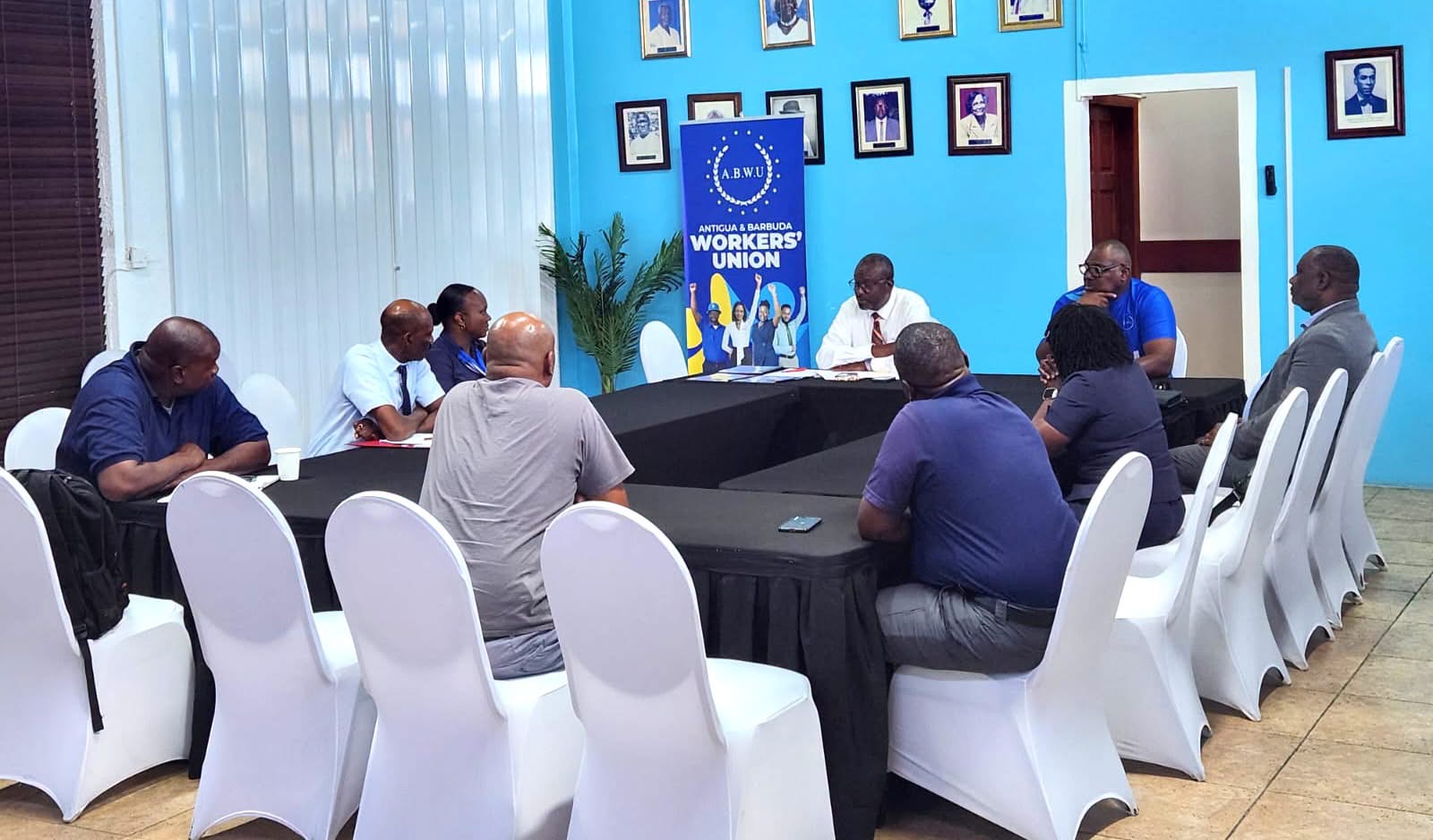
    The Antigua and Barbuda Workers Union (ABWU) has officially confirmed plans to host its annual Labour Day rally and public march on Sunday, May 4, marking a key celebration of working-class achievements and a platform to advocate for workers’ rights across the twin-island nation.

    In statements released by union leadership, the event is designed to bring together union members, labor activists, and ordinary working people from all sectors to honor the hard-won gains of the global labor movement, including the eight-hour workday, minimum wage protections, and workplace safety standards that millions rely on today. The rally will kick off at a central downtown location, before participants proceed through key commercial districts of St. John’s to raise public awareness of ongoing labor issues affecting local workers, from fair compensation negotiation to improved working conditions in the tourism and agriculture sectors that form the backbone of Antigua and Barbuda’s economy.

    Union representatives note that this year’s gathering comes at a time of shifting labor dynamics across the Caribbean, as post-pandemic economic adjustments have left many frontline workers grappling with rising cost of living and stagnant wage growth. Organizers are encouraging all community members, regardless of employment sector, to attend to show solidarity with the labor movement and stand for equitable workplace policies. The ABWU has also confirmed that all necessary permits for public gathering have been secured, and safety arrangements are in place to ensure the event proceeds peacefully.

  • Berger Paints ex‑workers win pay increase, reparations

    Berger Paints ex‑workers win pay increase, reparations

    A years-long fight for workplace justice has wrapped up with a landmark win for 44 laid-off workers at Berger Paints Barbados, who will receive long-overdue reparations for proven anti-union discrimination plus a retroactive 12% salary increase set to take effect in January 2025. The resolution was finalized this week after weeks of tense three-party negotiations between the Barbados Workers Union (BWU), the island’s Department of Labour, and ANSA McAL Group — the Trinidad-based conglomerate that owns Berger Paints Barbados.

    BWU General Secretary Toni Moore made the victory public during the union’s annual Family and Picnic Affair, hosted Friday at Barbados’ National Botanical Gardens. Moore outlined that beyond the agreed 12% pay raise starting 2025, the former workers will also receive 16 months of backpay adjusted to reflect the new wage scale, plus reparations that close the financial gap created by the company’s discriminatory policy. All existing severance packages will also be recalculated to incorporate the higher wage, boosting the final payouts for every affected worker.

    Moore emphasized that this outcome was only possible through the union’s unwavering persistence on behalf of its members, most of whom spent an average of two decades as employees of Berger Paints before the facility shut down. The discriminatory practice at the center of the dispute was first uncovered by BWU organizers in 2022: a company-wide performance incentive scheme that approved bonuses for non-union staff who passed performance reviews, but explicitly excluded all workers who were registered members of the BWU.

    The urgency of resolving the claim ramped up after Berger Paints Barbados ceased operations, leaving the former workers without access to workplace remedies while they waited for negotiations to conclude. After multiple weeks of meetings and a formal audit of company financial records conducted by the Department of Labour to verify the union’s claim, ANSA McAL finally conceded to the BWU’s demands.

    “Yesterday at our meeting, we were able to get the company to agree that wherever the discrimination was meted out to the workers at Berger on account of them being union members, that reparation will be done and they will close that gap,” Moore told attendees at the picnic.

    Unfortunately, the win was not replicated in parallel negotiations with another recently closed ANSA McAL subsidiary, Standards Distributors Limited. Moore noted that the BWU’s membership at the distribution firm was extremely small, and the union’s efforts to secure improved severance terms for workers as the company shut its doors ultimately failed.

    Despite that setback, Moore used the announcement to urge all union members across Barbados to remain vocal and hold both employers and union leadership accountable when they suspect unfair treatment in the workplace, emphasizing that collective persistence is the only path to securing working justice.