分类: politics

  • Regional leaders encouraged by engagement with Rubio

    Regional leaders encouraged by engagement with Rubio

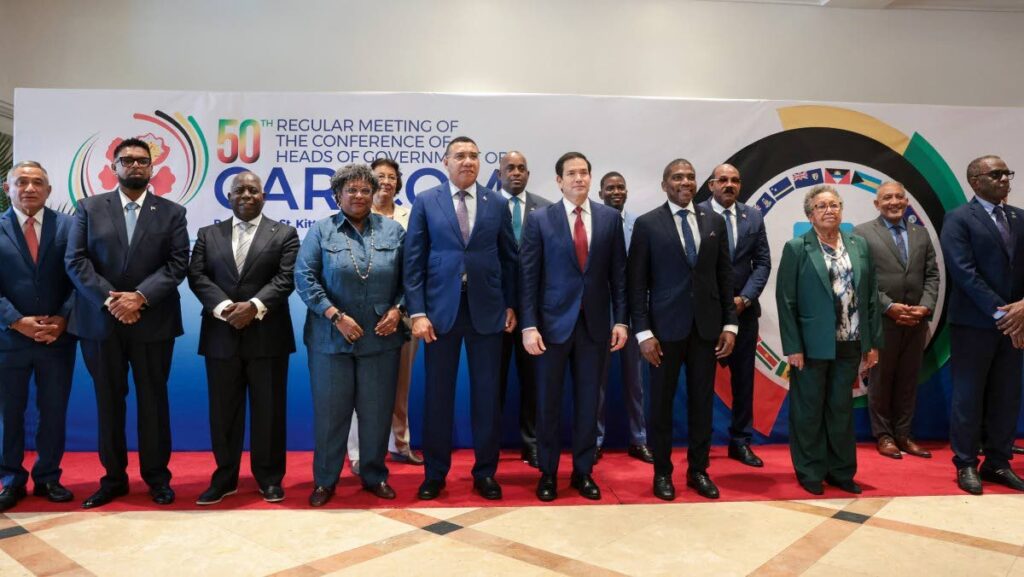
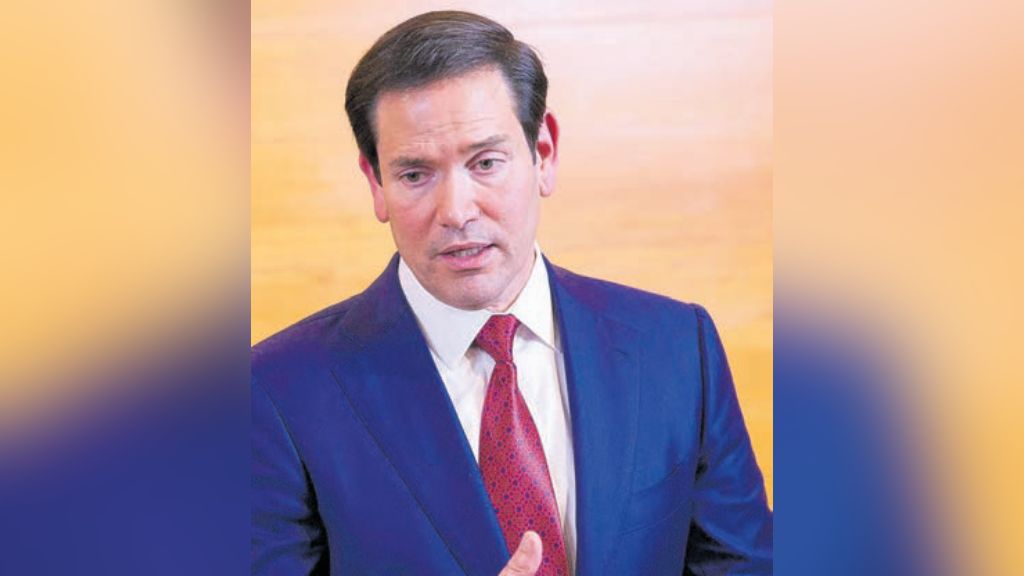
    BASSETERRE, St Kitts and Nevis – Caribbean Community (CARICOM) leaders expressed significant optimism following an address by United States Secretary of State Marco Rubio at their 50th regular summit on Wednesday. The brief ten-minute engagement was widely interpreted as a promising signal for revitalized US-Caribbean relations.

    Regional heads of government highlighted the conciliatory and cooperative tone of the Secretary’s remarks. Antigua and Barbuda Prime Minister Gaston Browne conveyed initial apprehensions were alleviated by the Secretary’s ‘very positive message.’ Browne emphasized the US recognition of shared geographical and cultural ties, stating, ‘I sense that the statement he made, though brief, would have signalled a level of commitment to enhance the relationship between the United States and CARICOM.’

    Echoing this sentiment, Dominica’s Prime Minister Roosevelt Skerrit described the encounter as ‘encouraging’ and stressed the importance of sustained dialogue on pressing regional issues. He interpreted Rubio’s physical presence as a ‘clear intention on the part of the United States to engage, to listen, and to hear our views and concerns.’

    Haitian Prime Minister Alix Didier Fils Aime also reported positive deliberations, noting the US commitment to reinforcing long-standing partnerships. He concluded that the strengthened relationship would seek ‘the mutual benefit of CARICOM nations and the United States.’ The collective response from Caribbean leadership suggests a pivotal step towards deeper diplomatic collaboration with the Biden administration.
  • As Washington softens oil embargo, Cuba coast guard kills 4 on Florida-registered boat

    As Washington softens oil embargo, Cuba coast guard kills 4 on Florida-registered boat

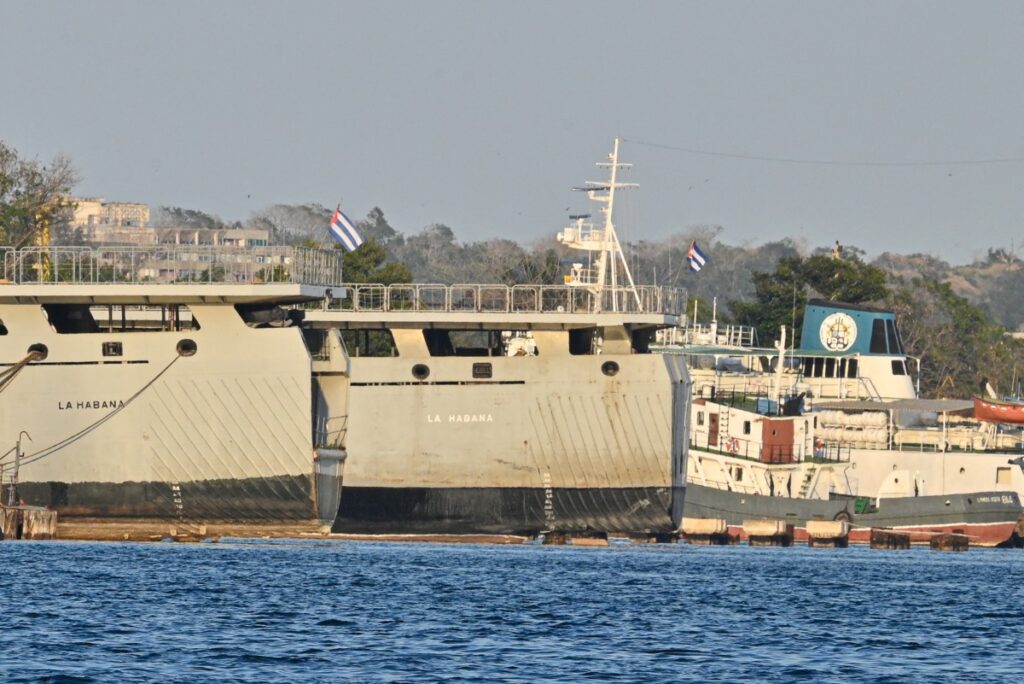
    A maritime confrontation near Cuban territorial waters has ignited fresh diplomatic friction between Havana and Washington. Cuban authorities reported that their coast guard personnel engaged in a lethal exchange of gunfire with a U.S.-registered speedboat on Wednesday, resulting in four fatalities and six injuries.

    The incident occurred approximately one nautical mile from Cayo Falcones Island, situated off Cuba’s northern coastline. According to an official statement from Cuba’s Interior Ministry, the coast guard vessel encountered what it described as an ‘illegal’ American boat bearing Florida registration number FL7726SH. The ministry asserted that occupants of the speedboat initiated fire first, wounding the Cuban vessel’s commander, which prompted return fire from Cuban forces.

    Cuban officials confirmed that the injured individuals received medical evacuation and treatment, though Havana declined to disclose the nationalities of the casualties or the purpose of the vessel’s approach to the communist-ruled island nation, which remains under stringent U.S. economic sanctions.

    The incident has triggered coordinated responses from multiple U.S. officials. Secretary of State Marco Rubio, speaking during diplomatic travels in St. Kitts and Nevis, emphasized that Washington would conduct its own investigation rather than relying on Cuba’s version of events. ‘We’re not going to base our conclusions on what they’ve told us,’ Rubio stated, adding that the administration would ‘respond accordingly’ once all facts are established.

    In Washington, Vice President JD Vance acknowledged the White House was actively monitoring developments while expressing cautious optimism that the situation might be ‘not as bad as we fear it could be.’ Simultaneously, Florida’s Attorney General has launched an independent investigation into the killings, reflecting the state’s particular interest given its geographical proximity—just 100 miles across the Florida Straits—and substantial Cuban-American population.

    This maritime clash occurs against a backdrop of evolving U.S. policy toward Cuba. The Biden administration recently eased certain energy restrictions imposed during the Trump presidency, which had effectively created a virtual oil siege against the island nation following the U.S. ouster of Venezuela’s Nicolás Maduro.

  • US eases ban on Venezuelan oil to Cuba as crisis alarms Caribbean

    US eases ban on Venezuelan oil to Cuba as crisis alarms Caribbean

    BASSETERRE, St Kitts and Nevis – In a significant policy shift, the United States Treasury Department announced Wednesday the partial lifting of restrictions on Venezuelan oil exports to Cuba. This decision comes as Caribbean leaders express growing concerns about potential regional instability triggered by Cuba’s severe economic crisis.

    The amended regulations permit “transactions that support the Cuban people” involving Venezuelan petroleum for both commercial and humanitarian purposes. However, a crucial stipulation requires these exports to be channeled exclusively through private business entities rather than government or military-controlled organizations within the communist state.

    This policy announcement coincided with the Caricom summit attended by U.S. Secretary of State Marco Rubio. The Cuban-American diplomat, who has historically advocated for regime change in Havana, simultaneously reaffirmed Washington’s commitment to the January 3rd intervention that ousted Venezuela’s leftist leader Nicolas Maduro.

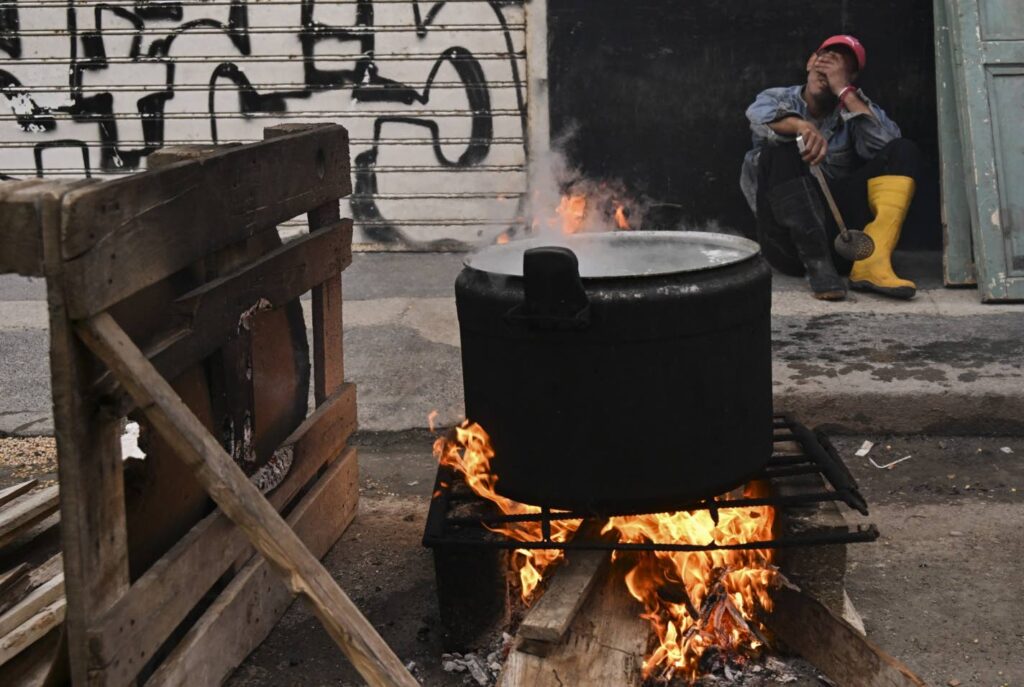
    Cuba’s economic collapse accelerated dramatically after U.S. actions against Maduro disrupted Venezuelan oil shipments, which had supplied approximately half of the island’s fuel requirements. The current easing of restrictions represents a calibrated approach to humanitarian concerns while maintaining pressure on governmental structures.

    Secretary Rubio issued a stern warning during his press briefing in St Kitts and Nevis, emphasizing that any violation of the agreement’s “spirit” would result in immediate reinstatement of sanctions. He specifically cautioned against diversion of oil resources to regime or military-controlled entities through Cuba’s emerging private sector, stating that such violations would trigger license cancellations.

  • US congressman says Jamaica to face ‘consequences’ after PM’s Cuba statement

    US congressman says Jamaica to face ‘consequences’ after PM’s Cuba statement

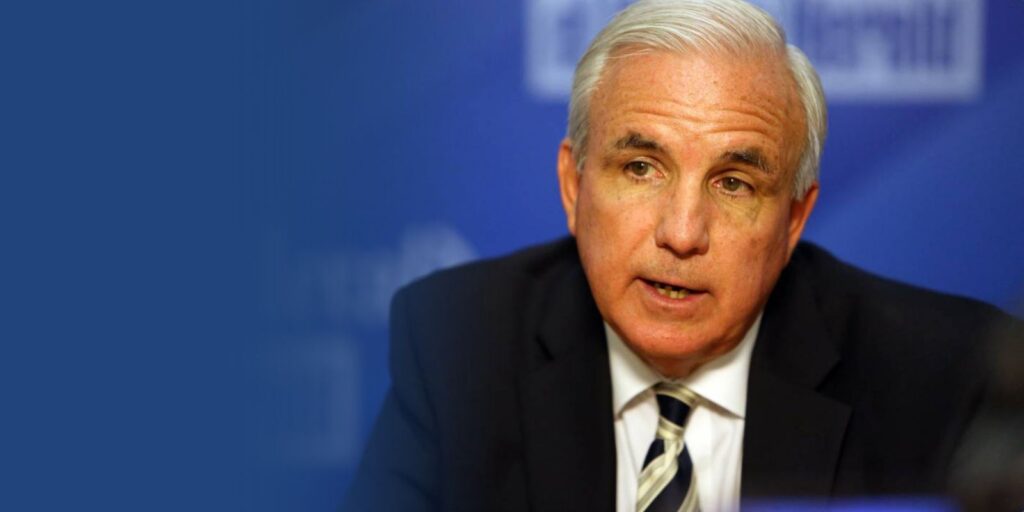
    KINGSTON, Jamaica — A significant diplomatic confrontation has emerged between United States Congressman Carlos Giménez and Jamaican Prime Minister Andrew Holness, playing out publicly on social media platform X. The dispute centers on Jamaica’s expression of solidarity with Cuba amidst its ongoing economic and energy crisis.

    Congressman Giménez, representing Florida and born in Cuba, issued a severe condemnation of PM Holness’s stance. In his post, Giménez accused Holness’s ruling Jamaica Labour Party (JLP) of providing cover for what he termed a ‘moribund dictatorship’ in Cuba. He further alleged historical interference by the Castro regime in Jamaican politics, specifically claiming it worked to undermine the JLP and exacerbate partisan tensions. The congressman concluded his statement with a stark warning: ‘Jamaica will face the consequences!’

    This rebuke was a direct response to Prime Minister Holness’s address earlier that day at the 50th Regular Meeting of the Conference of Caricom Heads of Government. In a shared video clip, Holness urged the Caribbean Community to address the situation in Cuba with clarity and directness. He highlighted the severe economic hardships, energy shortages, and growing humanitarian challenges facing the Cuban people.

    Holness articulated a regional security perspective, warning that a prolonged crisis in Cuba would inevitably affect the wider Caribbean. He specifically cited potential impacts on migration patterns, regional security, and economic stability, concluding that Jamaica would consequently stand in solidarity with Cuba.

    The context for this exchange includes the recent announcement by the United States to ease its ban on Venezuelan oil exports to Cuba. This ban was initially implemented following the country’s invasion of Venezuela and the capture of then-President Nicolas Maduro in January. The decision to roll back restrictions came after weeks of significant instability on the communist-run island, which had descended into a severe economic crisis. This deterioration prompted numerous Caribbean leaders to voice concerns about potential spillover effects throughout the region.

    In a contrasting follow-up post, Congressman Giménez praised Trinidad and Tobago Prime Minister Kamla Persad-Bissessar, holding her up as a model for regional leadership. He commended her for governing with ‘moral clarity,’ strengthening her nation’s alliance with the U.S., and championing democracy, suggesting other nations could benefit from following her example.

  • Hillary Clinton calls for Trump to testify as she faces US House Epstein panel

    Hillary Clinton calls for Trump to testify as she faces US House Epstein panel

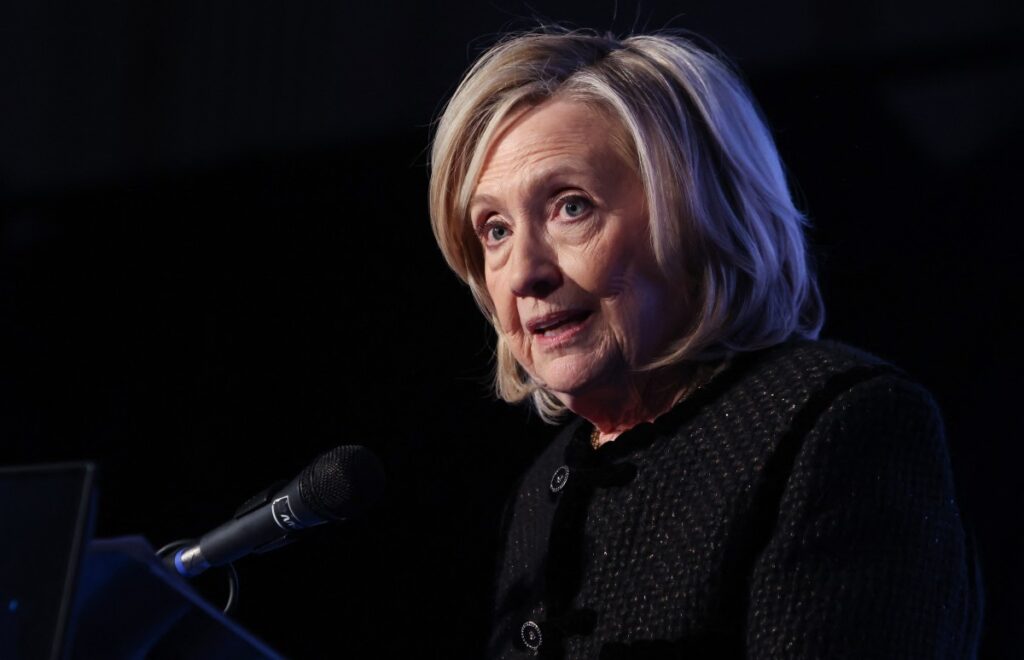
    CHAPPAQUA, New York – In a strategic counteroffensive during her congressional deposition, former Secretary of State Hillary Clinton turned the tables on Republican investigators Thursday by demanding they summon former President Donald Trump to testify under oath regarding his connections to convicted sex offender Jeffrey Epstein.

    Appearing before the House Oversight Committee’s probe into Epstein’s network, Clinton categorically denied any personal knowledge of Epstein’s criminal activities or any visits to his properties. She characterized the investigation as politically motivated, explicitly accusing committee members of attempting to ‘protect one public official’ – an apparent reference to Trump.

    Committee Chairman James Comer maintained the investigation aims to ‘understand many things about Epstein,’ the financier who died in custody in 2019 while awaiting trial on sex trafficking charges. The probe will continue Friday with testimony from former President Bill Clinton.

    In a notable escalation, Clinton challenged the committee’s sincerity, stating that if lawmakers were genuinely interested in uncovering truth about Epstein’s trafficking operations, they would compel Trump to testify regarding his ‘tens of thousands of appearances’ in Epstein-related documents.

    This position found support from the committee’s top Democrat, Robert Garcia, who echoed calls for Trump to provide testimony that would ‘answer questions being asked across this country from survivors.’

    The Clintons had initially resisted subpoenas but complied after Republicans threatened contempt of Congress proceedings. The depositions occur against the backdrop of recently released government documents detailing Epstein’s associations with powerful figures, including both Trump and Bill Clinton.

    While both former presidents appear in the Epstein files, mere mention in the documents does not constitute evidence of criminal activity. Bill Clinton has acknowledged flying on Epstein’s plane for humanitarian work in the early 2000s but denies visiting his private island.

    The proceedings have generated significant attention in this affluent New York community, with security barriers erected around the arts center hosting the deposition. Local reactions ranged from support for congressional investigative authority to criticism of the process, which Bill Clinton previously denounced as resembling a ‘kangaroo court’ due to its closed-door format.

    The investigation’s context includes the ongoing imprisonment of Epstein associate Ghislaine Maxwell, who recently invoked her Fifth Amendment rights before the committee. Her attorney indicated she would speak publicly if granted clemency by Trump.

    The Epstein case continues to reverberate globally, resulting in high-profile arrests and damaged reputations among those associated with the financier, though Maxwell remains the only person convicted of crimes directly connected to Epstein’s operation.

  • Man shot by Cuban coast guard wanted to spark uprising—AFP report

    Man shot by Cuban coast guard wanted to spark uprising—AFP report

    MIAMI (AFP)—Tensions between Cuba and the United States have escalated following a lethal maritime confrontation, with Havana identifying one of the deceased as Michel Ortega Casanova—a U.S.-based activist long determined to “liberate” the island. Cuban authorities reported that four armed individuals aboard a Florida-registered vessel were killed by its coast guard during what it described as a thwarted “terrorist and mercenary” attack.

    Ortega Casanova, a 54-year-old truck driver residing in the U.S., was among those killed. According to Wilfredo Beyra, head of the Tampa-based Cuban Republican Party, Ortega had repeatedly expressed his ambition to incite popular rebellion against Cuba’s government. “His goal was to go and fight against a criminal and murderous narco-tyrannical government,” Beyra stated in an interview with AFP.

    Beyra revealed that he had cautioned Ortega against premature action, emphasizing the need for strategic timing. Nevertheless, Ortega—affiliated with one of several Florida groups militantly advocating for regime change in Cuba—had been prepared to act “at any moment.”

    Another individual, Leordan Enrique Cruz Gomez, was wounded in the incident and was also known to Beyra. The two had maintained contact until recently, exchanging messages as recently as two weeks ago.

    The incident underscores ongoing friction between Havana and Washington, with Cuba vowing to defend its sovereignty against perceived external threats. All individuals involved were identified as Cuban expatriates living in the United States.

  • Bad road fuss heats up in Manchester

    Bad road fuss heats up in Manchester

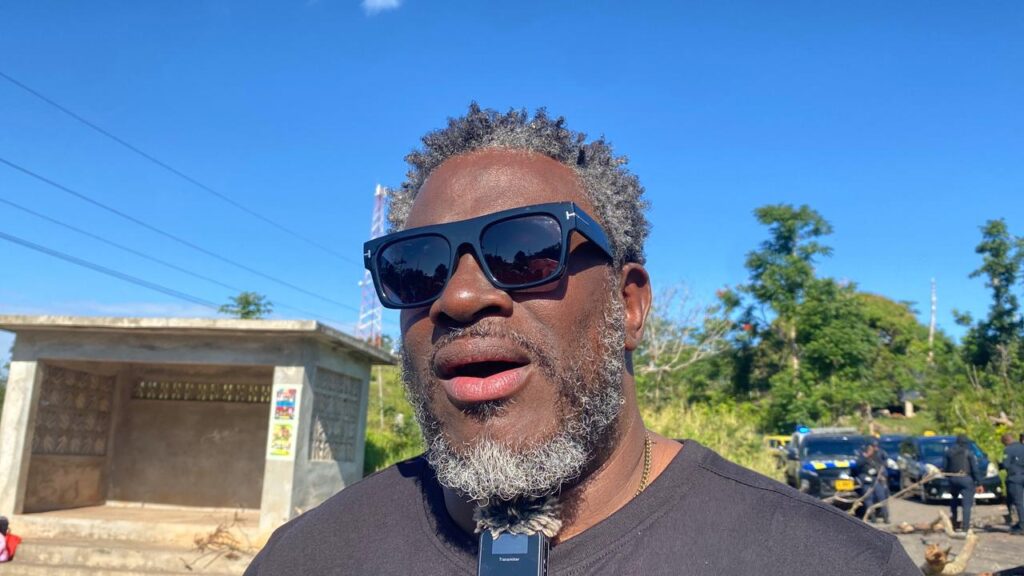
    MANCHESTER, Jamaica — A political dispute has emerged regarding road infrastructure management in Manchester’s Knockpatrick division, pitting local Councillor Karl Smith against Member of Parliament Rhoda Crawford. The conflict arose following Crawford’s public criticism of the Manchester Municipal Corporation and councillors for their perceived inadequate response to repairing parochial roads.

    The controversy intensified when placard-carrying residents from Brokenhurst staged protests against the deteriorating condition of their main road and the Patrick Town community roadway. Crawford, representing the governing Jamaica Labour Party, subsequently questioned Smith’s awareness of division boundaries, asserting that most of Brokenhurst falls within Manchester Southern rather than his Knockpatrick jurisdiction.

    In a detailed Thursday statement, Councillor Smith (People’s National Party) offered a substantive rebuttal while advocating for non-partisan cooperation. He acknowledged the legitimate concerns about road conditions but emphasized that these infrastructure challenges resulted from long-standing systemic issues rather than recent neglect.

    “The deterioration of these roads has been the result of longstanding issues, including years of underfunding, weather impact, and increased usage,” Smith stated, adding that suggesting otherwise would misrepresent the situation to constituents.

    The councillor defended his territorial knowledge, affirming his comprehensive understanding of Knockpatrick’s boundaries. He highlighted his administration’s accomplishments despite resource constraints, having successfully overseen repairs and rehabilitation works on more than twenty roads across the division through strategic prioritization and collaborative advocacy.

    Smith called for a bipartisan approach to infrastructure development, emphasizing that road rehabilitation transcends political affiliations and directly impacts families, farmers, students, and local businesses. He expressed commitment to engaging Local Government Minister Desmond McKenzie and relevant stakeholders to secure additional funding.

    Expressing disappointment at the political tone of the discourse, Smith concluded: “Our constituents deserve representation that rises above political point-scoring and focuses instead on practical solutions and measurable progress.”

  • OECS Director General Says Caribbean Must Abandon Illusions and Save Itself

    OECS Director General Says Caribbean Must Abandon Illusions and Save Itself

    A profound transformation in geopolitical thinking is emerging across the Eastern Caribbean as regional leaders confront a stark new reality: the era of external salvation has ended. The catalyst for this awakening came from University of the West Indies Professor Justin Robinson, whose widely circulated article ‘No One is Coming to Save Us’ has ignited crucial conversations about Caribbean sovereignty and self-determination.

    The philosophical foundation for this shift finds remarkable resonance in Bob Marley’s prophetic lyrics from ‘Real Situation,’ written 45 years ago, which warned of impending destruction and the necessity of self-preservation. This artistic foresight now manifests as geopolitical reality, with traditional support systems unraveling across multiple fronts.

    Major powers increasingly prioritize national interests, concessional financing diminishes, migration pathways narrow, and the rules-based international order consistently bends to accommodate powerful nations. These developments represent not temporary disruptions but fundamental structural changes to the global system.

    For the Organisation of Eastern Caribbean States (OECS), this realization sparks not despair but strategic clarity. The solution lies not in isolation or bravado but in deliberate design—forging collective strength through enhanced regional integration. The Eastern Caribbean already demonstrates successful sovereignty-pooling through shared institutions including a common currency, unified judicial system, free movement protocols, and coordinated diplomatic representation.

    The new operating paradigm demands systemic transformation across five critical dimensions:

    1. Treating regional systems as strategic assets rather than social expenditures, recognizing that education, digital infrastructure, climate resilience, and data governance constitute sources of competitive advantage

    2. Making fragmentation economically and politically costly through strengthened regional platforms that reduce transaction costs, attract investment, and amplify collective voice

    3. Establishing cross-political consensus on core national interests that transcend electoral cycles, particularly regarding regional integration, citizenship, security cooperation, and external alignment

    4. Replacing rigid planning with disciplined adaptability, designing institutions capable of continuous learning and course-correction in unpredictable environments

    5. Converting regional vulnerabilities into exportable expertise by developing climate resilience, renewable energy, and digital services at scale rather than through isolated national experiments

    This comprehensive framework acknowledges that true sovereignty emerges not from solitary strength but from strategic interdependence. The Caribbean’s future agency depends on speaking with one coherent voice grounded in data, discipline, and shared interests—or accepting being spoken for by others. This moment represents not rejection of global engagement but determination to shape it on terms that preserve regional dignity, autonomy, and future choice.

  • OP-ED: Doctors, not bombs – the truth about Cuban medical cooperation

    OP-ED: Doctors, not bombs – the truth about Cuban medical cooperation

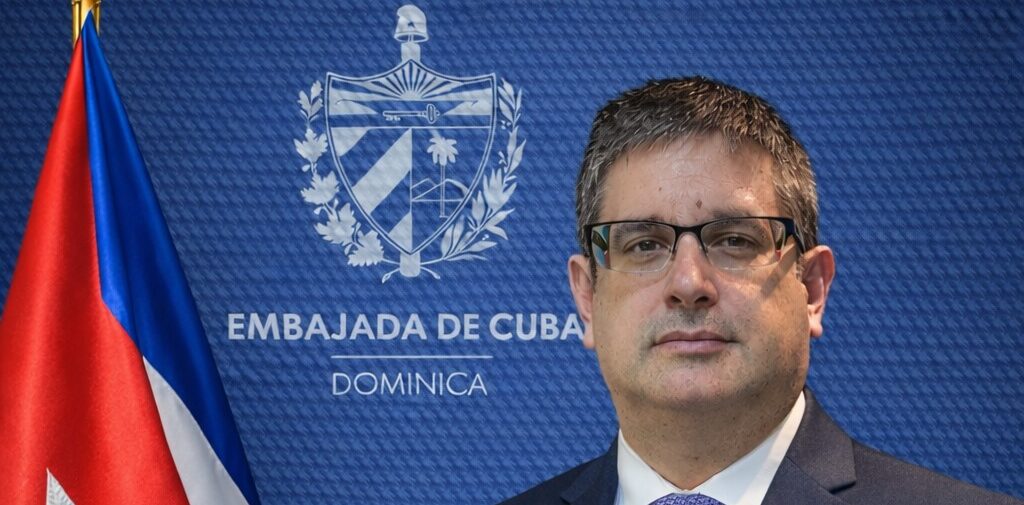
    Cuban Ambassador Miguel Manuel Fraga González has issued a forceful rebuttal to what he characterizes as a “slanderous” disinformation campaign orchestrated by US diplomatic officials. The response comes following critical remarks made by the Chargé d’Affaires of the US Embassy in Barbados regarding Cuba’s international medical cooperation programs.

    The diplomatic communique presents a stark contrast between Cuba’s humanitarian outreach and United States foreign policy approaches. According to the Cuban government, over 605,000 Cuban health professionals have voluntarily participated in medical missions across 165 nations, delivering treatment to more than 2.3 billion patients and saving an estimated 12 million lives through surgical interventions, childbirth assistance, and comprehensive medical care.

    Ambassador Fraga highlights that this medical diplomacy occurs despite Cuba operating under “a cruel regime of sanctions” imposed by the United States over six decades. The document cites international recognition of Cuba’s medical efforts, including acknowledgments from the World Health Organization and former President Barack Obama, who in 6 praised Cuban doctors’ service to poor and suffering populations.

    The response sharply criticizes US foreign policy, noting that while Cuba has dispatched medical professionals globally, the United States has conducted military interventions in over 25 countries resulting in millions of casualties. The ambassador specifically references recent US military actions in the Caribbean Sea that allegedly resulted in more than 100 fatalities, described by UN experts as extrajudicial killings.

    The Cuban government rejects accusations of “forced labor” in its medical missions as politically motivated falsehoods, emphasizing that participation is voluntary and governed by bilateral agreements respecting international law. The document concludes by condemning current US efforts to intensify economic pressure on Cuba, including attempts to restrict fuel shipments, which Havana views as attempted creation of a humanitarian crisis.

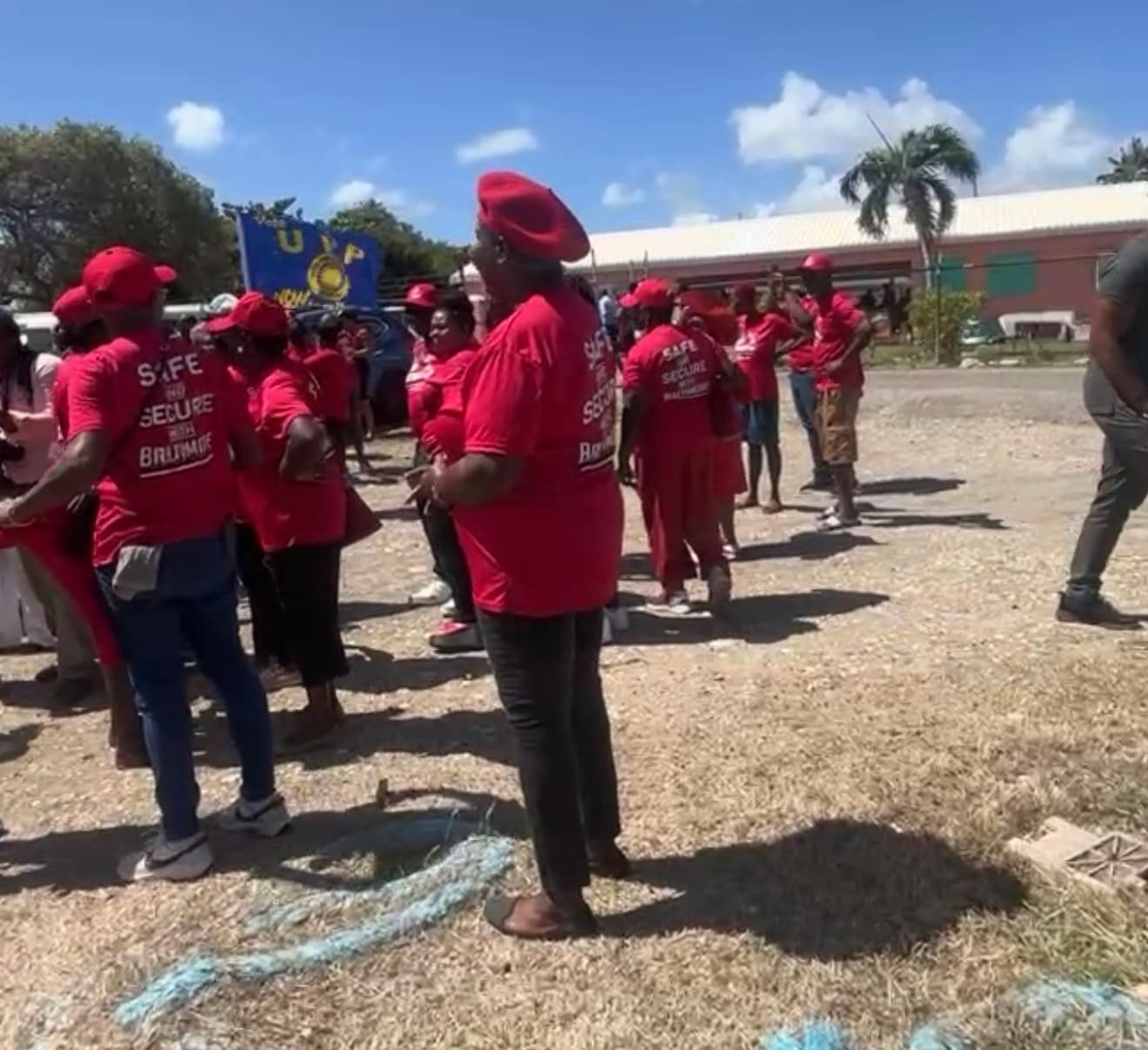
  • PHOTOS: Supporters Rally Behind Their Candidates on Nomination Day

    PHOTOS: Supporters Rally Behind Their Candidates on Nomination Day

    The air crackled with palpable energy as thousands of ardent supporters descended upon nomination centers nationwide, transforming the formal commencement of the electoral process into a vibrant spectacle of democratic participation. The day, typically a procedural formality, was instead marked by a groundswell of public engagement, with citizens from all walks of life turning out in force to champion their chosen candidates.

    From the early hours, key nomination venues were awash with a sea of colors, flags, and campaign paraphernalia, each group creating a cacophony of cheers, slogans, and music that underscored the high stakes of the impending electoral battle. The scenes were not confined to urban centers; in rural constituencies and suburban towns, a similar fervor was evident, demonstrating the widespread political awakening among the electorate.

    Analysts observed that the massive turnout signifies more than mere loyalty; it reflects a deeply invested citizenry keen on shaping the political landscape. The demonstrations of support serve as a critical barometer for campaign momentum, providing an early glimpse into the organizational strength and grassroots appeal of each contender. This public display, often meticulously organized yet spontaneous in its enthusiasm, is a pivotal psychological battle, setting the tone for the rigorous campaign period ahead. The event successfully transitioned the election from a theoretical contest to a tangible, people-driven movement, highlighting the robust health of the democratic process.