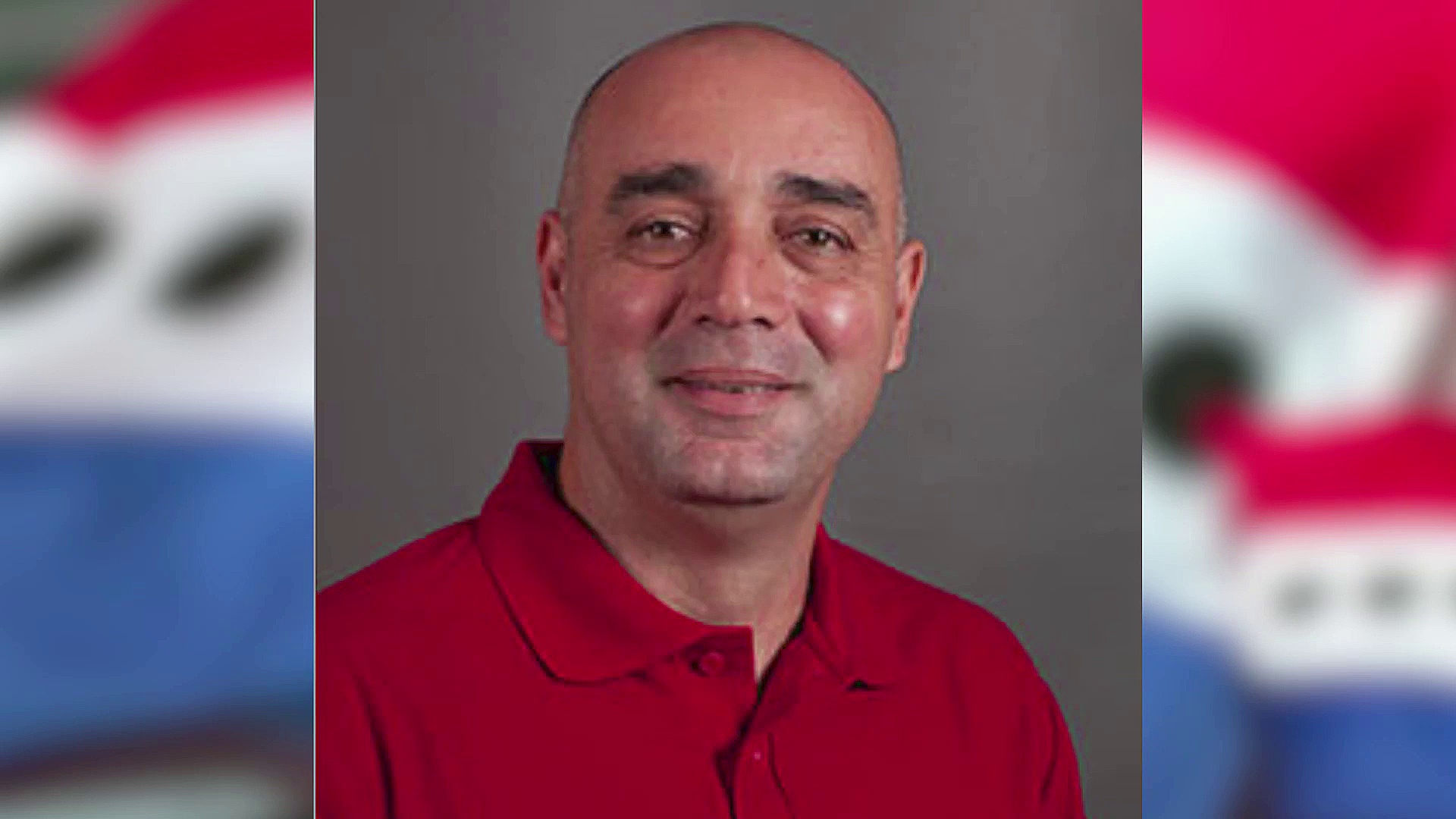
As Barbados enters a period of intense electoral campaigning, incumbent St Peter representative Colin Jordan has declared his candidacy with robust confidence, citing a portfolio of tangible accomplishments both within his constituency and at the national level. The Barbados Labour Party (BLP) stalwart articulated his re-election platform during an address at Coleridge and Parry School’s annual speech day, framing his bid as a continuation of proven leadership and measurable progress. Jordan’s campaign narrative is fundamentally anchored in extensive infrastructure enhancements, enumerating a comprehensive list of roadways that have undergone significant upgrades, including Station Hill, Clarke’s Gap, Chapel Street, Garden Alley, Black Bess, and Skeetes Road. While acknowledging that certain projects remain ongoing, the MP emphasized the transformative impact of these developments. Beyond transportation networks, his report to constituents highlighted critical advancements in environmental initiatives and the resolution of protracted land tenure disputes in areas like Maynards. Utility modernization formed another pillar of his report, with the installation of new water pipelines in the Boscobel area cited as a key achievement. Economic revitalization, particularly through tourism, featured prominently in Jordan’s remarks. He pointed to the successful refurbishment and reopening of a local jetty, now in its second full operational season, and heralded the commencement of new construction at Penry and anticipated development work by Sandals at Heywoods as catalysts for local economic activity. Bridging his national ministerial role with local impact, Jordan connected broad policy reforms—including the introduction of paternity leave, extended maternity leave, and the establishment of a national minimum wage—to their direct benefits for St Peter families and workers. He framed the upcoming election as a referendum on this seven-and-a-half-year partnership, asking constituents to judge his performance on this track record. However, the dialogue also surfaced persistent constituent concerns, particularly regarding intermittent water supply and unreliable garbage collection services. In response, Jordan provided detailed explanations for water discoloration issues in Boscobel and Six Men’s, attributing them to ongoing pipe replacement projects in northern St Lucy and St Peter. He outlined broader challenges within the water infrastructure system, including pressures on the Allendale well and reservoirs, but assured residents that work at the Hope site in St Lucy is expected to deliver relief in the near future. On waste management, the MP acknowledged collection delays, citing high demand, vehicle availability constraints, and access difficulties in smaller communities like Mount Brevitor, but expressed confidence that imminent solutions are being finalized. St Peter remains a historically significant BLP stronghold, previously represented by the late Prime Minister Owen Arthur.
分类: politics
-

The continuous American sneeze and the Caribbean cold (Part I)
Recent US policy directives have placed Caribbean nations at a critical juncture, compelling regional leaders to navigate complex diplomatic and sovereignty challenges. Key developments include American requests for third-country deportee acceptance, withdrawal from international organizations, and the controversial suspension of visa categories for several Caribbean states.
This geopolitical dynamic revives the adage that ‘when America sneezes, the Caribbean catches cold,’ highlighting the region’s vulnerability to US policy fluctuations. The current situation reflects not merely policy disagreements but fundamental questions about neocolonial practices and power asymmetry. Historical doctrines like the Monroe Doctrine and Roosevelt Corollary appear to persist through modern mechanisms that potentially compromise Caribbean sovereignty.
The Citizenship by Investment (CBI) programs frequently cited as justification for US actions demonstrate questionable relevance, as data reveals no substantial evidence linking these programs to increased migration threats or security concerns. Countries without CBI programs face similar treatment, suggesting broader geopolitical motivations beyond stated immigration concerns.
Caribbean leaders face a dilemma between ideological consistency and economic pragmatism. Saint Lucia’s Prime Minister recently signed a memorandum understanding deportee acceptance, illustrating the practical compromises smaller economies must consider. Meanwhile, Trinidad and Tobago’s energy-based alignment with US interests has spared it from certain restrictions, creating regional divisions that undermine integration efforts.
The fundamental tension centers on whether Caribbean nations can maintain sovereign decision-making while acknowledging economic dependencies on US tourism, trade relationships under the Caribbean Basin Initiative, and remittance flows. Professor Justin Robinson’s framework emphasizes preserving the region’s ‘deep bonds driven by geography, family, culture, and shared values’ while navigating these complex international relations.
-

PM calls for self-reliance amid US visa pause
In a decisive response to the United States’ suspension of immigrant visa applications from Saint Lucia, Prime Minister Philip J. Pierre has called for national unity and economic innovation rather than diplomatic confrontation. Addressing media inquiries during this week’s pre-cabinet briefing, the Prime Minister reframed the challenge as an opportunity for sustainable development.
Pierre characterized expectations for Caribbean leaders to justify U.S. policy decisions as fundamentally unreasonable, stating that sovereign nations inevitably act according to their domestic priorities. ‘The United States operates based on its perceived national interests—a position we must respect,’ Pierre noted, emphasizing that Saint Lucia’s primary obligation lies in governing according to its own legal framework and preventing unnecessary hardship for citizens.
The Prime Minister contextualized the visa suspension within broader U.S. immigration policies affecting 75 nations, linking the measures to welfare considerations and migration pressures. While acknowledging Saint Lucia’s profound economic and cultural ties to the United States—its closest market—Pierre urged citizens to avoid defeatism and instead focus on achievable self-reliance goals.
Highlighting existing successes in agricultural sectors like poultry and egg production, where Saint Lucia has achieved self-sufficiency, the Prime Minister advocated for strategic economic diversification. His address concluded with a powerful appeal for national resilience: innovation and productivity, he argued, would ultimately prove more valuable than diplomatic reproach in navigating global uncertainties.
-

PMs Friday, Drew hold ‘a very fruitful discussion’ on regional matters
In a significant diplomatic engagement, Prime Ministers Godwin Friday of St. Vincent and the Grenadines and Terrance Drew of St. Kitts and Nevis convened productive talks in Argyle this Tuesday. The high-level discussion included CARICOM Secretary-General Carla Barnett and other officials, marking a pivotal moment ahead of next month’s CARICOM heads of government conference in Basseterre.
Prime Minister Friday, who chairs the eight-member Organisation of Eastern Caribbean States (OECS), characterized the meeting as exceptionally fruitful, noting the dialogue extended for a considerable duration without a predetermined agenda. This approach allowed leaders to address pressing regional concerns organically, with particular emphasis on challenges specific to St. Vincent and the Grenadines and their integration into the broader regional agenda.
The Vincentian leader emphasized that collective action remains fundamental to addressing the region’s most pressing issues. The discussions comprehensively covered practical, bread-and-butter matters directly affecting citizens’ daily lives. Prime Minister Friday, elected in November, stressed that regional institutions must demonstrate tangible benefits by putting “money in people’s pockets” and enhancing regional security.
Both leaders affirmed their commitment to regional integration despite acknowledged challenges. Prime Minister Friday characterized obstacles as mere “speed bumps” that slow progress but cannot halt advancement. The leaders expressed shared determination to strengthen economic integration, improve policy coordination, and foster mutual support among member states.
Prime Minister Drew, separately addressing reporters, revealed the talks encompassed health, trade, business, movement of people, and geopolitics. The St. Kitts and Nevis leader, who chairs the 15-member CARICOM bloc, articulated his steadfast belief in the regional movement, acknowledging challenges while highlighting indispensable benefits. He cited CARICOM agencies including the disaster response organization CDEMA, examination council CXC, and regional security entity RSS as institutions that individually member states could not sustain.
Drew announced plans to continue consultations with regional heads of government ahead of February’s historic 50th CARICOM meeting, emphasizing that small states must collaborate closely to achieve optimal outcomes. Both leaders expressed confidence that with demonstrated goodwill and clear benefits for citizens, the region would overcome current challenges through strengthened cooperation and unity.
-

Europese leiders roepen op tot eenheid in Davos na Trumps dreiging met tarieven
European leaders demonstrated remarkable solidarity at the World Economic Forum in Davos, Switzerland, as they coordinated a firm response to former U.S. President Donald Trump’s controversial pursuit of acquiring Greenland. The gathering revealed a continent determined to present a unified stance against what they perceive as provocative American actions.
French President Emmanuel Macron articulated Europe’s position with notable clarity, asserting that the European Union must not yield to ‘the law of the strongest.’ He characterized as ‘crazy’ the mere consideration of deploying the EU’s anti-coercion instrument against the United States. ‘We seek greater growth and stability, but we prefer respect over intimidation,’ Macron declared during the forum’s proceedings.
European Commission President Ursula von der Leyen emphasized the imperative for Europe to adapt to rapid global transformations, advocating for the construction of a ‘new, independent Europe’ capable of navigating contemporary geopolitical challenges. Her address highlighted the strategic repositioning of European foreign policy in response to shifting international dynamics.
Belgian Prime Minister Bart De Wever framed the situation as a critical juncture for the European project, issuing a stark warning: ‘We must tell Donald Trump: you are crossing red lines here. We stand strong together, or we stand divided.’ This sentiment was echoed by Swedish Deputy Prime Minister Ebba Busch, who cautioned that appeasing Trump’s ego would prove ineffective, urging maintenance of sharp trade measures including potential retaliatory actions.
The diplomatic tensions escalated following Trump’s Saturday announcement of tariffs targeting European nations opposing his Greenland acquisition plans. This move triggered substantial protests across Denmark, with thousands expressing their disapproval through public demonstrations.
United Nations Secretary-General António Guterres joined other global leaders in advocating for maximum restraint to prevent further escalation and potential loss of life. Meanwhile, Ukrainian President Volodymyr Zelenskyy expressed conditional willingness to participate in security guarantee discussions and reconstruction plans, provided the United States offers concrete commitments. He simultaneously called for increased pressure on Russia following recent severe attacks on Ukrainian territory.
The Davos meeting effectively mirrored the complex tensions and challenges characterizing contemporary international politics, with European nations and their partners seeking equilibrium between cooperation and defending their interests against unpredictable American policy decisions.
-

Scheidende VS ambassadeur Faucher: ‘Dit is geen afscheid’
After completing his diplomatic assignment in Suriname, U.S. Ambassador Robert Faucher emphasized that his departure marks not an ending but the beginning of a new chapter in his four-decade relationship with the nation. During his farewell reception, the ambassador reflected on his transformative tenure while affirming his permanent personal connection to the country.
Ambassador Faucher characterized his recent three-year term as one of the most significant phases of his diplomatic career, highlighting a period of remarkable recovery and advancement following the challenges of the global pandemic. Under his leadership, bilateral cooperation between Suriname and the United States intensified substantially across multiple sectors including energy development, educational exchange, and commercial engagement. This enhanced partnership manifested through historic business delegations and strengthened academic networks between the two nations.
The ambassador’s personal journey with Suriname began in 1986, with subsequent visits in 2002 leading to his ambassadorial appointment. Throughout his service, he witnessed the country’s evolution into a confident nation with global perspectives. His extensive travels across all districts—from urban Paramaribo to the remote Sipaliwini region, including visits to Kwamalasamutu and the culturally significant Werehpai area—deepened his appreciation for Suriname’s natural wonders, cultural diversity, and national resilience.
A cornerstone of Faucher’s diplomatic mission involved highlighting the shared historical narrative between the United States and Suriname. Notable achievements included the installation of the first American Battle Monuments Commission memorial in South America, commemorations of NASA rocket launches in Coronie, and the publication of “Common Past, Shared Future” documenting fifty historical connections between the nations. Most recently, a monument in Commewijne honored 35 American military personnel and diplomats who perished in the 1943 Matapica aircraft tragedy.
The ambassador described the current bilateral relationship as the strongest in history—characterized by practical cooperation, mutual respect, and future-oriented vision grounded in shared sovereignty and developmental values. Concluding with an optimistic outlook, Faucher expressed confidence that “the best chapters in U.S.-Suriname relations remain ahead of us,” promising to return not as a diplomat but as a permanent friend of the nation.
-

Politic : The problem of financing local authorities and local development
PORT-AU-PRINCE, HAITI — A pivotal two-day workshop addressing Haiti’s systemic challenges in financing local authorities commenced this week at the Montana Hotel, spearheaded by Interior Minister Paul Antoine Bien-Aimé. The collaborative initiative between the Ministry of the Interior and Territorial Communities (MICT) and the National Federation of Haitian Mayors (FENAMH) convened national and international stakeholders to tackle one of Haiti’s most pressing governance issues.
The high-level gathering witnessed participation from Minister of National Education, UNDP Resident Representative Xavier Michon, directors of multiple governmental agencies, and representatives from municipal associations across Haiti. This diverse attendance underscored the national significance of resolving funding disparities that hinder local development.
Central to the discussions was the critical financial paralysis facing municipal governments, which lack both administrative autonomy and sufficient resources to provide essential public services. The workshop served as both diagnostic assessment and advocacy platform, aiming to establish effective mechanisms for equitable fund distribution that would enable meaningful decentralization.
Minister Bien-Aimé delivered a forceful address demanding the repatriation of the Local Government Management Fund (FONDCT) to municipal control. Revealing that 90% of municipalities and all communal sections depend on these allocations, the Minister condemned the current concentration of public resources as fundamentally unjust and unsustainable. His declaration that ‘It’s time for the Ministry of the Interior and local authorities to manage the funds of local authorities again!’ signaled a potential paradigm shift in Haiti’s governance structure.
FENAMH President Mayor Anténor Denoil echoed these sentiments, framing effective decentralization as essential for local development and constitutional compliance. The Minister of National Education further contextualized the crisis, explaining how chronic underfunding perpetuates regional disparities and deepens social inequalities.
UNDP Representative Xavier Michon endorsed the initiative as a crucial step toward establishing practical financing mechanisms. The MICT reinforced that local financing represents the cornerstone for proportionate decentralization and sustainable community development throughout Haiti.