分类: politics

  • PM complains about media workers virtually attending news conferences

    PM complains about media workers virtually attending news conferences

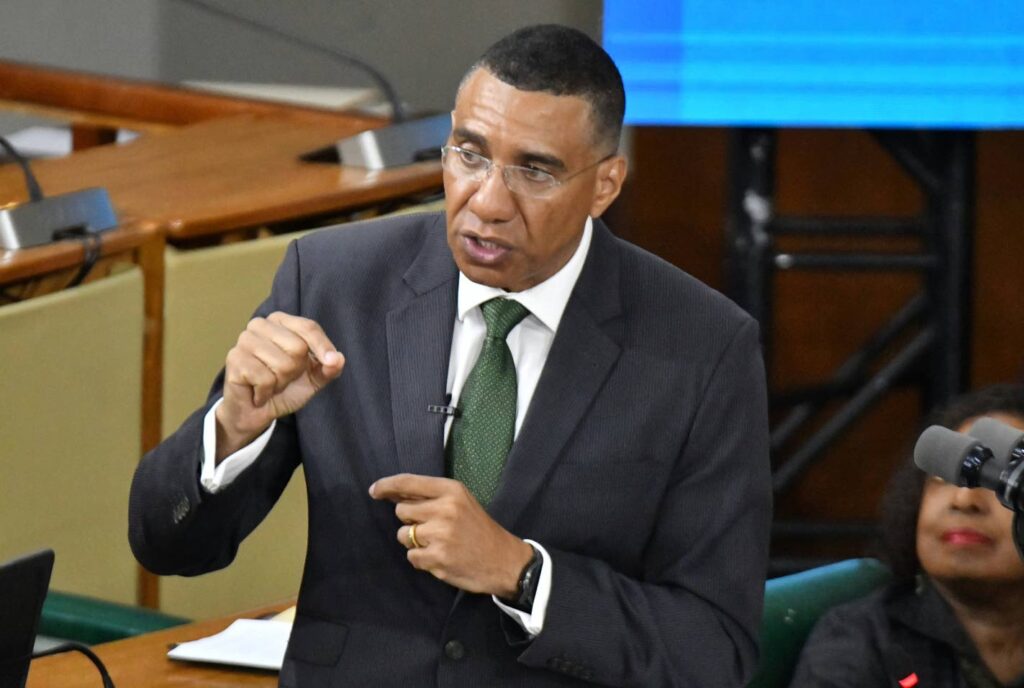
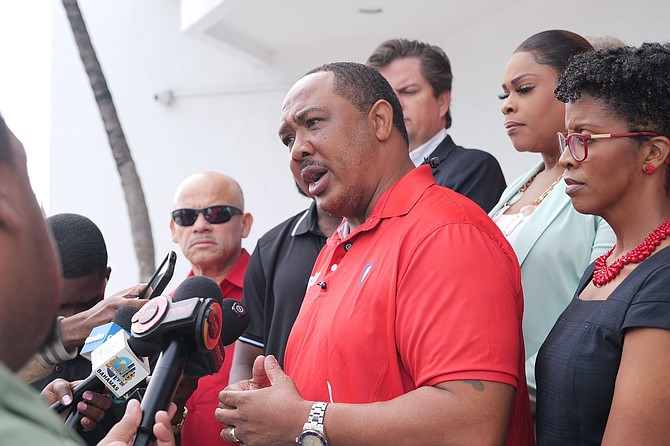
    Prime Minister Dickon Mitchell of Grenada has publicly addressed the conspicuous absence of journalists at physical press conferences, attributing the trend to a lingering ‘long Covid’ effect on media engagement practices. During an exclusive interview on the Grenada Broadcasting Network (GBN), the Prime Minister revealed his perplexity at frequently arriving at designated venues only to find empty rooms, with the sole presence being cameras from the Government Information Service (GIS).

    The phenomenon, which Mitchell colloquially termed ‘long Covid,’ reflects a sustained preference for virtual participation that originated during the pandemic’s peak in 2020. Since assuming office in June 2022, the Prime Minister has maintained a hybrid approach to media briefings, offering both in-person and virtual attendance options. However, he noted that most journalists have consistently chosen the remote option, creating what he described as a disconnect in direct government-media interaction.

    Mitchell’s administration has demonstrated particular commitment to public communication during crises, having conducted an impressive 19 news conferences following Hurricane Beryl in 2024 to keep citizens informed about recovery operations. Despite this accessibility, the Prime Minister expressed frustration that media professionals often claim they receive ‘too much information’ during briefings and require additional time to process the content before formulating questions.

    The government’s transition to virtual press conferences began as a necessary adaptation during the Covid-19 pandemic through GIS coordination. This digital approach has persisted as a standard practice, with many journalists continuing to favor remote access despite the restoration of in-person opportunities. Mitchell emphasized his willingness to maintain regular briefings—whether weekly or post-Cabinet—but stressed that meaningful engagement requires physical media presence, noting that he cannot ‘do their work for them.’

    Complementing press conferences, the Prime Minister highlighted his accessibility through regular appearances on radio programs, where he and government officials address public inquiries and provide project updates. While acknowledging room for improvement in government-media relations, Mitchell reaffirmed his commitment to transparency through whatever communication channels prove most effective.

  • BLP candidate shift ‘strategic recalibration’ ahead of possible poll, says analyst

    BLP candidate shift ‘strategic recalibration’ ahead of possible poll, says analyst

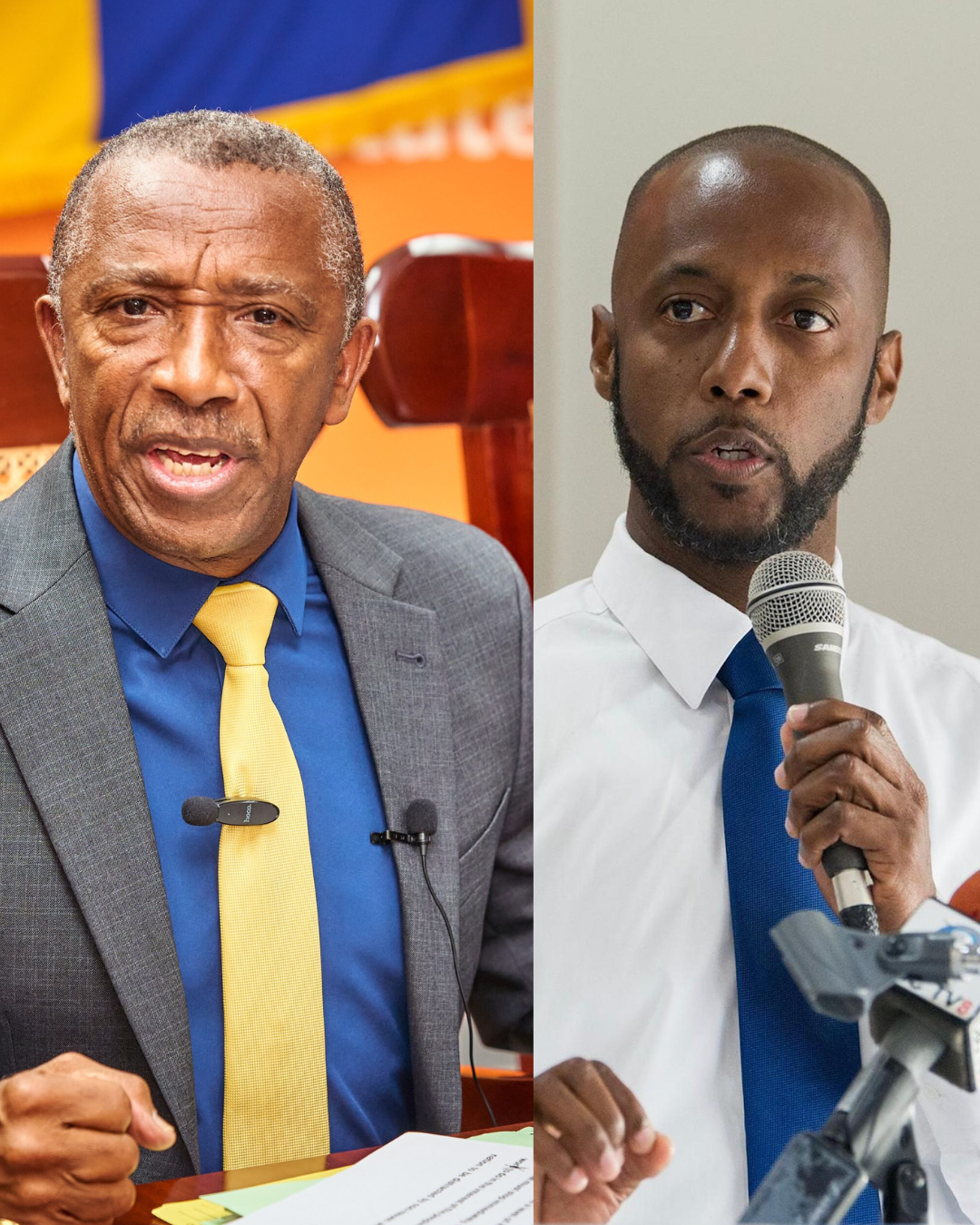
    Political analyst Devaron Bruce has identified the Barbados Labour Party’s (BLP) decision to replace St Michael Central MP Arthur Holder as a strategic maneuver indicating potential early general elections. The party’s selection of attorney Tyra Trotman as the replacement candidate, despite her previous affiliation with the Democratic Labour Party (DLP), suggests a significant political recalibration.

    Bruce characterized the development as “curious” yet strategically coherent, noting that Trotman carries endorsements from both outgoing MP Holder and Prime Minister Mia Mottley. However, the unexpected emergence of business executive Dr. Lynette Holder as a contender has introduced complexity to the candidate selection process.

    The political scientist acknowledged potential internal friction due to Trotman’s previous role as president of the Young Democrats before switching allegiances. Bruce emphasized that despite her brief DLP association, Trotman never held elected office or government membership, having distanced herself from the DLP’s political trajectory.

    Bruce suggested the BLP leadership prioritizes political potential over longstanding party loyalty, potentially creating tensions among veteran members who may feel overlooked. The analyst dismissed anticipated criticism from the DLP as lacking credibility, noting that their own political leader had previously switched parties and won election twice on a BLP ticket.

    The recent nomination activities across multiple constituencies, including St Thomas and St Joseph, strongly indicate impending elections. This assessment was echoed by DLP Senator Andre Worrell, who questioned the timing of candidate changes and suggested internal disunity within the governing party.

    These developments reflect broader political realignments in Barbados, with parties positioning themselves for potential electoral contests through strategic candidate placements and coalition-building efforts.

  • Panama: Broad ront for Democracy Party decries US attack on Venezuela

    Panama: Broad ront for Democracy Party decries US attack on Venezuela

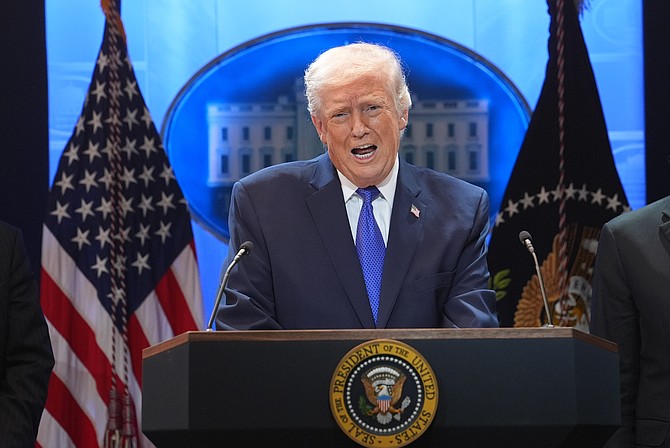
    The Panamanian advocacy organization Frente Amplio por la Democracia (FAD) has issued a scathing condemnation of United States foreign policy under former President Donald Trump, characterizing it as a modern-day colonization project targeting Latin America and the Caribbean. In an official statement delivered to Prensa Latina, the group articulated grave concerns regarding what they perceive as resource-driven imperialism disguised as counter-narcotics operations.

    The organization specifically referenced the armed aggression against Venezuela, which reportedly resulted in approximately 80 fatalities, including 32 Cuban internationalist combatants. FAD contends that the official narrative of combating a ‘drug-trafficking dictatorship’ served merely as a pretext for seizing control of Venezuela’s extensive petroleum reserves and other natural resources. According to their assessment, this resource grab included the alleged kidnapping attempts targeting President Nicolás Maduro and First Lady Cilia Flores.

    Expanding their critique beyond Venezuela, FAD highlighted the Trump administration’s confrontational approach toward multiple nations, including Colombia, Mexico, Greenland, Canada, and Iraq. This pattern of behavior, the group argues, demonstrates a consistent doctrine of global interventionism threatening national sovereignty worldwide.

    In response to these developments, FAD is demanding transparency from Panamanian President Jose Raul Mulino regarding a memorandum of understanding established with Washington. The organization insists that the administration provide a full public accounting of its commitments to the U.S. government concerning the Panama Canal, emphasizing concerns about national sovereignty and potential foreign influence.

    Concluding their statement, FAD reaffirmed their commitment to international law, self-determination principles, and peaceful dialogue. They issued a dual demand: the immediate cessation of U.S. interventionism in Venezuela and the unconditional release of President Maduro and his wife from what they describe as unlawful detention.

  • BLP denies leadership involvement in candidate selection

    BLP denies leadership involvement in candidate selection

    The Barbados Labour Party (BLP) has formally refuted allegations suggesting its senior leadership improperly influences candidate selection during contested nomination proceedings. In an official communiqué released by Chief Executive Officer Senator Patricia Parris, the party categorically denied any involvement of its Political Leader, Chairman, or General Secretary in endorsing specific candidates when multiple individuals seek nomination.

    Senator Parris clarified that these three officers collectively constitute the Candidate Selection Committee, maintaining what she described as ‘scrupulous impartiality’ throughout the process. The committee ensures equitable treatment and equal opportunities for all prospective candidates when they present their credentials before relevant party branch members.

    The statement emphasized that any suggestions implicating the Political Leader or other party officials in favoring particular candidates during contested nominations are fundamentally false and motivated by improper intentions. ‘Those acquainted with BLP’s operational protocols recognize that such allegations stem from falsehoods and ulterior motives,’ the release asserted.

    This official rebuttal emerges against a backdrop of intensifying public discourse regarding internal party nomination mechanisms within Barbados’ political landscape. The BLP’s response signals its commitment to transparent internal democratic processes while addressing circulating misinformation about its candidate selection procedures.

  • Colombia emphasizes aggression against Venezuela is for hydrocarbons

    Colombia emphasizes aggression against Venezuela is for hydrocarbons

    Colombia has issued a firm diplomatic declaration reaffirming its commitment to international principles and opposing foreign intervention in Venezuela’s affairs. During a press conference, a senior Colombian official articulated the nation’s position that any resolution to the Venezuelan situation must emerge exclusively through peaceful dialogue and the autonomous will of its citizens, without external pressure.

    The Minister of Foreign Affairs presented a critical analysis of the regional instability, attributing its primary cause to economic interests centered on natural resource acquisition. The official specifically identified the United States’ fossil fuel economy as a driving force behind interventionist policies that violate fundamental international norms.

    Foreign Minister Villavicencio articulated that Washington’s pursuit of energy resources has repeatedly crossed established red lines in international relations, particularly regarding respect for national sovereignty and territorial integrity. The minister referenced historical patterns of US interventionism targeting resource-rich nations to meet economic demands.

    This stance forms the foundation of Colombia’s diplomatic rejection of any external interests that seek to compromise the sovereignty of nations in their management and control of natural resources. The South American nation emphasized its unwavering defense of established diplomatic mechanisms designed to preserve peace and security throughout the region.

    Colombia reaffirmed its commitment to maintaining Latin America as a Zone of Peace, advocating for solutions that prioritize dialogue over coercion and respect the self-determination of all nations in the region.

  • Parlementaire commissie volgt Caricom-standpunt over Venezuela

    Parlementaire commissie volgt Caricom-standpunt over Venezuela

    Suriname’s Parliamentary Standing Committee for Foreign Affairs has endorsed the government’s decision to maintain alignment with the Caribbean Community (CARICOM) regarding the Venezuela situation rather than adopting an independent national position. Foreign Minister Melvin Bouva emphasized during Monday’s committee hearing that Suriname will uphold the collective stance of the regional bloc while continuously monitoring developments in the neighboring nation.

    Committee Chairman Ebu Jones confirmed that discussions with Minister Bouva highlighted the critical importance of safeguarding Suriname’s national interests within international decision-making frameworks. “Suriname must remain vigilant. Our strength derives from established international norms,” Jones stated in an interview with Starnieuws.

    The Ministry of Foreign Affairs has acknowledged recent statements by Delcy Rodríguez, Venezuela’s interim president, who appealed to the international community—particularly U.S. President Donald Trump—to collaborate on Venezuela’s development and future prospects.

    Regarding citizen safety, officials confirmed that three Surinamese nationals are officially registered in Venezuela, with one additional individual employed at Suriname’s diplomatic mission. Minister Bouva assured the committee that all Surinamese citizens in Venezuela currently reside in secure circumstances.

    The government has also developed contingency plans addressing potential increases in Venezuelan migration toward Suriname. Minister Bouva committed to ongoing consultations with the parliamentary committee to regularly assess evolving developments in Venezuela and their regional implications.

  • Dominican attorney criticizes refugee agreement with United States

    Dominican attorney criticizes refugee agreement with United States

    A significant diplomatic development has ignited intense debate in Dominica as Prime Minister Roosevelt Skerrit’s administration faces sharp criticism over a recently announced refugee agreement with the United States. The arrangement, revealed during a January 5th press conference, establishes Dominica as a host nation for third-country refugees whom the US cannot repatriate to their countries of origin.

    Prime Minister Skerrit characterized the agreement as the product of meticulous negotiations with the US State Department, emphasizing enhanced bilateral relations and protection of Dominican citizens’ access to travel, education, and employment opportunities. “This carefully considered arrangement demonstrates Dominica’s commitment to being a reliable partner to the United States while ensuring national security remains uncompromised,” Skerrit stated.

    However, Dominican attorney Cabral Douglas, currently based in Australia, has launched a formidable critique against the agreement. Douglas contends that accepting individuals with no established connections to Dominica or the Caribbean region violates the nation’s immigration laws and represents an alarming erosion of parliamentary oversight. “This agreement bypasses legislative approval and effectively surrenders control of our borders,” Douglas asserted.

    Douglas further connected the refugee arrangement to broader concerns regarding Dominica’s Citizenship By Investment Programme, which he claims has already generated international repercussions including visa restrictions from the United Kingdom and suspended US visa applications. “The cumulative effect of these policies makes daily life increasingly challenging for ordinary Dominicans while undermining our national sovereignty,” he explained.

    The attorney raised practical concerns regarding integration challenges, housing shortages, strain on public services, and language barriers that might accompany refugee resettlement. He called upon citizens to reevaluate the government’s leadership approach, characterizing the agreement as part of a pattern of disregarding democratic processes.

    The controversy highlights the complex balance small nations must strike between fostering international partnerships and preserving national autonomy, setting the stage for continued political discourse regarding Dominica’s foreign policy direction.

  • Prime Minister Browne Welcomes Zimbabwe’s New Ambassador During Courtesy Call

    Prime Minister Browne Welcomes Zimbabwe’s New Ambassador During Courtesy Call

    In a significant diplomatic development, Prime Minister Gaston Browne of Antigua and Barbuda hosted Zimbabwe’s newly appointed Ambassador, Cecil Chinenere, at the Prime Minister’s Office on Tuesday. The high-level meeting marked a pivotal step toward enhancing bilateral cooperation between the Caribbean nation and the African republic, with both parties expressing strong commitment to mutual priorities.

    Prime Minister Browne extended warm congratulations to Ambassador Chinenere on his diplomatic appointment, expressing optimism that the encounter would catalyze deeper relations between their nations. The leadership discussed concrete mechanisms for structured collaboration, including the establishment of a Joint Consultative Committee that would institutionalize their partnership.

    The dialogue revealed remarkable alignment on critical global issues, with both nations reaffirming their shared stance on climate justice, reparations, and enhanced South-South cooperation. Prime Minister Browne emphasized the strategic importance of African-Caribbean unity in achieving equitable representation within international institutions, particularly the United Nations.

    Significant practical measures were proposed during the discussions, including the potential appointment of Honorary Consuls to facilitate cost-effective diplomatic and economic engagement. The Prime Minister also addressed Zimbabwe’s interest in rejoining the Commonwealth, indicating Antigua and Barbuda’s support for their re-admission and extending an invitation for President Emerson Mnangagwa to attend the upcoming Commonwealth Heads of Government Meeting hosted by Antigua and Barbuda later this year.

    Ambassador Chinenere conveyed presidential greetings from Zimbabwe and acknowledged the welcoming reception, emphasizing his nation’s dedication to building partnerships that elevate living standards through sectoral cooperation. The discussions also touched upon recent advancements in direct air connectivity between Africa and the Caribbean, highlighting tangible progress in regional integration.

    The Government of Antigua and Barbuda reaffirmed its leadership role in fostering Africa-Caribbean connectivity and anticipates continued engagement with Zimbabwe to advance shared objectives in development, resilience, and strengthened global representation for both regions.

  • Prime Minister Roosevelt Skerrit clarifies Dominica’s position on allegations of regional Venezuelan trafficking network

    Prime Minister Roosevelt Skerrit clarifies Dominica’s position on allegations of regional Venezuelan trafficking network

    Prime Minister Roosevelt Skerrit has issued a forceful denial of Dominica’s involvement in any illegal activities following explosive reports linking Caribbean politicians to international drug cartels. The allegations surfaced in connection with a massive 700-page indictment filed in New York that details a sophisticated cocaine trafficking network operating across the region.

    The controversy emerged after the dramatic detention of Venezuelan President Nicolás Maduro and First Lady Cilia Flores during a U.S. military operation in Caracas on January 3. The indictment alleges that drug traffickers systematically bribed officials along the ‘Caribbean route’ to ensure protection and political support, enabling seamless transportation of cocaine from Venezuela to the United States.

    According to court documents, this corruption network extended from Colombian producers through Venezuelan transit points to Caribbean intermediaries and ultimately to distributors in Central America and Mexico. The scheme allegedly allowed traffickers to amass enormous profits while securing political backing that compromised institutional integrity and fostered political instability throughout the hemisphere.

    During a Monday press conference, Skerrit addressed what he called ‘baseless allegations’ while defending Dominica’s energy agreements with Venezuela. ‘We entered into an agreement with Venezuela under the Petro Caribe initiative that helped sustain the economies of participating countries,’ Skerrit stated. ‘This agreement was completely transparent and brought vital foreign exchange while stabilizing petroleum prices.’

    The Prime Minister emphatically declared: ‘We never engaged in any illegal activities that contravene international law, domestic law, or any regional or international treaties. This government has never involved itself in drug dealing or any illegal activities whatsoever. We can stand and say this anywhere with clear conscience.’

    Skerrit highlighted his administration’s commitment to regional security, noting: ‘No government in our history has invested more resources in police and national security to ensure our country and region remain peaceful. I have engaged in highly sensitive security initiatives with international partners that I don’t even share with my cabinet due to their confidential nature.’

    Meanwhile, President Maduro and First Lady Flores pleaded not guilty to drug trafficking charges in a New York court on January 5, setting the stage for a landmark legal proceeding that could have profound implications for regional politics and international relations.

  • Armed Patrols, Rising Fear as Venezuela Adjusts to New Leadership

    Armed Patrols, Rising Fear as Venezuela Adjusts to New Leadership

    Caracas has transformed into a landscape of heightened military vigilance following the extraordinary removal of President Nicolás Maduro by U.S. forces. The capital now witnesses a conspicuous deployment of armed security personnel patrolling public areas, establishing checkpoints, and maintaining a visible presence that has significantly altered the city’s atmosphere.

    In a pivotal political transition, Delcy Rodríguez was formally inaugurated as Venezuela’s interim president on Monday. Addressing the nation, Rodríguez expressed profound distress, characterizing the detention of Maduro and First Lady Cilia Flores in United States custody as an outright ‘kidnapping.’ Her appointment marks a dramatic shift in the country’s leadership dynamics.

    Notably, Rodríguez—who previously served as Maduro’s vice president and staunch governmental ally—has undergone a significant rhetorical transformation. Despite her previous vehement condemnations of American interventions, she now advocates for diplomatic cooperation with the United States. This recalibration suggests a strategic pivot toward collaborative engagement with the former adversary.

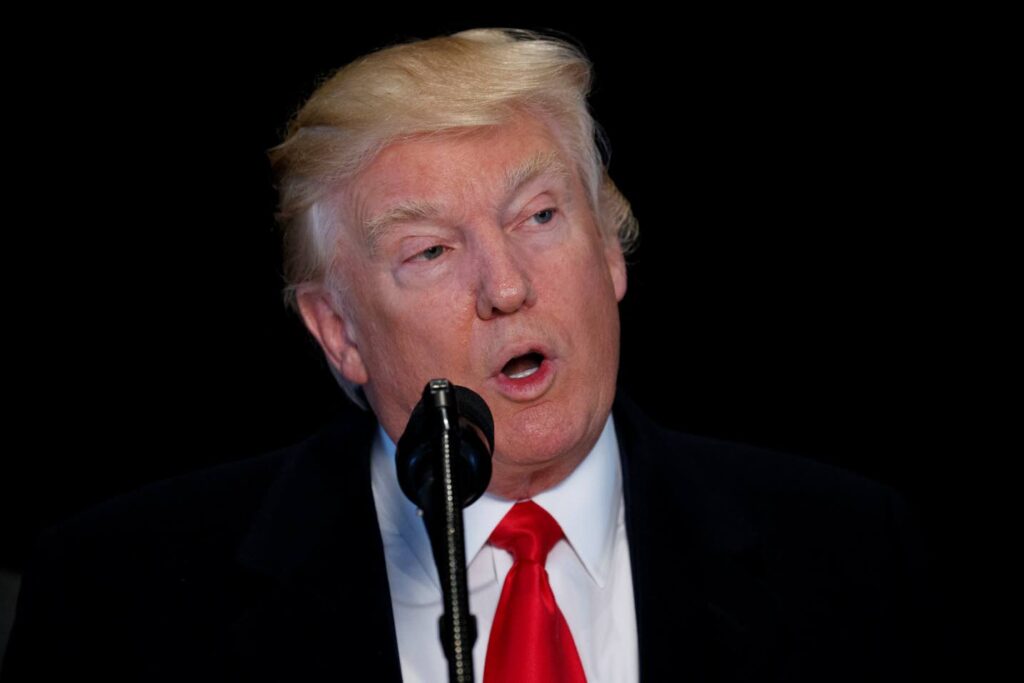
    The emerging partnership framework anticipates Rodríguez collaborating with U.S. representatives to rehabilitate Venezuela’s crippled oil industry. Former President Trump articulated that the primary objectives include restoring damaged petroleum infrastructure and expanding international oil exports to bolster the nation’s economic foundation.

    Meanwhile, daily life for Caracas residents has grown increasingly tense under the intensified security measures. Masked armed individuals are conducting neighborhood patrols, while military checkpoints scrutinize civilian movement. Disturbingly, armed civilian factions are reportedly intercepting citizens to examine mobile devices for situation-related content, with several detainments occurring over shared social media posts.

    The government has simultaneously implemented stringent media controls, prohibiting foreign journalists from entering the country. Multiple reports confirm that local journalists faced temporary detentions earlier this week, underscoring the administration’s tightened grip on information flow during this volatile transitional period.