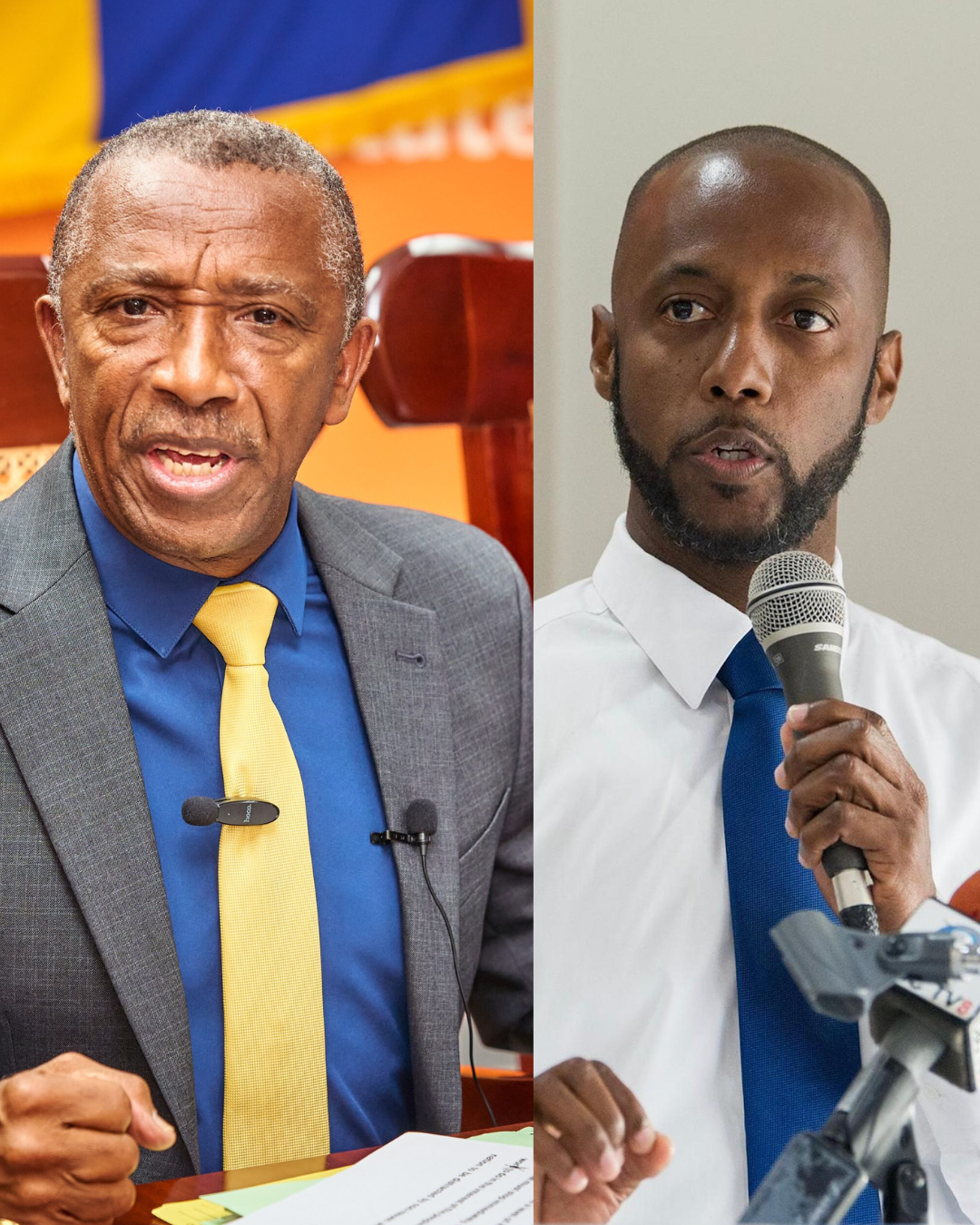
The Democratic Labour Party (DLP) has concluded its internal deliberations, finalizing two candidates for senatorial appointment. The party’s governing council convened in a decisive meeting on Wednesday evening, reaching a consensus on their official recommendations. General Secretary Pedro Shepherd verified the completion of this process, indicating that the formal submission of names to President Jeffrey Bostic is imminent. While Shepherd maintained a discreet stance on the nominees’ identities prior to the official presidential communiqué, he affirmed the procedural milestone. Informed sources within the party’s upper echelons have strongly suggested that the selected individuals are party leader Ralph Thorne and former Opposition senator Ryan Walters. Thorne, a veteran of the previous House of Assembly who recently contested the St John constituency, and Walters, a candidate for St Michael North West in the latest general election, both faced electoral setbacks. The official swearing-in ceremony for all senators is slated for 2 p.m. today at State House, marking a significant step in the formation of the new parliamentary session.
分类: politics
-

Lovell Raises National Accountability Concerns Over $100M Road Programme
Political tensions are escalating in Antigua and Barbuda as Harold Lovell, the United Progressive Party (UPP) candidate for All Saints West, has launched a substantive critique against the government’s management of a $100 million road rehabilitation initiative. During a recent appearance on Observer Radio’s ‘Night at Night’ program, Lovell articulated deep concerns regarding the program’s execution and financial transparency.
Lovell’s scrutiny emerged in response to mounting complaints from constituents about the persistently poor condition of community roads throughout the region. The opposition figure challenged the administration’s claims of massive financial investment, noting a significant disparity between the reported $100 million allocation and the observable deterioration of residential thoroughfares. “We hear that they have a hundred million to spend,” Lovell stated, “yet many residential roads remain in unacceptable condition.”
The politician further accused the government of prioritizing cosmetic improvements on major highways and highly visible corridors while neglecting village and inner-community infrastructure. Lovell emphasized that the core issue extends beyond sporadic repairs to encompass what he characterized as a fundamental absence of comprehensive, long-term infrastructure planning. “There’s no plan,” he asserted, describing the current approach as piecemeal rather than strategically structured.
Adding another dimension to his critique, Lovell raised serious questions about the transparency of contract awarding processes within the rehabilitation program. While acknowledging he lacked specific contractual evidence, Lovell maintained that the perceived irregularities in procurement procedures have generated substantial public skepticism regarding governmental accountability.
The current administration has consistently defended its infrastructure investments, highlighting the necessity of addressing longstanding transportation challenges and modernizing the island’s road network. However, Lovell has reframed the discussion as a matter of national accountability, insisting that substantial public expenditures must be governed by strategic planning and rigorous oversight mechanisms.
These developments occur against a backdrop of intensified political activity preceding an anticipated by-election, with infrastructure management rapidly emerging as a pivotal issue in public discourse.
-

Voormalig Zuid-Koreaans president Yoon veroordeeld tot levenslange gevangenisstraf
In a landmark ruling that has sent shockwaves through South Korea’s political landscape, the Seoul Central District Court has sentenced former President Yoon Suk Yeol to life imprisonment for orchestrating a rebellion during his controversial attempt to impose martial law in December 2024. The court found Yoon guilty of conspiring with then-Defense Minister Kim Yong-hyun to undermine constitutional order by deploying military forces to paralyze parliamentary functions.
Presiding Judge Jee Kui-youn, speaking for the three-judge panel, declared that “dispatching armed troops to the parliament and using equipment to make arrests constitute acts of rebellion.” The court determined that Yoon’s actions on December 3, 2024, resulted in significant societal damage through his emergency declaration, which lasted merely six hours but triggered massive public demonstrations and parliamentary rejection.
Alongside Yoon, seven other defendants received sentences, including Kim who was handed a 30-year prison term. The former president maintained composure during the verdict reading while his legal team immediately announced plans to appeal, with lead attorney Yoon Kab-keun denouncing the judgment as “completely unjust” and lacking evidentiary basis.
The case represents one of the most consequential trials in South Korea’s modern history, exposing deep political divisions that have persisted since Yoon’s ouster. Public reaction remains sharply divided, with hundreds of supporters gathering outside the courthouse demanding his release, while other citizens expressed support for even harsher punishment.
Current President Lee Jae Myung, who assumed office through interim elections following Yoon’s impeachment, praised the South Korean public for peacefully resisting the emergency measures. He suggested the populace deserved Nobel Peace Prize consideration for their democratic resilience.
This conviction adds to Yoon’s existing legal challenges, including his ongoing appeal of a separate five-year prison sentence. Legal experts anticipate the full judicial process may extend for years, though Thursday’s verdict delivers a clear condemnation of actions that severely tested democratic institutions in one of Asia’s most important economies and U.S. allies.
-
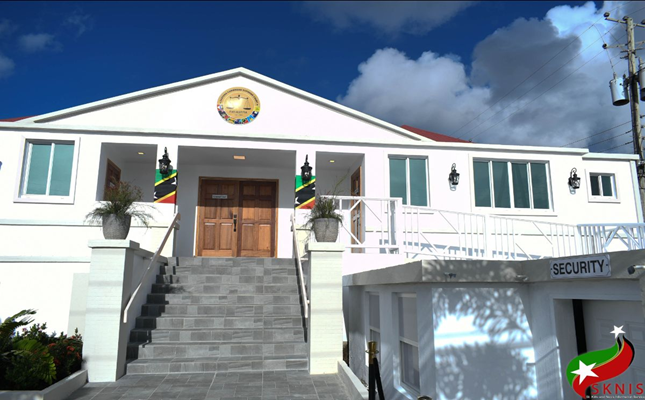
High Court dismisses ECCO’s claim, ECCO ordered to pay Government EC $10,000 in costs
In a decisive legal ruling, the High Court of Saint Kitts and Nevis has comprehensively dismissed the constitutional challenge brought by the Eastern Caribbean Collective Organisation for Music Rights (ECCO) Inc. against the nation’s newly established copyright regulatory framework. The court delivered its final judgment on Thursday, February 19, 2026, ordering ECCO to pay the government EC$10,000 in legal costs.
The legal dispute centered on the Copyright Act No. 14 of 2024 and its accompanying Copyright (Collective Management Organisations) Regulations, 2024, which establish a comprehensive system for authorizing and overseeing collective management organizations operating within the federation. The government implemented this regulatory regime to enhance transparency, accountability, and protection for both promoters and creative professionals.
ECCO’s legal action sought multiple forms of relief, including a declaration that section 4(6) of the Regulations exceeded the authority granted by the parent Copyright Act. The organization additionally argued that the absence of transitional provisions in section 4 violated their legitimate expectations and requested an order of certiorari to invalidate the contested regulatory section.
The court rejected all aspects of ECCO’s claim, affirming that the Regulations were properly enacted within the scope of authority granted by the Copyright Act. This ruling represents a significant validation of the government’s approach to regulating copyright collective management organizations.
Legal representation for the government was provided by Solicitor General Simone Bullen-Thompson, while ECCO was represented by attorney Dane Victor Elliott-Hamilton. The judgment follows a previous interim ruling from June 2025, where ECCO similarly lost its bid for an interim injunction against the regulations.
-

ABLP Hosts St. Philip’s North Town Hall Tonight
The Antigua and Barbuda Labour Party (ABLP) is set to host a pivotal town hall meeting for residents of the St. Philip’s North constituency this evening. This event forms a key component of the party’s broader public engagement strategy, designed to foster direct dialogue between constituents and their political representatives. The forum will provide a platform for the community to voice concerns, pose questions, and discuss pressing local and national issues directly with party officials. Such gatherings are instrumental in the democratic process, allowing for the exchange of ideas and ensuring that the electorate’s priorities are heard and understood. The town hall is expected to cover a wide array of topics, potentially including infrastructure, social programs, economic development, and other policy matters relevant to the constituency. The outcome of this direct engagement is likely to inform the party’s approach and agenda in the region leading up to the next electoral cycle.
-
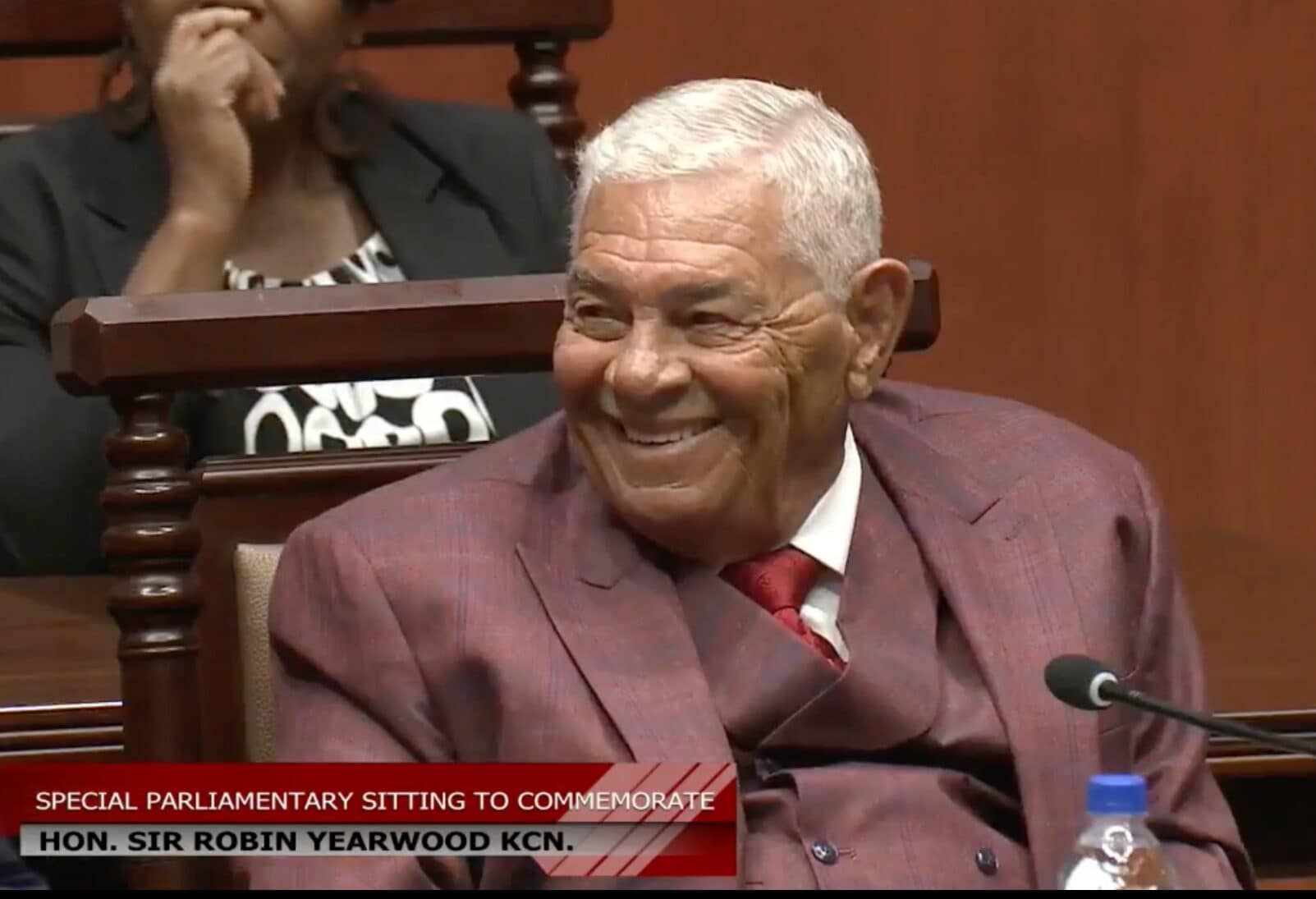
Bipartisan Tribute Marks 50 Years of Parliamentary Service by Sir Robin Yearwood
In an unprecedented display of cross-party unity, the Parliament of Antigua and Barbuda convened a special session on Wednesday to commemorate the golden jubilee of Sir Robin Yearwood’s parliamentary service—a landmark achievement in Caribbean political history. The ceremony, presided over by Governor General Sir Rodney Williams and Prime Minister Gaston Browne, transcended political divisions to honor a career spanning five decades of uninterrupted democratic service.
Governor General Williams, drawing from his own parliamentary experience, articulated the extraordinary significance of fifty consecutive years in elected office. “This milestone represents more than longevity; it embodies generations of consistent public trust,” he remarked, highlighting the exceptional discipline and resilience required to maintain such service. Williams emphasized Yearwood’s role as a living repository of institutional knowledge, having guided the nation through pivotal moments from pre-Independence governance to modern statehood.
Prime Minister Browne delivered a comprehensive tribute, characterizing Yearwood as a foundational pillar of the nation’s political architecture. “Eleven consecutive electoral victories since 1976 testify not merely to political skill, but to profound integrity and unwavering dedication,” Browne stated. He detailed Yearwood’s extensive ministerial portfolio—spanning agriculture, aviation, public utilities, and finance—and his service as both Deputy Prime Minister and Leader of the Opposition, illustrating a career dedicated to multifaceted national development.
The Prime Minister particularly highlighted Yearwood’s distinctive approach to constituency representation. For half a century, his Willikies residence functioned as an informal community center, symbolizing his philosophy of accessible, personal governance. This deep connection with constituents in St. Philip’s established him as both political representative and community patriarch.
The parliamentary tributes culminated in Yearwood’s announcement of his retirement, closing what Browne described as “a remarkable chapter in our nation’s political narrative.” The Prime Minister extended gratitude to Yearwood’s family for their five decades of sacrifice, noting that his retirement “crowns rather than diminishes” an extraordinary legacy.
This celebration transcends mere political ceremony, serving as a national recognition of how democratic institutions are strengthened through sustained service, principled leadership, and unwavering commitment to public good.
-
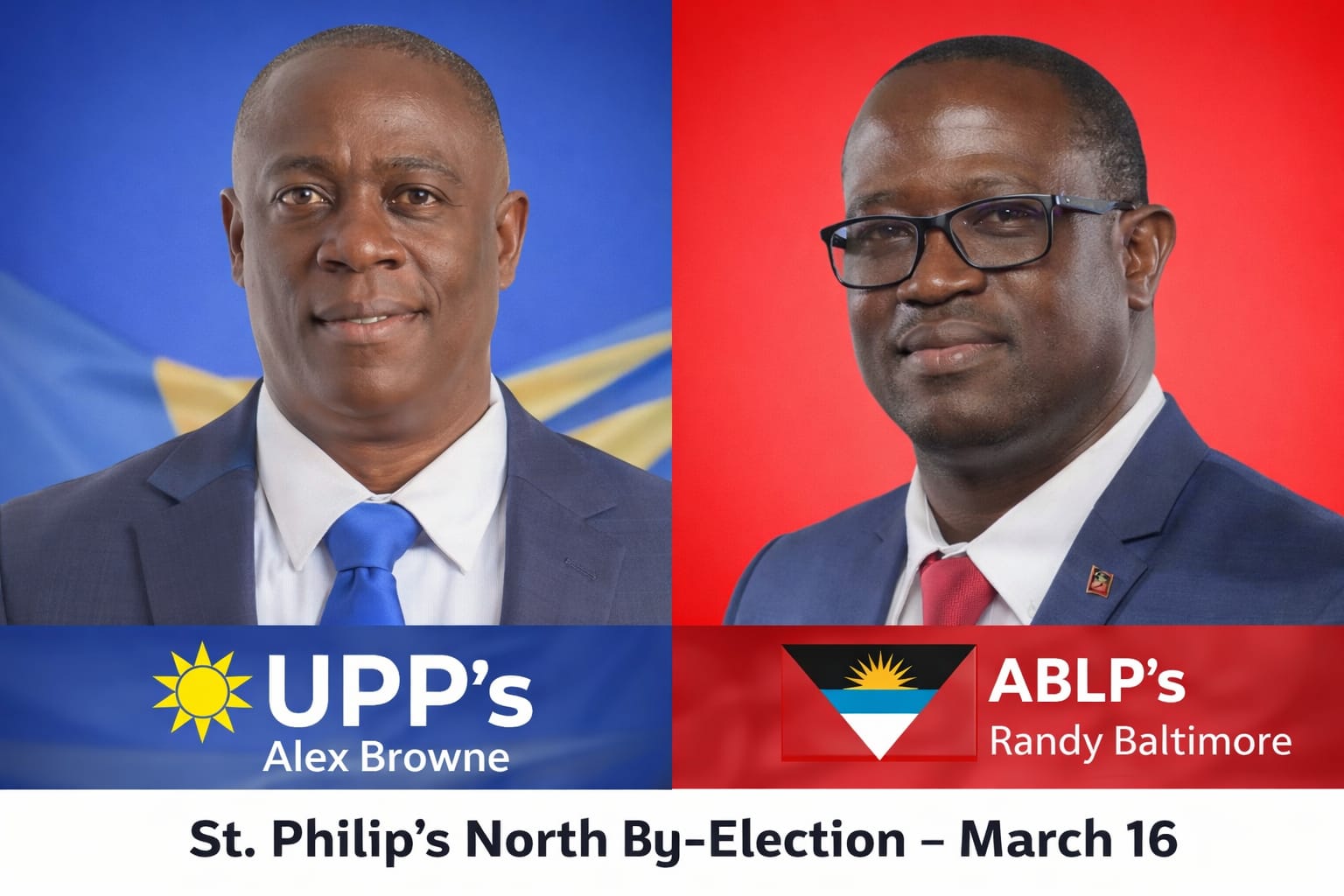
March 16 By-Election Set for St. Philip’s North
The political landscape of Antigua and Barbuda faces a significant transition as St. Philip’s North prepares for a pivotal by-election on March 16. This electoral contest follows the unexpected resignation of Sir Robin Yearwood, who concluded his remarkable 50-year parliamentary career with immediate effect this Wednesday.
The electoral battle will feature Randy Baltimore representing the Antigua and Barbuda Labour Party opposing Alex Browne of the United Progressive Party. Political analysts anticipate this contest will attract considerable attention as both parties vie for control of this historically significant constituency.
Sir Robin’s departure coincided with a special parliamentary session convened specifically to honor his unprecedented five decades of continuous service. During this ceremonial sitting, legislators acknowledged his extraordinary contribution to national politics.
In his resignation correspondence presented before the House, the veteran statesman reflected upon what he characterized as ‘precisely 50 years’ of legislative service. His political journey commenced on February 18, 1976, with constituents subsequently reelecting him to represent St. Philip’s North on eleven consecutive occasions, establishing one of the Caribbean’s most enduring parliamentary tenures.
This by-election represents more than a routine political event—it marks the conclusion of an era and the beginning of a new political chapter for the constituency. The outcome will significantly influence the balance of power within the Antiguan parliamentary system and potentially reshape local political dynamics.
-
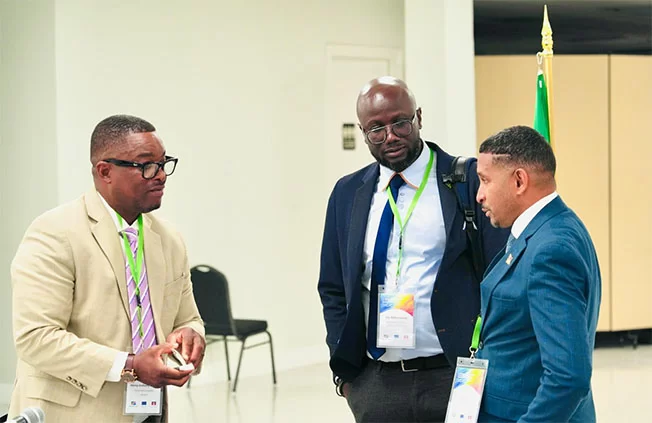
Suriname eist klimaatrechtvaardigheid: Wij koelen de aarde, maar warmen op door onrecht
Suriname has emerged as a vocal advocate for climate justice and fair compensation mechanisms during the recent Parliamentary Assembly of the Organization of African, Caribbean, and Pacific States (OACPS) in Antigua. Leading the delegation, Parliamentarian Ebu Jones presented a compelling case for nations that contribute significantly to global carbon storage while facing disproportionate climate impacts.
Jones emphasized Suriname’s unique environmental status as one of the world’s few carbon-negative countries, with over 93% of its territory covered by tropical rainforests that serve as among the planet’s most efficient natural carbon sinks. “We are not part of the climate problem but rather the solution,” Jones declared, highlighting the paradox of a nation that “cools the Earth while warming under the pressure of climate injustice.”
The parliamentarian drew attention to Suriname’s vulnerability as a low-lying coastal nation where most of the population resides, facing increasing risks from sea-level rise and extreme weather events. He identified what he termed “structural climate injustice” – where Suriname provides essential global ecological services without receiving adequate compensation.
Jones called for the establishment of robust and transparent carbon credit markets, arguing that standing forests should be recognized not as “empty lands” but as measurable and valuable global assets. “If the world benefits from our forests, the world must invest in their preservation,” he asserted, demanding that climate finance evolve from symbolic commitments to structural redistribution.
Beyond financial mechanisms, Suriname requested concrete implementation of technological cooperation in renewable energy, water management, and disaster resilience. Jones emphasized that “a just energy transition is impossible without technological justice.”
Domestically, Suriname is undertaking significant institutional reforms to embed sustainability principles. These include modernizing anti-deforestation legislation, enhancing nature conservation efforts, and developing a transparent national carbon credit framework. Notably, the country has merged energy development and environmental management under a single ministry portfolio – the Ministry of Oil, Gas, and Environment – ensuring that resource exploitation and ecological responsibility are guided by a unified national compass.
The Surinamese delegation, which included Assembly members Ronny Asabina (BEP) and Dewanchandrebhose Sharman (VHP), demonstrated the importance of active parliamentary diplomacy and strengthening the Caribbean voice within the broader OACPS-EU partnership. Jones called for regional unity, stating that “coastal erosion respects no borders, hurricanes recognize no sovereignty. Climate risk is shared, therefore our strategy must be shared.”
In his concluding remarks, Jones challenged the OACPS assembly to move beyond declarations and “dare to demand a climate finance architecture rooted in justice. Dare to reward protection rather than destruction. Carbon-negative countries are not peripheral players – we are pillars of planetary stability.”
-
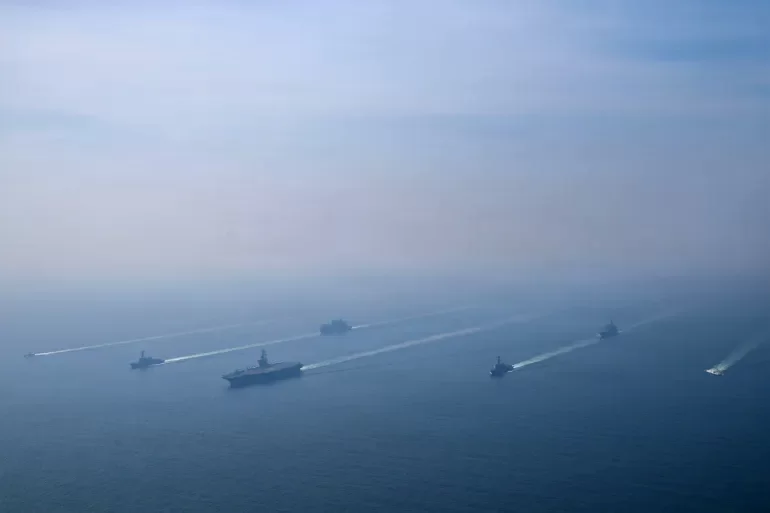
VS waarschuwt Iran: ‘Doe verstandig, sluit akkoord’
Amid escalating military deployments and fragile diplomatic negotiations, the United States has intensified pressure on Iran to reach a comprehensive agreement while simultaneously bolstering its military presence in the Middle East. White House spokeswoman Karoline Leavitt declared it would be “highly prudent” for Iran to accept a deal with the Trump administration, following the second round of indirect nuclear talks held in Geneva.
The Pentagon has significantly enhanced its regional capabilities, deploying two aircraft carriers, multiple destroyers, and advanced fighter aircraft including F-22 Raptors and F-15s. This military reinforcement has raised concerns about potential conflict escalation, particularly as Iranian Revolutionary Guards conducted demonstration exercises in the strategic Strait of Hormuz.
Geneva negotiations proceeded with considerable difficulties. While Iranian officials referenced progress on “guiding principles,” US Vice President JD Vance maintained that Tehran had not yet met all of Washington’s “red lines.” Chief negotiator Vladimir Medinsky characterized the discussions as “challenging yet businesslike.”
President Donald Trump has repeatedly threatened military action against Iran, referencing Tehran’s harsh crackdown on protests last month. In a notable expansion of rhetoric, Trump also cautioned British Prime Minister Keir Starmer regarding any agreement on the Chagos Islands, emphasizing the strategic importance of the US Air Force base at Diego Garcia for potential operations against Iran.
Iranian President Masoud Pezeshkian asserted Wednesday that his nation “seeks no war” but would not submit to what he termed “humiliating” American demands. Supreme Leader Ayatollah Ali Khamenei previously warned that new US attacks would trigger broader regional escalation.
The core dispute remains Iran’s nuclear program, which Tehran maintains is strictly civilian and subject to concessions in exchange for sanctions relief. The US continues to demand restrictions on Iran’s ballistic missile program—a condition Iran finds unacceptable.
Negotiations were led by US envoy Steve Witkoff and Jared Kushner, Trump’s son-in-law, with continued United Nations involvement. Iranian diplomat Abbas Araghchi met with Rafael Grossi, head of the UN nuclear watchdog, to discuss frameworks for future dialogue.
Since Trump’s 2018 withdrawal from the JCPOA nuclear agreement and implementation of maximum pressure sanctions, attempts to forge new agreements have repeatedly stalled. The current military buildup and diplomatic stalemate have created heightened uncertainty about peaceful resolution prospects.
-
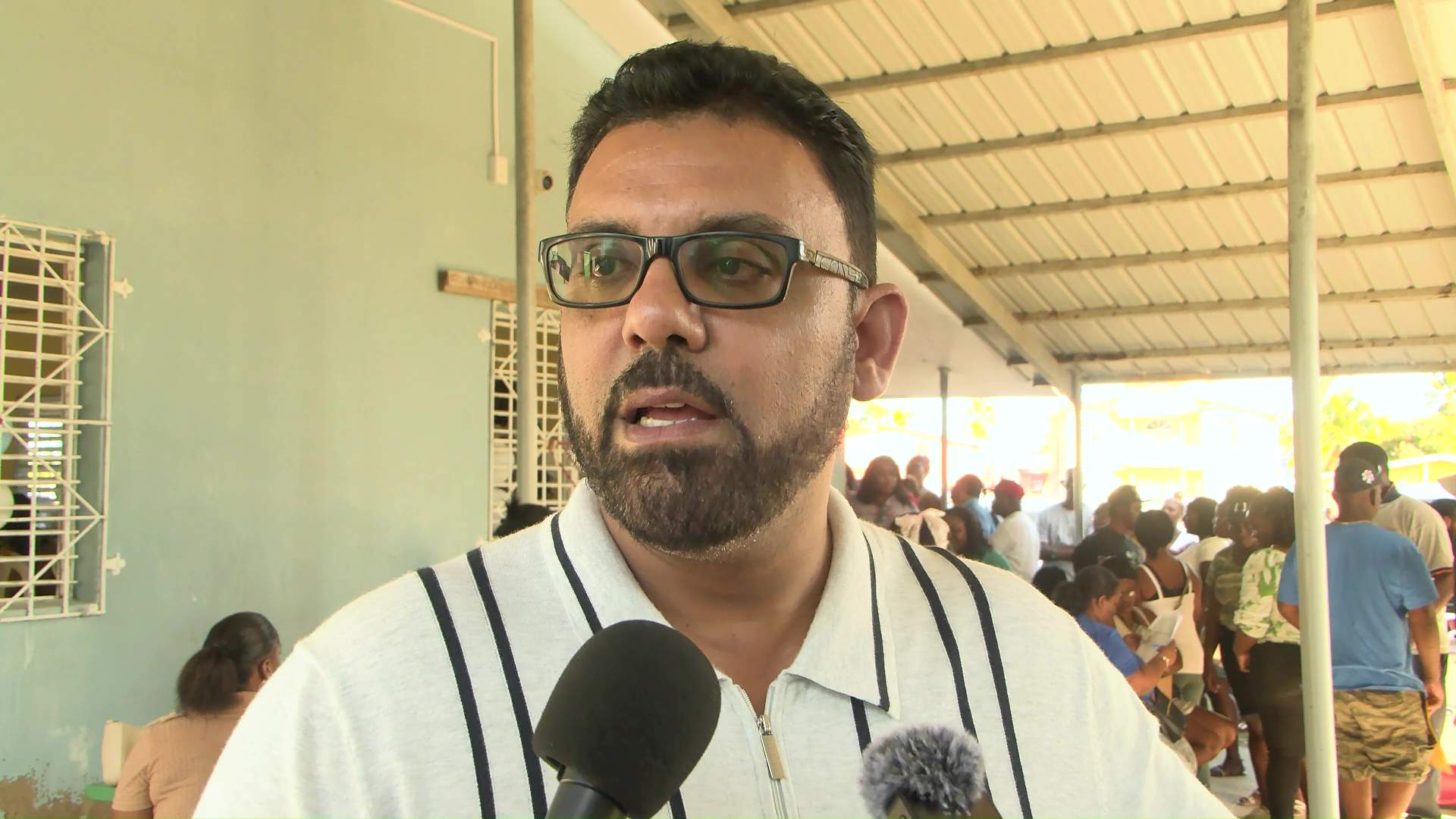
Anthony Mahler Thinking About The End?
BELIZE CITY – Anthony Mahler, the incumbent Minister of Tourism, Youth, and Sports for Belize, has publicly dismissed speculation regarding his potential bid for national leadership. The political chatter was ignited following his appearance at a constituency event in Port Loyola, a district outside his own Pickstock representative area, where he participated in Gilroy Usher Senior’s aid distribution ceremony this afternoon.
When directly questioned by reporters on whether his presence signaled higher political ambitions, Mahler offered a definitive denial. He reaffirmed his allegiance to current People’s United Party (PUP) leader John Briceño, humorously suggesting that he is nearer to retirement than to seeking the party’s top position. “To answer your question, no sir,” Mahler stated. “John Briceño is the leader of the People’s United Party and whenever that decision is made, when he decides to retire maybe I retire with him. And who knows?”
The minister elaborated on the immense pressures confronting contemporary politicians, describing the role as increasingly demanding. He revealed that prior to the event, his office had been visited by approximately seventy-five individuals seeking assistance. Mahler attributed part of this intensified pressure to the rise of social media, which he claims has created heightened public expectations and amplified the difficulty of securing resources to meet constituent needs.
When a reporter noted his relatively young age, Mahler countered by emphasizing the profound toll of political life. He referenced a conversation with an associate of former Prime Minister Said Musa, who equated one year in today’s political climate to three years in previous administrations. By this metric, Mahler calculated that completing the current term would feel like serving thirty years, underscoring his point about the exhausting nature of modern governance.
The speculation surrounding Mahler had been further fueled by apparent endorsements from Moses “Shyne” Barrow, the former Leader of the Opposition, who has publicly praised the minister on multiple international platforms. Despite this external support, Mahler’s comments suggest a firm commitment to his current portfolio and a reflective assessment of the personal costs associated with political leadership.