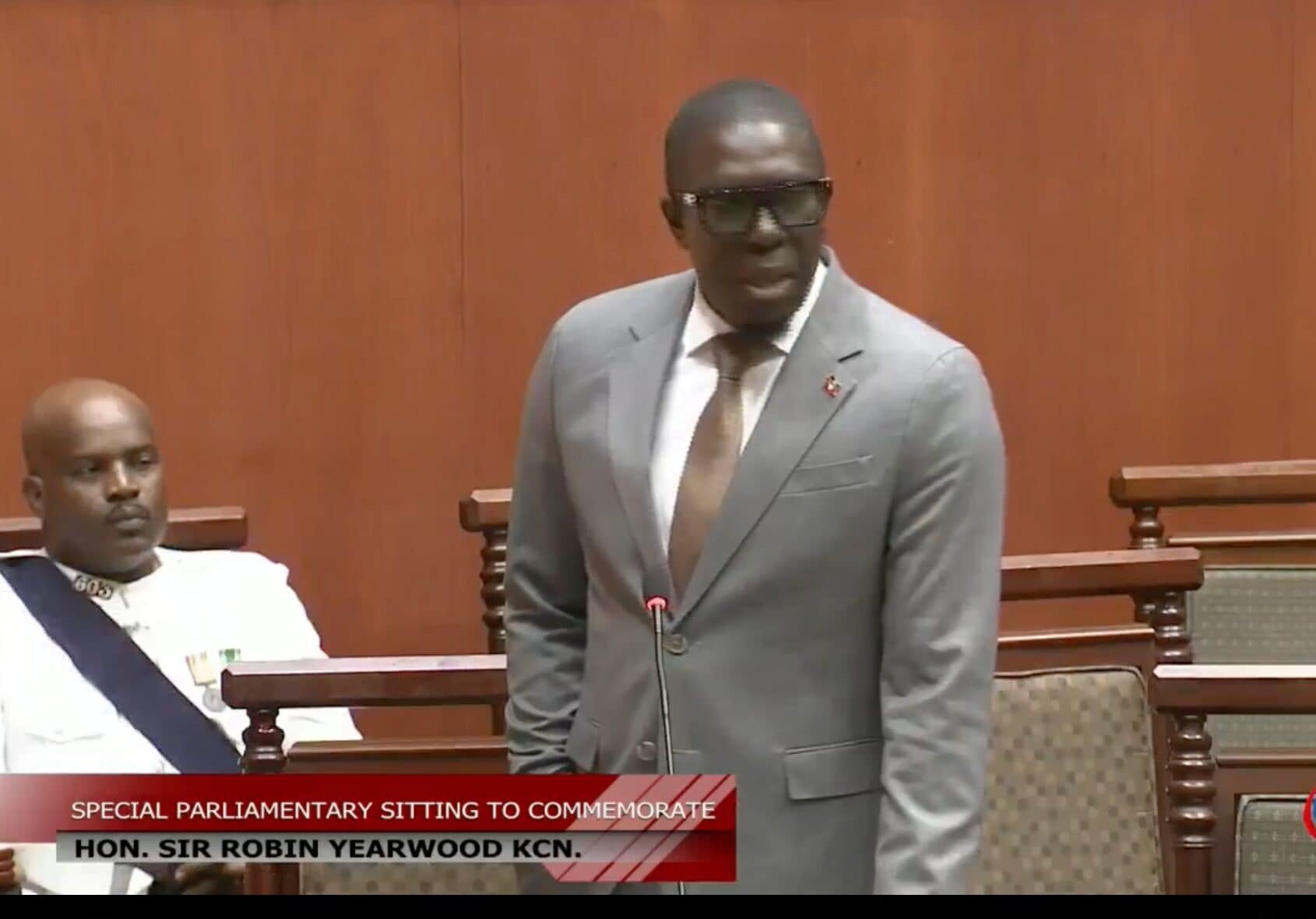
In a compelling lecture delivered in Roseau, Dominica, St. Vincent and the Grenadines Prime Minister Ralph Gonsalves lauded Dominica’s remarkable economic recovery amidst decades of adversity. Speaking on Thursday night to honor the 25th anniversary of former Prime Minister Roosevelt Douglas’s passing, Gonsalves emphasized the significance of the island’s resilience in the face of numerous challenges.
分类: politics
-

Grenada proposes establishing tri-lateral oil and gas commission with Venezuela and SVG
Grenada has taken a significant step toward resolving long-standing maritime boundary disputes with Venezuela and St Vincent and the Grenadines by proposing the establishment of a trilateral joint commission. The initiative, spearheaded by Prime Minister Dickon Mitchell, aims to clarify and demarcate the maritime borders between the three nations. Nazim Burke, Chairman of Grenada’s Oil and Gas Technical Working Group, revealed the details during a town hall meeting at the Trade Centre on October 9. Burke emphasized the importance of defining these boundaries, stating, ‘You cannot lease out maritime space without knowing where your boundaries are.’ The proposed commission will consist of 10 members, with three representatives from each country and an independent chairman to oversee the process. This move follows Grenada’s successful resolution of maritime boundaries with Trinidad and Tobago in 2012. Over the past six months, the Technical Working Group has engaged in extensive discussions with stakeholders, including Trinidad and Tobago and companies possessing spatial vector data on Grenada’s oil and gas resources. The initiative underscores Grenada’s commitment to regional cooperation and resource management.
-

All must account for public funds
As Trinidad and Tobago prepares for the 2025/26 budget presentation on October 13, the Joint Consultative Council (JCC) has issued an open letter to Finance Minister Davendranath Tancoo, emphasizing the critical need for accountability and transparency in public procurement. The JCC highlighted the Public Procurement and Disposal of Public Property Act, enacted in 2015 under former Prime Minister Kamla Persad-Bissessar, as a transformative tool for ensuring responsible use of public funds. However, since its implementation in April 2023, the Office of Procurement Regulation (OPR) has reported uneven compliance across public sector agencies. Notably, the Ministry of National Security, which received nearly $7 billion in the last fiscal year, remains among the top non-compliant entities. The JCC stressed that such lapses risk eroding public trust and undermining the safeguards the Act was designed to establish. The Tobago House of Assembly (THA) has also been flagged for serious non-compliance. With budget discussions underway, the JCC urged the government to demonstrate decisive leadership by ensuring all public bodies adhere to the Procurement Act, thereby restoring confidence in the management of national finances.
-

Dragon gas zombie
The United States has imposed a stringent six-month deadline for Trinidad and Tobago to renegotiate the Dragon gas deal with Venezuela, as per the October 8 OFAC license issued by the Donald Trump administration. This contrasts sharply with the two-year waiver granted under President Joe Biden in 2023 and the two-and-a-half-year extension sought by former Prime Minister Dr. Keith Rowley. The deal, described by some as “resurrected” and by others as “undead,” has become a political battleground, with the US aiming to exert pressure on the Nicolás Maduro regime while influencing Trinidad and Tobago’s foreign policy alignment.
For the ruling United National Congress (UNC), the situation offers a chance to validate recent diplomatic efforts and undermine the People’s National Movement (PNM)’s claims of energy policy success. Dr. Rowley’s resignation earlier this year and his endorsement of Stuart Young were driven by his desire to secure the Dragon deal. However, the UNC’s adept maneuvering has shifted the US stance, potentially eroding what could have been a cornerstone of Dr. Rowley’s legacy.
Dr. Rowley recently described the OFAC situation as “fluid,” expressing concern over the Prime Minister’s declaration that the deal was dead. Meanwhile, Mr. Young’s hasty press conference in April, following a meeting with US Secretary of State Marco Rubio and a critical tweet from Mr. Trump, further complicated matters. The UNC and PNM both face criticism for their lack of transparency, with Mr. Young’s reference to a “30-year license” misleadingly referring only to Venezuelan authorization.
Despite its significance, the Dragon deal’s political impact may be overestimated. Repeated appeals to citizens for credit on abstract future economic benefits, which may never materialize, offer limited political traction.
-

Trump issues order to pay military as shutdown drags on
In a significant move amid the ongoing government shutdown, President Donald Trump announced on Saturday that he has directed the Pentagon to ensure military personnel receive their paychecks next week. The shutdown, now in its second week, has left many civil servants working without salaries. Trump took to his Truth Social platform to declare that he instructed Defense Secretary Pete Hegseth to utilize all available funds to ensure troops are paid by October 15th. He also reiterated his criticism of Democrats, accusing them of jeopardizing national security by prolonging the shutdown. The impasse stems from Senate Democrats repeatedly blocking a Republican resolution to reopen federal agencies after the September 30 funding deadline. A key point of contention is the Republicans’ refusal to include provisions addressing expiring health insurance subsidies for 24 million Americans. Consequently, hundreds of thousands of government workers have been furloughed or forced to work without pay. Notably, 1.3 million active-duty military personnel were at risk of missing their scheduled pay on October 15th—a situation unprecedented in modern history. Meanwhile, the White House announced plans to lay off approximately 4,000 federal workers across various agencies, intensifying pressure on Democrats to resolve the shutdown, which has severely disrupted public services.
-

PM, Moonilal hail six month licence
In a significant diplomatic and economic breakthrough, Trinidad and Tobago has secured a six-month Office of Foreign Assets Control (OFAC) license to resume negotiations with Venezuela on the Dragon gas project. Prime Minister Kamla Persad-Bissessar and Energy Minister Dr. Roodal Moonilal have both hailed this development as a testament to the government’s dedication and diplomatic efforts. Persad-Bissessar emphasized that the license, granted following her productive discussions with US Secretary of State Marco Rubio, marks a fresh start for the project, which had been stalled for years. She highlighted the mutual benefits for Trinidad and Tobago, the US, and Venezuela, describing the agreement as a win for regional partnership, energy security, and economic growth. Moonilal, in a separate statement, pointed out that the previous OFAC license had been revoked under the former administration, costing taxpayers over $120 million. He refuted claims by former Prime Minister Dr. Keith Rowley that the figure was $100 million. The renewed negotiations, facilitated by the OFAC license, aim to ensure that the project advances without breaching US sanctions, with specific terms in place to benefit all parties involved, including US companies and the people of Venezuela.
-

Young: Moonilal has not seen OFAC licence
Opposition Member of Parliament (MP) Stuart Young has publicly criticized Energy Minister Dr. Roodal Moonilal for his apparent lack of understanding regarding the Dragon gas project negotiations with Venezuela. Young revealed that Moonilal confirmed his unfamiliarity with the details of a six-month provisional licence issued by the US Treasury’s Office of Foreign Assets Control (OFAC) during a statement on October 10. This licence is crucial for initiating discussions with Venezuela on the project. Young further emphasized that Moonilal’s ignorance was evident in his comments about ministry documentation being in Spanish, as well as his unawareness of the previous OFAC licences issued last December under the People’s National Movement (PNM) administration. Young clarified that OFAC licences are issued in English and that the National Gas Company (NGC) and its legal team had access to translated documents. He accused Moonilal of incompetence, stating that the minister’s lack of knowledge highlights the government’s inability to manage complex energy negotiations. Young also defended former Prime Minister Dr. Keith Rowley, who Moonilal had criticized earlier, by clarifying that Rowley’s statements were not based on official Energy Ministry documents. Additionally, Young pointed out that the recent transfer of former ministry permanent secretary Pennelope Bradshaw-Niles has left Moonilal without access to critical institutional knowledge. Young concluded that Moonilal’s exclusion from key energy negotiations is a direct result of his incompetence.
-

Government will pay if US attacks
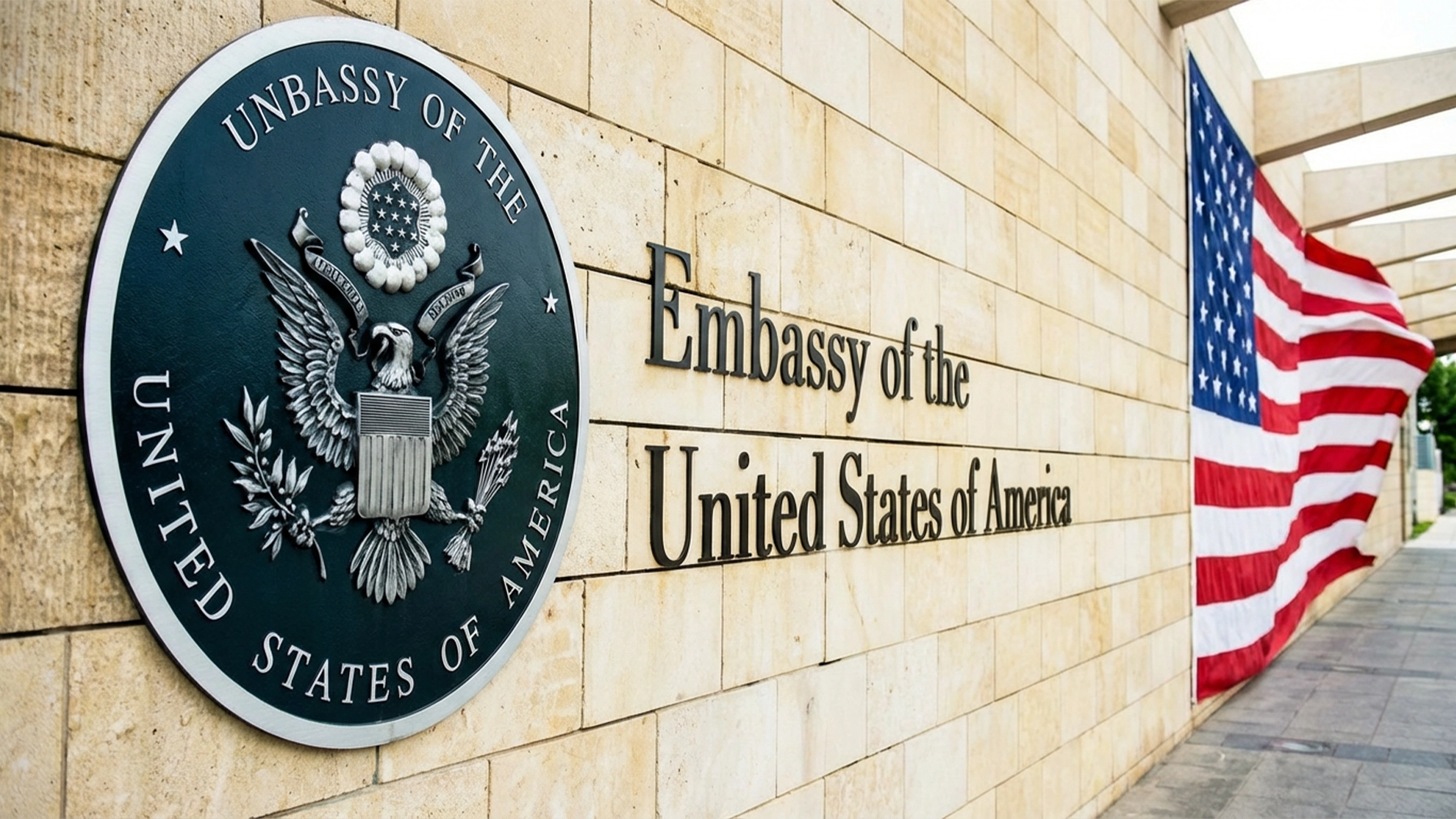
The USS Sampson, a US Navy warship, recently docked in Panama City on August 30, raising eyebrows amid escalating tensions in the Caribbean. Critics argue that the US military’s presence in the region, ostensibly aimed at combating drug trafficking, is a thinly veiled pretext for more aggressive objectives. Many believe the true intent is to enforce the Monroe Doctrine and orchestrate regime change in Venezuela, with the tacit approval of the Trinidad and Tobago (TT) and Guyana governments. This move has been met with widespread skepticism, as regional observers warn of the catastrophic consequences of a potential US-Venezuela conflict. Should hostilities erupt, the Caribbean, along with much of South and Central America, is expected to condemn the US for provoking such a crisis. Critics also caution that the TT and Guyana governments, by aligning themselves with the US, risk becoming complicit in a conflict that could destabilize the region. Furthermore, they argue that the US’s hegemonic influence, often referred to as Pax Americana, is waning, and any military intervention in Venezuela could backfire spectacularly. The misguided support from TT and Guyana, driven by short-sighted policies, may ultimately lead to severe repercussions for their nations. The situation underscores the fragile geopolitical dynamics in the region and the potential for unintended consequences.
-

TT Transparency hits ACIB realignment: Public trust undermined
The Trinidad and Tobago Transparency Institute (TTTI) has voiced strong objections to the recent decision to re-align the Anti-Corruption Investigations Bureau (ACIB) under the Office of the Attorney General. The move, which was announced through a subsequent erratum after being omitted from the initial gazette notice, has sparked concerns over potential political interference and the erosion of public trust in anti-corruption efforts. The ACIB, tasked with investigating corruption-related offenses such as bribery and misconduct in public office, has faced instability and resource shortages in recent years. TTTI highlighted that the bureau’s repeated shifts in oversight—from the Attorney General’s office to the Commissioner of Police and back—have compromised its operational effectiveness and independence. The institute argued that placing the ACIB under the Attorney General creates a conflict of interest, as the government would oversee investigations into its own members. Similarly, placing it under the Commissioner of Police raises concerns about bias, given that police officers are also subject to corruption allegations. TTTI described the re-alignment as a ‘regressive step’ and urged the government to adopt recommendations from a 2015 parliamentary committee report, which proposed establishing the ACIB as a fully independent entity. The institute emphasized the need for specialized resources, such as forensic accountants and cybercrime experts, and called for protected, non-political funding to ensure the bureau’s autonomy and impartiality.