分类: politics

  • US detains sanctioned tanker in Caribbean Sea

    US detains sanctioned tanker in Caribbean Sea

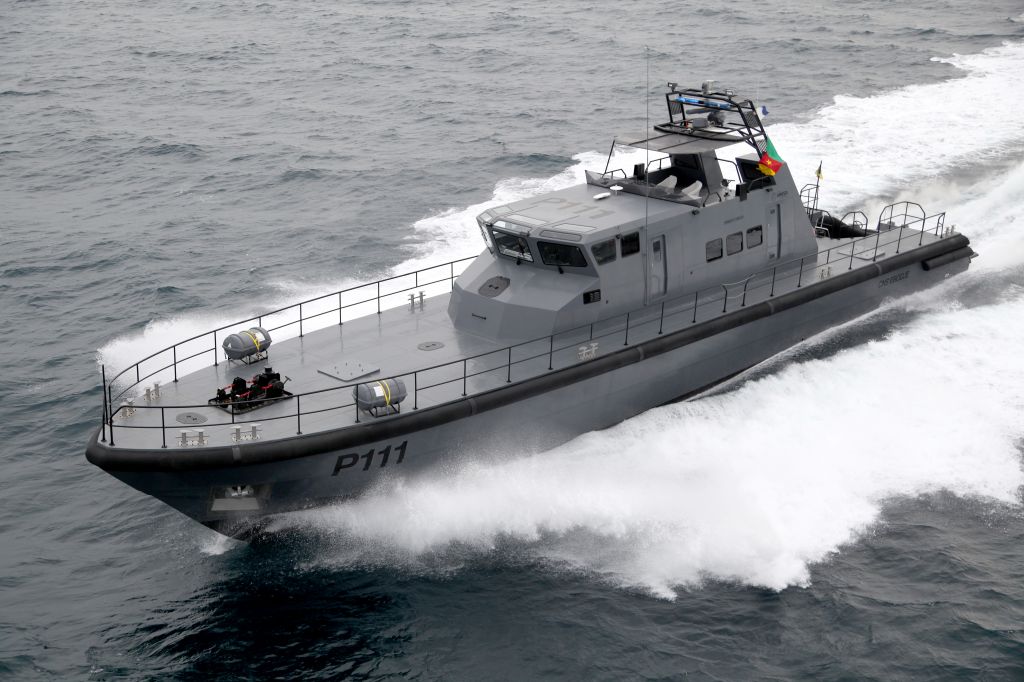
    In a coordinated pre-dawn maritime operation, United States authorities have successfully interdicted the sanctioned oil tanker M/T Sophia in the Caribbean Sea. The Wednesday morning seizure was executed without incident while the vessel navigated international waters, according to an official statement from the US Department of War.

    The operation, conducted in partnership with the Department of Homeland Security, targeted what officials describe as a ‘dark fleet’ vessel—a classification referring to ships allegedly operating outside international regulatory frameworks. Such vessels typically feature obscured ownership structures or utilize disabled tracking systems to evade detection.

    US Coast Guard personnel are currently escorting the apprehended tanker to American territory where it will undergo ‘final disposition’ procedures. Authorities have withheld specific details regarding the ship’s cargo composition or crew composition pending further investigation.

    This interdiction represents a tactical component of Operation Southern Spear, an ongoing US initiative designed to combat illicit maritime activities throughout the Western Hemisphere. The Department of War emphasized that the successful operation demonstrates Washington’s continued commitment to enhancing regional security measures and safeguarding US territorial integrity.

    No immediate response has been forthcoming from the vessel’s operators, and the specific nature of the sanctions allegedly violated by M/T Sophia remains undisclosed by investigating authorities.

  • U.S. plans takeover of Venezuelan tanker

    U.S. plans takeover of Venezuelan tanker

    The United States has initiated a high-stakes maritime operation to intercept and seize the oil tanker Marinera, currently navigating the Atlantic Ocean under pursuit by American forces. Official sources confirm the vessel is suspected of having direct ties to Venezuela’s government, prompting this aggressive enforcement action.

    This operation represents the culmination of a sustained campaign against the sanctioned vessel, which has been under U.S. Treasury Department restrictions. The pursuit, ongoing since last month, forms part of a comprehensive strategy concerning the potential detention of Venezuelan President Nicolas Maduro, though officials remain guarded about specific operational details.

    The geopolitical dimensions of the situation intensified significantly with revelations that Russia has deployed substantial naval assets to accompany the tanker. Multiple warships, including at least one submarine, have been tracking alongside the Marinera, creating a complex international standoff in international waters.

    Maritime security experts indicate this confrontation represents one of the most significant overt naval confrontations between nuclear powers in recent Atlantic history. The operation underscores the escalating tensions between global powers using Venezuela as a proxy arena, with energy resources serving as the immediate point of contention.

    The U.S. Navy’s involvement demonstrates Washington’s commitment to enforcing sanctions despite military countermeasures from rival nations. This development occurs amid deteriorating relations between the United States and both Venezuela and Russia, with energy transportation emerging as a new frontline in geopolitical conflicts.

  • US begins operation to seize Venezuela-linked oil tanker

    US begins operation to seize Venezuela-linked oil tanker

    The United States has initiated a high-stakes maritime operation to intercept and seize a Venezuelan-linked oil tanker currently traversing the Atlantic Ocean, according to sources familiar with the mission. The vessel, previously identified as the Bella 1, faces US sanctions imposed in 2024 for its involvement in a clandestine network of tankers allegedly transporting illicit petroleum products.

    This development follows a previous unsuccessful interception attempt last month near Venezuelan territorial waters. During that operation, US Coast Guard personnel were prevented from boarding the vessel when it executed an abrupt maneuver and fled the area. The current Atlantic operation represents an escalation in enforcement efforts against what authorities describe as Venezuela’s ‘shadow fleet’ of sanction-evading tankers.

    Multiple US government entities including the Coast Guard and military forces are participating in the ongoing mission, though operational details remain classified. The interagency collaboration underscores the strategic importance Washington places on disrupting Venezuela’s ability to circumvent international sanctions through maritime networks.

    This operation occurs amid heightened tensions between the US and Venezuelan governments regarding energy exports and compliance with international sanctions regimes. Maritime security experts note that intercepting vessels on the high seas presents significant legal and operational challenges that require meticulous planning and execution.

    The developing situation highlights the broader geopolitical struggle over Venezuela’s oil resources and the effectiveness of US-led sanctions intended to pressure the Maduro government. Success or failure of this operation could have implications for future enforcement actions against other vessels operating in similar capacity.

  • Guyana, US in talks about accepting nationals from third countries

    Guyana, US in talks about accepting nationals from third countries

    Guyana is currently engaged in substantive negotiations with the United States regarding the potential acceptance of third-country nationals from US territory, Foreign Secretary Robert Persaud confirmed on Monday. The discussions form part of a broader US initiative seeking cooperation from Caribbean nations to alleviate migration pressures.

    Persaud characterized the talks as ‘productive,’ emphasizing that any potential framework would align with Guyana’s national priorities while supporting US objectives. This development follows similar agreements recently confirmed by two Eastern Caribbean nations—Antigua and Barbuda and Dominica—both of which have committed to accepting limited numbers of screened individuals.

    The US State Department reportedly extended this proposal to numerous friendly nations worldwide in early 2025, seeking partners to share the burden of processing migrants who cannot be returned to their countries of origin. Dominica’s Prime Minister Roosevelt Skerrit confirmed his government’s agreement with the US, noting that stringent security safeguards had been incorporated to prevent accepting individuals who might compromise national security.

    Antigua and Barbuda Prime Minister Gaston Browne indicated his nation would accept a maximum of ten non-criminal refugees possessing skills in local demand. The arrangement maintains full discretionary power for the Caribbean nations to accept or reject any recommended individuals. The US has committed to providing comprehensive biometric data and criminal background information for all potential transferees.

    Several Caribbean Community (CARICOM) member states have reportedly signed similar agreements, reflecting a coordinated regional approach to the US initiative. The negotiations represent a significant development in US-Caribbean diplomatic relations and international migration management.

  • Grenada PM: US invasion of Venezuela pushes the region “into more instability”

    Grenada PM: US invasion of Venezuela pushes the region “into more instability”

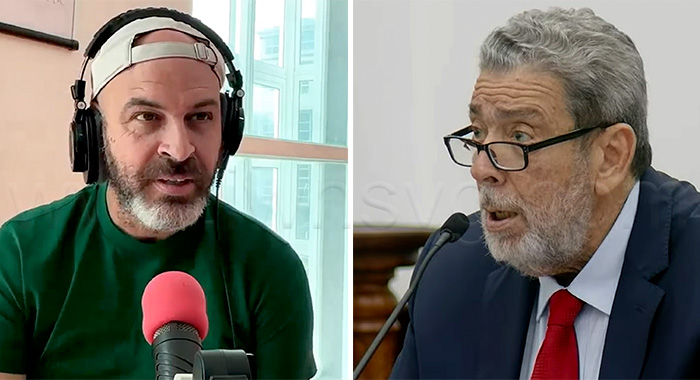
    A profound diplomatic crisis has engulfed the Western Hemisphere following the unprecedented U.S. military operation that resulted in the capture of Venezuelan President Nicolás Maduro. Grenadian Prime Minister Dickon Mitchell has emerged as a vocal critic, warning that these events are propelling the region into heightened instability rather than resolving existing differences.

    In a televised address on Grenada Broadcasting Network’s ‘Beyond the Headlines,’ Mitchell emphasized that sustainable resolution can only be achieved through diplomatic channels, negotiation, and compromise. The prime minister’s comments came as Maduro and his wife Cilia Flores appeared in a New York federal court, pleading not guilty to extensive drug trafficking charges outlined in a 25-page indictment that could bring life imprisonment if convicted.

    The United Nations Security Council convened in emergency session amid sharply divided international opinions. While some delegations supported Washington’s actions as justified accountability measures, others condemned the operation as a dangerous precedent that undermines state sovereignty and international law.

    U.S. Ambassador Michael Waltz defended the operation as a targeted law enforcement action against an indicted fugitive, stressing that Maduro’s disputed 2024 election victory invalidated his legitimacy as head of state. Conversely, Venezuelan Ambassador Samuel Moncada characterized the incident as an illegitimate armed attack motivated by resource exploitation, demanding immediate release of the detained leadership and condemnation of U.S. aggression.

    Simultaneously, the United States has been actively pursuing migration agreements with Caribbean nations, seeking to establish ‘safe third countries’ for asylum processing. While Dominica has embraced this arrangement as strengthening bilateral relations, both Grenada and Antigua and Barbuda have maintained cautious positions, acknowledging discussions but refusing binding commitments due to national security considerations.

  • New GG says SVG ‘at the threshold of a new era’

    New GG says SVG ‘at the threshold of a new era’

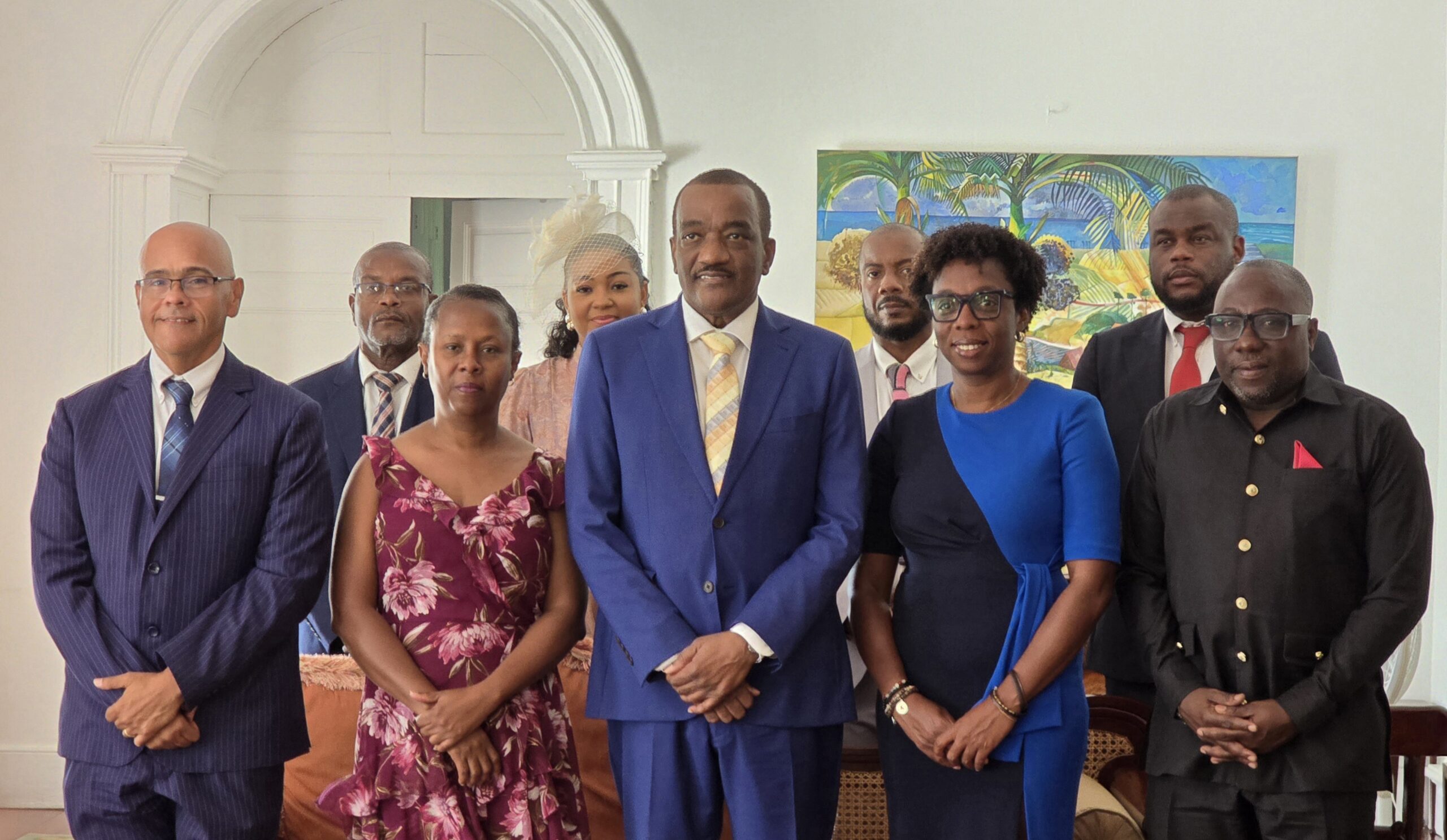
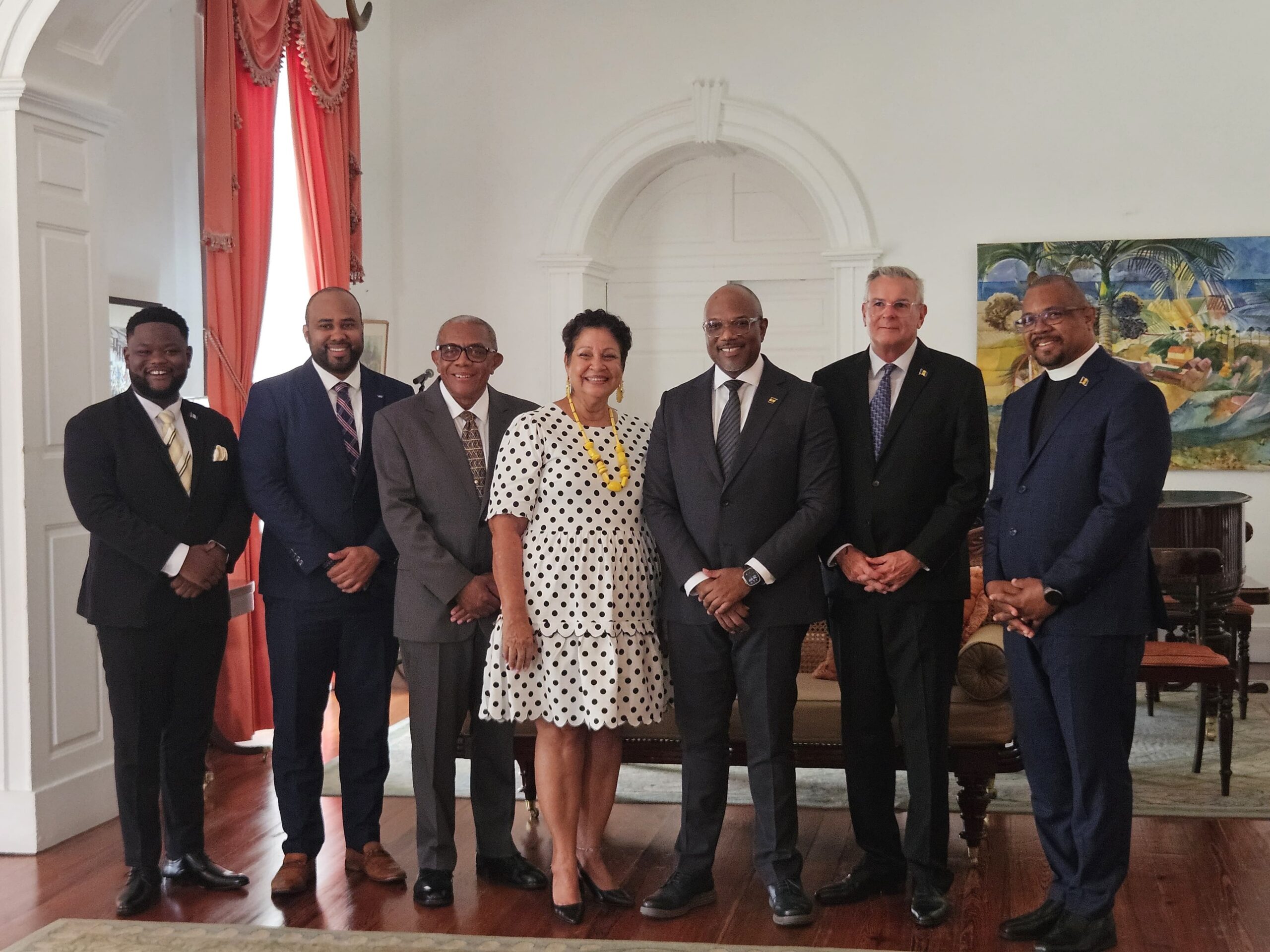
    In a historic transition of power, Stanley Kendrick ‘Stalky’ John, KC, was formally installed as Governor General of St. Vincent and the Grenadines during a ceremony at Government House in Old Montrose on Tuesday. The 74-year-old head of state assumes office amid widespread public demand for political transformation and national unity.

    Addressing the nation, John articulated a powerful vision for transcending partisan divisions. ‘Clearly, we are at the threshold of a new era,’ declared the former Labour MP for East St. George. ‘You are tired of the focus on partisan rivalries between political parties, the political tribalism which takes place at the expense of our national interests.’

    The newly installed Governor General emphasized that Vincentians both domestically and across the diaspora have expressed ‘a deep desire for an effective, meaningful and civilized manner’ to address national challenges. He characterized the recent electoral mandate—which saw the New Democratic Party win 14 of 15 parliamentary seats—as demonstrating ‘unanimity of purpose’ and imposing ‘immense responsibility’ on the new administration.

    John succeeds Dame Susan Dougan, who concluded her six-year tenure on Monday after fifty years of distinguished public service. The outgoing Governor General praised her successor’s qualifications, noting his extensive experience as senator, parliamentarian, and distinguished legal practitioner. ‘You have served SVG with diligence throughout your professional life,’ Dougan remarked, expressing full confidence in his ability to navigate the complex issues facing the nation.

    The ceremony marked a significant moment in Vincentian politics, particularly given John’s own controversial parliamentary history—including a notable incident where he seized the ceremonial mace, an act now viewed with irony as he becomes the monarch’s representative. His appointment under the NDP administration represents a full political circle for the former Labour Party leader.

    Both leaders emphasized the importance of service, humility, and commitment to democratic principles as the nation moves forward under new leadership.

  • Machado belooft snelle terugkeer en prijst Trump na val Maduro

    Machado belooft snelle terugkeer en prijst Trump na val Maduro

    Venezuela faces a complex political transformation following the dramatic removal of President Nicolás Maduro by US forces. Opposition leader Maria Corina Machado has announced her imminent return to the country, expressing confidence in her movement’s ability to secure overwhelming electoral victory in free elections. The 58-year-old Nobel Peace Prize recipient, who fled Venezuela in October, praised President Donald Trump’s “courageous vision” in dismantling what she termed Maduro’s “narcoterrorist regime.

    Despite these developments, significant uncertainties persist. The Trump administration appears to be pursuing cooperation with interim President Delcy Rodríguez and other high-ranking officials from Maduro’s government—a strategy that has caused disappointment among opposition factions. This approach, reportedly advised by CIA officials, aims to maintain stability during the transition period.

    Machado faces ongoing legal challenges, including investigations for allegedly inciting military rebellion. She has vehemently criticized Rodríguez, accusing her of designing systems of torture, corruption, and drug trafficking while serving as Maduro’s liaison with allies Russia, China, and Iran.

    The economic dimension adds further complexity, with Venezuelan and US officials discussing resuming oil exports to American refineries. Venezuela’s oil sector, possessing the world’s largest reserves of approximately 303 billion barrels of heavy crude, has suffered years of decline due to mismanagement, underinvestment, and sanctions.

    International reactions remain divided. Russia, China, and Venezuela’s regional allies have condemned the intervention—the largest US military action in Latin America since the 1989 Panama invasion. Meanwhile, UN human rights officials warn that the operation sets a concerning precedent that powerful nations may act without international consensus.

    As Venezuelan authorities patrol streets and report military casualties from the operation, the nation stands at a crossroads between potential democratic restoration and continued political instability.

  • Cuba: Failed state or state desired by the empire?

    Cuba: Failed state or state desired by the empire?

    The persistent characterization of Cuba as a ‘failed state’ by United States authorities presents a profound contradiction when examined against the island nation’s documented achievements across multiple sectors. Despite facing what historians describe as the longest-running economic embargo in modern history, Cuba maintains globally recognized education and healthcare systems that serve as models for developing nations.

    The Caribbean nation’s scientific capabilities were demonstrated during the COVID-19 pandemic through the rapid development of sovereign vaccines, while its cultural contributions continue through internationally acclaimed ballet companies, literary figures, and athletic achievements across more than 15 Olympic disciplines.

    This disparity between perception and reality stems from a deliberate campaign of economic warfare dating to 1961, including the failed Bay of Pigs invasion and Operation Mongoose. Declassified documents reveal extensive covert operations encompassing 32 specific tasks targeting Cuba’s economy, political stability, military infrastructure, and psychological welfare. Biological warfare tactics included introducing sugarcane rust, African swine fever, tobacco blue mold, and even hemorrhagic conjunctivitis targeting agricultural workers.

    Contemporary pressure mechanisms include comprehensive financial restrictions preventing fuel imports, inclusion on the State Sponsors of Terrorism list, and systematic obstruction of medical resources including life-saving oxygen during pandemic emergencies. Recent statements from former President Donald Trump regarding Cuba’s hypothetical collapse following Venezuelan sanctions reinforce this persistent regime change agenda.

    Despite creating severe energy shortages that impact industrial production and household welfare, Cuba maintains functional governance structures absent the power vacuum characterizing genuine failed states. Canadian political scientist Kalevi Holsti’s definition of state failure as inability to generate loyalty suggests Cuba’s resilience stems from maintained public support despite external pressure. The nation’s continued stability amidst unprecedented economic warfare represents not failure but remarkable endurance against hegemonic power.

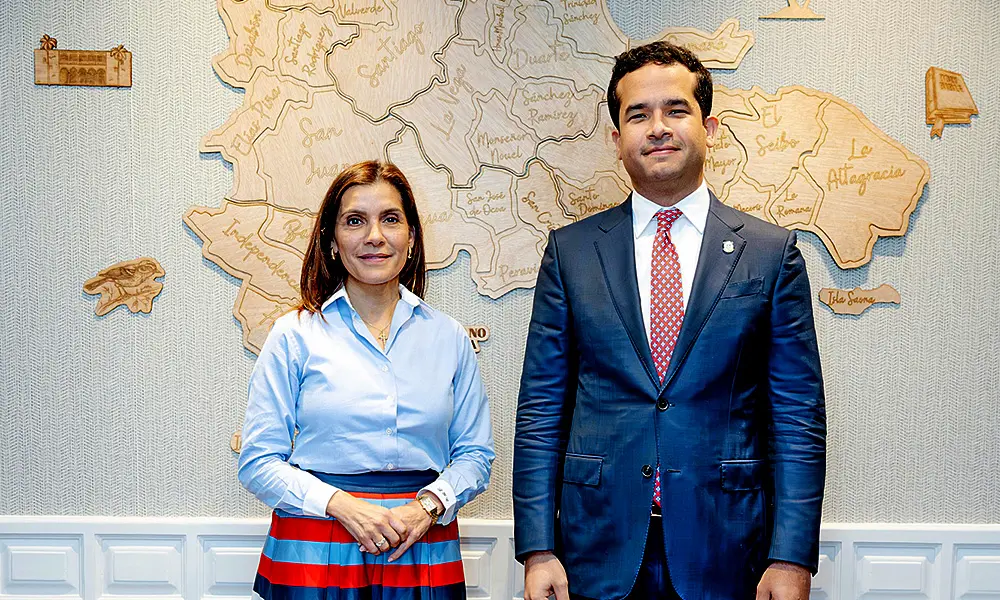
  • Foreign Minister says U.S. planes in Dominican Republic did not join operation against Maduro

    Foreign Minister says U.S. planes in Dominican Republic did not join operation against Maduro

    SANTO DOMINGO – The Dominican Republic has formally denied any involvement in military operations targeting Venezuelan leadership, with Foreign Minister Roberto Álvarez providing detailed clarifications regarding U.S. aircraft operations from Dominican airports. Minister Álvarez emphasized that U.S. aircraft stationed in the country serve exclusively as refueling platforms for counter-narcotics missions throughout the Caribbean region, not as combat-ready fighter jets capable of engaging in military operations.

    In response to media inquiries, Álvarez categorically stated that ‘at no time has there been any activity other than the fight against drug trafficking’ from Dominican territory, directly refuting speculation that the nation’s airports might have facilitated military actions connected to Venezuela’s political situation. The Foreign Minister’s remarks come amid intensified regional scrutiny following recent developments involving Venezuelan leadership.

    Beyond operational clarifications, Álvarez reaffirmed the Dominican Republic’s diplomatic stance, calling for the international community to support the Venezuelan people’s pursuit of establishing a legitimate, democratic government that would earn international recognition. This position aligns with broader regional efforts to promote political stability through diplomatic channels rather than military intervention.

    The timely clarification addresses mounting concerns about potential regional escalation and demonstrates the Dominican government’s commitment to transparency amid circulating misinformation. Officials emphasized that all military cooperation with international partners remains strictly confined to counter-narcotics operations, with no deviation from this mandate throughout their collaborative efforts.

  • Rodrigues rejects WIN’s corruption allegations over Florida house purchase

    Rodrigues rejects WIN’s corruption allegations over Florida house purchase

    Guyana’s Minister of Trade, Tourism, Industry and Commerce, Susan Rodrigues, has publicly refuted corruption allegations regarding her acquisition of a Florida property, asserting that the purchase was legitimately financed through mortgage arrangements and rental income. The allegations were initially raised by Azruddin Mohamed, the United States-sanctioned leader of the We Invest in Nationhood (WIN) party.

    In a detailed Facebook post on Tuesday, Rodrigues acknowledged ownership of one Florida property at 8601 NW 46th Ct. Lauderhill through a company in which she holds shares, while dismissing claims of owning three additional properties. She presented an annual tax and interest statement indicating an outstanding mortgage principal of US$378,000 as of December 31, 2024, though she did not confirm Mohamed’s claim that the property was purchased for US$540,000 in March 2024.

    The minister explained that the property was acquired with financing from AD Mortgage, a U.S. financial institution, and is currently rented out with the income servicing the mortgage obligations. Rodrigues emphasized that all her overseas assets have been properly declared to Guyana’s Integrity Commission, and she complies with enhanced banking requirements as a Politically Exposed Person.

    The political opposition, including the 12-seat APNU coalition and the 16-seat WIN party, has seized on the allegations, demanding Rodrigues’ resignation and independent investigations into ministers’ wealth accumulation. WIN specifically questioned the effectiveness of anti-money laundering laws when senior officials can acquire luxury properties without consequence.

    Rodrigues countered that Mohamed’s allegations represent a ‘desperate narrative’ and highlighted the irony of corruption accusations coming from someone facing extradition proceedings to the United States for alleged mail fraud, wire fraud, and money laundering related to gold trading activities.

    The minister also addressed additional properties mentioned by Mohamed, denying ownership of a residence at 946 Herstelling and clarifying that her partner owns the land dating to 2016. Similarly, she refuted claims of owning a Georgetown gas station, explaining that her partner operates the business on property owned by Shell Antilles and Guianas Limited since 1962.