分类: politics

  • Gaza: Interim administration announces priorities

    Gaza: Interim administration announces priorities

    In a significant political transition for the Gaza Strip, a newly established committee of Palestinian technocrats has commenced its governance duties, marking the imminent dissolution of the Hamas-led administration. Nabil Shaath, a prominent figure in this transition, outlined the government’s strategic vision during an exclusive interview with Cairo News Channel from the Egyptian capital.

    Shaath detailed that the foundational blueprint for Gaza’s recovery is the comprehensive Egyptian reconstruction project, which received formal approval at an Arab summit convened last year. He emphasized the committee’s legitimate mandate, stating, ‘Our committee is entirely Palestinian, elected by its people and its national forces with the primary objective of achieving a decent life for the populace as rapidly as possible.’

    A central pillar of the new governance framework is the establishment of lasting peace. Shaath explicitly articulated this commitment, noting, ‘We are profoundly interested in implementing measures that ensure wars do not return to the Gaza Strip or the wider Arab region.’ This objective is deemed critical given the extensive human cost of the recent conflict, which has resulted in the deaths of more than 71,000 Palestinians according to the statements made.

    Addressing the profound societal disruption, Shaath affirmed an immediate and critical priority: the return of Gazan children to formal education. He highlighted that these children have endured an two-year interruption in their schooling due to the prolonged war, a situation the new governing body is determined to rectify urgently. This shift in governance represents a pivotal new phase for the territory, focusing on stabilization, large-scale revitalization, and the restoration of normalcy for its inhabitants.

  • Barbados to Hold General Election on Feb. 11

    Barbados to Hold General Election on Feb. 11

    In a significant political development, Barbados Prime Minister Mia Mottley declared the dissolution of Parliament on Saturday evening, initiating the formal process for national elections scheduled for February 11. The announcement came during a gathering with supporters in Bridgetown, where Mottley revealed she had formally advised President Jeffrey Bostic of her decision earlier that afternoon.

    The constitutional process will commence on Monday, January 19, with official writs of election to be prepared under the supervision of the Attorney General. The electoral timetable establishes January 27 as nomination day for candidates, followed by a two-week campaign period leading to polling day on February 11.

    Mottley’s announcement followed the nomination of former Democratic Labour Party Cabinet minister Michael Lashley as the Barbados Labour Party’s candidate for the City of Bridgetown constituency. Addressing party officials and supporters, the Prime Minister emphasized unity and collective effort, repeatedly invoking the party’s strength through collaboration.

    Framing the dissolution as an essential democratic practice, Mottley stated that continuing leadership requires seeking a fresh mandate from the electorate. Her remarks highlighted the constitutional normality of the process while signaling the Barbados Labour Party’s readiness to contest the upcoming general election.

  • New Party: Reform Barbados enters political arena

    New Party: Reform Barbados enters political arena

    Barbados’ political arena witnesses a significant development with the establishment of Reform Barbados, a new political entity aiming to disrupt the longstanding dominance of the two major parties. Founded by Steve Prescott, a British-Barbadian employment rights attorney, the party positions itself as a viable alternative to the ruling Barbados Labour Party (BLP) and opposition Democratic Labour Party (DLP).

    Prescott, who holds Barbadian citizenship, revealed his strategy to contest all 30 parliamentary seats in upcoming elections, potentially running solo initially if necessary. While his specific constituency remains undecided, he indicated a likely candidacy in Christ Church’s Parish Land area, his late father’s former residence before emigrating to the UK in the 1960s.

    The party leader demonstrates unwavering confidence despite historical challenges faced by third parties in Barbadian politics. “I will face that by having a message and real policy change that Barbadians have been crying out for,” Prescott stated in an exclusive interview with Barbados TODAY. He attributes previous third-party failures to inadequate messaging and lack of longevity rather than voter receptiveness.

    Reform Barbados distinguishes itself through methodical policy development. Prescott emphasized that all proposed policies, developed over two years, will undergo rigorous economic validation before implementation. “Policy execution is the big number one,” he contended. “You can have all the ideas in the world, and if you don’t know how to execute properly, you’re not going to make any change.”

    The party’s formation stems from Prescott’s profound concern about Barbados’ socioeconomic stagnation. After examining the island’s development since independence and observing minimal progress in living standards and infrastructure over four decades, he concluded that “as a country, we need to do better.” This conviction inspired the party’s dual slogan: “We’ve got to do better at being better… we’ve got to be better at doing better.”

    Symbolism plays a crucial role in the party’s identity, with its logo featuring a broken trident above a crown—a design inspired by stained-glass artwork created by Prescott’s father in a UK church. While already engaging voters through social media and personal interactions, Reform Barbados plans official public launch events alongside the publication of its economically-vetted manifesto in the near future.

  • Elections on February 11, PM announces

    Elections on February 11, PM announces

    Barbados Prime Minister Mia Mottley declared the dissolution of Parliament on Saturday evening, setting the stage for a swift general election scheduled for February 11th. The announcement came following her formal consultation with President Jeffrey Bostic and subsequent directives to election officials to commence immediate preparations.

    Addressing supporters in Bridgetown after the nomination of former Democratic Labour Party Cabinet minister Michael Lashley as the Barbados Labour Party candidate, Mottley revealed her late-afternoon meeting with the President. She confirmed that election writs would be formally issued following approval by the Attorney General’s office.

    The Prime Minister outlined a compressed electoral timetable, with Nomination Day established for January 27th and Polling Day scheduled for February 11th. This accelerated timeline presents significant logistical challenges for both election authorities and political organizations requiring rapid mobilization.

    Mottley framed the parliamentary dissolution as an exercise in democratic renewal, emphasizing that continuing leadership requires fresh electoral mandates. She invoked unifying rhetoric, repeatedly urging party cohesion with calls for strength and collective effort.

    The Prime Minister simultaneously highlighted recent legislative achievements, specifically referencing parliamentary action that established property ownership rights for residents of housing estates. This initiative, described as fulfilling previous commitments, effectively transferred titles to over 200 citizens just prior to the election announcement.

    The dissolution marks the beginning of an intensive three-week campaign period that will test both electoral infrastructure and political mobilization capabilities across the island nation.

  • Politic : Everything you need to know about the Ministry of Commerce and Industry

    Politic : Everything you need to know about the Ministry of Commerce and Industry

    The Ministry of Commerce and Industry (MCI) serves as Haiti’s central institution for shaping the nation’s economic trajectory through comprehensive trade and industrial policy frameworks. Established to safeguard industrial and commercial property rights derived from international conventions, the ministry also oversees competition policy and consumer protection mechanisms.

    Operating through five strategic pillars, the MCI’s mission encompasses policy formulation, investment facilitation, and export promotion. The ministry actively works to align Haiti’s economic development plans with global and regional trade dynamics while maintaining compliance with national legislation and international commitments.

    A critical function involves defining strategic directions for public trade and industrial policy at both national and sectoral levels. This requires synchronizing socio-economic priorities with implementation mechanisms and resources. The MCI additionally bears responsibility for applying existing commercial laws while proposing new legislative frameworks that support trade and industrial objectives.

    The ministry’s diplomatic role includes conducting negotiations for international, regional, and sub-regional trade agreements, conventions, and treaties. It ensures effective monitoring and implementation of these agreements once ratified.

    Collaboration forms another essential component of the MCI’s operations. The ministry maintains partnerships with public, semi-public, and private institutions involved in production, distribution, marketing, and service communication. These alliances aim to enhance productivity and strengthen national and international competitiveness while protecting consumer rights.

    Notably, the MCI contributes significantly to poverty reduction strategies through regulatory oversight of public and private activities within its jurisdiction. The ministry drives modernization of business legal frameworks to create environments conducive to investment and sustainable development of industrial and commercial enterprises.

  • Mottley rings bell for early polls

    Mottley rings bell for early polls

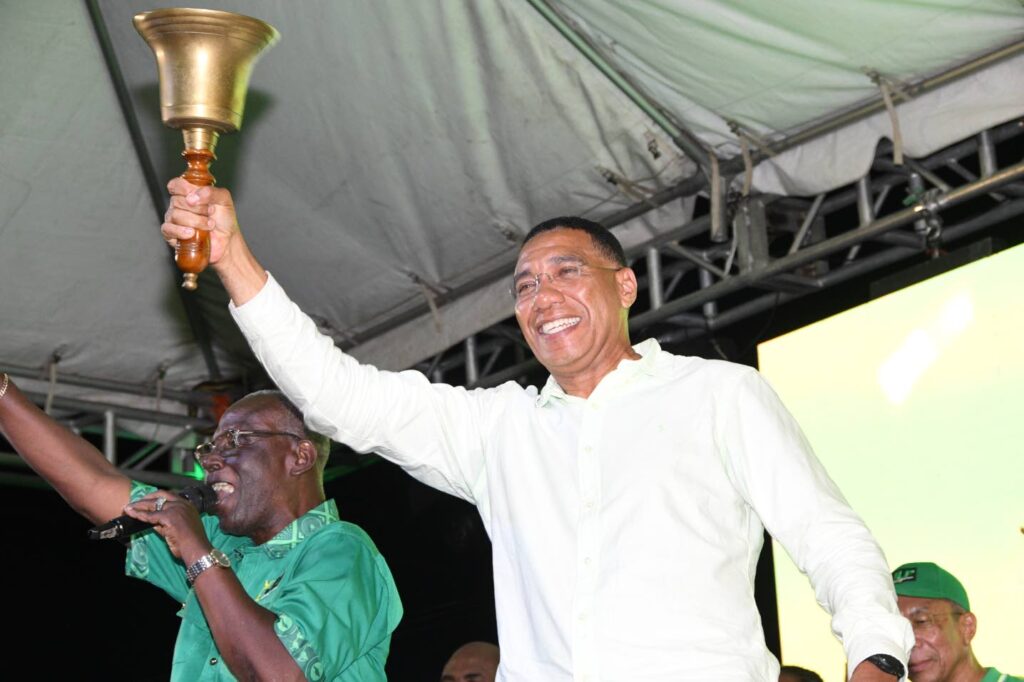
    Prime Minister Mia Mottley has officially declared that Barbados will conduct a general election on February 19th, initiating the democratic process months ahead of the constitutional mandate. The announcement was delivered during a Barbados Labour Party nomination ceremony at Westbury Primary School, where senior attorney Michael Lashley KC received formal confirmation as the party’s candidate for Bridgetown. This nomination completes the ruling party’s full roster of candidates for all 30 constituencies in the parliamentary system. The dissolution of Parliament will immediately commence the election period, with Nomination Day scheduled for January 27th. This strategic move to advance the electoral timeline represents a significant political calculation by the incumbent administration, potentially aiming to capitalize on current economic and social conditions. The election will determine the leadership direction for the Caribbean nation amid ongoing regional challenges and global economic uncertainties. International observers are monitoring the electoral process as Barbados continues to strengthen its democratic institutions following its transition to a parliamentary republic.

  • Politic : 2026 Priorities, Strategic Retreat of the Ministry for the Status of Women

    Politic : 2026 Priorities, Strategic Retreat of the Ministry for the Status of Women

    In a significant move to advance gender equality, Haiti’s Ministry for the Status of Women and Women’s Rights (MCFDF) convened a three-day strategic retreat commencing January 17 at Pétion-ville’s Montana Hotel. The high-level gathering brought together senior ministry officials to formulate their 2026 Annual Work Plan (AWP) with particular focus on women’s political participation during Haiti’s upcoming electoral cycle.

    The retreat centered on four pivotal objectives: validating the 2026 AWP, ensuring strategic alignment with the National Action Plan derived from recent National Consultations, strengthening institutional capacities of MCFDF entities, and developing an administrative roadmap for implementing new organic decrees.

    Minister Pedrica Saint Jean emphasized the critical timing of this initiative, stating that strengthening MCFDF is ‘essential to guaranteeing effective, inclusive, and sustainable public policies.’ The ministry specifically outlined strategies to enhance women’s political representation, combat gender-based violence during elections, and advocate for equitable representation in decision-making bodies.

    The initiative received endorsement from UN Women, with Resident Representative Marie Goretti Nduwayo acknowledging the ministry’s efforts while expressing concern about persistent violence against women and social inaction. Nduwayo reaffirmed UN Women’s commitment to maintaining collaborative support for Haitian women’s empowerment.

    Minister Saint Jean characterized the retreat as a ‘consolidation mission’ aimed at establishing shared understanding of organizational frameworks and developing realistic implementation strategies rather than merely a routine meeting.

  • Law and Policy

    Law and Policy

    Legal scholar and former St. Vincent and the Grenadines Speaker Jomo Sanga Thomas has issued a compelling call for Caribbean nations to confront their colonial legacy through transformative legal and educational reforms. Drawing inspiration from Charles Houston’s vision of lawyers as social engineers rather than parasites, Thomas argues that the region must actively dismantle persistent colonial structures that continue to shape society 46 years after nominal independence.

    The analysis identifies multiple areas where colonial influence remains entrenched, beginning with historical amnesia regarding the 1795 genocide and exile of indigenous populations following Chief Joseph Chatoyer’s assassination. Thomas emphasizes that thousands perished at Balliceaux while survivors established Garifuna communities across Central America and the United States—a history largely absent from mainstream education.

    Proposed reforms include mandating comprehensive historical education focusing on Caribbean heroes like Chatoyer, Duvalier, Sheriff Lewis, and Ebenezer Theodore Joshua rather than European figures. The author advocates using legal mechanisms to rename geographic locations currently bearing colonial titles, suggesting redesignating Kingstown’s main thoroughfare as ‘Chatoyer Drive’ as symbolic reclamation.

    Thomas particularly condemns the retention of the British Privy Council as the final appellate court for many Caribbean nations, describing it as ‘an affront to sovereignty.’ Despite the Caribbean Court of Justice (CCJ)—established with US$100 million investment by regional governments—only Barbados, Belize, Dominica, Guyana, and St. Lucia currently accept its appellate jurisdiction. The article notes that Vincentian jurist Adrian Saunders recently retired as CCJ president after producing jurisprudence of ‘exceptionally high standards’ that has never been questioned for independence.

    The commentary concludes that true emancipation requires legislative action to address historical injustices through expanded reparations committees, community-based initiatives, and ultimately full judicial sovereignty through CCJ adoption—positioning these measures as essential for completing the decolonization process.

  • Military intervention looms after fatal ICE shooting as U.S. President Trump threatens Insurrection Act

    Military intervention looms after fatal ICE shooting as U.S. President Trump threatens Insurrection Act

    A fatal shooting by an Immigration and Customs Enforcement (ICE) officer in Minneapolis has ignited national controversy and raised alarms about escalating enforcement tactics. Renee Good, a 37-year-old mother of three, was killed on January 14th when agent Jonathan Ross opened fire as she attempted to drive away from an immigration policy demonstration.

    This incident reflects a broader pattern identified in a Wall Street Journal investigation, documenting 13 instances since July 2025 where immigration agents fired at civilian vehicles, resulting in eight injuries and two confirmed fatalities. The Trace, a nonprofit tracking gun violence, reports at least 16 firearm discharges by immigration agents since President Trump’s return to office, predominantly involving moving vehicles.

    The White House has defended Ross’s actions, claiming he perceived imminent threat from Good’s vehicle. President Trump asserted she had “ran him over,” though multiple video recordings from the scene appear to contradict this narrative. TIME reports that federal authorities have repeatedly invoked similar justifications in other cases, only to be disproven by video evidence.

    Experts point to systemic issues within the Department of Homeland Security, including relaxed hiring standards and inadequate training for thousands of new personnel. In most documented cases, officials justified deadly force by claiming vehicles were weaponized against officers—claims often unsupported by available evidence.

    DHS has controversially characterized Good’s actions as “domestic terrorism,” alleging she attempted to use her vehicle to kill law enforcement officers. This designation has drawn sharp criticism from lawmakers and civil liberties advocates.

    The administration’s response has included increased ICE presence in Minneapolis, triggering massive protests and another shooting incident involving a Venezuelan immigrant. Critics warn these developments may represent a strategic provocation to justify invoking the Insurrection Act—an 1807 law permitting domestic military deployment against insurrection.

    Senator Bernie Sanders condemned the administration’s response, calling Trump “increasingly unhinged” and accusing him of lying about the circumstances. Sanders warned that militarized responses to protest could establish dangerous precedents for suppressing dissent nationwide.

  • Lashley secures BLP nomination to represent The City

    Lashley secures BLP nomination to represent The City

    In a significant political development, Michael Lashley has been formally confirmed as the Barbados Labour Party’s uncontested candidate for The City of Bridgetown constituency. The election, which concluded on Saturday without opposition, positions the seasoned attorney for a crucial role in the party’s electoral strategy.

    Addressing supporters during his acceptance address, Lashley expressed profound gratitude for the overwhelming endorsement from both constituency residents and senior party leadership. ‘I am truly humbled by the confidence placed in me,’ stated Lashley, acknowledging the significance of this political mandate.

    The newly selected candidate extended particular appreciation to constituents of St Philip North, recognizing their sustained backing throughout his dual career in legal practice and public service. Lashley emphasized his philosophical approach to governance, declaring: ‘My political engagements stem from genuine commitment rather than electoral calculations. Politics represents service above all.’

    In a compelling conclusion to his remarks, Lashley formally signaled his readiness to Prime Minister Mia Mottley with the declarative statement: ‘This is Michael Lashley reporting for duty.’ This ceremonial phrasing underscores his alignment with the current administration and reinforces party unity ahead of forthcoming electoral contests.