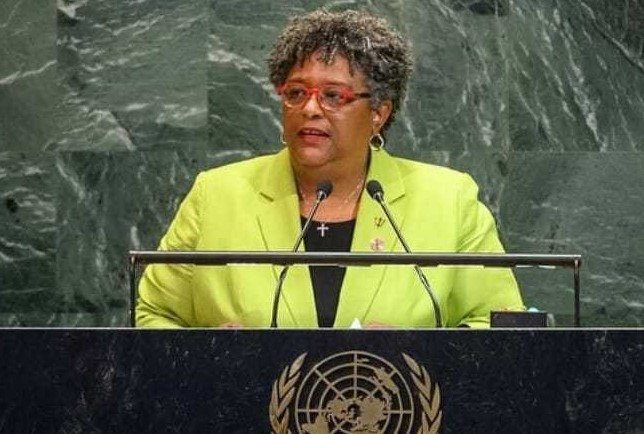
In a compelling address at the United Nations General Assembly, Barbados Prime Minister Mia Mottley issued a stark warning about the escalating military tensions in the Caribbean, which she argued could destabilize the region. Speaking on the occasion of the UN’s 80th anniversary, Mottley emphasized the urgent need for diplomatic engagement to prevent the Caribbean from becoming collateral damage in a superpower standoff. She expressed deep concern over the increased US naval presence in the southern Caribbean and Venezuelan military exercises near the disputed border with Guyana, describing these actions as a violation of the hemispheric understanding that the Caribbean should remain a zone of peace. Mottley cautioned that even an accidental confrontation could disproportionately endanger the southern Caribbean. She called for full respect for the territorial integrity of all states and urged regional leaders to engage in dialogue to avert conflict, reminding the Assembly that dialogue has historically been the key to ending wars. Turning to Haiti, Mottley lamented the nation’s prolonged turmoil, attributing it to centuries of external interference and internal conflict. She praised Kenya for leading the Multinational Security Support Mission and called for enhanced support from the UN Security Council and the Organisation of American States, emphasizing the need for a comprehensive plan addressing both security and development. Mottley also highlighted the Caribbean’s struggle against the influx of illegal firearms, largely from the United States, which threatens the region’s fragile economies and democracies. She urged stronger dialogue with the US to curb the spread of small arms and light weapons, particularly into Haiti and the wider Caribbean. On Cuba, Mottley criticized the enduring US embargo and the island’s inclusion on the list of state sponsors of terrorism, describing these measures as unjust and calling for their immediate removal. She underscored Cuba’s historical role in supporting global health, conflict resolution, and anti-colonial resistance, while lamenting the disproportionate suffering inflicted on its society. Mottley concluded by reiterating Barbados’s call for an end to the embargo and the removal of Cuba from the list of state sponsors of terrorism, declaring these actions as essential steps toward justice and regional stability.
分类: politics
-
UWI academic warns of democratic risk if migration policy is mishandled
A leading academic from the University of the West Indies (UWI) has issued a stark warning to Caribbean governments as they prepare to implement a groundbreaking free movement agreement. Professor Justin Robinson, principal of the Five Islands Campus in Antigua, emphasized that while the initiative holds significant economic potential, it also carries the risk of political backlash and threats to democratic stability if public concerns are not adequately addressed. The agreement, set to launch imminently, will allow citizens of Barbados, Belize, Dominica, and St. Vincent and the Grenadines to live, work, and access basic services across these nations without requiring work permits or residency documentation.
-
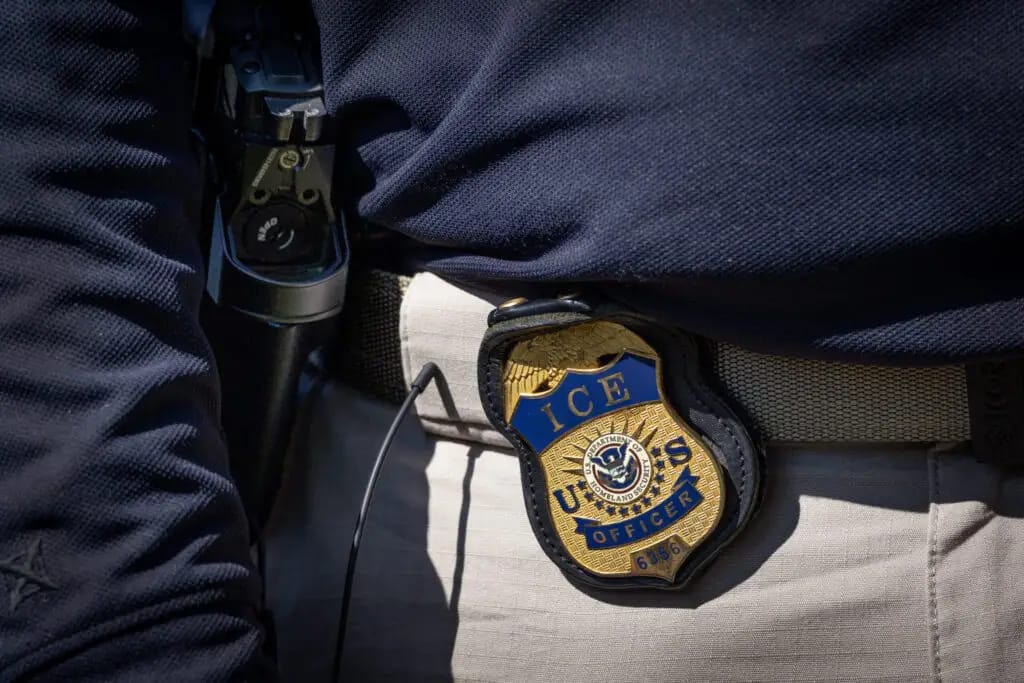
US citizen to sue for $50m over violent ICE arrest
In a dramatic turn of events, Rafie Shouhed, an elderly U.S. citizen and former Trump voter, has announced his intention to file a $50 million damages claim against the U.S. government following a violent encounter with Immigration and Customs Enforcement (ICE) agents. The incident occurred during a raid at Shouhed’s Los Angeles car wash earlier this month, part of President Donald Trump’s intensified crackdown on undocumented migrants. Surveillance footage captured the moment Shouhed was forcefully body-slammed to the ground by several masked and heavily armed agents, who then detained him for nearly 12 hours without providing medical attention, despite his pleas about a pre-existing heart condition. Shouhed, who immigrated to the U.S. from Iran in the 1980s, described the agents as unresponsive and aggressive, stating, ‘The only word they said was, ‘You do not F with ICE.’’ The raid has sparked widespread controversy, particularly in Los Angeles, where critics argue that such operations disproportionately target individuals based on ethnicity or workplace. The video of the incident, which shows agents pinning Shouhed to the ground with one agent’s knee on his neck, has fueled public outrage and raised questions about the methods employed in these enforcement actions. Shouhed’s legal claim underscores the growing tensions surrounding ICE’s operations and their impact on communities across the nation.
-
Integrity Commission Under Fire in U.S. Report on Antigua and Barbuda
Antigua and Barbuda’s Integrity Commission has come under intense criticism in a recent U.S. government report, which highlights its inability to effectively enforce anti-corruption laws. The 2025 Investment Climate Statement, published by the U.S. Department of State in September, underscores the commission’s independence but points to severe operational challenges, including understaffing and insufficient resources. These limitations have hindered its capacity to thoroughly investigate complaints and enforce the Integrity in Public Life Act, which mandates public officials to disclose their income, assets, and gifts received during their tenure. The commission, appointed by the governor general, is also responsible for addressing violations of the Prevention of Corruption Act. However, the report notes that allegations of corruption are rampant, with both major political parties frequently accusing each other, yet investigations rarely yield tangible results. Critics have voiced concerns to U.S. officials, arguing that the Integrity Act is inadequately enforced and requires strengthening. Additionally, the report highlights deficiencies in the country’s Freedom of Information Act, which, in theory, grants citizens access to government documents. In practice, however, residents often face difficulties obtaining records due to funding constraints rather than deliberate obstruction. Antigua and Barbuda is a signatory to both the Inter-American Convention against Corruption and the United Nations Convention Against Corruption (UNCAC). While the government claims to apply criminal penalties in proven cases of corruption, the report concludes that enforcement remains weak, raising questions about the nation’s commitment to combating corruption effectively.
-
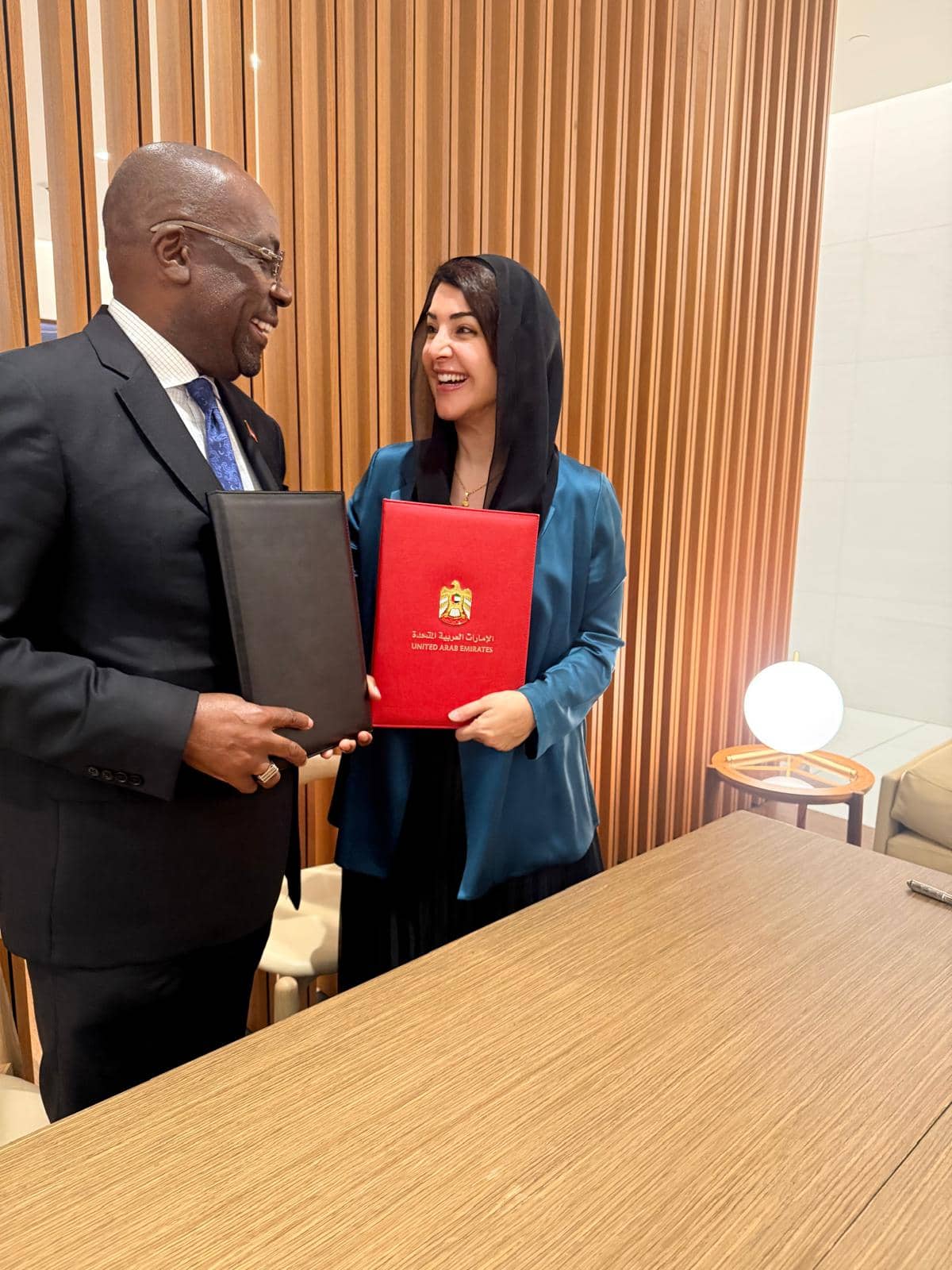
Antigua and Barbuda signs Visa Waiver agreement with the United Arab Emirates
In a significant diplomatic move, Antigua and Barbuda has signed a Visa Waiver agreement with the United Arab Emirates (UAE), marking a new chapter in bilateral relations between the two nations. The agreement, formalized during the 80th session of the United Nations General Assembly, was signed by Antigua and Barbuda’s Minister of Foreign Affairs, the Hon. EP Chet Greene, and the UAE’s Minister of State for International Cooperation, Reem bint Ebrahim Al Hashimy. This pact is expected to enhance business, investment, and tourism opportunities for both countries. The UAE has been a key partner for Antigua and Barbuda, particularly through the UAE-Caribbean Renewable Energy Fund (UAE-CREF), which has facilitated the largest renewable energy investment in the Caribbean. A notable project under this initiative is the Green Barbuda project, which includes an 800kW diesel power plant and a 720kW hybrid solar power plant, significantly reducing energy costs for the island nation. Minister Greene hailed the agreement as a testament to the enduring friendship between the two countries, emphasizing its potential to unlock new opportunities in tourism, education, and other sectors. The signing ceremony was also attended by Antigua and Barbuda’s Permanent Representative to the United Nations, Ambassador Walton Webson, and other dignitaries. This agreement underscores the UAE’s role as a reliable partner in sustainable development and economic growth for Antigua and Barbuda.
-
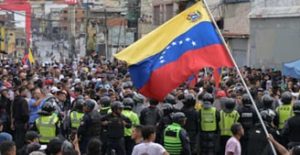
U.S. preparing options for military strikes on drug targets inside Venezuela, sources say
The United States is reportedly preparing military options to target drug traffickers within Venezuela, according to multiple sources familiar with the discussions. The potential strikes, which could involve drone attacks on drug labs and key figures in trafficking networks, mark a significant escalation in the Trump administration’s campaign against illegal narcotics and its strained relations with Venezuelan President Nicolás Maduro. While no final decisions have been made, the plans are being actively considered and could be implemented within weeks. The U.S. has already conducted strikes on Venezuelan boats suspected of carrying drugs, though evidence supporting these claims remains limited. President Donald Trump has emphasized his commitment to using all available resources to combat drug trafficking, accusing Maduro of failing to curb the flow of illegal substances from Venezuela. The administration has also increased pressure on Maduro, offering a $50 million reward for his arrest and exploring regime change as a potential objective. Despite diplomatic efforts involving intermediaries from Middle Eastern countries, tensions remain high. Critics warn that military action on Venezuelan soil could provoke severe diplomatic and political repercussions, including increased domestic support for Maduro. The U.S. has bolstered its military presence in the region, deploying ships, aircraft, and personnel, signaling its readiness to act. However, the long-term sustainability of such a deployment remains a concern. The situation underscores the complex interplay between drug enforcement, international diplomacy, and geopolitical strategy in U.S.-Venezuela relations.
-
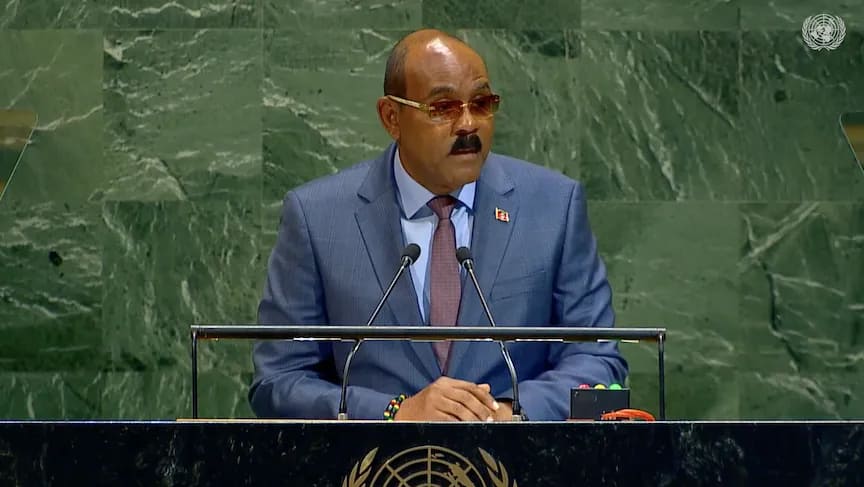
Antigua and Barbuda backs UN role despite Trump criticism
Antigua and Barbuda has firmly countered former US President Donald Trump’s disparaging remarks about the United Nations General Assembly (UNGA), emphasizing the organization’s critical role in addressing global challenges. Speaking at the UNGA in New York, Trump dismissed the assembly as ineffective, labeling it a platform for ’empty words’ and controversially calling climate change a ‘con job.’ However, Antigua and Barbuda’s Cabinet Spokesperson, Maurice Merchant, defended the nation’s active participation in the UNGA, particularly under the leadership of Prime Minister Gaston Browne. Merchant highlighted the importance of the UNGA for small island nations like Antigua and Barbuda, especially in advocating for climate action and other pressing issues. He noted that the country’s voice is instrumental in shaping international discourse, citing ‘very successful’ outcomes from bilateral talks. Prime Minister Browne is attending UNGA80 alongside Foreign Minister E.P. Chet Greene, Health Minister Sir Molwyn Joseph, and Ambassador Walton Webson, underscoring the nation’s commitment to global collaboration. The Caribbean nation’s stance reflects its determination to uphold multilateralism and address shared challenges, despite criticisms from global leaders.
-
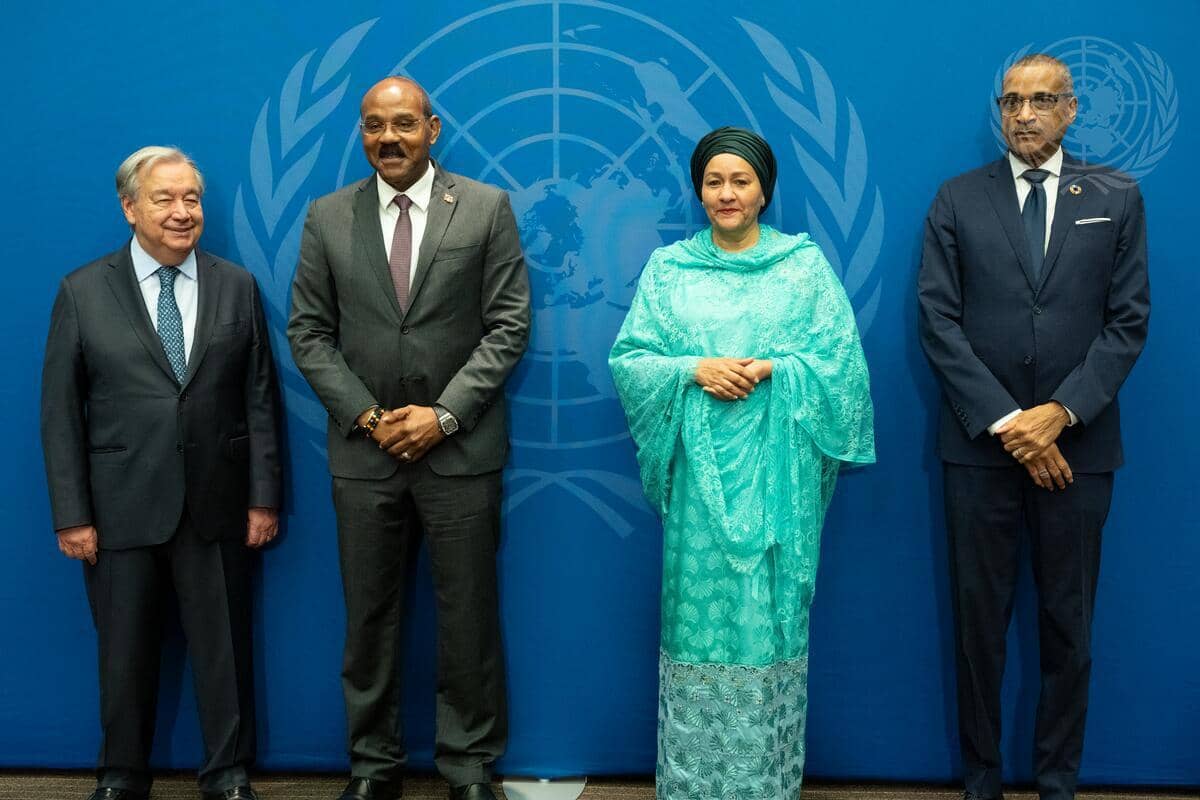
Prime Minister Gaston Browne Wraps Up One of His Most Dynamic UNGA Engagements, Advocating Fearlessly for Climate Justice, Human Dignity, Reparations, and a More Equitable Global Order
Prime Minister Gaston Browne of Antigua and Barbuda has concluded a highly impactful week at the 80th United Nations General Assembly (UNGA80), where he fervently advocated for climate justice, human dignity, reparations, and a more equitable global order. Describing the week as one of the busiest and most significant of his leadership, Browne emphasized the importance of amplifying the voices of marginalized nations, particularly Small Island Developing States (SIDS).
At the heart of Browne’s agenda was the urgent call for climate justice. He highlighted the disproportionate impact of climate change on SIDS, which contribute less than 1% of global greenhouse gas emissions yet face severe consequences such as rising sea levels and extreme weather events. Browne criticized the rhetoric that dismisses climate change as a hoax, stating, ‘Our lived reality tells a starkly different story. It is one of coastal erosion, intensifying hurricanes, and livelihoods under threat.’ He reiterated the need for major polluters to honor their commitments to climate finance, loss and damage compensation, and technology transfer.
Browne also championed the Antigua and Barbuda Agenda for SIDS (ABAS) and the establishment of the Centre of Excellence for SIDS, which will serve as a global hub for knowledge-sharing, innovation, and policy development to enhance resilience and sustainable development across SIDS.
In addition to climate justice, Browne emerged as a global advocate for mental health, emphasizing it as a human rights issue. Reflecting on his personal experiences with a mother who faced mental health challenges, he announced plans to host a Global Mental Health Summit in 2026 in collaboration with the Pan American Health Organization (PAHO).
Browne also focused on global health equity, hosting the United Nations Friends of Vision High-Level Meeting, which underscored the importance of eye health in development. He announced that Antigua and Barbuda will host a Global Eye Health Summit in 2026, further positioning the country as a leader in advancing global health equity.
Furthermore, Browne renewed calls for reparatory justice for the enduring impacts of slavery and colonialism, arguing that equitable global development cannot be achieved without addressing historical injustices. He also advocated for the Caribbean as a Zone of Peace, urging respect for the region’s sovereignty and stability.
During UNGA80, Antigua and Barbuda achieved significant diplomatic milestones, including six visa-waiver agreements and the establishment of diplomatic relations with the Republic of Palau and the Republic of the Marshall Islands. These agreements aim to facilitate easier travel, deepen people-to-people links, and expand opportunities in trade, education, and tourism.
Reflecting on his week at UNGA80, Browne stated, ‘This week has been about lifting up the causes that matter most — the survival of small states, the dignity of our people, and the creation of a fairer, more peaceful, and more compassionate world.’
-
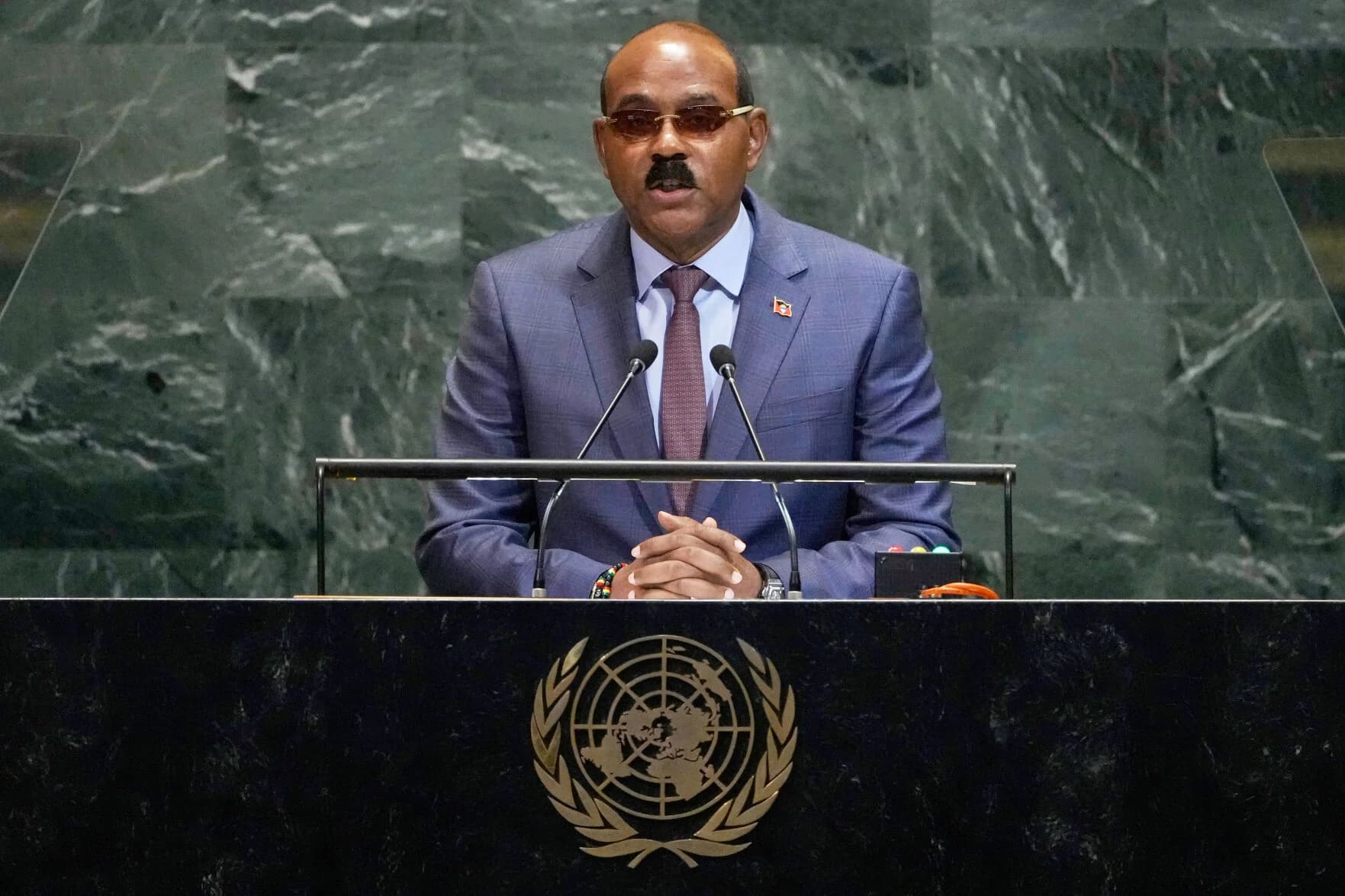
Antigua and Barbuda Champions Ocean Protection and Moratorium on Seabed Mining
Prime Minister Gaston Browne of Antigua and Barbuda delivered a compelling address at the United Nations General Assembly, emphasizing the critical role of small island states as custodians of the ocean. He called for immediate global action to safeguard marine ecosystems, combat pollution, and expand opportunities within the blue economy. Browne underscored the ocean’s significance to island nations, stating, “For islands like mine, the ocean is not scenery—it is sustenance, it is survival, it is our future.” He highlighted the alarming degradation of marine environments, including coral reef bleaching, mangrove loss, plastic pollution, and illegal fishing, which threaten the livelihoods of coastal communities. Browne outlined a four-point action plan, urging enhanced support for Small Island Developing States (SIDS) to secure maritime boundaries, the adoption of a robust global plastics treaty, increased financing for carbon-sequestering coastal ecosystems, and the provision of satellite monitoring to protect Exclusive Economic Zones. Additionally, he advocated for a moratorium on seabed mining until independent scientific research confirms its safety, warning against irreversible damage to the ocean floor. Browne invited international partners to collaborate on ocean stewardship, balancing conservation with sustainable economic growth for island nations.
-

Presenting the perception and alleged evidence of corruption in the country
Recent reports from Transparency International and other civil society organizations highlight a nuanced picture of the Dominican Republic’s efforts to combat corruption. While the country has made moderate progress over the past four years, scoring 36 out of 100 on the Corruption Perceptions Index, it remains below the global average of 42%. This indicates that significant challenges persist in achieving transparency and accountability in public affairs.