分类: politics

  • Dominican Ambassador Andy Rodríguez Durán presents Credentials to Sultan of Oman

    Dominican Ambassador Andy Rodríguez Durán presents Credentials to Sultan of Oman

    In a landmark development for Caribbean-Middle Eastern relations, Ambassador Andy Rodríguez Durán has formally presented his credentials as the Dominican Republic’s first non-resident ambassador to the Sultanate of Oman. The historic accreditation ceremony took place at Al Baraka Palace, where Ambassador Rodríguez Durán was received by Sultan Haitham bin Tariq Al Said in a meeting characterized by mutual respect and diplomatic warmth.

    The ceremony marked a significant expansion of the Dominican Republic’s diplomatic footprint in the Gulf region, with Ambassador Rodríguez Durán conveying personal greetings from President Luis Abinader to the Omani leadership. The discussions emphasized both nations’ commitment to enhancing bilateral cooperation across multiple sectors of mutual interest.

    The event saw participation from a diverse cohort of international diplomats, with ambassadors from New Zealand, Belarus, Vietnam, Cuba, Australia, Singapore, Greece, Zimbabwe, and the Czech Republic simultaneously presenting their credentials. Sultan Haitham bin Tariq personally welcomed each envoy, expressing gratitude for the messages from their respective heads of state while pledging full support from the Omani government and citizens to facilitate their diplomatic missions.

    The high-profile gathering was attended by key Omani officials including Sayyid Khalid bin Hilal Al Busaidi, Minister of the Royal Palace Office, and Sayyid Badr bin Hamad Al Busaidi, Minister of Foreign Affairs. Ambassador Rodríguez Durán, who maintains additional accreditation as head of mission in Saudi Arabia with concurrent responsibilities for Djibouti and Bahrain, was accompanied by Second Secretary Fadi Haddad during the proceedings.

  • CARICOM urged to aid Cuba amid deepening crisis

    CARICOM urged to aid Cuba amid deepening crisis

    Cuba’s escalating humanitarian crisis, characterized by severe fuel shortages, prolonged electricity blackouts, and critical shortages of food and medical supplies, has prompted a senior Caribbean diplomat to call for urgent regional action against the longstanding US embargo. Ambassador David Comissiong, Cuba’s envoy to the Caribbean Community (CARICOM), has issued a compelling appeal for collective response ahead of next week’s CARICOM summit in St Kitts and Nevis.

    The current crisis has intensified following recent US measures strengthening enforcement of the 64-year embargo, including an executive order imposing punitive tariffs on nations supplying oil to Cuba. These restrictions have exacerbated existing economic challenges including rampant inflation, limited foreign exchange reserves, and persistent pandemic-related disruptions.

    Social media has circulated disturbing images of extensive queues for basic necessities, shuttered essential services, and darkened neighborhoods across the island. International organizations including the United Nations have expressed grave concern about the mounting hardship, particularly affecting vulnerable populations such as elderly citizens and children.

    In his published letter to Barbados TODAY, Ambassador Comissiong highlighted emotional testimony from a Cuban woman describing the human toll: elderly patients dying prematurely due to blocked medication access, newborn infants endangered by non-functional incubators resulting from fuel shortages, and what she termed ‘terrorism through hunger.’

    The ambassador grounded his appeal in historical context, recalling how four CARICOM founding members—Barbados, Jamaica, Guyana, and Trinidad and Tobago—established diplomatic relations with Cuba in 1972 despite external pressure. This established what he described as a ‘special relationship’ evidenced by Cuba’s longstanding support in medicine, education, sports, arts, agriculture, and disaster response throughout the region.

    Dr. Ronnie Yearwood, international law lecturer at the University of the West Indies, analyzed the situation as part of broader geopolitical patterns, drawing parallels with US policy toward Venezuela. He warned that the combination of hyperinflation, fuel shortages, and electricity deficits indicates an escalating crisis potentially aimed at regime change. Dr. Yearwood criticized what he characterized as insufficient regional response while emphasizing CARICOM’s collective economic leverage as a significant trading partner with the United States.

    The diplomatic appeal calls for concrete contributions of food supplies, medical resources, and renewable energy equipment to alleviate Cuba’s critical situation, framing the response as both a humanitarian imperative and a test of regional sovereignty.

  • CARICOM leaders to tackle CSME, reparations, Haiti in Basseterre

    CARICOM leaders to tackle CSME, reparations, Haiti in Basseterre

    Caribbean Community (CARICOM) leaders are gathering in Basseterre, St Kitts and Nevis for the bloc’s historic 50th regular summit, marking a pivotal moment for regional diplomacy. The high-level assembly will confront an ambitious agenda featuring critical discussions on economic integration, regional security challenges, and strategic international partnerships.

    The summit’s provisional agenda, released by the CARICOM Secretariat, highlights several transformative initiatives. Delegates will deliberate on expanding the CARICOM Single Market and Economy (CSME) by incorporating aviation personnel into the list of skilled professionals granted free movement rights. Proposed amendments to the Revised Treaty of Chaguaramas will also be examined, particularly concerning rules of origin that determine duty-free eligibility for regional products.

    International diplomacy takes center stage with scheduled high-profile engagements. Saudi Arabia’s Foreign Minister Prince Faisal bin Farhan Al Saud and Dr. George Elombi, President of the African Export-Import Bank (Afreximbank), will participate in strategic dialogues. The recently established CARICOM-Afreximbank office in Barbados signals deepening economic cooperation between the regions.

    Regional security concerns will be addressed behind closed doors, with particular focus on Haiti’s escalating crisis and transnational crime. The meeting will receive crucial updates from the High-Level Representative on Law and Criminal Justice while analyzing geopolitical shifts in international relations.

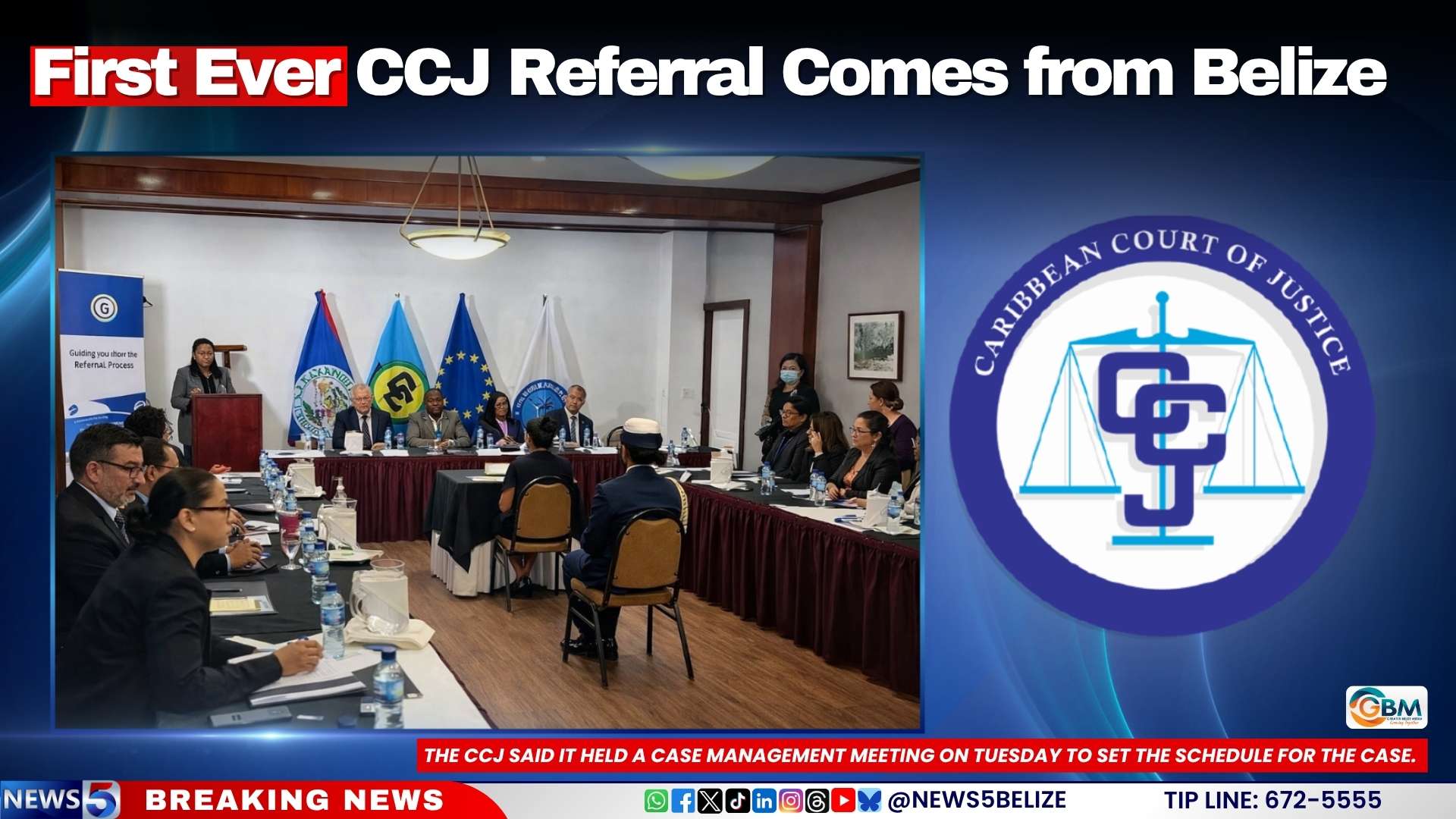
    Border disputes feature prominently on the agenda, including Belize’s ongoing tensions with Guatemala and Honduras, plus Guyana’s territorial confrontation with Venezuela. The summit will also consider Bermuda’s application for associate membership status within the bloc.

    Additional key discussions encompass CARICOM’s budgetary allocations and governance structures, progress on indigenizing the University of the West Indies, and implementation updates regarding freedom of movement between Barbados and three member states. The agenda further addresses regional transportation, industrial policy development, WTO trade negotiations, climate finance mechanisms, and food security initiatives through enhanced agri-food systems.

    The summit will finalize CARICOM’s participation in forthcoming international gatherings, including joint summits with Cuba, the Tenth Summit of the Americas, and the 28th Commonwealth Heads of Government Meeting scheduled for November in Antigua and Barbuda.

  • Where Does Belize Rank on the World’s Corruption List?

    Where Does Belize Rank on the World’s Corruption List?

    After an 18-year absence from international corruption monitoring, Belize has regained its position on Transparency International’s influential Corruption Perceptions Index (CPI). The Central American nation’s reappearance on the 2026 index marks a significant development in global governance tracking, providing both encouraging signals and sobering realities about the country’s anti-corruption efforts.

    According to Cesar Ross, Director of Belize’s Good Governance Unit, the country’s return to the index followed concerted efforts to meet Transparency International’s stringent data requirements. “The absence since 2008 resulted from insufficient international analysis,” Ross explained. “Only two agencies had been producing data assessments for Belize, while the CPI mandate requires at least three independent evaluations.”

    The newly published index reveals Belize achieved a score of 36%, representing a seven-point improvement over its last recorded assessment in 2008. This advancement moved the country from position 109 to 104 among the 182 nations evaluated. However, Ross emphasized that while numerically positive, this progress must be contextualized within global anti-corruption developments. “We must consider why we haven’t been advancing more rapidly compared to international standards,” he noted.

    Ross characterized the CPI not as an endorsement but as a diagnostic tool offering external perspective on governance quality. The ranking provides comparative analysis against global counterparts and illuminates international perceptions regarding corruption levels within Belize’s public institutions.

    The director highlighted that Belize’s reinstatement creates new accountability pressures, particularly regarding recently enacted legislation. Laws including the 2023 Civil Asset Recovery and Unexplained Wealth Act now face heightened scrutiny to demonstrate tangible impacts rather than merely existing as statutory accomplishments.

    This development positions Belize within a framework of measurable international standards, offering benchmarks for future governance reforms and anti-corruption initiatives. The country’s return to the index establishes a foundation for tracking progress and identifying areas requiring intensified anti-corruption focus in coming years.

  • $50M National Bus Company Set to Launch ‘For the People’

    $50M National Bus Company Set to Launch ‘For the People’

    Belize is poised to revolutionize its public transportation infrastructure with the March 1st inauguration of the National Bus Company, a groundbreaking $50 million initiative spearheaded by the Ministry of Transport. This ambitious venture represents a comprehensive consolidation of the country’s fragmented bus system under a novel public-private ownership structure.

    The innovative ownership model grants the Belizean government a controlling 45.76% majority stake, while 17 participating bus operators collectively maintain 39.15% ownership. The remaining 15.08% will be allocated to institutional investors including insurance companies and the Social Security Board, who have demonstrated significant interest in the transformative project.

    According to auditor Emil Pinelo, the company’s valuation employed sophisticated assessment methodologies combining discounted cash flow analysis with asset-based evaluation. “Our team engaged individually with regional bus operators under strict non-disclosure agreements,” Pinelo explained. “Their provision of sensitive financial data enabled us to conduct a thorough and proper assessment of operational realities.”

    The consolidated operational framework promises substantial benefits for participating operators, with financial projections indicating potential profit increases of approximately 30%. Strategic advantages include bulk purchasing power, integrated electronic payment systems, and significant reductions in cash-handling inefficiencies and revenue pilferage.

    Transport Minister Dr. Louis Zabaneh addressed concerns regarding potential future governmental changes, emphasizing that protective legislation will safeguard the company’s road service permits. “While future administrations might reconsider the arrangement decades from now, they cannot do so without legitimate cause,” Zabaneh asserted, expressing confidence that public support would ensure the initiative’s longevity.

    The minister highlighted that ultimate protection for the venture would come from the citizenry themselves, who stand to benefit from improved efficiency, enhanced passenger experience, and a modernized transportation sector. “The people will safeguard their National Bus Company because they will have directly experienced its benefits,” Zabaneh concluded, noting that electoral accountability would ensure continued protection of public interests.

  • Landmark 3-year salary agreement with police and prison services

    Landmark 3-year salary agreement with police and prison services

    In a significant development for Caribbean labor relations, the Grenadian government has formally ratified a comprehensive three-year Collective Bargaining Agreement with the nation’s essential security personnel. The historic signing ceremony on February 17, 2026, attended by Prime Minister Dickon Mitchell and Labour Commissioner Sparkle Grenade-Courtney, brought together representatives from both the Royal Grenada Police Force and His Majesty’s Prisons Officer Welfare Association.

    The agreement establishes a structured compensation package featuring consistent 4% annual salary increases throughout the 2026-2028 period. This builds upon previous gains achieved during the preceding triennium, where security personnel received cumulative raises totaling 13%. Beyond base salary enhancements, the settlement incorporates preserved annual increments each January alongside improved operational allowances specifically designed to address the unique challenges facing security personnel.

    Prime Minister Mitchell characterized the agreement as a triumph for national stability, emphasizing its dual focus on worker welfare and fiscal responsibility. The administration highlighted how the 4/4/4 increase structure remains within sustainable economic parameters while protecting officers against inflationary pressures.

    According to the Deputy Chairman of the Government Negotiating Team, this settlement creates crucial industrial tranquility necessary for implementing broader public service reforms. These initiatives include staff regularization, pension system modernization, and the introduction of a performance-based incentive program through the Integrated Performance Management System.

    With security services now secured, government negotiators will extend discussions to remaining public sector unions using the established 4% benchmark as a reference point for equitable compensation agreements across all government services.

  • Analyst: Holder likely to return as Speaker

    Analyst: Holder likely to return as Speaker

    Barbados is set to witness a significant parliamentary development this Friday with the anticipated return of Arthur Holder as Speaker of the House of Assembly. This appointment marks a historic first, as he will be the initial individual to assume the role from outside the lower chamber, a move made possible by a recent constitutional amendment.

    Renowned political analyst Peter Wickham expressed strong confidence in the selection, stating the choice appears ‘pretty clear.’ Wickham emphasized Holder’s unique qualifications, noting, ‘I can’t think of anybody who is more qualified than him.’ He further clarified that Holder’s previous service as an elected Member of Parliament does not preclude an independent return, citing ample precedent for such a transition.

    Holder, a seasoned lawyer elevated to Senior Counsel in 2023, originally served as the MP for St Michael Central from June 2018 until his departure from elective politics in January. He made history as the first Speaker in the 387-year-old Parliament to sport lengthy dreadlocks, becoming known for his candid yet relaxed presiding style. Prior to his political career, Holder built a substantial background in social services. A graduate in social work, he held managerial and program officer positions at the Child Care Board and the National Council on Substance Abuse.

    His tenure as Speaker has been internationally recognized. Holder has been an active participant in global parliamentary affairs, presenting research at prestigious forums such as ParlAmericas and the Parliamentarians for Global Action Forum. He has also chaired specialized workshops focusing on critical issues like parliamentary cybersecurity, demonstrating a forward-thinking approach to governance.

  • US Builds Military Muscle as Iran Nuclear Talks Continue

    US Builds Military Muscle as Iran Nuclear Talks Continue

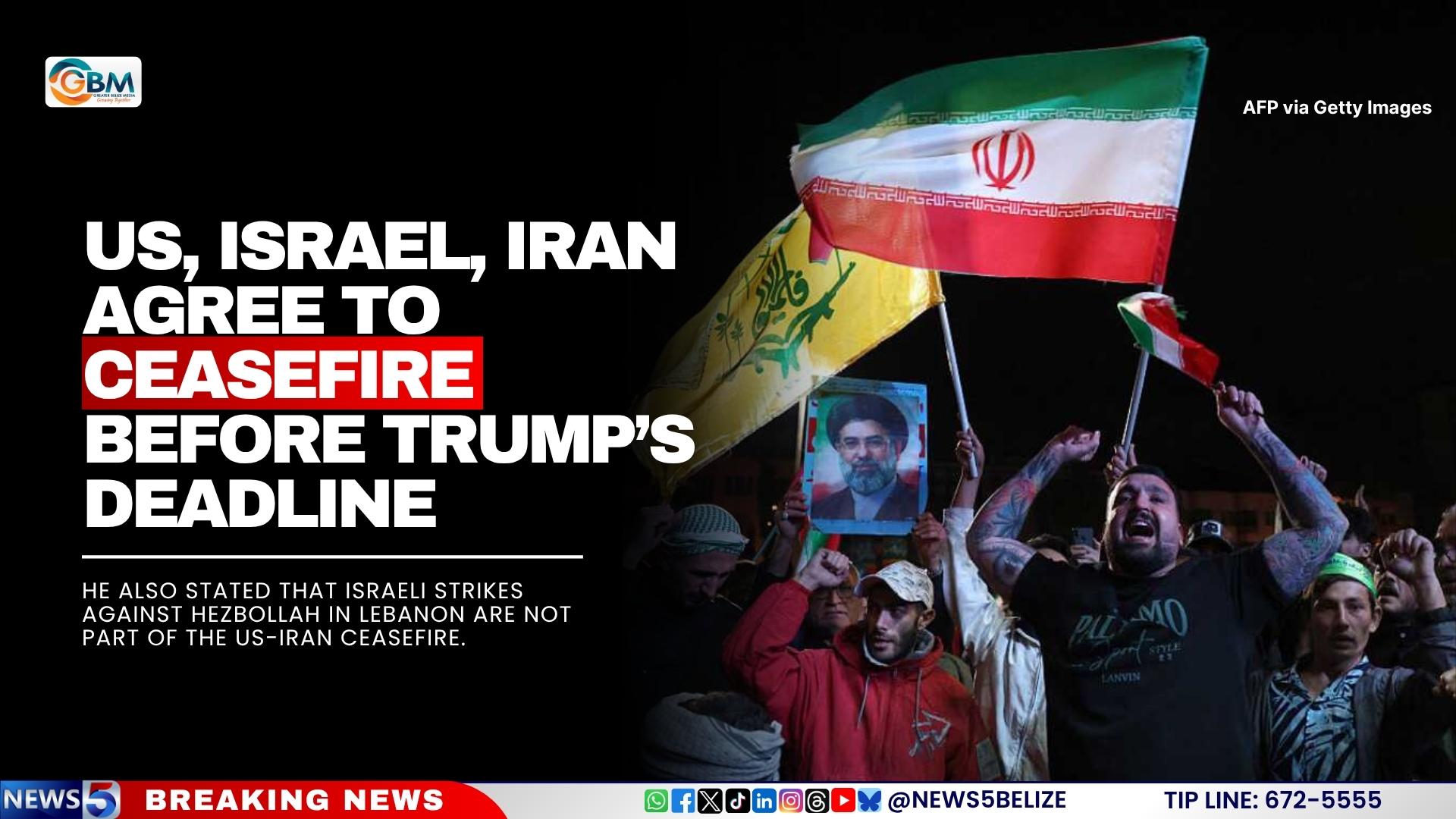
    While American and Iranian diplomats engaged in critical nuclear discussions in Geneva, the United States has been simultaneously conducting a substantial military reinforcement across the Middle Eastern theater. Intelligence reports confirm a strategic influx of advanced military assets into the region, including extensive aerial deployments and naval enhancements.

    Recent operational data reveals more than 250 dedicated cargo flights have delivered substantial combat equipment to various regional bases. This logistical surge includes the strategic repositioning of fighter jet squadrons and the deployment of two fully operational carrier strike groups within striking distance of potential targets.

    According to defense officials, this dual-track strategy serves complementary objectives: strengthening Washington’s diplomatic leverage during negotiations while ensuring military preparedness should discussions falter. The administration has consistently emphasized its willingness to employ military options if diplomatic efforts collapse.

    Meanwhile, in Geneva, Iranian Foreign Minister Abbas Araghchi reported preliminary progress, noting agreement on fundamental principles for continued dialogue. He acknowledged, however, that subsequent phases involving detailed agreement drafting would present significantly greater challenges, despite having established a preliminary framework.

    Regional security analyst Ali Vaez offered measured perspective on the negotiations, stating that success hinges on realistic ambitions. ‘The parties must pursue a limited, achievable agreement to avoid catastrophic alternative outcomes,’ Vaez commented, highlighting the high-stakes nature of the discussions.

  • Williams-Grant Urges Targeted Investment to Break Cycle of Economic and Political Exclusion for Women

    Williams-Grant Urges Targeted Investment to Break Cycle of Economic and Political Exclusion for Women

    At the recent Caribbean–EU Parliamentary Assembly’s Women’s Forum, a compelling case was made for strategic investment to dismantle the systemic barriers hindering women’s advancement in business and politics. Senate President Alencia Williams-Grant delivered a powerful address, framing the issue not as a matter of charity but as one of critical economic efficiency. She identified women as one of the most significantly underfunded catalysts for sustainable growth in the region.

    Despite women owning approximately 40% of micro, small, and medium-sized enterprises across the Caribbean and holding prominent roles in key sectors like tourism, hospitality, and agro-processing, a stark financing disparity persists. Williams-Grant revealed that average loans granted to women-led businesses are a mere $156,000, a figure dwarfed by the $1.54 million average allocated to male-owned enterprises. This severe capital constraint directly inhibits their capacity to scale operations, secure additional funding, and even launch viable political campaigns.

    The Senate President articulated a vicious cycle where economic exclusion fuels political exclusion, which in turn reinforces economic marginalization. To break this pattern, she advocated for a comprehensive policy approach. Her proposals included channeling corporate social investment into specialized business incubators for women, supporting NGO-operated childcare services, and implementing widespread financial literacy and leadership development initiatives.

    Echoing these sentiments, Senator Kiz Johnson emphasized the urgent need to address the political representation gap, suggesting the serious consideration of quota systems. She highlighted existing supportive mechanisms, such as the Prime Minister’s Entrepreneurial Development Fund—noting its 47% female participation rate—and various capacity-building programs administered by the Antigua and Barbuda Investment Authority, as foundational models for future expansion.

  • Holness urges young Jamaicans to modernise public sector

    Holness urges young Jamaicans to modernise public sector

    KINGSTON, Jamaica—In a significant address at the University of the West Indies, Mona campus, Prime Minister Andrew Holness issued a compelling call to action for Jamaica’s emerging leaders. Speaking at a forum organized by Generation 2000, themed ‘Beyond Bureaucracy: Jamaica’s Resilience for the Digital Age,’ Holness positioned bureaucratic reform as both a national priority and global imperative.

    The Prime Minister presented a stark analysis: the very architects of existing bureaucratic systems cannot be expected to dismantle them. This transformation, he contended, must be driven by younger generations equipped with digital-age thinking. Holness characterized bureaucracy as a worldwide challenge requiring innovative solutions rather than incremental adjustments.

    Central to his vision is the metamorphosis of Jamaica’s public sector into a smart, agile apparatus focused on tangible outcomes rather than procedural compliance. The Prime Minister drew a direct connection between systemic inefficiency and corruption, challenging the conventional wisdom that more legislation automatically improves governance.

    Holness advocated for nothing less than a cultural revolution within government institutions—shifting from activity-based metrics to impact measurement. This paradigm change, he suggested, would not only modernize operations but fundamentally enhance service delivery and governance quality across Jamaica.