分类: politics

  • PUP Marks 75 Years and Eyes 2027 Municipal Sweep

    PUP Marks 75 Years and Eyes 2027 Municipal Sweep

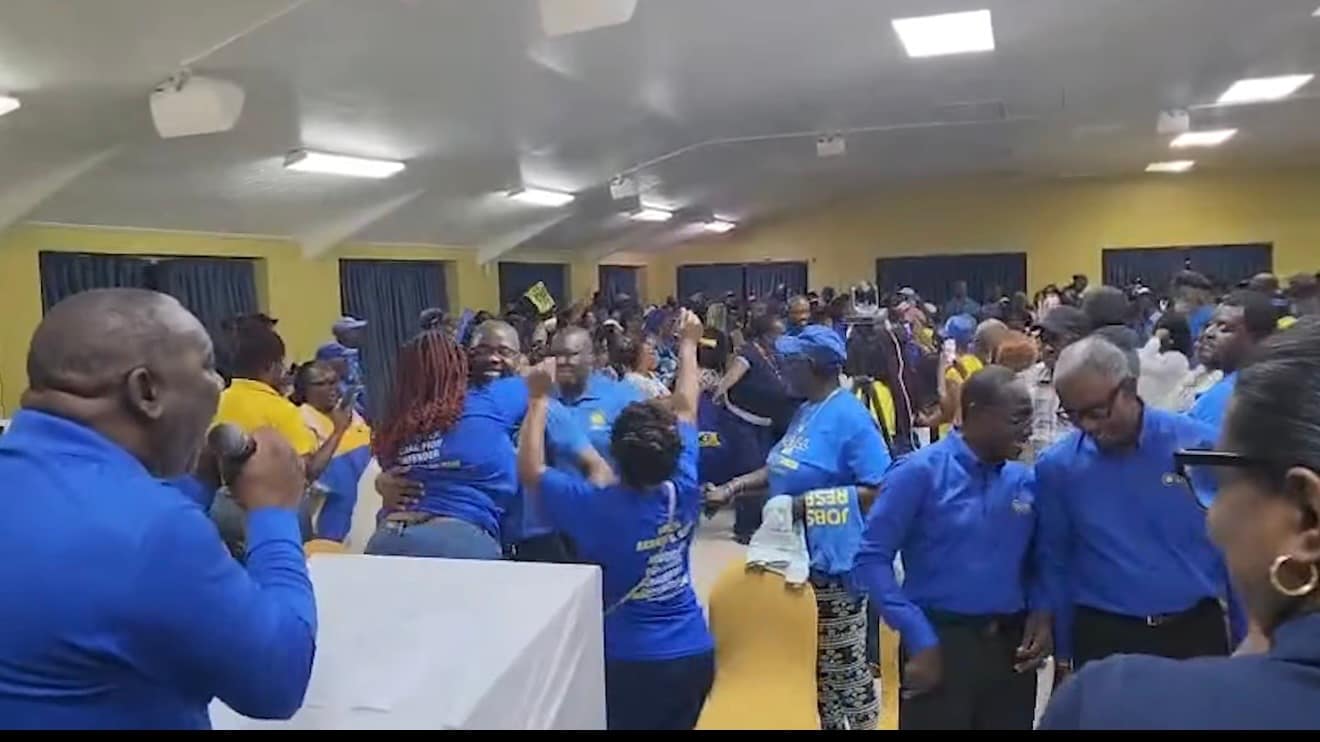
    BELMOPAN, BELIZE – In a powerful display of political unity, over 1,500 delegates from the People’s United Party (PUP) converged at the Belmopan Comprehensive School this Sunday for a pivotal National Party Council gathering. The assembly, comprising standard bearers and grassroots supporters from all six districts, set the stage for the party’s strategic direction.

    The landmark meeting coincided with dual milestones: the PUP’s 75th anniversary and Prime Minister John Briceño’s decade-long leadership tenure. “We have 75 years strong, and still going,” declared Briceño during his keynote address, capturing the historic significance of the occasion.

    Delegates ratified several critical positions, demonstrating consolidated support for Briceño’s continued leadership. The council endorsed the government’s decision to suspend negotiations regarding Belize Telemedia Limited’s proposed acquisition of Speednet/SMART, while simultaneously backing the Public Utilities Commission’s ongoing public consultation process.

    Significant policy advancements received unanimous support, including the final implementation phase of the National Health Insurance programme through the 2026 Bill. Briceño revealed imminent progress, stating, “This week, we are signing the contracts for NHI in the Cayo District, where 80 thousand more Belizeans will gain access. This achievement means we can finally offer comprehensive NHI coverage from Corozal to Toledo District—ensuring every Belizean man, woman, and child has access.”

    The council additionally reaffirmed commitment to environmental sustainability through the Million Tree Initiative.

    Looking toward future political contests, Prime Minister Briceño expressed unwavering confidence about the upcoming March 2027 municipal elections, predicting a sweeping victory across all municipalities. The gathering thus served both as a celebration of historical legacy and a strategic launchpad for the party’s future ambitions.

  • OP-ED: Is CARICOM at a foreign policy turning point?

    OP-ED: Is CARICOM at a foreign policy turning point?

    As the Caribbean Community (CARICOM) prepares for its landmark Fiftieth Regular Meeting of Conference Heads of Government, the regional bloc faces unprecedented internal divisions over foreign policy alignment. The escalating tensions stem primarily from Trinidad and Tobago’s dramatic shift toward supporting US interventionist policies in the region, creating what insiders describe as a ‘clash of foreign policy outlooks’ among the 14 member states.

    The fracture lines became visible in September 2025 when Trinidad and Tobago’s Prime Minister Kamla Persad-Bissessar announced new organizing principles for her government’s foreign policy during the UN General Assembly. Since then, Port-of-Spain’s growing alignment with Washington’s strategic interests has raised concerns among fellow CARICOM members about the bloc’s commitment to multilateral diplomacy.

    This polarization has manifested most visibly in member states’ changing relationships with Cuba. Several nations, including Guyana and Antigua and Barbuda, have abruptly terminated long-standing medical cooperation agreements with Havana—moves that coincide with increased US pressure under the emerging ‘Donroe Doctrine.’ The doctrine has effectively forced small Caribbean states to reconsider traditional alliances, creating what analysts describe as a ‘quandary’ between regional solidarity and practical dependence on US economic and security support.

    The situation is particularly acute for Guyana, where US dominance in oil and gas exploration creates significant dependency. As one insider noted, ‘It is difficult for Guyana to be too independent of the United States’ given both economic reliance and security considerations regarding Venezuela.

    CARICOM leaders are expected to address these tensions in caucus sessions during the February 24-27 summit. The discussions will focus on two primary concerns: the bloc’s disconnect with Trinidad and Tobago’s new orientation, and member states’ varied responses to ‘America First’ unilateralism. Recent diplomatic efforts, including CARICOM Chair Terrance Drew’s meeting with Persad-Bissessar last month, have shown promising signs of reconciliation, but observers agree that a ‘deep reset’ of political relations is urgently needed.

    The summit’s outcome may determine whether CARICOM can maintain a coherent vision of regional unity amid growing geopolitical pressures. As one commentator noted, ‘Regional politics ought to enable integration-related institutions to take steps toward—rather than away from—the realization of regional unity.’ Whether the summit can achieve this remains uncertain, but the stakes for Caribbean solidarity have never been higher.

  • The countdown to election

    The countdown to election

    The Baha Mar Convention Centre erupted in a vibrant display of political fervor as hundreds of Progressive Liberal Party (PLP) supporters clad in yellow attire gathered for the official commencement of their electoral campaign on Tuesday evening. The event, which transformed the venue into a pulsating political rally, signaled an accelerated push toward general elections despite the constitutional deadline extending until September.

    Party loyalists arrived well in advance, adorned in official merchandise and carrying oversized placards while creating an energetic atmosphere with horns and chants. The venue entrance featured strategically placed campaign banners, while the interior ballroom dazzled with bright lights, musical performances, and frequent standing ovations throughout the program.

    The diverse assembly spanned multiple generations, from young activists to senior citizens, illustrating the broad demographic appeal of the ruling party. Many attendees expressed motivation through their perceived progress under the current administration and emphasized the importance of maintaining developmental momentum.

    The structured program encompassed four thematic segments preceding the keynote address, with constituency candidates outlining policy priorities focused on economic recovery, public relief initiatives, opportunity expansion, and targeted investments in the Family Islands. Each political address generated enthusiastic applause, interspersed with musical performances by local artists Julian Believe and Johnny Cake that prompted synchronized flag-waving and collective singing.

    Prime Minister Philip ‘Brave’ Davis delivered the principal address, highlighting his government’s record of converting ‘crisis into progress’ while acknowledging ongoing challenges. ‘The economy demonstrates growth, critical crime statistics show decline, and expert assessments turn positive—yet these indicators hold limited meaning for citizens struggling with household expenses, employment uncertainty, or neighborhood safety concerns,’ Davis stated.

    The Prime Minister extensively addressed artificial intelligence’s transformative potential, detailing applications across business enhancement, educational advancement, healthcare innovation, national security reinforcement, meteorological forecasting, and governmental modernization. Simultaneously, he cautioned about unprecedented disruption rates, warning about potential job displacement in vulnerable sectors and malicious AI utilization through cybercrime, digital fraud, deepfakes, and disinformation campaigns.

    Davis concluded with criticism toward opposition parties and urged unwavering commitment to the PLP platform. The event culminated emotionally as the Prime Minister stood hand-in-hand with colleagues and his wife while Cece Winans’ ‘Goodness of God’ played, prompting supporters to rise in unified cheers and flag-waving demonstrations.

  • Haitian prime minister reiterates commitment to deal with criminal gangs

    Haitian prime minister reiterates commitment to deal with criminal gangs

    The Haitian government has reinforced its national police force with a significant delivery of armored vehicles as part of an intensified security strategy against rampant gang violence. Prime Minister Alix Didier Fils-Aimé presided over the handover ceremony at police headquarters in Port-au-Prince, where 10 armored vehicles were received through collaborative efforts between the Canadian government and the United Nations Office for Project Services (UNOPS).

    During the ceremony, Prime Minister Fils-Aimé emphasized the critical connection between security stability and democratic processes. ‘Political stability, economic recovery, and social cohesion remain unattainable without the comprehensive restoration of republican order,’ he declared. The interim leader, who assumed power following the expiration of the Provisional Transitional Council’s mandate on February 7, specifically appealed for public support for security forces engaged in combat against criminal elements seeking to overthrow the transitional administration.

    This latest donation represents part of a broader international support initiative addressing Haiti’s severe security deterioration. Canadian Ambassador André François Giroux reiterated his nation’s steadfast commitment to assisting Haitian law enforcement restoration efforts. The armored vehicle acquisition follows recent transfers of three tracked combat vehicles from South Korea, bringing Haiti’s total armored fleet to 35 units. Among these are three highly specialized tracked vehicles engineered for challenging terrain and offensive operations against heavily armed gangs.

    Security reinforcements coincide with anticipated April deployments of the Gang Suppression Force (GSF), which succeeds the struggling Kenya-led Multinational Security Support mission. The GSF’s mandate encompasses restoring state authority, diminishing gang territorial control, securing vital infrastructure, and facilitating Haiti’s transition to elected governance and sustainable stability.

    Concurrently, the Organization of American States has scheduled an emergency permanent council meeting in Washington to evaluate Haiti’s evolving political landscape and review Secretary General Albert Ramdin’s progress report. Haiti has functioned without elected leadership since President Jovenel Moise’s assassination at his private residence overlooking Port-au-Prince on July 7, 2021.

  • Cabinet ministers sworn in

    Cabinet ministers sworn in

    The newly appointed Barbados Cabinet ministers were formally inaugurated on Monday in a ceremony held at CARIFESTA House, Waterford, St Michael. Prime Minister Mia Mottley leads the administration which features several significant portfolio expansions and strategic appointments designed to address both domestic priorities and international engagements.

    The cabinet structure demonstrates a deliberate emphasis on social and environmental governance with the creation of the Ministry of the Environment, National Beautification and Fisheries, led by Deputy Prime Minister Santia Bradshaw. The government has also established specialized ministries focusing on Technological and Vocational Training (Sandra Husbands), Innovation, Industry, Science and Technology (Senator Jonathan Reid), and People Empowerment and Elder Affairs (Adrian Forde).

    Notable appointments include Wilfred Abrahams as Attorney General, Senator Jerome X Walcott as Senior Minister coordinating Social and Environmental Policy, and Kerrie Symmonds heading Energy, Business Development and Commerce while coordinating the Productive Sector. The economic team is led by Ryan Straughn as Minister of Finance alongside Marsha Caddle, who holds responsibility for Economic Affairs and Planning within the Prime Minister’s Office.

    International relations fall under Senator Christopher Sinckler as Senior Minister of Foreign Affairs and Foreign Trade, while tourism and transport portfolios are managed by Ian Gooding-Edghill. The cabinet also features dedicated positions for Pan African Affairs and Heritage (Trevor Prescod) and Youth and Culture (Senator Shane Archer). Several ministerial state positions remain to be completed with government senators scheduled for inauguration at a later date.

  • Browne Says Haiti’s Security Crisis Must Be Stabilized to Restore Democracy

    Browne Says Haiti’s Security Crisis Must Be Stabilized to Restore Democracy

    ST. JOHN’S, Antigua – Caribbean Community (CARICOM) voices amplified calls for urgent international intervention in Haiti during the inaugural Caribbean-EU Parliamentary Assembly this week. Prime Minister Gaston Browne of Antigua and Barbuda addressed assembled parliamentarians from both regions, emphasizing that Haiti’s escalating security crisis demands immediate containment to enable democratic processes.

    Addressing lawmakers at the historic gathering, Browne articulated that Haiti’s multidimensional crisis demonstrates the inseparable interconnection between security, governance, and sustainable development. ‘The situation reminds us that these fundamental pillars cannot be addressed in isolation,’ stated Browne during his keynote address.

    The Caribbean leader reaffirmed regional commitment to supporting Haitian-led solutions while calling for sustained international engagement. He emphasized that restoring security constitutes the immediate priority to alleviate civilian suffering and establish necessary conditions for credible elections.

    ‘Control must be established over the security situation to terminate the anguish of Haitian citizens and facilitate transparent electoral processes,’ Browne asserted. ‘Only then can democratic governance institutions be fully reinstated.’

    Notably, Browne highlighted that the majority of European Union assistance directed toward the Caribbean region currently focuses on Haiti, underscoring both the severity of the crisis and its broader implications for regional stability.

    The Prime Minister’s address occurred during the opening session of the first Caribbean-EU Parliamentary Assembly convened in Antigua and Barbuda. This three-day diplomatic gathering aims to strengthen multilateral cooperation under the recently adopted Samoa Agreement framework.

    Haiti continues to confront unprecedented gang violence, political paralysis, and economic collapse, prompting increased regional and international demands for coordinated intervention and comprehensive governance reforms. Browne concluded that stability in Haiti remains essential not merely for its population but for wider Caribbean security and developmental progress.

  • Browne Calls for Reset in EU–Caribbean Trade Relations

    Browne Calls for Reset in EU–Caribbean Trade Relations

    In a significant diplomatic address, a senior Caribbean official has issued a compelling call for a comprehensive restructuring of trade relations between the European Union and Caribbean nations. The appeal emphasizes the urgent need to move beyond historical frameworks and establish a more equitable, forward-looking partnership.

    The current trade dynamic, largely shaped by historical agreements, requires substantial modernization to address contemporary economic challenges and opportunities. The official highlighted that existing arrangements often fail to adequately consider the unique vulnerabilities and emerging potential of Caribbean economies, particularly in the context of climate change and global economic shifts.

    Key proposals include fostering greater reciprocity in market access, enhancing support for sustainable development initiatives, and creating mechanisms that genuinely empower local industries rather than perpetuating dependency. This recalibration aims to transform the relationship from one of traditional donor-recipient dynamics into a genuine strategic alliance based on mutual benefit and shared objectives.

    The call for reform comes amid broader global conversations about post-colonial economic relationships and the need for international trade systems to better serve developing nations. This position aligns with growing demands from various regions for trade terms that more effectively promote inclusive growth and sustainable development.

    The proposed reset could have significant implications for trade patterns, investment flows, and economic cooperation between the two regions, potentially setting a new precedent for how developed and developing economies structure their commercial relationships in the 21st century.

  • Browne Defends Citizenship by Investment Programme at Caribbean–EU Assembly

    Browne Defends Citizenship by Investment Programme at Caribbean–EU Assembly

    Prime Minister Gaston Browne of Antigua and Barbuda delivered a robust justification for the nation’s Citizenship by Investment Programme (CBI) during the inaugural session of the Caribbean-European Union Parliamentary Assembly. The high-level gathering, convened from February 16-18 at the American University of Antigua Convention Centre, provided a platform for addressing one of the Caribbean’s most contentious policy areas currently under European examination.

    In his address, Prime Minister Browne characterized the CBI initiative as both lawful and transparent, emphasizing its critical role as a developmental mechanism for small island nations striving for economic stability. The programme, according to Browne, operates within meticulously designed legal frameworks accompanied by rigorous oversight protocols that exceed international standards.

    The capital generated through these investment migration schemes has been strategically deployed to finance hurricane recovery operations, construct climate-resilient infrastructure, expand healthcare services, develop educational facilities, and ensure fiscal stabilization across participating Caribbean nations.

    Browne revealed that Caribbean governments have engaged in an extensive 18-month consultation process with European Union, United Kingdom, and United States authorities to strengthen programme integrity. Dismissing claims of elevated risk associated with CBI, the Prime Minister contended that the multilayered due diligence procedures, advanced biometric screening systems, and financial transparency requirements implemented by Caribbean nations frequently surpass the scrutiny applied to certain non-immigrant visa categories.

    While acknowledging that citizenship policy falls squarely within national sovereignty, Browne advocated for continued evidence-based dialogue with EU officials rather than unilateral restrictions as discussions regarding visa access and investment migration policies progress.

  • Caribbean–EU Parliamentary Assembly Begins Today in Antigua

    Caribbean–EU Parliamentary Assembly Begins Today in Antigua

    Antigua and Barbuda is currently hosting the inaugural plenary session of the Caribbean-European Union Parliamentary Assembly at the American University of Antigua Convention Centre, marking a significant milestone in intercontinental diplomacy. The three-day summit (February 16-18) represents the first major gathering under the recently established Samoa Agreement between the Organisation of African, Caribbean and Pacific States (OACPS) and the European Union.

    The ceremonial opening commenced with House Speaker Osbert Frederick presiding over proceedings, followed by traditional protocol elements including national anthems, invocations, and a keynote address from Prime Minister Gaston Browne. This high-level convening brings together parliamentary representatives from across the Caribbean and EU member states to address pressing regional concerns.

    Central to the assembly’s agenda are critical discussions on climate resilience strategies, combating the persistent sargassum seaweed infestation affecting Caribbean coastlines, and accelerating the transition toward renewable energy sources. Delegates are examining practical solutions for expanding solar and wind power capabilities, modernizing energy infrastructure, and reducing dependency on imported fossil fuels.

    Parallel to the main proceedings, specialized Women’s and Youth forums are addressing intersectional challenges including gender parity in economic systems, enhancing female participation in governance, and engaging younger generations in climate adaptation initiatives.

    The assembly will culminate on Wednesday with the formal adoption of policy recommendations to be presented to the OACPS-EU Council of Ministers, followed by a comprehensive press conference to communicate outcomes to the international community.

  • PM promises to release latest poverty data

    PM promises to release latest poverty data

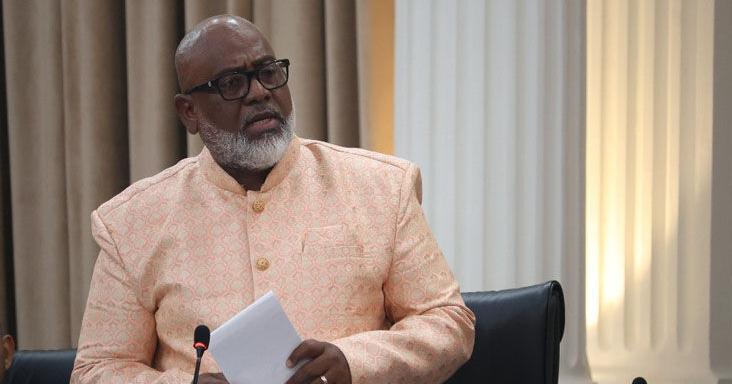
    Prime Minister Godwin Friday has reaffirmed his characterization of a “silent crisis in poverty” gripping St. Vincent and the Grenadines, pushing back against criticism from opposition leader Ralph Gonsalves during the recently concluded Budget Debate. The political confrontation revealed sharply divergent perspectives on poverty measurement and government transparency in the Caribbean nation.

    The controversy originated from Friday’s February 9 Budget Address, where he asserted that approximately one-third of Vincentians either live in poverty or remain precariously close to economic hardship. This assessment drew strong rebuttal from Gonsalves, who led the Unity Labour Party government from 2001 until last November, when Friday’s New Democratic Party assumed power after 25 years of ULP governance.

    Gonsalves attempted to dismantle the poverty framing by citing international comparisons, noting that even developed nations like the United States, United Kingdom, and Canada face similar economic vulnerability rates. He referenced CBS reporting indicating 40% of Americans are one missed paycheck from poverty, while highlighting studies showing significant economic precarity in the UK and Canada.

    Prime Minister Friday firmly rejected these comparative arguments, stating: “I don’t live in another country. I live here in St. Vincent and the Grenadines.” He emphasized that poverty’s existence elsewhere doesn’t justify its acceptance domestically but rather underscores the urgency of eradication efforts.

    The Prime Minister unveiled specific economic metrics to substantiate his claims, revealing that the indigence line had surged by 28% to EC$3,142, while the poverty line increased by 18% to EC$6,547. According to his administration’s analysis, approximately 26% of Vincentians currently cannot meet basic food and non-food requirements, with an additional 8% classified as vulnerable to falling into poverty.

    Friday accused previous administrations of deliberately suppressing unfavorable poverty data, citing a 1967-1972 University of the West Indies study that was allegedly suspended due to unwelcome findings. He further claimed that a 2018-2019 poverty survey funded by external agencies was buried by the ULP government, with public servants intimidated against sharing the information. His party eventually obtained and publicized this data while in opposition.

    The Prime Minister committed to unprecedented transparency, vowing: “We will not silence officials or hide the truth. We will report with honesty, govern transparently, and design policy based on evidence, on facts, not on politics.” He noted that the current poverty figures predate recent devastating events including the COVID-19 pandemic, the 2021 volcanic eruption, and Hurricane Beryl in July 2024, suggesting the situation has likely deteriorated further.

    The EC$1.9 billion budget ultimately passed without opposition support, reflecting the continued political divisions regarding economic assessment and policy approaches in St. Vincent and the Grenadines.