分类: politics

  • Barbados diplomat says Caribbean owes a duty to Cuba

    Barbados diplomat says Caribbean owes a duty to Cuba

    BRIDGETOWN, Barbados – Barbados’ Ambassador to the Caribbean Community (Caricom), David Comissiong, has characterized the current situation in Cuba as a severe humanitarian crisis requiring immediate international response. In a compelling letter, Comissiong emphasized the special historical relationship between Caricom nations and Cuba, urging collective action from governments and citizens of conscience worldwide.

    The crisis has intensified since January when the Trump administration moved to disrupt oil supplies powering Cuba’s energy grid and critical infrastructure. US Secretary of State Marco Rubio suggested economic reforms could ease pressure but declined to specify conditions, emphasizing that Cuba must grant greater economic freedom alongside political reforms.

    Recent developments saw Mexican humanitarian aid ships docking in Havana, with President Claudia Sheinbaum vowing additional support while prioritizing Cuba’s sovereignty. Meanwhile, social media has amplified heartrending accounts from Cuban citizens describing elderly patients dying without medication, neonatal incubators shutting down from fuel shortages, and what Comissiong termed ‘terrorism through hunger’ via deliberate US policies.

    The diplomat invoked the 1972 defiance of four Caribbean leaders – Prime Ministers Eric Williams, Michael Manley, Forbes Burnham and Errol Barrow – who broke regional isolation policies against revolutionary Cuba. This historic action established embassies across independent Caricom nations and initiated decades of Cuban assistance in medicine, education, sports, agriculture and disaster response.

    Comissiong called for urgent provision of food, medical supplies, solar energy equipment and other essentials. He highlighted that for 33 years, the UN General Assembly – excluding only the US and Israel – has voted to condemn the American embargo. Notably, all permanent UN Security Council members (France, China, UK and Russia) consistently supported anti-embargo resolutions.

    The ambassador challenged these nations to ‘put their money where their mouths are’ by supplying oil despite US tariff threats, arguing that as permanent Security Council members they bear special responsibility to uphold international law. Comissiong warned that the assault on Cuba represents a broader threat to multilateralism and the UN system itself, concluding that assisting Cuba constitutes both a moral duty and a crucial step in preserving global order and safety.

  • Belize Appoints New Ambassador to UN Office

    Belize Appoints New Ambassador to UN Office

    In a strategic diplomatic appointment, Belizean Prime Minister John Briceño has selected Dr. Harold Young as the nation’s new ambassador to the United Nations Office in Geneva. The credential presentation ceremony occurred on Monday with UN Geneva Director General Tatiana Valovaya formally welcoming Dr. Young to his new position.

    Dr. Young brings exceptional academic and policy expertise to this critical diplomatic role. His professional background includes extensive experience in both Belizean and international educational institutions, most recently serving as a lecturer in political science and public management at Austin Peay State University in the United States. Additionally, he has provided advisory services to the history department at the University of Belize.

    The newly appointed ambassador holds a doctorate in public law from Georgia State University, where his scholarly research focused on the operational mechanisms of international courts, including the Judicial Committee of the Privy Council. Dr. Young has established himself as a published author in multiple disciplines, contributing significant works to the fields of law, political science, and historical studies.

    This appointment positions Dr. Young at the forefront of Belize’s international engagement strategy, where he will represent the nation’s interests within the complex multilateral environment of United Nations discussions and negotiations in Geneva.

  • Lashley prioritises access to justice in reform agenda

    Lashley prioritises access to justice in reform agenda

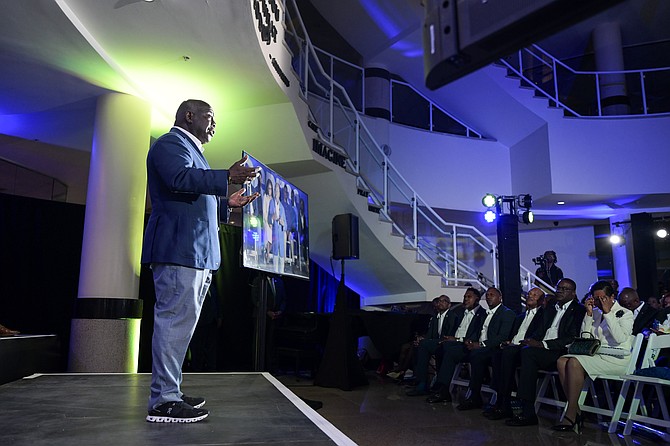
    In his inaugural address as Barbados’ newly appointed Minister of Legal Affairs and Criminal Justice, prominent defense attorney Michael Lashley has committed to implementing comprehensive reforms aimed at transforming the nation’s judicial landscape. Speaking to journalists during Monday’s cabinet swearing-in ceremony at CARIFESTA House, Lashley outlined a visionary strategy focused on three fundamental pillars: enhancing accessibility to justice, streamlining judicial processes for ordinary citizens, and significantly improving systemic efficiency.

    The seasoned legal expert emphasized that true reform must eliminate barriers that prevent common Barbadians from navigating the justice system effectively. Beyond mere physical access to court facilities, Lashley’s approach encompasses simplifying complex legal procedures, dramatically reducing case backlogs, and ensuring public comprehension of legal rights and responsibilities. He substantiated his vision with international research indicating that expedited judicial proceedings directly correlate with reduced crime rates.

    Lashley presented a balanced perspective on criminal justice, asserting that meaningful reform must equally address the rights of the accused and the needs of victims. He stressed the importance of developing tailored programs for both groups while highlighting the interconnected nature of justice reform with broader social development initiatives. The minister specifically noted the critical need for inter-ministerial collaboration and targeted interventions for at-risk youth aged 11-15, proposing structured engagement programs to steer younger generations toward constructive activities and away from potential criminal behavior.

    The newly appointed minister concluded that delays in judicial proceedings not only undermine public confidence in the legal system but potentially encourage criminal activity. His reform agenda promises to create a more responsive justice system that serves as both deterrent to offenders and reassurance to victims and communities alike.

  • PM Drew addresses criticism following assumption of CARICOM chairmanship

    PM Drew addresses criticism following assumption of CARICOM chairmanship

    BASSETERRE, St. Kitts — Prime Minister Dr. Terrance Drew has vigorously defended his leadership approach as current chair of the Caribbean Community (CARICOM) against growing domestic criticism. During a parliamentary address, the St. Kitts and Nevis leader emphasized the regional bloc’s indispensable role in the Federation’s development despite opposition challenges to his diplomatic methods.

    Dr. Drew outlined his hands-on strategy of direct engagement with fellow CARICOM leaders, describing it as essential for navigating complex geopolitical shifts including developments surrounding Venezuelan President Nicolás Maduro. He clarified that all CARICOM decisions represent collective positions rather than individual initiatives.

    Addressing travel-related criticisms from the People’s Labour Party, the Prime Minister dismissed claims of CARICOM’s imminent collapse while acknowledging the organization faces a critical juncture. Recent public disagreements between member states have tested the bloc’s unity, prompting Dr. Drew’s proactive diplomatic missions to facilitate private consultations.

    The Prime Minister specifically addressed transportation criticisms, revealing he utilizes Regional Security System aircraft lacking modern amenities including onboard bathrooms. He characterized these flights as functional rather than luxurious, necessary for efficient regional coordination.

    Dr. Drew highlighted CARICOM’s practical benefits for small island states, citing the Caribbean Disaster Emergency Management Agency’s hurricane preparedness support and the University of the West Indies’ role in developing regional intellectual capacity. He argued St. Kitts and Nevis could not independently bear disaster management costs or develop equivalent educational resources.

    The Prime Minister is scheduled to chair the upcoming Regional Heads of Government Conference at the St. Kitts Marriott Resort, where these regional coordination efforts will continue.

  • Wickham hails Mottley Cabinet as a sign of maturity

    Wickham hails Mottley Cabinet as a sign of maturity

    Political analyst Peter Wickham has characterized Prime Minister Mia Mottley’s newly inaugurated 23-member Cabinet as demonstrating political maturity and refined governance strategy. Despite controversial reappointments of former ministers from the previous Freundel Stuart administration that sparked vigorous public debate, Wickham contends the overall structure reflects a leader consolidating authority with strategic precision.

    Among the most scrutinized appointments are former Democratic Labour Party figures Christopher Sinckler and Michael Lashley. Sinckler assumes the role of Senator and Senior Minister of Foreign Affairs and Foreign Trade, while Lashley returns as Minister of Legal Affairs and Criminal Justice. Wickham noted Sinckler’s appointment was somewhat anticipated given his previous campaign assistance, though Lashley’s return surprised many given his previously more senior portfolios.

    Wickham expressed particular confidence in Sinckler’s foreign affairs capabilities, citing prior ministerial experience. He observed the Prime Minister appears deliberately returning to a model where foreign ministers operate without constituency responsibilities, allowing greater focus on complex international matters. However, Wickham emphasized that public perception remains influenced by Sinckler’s controversial tenure as finance minister, suggesting performance would ultimately determine the appointment’s success.

    Regarding Lashley’s appointment, Wickham questioned the rationale behind accepting a relatively junior position compared to previous roles. As a prominent criminal defense attorney, Lashley now handles what Wickham termed “a very weird concoction of things” within justice ministry responsibilities, though acknowledging his legal expertise might prove valuable in addressing crime-related challenges.

    In contrast, Wickham enthusiastically endorsed the promotion of Kirk Humphrey from Minister of Elder Affairs to Minister of Transport and Works, describing it as a significant vote of confidence given the portfolio’s capital-intensive nature involving extensive road construction projects.

    The analyst particularly highlighted the Cabinet’s reduced size as evidence of Mottley’s growing confidence, noting this represents her smallest Cabinet formation yet. This streamlining indicates consolidation of portfolios and responsibilities rather than expansion of government. Wickham interpreted this structural refinement as signaling a third-term administration that is more measured, streamlined, and assured in its governance approach, with a leader unafraid of excluding certain figures from Cabinet positions.

  • Prime Minister Mottley defends new Cabinet

    Prime Minister Mottley defends new Cabinet

    Prime Minister Mia Mottley has presented a comprehensive justification for her newly appointed 26-member Cabinet, characterizing its expanded structure as a deliberate strategic framework designed to enhance governmental efficiency and accountability. During Monday’s swearing-in ceremony at CARIFESTA House, where ministers and senators took their oaths before President Jeffrey Bostic, Mottley articulated a vision of governance centered on execution rather than political symbolism.

    The Cabinet configuration includes three ministers of state and several newly elevated portfolios reflecting the administration’s priority areas. Mottley emphasized that dedicated ministries for Public Service and Talent Development, Investment, and Economic Affairs represent core pillars of Barbados’ development strategy. “The public service constitutes our primary delivery engine,” Mottley stated. “Barbados’s next developmental phase will ultimately succeed or falter based on service quality enhancement.”

    Regarding the investment portfolio, Mottley highlighted economic resilience concerns: “While tax collection performance remains satisfactory, our tax base continues to demonstrate tenuous characteristics. Our sustained progress fundamentally depends on accelerating both domestic and foreign investment inflows.”

    The Cabinet retains several key figures while introducing strategic reassignments. Santia Bradshaw continues as Deputy Prime Minister overseeing Environment, National Beautification and Fisheries. Senator Jerome Walcott assumes responsibility for Social and Environmental Policy coordination, while Kerrie Symmonds takes charge of Energy, Business Development and Commerce. Notable appointments include Ryan Straughn maintaining Finance, Kay McConney leading Public Service and Talent Development, and Senator Lisa Cummins directing Health and Wellness.

    Mottley simultaneously announced plans to establish a National Competitiveness Commission, characterizing it as a practical mechanism to identify and resolve systemic obstacles across sectors from tourism to street vending. Addressing public frustrations with service delivery, she acknowledged: “Citizens evaluate governance not through policy documents but through lived experiences—transport reliability, road safety, and utility consistency.”

    The Prime Minister concluded by emphasizing collaborative reform, noting that transformational progress requires concerted efforts beyond the political class: “Barbados necessitates world-class public service standards. Every public servant must provide exemplary service to both citizens and visitors alike.”

  • Is CARICOM at a Foreign Policy Turning Point?

    Is CARICOM at a Foreign Policy Turning Point?

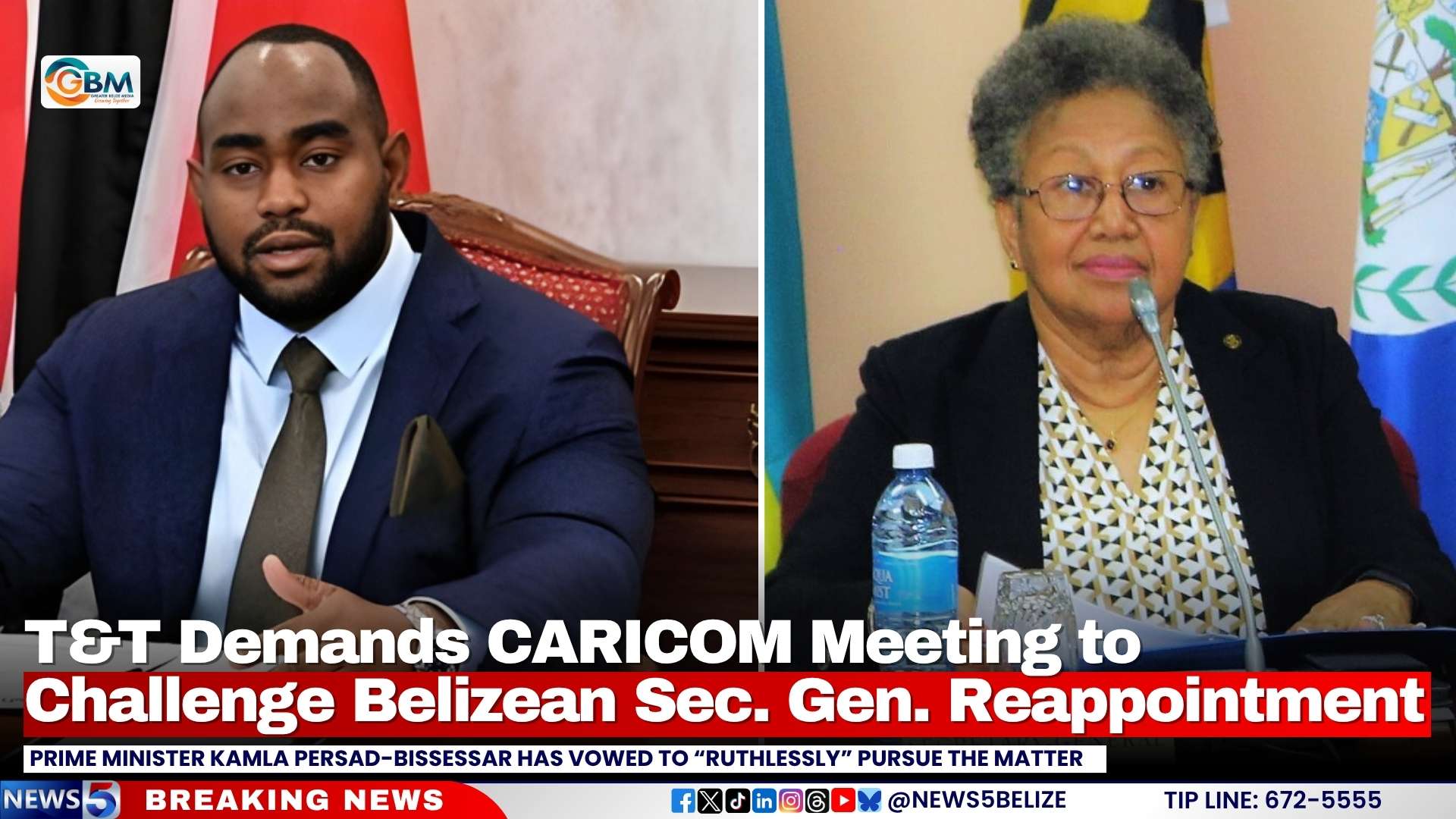
    A significant diplomatic crisis is unfolding within the Caribbean Community (CARICOM) as it prepares for its 50th Regular Meeting of Heads of Government. The 14-member bloc finds itself grappling with profound foreign policy divisions, primarily triggered by Trinidad and Tobago’s dramatic shift toward accommodating U.S. interventionist strategies in the region.

    The fracture began in September 2025 when Trinidad and Tobago’s Prime Minister Kamla Persad-Bissessar announced new foreign policy principles at the UN General Assembly. This move has since evolved into what CARICOM insiders describe as a fundamental paradigm shift, creating widespread mistrust among fellow member states who question Port-of-Spain’s commitment to the bloc’s traditional multilateral diplomacy approach.

    The so-called ‘Donroe Doctrine’—referencing U.S. interventionist policies—has created ripple effects across CARICOM, compelling small states to reconsider long-established positions. Nowhere is this tension more evident than in relations with Cuba, a traditional CARICOM partner that has provided decades of medical and educational support to member nations.

    Recent developments reveal a pattern of changing allegiances. Guyana has formally terminated its bilateral medical cooperation agreement with Cuba, following similar moves by Antigua and Barbuda in late 2025 after mounting U.S. diplomatic pressure. While Guyanese authorities deny American influence, the timing suggests alignment with Washington’s priorities.

    The situation places CARICOM nations in a difficult position. As Saint Lucia Prime Minister Philip J. Pierre revealed, the United States has pressured countries to cease educational cooperation with Cuba, despite diplomatic denials from the U.S. Embassy accredited to Barbados.

    The upcoming summit (February 24-27) will serve as a critical forum for addressing these tensions. CARICOM Chair Terrance Drew has conducted shuttle diplomacy, including a recent meeting with Persad-Bissessar that reportedly yielded positive signs. However, the bloc faces urgent need for a fundamental reset of political relations amid growing geopolitical pressures.

    The stakes are exceptionally high, as the outcome could determine whether CARICOM moves toward greater regional unity or continues fragmenting under external influence. All eyes will be on how Trinidad and Tobago’s delegation approaches these delicate deliberations and whether the summit can mark a genuine turning point for Caribbean foreign policy cohesion.

  • Antigua and Barbuda Reaffirms Support for Uganda and Strengthens Bilateral Cooperation

    Antigua and Barbuda Reaffirms Support for Uganda and Strengthens Bilateral Cooperation

    In a significant diplomatic development, the Caribbean nation of Antigua and Barbuda has solidified its international partnership with Uganda following high-level governmental discussions. The meeting between Prime Minister Gaston Browne and visiting Ugandan Deputy Parliament Speaker Thomas Tayebwa yielded substantial agreements on bilateral cooperation and mutual international support.

    Prime Minister Browne formally congratulated President Yoweri Museveni on his recent electoral victory, interpreting the results as evidence of strengthened public confidence in Uganda’s leadership. The Antiguan leader praised President Museveni’s governance and committed his nation’s ongoing diplomatic support for Uganda within global forums.

    The dialogue emphasized Uganda’s influential position within the Non-Aligned Movement, with Antigua and Barbuda pledging comprehensive backing for the Movement’s core principles and activities. Both nations acknowledged Uganda’s active participation in United Nations initiatives, particularly regarding climate change advocacy and multilateral diplomatic engagement.

    A cornerstone of the enhanced bilateral relationship is the existing visa-waiver program that facilitates seamless travel between the two nations. Citizens of both countries enjoy visa-free entry for short-term visits up to 90 days, enabling tourism, business development, and cultural exchanges without bureaucratic barriers. This arrangement establishes a framework for increased mobility and cross-border investment opportunities.

    The discussions also focused on expanding Caribbean-African cooperation through educational partnerships, technical knowledge sharing, and tourism development. Prime Minister Browne recognized Uganda’s dedication to strengthening ties with Caribbean states through regional organizations and affirmed Antigua and Barbuda’s commitment to collaborative efforts in sustainable development, climate resilience, and South-South cooperation initiatives.

    The concluding statements from both delegations emphasized mutual goodwill and a shared determination to advance bilateral relations for the benefit of their citizens and the broader international community.

  • Hof corrigeert vervolging Adhin met opvallend hoge schadevergoeding

    Hof corrigeert vervolging Adhin met opvallend hoge schadevergoeding

    In a significant judicial ruling, Suriname’s Court of Justice has rendered its verdict in the case involving former Vice President Ashwin Adhin, who currently serves as Parliamentary Assembly Chairman. The court granted substantial compensation for Adhin’s wrongful detention period while referring claims for immaterial damages to civil court proceedings.

    Legal representative Irvin Kanhai, who jointly defended Adhin alongside colleague Chandra Algoe, revealed to Starnieuws that the court awarded approximately SRD 400,000 (Surinamese dollars). This compensation package comprises three distinct components: reimbursement for the nine days of unlawful custody, coverage of legal expenses, and compensation for material damages incurred during the proceedings.

    According to Kanhai’s breakdown, roughly SRD 100,000 was allocated specifically for the unjust detention period, while the remaining SRD 300,000 covers legal assistance provided by both attorneys. The defense had additionally sought substantial compensation for immaterial damages, including reputational harm and psychological distress resulting from the detention.

    The court did not dismiss these immaterial damage claims but determined that Article 77 of the Criminal Code provides no legal basis for such awards within criminal proceedings. Instead, the judiciary clarified that pursuing compensation for non-material injuries requires initiating separate civil litigation.

    “The court isn’t denying his entitlement to such compensation,” Kanhai emphasized. “However, within the criminal law framework, the court cannot substantively rule on these matters.” The attorney noted this represents one of the highest compensation amounts ever awarded under Article 77 for wrongful detention cases, potentially setting a precedent for future acquittals or dismissed prosecutions.

    Kanhai further clarified that the court’s decision doesn’t guarantee immediate payment, despite creating an enforceable title. Actual fund recovery might necessitate additional legal procedures, potentially involving asset seizure—a process the attorney described as potentially protracted.

    Whether Adhin will pursue civil proceedings for immaterial damages remains unconfirmed, though Kanhai indicated he would recommend such action to comprehensively address all damages suffered.

  • Abinader delivers new military and emergency equipment to strengthen national security

    Abinader delivers new military and emergency equipment to strengthen national security

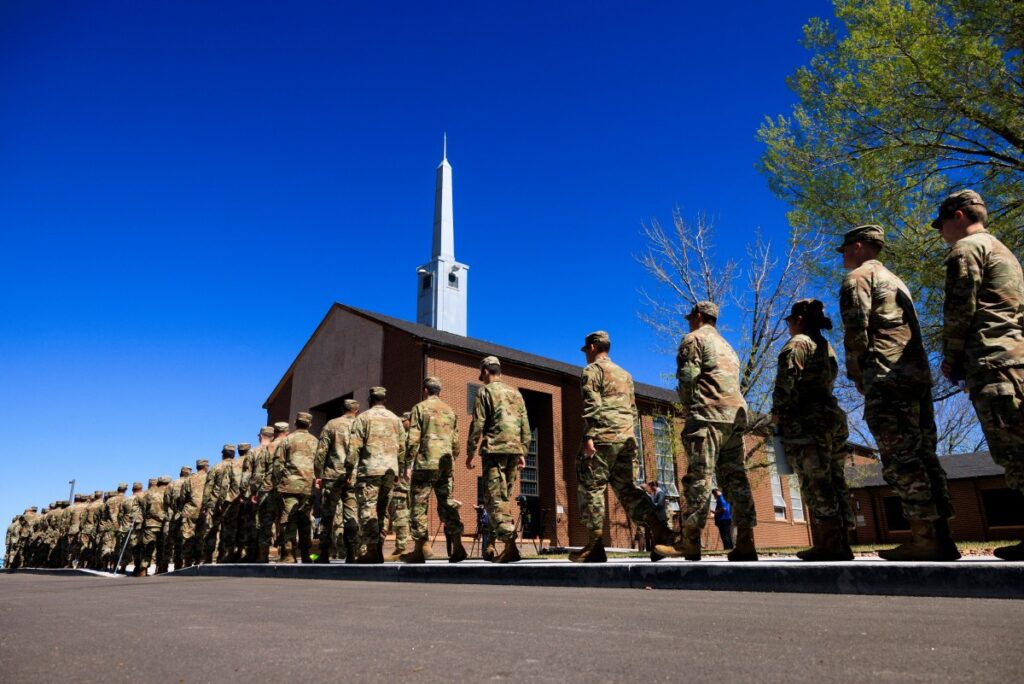
    SANTO DOMINGO – In a landmark ceremony underscoring a significant leap in national defense capabilities, President Luis Abinader has officially commissioned a comprehensive suite of advanced military and emergency response assets for the Dominican Armed Forces. This strategic delivery forms a critical component of the nation’s ongoing, state-led modernization initiative designed to fortify territorial integrity, enhance public safety, and boost operational readiness.

    The event marked the rollout of a new fleet of operational vehicles, the first installment of a procurement program extending to 2026. These vehicles are engineered for a diverse range of duties, including high-risk patrols, efficient troop transportation, and critical logistical support, thereby dramatically improving strategic mobility across diverse Dominican terrain.

    A historic highlight was the unveiling of three FURIA VBD-1 armored vehicles. These units represent a monumental achievement for the domestic defense industry, being the first armored platforms entirely assembled within the Dominican Republic, signaling a new era in local military manufacturing and technological self-reliance.

    President Abinader emphasized the transformative impact of the new assets, stating, “This equipment positions our Armed Forces at an unprecedented level of operational capacity. We are delivering tools that will profoundly contribute to our continuous modernization journey.”

    Beyond ground vehicles, the technological upgrade is substantial. The forces have integrated autonomous reconnaissance drones for enhanced land and maritime surveillance. Complementing this are sophisticated anti-drone systems, providing a critical defensive layer with the capability to detect, track, and neutralize unauthorized unmanned aerial intrusions, thereby solidifying national airspace control.

    The arsenal was further expanded with the provision of specialized weaponry for elite tactical units, including high-precision rifles, grenade launchers, submachine guns, and heavy machine guns.

    Recognizing the dual role of the military in security and civil protection, the government also bolstered the Specialized Disaster Mitigation Corps (CEMED). The new equipment includes a state-of-the-art urban fire truck, a specialized unit for combating forest fires, and a advanced search-and-rescue vehicle, significantly upgrading national emergency response capabilities.