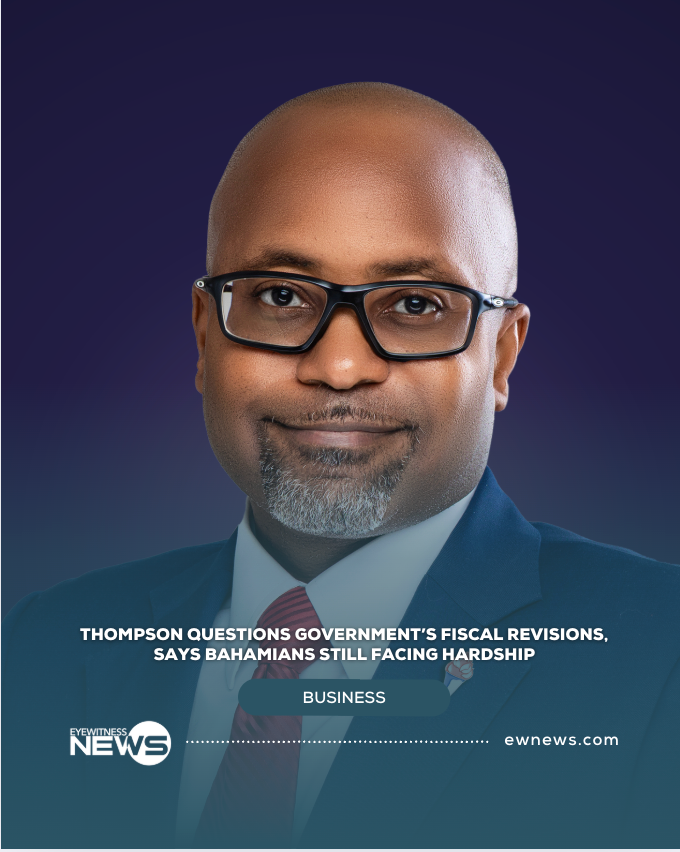
NASSAU, BAHAMAS — Kwasi Thompson, Member of Parliament for East Grand Bahama, has leveled serious allegations against the Davis Administration, accusing it of distorting year-end fiscal data to project a misleading image of financial stability. Thompson contends that the government’s recent fiscal report includes a questionable $30 million reduction in reported expenditures, a move he believes was orchestrated to align with budget targets and mask the true economic hardships faced by Bahamians.
分类: politics
-
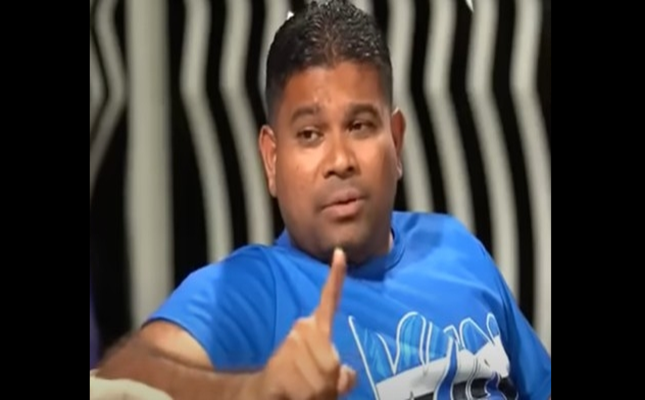
Sanctioned Guyanese politician and father indicted in the United States
A grand jury in the Southern District of Florida has indicted Azruddin Mohamed, a prominent Guyanese politician and businessman, and his father, Nazar Mohamed, on charges of wire fraud, mail fraud, and money laundering. The duo, already under U.S. sanctions, allegedly conspired to defraud both the United States and the government of Guyana for personal enrichment. The indictment, comprising 11 counts, was unsealed this week, revealing their involvement in fraudulent activities, including the illegal shipment of gold through Miami. Prosecutors claim the Mohameds reused customs declarations and official seals to evade taxes and circumvent Guyanese export laws. Earlier this year, U.S. authorities seized a multimillion-dollar shipment of untaxed gold linked to the Mohameds. Azruddin Mohamed, who founded the WIN Party and secured significant opposition seats in Guyana’s September general elections, has garnered substantial support among the country’s impoverished population. The case highlights ongoing efforts by U.S. authorities to combat international financial crimes.
-

US government shutdown after lack of funding plan
The United States government entered a shutdown on Wednesday, October 1, following a failure by Senate Democrats and Republicans to reach an agreement on a short-term funding plan. The shutdown commenced at 4:01 GMT, coinciding with the start of the new fiscal year, as the previous year’s funding expired. Despite Republican control of both chambers of Congress, they were unable to secure consensus to pass a bill that would fund government operations until November 21. Democrats withheld their support, demanding that Republicans reverse recent Medicaid cuts enacted under Trump’s One Big Beautiful Bill in July. While Democrats proposed alternative solutions, these were rejected, leaving Congress in a stalemate.
As a result of the shutdown, federal agencies are required to furlough non-essential employees, who will not receive pay during the shutdown. However, most furloughed workers are expected to receive back pay once the government resumes operations, thanks to a 2019 law. Contract workers, such as cleaning staff, are not covered by this law and will only be paid if their contracting firms have allocated funds for such scenarios. Each agency has already submitted staffing plans in anticipation of the shutdown.
The Congressional Budget Office (CBO) estimates that approximately 750,000 federal employees could be furloughed daily, resulting in a daily wage loss of around $400 million. Unlike previous shutdowns, the White House has instructed agencies to prepare for large-scale layoffs, as indicated in a September 24 memo from the Office of Management and Budget (OMB). This unprecedented move raises concerns about the long-term impact on federal employment and government operations.
-
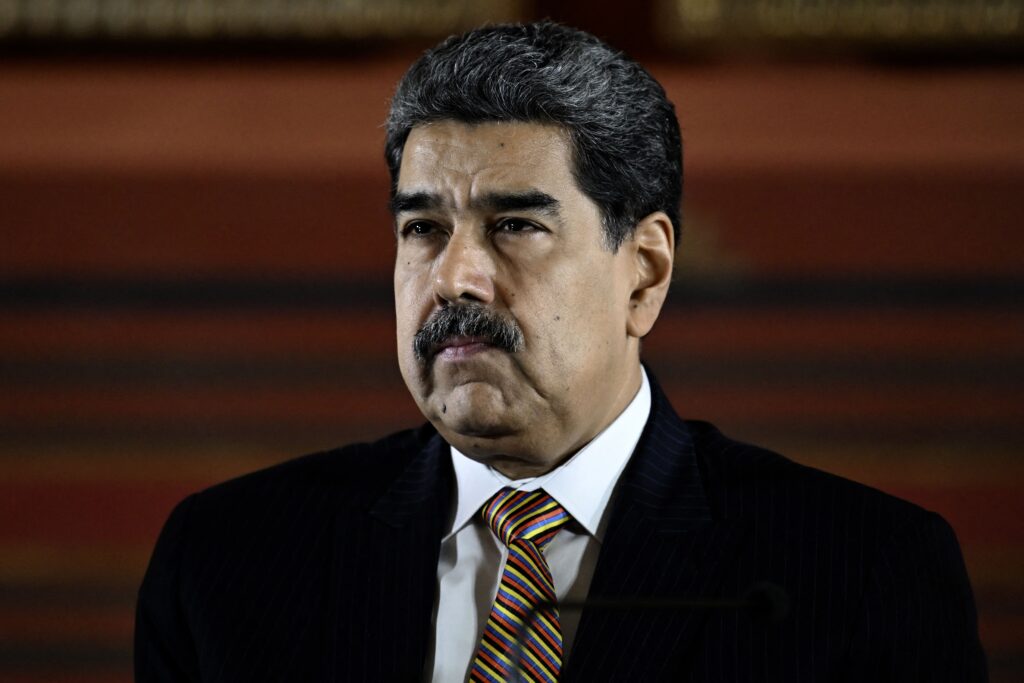
Venezuela says foiled ‘false flag’ plot targeting US embassy
Venezuelan President Nicolas Maduro announced on Monday that his government thwarted a false flag operation allegedly orchestrated by local terrorists to plant explosives at the US embassy in Caracas. The alleged plot aimed to escalate tensions between Venezuela and the United States, already strained over drug trafficking disputes. Maduro revealed this during his weekly television program, citing unnamed sources who confirmed the terrorist group’s intentions. Jorge Rodriguez, Venezuela’s chief negotiator in talks with the US, stated that Caracas had alerted Washington about the ‘serious threat’ posed by extremists attempting to place lethal explosives at the embassy. Rodriguez emphasized that security measures at the diplomatic mission had been reinforced. The US embassy in Caracas has been largely vacant since diplomatic ties were severed in 2019, with only a few local staff remaining. Maduro noted that despite ongoing disputes, the embassy remains protected. The US has intensified its anti-drug trafficking efforts in Venezuela, deploying warships and aircraft to the Caribbean and targeting vessels allegedly carrying drugs. President Donald Trump has claimed these actions are significantly reducing drug flows. Maduro, however, accuses the US of seeking regime change. In response to perceived threats, Venezuela has mobilized thousands of troops and civilian militias along its borders. The US has not recognized Maduro’s 2024 re-election, which was widely criticized as illegitimate. During his first term, Trump attempted to oust Maduro by recognizing an opposition leader as interim president and imposing sanctions on Venezuela’s oil sector. Despite these pressures, Maduro has maintained power with military backing.
-
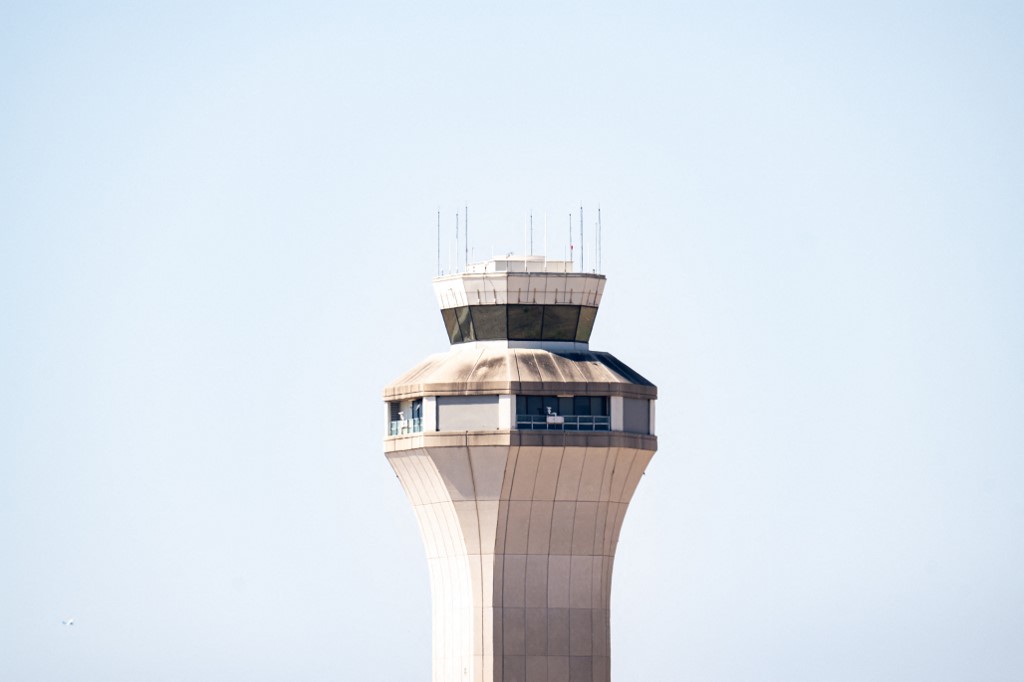
No air traffic control at LA area airport amid US govt shutdown—governor
The Hollywood Burbank Airport in California experienced a critical shortage of air traffic controllers on Monday evening, as the ongoing US government shutdown continues to disrupt essential services across the nation. Governor Gavin Newsom highlighted the issue, stating that the airport would be without qualified staff in its control tower for approximately six hours, from 4:15 PM to 10:00 PM. In a pointed message on social media, Newsom attributed the situation to the government shutdown, directly addressing former President Donald Trump. The Federal Aviation Administration (FAA) confirmed delays of up to two-and-a-half hours for departures, citing reduced staffing levels. Airport operations were managed remotely by a team in San Diego, though officials assured that flights continued despite the challenges. The shutdown, now in its second week, stems from a political impasse between Republicans and Democrats over funding for government functions, including healthcare subsidies and program cuts. Essential workers, such as air traffic controllers, are required to work without pay, raising concerns about the sustainability of this arrangement. Democrats are withholding support for reopening federal departments until agreements are reached on healthcare provisions, while Republicans argue that these issues should be addressed separately. The Congressional Budget Office estimates that millions of Americans could lose healthcare coverage if the subsidies expire, exacerbating the crisis.
-
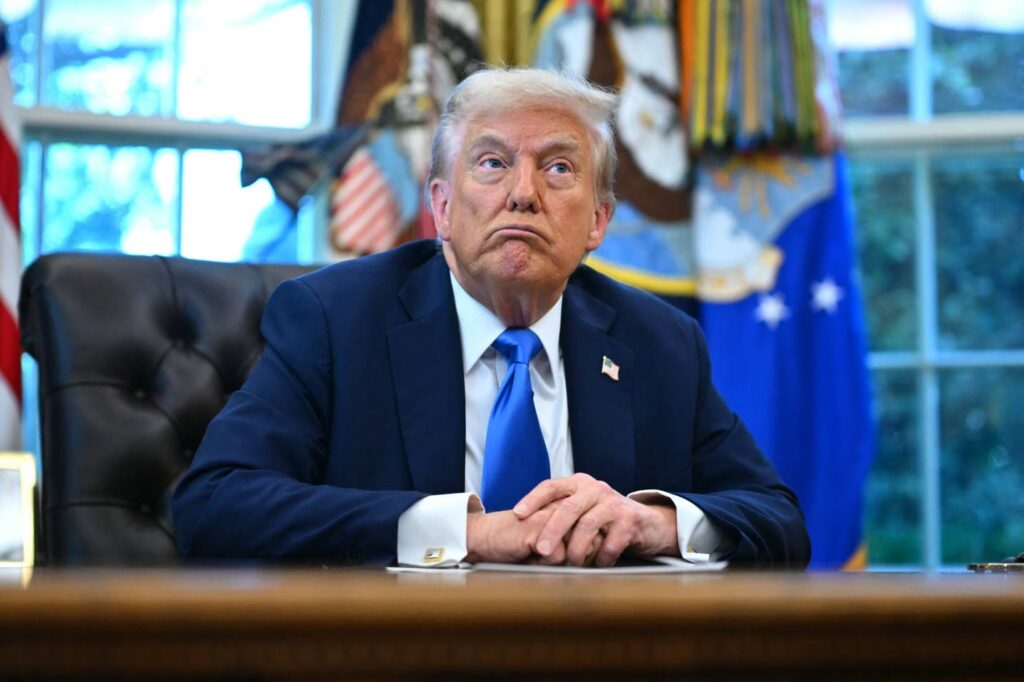
Trump ‘happy’ to work with Democrats on health care, if shutdown ends
As the U.S. federal government shutdown entered its second week, President Donald Trump expressed willingness to negotiate health care reforms with Democrats, but only after the government reopens. The shutdown, which began last Wednesday, has left federal departments without funding, prompting Senate Democrats to block a temporary funding bill for the fifth time on Monday. Democrats are demanding an agreement on extending expiring ‘Obamacare’ subsidies and reversing health program cuts tied to Trump’s ‘One Big Beautiful Bill’ before supporting a funding resolution. Trump, in a social media post, reiterated his stance, stating he is ‘happy’ to discuss health care policies but emphasized that reopening the government must come first. The impasse has led to widespread disruptions, with non-critical services suspended and hundreds of thousands of public sector employees facing delayed salaries. Military personnel could also miss paychecks starting October 15. Trump has escalated the situation by threatening mass layoffs rather than temporary furloughs. Republicans, led by House Speaker Mike Johnson, insist on reopening the government before addressing health care issues. Meanwhile, Senate Minority Leader Chuck Schumer urged immediate health care negotiations, accusing Republicans of delaying progress. The Congressional Budget Office estimates that Trump’s health care bill could strip 11 million Americans of coverage, while expiring Obamacare subsidies could leave millions more uninsured. As the shutdown continues, agencies like the EPA, NASA, and the Education Department are severely impacted, while others like Homeland Security remain largely unaffected. Public opinion, as reflected in a recent CBS News poll, narrowly blames Republicans for the deadlock. White House officials warn of potential layoffs if negotiations fail to progress.
-

Illinois sues to block National Guard deployment in Chicago
The Democratic-led state of Illinois has initiated legal action against President Donald Trump’s decision to deploy National Guard troops to Chicago. The lawsuit, filed on Monday in federal court, accuses Trump of using military forces to target political adversaries rather than addressing public safety concerns. This move follows a similar legal block in Oregon, where a federal judge temporarily halted the deployment of troops to Portland. Trump authorized the dispatch of 700 National Guard soldiers to Chicago over the weekend, despite objections from local Democratic leaders, including Mayor Lori Lightfoot and Governor JB Pritzker. Illinois Attorney General Kwame Raoul and Chicago’s legal representatives argue that Trump’s actions are politically motivated and threaten to destabilize public safety. They seek a court declaration to deem the deployment unlawful and to permanently halt it. Homeland Security Secretary Kristi Noem defended the plan, labeling Chicago as a ‘war zone,’ a characterization Pritzker dismissed as an attempt to justify further militarization. A recent CBS poll revealed that 58% of Americans oppose deploying the National Guard to cities. Trump, however, remains steadfast, falsely claiming that Portland is ‘burning to the ground.’ The legal battle over military deployment continues, with the Trump administration appealing the Oregon court’s ruling. This case underscores the ongoing tension between federal authority and state autonomy in addressing domestic issues.
-
Immigration advocates condemn proposed new policy targeting unaccompanied children
In a sharp rebuke, immigration advocates in the United States have strongly criticized a newly proposed policy by the Trump administration that specifically targets undocumented children from the Caribbean and other regions. The New York Immigration Coalition (NYIC), a prominent advocacy organization representing over 200 immigrant groups, has raised alarms over what it describes as a planned enforcement operation aimed at unaccompanied minors. According to NYIC President and CEO Murad Awawdeh, leaked details of the policy reveal that children involved in court proceedings to establish their legal right to remain in the U.S. face indefinite detention and immediate transfer to Immigration and Customs Enforcement (ICE) upon turning 18—unless they withdraw their cases. Additionally, parents of these children are threatened with arrest. Awawdeh emphasized that over 50,000 unaccompanied children have been reunited with their families in New York over the past decade, underscoring the human impact of such policies. He urged affected individuals to seek immediate legal counsel and called on the Trump administration to abandon the policy, which he argued undermines due process and endangers vulnerable children. Awawdeh also appealed to New York State lawmakers to pass the Access to Representation Act, ensuring legal representation for all immigrants in court. Meanwhile, Caribbean immigrant advocacy groups have expressed concerns over the federal government shutdown’s impact on immigrant communities, citing delays in asylum hearings and visa applications. Awawdeh highlighted the inconsistent responses of immigration courts to the shutdown, which has caused significant disruptions in New York and beyond.
-

PNP Patriots hits back at G2K, urges leader-level talks on constitutional reform
KINGSTON, Jamaica — The PNP Patriots, the youth wing of the People’s National Party (PNP), has strongly rebutted criticisms from Generation 2000 (G2K), the young professional affiliate of the Jamaica Labour Party (JLP), over Opposition Leader Mark Golding’s call for high-level discussions on constitutional reform. The Patriots accused G2K of misrepresenting Golding’s October 3 letter to Prime Minister Andrew Holness, which proposed direct leader-to-leader talks to advance the reform process. They argue that G2K’s response prioritizes partisan politics over the national unity required for such a significant undertaking. The Patriots emphasized that Golding’s letter aligned with Jamaica’s democratic traditions, citing historical precedents where leaders like Norman Manley, Sir Alexander Bustamante, P.J. Patterson, and Edward Seaga engaged in bipartisan efforts to shape the nation’s constitution. PNP Patriots President Rev Dr Paul Blake criticized G2K’s stance, stating that their remarks reflect insecurity and a misunderstanding of leadership. General Secretary Davalle Grant warned that G2K’s approach could erode the bipartisan spirit essential for meaningful reform. The Patriots urged the JLP and G2K to embrace Golding’s proposal, emphasizing that constitutional reform is a national imperative, not a political spectacle.
-
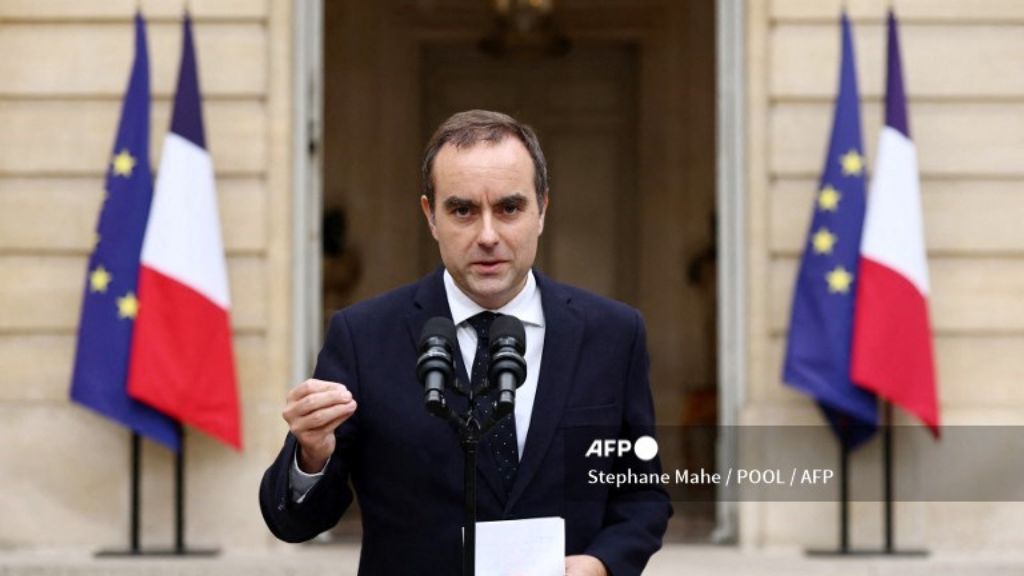
Macron under pressure as French PM resigns after less than month
France has plunged deeper into political turmoil as Prime Minister Sebastien Lecornu resigned on Monday, merely 27 days after assuming office. His departure, the shortest tenure for a prime minister in modern French history, exacerbates the ongoing crisis that has gripped the nation for over a year. Lecornu cited unfulfilled conditions for his role, blaming ‘partisan appetites’ for his forced exit. His resignation came just 14 hours after announcing his government, which faced immediate backlash across the political spectrum and risked a no-confidence vote in parliament. The Paris stock market reacted negatively, with the CAC 40 index dropping 1.7% following the announcement. President Emmanuel Macron, who appointed Lecornu on September 9, now faces mounting pressure to navigate the crisis. Macron has resisted calls for snap legislative elections or his own resignation before his mandate ends in 2027. The political instability has reverberated across Europe, with Germany emphasizing the need for a ‘stable France’ to ensure continental stability. Lecornu’s government, largely unchanged from its predecessor, drew criticism, particularly from the right-wing Republicans, who accused it of lacking reform. The new cabinet included Bruno Le Maire as defense minister, a move seen as contradictory to Lecornu’s promises of change. France’s public debt has reached a record high, with its debt-to-GDP ratio now the EU’s third-highest, close to double the permitted 60%. Analysts warn that Macron’s options are fraught with risks, with snap elections potentially empowering the far right. The 2027 presidential elections loom as a pivotal moment, with Marine Le Pen’s National Rally eyeing its best chance to seize power. Macron’s next steps remain uncertain as he grapples with a fragmented parliament and a deepening fiscal and political crisis.