分类: politics

  • Iran benoemt Khamenei’s hardline zoon Mojtaba als nieuwe Opperste leider

    Iran benoemt Khamenei’s hardline zoon Mojtaba als nieuwe Opperste leider

    In a decisive move that solidifies hardline control, Iran’s Assembly of Experts has appointed Mojtaba Khamenei as the nation’s third Supreme Leader, succeeding his father Ali Khamenei who perished in recent attacks. The midnight announcement came amid escalating hostilities that have entered their ninth day, with Tehran witnessing massive explosions at fuel storage facilities that illuminated the night sky with orange flames.

    Mojtaba Khamenei, a cleric with extensive influence within Iran’s security apparatus and business networks, secured the position through a conclusive vote by the 88-member clerical body responsible for leadership succession. The appointment grants him ultimate authority over all state matters in the Islamic Republic.

    The transition occurs against a backdrop of intensified military conflict that has claimed at least 1,332 Iranian civilian lives according to Iran’s UN ambassador, with thousands more injured. U.S. forces confirmed a seventh American casualty from injuries sustained during Iran’s initial counterattack one week ago.

    The expanding warfare has severely disrupted global oil markets, with U.S. oil futures surging over 20% to reach July 2022 peaks amid supply concerns and potential disruptions to Hormuz Strait shipments. Attacks on energy infrastructure have created toxic atmospheric conditions throughout Tehran, described by residents as blanketing the city in thick black smoke.

    Iranian military leadership has pledged allegiance to the new Supreme Leader, with Revolutionary Guard commanders expressing readiness to follow his directives. Security chief Ali Larijani confirmed the Assembly convened despite explicit threats targeting the body, emphasizing Mojtaba’s capability to lead under current sensitive conditions.

    The appointment has drawn sharp international reactions, with President Trump asserting Washington should have approval rights over the selection, while Israel previously threatened to attack any appointed successor. Iranian officials have responded defiantly, with Parliament President Mohammad Bagher Qalibaf stating Tehran seeks no ceasefire and will punish aggressors.

    As combat operations intensify, Israeli forces continue targeting high-ranking Iranian officials, including recently appointed military office head Abolqasem Babaian, killed in a Saturday strike. The conflict has entered what Iranian foreign ministry spokesperson Esmaeil Baghaei termed a “dangerous new phase,” characterizing attacks on fuel depots as war crimes due to hazardous material release.

  • NDP govt’s first 100 days a ‘wonderful experience,’ says PM Friday

    NDP govt’s first 100 days a ‘wonderful experience,’ says PM Friday

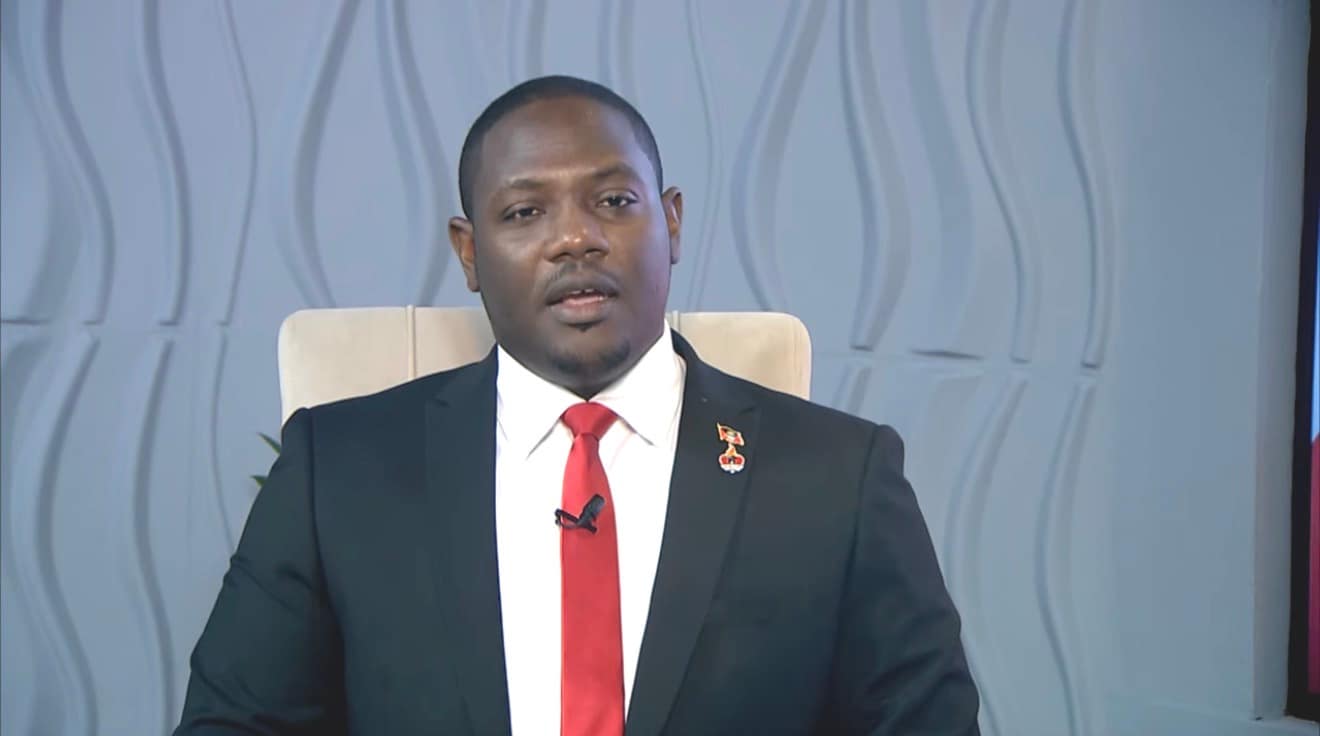
    Prime Minister Godwin Friday has characterized his New Democratic Party (NDP) administration’s initial 100 days in office as “a wonderful experience,” citing significant progress on campaign promises and policy implementation. The NDP’s landslide victory on November 27, which ended the Unity Labour Party’s 25-year reign with a decisive 14-1 parliamentary majority, has ushered in a new era of governance for St. Vincent and the Grenadines.

    In a recent appearance on Hot 97 FM alongside cabinet colleagues, Friday expressed satisfaction with his government’s ability to deliver on key pledges within the promised timeframe. “We said within 60 days we will do certain things to ease the cost-of-living crisis on the people in this country, and we did so,” the Prime Minister stated, emphasizing ongoing efforts to identify additional measures for public benefit.

    The administration has implemented several cornerstone policies, including the reinstatement of public sector workers terminated under the previous government’s COVID-19 vaccine mandate. Friday described this as honoring both campaign commitments and principled positions, noting his government is “not mincing words with reinstating” and working with unions to ensure a smooth transition for affected individuals who “have been through hell.”

    Economic measures have featured prominently in the government’s early actions. The December 19 VAT-free shopping day, which Friday characterized as “a serious measure to put money back in people’s pockets” rather than a gimmick, provided both consumer relief and business stimulation. The administration has also distributed approximately EC$22 million in tax-free bonuses to approximately 12,000 public servants, pensioners, and daily-paid workers as promised during election campaigning.

    Looking forward, the government plans to reduce Value Added Tax from 16% to 13% later this year, a move Friday described as strategic rather than delayed, requiring proper implementation planning. Additionally, public assistance payments will increase to EC$500 monthly beginning in March, exceeding the EC$360 proposed by the previous administration.

    Despite inheriting what some describe as a challenging fiscal situation with public debt at EC$3.5 billion (110.3% of GDP), Friday maintains a forward-looking perspective. His EC$1.9 billion budget presentation in February introduced no new taxes, focusing instead on efficient collection of existing revenues and creating economic opportunities through private sector development and foreign investment.

  • Cuba regrets the Jamaican government’s decision to cease medical cooperation, yielding to pressure from the United States

    Cuba regrets the Jamaican government’s decision to cease medical cooperation, yielding to pressure from the United States

    The Cuban Ministry of Foreign Affairs has expressed profound regret over Jamaica’s decision to discontinue their longstanding medical cooperation agreement, attributing the move to undue pressure from the United States government. On March 4, Jamaican authorities formally notified Cuba’s embassy of their unilateral termination of the health collaboration that has connected both Caribbean nations for over three decades.

    Cuban officials characterized this development as a capitulation to US geopolitical interests that disregards the healthcare needs of the Jamaican population. The termination effectively deprives Jamaican communities of essential medical services traditionally provided by Cuban healthcare professionals.

    In response to Jamaica’s actions, Havana has exercised its sovereign right to recall the entire Cuban Medical Brigade from Jamaican territory. These medical personnel depart with an enduring legacy of service, returning home with the professional satisfaction of duties fulfilled and continued readiness to extend their solidarity elsewhere.

    This collaboration represents a paradigm of genuine international cooperation. Historical data reveals extraordinary achievements: approximately 4,700 Cuban medical professionals have served in Jamaica over the past 30 years alone. The current contingent of 277 specialists has made substantial contributions to strengthening Jamaica’s healthcare infrastructure.

    The partnership’s quantitative impact demonstrates remarkable scope:
    – Over 8.17 million patient consultations conducted
    – Performance of 74,302 surgical interventions
    – Assistance in 7,170 childbirth procedures
    – Preservation of more than 90,000 lives through medical intervention

    Additional initiatives include Operation Miracle, which has restored or enhanced vision for approximately 25,000 Jamaicans since 2010. Cuban medical expertise has also proven instrumental in disease control programs addressing malaria and COVID-19 pandemic response.

    The Brigade’s dedication was particularly evident following Hurricane Melissa’s recent devastation, where Cuban medical teams maintained continuous 72-hour shifts while supporting hospital and community recovery efforts.

    Despite this diplomatic setback, Cuba reaffirms its commitment to fraternal relations with the Jamaican people, emphasizing that selfless cooperation remains available whenever needed.

    Official statement issued in Havana, March 6, 2026.

  • Corruption : Results of the 2025 Diagnostic Survey (Report)

    Corruption : Results of the 2025 Diagnostic Survey (Report)

    A groundbreaking diagnostic survey on governance and corruption in Haiti, jointly presented by the United Nations Development Programme (UNDP-Haiti) and the nation’s Anti-Corruption Unit (ULCC), has revealed staggering levels of institutional corruption severely impacting the Caribbean nation.

    The comprehensive assessment, conducted throughout 2025, demonstrates that corruption in Haiti transcends abstract conceptuality, manifesting as a concrete barrier to development that imposes substantial hidden costs on households, undermines business competitiveness, and systematically erodes public trust in governing institutions.

    The empirical data presents a damning indictment of Haiti’s governance landscape: an overwhelming 92% of surveyed respondents characterize corruption levels as critically high; 71% of Haitian households report observable deterioration in public service delivery; 90% of businesses identify corruption as their primary obstacle to market competitiveness; and 67% attribute the phenomenon’s persistence to deep-rooted institutional failures within public sector frameworks.

    A particularly significant finding emerges regarding corruption’s gendered dimensions, with 52% of respondents indicating women experience disproportionately severe impacts from systemic corruption. This gender-differentiated effect highlights previously underrecognized vulnerabilities within Haiti’s socioeconomic fabric.

    The UNDP emphasizes that these documented realities necessitate immediate implementation of robust protective mechanisms, enhanced alert systems, and strengthened enforcement protocols. The organization further stresses that integrating gender-responsive approaches into governance policy frameworks constitutes an essential requirement rather than optional consideration.

    This diagnostic survey represents not a conclusion but a foundational starting point for Haiti’s renewed anti-corruption efforts. The empirical findings will directly inform development of the new National Anti-Corruption Strategy currently being formulated under ULCC leadership, marking a critical step toward addressing one of Haiti’s most persistent governance challenges.

  • Abinader meets Bolivian president at Shield of the Americas Summit

    Abinader meets Bolivian president at Shield of the Americas Summit

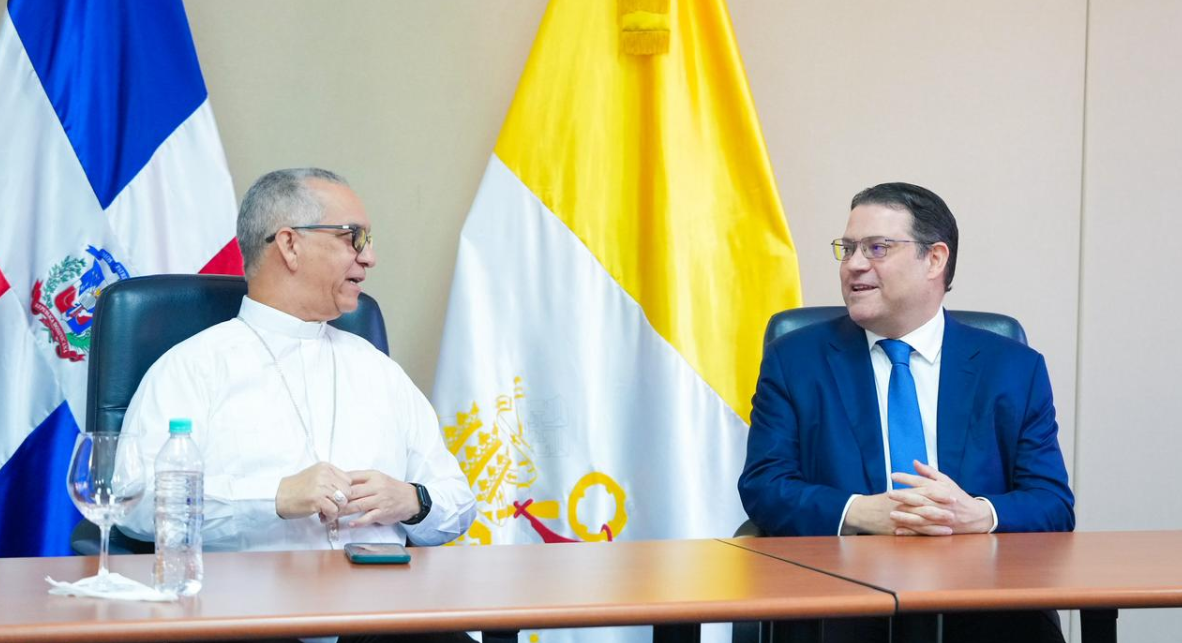
    MIAMI, FL – In a significant diplomatic engagement at the Shield of the Americas Summit, Dominican Republic President Luis Abinader and Bolivian President Rodrigo Paz Pereira convened for substantive bilateral discussions aimed at enhancing their nations’ diplomatic and economic partnership. The high-level meeting served as a platform for both leaders to explore concrete measures for deepening regional cooperation and fostering initiatives that would contribute to continental development and stability.

    The presidential dialogue focused on identifying specific areas for expanded collaboration, with particular emphasis on strengthening trade relations and diplomatic coordination. Both administrations expressed strong interest in developing mutually beneficial partnerships across multiple sectors that would bring tangible benefits to their respective populations.

    This strategic engagement formed part of President Abinader’s comprehensive bilateral agenda during the Miami-based summit, which gathers hemispheric leaders to address common challenges and advance cooperative solutions. The meeting was attended by Dominican Foreign Minister Roberto Álvarez and other senior officials from both governments, underscoring the importance placed on this diplomatic exchange.

    The Shield of the Americas Summit continues to serve as a critical forum for Western Hemisphere nations to strengthen inter-American relations and develop coordinated approaches to regional issues, with this particular bilateral discussion representing the ongoing commitment of both nations to multilateral engagement and partnership building.

  • Camillo says he regretted pledging not to sue while in politics

    Camillo says he regretted pledging not to sue while in politics

    Camillo Gonsalves, former Member of Parliament for East St. George and ex-Finance Minister, has publicly expressed regret over his self-imposed prohibition against filing defamation lawsuits during his political career. The revelation came during his guest appearance on “Morning Comrade,” a program broadcast by the Unity Labour Party’s Star Radio, where he substituted for his father, Opposition Leader Ralph Gonsalves.

    Gonsalves disclosed that before entering politics, he had committed in writing to never pursue legal action against individuals for defamatory statements, a principle rooted in his journalistic training and belief in press freedom. Having earned his first degree in journalism in the United States, he explained how educators “hammer into your head the freedom of the press and that you mustn’t have a chilling effect on people, on the freedom of expression.”

    Despite maintaining this commitment throughout his tenure, Gonsalves acknowledged numerous instances of being defamed, stating: “Many times, I wish I hadn’t made that promise to myself, because I was defamed many, many, many times, and continue to be defamed.” He notably added, “Watch me, I ain’t in office now ah nuh. I go sue yo,” indicating a potential shift in his legal approach post-office.

    The context for these remarks emerged from his criticism of the ruling New Democratic Party’s decision to withdraw state advertising from Star Radio, which has been operational since 2008. While expressing confidence in the station’s resilience, Gonsalves condemned the move as “grounded in spite” rather than fiscal responsibility, emphasizing that “you’re not going to balance the budget on the little $2 that you used to send to Star Radio.”

    Gonsalves further articulated his philosophical stance on media ecosystems, advocating for diverse viewpoints to compete freely unless actors demonstrate malicious intent. During his broadcast, he reinforced his position by reading statements from hemispheric organizations that condemn using state advertising as punishment against government-critical media outlets.

  • Dominican Republic signs Charter of Doral at Shield of the Americas Summit

    Dominican Republic signs Charter of Doral at Shield of the Americas Summit

    SANTO DOMINGO – In a significant diplomatic development, President Luis Abinader of the Dominican Republic formally endorsed the Charter of Doral during the inaugural Shield of the Americas Summit. The signing ceremony, hosted by former U.S. President Donald Trump at the Trump National Doral resort, marked the creation of a new regional framework known as the Donroe Doctrine.

    This foundational agreement establishes a strategic alliance focused on enhancing regional security collaboration, dismantling transnational criminal networks, and developing secure supply chain corridors. The Dominican Republic’s participation is particularly notable as it was one of only three Caribbean nations extended an invitation to the summit. In recognition of its strategic importance, the country was designated a Tier 1 partner, a status that potentially unlocks preferential trade arrangements and significant infrastructure investments.

    Executive Vice President of the American Chamber of Commerce in the Dominican Republic, William Malamud, emphasized the agreement’s broader economic implications. He noted that the charter solidifies the nation’s standing as a reliable U.S. ally and actively supports its national strategy to emerge as a premier regional hub for nearshoring and advanced manufacturing operations.

    A key operational outcome of the summit is the establishment of the “Safe Port of the Americas” certification initiative. The Dominican Republic is set to pioneer this program, with the Port of Caucedo being the first facility to undergo certification. This designation is designed to expedite the export process for Dominican goods—most notably biomedical and textile products—to the United States. By implementing a streamlined “Green Lane” system, the initiative aims to significantly reduce transit durations and minimize customs-related obstacles, providing a substantial competitive advantage for Dominican exports.

  • Abinader says Haiti situation discussed with Trump at Shield of the Americas Summit

    Abinader says Haiti situation discussed with Trump at Shield of the Americas Summit

    SANTO DOMINGO – President Luis Abinader of the Dominican Republic has identified the escalating security crisis in neighboring Haiti as a pivotal topic in his diplomatic discussions with former U.S. President Donald Trump. This high-level dialogue occurred during the recent Shield of the Americas Summit, a key forum dedicated to formulating a unified regional strategy against organized crime.

    In a subsequent interview, President Abinader elaborated that the dire situation in Haiti was not addressed in isolation but was integrated into wider hemispheric security cooperation initiatives. These initiatives are specifically designed to counter pervasive threats, including rampant drug trafficking and sophisticated international criminal networks that destabilize the region. The Dominican leader confirmed that this critical issue was a recurring theme in his conversations with multiple Latin American heads of state attending the summit.

    Demonstrating a firm commitment to collective action, President Abinader joined fellow regional leaders in formally endorsing a proclamation to establish a multinational military coalition. This coalition’s primary objective is to launch a coordinated offensive against powerful drug cartels and other transnational criminal organizations. The groundbreaking initiative is structured to significantly enhance tactical and strategic coordination between Latin American nations and the United States, creating a more robust front to combat organized crime and its associated violence.

    During the summit’s proceedings, former President Trump underscored the indispensable need for joint action and reiterated Washington’s commitment to deepening its cooperative ties with partner nations. He characterized the newly formed coalition as a vital collective endeavor essential for safeguarding regional security, preserving national sovereignty, and upholding shared democratic principles. Trump further emphasized the United States’ intention to broaden and strengthen collaborative efforts throughout the Western Hemisphere.

  • New chair notes directors’ role in safeguarding Lotto

    New chair notes directors’ role in safeguarding Lotto

    In a landmark moment for institutional governance, the newly constituted board of the National Lotteries Authority (NLA) held its inaugural meeting on Thursday under the historic chairmanship of Luann Hadaway. This appointment marks the first time a woman has led the board since the authority’s establishment four decades ago in 1984.

    Chairperson Hadaway, leveraging nearly forty years of expertise in banking and finance, articulated a powerful vision centered on restoring public trust and institutional integrity. She emphasized the profound responsibility bestowed upon the board to safeguard what she described as a vital public trust belonging collectively to the nation’s citizens, rather than any individual or political entity.

    The composition of the new board reflects a deliberate emphasis on diverse professional competencies. Deputy Chair Bryan Alexander brings multifaceted experience as an entrepreneur, accountant, and musician. They are joined by Olson James (ACCA Certified Accountant specializing in financial reporting and auditing), Teressia Bruce (human resources and general management), Delisia Charles-Defreitas (business and project management), Sheena Child (administrative professional specializing in project coordination), and Esteban Hernandez (accounting and finance).

    In her address, Hadaway acknowledged the contributions of former manager McGregory Sealey and the outgoing board while drawing a clear line under past practices. Without explicit accusation, she implicitly addressed historical concerns by stating the board would ensure management operates within “a strong framework of controls and ethical standards.” This appears responsive to previous allegations that the NLA had been utilized as a discretionary fund by the former Unity Labour Party government, which left office in November 2025.

    The chairperson outlined a comprehensive governance framework built on four pillars: stringent financial oversight, responsible gaming practices, transparent communication, and absolute confidentiality regarding board deliberations. She notably framed the NLA’s mission as extending beyond mere revenue generation, defining success through “how responsibly those revenues are managed and how meaningfully they benefit national development.

    The authority, operating under the Ministry of Finance, will continue its mandated support for sports and culture (approximately 80% of allocations) while maintaining its expanded role in education, healthcare, and community development (approximately 20%). Hadaway concluded by emphasizing that robust foundations in governance would ensure the institution’s longevity and public confidence, noting that “public confidence is fragile—earned slowly and lost quickly.”

  • China waarschuwt tegen regimewissel in Iran

    China waarschuwt tegen regimewissel in Iran

    Amid escalating tensions between the United States, Israel, and Iran, China has positioned itself as a vocal advocate for diplomatic resolution in the Middle East. Chinese Foreign Minister Wang Yi, speaking during a press conference at the sidelines of a major annual political gathering in Beijing, issued a stark warning against attempts to orchestrate regime change in Iran, emphasizing the critical importance of respecting national sovereignty.

    Wang characterized the ongoing conflict as ‘a war that should never have occurred’ and one that ‘benefits no party involved.’ He articulated China’s firm position that military solutions inevitably breed hatred and spawn new crises rather than delivering sustainable resolutions. The Foreign Minister underscored that Middle Eastern nations must independently determine their own affairs without external interference, stating that ‘the people of the Middle East are the true masters of their region.’

    The Chinese diplomat employed vivid metaphorical language, asserting that ‘a strong fist doesn’t equate to a strong argument’ and cautioning against reverting to the ‘law of the jungle’ in international relations. He called upon all involved parties to promptly return to negotiation tables, advocating for dialogue as the primary mechanism for resolving differences and establishing collective security frameworks.

    China has offered to collaborate with regional partners to restore order, provide stability for affected populations, and promote global peace. Simultaneously, Wang reaffirmed the resilience of China-Russia relations, describing them as ‘steadfast and indestructible’ despite Western criticism of Russia’s actions in Ukraine.

    The geopolitical context remains volatile, with the United States and Israel conducting strikes on Iranian targets—including Tehran’s oil storage facilities and refineries—triggering significant fires. Iran has responded with attacks on American bases throughout the Gulf region, with collateral damage affecting neighboring nations such as the United Arab Emirates, Kuwait, Qatar, Bahrain, and Saudi Arabia through missile and drone assaults.

    Notably, despite Iranian President Masoud Pezeshkian’s official apology for these attacks, Tehran has continued its military operations, drawing criticism from hardline factions within the country. A leaked assessment from the U.S. National Intelligence Council suggests that even large-scale American military operations would unlikely succeed in overthrowing Iran’s established military and religious power structures—directly contradicting claims that external forces could install preferred leadership.

    The conflict’s economic ramifications continue to intensify, with rising oil prices and disruptions to critical trade routes like the Strait of Hormuz. Regional leaders and international observers increasingly emphasize the dangers of further escalation and the urgent necessity for diplomatic solutions.