分类: politics

  • Browne Predicts Strong Victory for ABLP in St. Philip’s North By-Election in Antigua and Barbuda

    Browne Predicts Strong Victory for ABLP in St. Philip’s North By-Election in Antigua and Barbuda

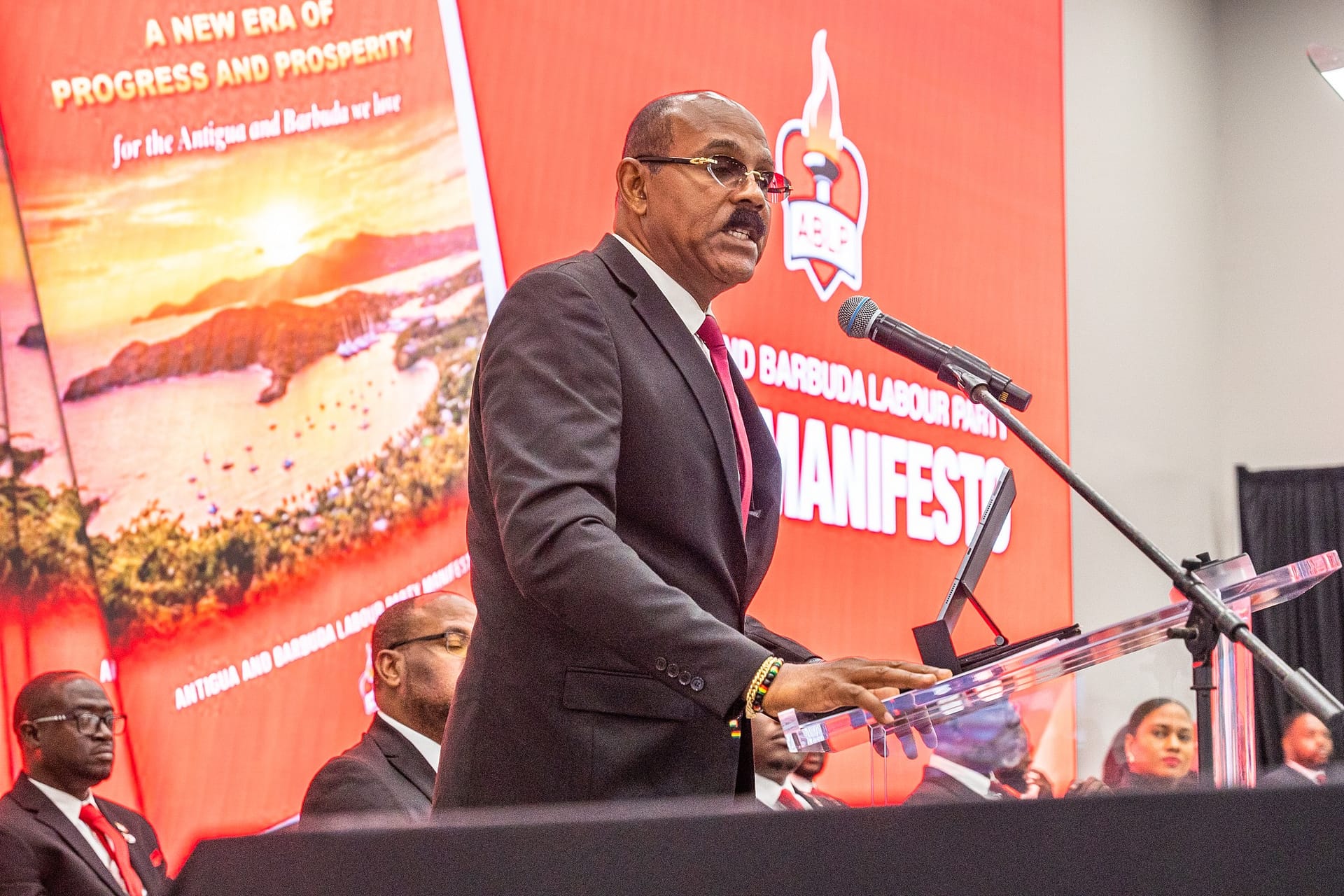
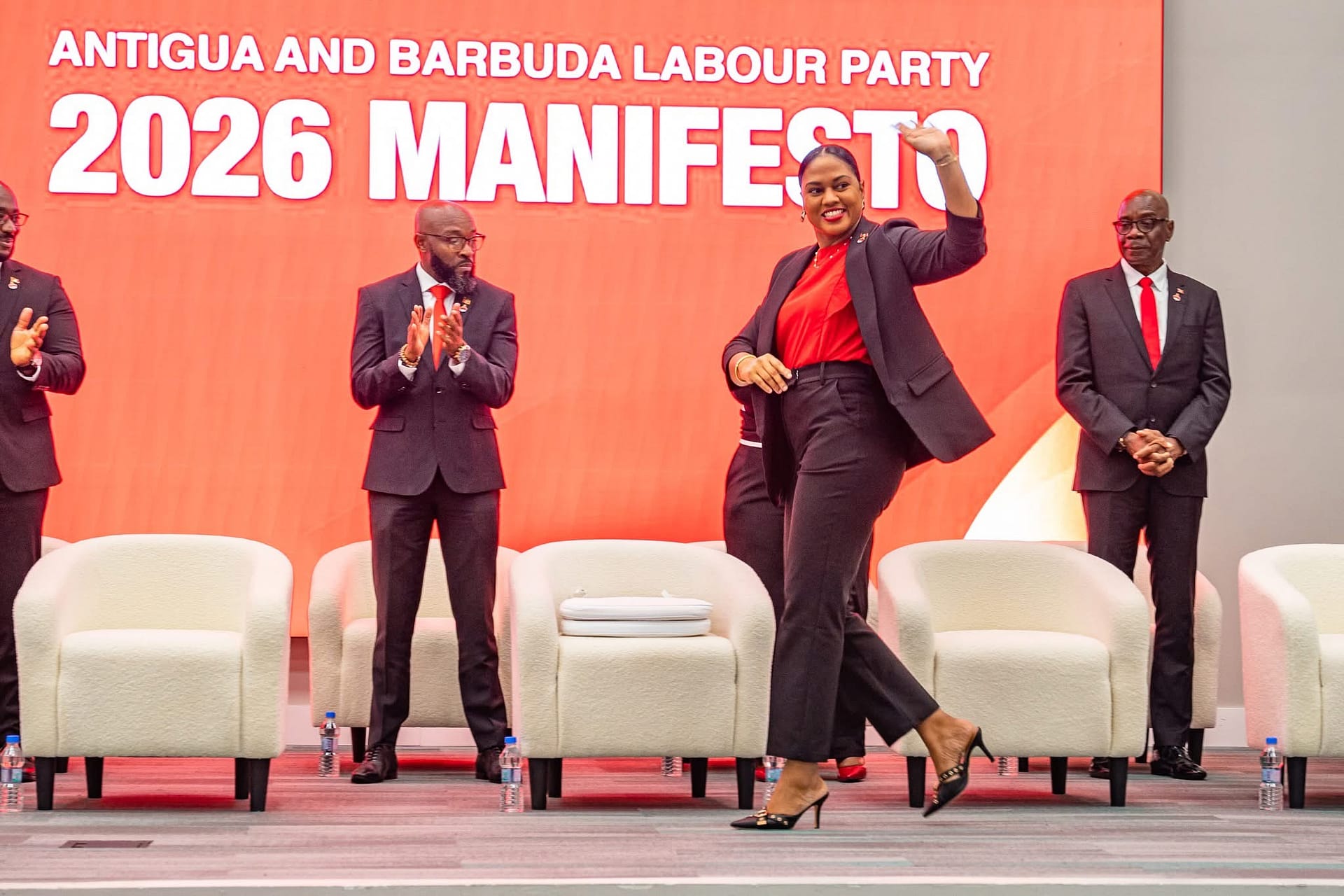
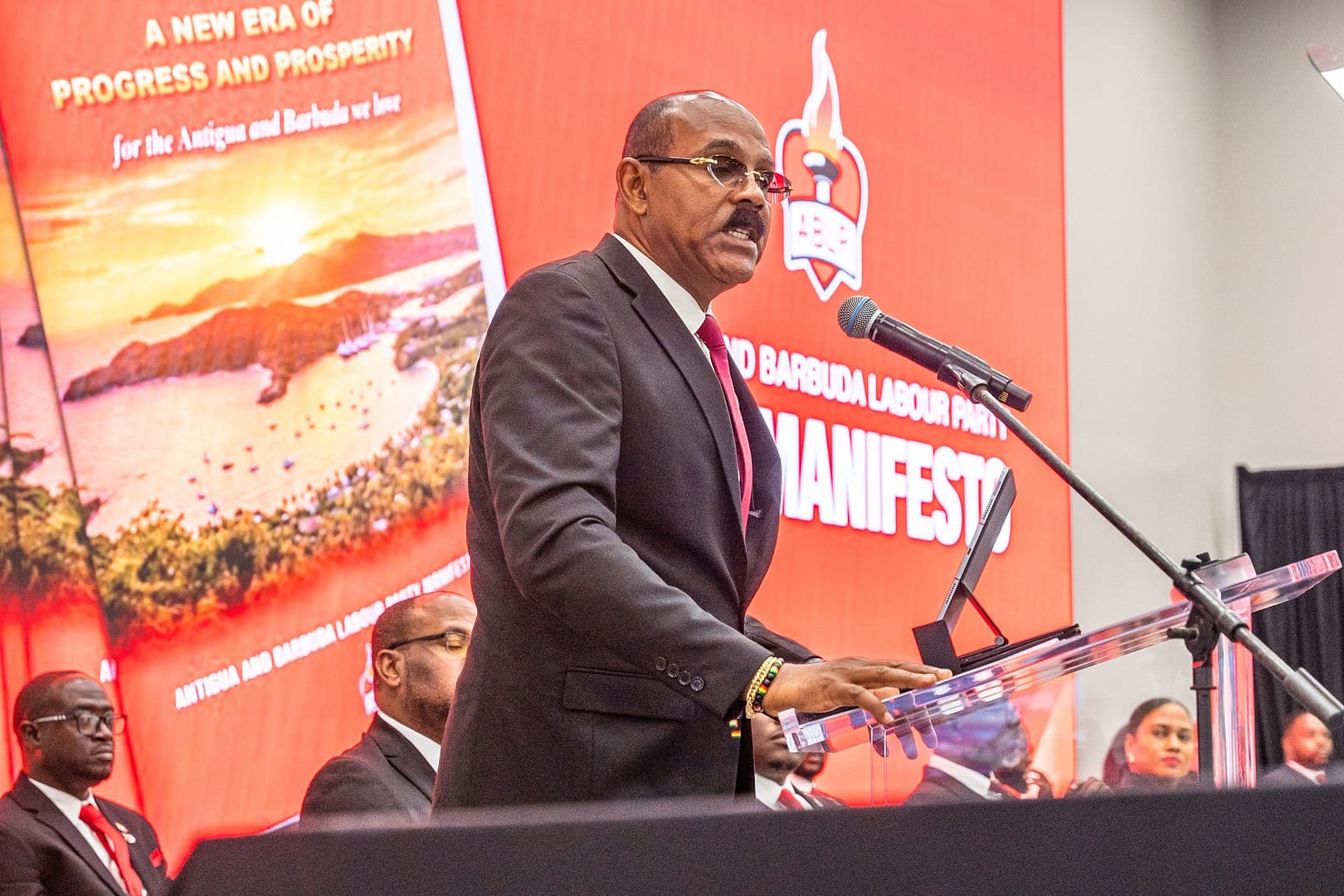
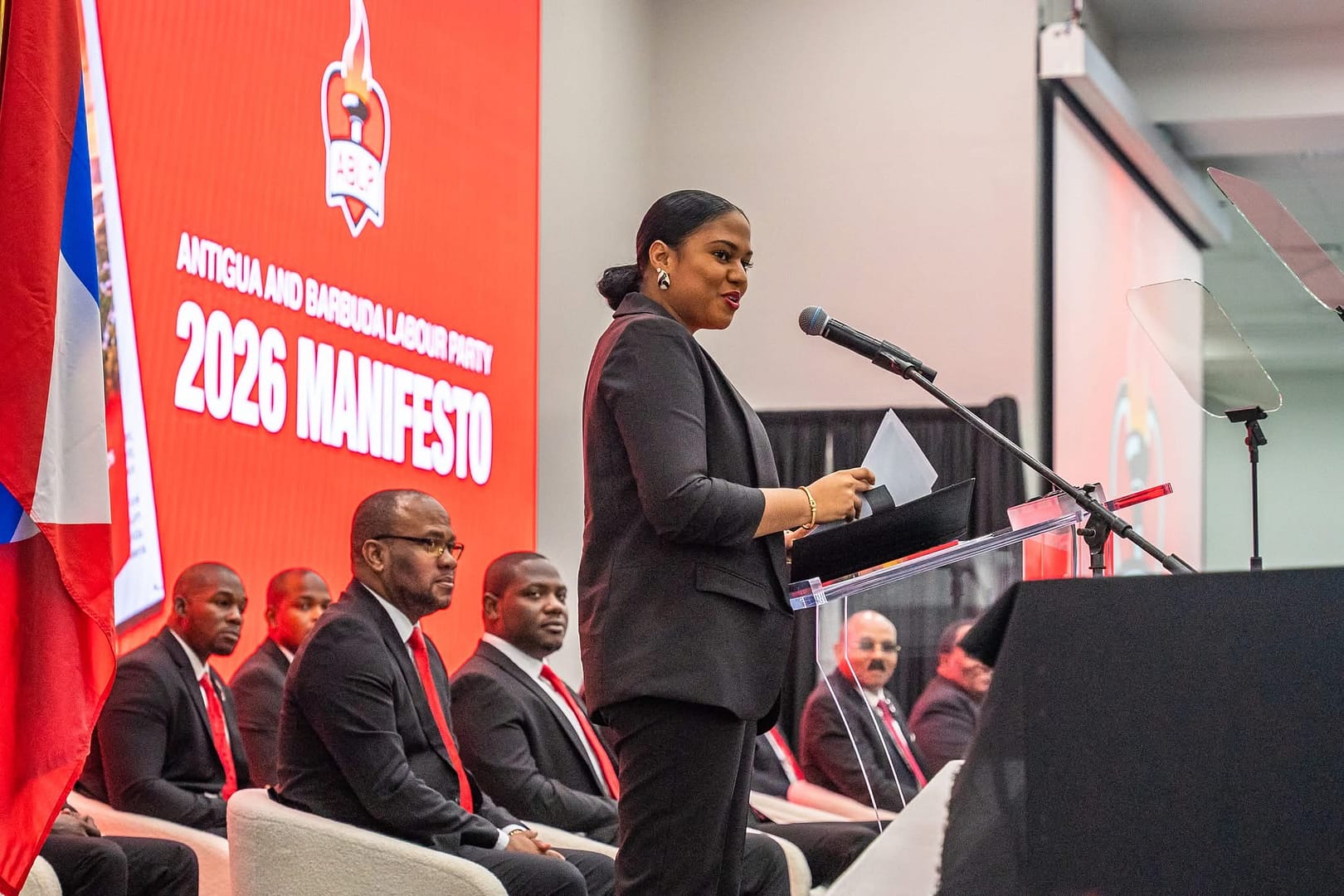
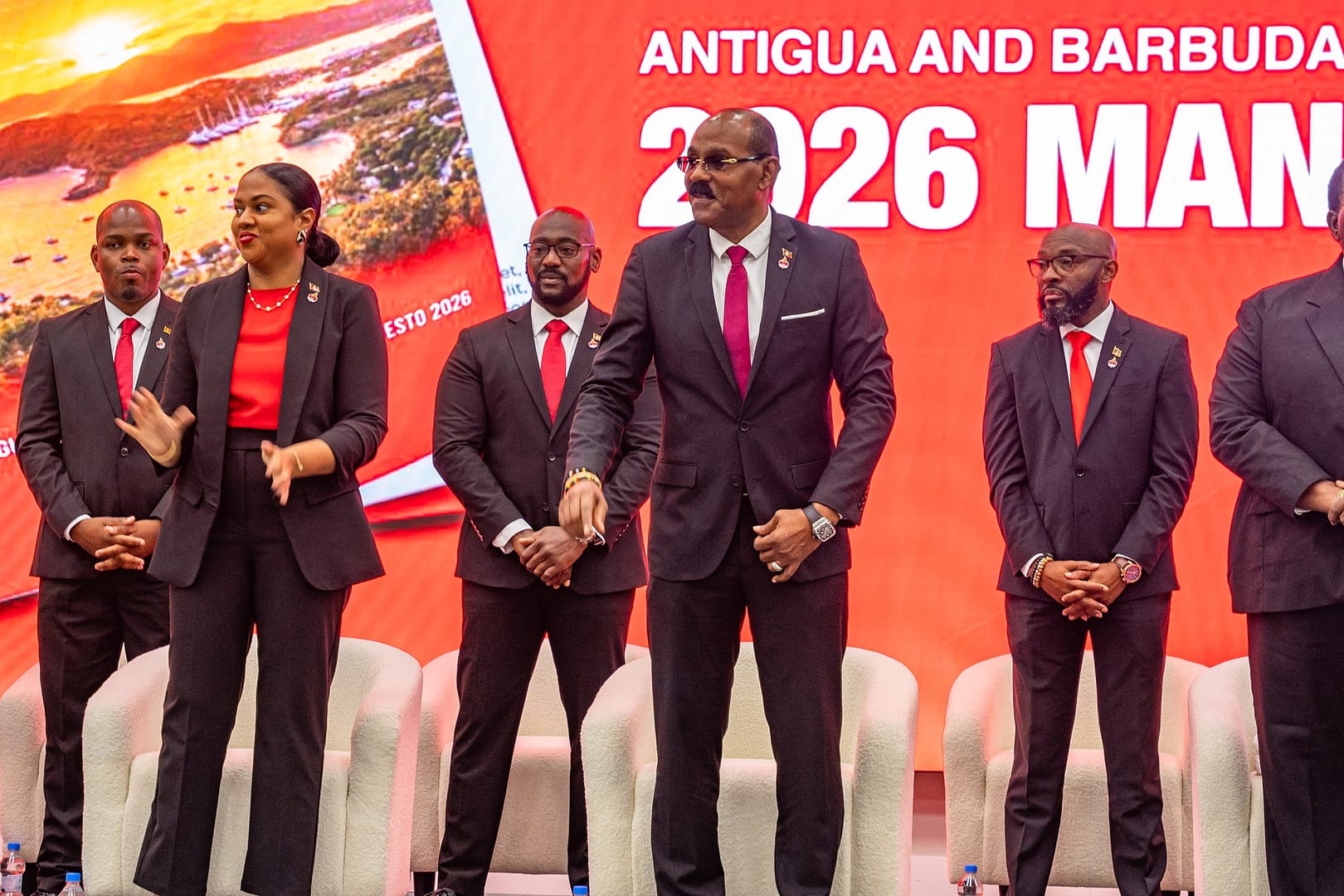
    Prime Minister Gaston Browne has projected an overwhelming triumph for his Antigua and Barbuda Labour Party (ABLP) in the upcoming St. Philip’s North by-election scheduled for March 16. During his weekly radio address on Pointe FM’s Browne and Browne show, the leader revealed compelling early indicators from intensive grassroots campaigning throughout the constituency.

    Browne disclosed that internal assessments suggest ABLP candidate Randy Baltimore could capture approximately 70 percent of the electoral vote. “From all indications what we have seen on the ground is going to be an extremely big win,” the Prime Minister stated, emphasizing his confidence in the projected outcome. He added that any result below this threshold would surprise him given current momentum.

    The Prime Minister credited Baltimore and his dedicated campaign team for their months-long door-to-door outreach effort, noting they had successfully secured voter commitments across the entire district. This electoral contest follows the retirement of veteran parliamentarian Sir Robin Yearwood, who represented St. Philip’s North for multiple decades.

    Browne paid tribute to Yearwood’s enduring legacy, highlighting his transformative work in land distribution that enabled numerous families to acquire property, construct homes, and enhance their economic stability. The Prime Minister characterized the constituency as a thriving community where residents have demonstrated strong investment in property development and maintenance.

    Concurrently, the administration is advancing infrastructure enhancements in the region, including the installation of a new water main designed to improve service delivery for both St. Philip’s North and South constituencies. This development initiative forms part of the government’s broader commitment to regional advancement amid the electoral process.

  • Iran Says It ‘Will Not Bow’ to U.S. and Israel

    Iran Says It ‘Will Not Bow’ to U.S. and Israel

    Tehran has issued a firm declaration of resistance against Western powers as military confrontations intensify across the Middle East. Iranian President Masoud Pezeshkian asserted that his nation “will not bow easily to bullying, oppression or aggression” in response to mounting pressure from the United States and Israel.

    The geopolitical crisis reached new heights as Israeli strikes targeted civilian infrastructure in Iran’s capital for the first time, striking an oil storage facility in Tehran. CNN footage documented multiple storage tanks engulfed in flames at the depot, marking a significant escalation in targeting strategy beyond military installations.

    Simultaneously, Iran launched retaliatory drone and missile attacks against several Gulf states, including Bahrain, Kuwait, and the United Arab Emirates. Bahraini authorities confirmed damage to a critical desalination plant that provides drinking water to millions of residents in the arid region.

    The human cost continues to mount with over 1,200 fatalities reported in Iran, more than 300 in Lebanon, and additional casualties in Israel. Global markets are reacting to the instability, with oil prices surging amid growing concerns about the security of the Strait of Hormuz—a vital maritime corridor through which approximately 20-30% of global oil consumption passes daily.

    U.S. President Donald Trump indicated the military campaign would persist “for a little while” as the conflict shows no signs of immediate de-escalation. The widening hostilities threaten to destabilize energy markets and regional security frameworks beyond the immediate conflict zones.

  • Remembering Michael Manley and the legacy of the NHT

    Remembering Michael Manley and the legacy of the NHT

    The Jamaican political landscape paused to commemorate the enduring legacy of former Prime Minister Michael Manley on the anniversary of his passing, March 6, 2026. The Opposition People’s National Party (PNP) spearheaded reflections highlighting one of Manley’s most transformative achievements—the National Housing Trust (NHT)—which simultaneously celebrates its golden jubilee this year.

    Hailed as one of Jamaica’s most visionary statesmen, Manley’s governance philosophy centered on elevating ordinary citizens through progressive social policies. The PNP, in an official statement, characterized the NHT as a revolutionary institution founded on the radical principle that adequate housing constitutes a fundamental right rather than a privileged commodity. “Conceived as a bold and people-centered intervention,” the party noted, “the NHT operationalized Manley’s conviction that national development must be measured by tangible improvements in citizens’ daily lives.

    Opposition housing spokesperson Professor Senator Floyd Morris and Michael Manley Foundation Chairperson Senator Donna Scott Mottley jointly celebrated Manley’s multifaceted contributions to Jamaican society. They documented his administration’s sweeping reforms initiated upon taking office in 1972, including groundbreaking labor legislation, the creation of the National Youth Service, the Jamaica Movement for Advancement of Literacy, the abolition of the ‘Bastardy Act,’ and the implementation of universal free education.

    The senators emphasized that the NHT transcends its physical infrastructure achievements, catalyzing profound social mobility, strengthening family stability, and fostering inclusive economic participation. By enabling generational wealth transfer through homeownership, the institution has systematically reduced inequality and fortified the nation’s social fabric. “Entire towns and housing schemes across Jamaica stand as living testaments to this initiative,” they observed.

    Morris and Scott Mottley articulated Manley’s governing philosophy that true independence necessitates economic empowerment, with the state bearing responsibility for innovative public interventions. The NHT embodies this ideology through its practical, sustainable, and human-centered approach to national development.

    As Jamaica celebrates both Manley’s legacy and the NHT’s five decades of service, the senators urged the current government to officially recognize the institution’s anniversary and honor its visionary founder. They concluded with a powerful testament: “Brilliant ideas will last for a while but legendary actions last for generations.”

  • Guyana says it did not withdraw from the Cuban health programme

    Guyana says it did not withdraw from the Cuban health programme

    GEORGETOWN, Guyana — The Cuban government has unilaterally terminated its long-standing medical brigade program with Guyana, ending a 48-year healthcare partnership between the two nations. Health Minister Dr. Frank Anthony confirmed the development, stating that Havana’s decision came in February 2026 despite ongoing diplomatic discussions between the two governments.

    In response to Cuba’s withdrawal, the Guyanese government has implemented a new recruitment strategy, offering direct employment contracts to qualified Cuban medical professionals. ‘Cuban doctors, nurses, and technicians can still work in Guyana if they meet our medical councils’ certification requirements,’ Anthony explained in an interview with News Source. ‘Many have already joined our public healthcare system through this arrangement.’

    The termination follows increased pressure from the United States, which has criticized Cuba’s medical missions as exploitative labor practices. Washington alleges that Cuban medical workers face ‘coercion and abuse, withheld wages, confiscated passports, and forced family separation.’ The U.S. has previously threatened visa restrictions for officials in countries participating in the program.

    Minister Anthony emphasized that the transition has not impacted healthcare delivery in Guyana. The country has accelerated its domestic medical training programs, with approximately 800 nursing graduates expected by mid-year. This expansion complements the direct hiring of international medical staff, ensuring continued service delivery despite the diplomatic shift.

    The program’s termination has sparked some public concern, with citizen groups petitioning President Irfaan Ali to reverse the decision. However, the government maintains that its new approach ensures both regulatory compliance and healthcare continuity while respecting medical professionals’ autonomy.

  • US attorneys general sue Trump over latest ‘illegal’ tariffs

    US attorneys general sue Trump over latest ‘illegal’ tariffs

    A multistate coalition spearheaded by New York Attorney General Letitia James has initiated legal action against former President Donald Trump’s administration over controversial tariffs targeting Caribbean nations and other countries. The lawsuit, joined by 21 attorneys general alongside the governors of Kentucky and Pennsylvania, contends that these sweeping trade measures exceed presidential authority and violate constitutional principles.

    The legal challenge emerges shortly after the US Supreme Court ruled against Trump’s previous tariff imposition under the International Emergency Economic Powers Act (IEEPA). In response to that defeat, the former president invoked Section 122 of the Trade Act of 1974 to enact new tariffs affecting Caribbean economies.

    The coalition’s central argument maintains that the presidential administration lacks legal standing to implement such comprehensive tariffs under this legislation. They assert that the measures fail to meet Section 122’s specific requirements while simultaneously infringing upon constitutional separation of powers protections.

    Attorney General James characterized the move as another example of Trump disregarding legal boundaries to effectively tax consumers and small businesses. ‘These tariffs will only drive up the cost of living,’ James stated in comments to Caribbean Media Corporation, ‘and I will continue to uphold the rule of law to protect New Yorkers.’

    New York Governor Kathy Hochul supported the legal action, noting that ‘illegal and reckless tariff policies continue to weigh on businesses, farmers and consumers across New York State.’ Hochul emphasized the state’s pursuit of recovering $13.5 billion in tariff costs from federal collections.

    The legal filing highlights that no previous administration has attempted to utilize Section 122 for broad tariff implementation. The statute was specifically designed to address monetary crises within fixed-rate exchange systems like the gold standard—a financial framework abandoned by the United States fifty years ago.

    Furthermore, the coalition challenges the administration’s justification based on trade deficits, arguing that such economic conditions are conceptually distinct from the balance of payments deficits that Section 122 was intended to address. The lawsuit also notes discriminatory application, as the tariffs exempt numerous goods from Canada, Mexico, and several Central American nations while including 84 pages of specific product exceptions.

    The legal action seeks judicial intervention from the United States Court of International Trade to declare the tariffs unlawful, prevent their implementation, and secure refunds for states that have already incurred costs under the proclamation.

  • St Lucia PM says government will continue to engage UK over visa issue

    St Lucia PM says government will continue to engage UK over visa issue

    CASTRIES, St Lucia — British officials are scheduled to arrive in St Lucia this week for crucial discussions regarding newly imposed visa requirements for St Lucian travelers to the United Kingdom. The dialogue follows London’s recent announcement mandating visas for all St Lucian nationals visiting the UK, including those transiting to other destinations.

    Prime Minister Phillip J. Pierre confirmed the upcoming meetings, stating UK representatives will engage with travel agencies and visa experts on Tuesday and Wednesday to establish streamlined procedures for legitimate travel. “We will continue to engage constructively with the British government to address these concerns while ensuring that the interests of the people of St Lucia remain at the center of our approach,” Pierre declared during a press conference.

    The policy shift, effective immediately, stems from what UK authorities describe as “considerable pressure” on their border and asylum systems. Official correspondence from the UK Home Office dated March 4, 2026, cited a “substantial increase in St Lucian nationals presenting as visitors but subsequently claiming asylum” as the primary justification for the visa implementation.

    Notably, the UK has established a six-week transition period until April 16, 2026, during which St Lucian nationals holding previously obtained Electronic Travel Authorisations (ETAs) with pre-booked travel may continue entering the UK visa-free if arriving before the deadline. The exemption does not apply to diplomats or government officials on official business, who remain visa-exempt.

    The UK’s Migration and Citizenship Minister Mike Tapp personally delivered the notification to Prime Minister Pierre through the British High Commissioner. The communication highlighted ongoing concerns regarding St Lucia’s Citizenship by Investment (CBI) program, through which foreign investors obtain citizenship in return for economic contributions. The UK expressed particular apprehension about “individuals who purchase St Lucian citizenship travelling to the UK for the purpose of claiming asylum.”

    Prime Pierre addressed St Lucian nationals directly, urging compliance with visa durations: “Do not overstay your time when you get to the UK or to the US. That is the main reason as written in the letter.” He emphasized that while the numbers might appear small globally, St Lucia must focus on controllable factors regarding international immigration policies.

  • Dr Soomer urges Caribbean govts to intensify push for reparations

    Dr Soomer urges Caribbean govts to intensify push for reparations

    A former chair of the United Nations Permanent Forum on People of African Descent has called upon Caribbean governments to escalate their campaign for reparatory justice, emphasizing that sustainable development remains unattainable without confronting the enduring legacies of slavery and colonialism. Dr. June Soomer, formerly Saint Lucia’s ambassador to CARICOM and the Organisation of Eastern Caribbean States, delivered these remarks during the launch event for the UN’s Second Decade for People of African Descent, held at the University of The Bahamas.

    Dr. Soomer articulated that the Caribbean’s leadership in the global reparations movement spans decades, not years. She traced the origins of the struggle back to the African coast, where enslaved individuals resisted even before their traumatic transatlantic passage. The modern regional agenda gained significant momentum in 2013 when CARICOM leaders formally committed to seeking justice for both Indigenous peoples and people of African descent. The CARICOM Reparations Commission first formally acknowledged the genocide of Indigenous populations before addressing the crimes of African enslavement.

    A central pillar of Dr. Soomer’s address was the imperative to reframe historical narrative. She vehemently rejected the term ‘slaves,’ insisting on the formulation ‘enslaved people’ to underscore that individuals with established professions and identities were forcibly subjugated. She further highlighted active resistance to captivity, countering the myth of passive acceptance.

    The former diplomat argued that the second UN decade must transcend symbolic gestures and catalyze structural reform. Key demands include comprehensive reviews of colonial-era constitutions and legislation, which she stated continue to perpetuate systemic racism and discrimination, particularly against women of African descent. Dr. Soomer expanded the concept of reparations beyond historical grievances to encompass contemporary issues like environmental injustice and technological bias. She noted the Caribbean’s disproportionate vulnerability to climate change impacts, despite its minimal contribution to global emissions, labeling it a form of ‘double reparations’ due to the legacy of being forced onto marginalized lands.

    Dr. Soomer concluded with a call for strengthened collaboration between governments and civil society organizations to ensure the reparations movement maintains its momentum and achieves meaningful, collective rights for people of African descent.

  • ECJ writes to three mayors regarding by-elections

    ECJ writes to three mayors regarding by-elections

    KINGSTON, Jamaica – Jamaica’s electoral governing body has formally notified three municipal mayors of their legal obligations to address vacant councilor positions in their respective jurisdictions. The Electoral Commission of Jamaica (ECJ) confirmed Monday it had dispatched official correspondence to Kingston Mayor Andrew Swaby, Morant Bay Mayor Louis Chin, and Savanna-la-Mar Mayor Danree Delancy, emphasizing their statutory responsibility to initiate by-election proceedings within mandated timelines.

    In its public statement, the ECJ clarified that these communications not only served as reminders of existing legal requirements but also confirmed the Commission’s operational preparedness to administer the necessary by-elections once municipal authorities provide formal notification. The Commission specifically referenced constitutional provisions requiring that such by-elections be conducted within approximately ninety days following the official recording of a vacancy within any electoral division.

    The electoral body emphasized that the timeline commencement depends on official notifications from local governance structures. The ECJ’s intervention highlights the ongoing administrative coordination between national electoral authorities and municipal leadership in maintaining democratic representation at local government levels. All three affected municipalities now face impending deadlines to preserve continuous political representation for their constituents.

  • King Charles speaks of great challenges facing the Commonwealth

    King Charles speaks of great challenges facing the Commonwealth

    LONDON, United Kingdom – King Charles III of Britain has characterized the current global landscape as both profoundly challenging and filled with opportunity in his annual Commonwealth Day address. The monarch emphasized that the organization’s true strength emerges during periods of international strain, including conflicts, climate crises, and rapid societal transformations.

    The Commonwealth, comprising 56 sovereign nations through voluntary association, represents a unique geopolitical entity spanning every continent. This diverse collective of republics and monarchies—predominantly former British territories—maintains cohesion through shared democratic values, justice, compassion, and mutual respect despite cultural, linguistic, and religious differences.

    Thirteen Caribbean nations form a significant bloc within the Commonwealth, including Antigua and Barbuda, The Bahamas, Barbados, Belize, Dominica, Grenada, Guyana, Jamaica, Saint Lucia, Saint Kitts and Nevis, Saint Vincent and the Grenadines, and Trinidad and Tobago. Antigua and Barbuda will host the 28th Commonwealth Heads of Government Meeting (CHOGM) from November 1–4, 2024, under the theme “Accelerating Partnerships and Investment for a Prosperous Commonwealth.”

    King Charles highlighted that the Commonwealth’s effectiveness derives not merely from governmental resolutions but from daily contributions by citizens through service, innovation, and enterprise. He identified untapped potential for prosperous trade among trusting partners and emphasized intergenerational responsibility, noting that nearly two-thirds of the Commonwealth’s population is under thirty years old.

    The monarch stressed environmental stewardship as a critical duty, observing that climate change represents an immediate reality rather than abstract threat for many member nations. Protection of oceans, forests, and sustainable development were framed as obligations to future generations.

    Commonwealth Secretary General Shirley Botchwey echoed these sentiments in her separate message, describing the organization as sustained by conviction rather than force or geography. Amid global institutional strain and geopolitical tensions, she affirmed the Commonwealth’s deliberate choice for partnership over isolationism. Botchwey characterized this collaboration as strategic friendship that strengthens national sovereignty through mutual respect and joint action. She emphasized the organization’s evolutionary adaptability—from supporting newly independent nations to advocating for democratic principles and climate action—as evidence of its enduring relevance.

  • Commonwealth Foreign Ministers Meet in Executive Retreat Ahead of 2026 CHOGM in Antigua and Barbuda

    Commonwealth Foreign Ministers Meet in Executive Retreat Ahead of 2026 CHOGM in Antigua and Barbuda

    In an unprecedented diplomatic format, foreign ministers from the Commonwealth of Nations convened for their 26th ministerial meeting, adopting an executive retreat structure to strategize for the upcoming 2026 Commonwealth Heads of Government Meeting (CHOGM). This innovative approach marks a significant departure from traditional diplomatic gatherings as the 56-member organization prepares for its November 2026 summit in Antigua and Barbuda.

    The retreat, strategically timed to coincide with the commencement of Commonwealth Day observances (celebrated annually on the second Monday of March), facilitated intensive policy discussions ahead of the November 1-4, 2026 summit. Antigua and Barbuda’s Foreign Affairs Minister Chet Greene, alongside High Commissioner to the UK Karen-Mae Hill, presented comprehensive updates on logistical and substantive preparations for the forthcoming gathering.

    Delegates engaged in substantive dialogues addressing two critical domains: proposed structural reforms within the Commonwealth architecture and contemporary developments impacting member states. The retreat format was specifically engineered to foster candid, solution-oriented conversations that transcend conventional diplomatic formalities.

    According to organizing officials, this innovative meeting structure aims to generate what they describe as a ‘bold and practical’ action plan designed to enhance multilateral cooperation and mutual prosperity across the Commonwealth. This strategic repositioning occurs against the backdrop of evolving global challenges that demand renewed collective action among member nations, which together represent approximately 2.5 billion citizens across six continents.