
The government of Trinidad and Tobago has announced the arrival of the USS Gravely, a US guided-missile destroyer, for a five-day visit starting October 26. The warship, carrying members of the 22nd US Marine Expeditionary Unit, will dock in Port of Spain and engage in joint military training exercises with the Trinidad and Tobago Defence Force (TTDF). The USS Gravely, equipped with advanced weapons systems and helicopter capabilities, has recently been involved in counter-narcotics and maritime security operations in the Caribbean. The visit underscores the US commitment to regional security and aims to enhance military cooperation through expert exchanges on infantry tactics, maintenance procedures, and medical capabilities. The exercises are designed to improve tactical proficiency, mutual trust, and operational readiness among partner forces. This development follows a recent advisory from the US Embassy in Trinidad and Tobago, warning American citizens to avoid US government facilities during the Divali holiday weekend due to heightened security concerns. Additionally, the visit comes amid discussions among Caribbean Community (Caricom) leaders regarding regional security dynamics. Trinidad and Tobago’s coalition government, led by Prime Minister Kamla Persad-Bissessar, has reiterated its support for US military operations, emphasizing their role in combating narco-trafficking, human trafficking, and transnational crime to foster a ‘zone of peace’ in the region. The Persad-Bissessar administration has received praise from US Secretary of State Marco Rubio for its alignment with regional security initiatives.
分类: politics
-
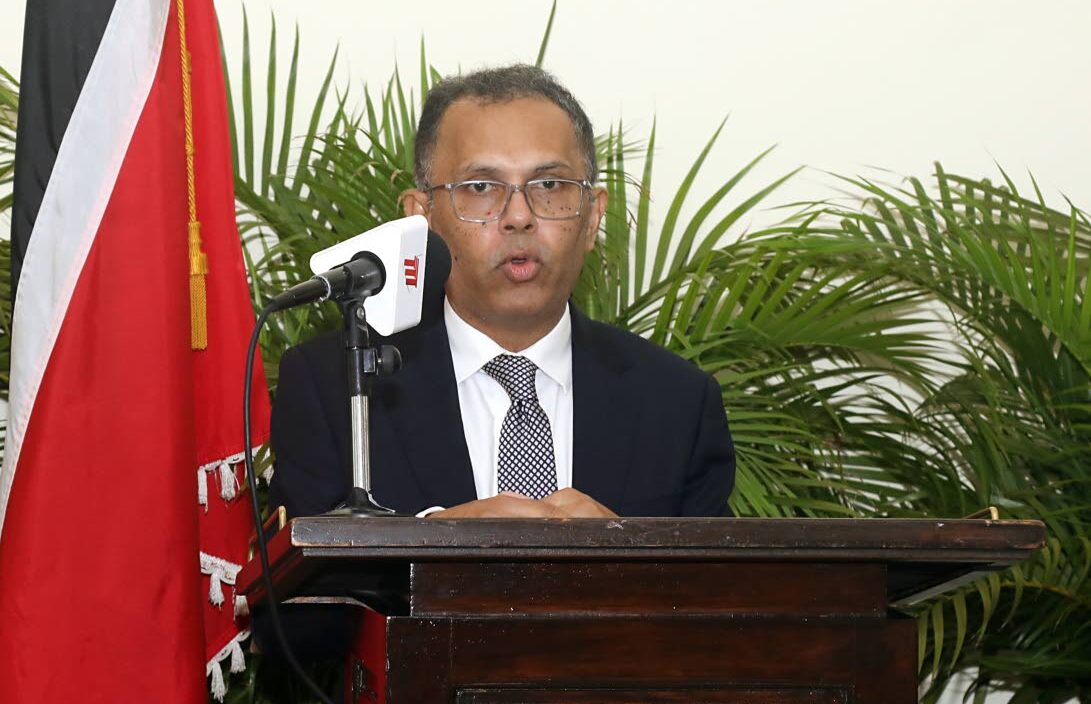
Ex-AG Ramlogan: There was precedent for CJ’s appointment
Trinidad and Tobago’s judicial landscape witnessed a significant transition as Justice Ronnie Boodoosingh was sworn in as the nation’s ninth Chief Justice on October 22 at President’s House in St. Ann’s. The ceremony, attended by key dignitaries, marked a pivotal moment in the country’s legal history. Former Attorney General Anand Ramlogan, SC, lauded the appointment, describing Boodoosingh as a jurist with “unimpeachable credentials” whose leadership is expected to bolster public trust in the judiciary. In a statement issued on October 24, Ramlogan emphasized Boodoosingh’s extensive experience in both criminal and civil law, praising his integrity and dedication. He also commended acting President Wade Mark for swiftly filling the vacancy left by the resignation of former Chief Justice Ivor Archie on October 22, averting potential instability in the judiciary. Addressing concerns over the expedited consultation process, Ramlogan cited historical precedents, including the 2015 appointment of Alvin Hilaire as Central Bank governor, to justify the urgency. He argued that Archie’s prior retirement announcement provided ample time for deliberation, dismissing opposition claims of inadequate consultation as unfounded. Ramlogan asserted that the appointment was both lawful and constitutionally sound, referencing past executive actions upheld by the Privy Council. Legal experts noted that while the appointment process could face constitutional challenges, such claims would not overturn the decision but might result in a judicial declaration. Boodoosingh’s tenure is anticipated to uphold the continuity and integrity of judicial leadership in Trinidad and Tobago.
-
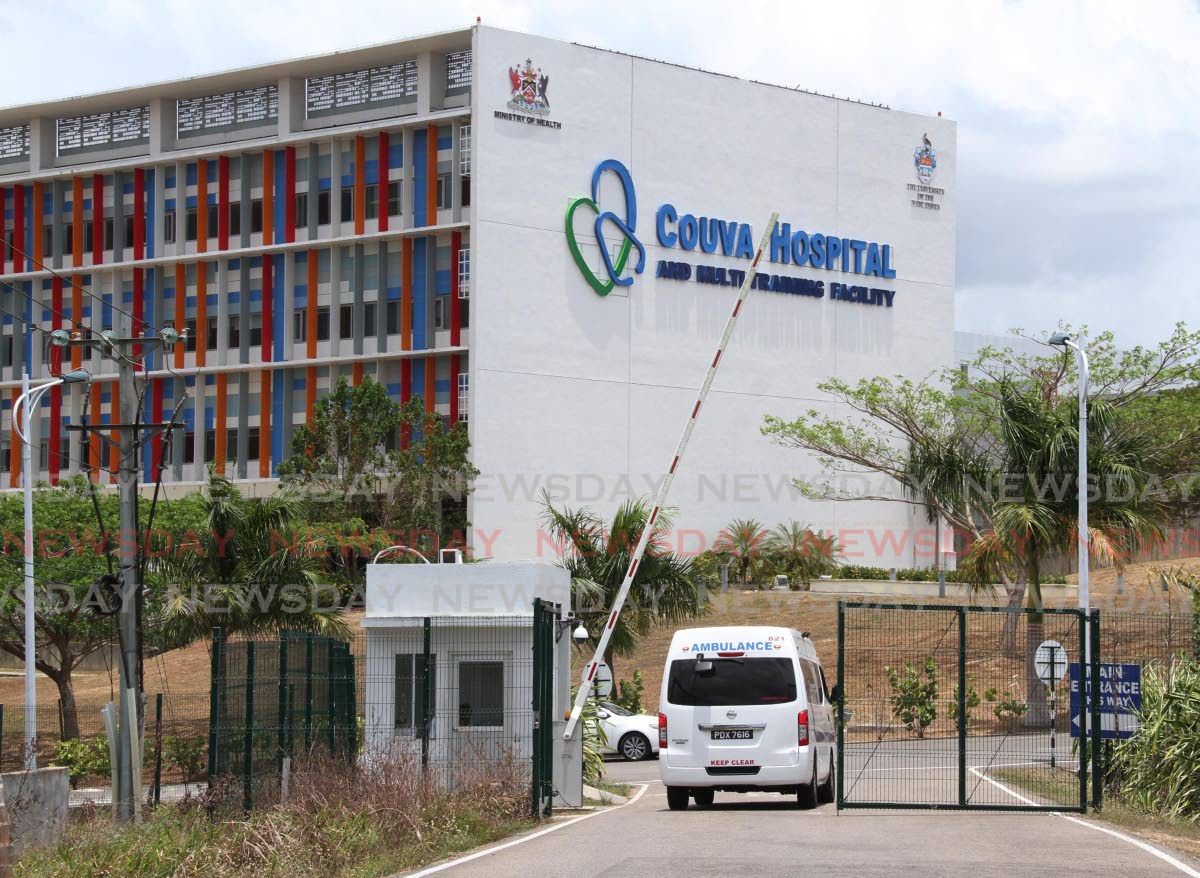
Government, opposition argue over hospitals
A heated debate unfolded in Trinidad and Tobago’s House of Representatives as Health Minister Dr. Lackram Bodoe and Diego Martin North/East MP Colm Imbert clashed over a $100 million budget allocation for the Couva Hospital and Multi-Training Facility (CHMTF). The dispute occurred during the Standing Finance Committee’s deliberations on October 23, which aimed to approve a $7.04 billion budgetary allocation for the Health Ministry. Imbert questioned the significant funding for the CHMTF, which the opposition UNC plans to rename the Couva Children’s Hospital, while noting the absence of allocations for hospitals in Arima, Point Fortin, and Sangre Grande. He criticized the government for what he termed political discrimination, arguing that hospitals built under the former PNM administration were being neglected. Bodoe defended the allocation, stating that the Couva hospital had been neglected under the PNM and required substantial investment. He highlighted issues discovered during a post-election visit, including underutilization and non-functional medical equipment. The debate also touched on 515 vacancies in the Health Ministry, with Finance Minister Davendranath Tancoo attributing the issue to the previous PNM government. Imbert further questioned the allocation of $16 million to pay lower-level employees at the North West Regional Health Authority, suggesting potential inefficiencies. The session grew contentious, prompting Speaker Jagdeo Singh to call for order. The exchange underscores the ongoing political tensions and challenges in Trinidad and Tobago’s healthcare sector.
-
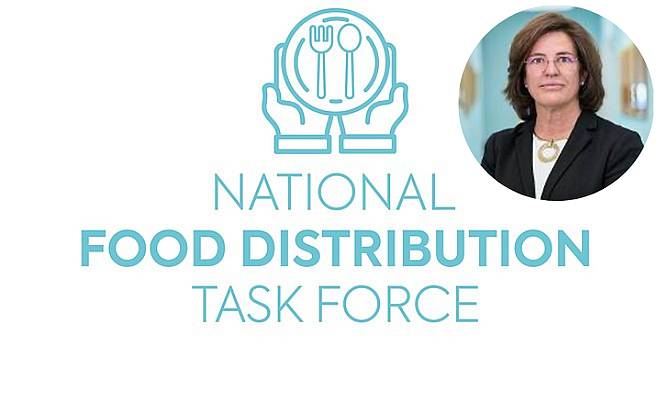
Task force chair feels ‘vindicated’ after audit
Susan Larson, the former chair of the Minnis administration’s National Food Distribution Task Force, has expressed profound relief following the Auditor General’s report, which found no evidence of misuse of public funds. The report, presented to Parliament on Wednesday, confirmed that all funds were properly allocated and accounted for, effectively vindicating Larson and her team. The audit also praised the initiative for successfully delivering food to vulnerable families during the COVID-19 pandemic. Larson, however, condemned her “wrongful arrest” during the government’s investigation, describing the experience as traumatic and damaging to the country’s NGO community. She recounted how four plainclothes officers arrived at her home without identification, claiming to be from a special investigative unit and arresting her for fraud. “I was shocked, shaken, disillusioned, and deeply disheartened,” she said, emphasizing that such actions should never have occurred. Prime Minister Philip “Brave” Davis had previously accused NGOs of mismanaging funds, citing poor record-keeping and suggesting the program was not solely focused on addressing food insecurity. Former Prime Minister Dr. Hubert Minnis called for Davis to apologize for what he termed baseless attacks on the program’s integrity. Minnis, who was also questioned during the investigation, expressed full confidence in Larson, describing her as the ideal leader for the initiative. Larson highlighted the lasting harm caused by the government’s accusations, noting that some NGOs have since disbanded or lost interest in national partnerships due to shaken donor confidence. The Auditor General’s report did note a $4,500 vehicle purchased with government funds was not declared to the task force but was known to the Ministry of Finance. Larson clarified that the government allowed the vehicle’s use but continues to withhold items bought through private donations.
-
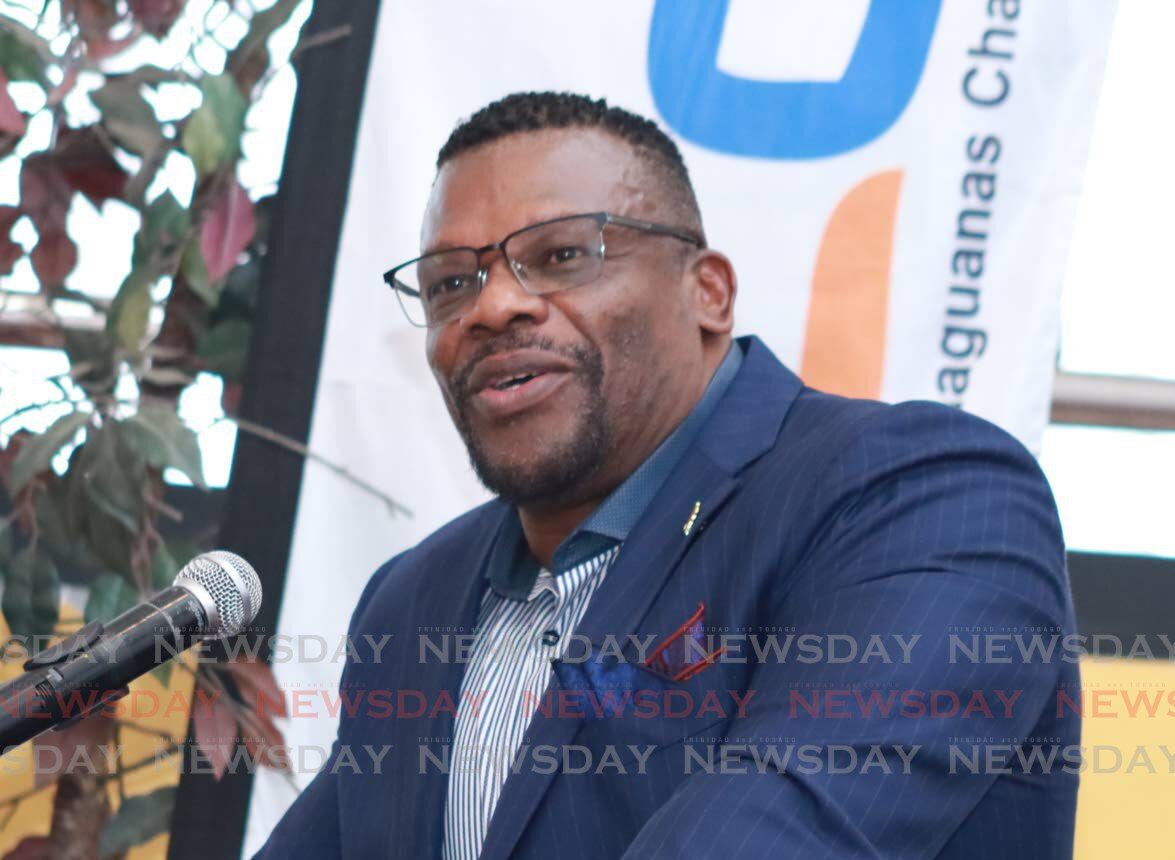
Government to decide on SoE extension soon
Homeland Security Minister Roger Alexander has announced plans to convene with state security officials to deliberate on whether the current State of Emergency (SoE) should be extended beyond its October 28 expiration date. The SoE, initially declared on July 18, was prompted by intelligence from Police Commissioner Allister Guevarro, who revealed that organized criminal gangs were plotting widespread violence, including murders, robberies, and kidnappings. On the same day, Guevarro oversaw the relocation of gang leaders from the Maximum Security Prison in Arouca to military and Coast Guard facilities to sever their communication networks and disrupt their operations. Parliament subsequently extended the SoE for three months on July 29. Speaking at a cancer screening clinic in Tunapuna on October 24, Alexander emphasized that any decision to extend the SoE would be strategic, contingent on whether the government’s objectives had been met. He noted that discussions with relevant stakeholders were essential before a final decision could be made, though no specific timeline for these talks has been set. Meanwhile, Commissioner Guevarro, in an August 11 interview, stated that the immediate threat had been neutralized but acknowledged ongoing efforts to dismantle the criminal networks responsible. The public awaits further updates as the government weighs its next steps.
-
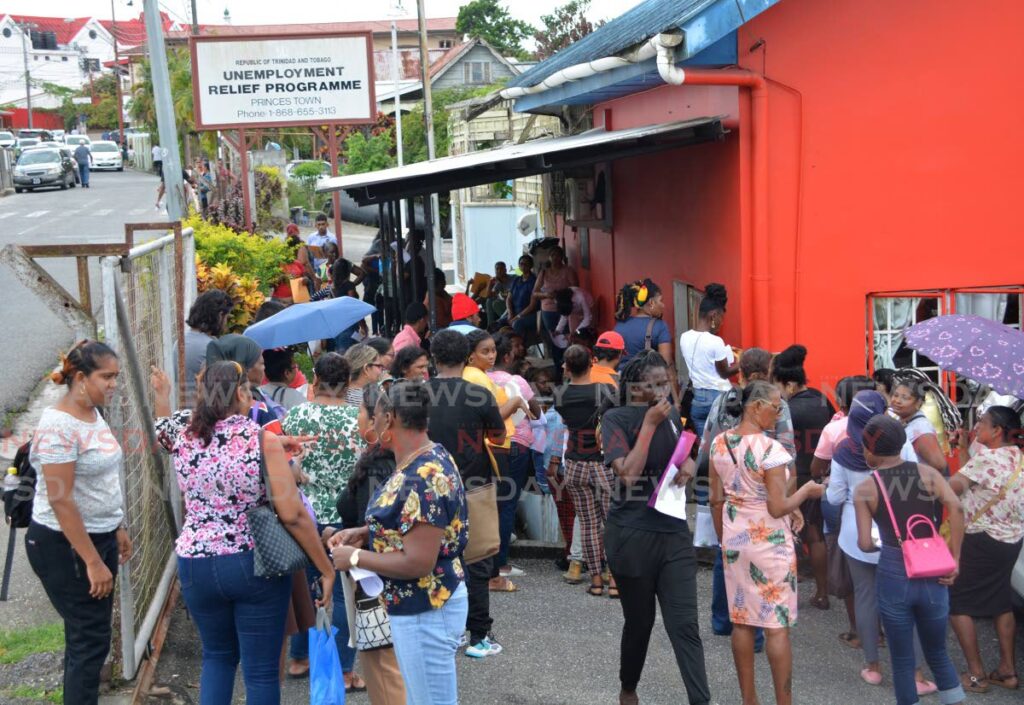
Tancoo: $475m to help fund 20,000 new jobs
A heated debate unfolded in Trinidad and Tobago’s House of Representatives on October 23, as Finance Minister Davendranath Tancoo defended the allocation of $475 million to an employment fund in the 2026 budget. The fund aims to support the government’s ambitious recruitment drive to create or fill 20,000 jobs. However, opposition MPs raised concerns about the adequacy of the funding, with St Ann’s East MP Dr. Nyan Gadsby-Dolly arguing that the sum would only cover wages below the national minimum wage. Port of Spain North/St Ann’s West MP Stuart Young questioned how the fund would benefit former workers of the Cepep and URP programs, which were previously terminated. Tancoo assured that the fund would support a wide range of employment opportunities and that ministries could reallocate funds to ensure payment. He also praised Prime Minister Kamla Persad-Bissessar for launching a public website for job applications. The debate grew contentious, with Young accusing the government of failing to address the needs of unemployed Cepep and URP workers. Tancoo countered by criticizing the opposition’s track record in filling public sector vacancies. The session concluded with Speaker Jagdeo Singh urging MPs to move on due to time constraints.
-
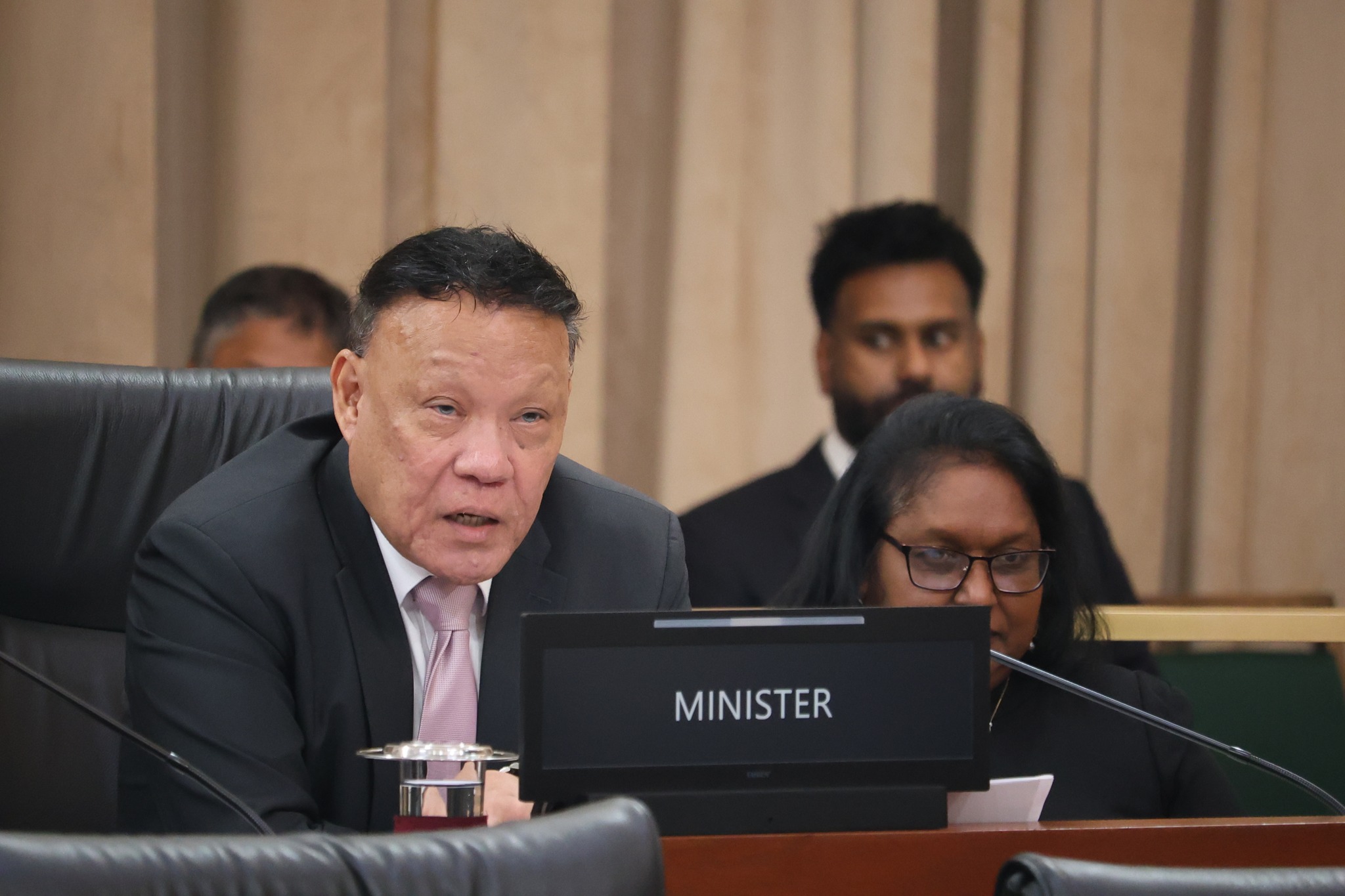
Government, opposition clash over accusations of racism
The Standing Finance Committee meeting on October 24 turned into a heated debate as Housing Minister David Lee faced intense scrutiny from opposition MPs over significant budget cuts to his ministry. The session, held at the Red House, was temporarily suspended by Speaker Jagdeo Singh following a contentious exchange involving allegations of racism. The opposition questioned Lee about the ministry’s 2026 budget, which was reduced by nearly $100 million, from $684 million to $588 million. Diego Martin East MP Colm Imbert pressed Lee on how the ministry planned to hire staff despite the funding reduction, to which Lee jokingly replied, “We do magic.” Imbert retorted sarcastically, “Magic? Okay, thank you. Good answer.” Lee later clarified that the ministry currently has 92 positions, with 50 filled, 38 vacant, and four awaiting permanent appointments. He emphasized ongoing collaboration with the Public Service Commission to address staffing gaps and suggested supplementary funding or virements could be pursued if necessary. St Ann’s East MP Nyan Gadsby-Dolly questioned the drop in the ministry’s 2025 expenditure from $11 million to $9 million, probing whether personnel had left without replacement. Lee attributed the shortfall to Salaries Review Commission-related payments in the previous fiscal year. He also outlined broader housing budget allocations from 2024 to 2026, noting that $488.9 million would primarily service debt through the Housing Development Corporation (HDC), with only $32.4 million allocated for operational expenses. Imbert expressed concerns that the funding was insufficient to build new homes, questioning the HDC’s ability to deliver tangible housing outcomes. Lee defended the HDC’s self-sustaining model but acknowledged ongoing debates over profit and reinvestment priorities. The discussion also touched on aging HDC rental apartments, with Imbert highlighting the urgent need for maintenance. Lee assured that the agency would meet its obligations despite budget cuts, citing new procurement processes aimed at reducing corruption. Tensions flared further when MP Keith Scotland accused Lee of shutting down key public employment programmes in east Port of Spain. Lee vehemently denied the claim, stating, “East Port of Spain is not closed down.” The session reached a boiling point when MP Barry Padarath described the opposition’s behaviour as “hooliganism,” prompting Gadsby-Dolly to condemn the comment as racist. Speaker Singh suspended the sitting for ten minutes, urging MPs to reflect on decorum. Upon resumption, Singh ruled that both sides must withdraw their statements, restoring order to the proceedings.
-
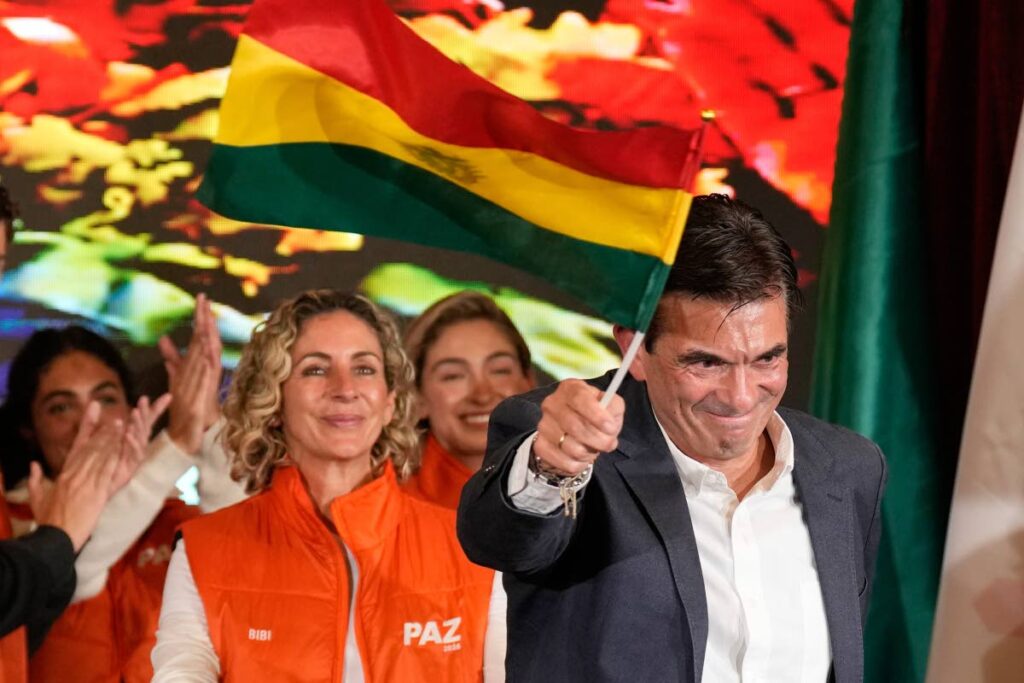
Trinidad and Tobago joins US, allies in support for Bolivia’s new president
Trinidad and Tobago has joined the United States and six Latin American nations in officially endorsing Rodrigo Paz Pereira as Bolivia’s newly elected president. The endorsement was articulated in a joint statement released by the US State Department on October 21, titled ‘Joint Statement on the Bolivia Election.’ The statement was co-signed by Argentina, Costa Rica, Dominican Republic, Ecuador, El Salvador, Panama, Paraguay, Trinidad and Tobago, and the United States. It congratulated President-elect Paz Pereira on his victory in the October 19 runoff election, which marked a significant shift in Bolivia’s political landscape after two decades of leftist governance. The statement praised the Bolivian people for their active participation in the democratic process, emphasizing that the election results reflected a collective desire for change and economic reform. The signatory nations expressed their readiness to support Bolivia’s new administration in stabilizing its economy, strengthening democratic institutions, and fostering international trade and investment. They also pledged to collaborate with Paz Pereira’s government on regional and global security, economic prosperity, and addressing shared challenges. The Associated Press described Paz Pereira’s win as a ‘surprise electoral victory,’ signaling the end of Bolivia’s long-standing alignment with leftist policies. Paz has committed to rebuilding relations with the United States and attracting foreign investment to Bolivia, which has been isolated from international markets for years. US Secretary of State Marco Rubio hailed the election as a ‘transformative opportunity’ for bilateral cooperation on investment, immigration, and security. Paz also emphasized Bolivia’s renewed commitment to supporting democratic movements in Latin America, notably engaging with Venezuelan opposition leader María Corina Machado. Trinidad and Tobago’s involvement in this alliance highlights its unique position as the only English-speaking country in the region supporting US-led initiatives, including military actions against alleged Venezuelan drug traffickers.
-

Government, opposition argue over poui trees, Cepep
The Standing Finance Committee of the House of Representatives witnessed heated exchanges between government and opposition MPs on October 23 as they deliberated on the 2025/2026 budget. The focus of the debate centered on the allocation of $285,517,600 for the Ministry of Trade, Investment and Tourism, alongside contentious discussions on expenditure for planting poui trees and the termination of the Cepep program. Trade, Investment and Tourism Minister Kama Maharaj outlined a $1 million initiative to beautify highways by planting poui trees, drawing parallels to similar projects in Japan involving cherry blossoms. He suggested involving volunteers and school children in the effort, prompting Port of Spain South MP Keith Scotland to question whether children would be paid for their participation. Scotland also criticized the government for dismissing former Cepep workers who could have been retained for such initiatives, leading to tense exchanges in the chamber. Finance Minister Davendranath Tancoo had previously announced the termination of Cepep and URP in his October 13 budget presentation, proposing a $475 million Employment Fund to replace these programs with full-time, better-paid jobs. Social Development Minister Vandana Mohit and Public Utilities Minister Barry Padarath indicated that former Cepep workers could apply for jobs through the National Recruitment Drive. Opposition Leader Pennelope Beckles raised concerns about potential political patronage in the new unemployment fund, questioning its fairness and transparency.
-
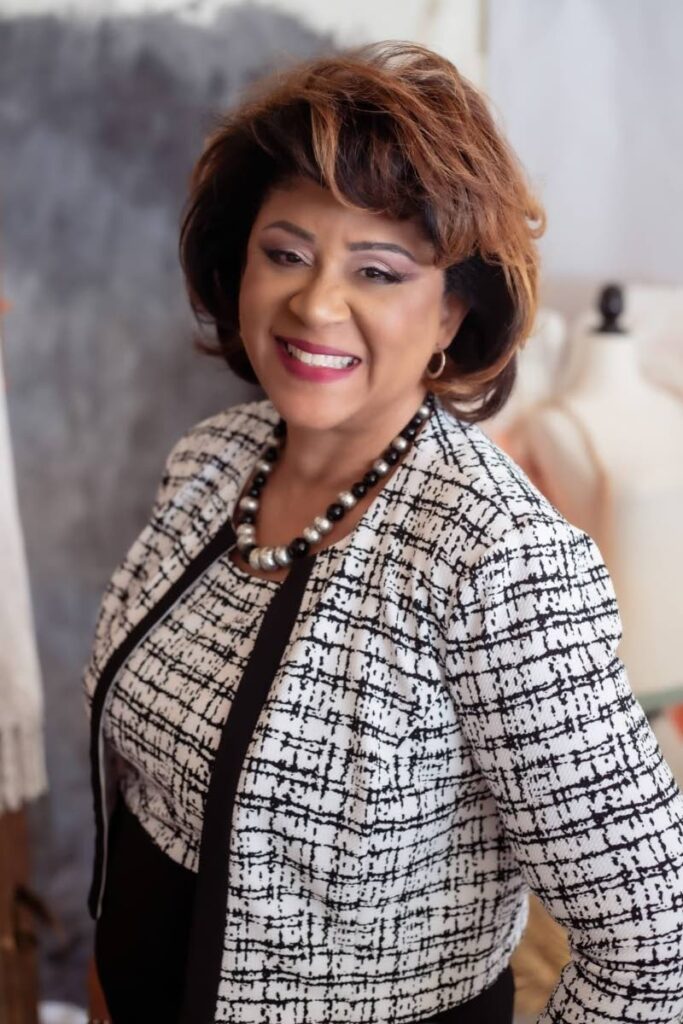
Passing the baton in budget debate?
The 2025-2026 Budget, unveiled on October 13 by Trinidad and Tobago’s new administration, has been hailed by some as a blueprint for hope and transformation. Under the theme “T&T First: Building Economic Fairness through Accountable Fiscal Policies,” Finance Minister Davendranath Tancoo presented a polished and thematic budget that signaled strategic realignments across ministries. However, for advocates of mental health and inclusion, the budget fell short of delivering the urgent and transformative changes needed for vulnerable groups. While the government pledged to decentralize mental health services and promote community-based care, the plan lacked critical details such as timelines, infrastructure, and workforce development. The Social Sector Investment Programme highlighted Trinidad and Tobago’s third-place ranking in the Caribbean for mental illness prevalence, yet the budget’s response to this crisis was deemed tepid. Dr. Margaret Nakhid-Chatoor, a psychologist and educator, criticized the absence of targeted measures for people with disabilities, neurodivergent individuals, and the LGBTQ+ community. Despite growing advocacy for mental health reform and inclusion, the budget failed to address systemic barriers or integrate mental health literacy into the education system. Dr. Nakhid-Chatoor emphasized that true economic fairness requires more than rebranding; it demands a reimagining of progress, urgent investment in community-based care, and the embedding of inclusion into every ministry. She called for a redrawing of the track—one that is urgent, accountable, and inclusive of every citizen—to break the cycle of marginalization and ensure measurable outcomes.