分类: politics

  • CARICOM Secretary-General pays tribute to the late Honourable Roderick Rainford

    CARICOM Secretary-General pays tribute to the late Honourable Roderick Rainford

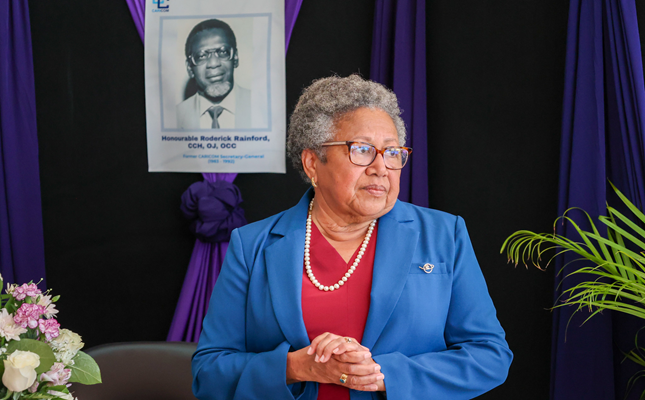
    On April 27, 2026, a Celebration of Life service was held at the University Chapel in Kingston, Jamaica, to commemorate the late Honourable Roderick Rainford — former Secretary-General of the Caribbean Community (CARICOM), one of the bloc’s most transformative leaders, and a decorated regional statesman. Speaking on behalf of the entire CARICOM community, current Secretary-General Dr. Carla Barnett delivered a moving tribute that celebrated Rainford’s decades of dedication and the permanent mark he left on Caribbean integration.

    Rainford led CARICOM for nine years starting in 1983, a tenure Dr. Barnett described as uniquely historic, shaped both by Rainford’s visionary work to strengthen regional cooperation and by the cascading crises that tested the bloc’s very existence in the 1980s. Just weeks after Rainford took office, the assassination of Grenada’s prime minister and subsequent military invasion of the island nation split CARICOM along ideological lines, pushing the integration movement to the brink of collapse. Dr. Barnett noted that this immediate crisis amounted to a “baptism by fire” for the new secretary-general — one he navigated with steady, purposeful leadership.

    Rather than allowing ideological divides to derail decades of progress, Rainford refocused the bloc on its core long-term priorities: expanding trade and driving shared economic development. This pragmatic approach kept CARICOM intact through a turbulent period defined not just by regional upheaval, but also global turmoil including heightened Cold War tensions and volatile sky-high oil prices.

    Rainford’s most enduring contribution to CARICOM came in 1989, when he guided regional heads of government to reach consensus on the landmark Grand Anse Declaration. The agreement laid out core principles for boosting regional competitiveness, eliminating internal trade barriers, and advancing functional cooperation in critical public sectors including health and education — all foundational pillars of what would become the CARICOM Single Market and Economy. The declaration also reaffirmed the bloc’s core commitments to national sovereignty, non-interference in domestic affairs, and equal standing for all member states, principles that remain central to CARICOM’s work to this day.

    Beyond economic integration, Rainford was an early and consistent advocate for regional self-reliance and environmental resilience. His forward-thinking perspective shaped CARICOM’s unified position at the 1992 United Nations Conference on Environment and Development in Rio de Janeiro, the landmark global summit that produced the foundational blueprint for international environmental policy that guides action to this day. Rainford also spearheaded other key regional initiatives, including early efforts to deepen financial cooperation between Barbados, Jamaica, and Trinidad and Tobago, and the revival of the Caribbean Festival of Arts, the region’s premier cultural celebration.

    Dr. Barnett, who first met Rainford in the mid-1990s when she served as Deputy Governor of the Central Bank of Belize and he held the role of Governor of the Bank of Jamaica, remembered him as a thoughtful, collegial leader defined by sharp intellect, unwavering professionalism, and deep respect for all colleagues. Across CARICOM, Rainford earned widespread admiration for his wisdom, foresight, and steadfast commitment to the regional project.

    In recognition of his decades of service, Rainford was awarded CARICOM’s highest honor, the Order of the Caribbean Community, as well as the Cacique Crown of Honour from Guyana (home to the CARICOM Secretariat headquarters) and the Order of Jamaica from his home nation. His legacy, Dr. Barnett emphasized, endures in the strong foundations of regional cooperation he helped build, and his belief in collective progress continues to inspire the work of the CARICOM Secretariat today.

    Closing her tribute, Dr. Barnett extended deepest condolences to Rainford’s wife Nesha, son Kwame, all his extended family, and the government and people of Jamaica. “May you take comfort in knowing that his life’s work was invaluable and has left an enduring mark on all who had the honour of knowing him,” she said. “May his soul rest in peace.”

  • Cabinet Office Rejects Politically Timed “Alfa Nero” Claims as Desperate and Misleading

    Cabinet Office Rejects Politically Timed “Alfa Nero” Claims as Desperate and Misleading

    The UK’s Cabinet Office has pushed back against recent accusations that its handling of the seized superyacht Alfa Nero was timed for political advantage, dismissing the claims as a desperate, misleading attack from political opponents.

    The 270-foot luxury vessel, which was seized by British authorities in 2022 as part of sanctions imposed on Russian oligarchs following Moscow’s full-scale invasion of Ukraine, has been the subject of growing political debate in recent weeks. The vessel was sold at a Bermudan auction in June 2024 for approximately $67 million, far below its estimated $120 million market value, and critics of the current government have alleged that the sale process was rushed to coincide with a key political timeline, rather than being structured to maximize public revenue from the asset.

    In a formal statement issued this week, a spokesperson for the Cabinet Office rejected all assertions of politically motivated scheduling. “These claims are nothing more than desperate, misleading rhetoric from opposition parties looking to score cheap political points,” the spokesperson said. “Every step of the Alfa Nero disposal process was guided by independent legal and financial advisors, with full adherence to international sanctions frameworks and established regulatory protocols. The timeline was set by the legal requirements of the seizure and the auction process, not by any political calculation.”

    Opposition lawmakers have countered that the steep discount on the sale, combined with a tight timeline for accepting bids, raises questions about whether the government prioritized a quick sale over securing the best possible outcome for the public purse. They have called for a full independent inquiry into the disposal process to examine whether political considerations influenced the scheduling of the auction.

    The Alfa Nero dispute comes amid heightened political tension in the UK ahead of the upcoming general election, with opposition parties focusing heavily on the government’s handling of sanctioned Russian assets as a key campaign issue. Supporters of the government have countered that disposing of high-maintenance seized assets quickly reduces the public cost of storing and maintaining the vessels, and that the auction process was fully transparent in line with international standards.

  • PM: Recovery will take time

    PM: Recovery will take time

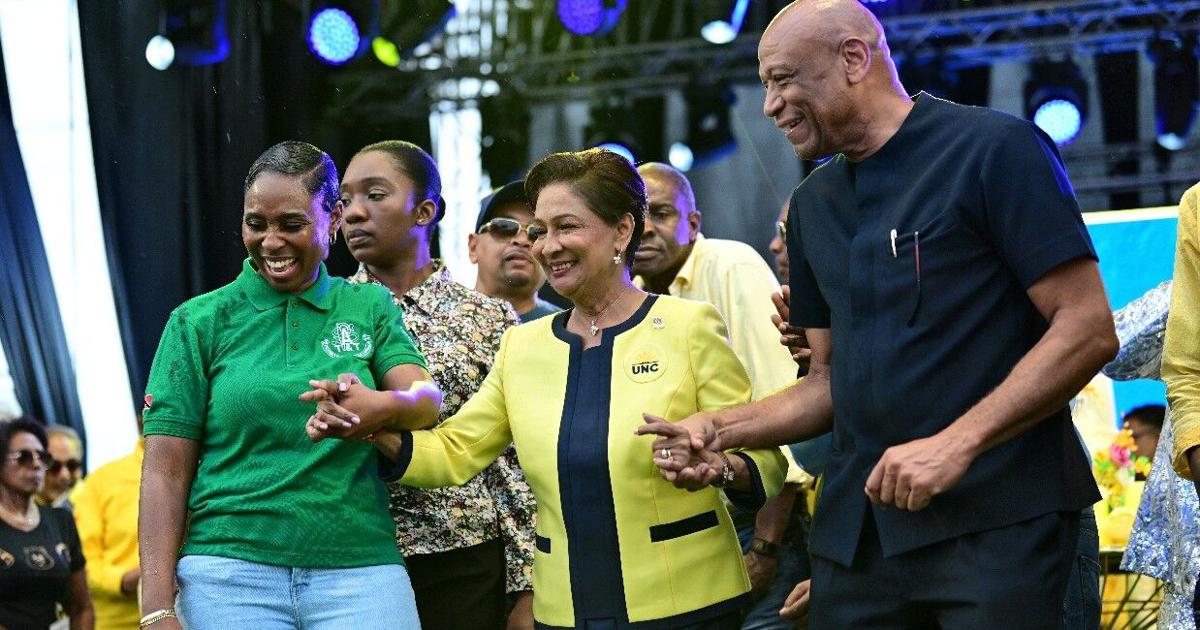
    When the United National Congress (UNC) took power in Trinidad and Tobago in April 2025, it inherited a national treasury drained of resources and a decade of systemic mismanagement left by the previous People’s National Movement (PNM) administration. Prime Minister Kamla Persad-Bissessar laid out this challenging starting point and detailed her government’s early policy wins during a keynote address at the UNC’s 37th annual national congress, held Saturday in Couva.

    Persad-Bissessar painted a stark picture of the economic damage the new administration inherited, telling assembled supporters that meaningful national recovery will require years of targeted effort to reverse a decade of damage. During the PNM’s 10-year tenure, she said, the country’s total national debt surged from $75.4 billion in 2015 to $144.7 billion in 2025 – a near-doubling of the national obligations. At the same time, overall economic output shrank by 20%, the country’s foreign reserve holdings were cut in half, and billions in public savings were withdrawn from state accounts.

    Despite this weak starting position, Persad-Bissessar emphasized that the UNC has already delivered on core campaign promises within its first months in office. The administration quickly released a people-first national budget that cut the price of super gasoline by $1 per unit and eliminated value-added tax on all essential food items, policies designed to reduce cost-of-living burdens for working households.

    “We restored fairness to a system where, for too long, ordinary citizens carried the weight of elite mismanagement,” the prime minister said. “Your UNC Government put more money back into your pockets.”

    One of the administration’s most high-profile early achievements is a 10% wage increase for public sector workers, a policy the prime minister highlighted as a top campaign pledge fulfilled. An agreement between the Chief Personnel Officer and the Public Services Association (PSA) has already locked in the raise, delivering pay increases to more than 51,000 public workers: 17,000 PSA members, 20,000 National Union of Government and Federated Workers members, and 14,000 public school teachers. Persad-Bissessar confirmed that negotiations and planning are already underway to extend similar wage adjustments to other public sector employee groups. The government has also fulfilled its pledge to eliminate taxes on private pensions, a win for retired citizens across the country.

    Beyond domestic policy gains, the UNC has successfully restored international investor and institutional confidence in Trinidad and Tobago’s economy, the prime minister said. Within its first year in office, the administration successfully issued a US$1 billion sovereign bond that drew 2.5 times oversubscription, with participation from more than 140 institutional investors across the globe. “That is a clear signal – the world believes in Trinidad and Tobago again,” Persad-Bissessar said. The government has also secured the country’s removal from both the European Union’s tax blacklist and the Financial Action Task Force’s (FATF) anti-money laundering blacklist, reversing diplomatic and economic damage from the previous administration and rebuilding the country’s global credibility.

    As it works to resuscitate long-stagnant economic growth, the UNC government has placed a high priority on targeted social support for vulnerable and marginalized citizens, the prime minister added. The government has already disbursed $1 million in ex gratia compensation to families impacted by the 2022 Paria diving tragedy, a long-unresolved issue the previous administration failed to address. A wide range of ongoing social programs are delivering tangible support: more than 117,000 elderly citizens have received $3.8 billion in pension payments; 25,602 people living with disabilities have accessed $520.3 million in disability grants; 13,869 low-income vulnerable families have received $216 million in direct cash support; 12,614 people have accessed $75.7 million in targeted food assistance; and 2,808 people impacted by disasters have benefited from 1,232 individual disaster relief grants.

    ### Progress in Healthcare and Diplomatic Outreach

    Beyond economic and social policy, Persad-Bissessar highlighted meaningful improvements to the country’s public healthcare system, long plagued by underfunding and access gaps. The Couva Children’s Hospital, shuttered for years under the previous administration, has been fully reopened and has already completed more than 600 same-day surgical procedures. Regional health authorities have expanded access to care across the country, doubling the number of operational public healthcare clinics and adding hundreds of new doctors, nurses and frontline medical staff to the understaffed public system.

    On the diplomatic front, the UNC government has reengaged with global and regional partners at the highest levels to rebuild bilateral and multilateral ties, the prime minister said. She pointed to her own high-level meeting with United States President Donald Trump during the recent Summit of the Americas as a key step in repairing bilateral relations, as well as a meeting between Foreign and Caricom Affairs Minister Sean Sobers and King Charles III during an official visit to the United Kingdom. Persad-Bissessar came to Sobers’ defense amid recent controversy over Trinidad and Tobago’s objection to the reappointment of Caricom Secretary-General Dr. Carla Barnett, dismissing unsubstantiated claims that Sobers missed a key negotiating meeting due to seasickness as baseless rumor. The prime minister also highlighted a successful official visit by Indian Prime Minister Narendra Modi, which deepened long-standing cultural and economic bilateral ties between the two nations.

    For the island of Tobago, Persad-Bissessar reaffirmed that equitable development remains a top priority for the UNC administration. The 2025 national budget included the largest ever allocation for Tobago, totaling $3.725 billion earmarked for local infrastructure and social programs. The long-standing airfare subsidy for the domestic inter-island airbridge remains in place, and the cabinet has not yet made a final decision on a proposal to add two new unsubsidized flights to the route. The national government is also working closely with the Tobago House of Assembly (THA) to advance a full slate of legislative and administrative reforms: addressing long-standing legal anomalies in the THA Act, exploring the creation of a dedicated Tobago Local Police Service, reforming the outdated alien landholding licensing system, maintaining the existing export licence for the Studley Park quarry, advancing planning for a new desalination plant in Charlotteville to address chronic water shortages, and resolving decades-long unresolved land tenure disputes for local residents.

  • Ministry of Works Hosts Security Training to Strengthen Preparedness

    Ministry of Works Hosts Security Training to Strengthen Preparedness

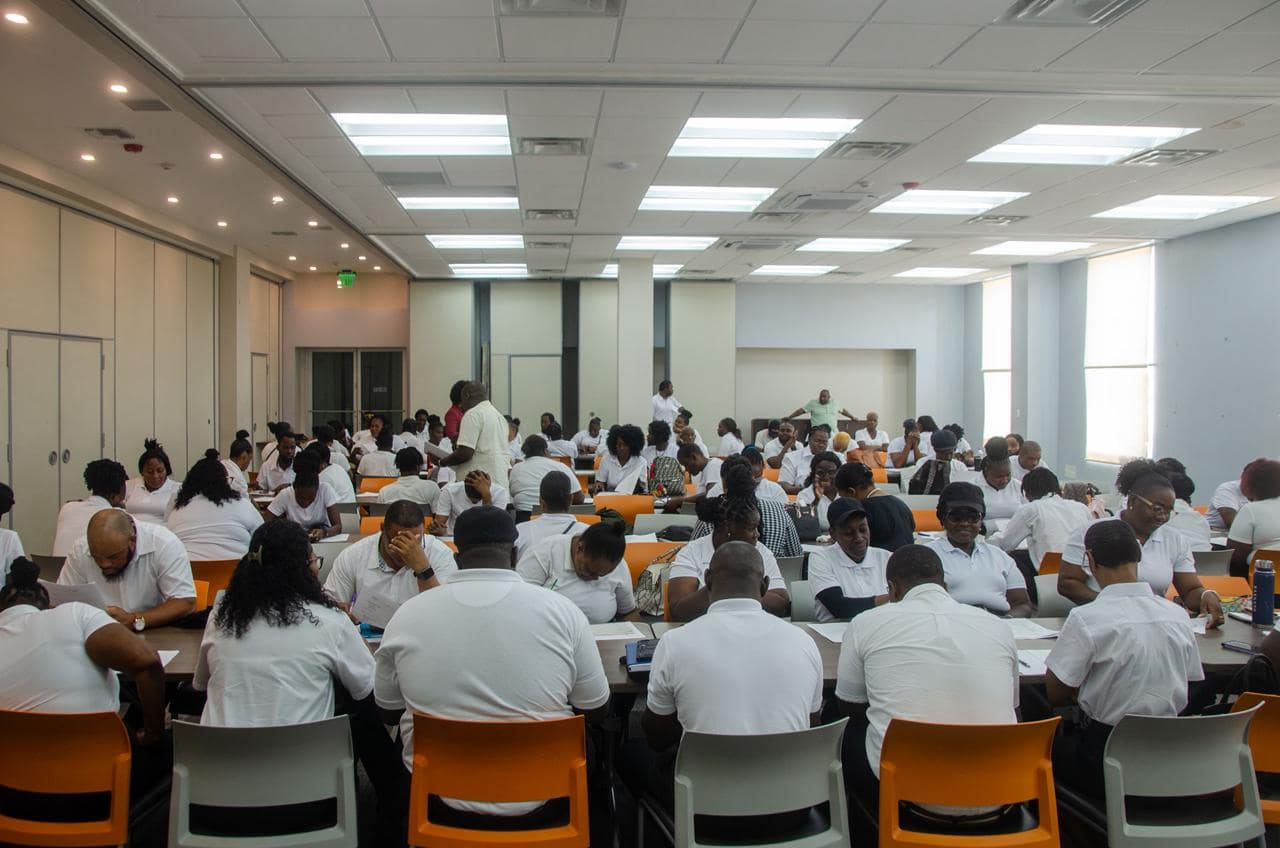
    On Friday, security personnel assigned to Antigua and Barbuda’s Ministry of Works gathered for a specialized professional development workshop, a key step in the government department’s ongoing push to elevate operational readiness and public service standards across all its units.

    The interactive training session was hosted at the John E. St. Luce Building, bringing together the entire ministry’s in-house security team to receive targeted, role-specific instruction designed to address their daily on-the-job challenges.

    Ministry leadership confirmed that this workshop is not an isolated event, but rather a core component of a wider, long-term institutional initiative. The overarching goals of this broader program are threefold: to embed higher standards of professionalism across all frontline roles, strengthen the department’s ability to respond to emerging security and operational demands, and ultimately improve the quality of service the ministry delivers to the public of Antigua and Barbuda.

    Senior officials emphasized that sustained investment in regular upskilling is a strategic priority for the ministry. By equipping frontline security staff with updated knowledge and refined skills, the department expects to boost the overall effectiveness of its workforce, creating a more stable and efficient operating environment that supports the work of every division within the Ministry of Works.

  • ABLP outlines jobs, language support plan in outreach to Spanish-speaking residents

    ABLP outlines jobs, language support plan in outreach to Spanish-speaking residents

    With the pivotal April 30 general election rapidly approaching, the Antigua and Barbuda Labour Party (ABLP) has ramped up its community outreach efforts by announcing a landmark new initiative designed to foster deeper social and economic inclusion for the nation’s Spanish-speaking population.

    The proposal, branded the Dominican Republic Integration Programme (DRIP), was unveiled by sitting Prime Minister Gaston Browne during a well-attended public gathering held Friday evening at the Multi-Purpose Cultural Centre, where every seat in the venue was filled by engaged attendees. Browne was joined on stage by two of the party’s electoral candidates: Daryll Matthew, who is contesting the St. John’s Rural South constituency, and Michael M. Joseph, the ABLP hopeful for St. John’s Rural West.

    Per the proposal’s framework, the entire initiative will be overseen by a dedicated unit operating directly out of the Office of the Prime Minister, ensuring centralized coordination and rapid progress on policy implementation. A core economic component of the plan opens access to the Prime Minister’s Entrepreneurial Fund for participating Spanish-speaking residents, providing capital to launch and grow small businesses across the country. Browne also noted that the incoming ABLP administration would hold formal discussions with local credit unions and other licensed financial institutions to expand eligible financing options for this community beyond the existing government fund.

    To address language barriers that often limit full social and civic participation, the program also includes a commitment to free community-based English language classes in neighborhoods with large concentrations of Spanish-speaking residents. Browne emphasized that while the initiative carries a name referencing the Dominican Republic – the origin of the largest share of Antigua and Barbuda’s Spanish-speaking population – it will extend coverage to all Spanish-speaking residents regardless of nationality, including Cuban citizens and migrants from other Spanish-speaking Caribbean and Latin American nations.

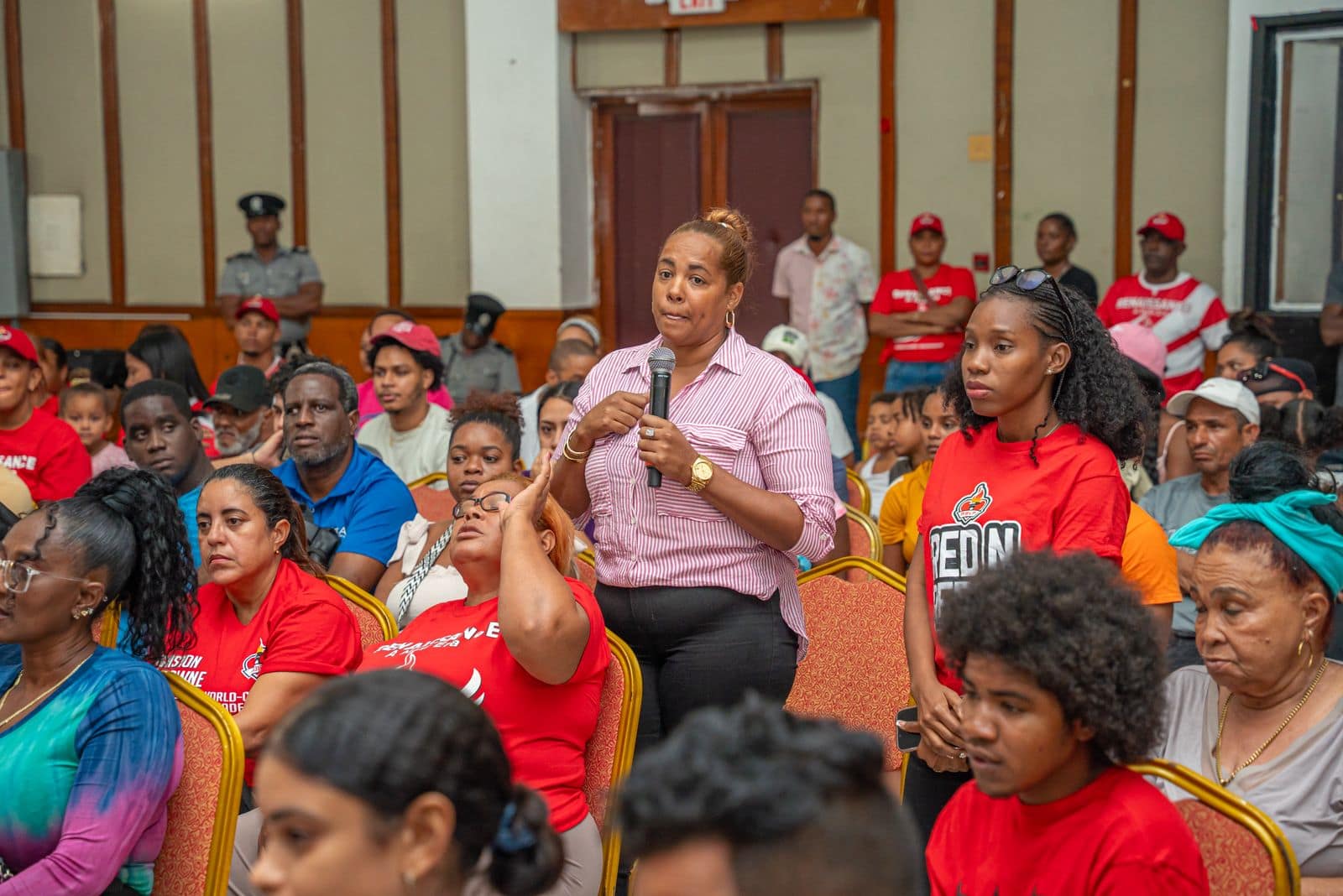
    The public event included an open question-and-answer session, where multiple attendees raised pressing concerns that have affected their community. A top complaint centered on extensive delays in processing passport applications for new citizens, with several attendees reporting wait times exceeding 12 months after submitting their citizenship requests. In response, Browne confirmed that the entire application and processing pipeline would undergo a full government review to identify and eliminate administrative bottlenecks that are causing backlogs.

    Attendees also shared accounts of unsatisfactory treatment when interacting with staff at the Antigua and Barbuda Immigration Department. Browne openly acknowledged the validity of these community complaints and committed that the ABLP would launch a full review of workplace protocols and customer service standards at the department to resolve the reported issues.

    Political analysts note that the launch of DRIP is a core component of the ABLP’s broader electoral strategy to build support across the nation’s diverse demographic groups, as the ruling party looks to secure another term in the upcoming general election. By directly addressing longstanding priorities for the Spanish-speaking community, the party is signaling that it views this demographic as a key constituency in the upcoming poll.

  • UWI celebrates Gonsalves with historic honour

    UWI celebrates Gonsalves with historic honour

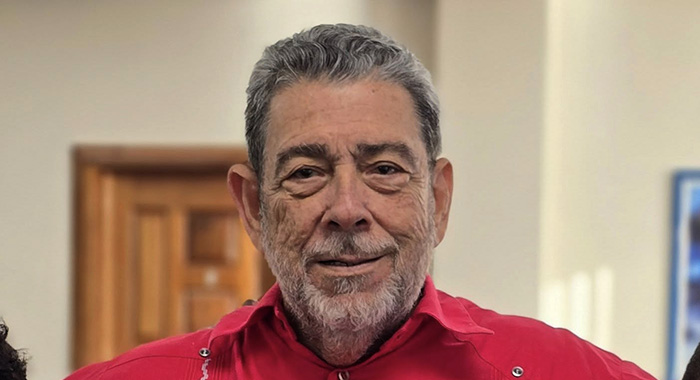
    The University of the West Indies (UWI), the Caribbean’s leading regional higher education institution, has announced a one-of-a-kind historic honor to celebrate Ralph Gonsalves, the current Leader of the Opposition of St. Vincent and the Grenadines (SVG), hailing him as a respected Caribbean leader, accomplished scholar, and distinguished UWI alumnus.

    Turning 80 this coming August, Gonsalves has built a decades-long political career spanning more than three decades. He has held a seat in SVG’s Parliament since 1994, and served as the country’s Prime Minister from March 2001 to November 2025. His tenure, which included five consecutive terms, marks the longest continuous premiership in recorded Caribbean history. Following his United Labour Party’s electoral defeat in the 2025 general election, Gonsalves retained his parliamentary seat as the only candidate from his party to win, and now serves as Leader of the Opposition.

    UWI confirmed that the decision to honor Gonsalves was formally approved during a special session of the University Council held on April 17. The institution highlighted that the tribute recognizes Gonsalves’ 60 years of outstanding service, groundbreaking scholarship, and transformative leadership across the entire Caribbean region.

    To contextualize the significance of this honor, UWI traced Gonsalves’ long-standing connection to the university, which began when he enrolled as an undergraduate and quickly emerged as a prominent student leader. During his time on campus, he was elected President of the Guild of Students, where he played a pivotal role in landmark regional campaigns, most notably the movement to reverse Caribbean governments’ controversial stance on renowned Guyanese scholar Walter Rodney.

    Gonsalves graduated from UWI with distinction in economics in 1969, before going on to pursue advanced postgraduate studies at institutions in East Africa and the University of Manchester, where he completed his doctorate. He later returned to UWI as a lecturer in political science, teaching at both the Mona and Cave Hill campuses, where he mentored and shaped generations of leading Caribbean scholars, thinkers, and public figures.

    UWI emphasized that while Gonsalves left an indelible mark on academia, his most far-reaching impact has come through his decades of public service and political leadership. The university’s statement also noted that this new recognition continues UWI’s longstanding tradition of honoring alumni who have played transformative roles in advancing Caribbean development. Past honorees include major Caribbean political figures such as PJ Patterson, Owen Arthur, Edward Seaga, Michael Manley, Bruce Golding, Portia Simpson-Miller, and Sir Erskine Sandiford, a legacy that reflects the institution’s core belief that higher education forms the foundational bedrock for strong leadership and sustainable nation-building across the region.

    What sets Gonsalves’ honor apart from all previous recognitions is its unprecedented nature, both in symbolic meaning and practical structure. When UWI first approached Gonsalves to inform him of their plan to honor him, he humbly declined the traditional gesture of naming a university building or center after him. In response, the institution created a unique alternative: a dedicated research program focused on the core themes that have defined Gonsalves’ lifelong academic and political work: global development, Caribbean sovereignty, and accessible education.

    To expand on this tribute, UWI’s Cave Hill Campus will house a new specialized research initiative hosted at the Centre for Public Policy and Governance, which will conduct targeted research into areas that have long been central to Gonsalves’ intellectual and political work, including regional integration, decolonization, and national sovereignty.

    UWI Vice-Chancellor Professor Sir Hilary Beckles celebrated Gonsalves’ fearless leadership, unwavering commitment to Caribbean self-determination, and lifelong advocacy for expanded access to higher education across the region. “It is only appropriate that we honour him in this way, befitting him, and having this defined intellectual discourse in development and sovereignty aligned with Dr Gonsalves at The UWI,” Beckles said.

    The recognition is also backed by widespread acclaim from regional academic and governance leaders. In a reflection published in November 2025, Trevor Munroe, UWI Emeritus Professor and Principal Director of the Jamaica Chapter of Transparency International, described Gonsalves as a truly transformational statesman, noting that “geniuses like Gonsalves come only once in a lifetime.”

    Munroe highlighted Gonsalves’ visionary investment in higher education and its direct impact on SVG’s rapid national development. Under Gonsalves’ leadership, he noted, SVG lifted itself from being the third-poorest country in the Caribbean Community (CARICOM) to rank 76th globally on the United Nations Human Development Index. Today, SVG sits just 0.11 index points away from qualifying as a top-tier developing nation, placing it just behind Iran, and is on track to achieve first-world status by 2040. The country has also set an ambitious target of having at least one university graduate per household by 2030, a goal anchored in Gonsalves’ policy priorities. Munroe credited Gonsalves for this remarkable developmental progress and for advancing Caribbean national sovereignty through intentional, measured national growth.

  • PM Says ABLP’s Indoor Sports Complex, Aquatic Centre and Track Upgrades More Realistic than ‘Outlandish’ UPP Facility

    PM Says ABLP’s Indoor Sports Complex, Aquatic Centre and Track Upgrades More Realistic than ‘Outlandish’ UPP Facility

    As the April 30 general election in Antigua and Barbuda approaches, incumbent Prime Minister Gaston Browne is drawing sharp distinctions between the sports infrastructure priorities of his ruling Antigua and Barbuda Labour Party (ABLP) and the pledges put forward by the opposition United Progressive Party (UPP). Browne has launched targeted criticism of the UPP’s flagship sports facility proposal, dismissing it as an overpriced, unworkable initiative that lacks transparent funding, while positioning his own party’s plans as fiscally responsible and grounded in the country’s actual needs.

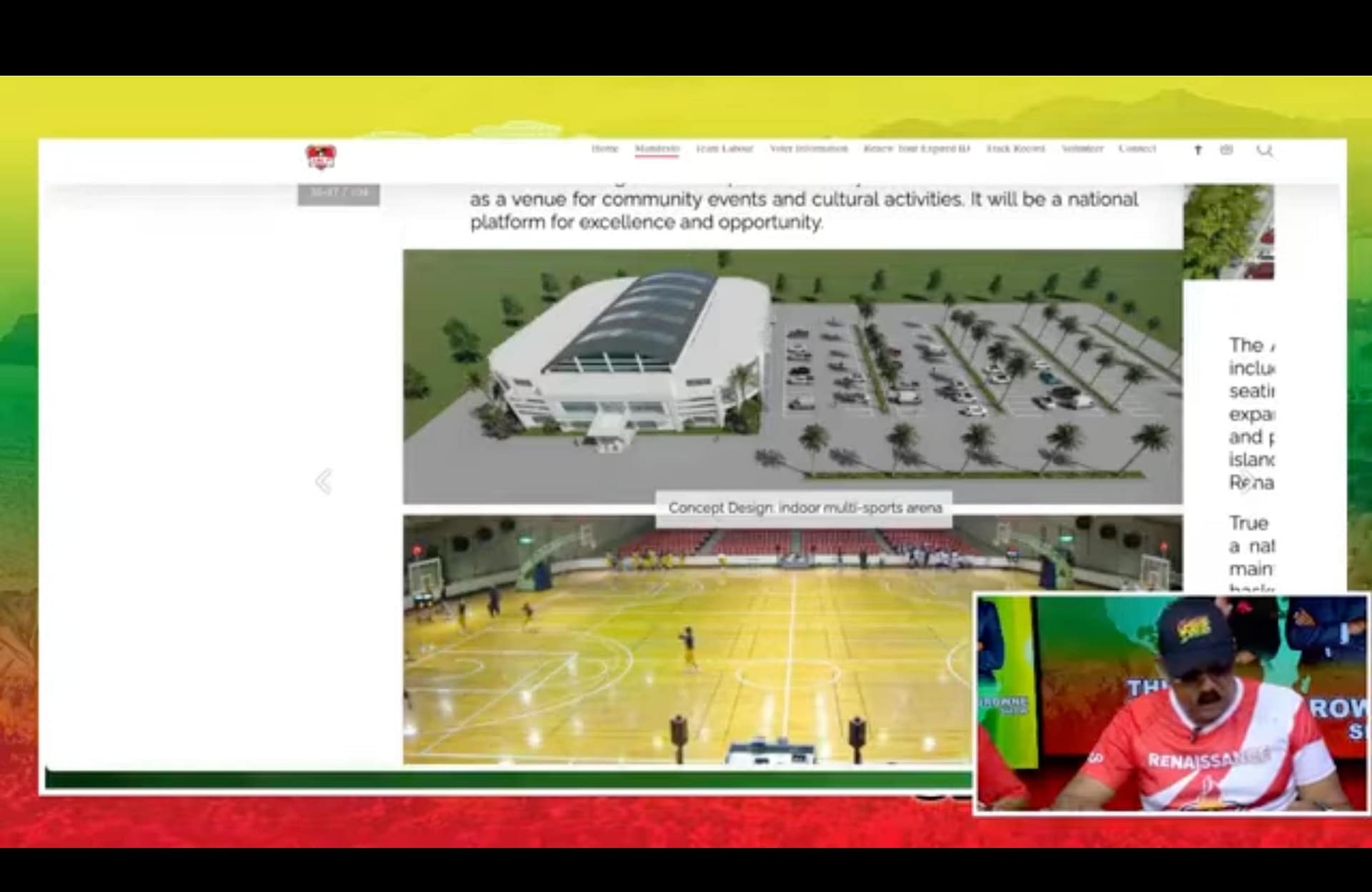
    In outlining the ABLP’s manifesto commitments, Browne highlighted a suite of targeted sports development projects that he says are well within the government’s financial capacity to deliver. The centerpieces of the ruling party’s plan include the construction of a new, state-of-the-art indoor multi-purpose sports complex and a purpose-built, modern aquatic centre. In addition to these new builds, the ABLP has committed to targeted upgrades for aging existing sports infrastructure across the country.

    Among the most critical rehabilitation projects outlined is the renewal of the running track at the JSC sports facility, which Browne confirmed has fallen into significant disrepair and requires immediate intervention to restore functionality for local athletes and community users. The party also plans to invest several million dollars into expanding and upgrading the North Sound motorsport racetrack, a recreational and tourism-focused asset that Browne noted was first established by his current ABLP administration.

    Browne emphasized that all of the ABLP’s proposed sports developments are designed to meet the nation’s practical needs without straining public finances. Unlike the opposition’s grand proposal, he said, the ABLP’s plans feature appropriately scaled facilities that balance ambition with affordability, ensuring projects can break ground and be completed without leaving unsustainable debt for future generations.

    The sharpest critique from Browne was reserved for the UPP’s proposed multi-sports arena. After conducting an independent cost analysis of the opposition’s plan, Browne said the project would carry a price tag of more than $1 billion – a sum he argues is disproportionate to Antigua and Barbuda’s current economic landscape. Beyond the sticker shock, Browne repeatedly questioned the opposition’s failure to outline a clear, credible funding source for the billion-dollar project, saying the public has been given no concrete answers about how the initiative would be paid for.

    He characterized the UPP’s proposal as both outlandish and ostentatious, arguing that it is little more than an empty campaign promise designed to attract votes rather than a realistic plan to expand the country’s sports infrastructure. In contrast, Browne reiterated that the ABLP’s agenda is rooted in deliverable, costed commitments that will deliver tangible benefits to athletes, residents, and the tourism sector long after election day.

  • Commonwealth Observer Group commences work in Antigua and Barbuda for 2026 General Elections

    Commonwealth Observer Group commences work in Antigua and Barbuda for 2026 General Elections

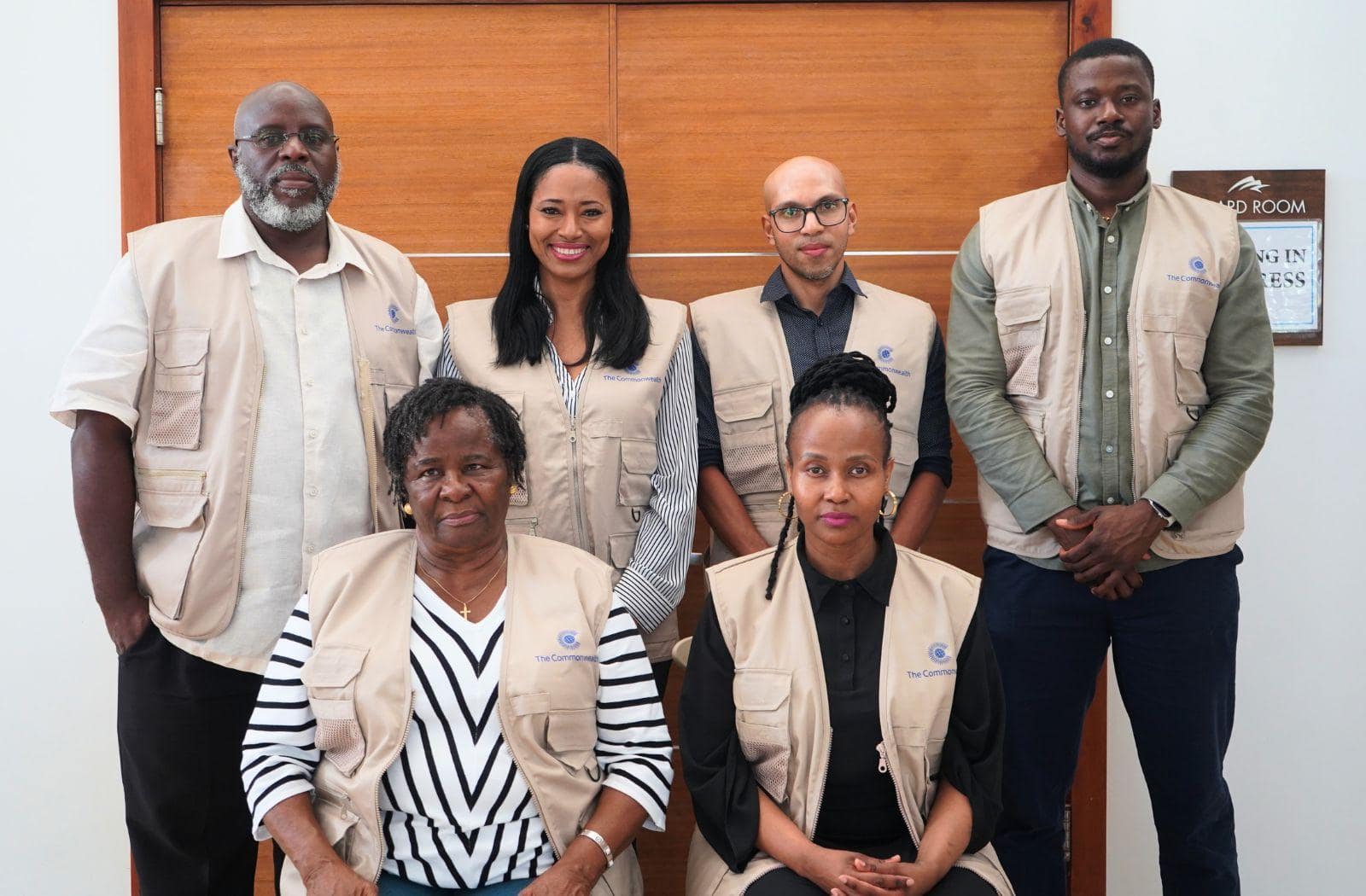
    A Commonwealth Observer Group has officially begun its work in Antigua and Barbuda, tasked with monitoring the upcoming 2026 General Elections. The four-member team was assembled and deployed by Commonwealth Secretary-General Hon Shirley Botchwey, following a formal invitation from the government of Antigua and Barbuda. Headed by Hon. Dr Pelonomi Venson, a former foreign affairs minister of Botswana, the group brings together decades of collective experience across election management, governance, civil society work, and media from three other Commonwealth nations: the Bahamas, Dominica, and the Maldives.

    In her remarks authorizing the deployment, Secretary-General Botchwey highlighted the shared commitment to democratic governance across the 56-nation bloc. She noted that she has repeatedly been impressed by the willingness of senior, distinguished leaders from across member states to step forward to support democratic processes on short notice. Expressing full confidence in the team, Botchwey emphasized that Venson and her fellow observers are well-positioned to deliver a rigorous, impartial, and trustworthy assessment of every stage of Antigua and Barbuda’s electoral cycle.

    Now fully on the ground in the twin-island nation, the observer group will remain in the country for the full duration of its mandate, covering the entire electoral process from pre-election preparations through polling day, vote counting, and post-election results management. Its assessment will be guided by three core frameworks: Antigua and Barbuda’s national electoral laws, established Commonwealth democratic values, and widely accepted international election standards.

    In her first public statement upon arrival, group chair Venson called the assignment a significant honor. She framed the 2026 general election as a critical milestone for Antigua and Barbuda, noting that it presents a key opportunity to reinforce the country’s democratic institutions and deepen public trust in how elections are run. Venson stressed that upholding the core principles of inclusive, open, and transparent democracy is essential, with every eligible voter’s vote carrying equal weight regardless of background.

    The observer mission will receive logistical and operational support from a dedicated team based in the Commonwealth Secretariat, led by Lindiwe Maleleka, Political Adviser for the organization’s Electoral Support Section. Over the coming weeks, the group will hold consultations with a broad cross-section of national stakeholders, including national election authorities, leaders of all competing political parties, representatives of local and international civil society groups, national security agencies, members of the diplomatic community, and representatives of other international observer organizations.

    To ensure comprehensive coverage of voting activities, individual observers will be deployed across both of Antigua and Barbuda’s main islands to directly observe polling station operations, the post-polling vote counting process, and the official management of election results. In line with standard Commonwealth election observation protocols, the mission will release an interim public statement outlining its preliminary findings shortly after polls close. A full, detailed final report with final assessments and any recommendations will be published after the completion of the entire electoral process.

    The full roster of observers, in addition to chair Venson, includes Candia Dames, Executive Editor of the *Nassau Guardian* from the Bahamas; Ian Michael Anthony, former Chief Elections Officer of Dominica; and Aiman Rasheed, Deputy Program Director for the International Republican Institute based in the Maldives.

  • Adrian Williams Unveils 10-Point Plan for City South Ahead of April 30 Vote

    Adrian Williams Unveils 10-Point Plan for City South Ahead of April 30 Vote

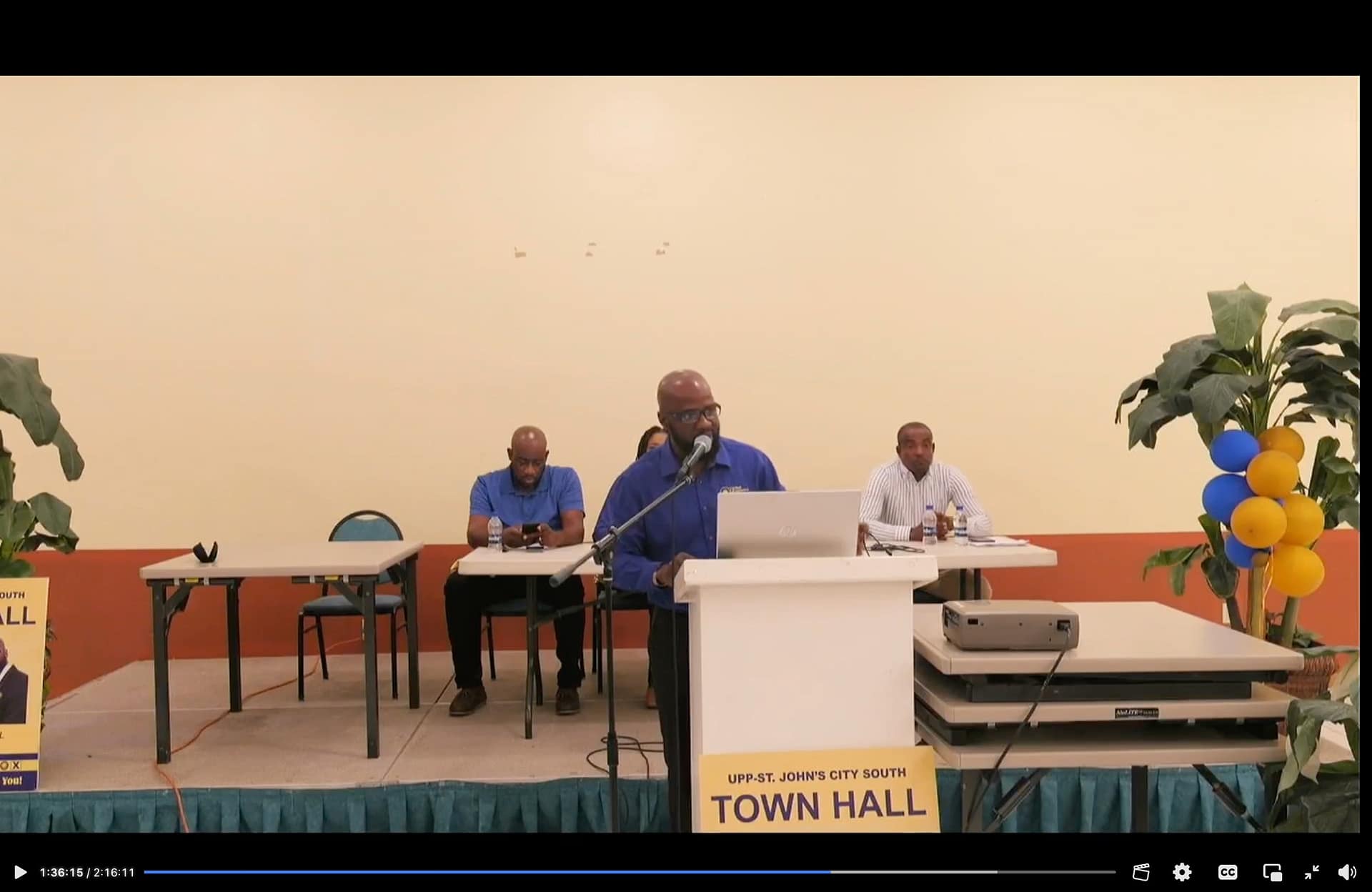
    As Antigua and Barbuda prepares for its April 30 general election, United Progressive Party candidate Adrian Williams has launched a bold 10-point development framework for the country’s South City region, positioning the plan as a targeted solution to growing economic strain and a blueprint for people-centered governance.

    Speaking to a packed audience at a public town hall gathering, Williams emphasized that the upcoming ballot represents a defining juncture for the twin-island nation, urging voters to recognize that shifting global dynamics will not remain distant from local realities. “We are not entering into an ordinary election,” he told assembled attendees, highlighting looming projected hikes in the cost of core household necessities: food, fuel, and rental housing. “Issues forged far beyond our shores… are certainly going to affect us right here at home.”

    Williams’ comprehensive plan covers a wide range of priority policy areas, from expanding agricultural output and improving public access to land, to breathing new economic life into the capital city of St. John’s. Additional key pillars include transformative reforms to education and healthcare, expanded investment in youth development, strengthened community policing, and broad-based support for local economic activity. At the heart of his policy pitch is a commitment to “bottom-up” nation-building, a model that centers increased public participation in governance and greater decision-making power for local communities.

    “The power truly belongs to the people,” Williams affirmed. “We want to give that power where it belongs.”

    The candidate also drew attention to longstanding, unaddressed challenges within the national healthcare system, identifying extended wait times for care and persistent staffing shortages as issues that demand immediate intervention. He argued that any meaningful healthcare reform must prioritize two core goals: boosting service efficiency and guaranteeing equal access to care for all residents, regardless of their income or location.

    Williams further underlined the urgent need for targeted policies to boost youth inclusion and grassroots community progress, calling for structured, accessible programs that build personal discipline and equip young people with in-demand employable skills.

    Throughout his presentation, Williams repeatedly returned to the central theme of ongoing constituent consultation, stressing that the proposals on the table were not developed behind closed doors and imposed on the public. Instead, he explained, the plan has been shaped iteratively through direct dialogue with the communities it aims to serve.

    “This meeting tonight is not us pushing things down your throat—this is us asking you, the people, how can we play a part… to modernize our system,” he explained.

    Williams confirmed that the 10-point South City development plan forms an early, core component of the United Progressive Party’s broader national platform for the 2026 general election cycle. He added that if the party secures victory at the polls on April 30, the implementation of all proposals will continue to be guided by sustained, open dialogue with voters across the country.

  • Thousands Join ABLP ‘Red & Reddy’ Megacade Across Antigua

    Thousands Join ABLP ‘Red & Reddy’ Megacade Across Antigua

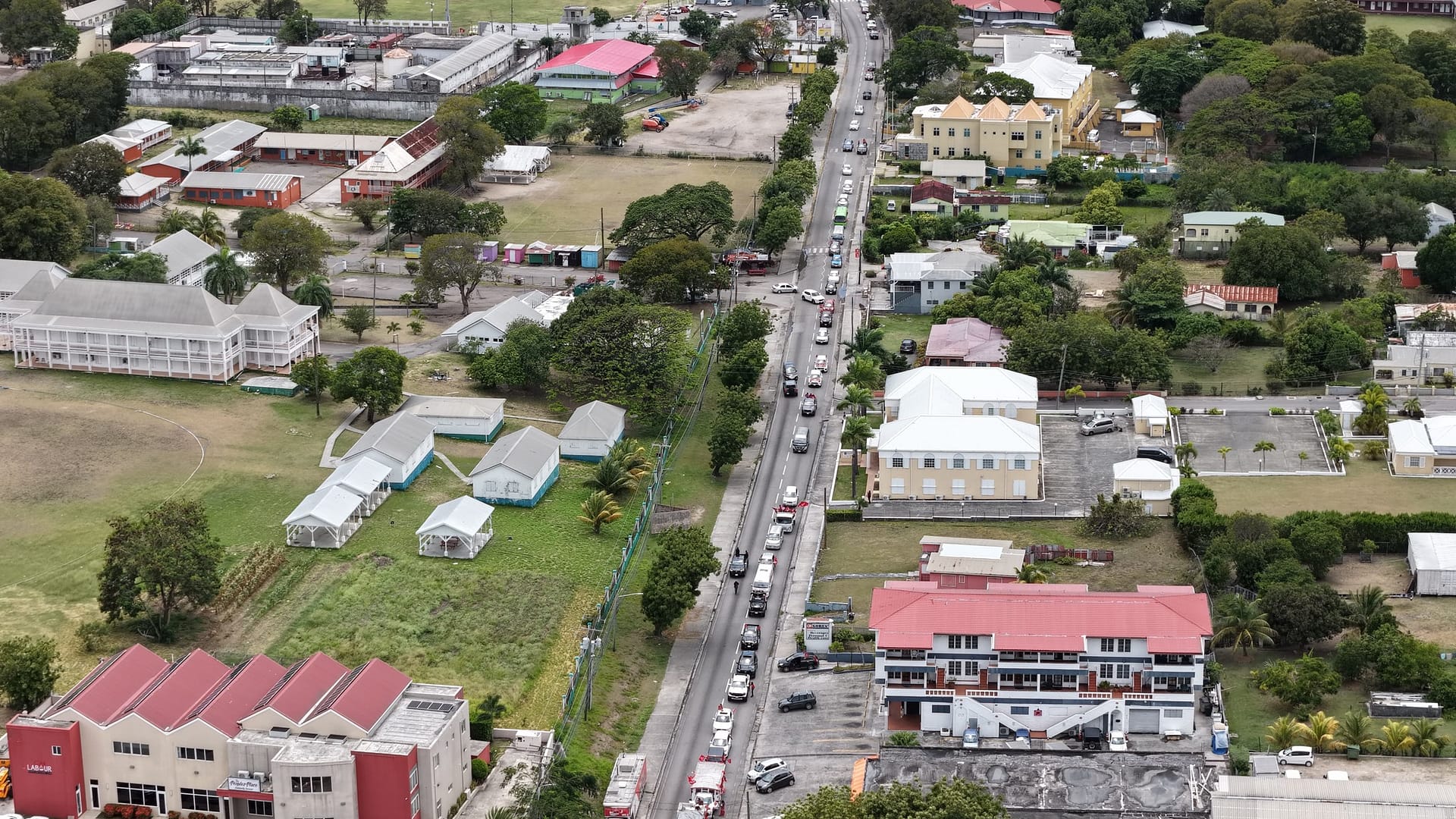
    On Sunday, the island of Antigua became a sea of red as thousands of vehicles and political supporters flooded the nation’s roads for the Antigua and Barbuda Labour Party (ABLP)’s high-energy “Red & Reddy” megacade, a massive pre-election demonstration that rolled across multiple communities over several hours.

    Kicking off from the Rising Sun Grounds, the procession rapidly swelled into one of the largest public displays of political backing seen during this entire election campaign season. A continuous line stretching for miles at some points — made up of private cars, mobile music trucks, and flag-waving attendees — cruised along Antigua’s busiest major transport routes, including All Saints Road, the Sir Sydney Walling Highway, Friars Hill Road, and Market Street, before drawing to a close at the Crawford Playfield.

    Along the route, hundreds of ABLP backers decked out in the party’s signature red gathered on sidewalks and roadside verges to cheer on the procession, while many onlookers jumped in to join the moving caravan as it passed through villages and urban centers. The atmosphere across the day remained unwaveringly festive: car horns blared in constant celebration, upbeat music pumped from speakers on every other vehicle, and supporters danced along the route between stops, all while waving ABLP flags high in a show of unified support.

    Eyewitnesses who observed the motorcade confirmed that it stands out as one of the biggest mobilization events of the 2024 general election cycle, with turnout exceeding many pre-event expectations. The massive procession was a core part of the ABLP’s closing campaign push, taking place just days before the island nation heads to the polls for the April 30 general election. Party organizers framed the turnout as clear evidence of the ABLP’s strong ground game and broad voter support across the country, designed to boost the party’s visibility and solidify its presence in communities ahead of voting day.

    While the sheer size of the motorcade caused prolonged heavy traffic congestion on several key arterial routes across Antigua, authorities have confirmed there were no immediate reports of violence, property damage, or other major public safety incidents linked to the event.